7 Native Perennials Every Pennsylvania Gardener Should Be Growing
Pennsylvania has some of the most productive and diverse native plant communities in the entire country, yet most gardens here rely on the same imported perennials you would find anywhere from Georgia to Maine.
Native perennials are not just a trend or a nod to environmentalism. They are genuinely better performers in Pennsylvania soil and climate, and once they are established, they require a fraction of the attention that non-native plants demand.
They feed the bees and butterflies that are specific to this region, support birds through the seasons, and come back stronger year after year without much help from you.
A lot of gardeners avoid them simply because they do not know what is out there or assume native means plain and unremarkable.
These perennials will change that assumption pretty quickly. If you have open beds to fill this season, this list is a good place to start.
1. Bee Balm
If your garden feels like it is missing some life and energy, bee balm might just be the plant that changes everything.
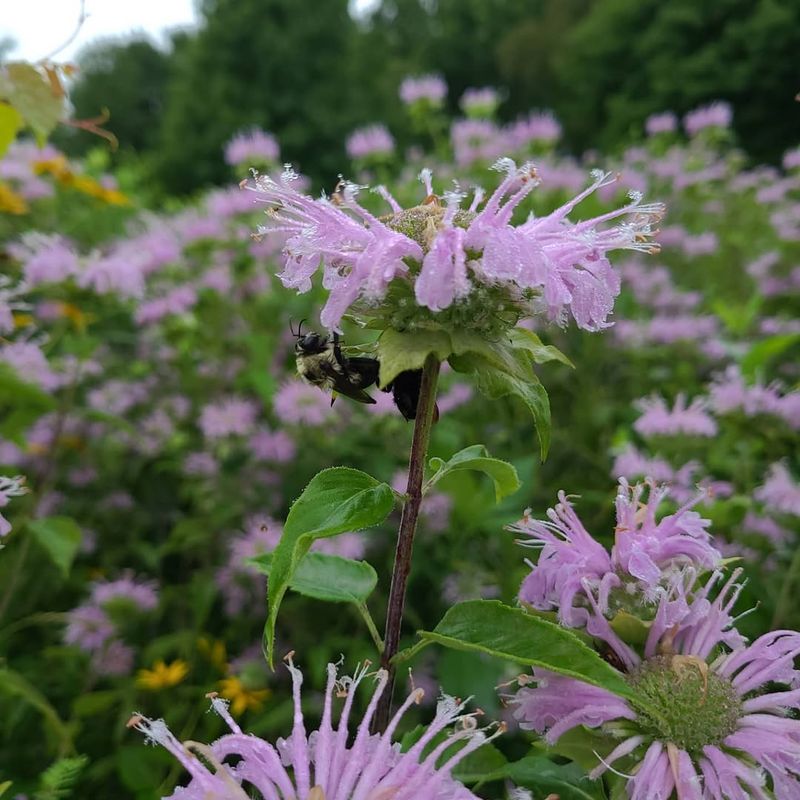
Known scientifically as Monarda didyma, this bold, shaggy-flowered perennial is practically a magnet for hummingbirds, butterflies, and bumblebees. When it blooms in mid-summer, your yard transforms into a wildlife hotspot that is hard to ignore.
Bee balm grows best in full sun to partial shade and prefers moist, well-drained soil. It can reach two to four feet tall, making it a strong visual anchor in any garden bed.
The flowers come in shades of red, pink, purple, and white, so there is a variety to suit almost any color scheme you have in mind.
One fun fact many gardeners do not know is that bee balm leaves are edible and have a minty, slightly spicy flavor.
Native Americans used the plant for medicinal teas, and colonists brewed it as a substitute for black tea after the Boston Tea Party. That rich history gives this plant an extra layer of charm beyond its obvious good looks.
To keep bee balm healthy, divide the clumps every two to three years. This prevents overcrowding and helps reduce powdery mildew, which can sometimes appear in humid Pennsylvania summers.
Give it enough air circulation, and it will reward you with weeks of brilliant blooms that keep pollinators coming back all season long.
2. Purple Coneflower
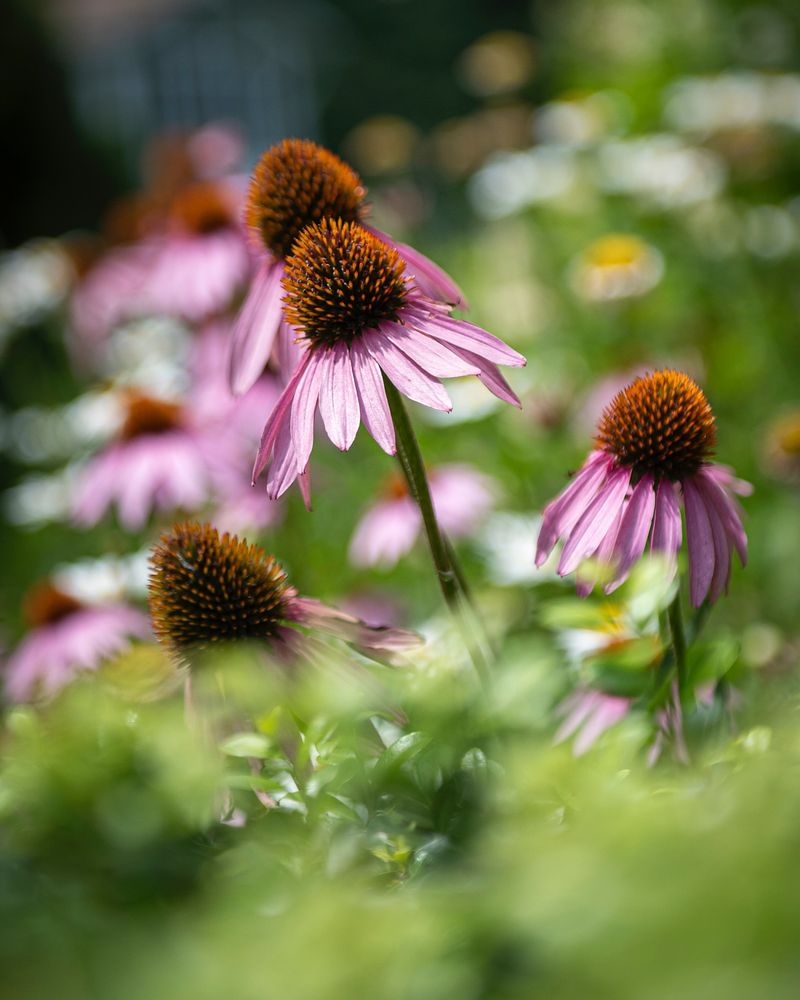
There is a reason purple coneflower, or Echinacea purpurea, shows up in gardens all across Pennsylvania.
It is one of those rare plants that looks stunning, supports wildlife, and practically takes care of itself once it gets established. Gardeners who have grown it once rarely go back to planting without it.
Coneflowers bloom from early summer well into fall, giving you months of color when other plants start to fade. The daisy-like purple-pink petals surround a raised, spiky orange-brown center that gives the flower its distinctive look.
Bees and butterflies flock to them, and when the blooms fade, the seed heads attract goldfinches and other songbirds looking for a late-season snack.
One of the biggest selling points for Pennsylvania gardeners is how well coneflowers handle heat and drought. Once established, they need very little supplemental watering, which is great news during dry summer stretches.
Your Pennsylvania Garden Changes Every Week. Your Plan Should Too.
Gardening in Pennsylvania changes quickly throughout the season. Every Friday you’ll receive a simple weekly plan showing exactly what to plant, prune, fertilize, harvest, and protect so you never miss the right timing.
They grow well in average, well-drained soil and prefer full sun, though they can tolerate some afternoon shade without much fuss.
Deadheading spent blooms will encourage more flowers, but leaving some seed heads standing through winter adds texture to your garden and provides food for birds.
Purple coneflower also self-seeds reliably, so over time you may find new plants popping up nearby.
Starting with just a few plants can eventually give you a full, lush colony that fills your garden with color and buzzing activity every single year.
3. Goldenrod
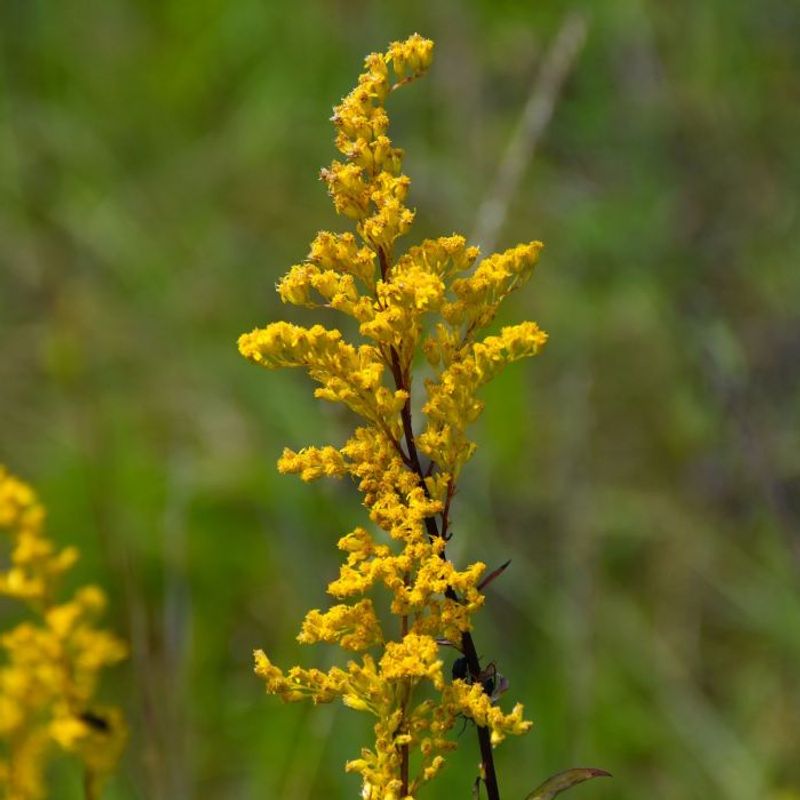
Goldenrod gets a bad reputation that it simply does not deserve. Many people blame it for fall allergies, but the real culprit is ragweed, which blooms at the same time.
Goldenrod’s pollen is too heavy and sticky to travel through the air. It relies on insects to carry it from flower to flower, which is exactly why so many pollinators love it.
Solidago, the genus name for goldenrod, includes dozens of native species found throughout Pennsylvania. The cheerful golden-yellow plumes light up roadsides, meadows, and woodland edges from late summer through fall.
At a time when most flowering plants have already wrapped up for the year, goldenrod steps in as a critical food source for bees, wasps, beetles, and butterflies preparing for winter.
In the garden, goldenrod is impressively low-maintenance. It tolerates poor, dry soils and full sun with ease, making it a smart choice for tough spots where other plants struggle.
Some species can spread enthusiastically through rhizomes, so choosing a clump-forming variety like Solidago rugosa or Solidago caesia helps keep things tidy without a lot of extra work.
Beyond its value to pollinators, goldenrod adds incredible texture and warmth to fall garden arrangements. Cut stems look beautiful in bouquets alongside asters and ornamental grasses.
Native Americans used goldenrod for centuries as a medicinal plant, treating everything from sore throats to wounds. Planting it is a simple way to honor that long history while supporting your local ecosystem every autumn.
4. Blue Wood Aster
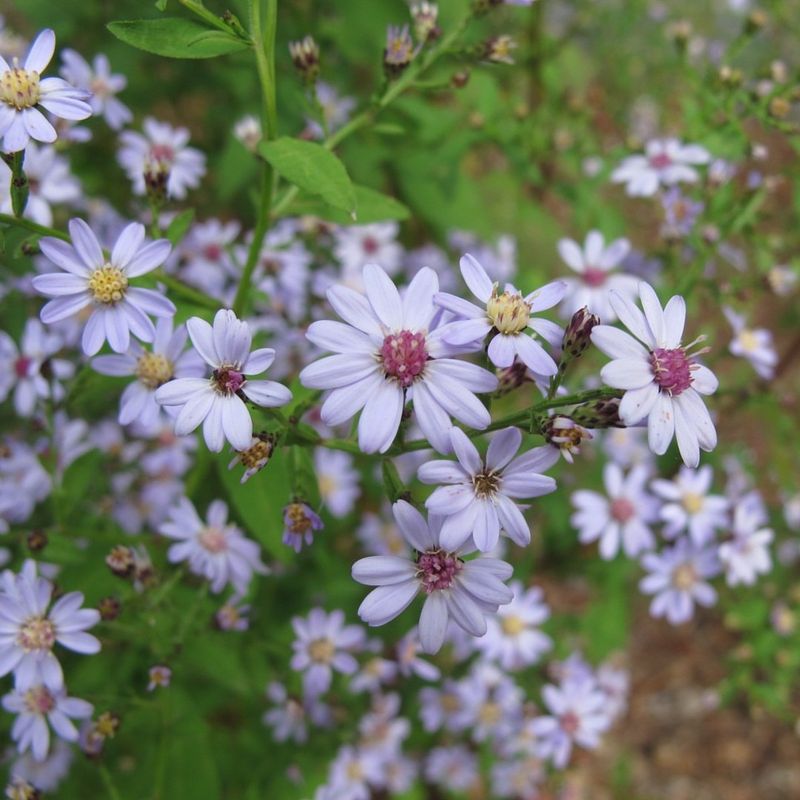
When fall arrives and most garden flowers have called it a season, blue wood aster quietly steps into the spotlight.
Symphyotrichum cordifolium, commonly called blue wood aster, is a native wildflower that thrives in shaded and partly shaded spots where many plants simply refuse to grow. It is one of those plants that makes you appreciate the understated beauty of native flora.
The flowers are small and daisy-like, with pale lavender-blue to white petals surrounding a bright yellow center. They appear in late September and October, blanketing the plant in a soft haze of color just when the garden needs it most.
Migrating butterflies and native bees depend on late-blooming plants like this one to fuel up before colder weather settles in.
Blue wood aster is incredibly adaptable. It grows well in average to dry soils and handles shade far better than most flowering perennials.
That makes it an excellent choice for woodland gardens, shaded borders, or the tricky dry shade under large trees where getting anything to bloom can feel like a real challenge.
Once established, this aster spreads gently by seed and rhizomes, gradually forming a loose colony that fills in bare ground naturally. It pairs beautifully with ferns, wild ginger, and goldenrod for a layered, naturalistic look.
Minimal pruning or fertilizing is needed. Just plant it in a spot with decent drainage, step back, and let this reliable native do what it does best every fall season.
5. Foamflower
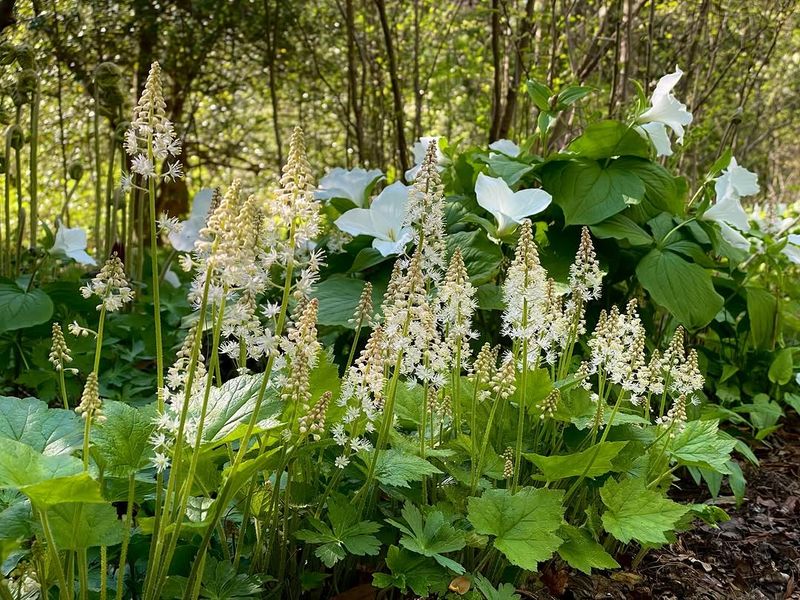
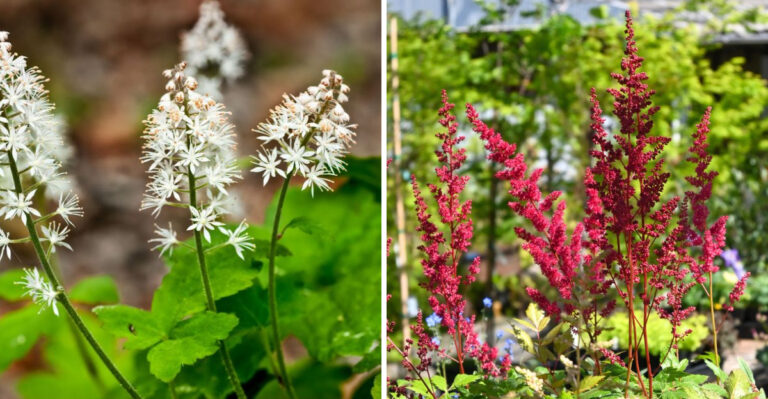
Tucked beneath a canopy of trees in a Pennsylvania woodland, foamflower looks like something straight out of a fairy tale. Tiarella cordifolia produces airy, frothy white flower spikes in spring that rise above a carpet of heart-shaped, attractively patterned leaves.
The common name says it all because the blooms genuinely look like little clouds of foam floating above the foliage.
Foamflower is a dream plant for shaded gardens. It thrives under deciduous trees, in moist woodland borders, and along shaded pathways where many flowering plants give up entirely.
The leaves are just as attractive as the flowers, often featuring deep burgundy veining or mottling that adds visual interest even when the plant is not in bloom.
Unlike aggressive spreaders that can take over a garden bed, foamflower expands at a polite pace through short stolons, gradually filling in gaps without crowding out neighboring plants.
It works beautifully as a ground cover under hostas, ferns, and native shrubs. Bees and small insects visit the blooms in spring, making it a helpful early-season food source before bigger summer flowers open up.
Caring for foamflower is refreshingly simple. It needs consistently moist, humus-rich soil and protection from harsh afternoon sun.
Mulching around the base helps retain moisture and keeps roots cool during warm Pennsylvania summers. Divide clumps every few years to keep them vigorous.
With just a little attention early on, foamflower rewards you with years of reliable, enchanting beauty in even the shadiest corners of your yard.
6. Wild Columbine
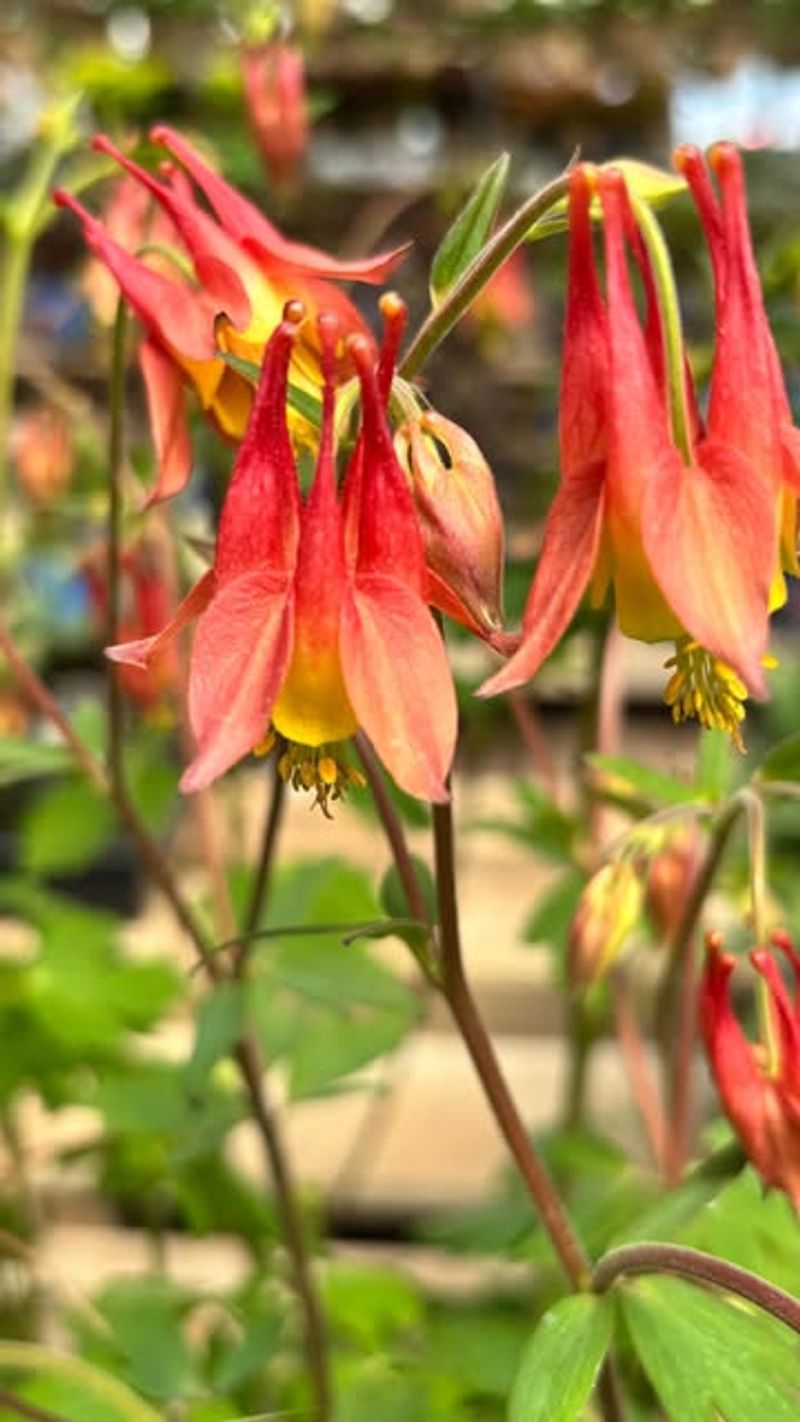
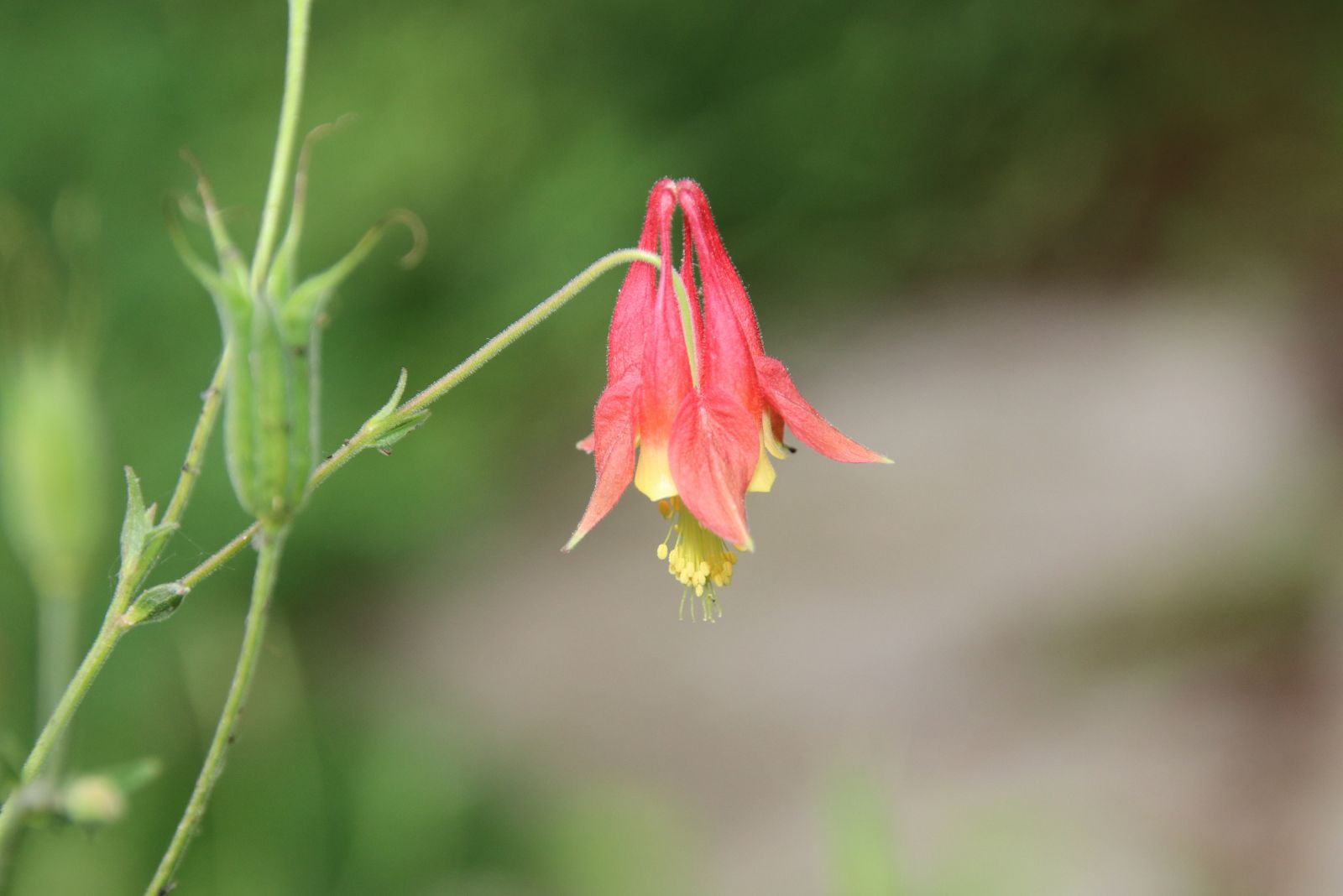
Few native plants have the same delicate, whimsical charm as wild columbine. Aquilegia canadensis produces nodding red and yellow flowers with long, graceful spurs that look almost too elegant to be growing in the wild.
But do not let the fancy appearance fool you because this plant is tougher than it looks and perfectly suited to Pennsylvania gardens.
Wild columbine blooms in spring, typically from April through June, right when ruby-throated hummingbirds are returning from their winter migration.
The long spurs on the flowers are perfectly shaped to match the hummingbird’s bill, and watching one hover and feed is one of the great simple pleasures of spring gardening.
Bumblebees also visit regularly, often chewing through the spurs to access nectar from the outside.
Rocky slopes, dry woodland edges, and partly shaded garden beds are where wild columbine truly shines. It handles poor, thin soils with ease and actually prefers not to be overly fertilized or pampered.
That makes it a smart pick for challenging spots in the yard where richer soil plants tend to struggle or flop over.
Wild columbine self-seeds freely, so over time a single plant can multiply into a charming, scattered grouping that looks completely natural. The ferny, blue-green foliage stays attractive long after the flowers fade, adding texture to the garden through summer.
Pair it with wild ginger, native ferns, or early spring bulbs for a layered spring display that feels effortlessly beautiful and full of life from the very first warm day.
7. Butterfly Weed
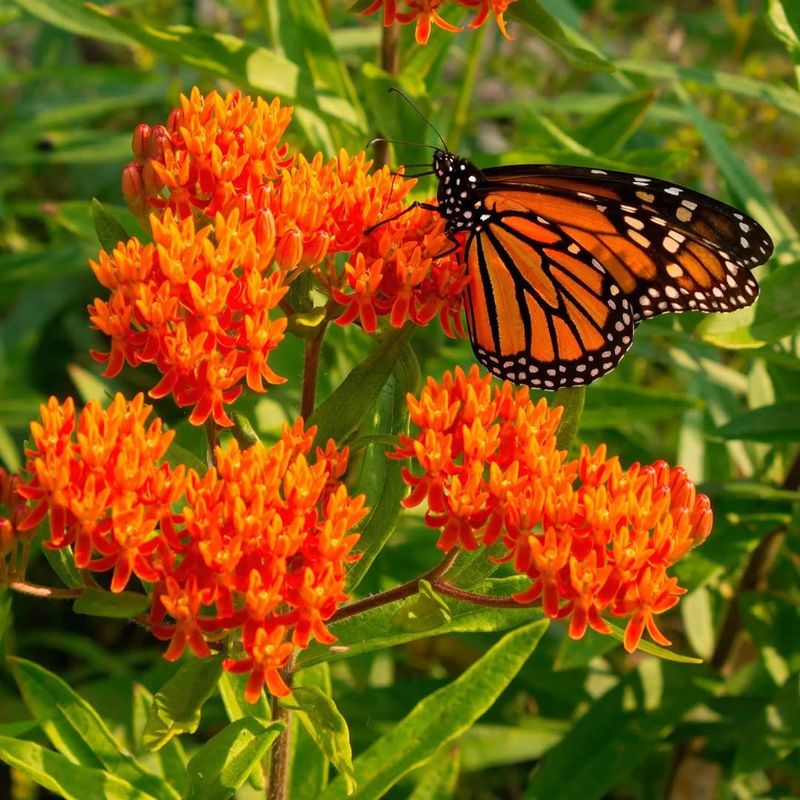
Monarch butterflies have a complicated life story, and butterfly weed plays a starring role in it. Asclepias tuberosa is a native milkweed species and one of the most important plants you can grow if you care about supporting monarch populations.
Female monarchs lay their eggs exclusively on milkweed plants, and the caterpillars eat the leaves as their only food source before transforming into butterflies.
Beyond its ecological importance, butterfly weed is genuinely one of the showiest native plants available. The flat-topped clusters of vivid orange flowers pop against any garden backdrop and bloom from June through August.
Bees, wasps, fritillary butterflies, and many other pollinators visit the blooms constantly, turning your garden into a lively, buzzing scene on any warm summer afternoon.
Drought tolerance is one of butterfly weed’s greatest strengths. Unlike many milkweed relatives, it thrives in dry, sandy, or rocky soils and full sun, making it ideal for tough spots that stay parched during summer.
It does not do well in wet, heavy clay soil, so good drainage is the one condition it genuinely needs to stay happy and healthy over time.
One thing to keep in mind is that butterfly weed emerges late in spring, so mark its location to avoid accidentally disturbing it. It develops a deep taproot that makes it drought-resistant but also means it resents being transplanted once established.
Plant it where you want it to stay, give it full sun and lean soil, and it will come back stronger and more beautiful with each passing year.