7 Flowers That Keep Blooming In Georgia After Spring Flowers Fade Away
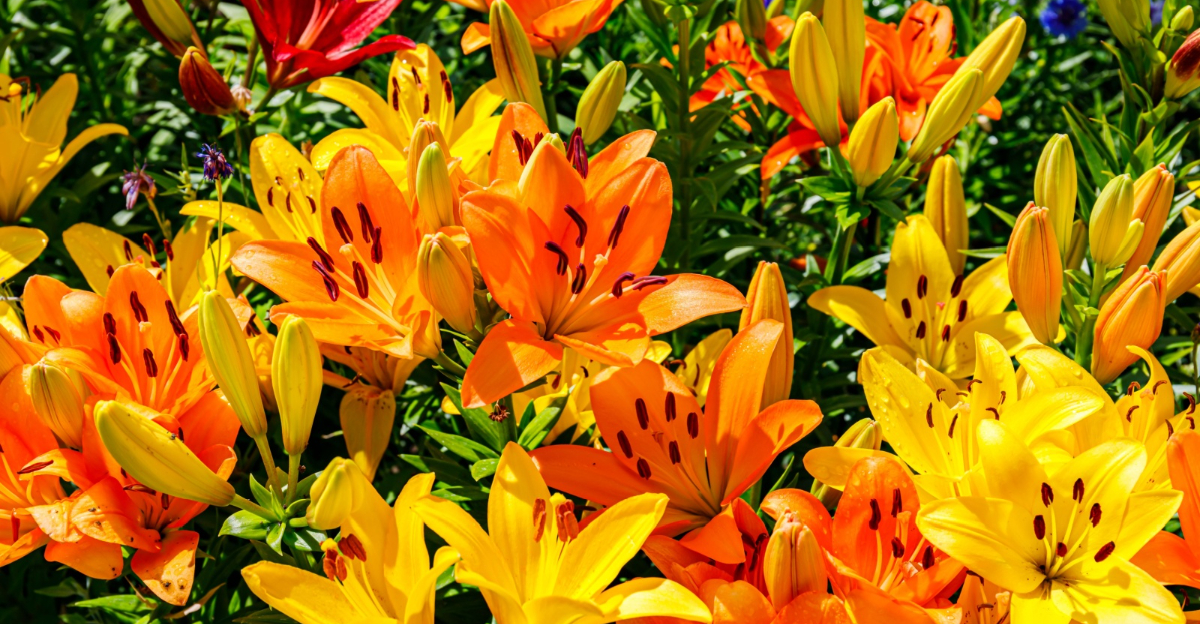
Spring in Georgia is gorgeous, and then June shows up. The temperatures climb, the humidity settles in, and those beautiful cool-season blooms that made your garden look amazing start checking out one by one.
Suddenly the beds look bare right when you’re spending the most time outside. Sound familiar?
The good news is that Georgia summers, as intense as they are, actually suit a whole group of flowers really well. These are the plants that don’t just tolerate heat and humidity, they seem to feed off it.
Swap out your fading spring performers for heat-loving varieties and your garden can stay genuinely colorful from late spring all the way through fall.
1. Coreopsis Brings Color From May To Fall
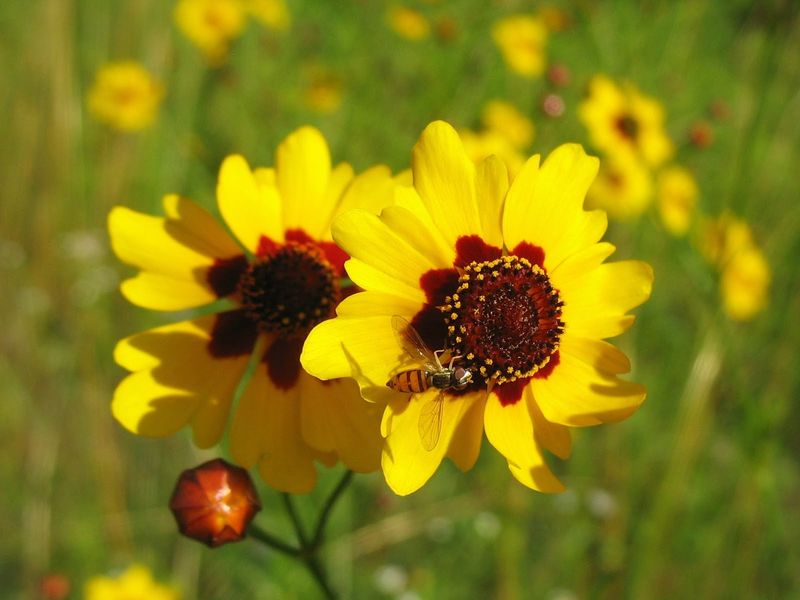
Few flowers match coreopsis for sheer staying power in a Georgia garden.
While many spring bloomers are already winding down by late May, coreopsis is just getting started, sending up cheerful yellow or golden flowers that light up borders and pollinator gardens from spring well into fall.
It is one of those plants that seems to thrive on the kind of heat that slows everything else down.
Coreopsis grows well in full sun and handles dry spells better than many other flowering perennials.
Once it gets established in well-drained soil, it does not need a lot of extra watering, which makes it a practical choice for homeowners who want color without constant maintenance.
Sandy or loamy soils tend to suit it well, and it can struggle if roots sit in soggy ground for long periods.
Deadheading spent blooms regularly encourages the plant to keep producing new flowers rather than putting energy into seed production. Cutting back stems by about one-third in midsummer can also help refresh the plant and extend the bloom season.
Coreopsis works well planted in groups along sunny borders, in mixed perennial beds, or even in containers placed in full sun.
Several native varieties do especially well in Georgia landscapes, and their long bloom period makes them a reliable source of color when spring flowers are long gone.
Bees and butterflies tend to visit coreopsis regularly throughout the summer months.
2. Black Eyed Susan Adds Bright Summer Blooms
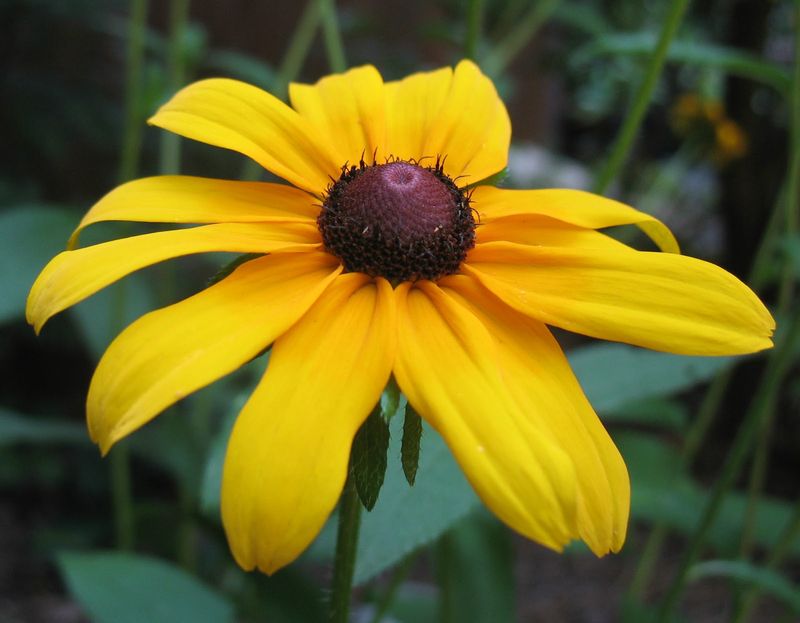
Hot afternoons do not slow down black-eyed Susans one bit.
These bold, golden-yellow flowers with their distinctive dark centers start blooming in early summer and can keep going strong well into fall, making them one of the most dependable sources of warm-season color in Georgia landscapes.
They have a natural, wildflower quality that looks right at home in both formal borders and relaxed cottage-style gardens.
Black-eyed Susans prefer full sun and do well in average, well-drained soils. They are reasonably drought-tolerant once established, which is a real advantage during Georgia’s dry summer stretches.
Planting them in spots that receive at least six hours of direct sunlight each day tends to produce the most consistent blooming. They can spread gradually over time, so giving them a little extra space when planting helps avoid crowding.
Your Georgia Garden Changes Every Week. Your Plan Should Too.
Gardening in Georgia changes quickly throughout the season. Every Friday you’ll receive a simple weekly plan showing exactly what to plant, prune, fertilize, harvest, and protect so you never miss the right timing.
These flowers attract a wide range of pollinators, including bees, butterflies, and even goldfinches that visit for the seeds later in the season.
Deadheading spent blooms can encourage more flowering, though leaving some seed heads in place at the end of the season provides food for birds and adds winter texture to the garden.
Black-eyed Susans pair well with ornamental grasses, salvia, and coneflowers in mixed Georgia borders.
They also work nicely in naturalized areas or along fences where their upright, two-to-three-foot height gives the planting a sense of structure and casual charm through the long summer season.
3. Perennial Salvia Sends Up Colorful Flower Spikes
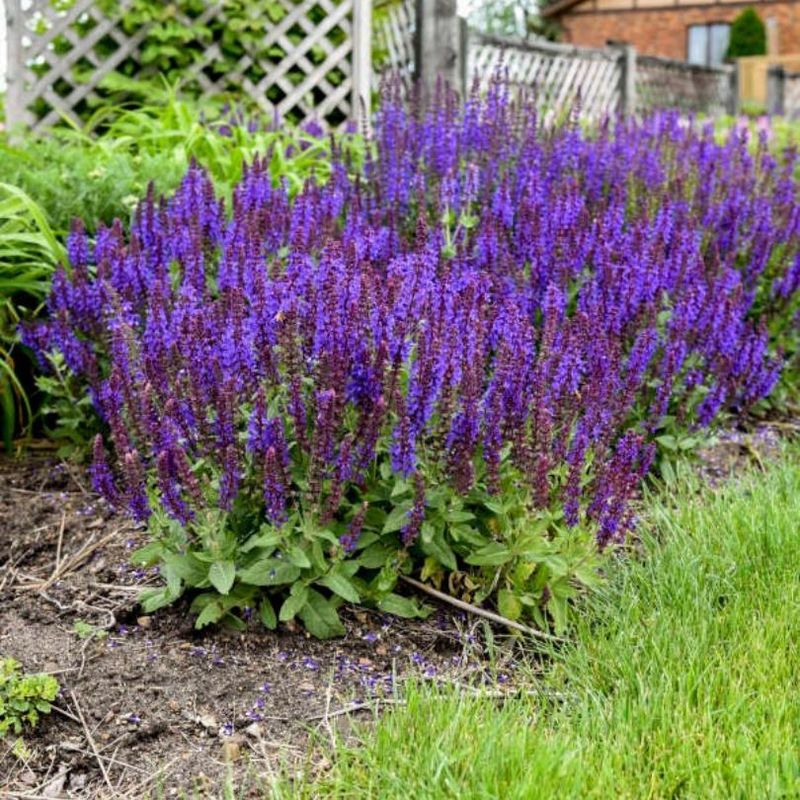
Salvia has a way of standing out in a summer garden, sending up tall, slender flower spikes in shades of purple, blue, and violet that catch the eye from across the yard.
As spring flowers fade across Georgia, perennial salvia steps in and holds its own through the heat, often blooming in waves from late spring through fall with just a little encouragement from the gardener.
This plant does best in full sun with well-drained soil and tends to handle summer heat and humidity reasonably well. It is not particularly demanding about soil fertility, and overly rich soil can sometimes lead to lush foliage at the expense of blooms.
Spacing plants properly to allow good air circulation helps reduce the chance of fungal issues during humid summer months.
Cutting back the flower spikes after the first flush of blooms fades is one of the most useful things a gardener can do to keep salvia producing through the season.
This deadheading or light shearing encourages a fresh round of growth and new flower spikes within a few weeks.
Perennial salvia works especially well in pollinator gardens, where its nectar-rich flowers draw hummingbirds, bees, and butterflies with impressive regularity.
It pairs nicely with yellow or orange flowering plants like coreopsis or black-eyed Susans, creating a warm-cool color contrast that keeps Georgia borders looking lively and layered through the long summer.
Clumps tend to grow larger and more impressive each year with minimal care.
4. Lantana Keeps Blooming Through Georgia Heat
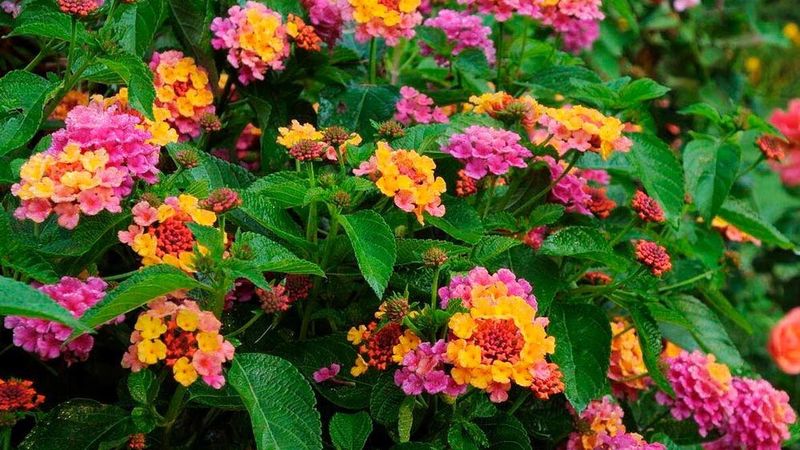
If there is one flower that truly seems to enjoy punishing summer heat, lantana might be it.
While other plants slow down or struggle during the hottest weeks of a Georgia summer, lantana keeps pushing out clusters of tiny flowers in vivid combinations of orange, yellow, pink, red, and white.
Its color can continue from late spring through the first cool nights of fall, giving sunny beds a long-lasting boost.
Lantana thrives in full sun and well-drained soil and is notably drought-tolerant once established. It actually tends to bloom more freely when the soil stays on the drier side, so avoiding overwatering helps keep it at its most productive.
In Georgia, lantana is often grown as an annual since it may not survive colder winters in the northern parts of the state, though it can behave more like a perennial in warmer southern areas.
This plant is a magnet for pollinators. Butterflies in particular seem to find lantana irresistible, making it a natural choice for anyone building a butterfly garden in Georgia.
It works well in containers, raised beds, hanging baskets, and sunny borders where it can spread and fill space with color. Trimming back leggy growth occasionally helps keep the plant tidy and encourages fresh flowering stems.
Lantana comes in both upright and trailing forms, giving Gardeners flexibility when deciding how to use it in different spots around the yard and landscape. The colorful clusters are hard to overlook on a bright summer day.
5. Daylilies Carry Color Into Early Summer
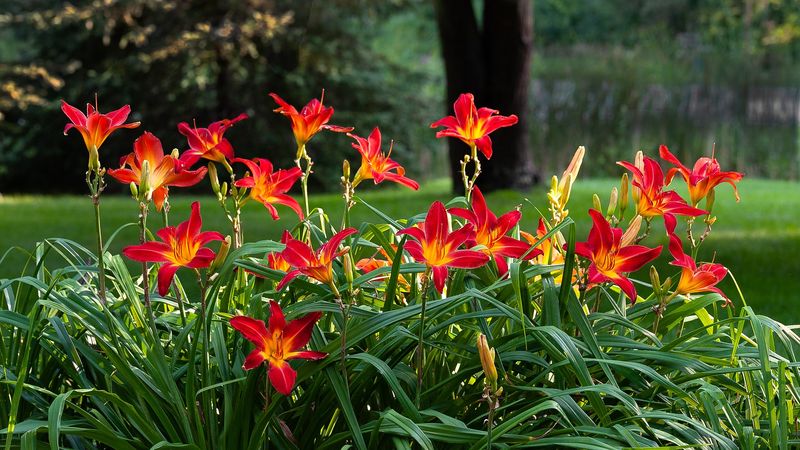
Daylilies bridge the gap between spring and summer in Georgia gardens in a way few other plants manage quite as smoothly.
Their large, trumpet-shaped blooms come in an enormous range of colors, from soft yellows and peachy oranges to deep reds and rich purples.
They tend to peak just as many spring flowers are finishing up, carrying color forward into early summer with an easy, unfussy grace.
Each individual daylily flower lasts only one day, which is how the plant got its name, but the plants produce so many buds per stem that a single clump can stay in bloom for several weeks.
Extended-blooming and reblooming varieties are widely available and can offer additional waves of color later in the summer, making them a smart choice for gardeners who want more than just one short flush of flowers.
Daylilies are adaptable and grow well in full sun to light shade, though they tend to bloom most heavily in spots that receive at least six hours of sunlight each day.
They handle summer heat reasonably well and are fairly drought-tolerant once established, though a bit of supplemental watering during dry spells can help support continued blooming.
Dividing clumps every few years keeps the plants vigorous and productive. They work well along driveways, in mixed borders, and on slopes where their dense foliage helps fill space and reduce weeding.
Pairing different varieties with staggered bloom times can help extend the show across a longer stretch of the season.
6. Zinnias Bring Fast Color To Sunny Beds
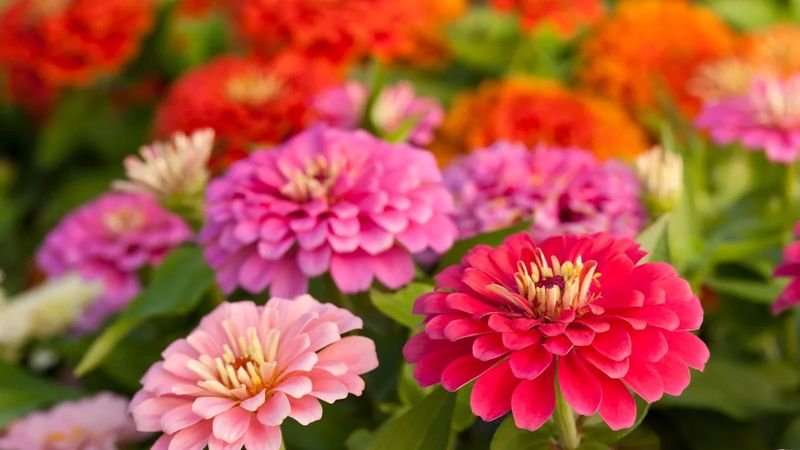
Zinnias are one of the most satisfying flowers a gardener can grow, mostly because they go from seed to bloom so quickly and then just keep on going without much fuss.
Plant them in a sunny spot after the last frost, give them a little water to get started, and they will reward you with bold, cheerful flowers in nearly every color imaginable right through the heat of summer and into fall.
These flowers love the sun and actually perform better as temperatures rise, which makes them a natural fit for Georgia’s long, warm growing season.
They prefer well-drained soil and do not do well sitting in soggy ground, so raised beds or borders with good drainage tend to produce the healthiest plants.
Spacing zinnias with a little room between them helps with air circulation and can reduce the chance of powdery mildew, which can sometimes be an issue in humid summers.
Regular deadheading keeps zinnias producing new blooms at a steady pace throughout the season. Cutting flowers for indoor arrangements also encourages fresh growth, so zinnias are a great choice for anyone who enjoys bringing cut flowers inside.
They attract butterflies in impressive numbers, making them a fun addition to pollinator-friendly Georgia gardens. Taller varieties work well at the back of a border, while compact types suit container plantings or front-of-bed placements nicely.
Zinnias come in single, double, and semi-double flower forms, giving gardeners plenty of visual variety to work with across a single planting season.
7. Vinca Handles Heat With Steady Summer Blooms
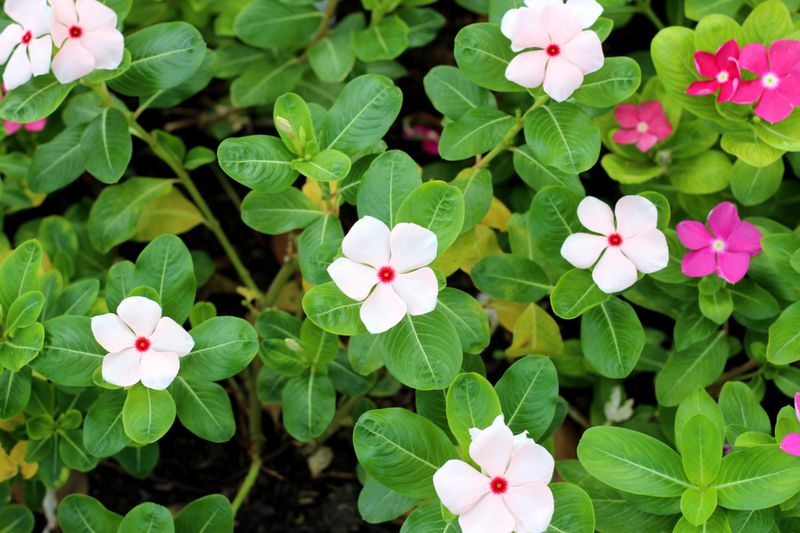
Walk through a Georgia neighborhood in July and there is a good chance you will spot vinca brightening up flower beds, containers, and front walkways with its glossy leaves and cheerful five-petaled blooms.
Also known as annual vinca or periwinkle, this plant is one of the most heat-tolerant flowering annuals available to gardeners, and it earns that reputation by blooming steadily through conditions that would stress many other plants into slowing down.
Vinca thrives in full sun and well-drained soil and handles Georgia’s combination of heat and humidity better than most. It is relatively drought-tolerant once established and does not need frequent watering once roots are settled in.
In fact, overwatering can lead to root problems, so allowing the soil to dry out a bit between waterings tends to keep vinca healthier over the long haul of a summer.
One of the most convenient things about vinca is that it does not require deadheading to stay in bloom.
The plant drops its spent flowers on its own and continues producing new ones without any extra help from the gardener, which makes it a low-maintenance option for busy homeowners.
It comes in a wide range of colors including white, pink, red, coral, and lavender, and mixing several shades in a single container or bed creates a vivid, long-lasting display.
Vinca works well in borders, hanging baskets, window boxes, and mass plantings where consistent summer color across a wide area is the goal for a Georgia landscape.