9 Plants That Actually Repel Mosquitoes On Missouri Patios
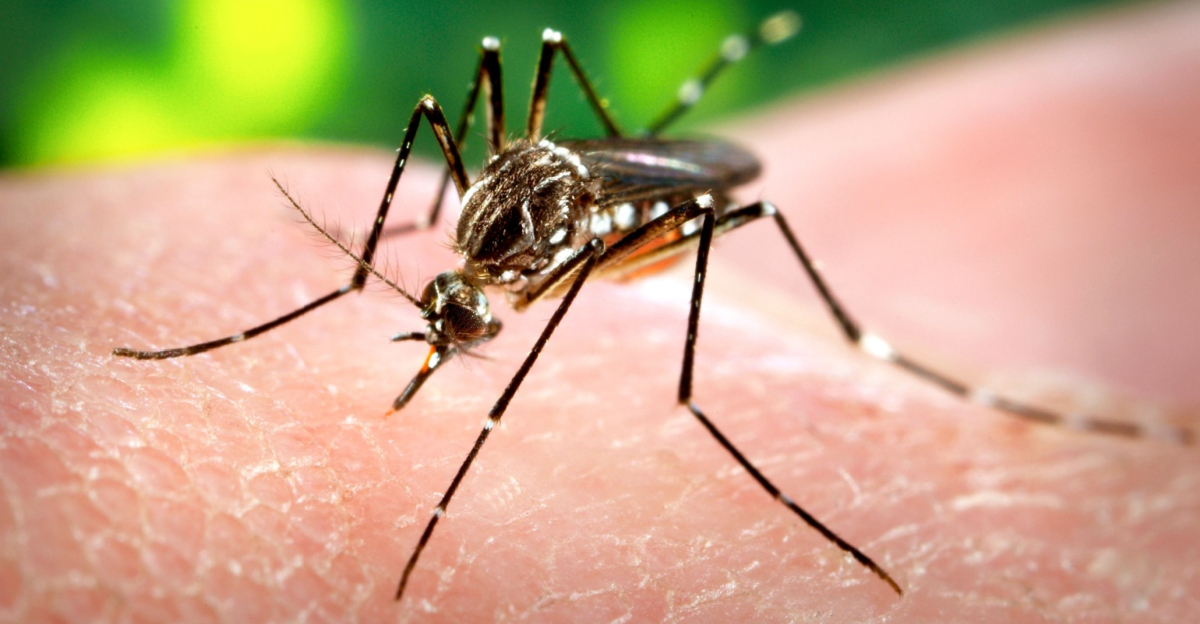
Mosquitoes in Missouri do not mess around.
From May through September, they treat your patio like a buffet and you like the main course.
The frustrating part?
Most people reach for chemical sprays without a second thought.
Their garden could be doing that job quietly, beautifully, and with far better smell.
Certain plants produce oils and compounds that mosquitoes genuinely cannot stand.
Most of them give mosquitoes a reason to look elsewhere.
The same natural chemicals found in commercial repellents exist in the plants you could be growing in a pot by your chair right now.
Whether you have a full backyard setup or three square feet of balcony, this list works for you.
These nine plants pull double duty: they keep the bugs off while looking good, smelling great, and in many cases ending up in your cooking or your tea.
Your patio deserves better than bug spray.
1. Citronella Grass (Cymbopogon Nardus)
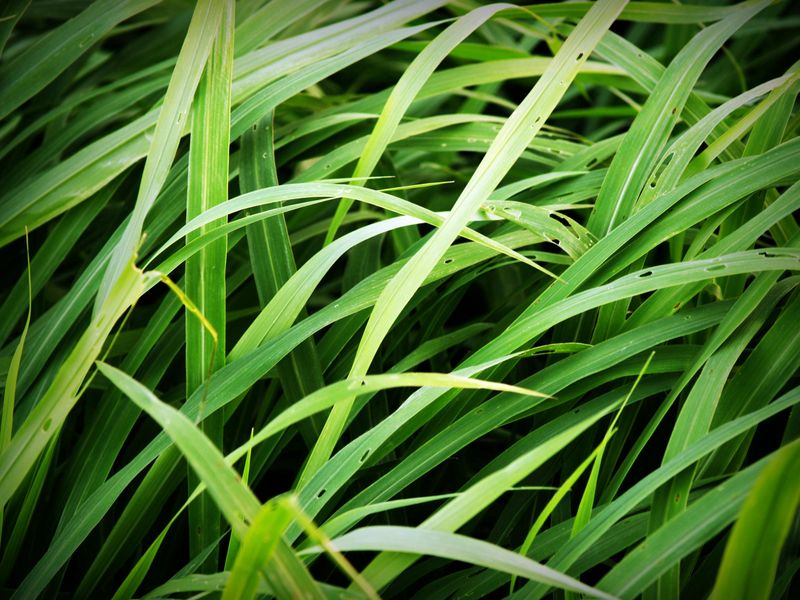
Image Credit: © icon0 com / Pexels
You have probably seen citronella candles at every backyard barbecue, but the real powerhouse is the plant itself.
Citronella grass is the original source of that famous mosquito-fighting scent, and growing it on your patio puts that protection right where you need it.
This tall, dramatic grass can reach four to six feet and makes a bold, tropical statement in large containers.
Missouri summers are warm enough for citronella grass to thrive from late spring through early fall.
Plant it in a big pot with well-draining soil and set it in a sunny spot, because this grass loves full sun and heat.
Give it regular water and it rewards you with thick, fragrant clumps.
Brush the blades or let the breeze do it, either way, that scent fills the air.
The oil in the leaves is what mosquitoes find so off-putting, and research backs up what gardeners have known for generations.
Rubbing a leaf between your fingers releases the scent directly onto your skin for a quick, natural barrier.
Since it is not winter-hardy in most of the state, bring the pot indoors before the first frost and treat it like a houseplant until spring returns.
Few plants pull off bold looks and bug duty at the same time, and make both seem effortless.
2. Lemon Balm (Melissa Officinalis)
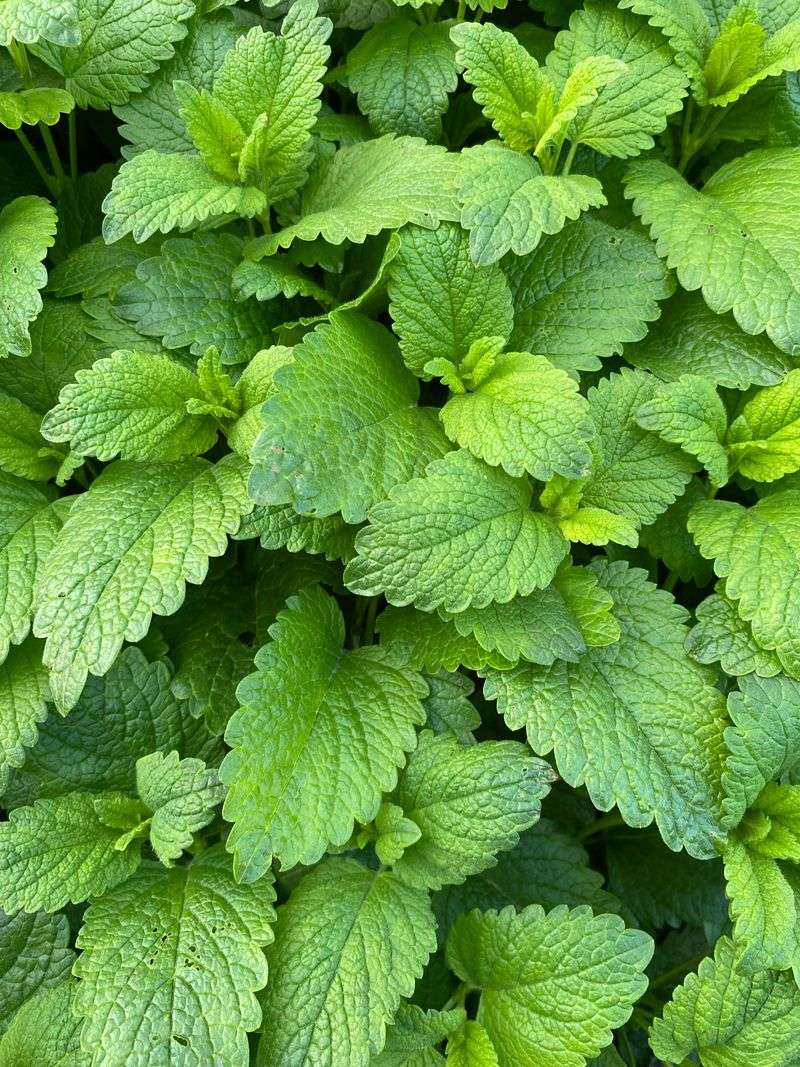
Imagine crushing a leaf between your fingers and getting a burst of fresh lemon scent so clean it practically wakes you up.
That is lemon balm, and it is one of the most underrated mosquito-fighting plants you can grow on a patio.
The high concentration of citronellal in its leaves is what sends mosquitoes in the opposite direction.
Beyond pest control, lemon balm is a genuinely useful herb to have around.
Toss a few fresh leaves into your water pitcher, steep them for a calming tea, or add them to summer salads for a citrusy twist.
It grows quickly and enthusiastically, which means you will have plenty of leaves to use both in the kitchen and as a natural bug deterrent.
Your Missouri Garden Changes Every Week. Your Plan Should Too.
Gardening in Missouri changes quickly throughout the season. Every Friday you’ll receive a simple weekly plan showing exactly what to plant, prune, fertilize, harvest, and protect so you never miss the right timing.
One thing to keep in mind is that lemon balm can spread aggressively if planted directly in the ground, so containers are your best friend here.
A medium-sized pot on the patio keeps it tidy while still letting it grow full and bushy.
It tolerates both sun and partial shade, making it flexible for patios that do not get direct light all day.
Water it consistently and trim it back regularly to encourage fresh, fragrant growth throughout the season.
Few plants offer this kind of double duty, smelling wonderful while quietly making your outdoor evenings far more comfortable.
3. Lavender (Lavandula Angustifolia)
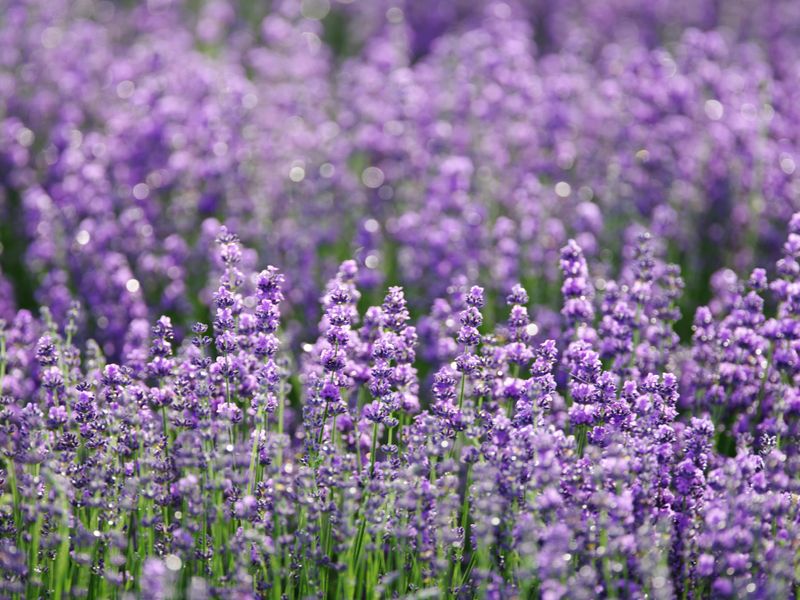
There is something almost magical about a lavender plant swaying in a warm breeze, filling the air with its calming, floral scent.
What makes it even better is that while humans find the fragrance soothing and lovely, mosquitoes absolutely cannot stand it.
The linalool compound in lavender is a natural repellent that works without any effort on your part.
Lavender thrives in full sun and well-drained soil, which makes it a strong performer on sunny Missouri patios.
It is surprisingly drought-tolerant once established, so if you tend to forget watering duties during a busy summer week, lavender will forgive you.
Plant it in a terracotta pot to help moisture evaporate quickly and prevent root rot, which is its main enemy.
Beyond the bug-repelling benefits, lavender is one of the most beautiful plants you can add to an outdoor space.
The silvery-green foliage and tall purple flower spikes look elegant in clusters or as a border along patio edges.
You can snip the blooms and bring them inside for natural air freshening, or dry them to make sachets for your closet.
Bees and butterflies adore lavender, so you will be creating a welcoming space for pollinators while keeping the pests away.
That combination of beauty, function, and fragrance makes lavender one of the smartest choices for any patio garden.
4. Basil (Ocimum Basilicum)
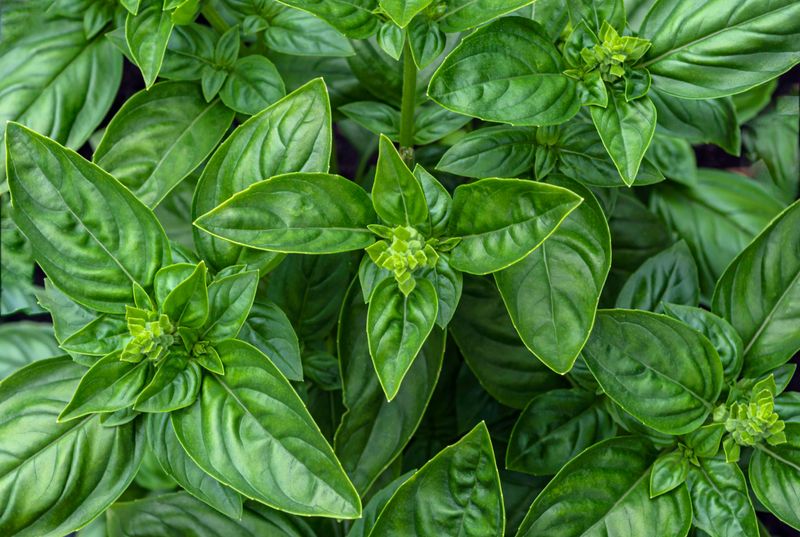
Basil has been sitting in your kitchen garden this whole time, pulling double duty as a mosquito repellent without anyone giving it credit.
The strong, spicy aroma that makes basil so irresistible in pasta sauce is the exact same thing that makes blood-sucking insects steer clear.
Unlike many other repellent plants, basil releases some of its scent passively into the surrounding air, even without being touched or crushed.
Growing basil on your patio near the grill or dining table is a brilliant move for two reasons.
First, you will have fresh herbs within arm’s reach every time you cook outdoors.
Second, the plant will be working as a natural bug barrier right where you spend the most time during warm evenings.
Basil loves heat and full sun, which means Missouri summers are practically tailor-made for it.
Water it at the base rather than overhead to keep the foliage dry and prevent disease.
Pinch off any flower buds as soon as they appear to keep the plant focused on producing lush, fragrant leaves instead of going to seed.
Sweet basil is the most common variety, but lemon basil and cinnamon basil offer their own unique scents and may be even more effective at deterring pests.
A few pots of basil scattered around your seating area creates an invisible aromatic shield that smells absolutely incredible.
5. Rosemary (Salvia Rosmarinus)
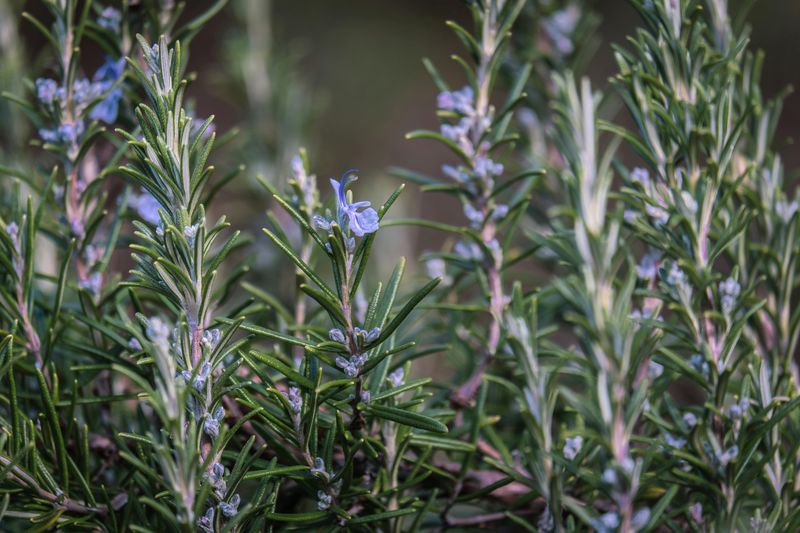
Rosemary has a reputation as a tough, reliable herb, and it earns that reputation every single season.
This woody, fragrant plant produces a piney, camphor-like scent that mosquitoes find deeply unpleasant.
That alone makes it a surprisingly powerful addition to your patio setup.
It looks striking with its upright, needle-covered stems and occasional bursts of tiny purple or blue flowers.
One of the best things about rosemary is how little it demands from you.
It thrives in hot, dry conditions and actually prefers to be underwatered rather than overwatered.
That makes it ideal for gardeners who sometimes forget to check on their plants.
A sunny spot on the patio and a pot with excellent drainage is basically all it needs to flourish through a long summer.
For an extra burst of mosquito-fighting power, toss a few rosemary sprigs directly onto hot coals or a fire pit.
The smoke carries the aromatic oils into the air and creates a natural fumigant that covers a wider area than the plant alone.
Rosemary is also a beloved cooking herb, so having it close means fresh sprigs for roasted vegetables, grilled chicken, and homemade bread.
In mild Missouri winters, rosemary can sometimes survive outdoors with protection, or bring it inside to a sunny windowsill.
This plant is the definition of earning its place in your garden, season after season.
6. Catnip (Nepeta Cataria)
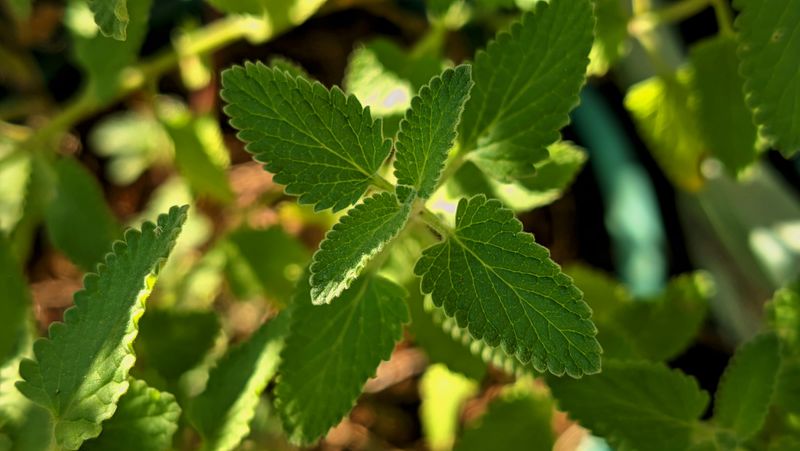
In laboratory testing, Iowa State University found catnip performed comparably to DEET, the chemical in most commercial bug sprays.
That is not a small claim, and it completely changes how you might think about this humble, fuzzy-leaved plant.
Most people only associate catnip with happy, rolling cats, but it is secretly one of the most potent natural repellents available.
The active compound responsible for this power is nepetalactone, found in the plant’s soft, aromatic leaves.
When the leaves are crushed or bruised, the concentration of this compound increases significantly, making it even more effective as a personal repellent.
Rubbing a fresh leaf on your skin before heading out for an evening on the patio gives you real, measurable protection.
Catnip is incredibly easy to grow and actually prefers a bit of neglect, thriving in average soil without much fuss.
It does well in both sun and partial shade, which makes it flexible for different patio orientations.
Just be aware that if you have outdoor cats in the neighborhood, your catnip plant may become a very popular attraction.
Planting it in a raised container or hanging basket can help keep curious feline visitors from rolling all over your pest control.
Once you see how well this plant performs, you will wonder why everyone is not growing it.
7. Mint (Mentha Spp.)
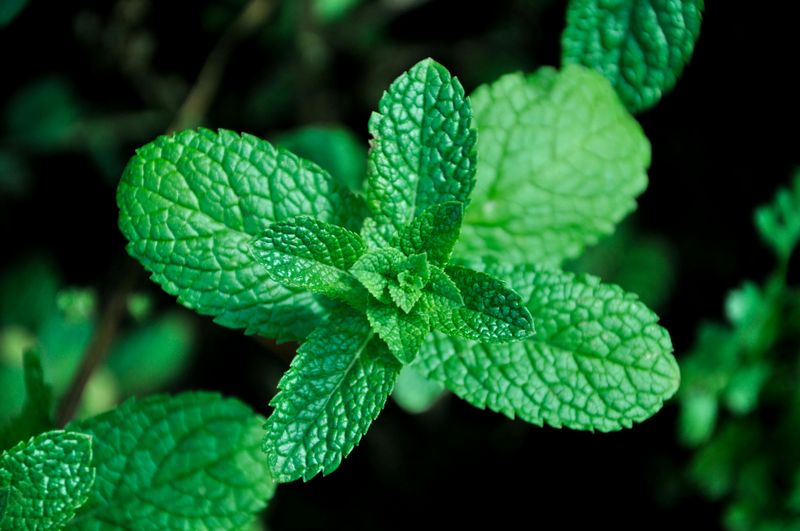
Few plants smell as instantly refreshing as mint, and that crisp, cooling aroma is precisely what makes mosquitoes want nothing to do with it.
The menthol oils that give mint its signature scent are irritating to insects, acting as a natural barrier around wherever the plant is growing.
Having a pot or two near your seating area creates an invisible, fragrant perimeter that keeps the biters at bay.
Mint is one of the easiest plants on earth to grow, which is great news for anyone who does not have a green thumb.
It tolerates partial shade, bounces back from drought, and grows so enthusiastically that it can become invasive if planted in open ground.
Always keep mint in containers on the patio to control its spread and maintain a tidy, manageable plant.
The variety options are genuinely exciting, from classic spearmint and peppermint to apple mint, chocolate mint, and even mojito mint.
Each type has a slightly different scent profile, and mixing a few varieties together creates a layered aromatic effect that is both beautiful and functional.
Fresh mint leaves are endlessly useful in the kitchen and at the bar, perfect for cold drinks, fruit salads, and homemade sauces.
Brush against the leaves as you walk by and enjoy that instant burst of freshness.
Mint is the kind of plant that rewards you every single time you step outside.
8. Lemongrass (Cymbopogon citratus)
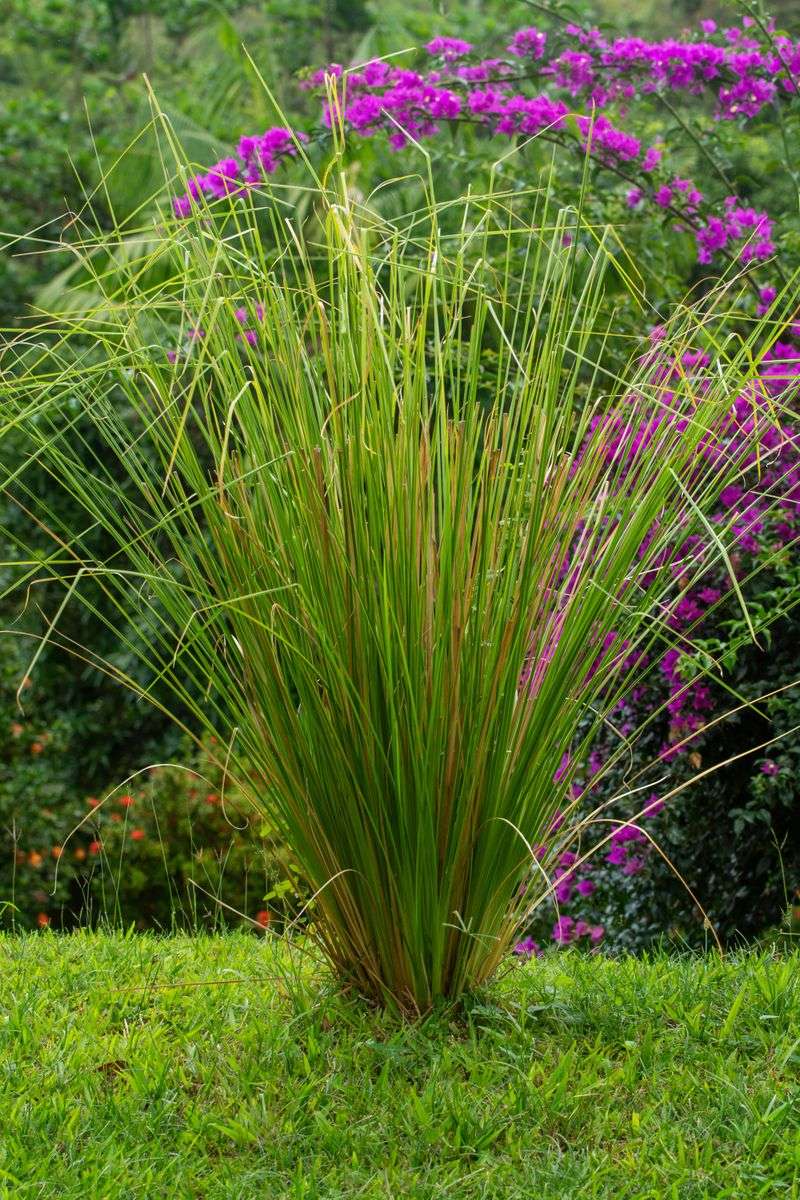
Lemongrass is the plant that looks like it belongs in a tropical resort, and bringing it to your patio creates that same vacation-like atmosphere.
Lemongrass looks architectural and dramatic.
It also contains citronella oil, the same compound in commercial mosquito repellents.
This makes it one of the most powerful natural deterrents you can grow, and it looks stunning while doing the job.
This plant is a warm-season powerhouse that grows rapidly in full sun with regular watering.
In a single season, a small starter plant can grow into a dramatic clump several feet tall, creating a natural screen around your patio space.
The stalks themselves are edible and widely used in Thai and Vietnamese cooking, adding a bright, lemony flavor to soups and curries.
Lemongrass is closely related to citronella grass and is sometimes confused with it, but both are excellent choices for repelling mosquitoes.
The key difference is that lemongrass has edible stalks, giving it an extra layer of usefulness beyond pest control.
Plant it in the largest container you have and set it in the sunniest corner of your patio for the best results.
As with citronella grass, bring it indoors before frost hits since it cannot survive Missouri winters outdoors.
If you want one plant that combines beauty, culinary use, and genuine pest-fighting power, lemongrass is the clear answer.
9. Pennyroyal (Mentha Pulegium)
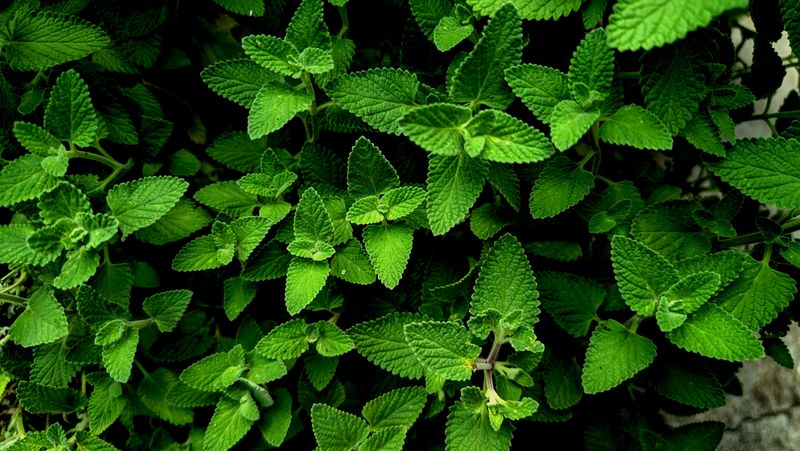
Pennyroyal has been used as a natural insect repellent for centuries, long before anyone had a laboratory to explain why it works so well.
This low-growing member of the mint family produces a sharp, intensely minty scent that mosquitoes, fleas, and gnats find overwhelming.
Historically, people tucked pennyroyal into their hats and clothing to ward off biting insects during outdoor work.
Turns out, they were onto something.
On a patio, pennyroyal works beautifully in hanging baskets or as a trailing plant in mixed containers, where it spills gracefully over the edges.
Place it at the perimeter of your seating area or near the ground where mosquitoes hover.
That is exactly where it does its best work.
Brushing against the foliage as you move around the patio releases extra bursts of that pungent, protective scent.
Pet owners, take note.
Pennyroyal can be toxic to dogs and cats if ingested in large amounts, so keep it out of reach.
The plant itself is safe to grow and handle, but the concentrated essential oil is a different matter entirely.
Keep it well away from children, avoid ingesting any part of the plant, and never apply the oil directly to skin.
Pennyroyal prefers moist soil and partial shade, making it one of the better options for patios that do not get blazing sun all day.
With its long history and real repellent strength, pennyroyal is a fascinating and functional addition to any mosquito-fighting plant collection.
Note: Plants alone are not a substitute for removing standing water, using window screens or fans, and reaching for an EPA-registered repellent when mosquito pressure is high.
In Missouri, the single most effective step you can take is emptying water from saucers, buckets, gutters, birdbaths, and any containers around your yard.
Mosquito larvae need standing water to develop, and removing it cuts the problem at the source.