These Are The Vegetables North Carolina Gardeners Are Growing In June For A Fall Harvest
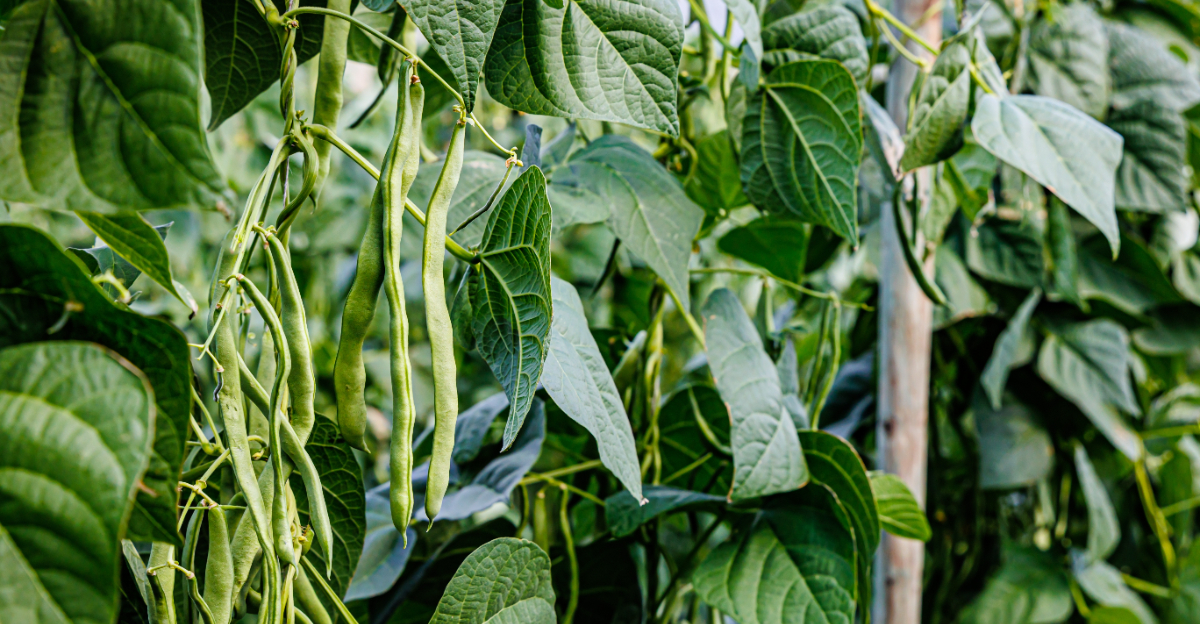
June planting does not get the attention it deserves in North Carolina, and fall harvests suffer for it.
Most gardeners wrap up spring planting by May and then wait until late summer to think about fall crops, missing a productive window that North Carolina’s long season makes genuinely valuable.
Certain vegetables started in June hit their peak right as fall conditions arrive, producing harvests that taste better in cooler weather and extend the garden’s output well past the point where summer crops have finished.
The timing works because North Carolina holds onto warm growing conditions deep into fall, giving June plantings enough runway to reach full production before temperatures drop.
These are the vegetables worth getting in the ground this month and what each one needs to deliver a strong fall harvest.
1. Tomatoes
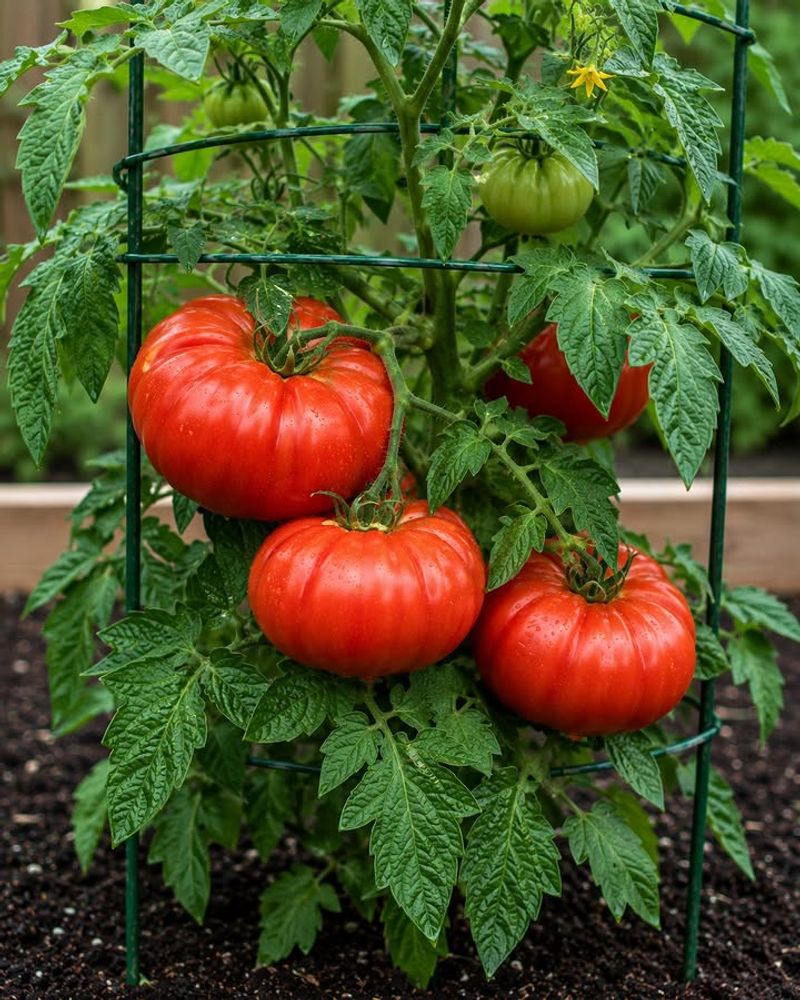
Few things in a garden feel more rewarding than pulling a ripe tomato straight off the vine.
For North Carolina gardeners, June is actually a great window for planting tomatoes (Solanum lycopersicum) intended for a fall harvest, especially if you use healthy transplants rather than starting from seed at this late stage.
Transplants give you a head start that seeds simply cannot match in June. Look for heat-tolerant or disease-resistant varieties like Heatmaster, Sweet 100, or Celebrity, which handle North Carolina’s humid summers better than more sensitive types.
Coastal and Piedmont gardeners can plant through mid-June with good results, while mountain gardeners should aim for early June to allow enough time before fall frosts arrive.
Once your transplants are in the ground, consistent watering is key. Deep watering a few times per week encourages strong root growth.
Mulching around the base of each plant helps retain soil moisture and keeps soil temperatures steady on hot days. Stake or cage your plants early so they have support as they grow.
In humid conditions, fungal diseases like early blight can spread quickly, so remove affected leaves promptly and avoid wetting the foliage when watering. Plan for harvest roughly 65 to 85 days after transplanting, depending on your chosen variety.
2. Peppers
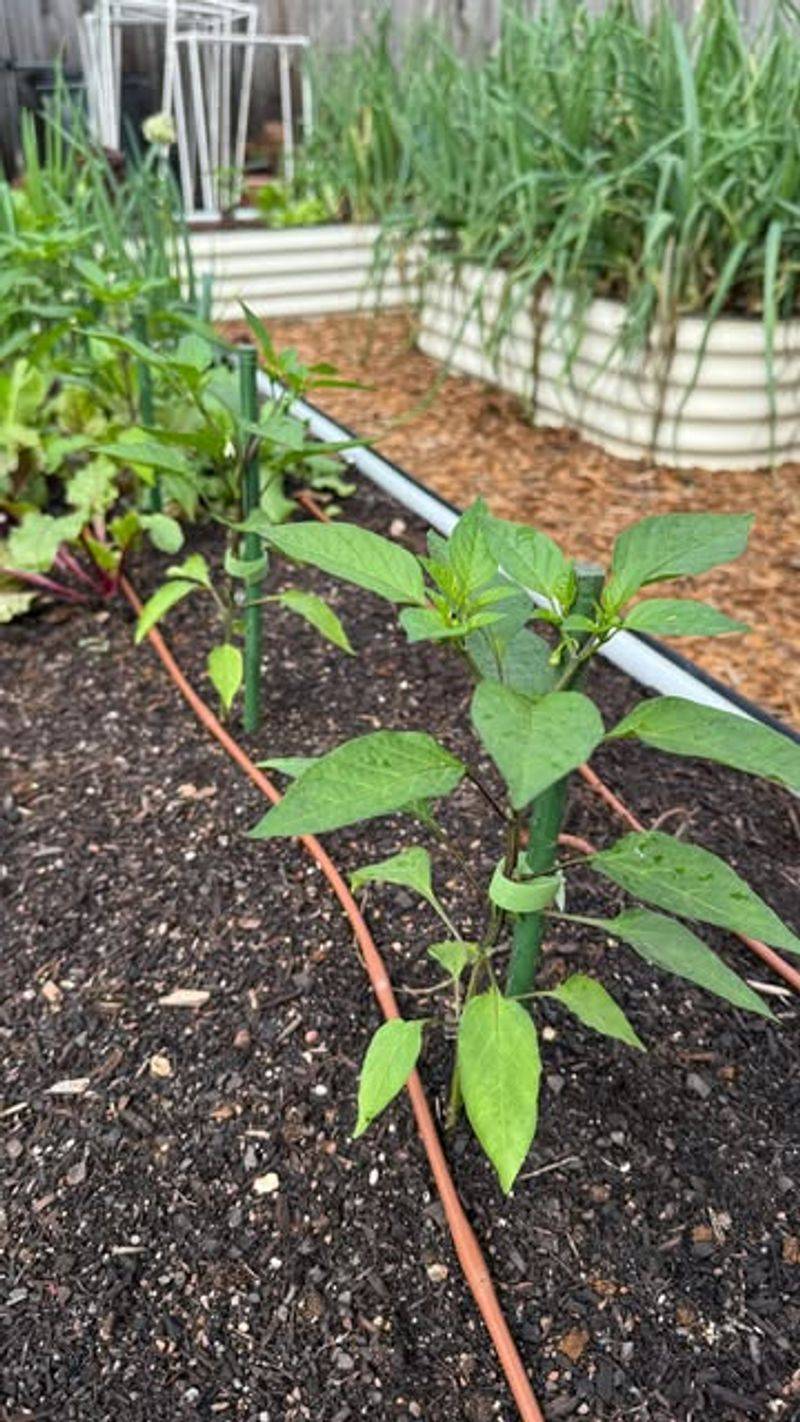
Peppers are one of the most heat-loving vegetables you can grow, and June planting in North Carolina suits them perfectly.
Capsicum annuum thrives when soil temperatures are warm and days are long and sunny, which makes this crop a natural fit for a June-to-fall growing schedule.
Unlike cool-season crops that struggle once summer heats up, peppers hit their stride right when temperatures climb. Use transplants rather than seeds for June planting, since they give you a significant head start.
Space plants about 18 inches apart in rows that allow good airflow, which reduces moisture buildup around the foliage.
Coastal and Piedmont gardeners have plenty of time for a full fall harvest, while mountain growers should plant in early June and choose faster-maturing varieties to beat early frosts.
Watering consistently is important, especially during dry spells. Peppers prefer even soil moisture, so check the soil regularly and water deeply when the top inch feels dry.
A layer of mulch helps hold that moisture in and keeps roots cooler during hot afternoons. Fertilize lightly with a balanced fertilizer after planting, then again once fruit begins to set.
Your North Carolina Garden Changes Every Week. Your Plan Should Too.
Gardening in North Carolina changes quickly throughout the season. Every Friday you’ll receive a simple weekly plan showing exactly what to plant, prune, fertilize, harvest, and protect so you never miss the right timing.
Avoid over-fertilizing with nitrogen, which pushes leafy growth at the expense of fruit. Harvest peppers regularly once they reach full size, and production will continue well into fall as temperatures begin to cool.
3. Eggplant
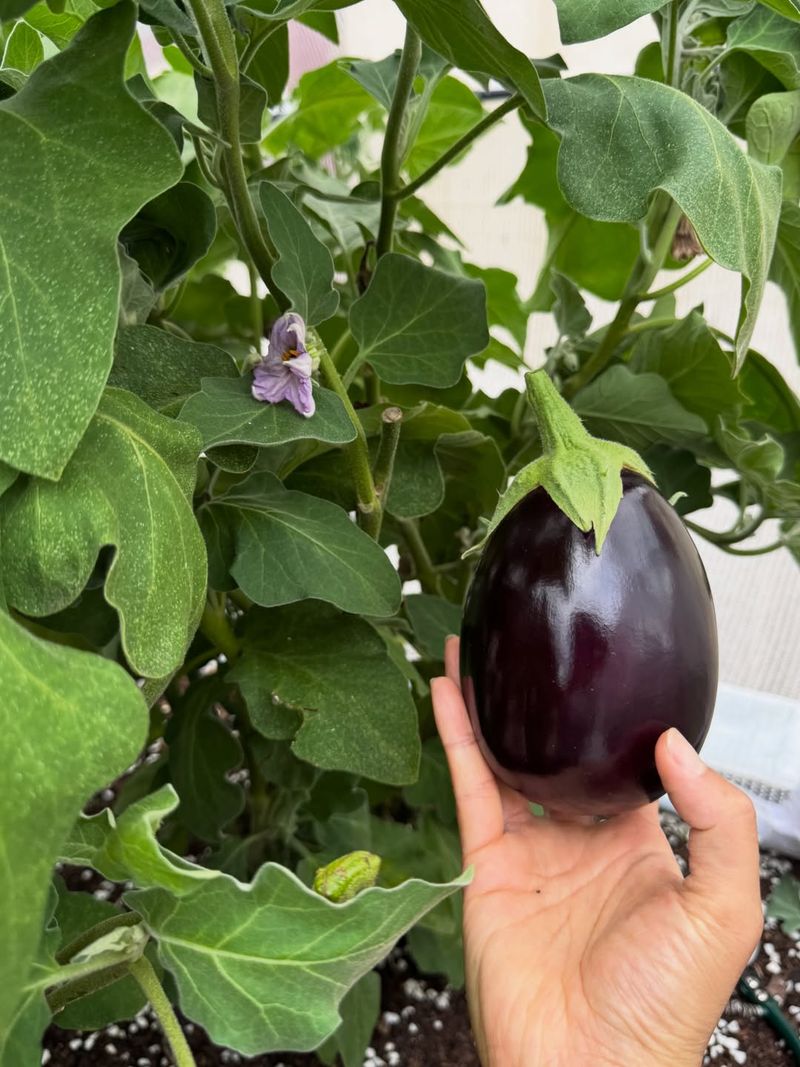
There is something almost exotic about growing eggplant, with its glossy skin and rich color hanging from sturdy stems in the summer heat.
Solanum melongena is a warm-season vegetable that genuinely loves North Carolina summers, and June planting from transplants gives it exactly the growing conditions it needs to thrive and produce into fall.
Eggplant grows best in full sun, meaning at least six to eight hours of direct sunlight daily. Choose a spot in your garden that gets strong afternoon light and has well-drained soil.
In the Piedmont and coastal regions, June planting works beautifully, giving plants two to three months of warm growing weather before fall temperatures drop.
Mountain gardeners should plant in early June and select shorter-season varieties to make the most of the available growing window.
One pest to watch for is the flea beetle, a tiny jumping insect that chews small holes in eggplant leaves. Row covers early in the season can help protect young transplants until they are established enough to handle some feeding pressure.
Water deeply and regularly, and mulch around the base of each plant to keep moisture in the soil. Eggplant is ready to harvest when the skin is firm and shiny.
Once the skin turns dull, the fruit is past its prime, so check plants every few days and pick early for the best flavor and texture.
4. Okra
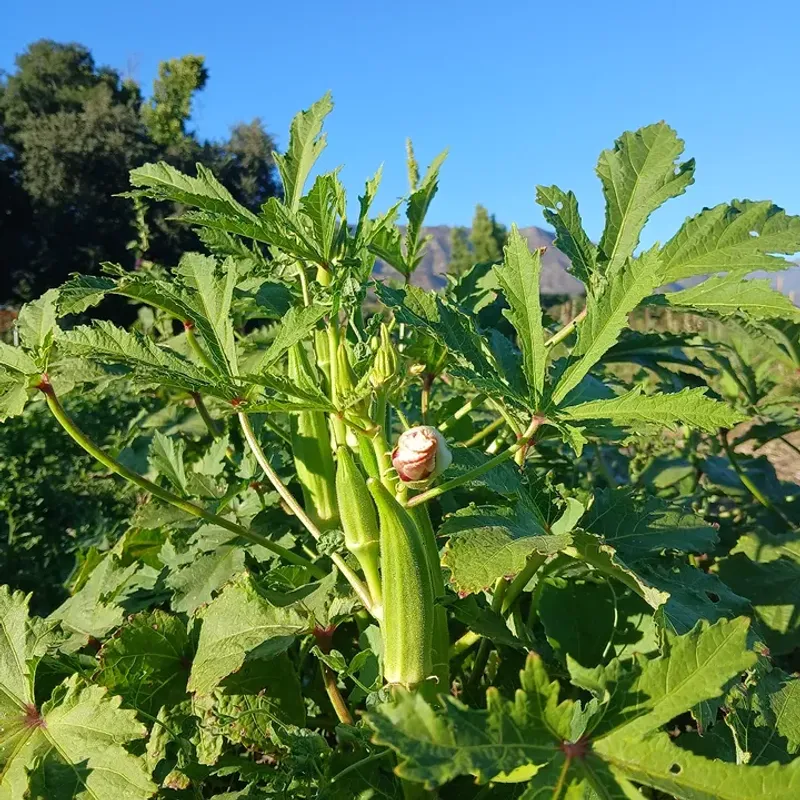
Okra is one of those vegetables that seems built for Southern summers. Abelmoschus esculentus grows fast in the heat, produces abundantly, and keeps going strong long after many other vegetables have slowed down.
June planting in North Carolina sets okra up for a productive stretch that can run well into fall across most of the state.
You can start okra from direct seed or transplants in June. If seeding directly, soak the seeds overnight before planting to speed up germination.
Space plants 12 to 18 inches apart in rows, and plant in a location that gets full sun all day. The coastal and Piedmont regions have a long enough season for okra to really shine, producing pods from midsummer through late fall.
Mountain gardeners should manage expectations a bit, since shorter growing seasons mean a smaller but still worthwhile harvest window.
Once okra gets going, the biggest job is keeping up with the harvest. Pods grow surprisingly fast in hot weather, and harvesting every two to three days keeps plants producing at their best.
Young pods around three to four inches long are the most tender and flavorful. Let them go much longer and they quickly become tough and fibrous.
Water deeply during dry spells, since okra tolerates heat well but performs better with consistent moisture. A light layer of mulch helps hold water in the soil between waterings and keeps the root zone comfortable even on the hottest days.
5. Southern Peas
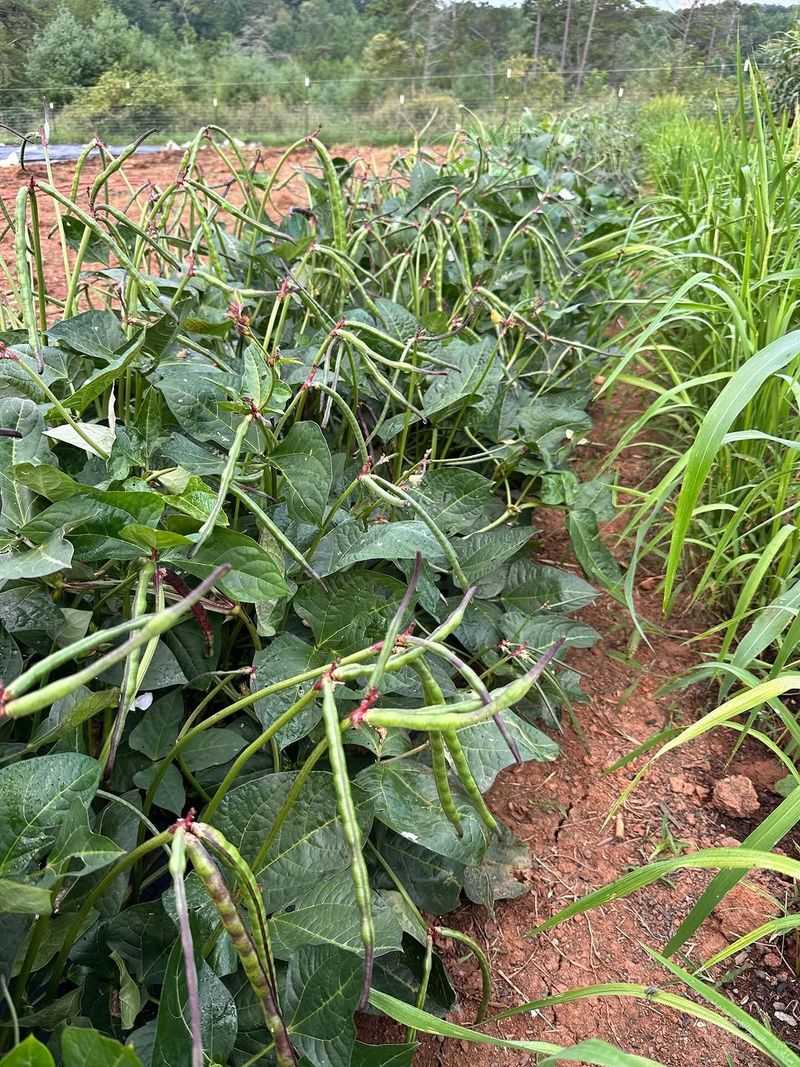
Southern peas have been feeding families across the South for generations, and for good reason.
Vigna unguiculata is remarkably well suited to hot, sometimes dry North Carolina summers, making it one of the most reliable crops you can put in the ground during June for a late summer and fall harvest.
Unlike many beans that struggle when temperatures soar, Southern peas actually prefer the heat. Varieties like Crowder, Blackeye, and Zipper Cream are popular choices across the state and produce generous yields with relatively little fuss.
Plant seeds directly in the ground about one inch deep and six inches apart in rows spaced roughly two to three feet apart. Germination happens quickly in warm June soil, often within a week.
One of the best things about Southern peas is their drought tolerance once they get established. That said, regular watering during dry stretches still improves yield and pod quality, so do not ignore them completely during summer dry spells.
As legumes, Southern peas fix nitrogen from the air into the soil, which is a natural benefit that improves soil health for future plantings. Harvest timing depends on how you plan to use them.
Pick pods when the seeds are plump but the pod is still green for fresh shelling peas, or let them dry on the vine for dry peas to store through winter. Either way, you get a satisfying, productive return from a June planting.
6. Bush Beans
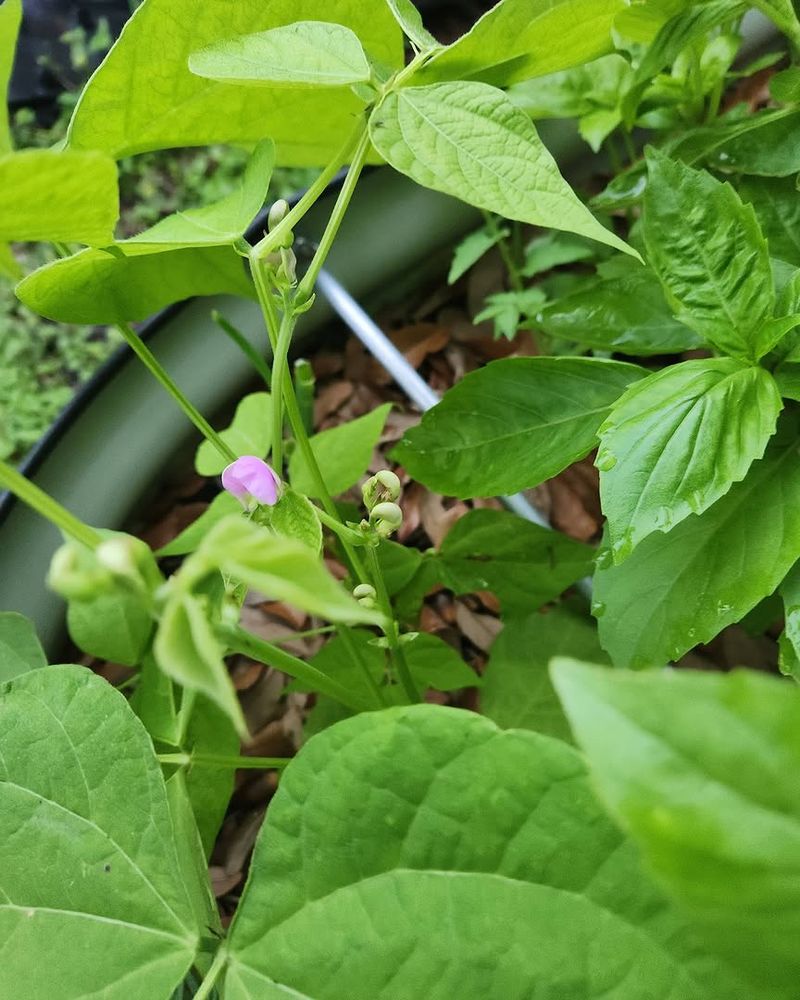
Bush beans are one of the fastest and most satisfying vegetables any gardener can grow.
Phaseolus vulgaris sprouts quickly in warm June soil, grows without the need for trellising, and produces a full crop in as little as 50 to 60 days, making it a smart choice for a summer-planted fall harvest across much of North Carolina.
Plant seeds directly in the ground about one inch deep and three to four inches apart in rows spaced 18 to 24 inches apart. Warm soil speeds up germination, often producing seedlings within five to seven days.
The key risk in June is letting young seedlings dry out during hot spells, so check soil moisture daily right after planting and water gently but consistently until plants are well established.
Mulching between rows right after planting goes a long way toward keeping that moisture in the ground.
Succession planting is a smart strategy with bush beans. Rather than planting everything at once, stagger plantings two weeks apart to extend your harvest season.
Coastal and Piedmont gardeners can plant through mid-July and still expect a solid fall crop. Mountain growers should stick to June plantings to ensure enough time before frost.
Once pods are firm and snap cleanly, harvest every two to three days to encourage continuous production. Leaving mature pods on the plant signals it to slow down, so stay on top of picking for the best and longest harvest possible.
7. Pole Beans
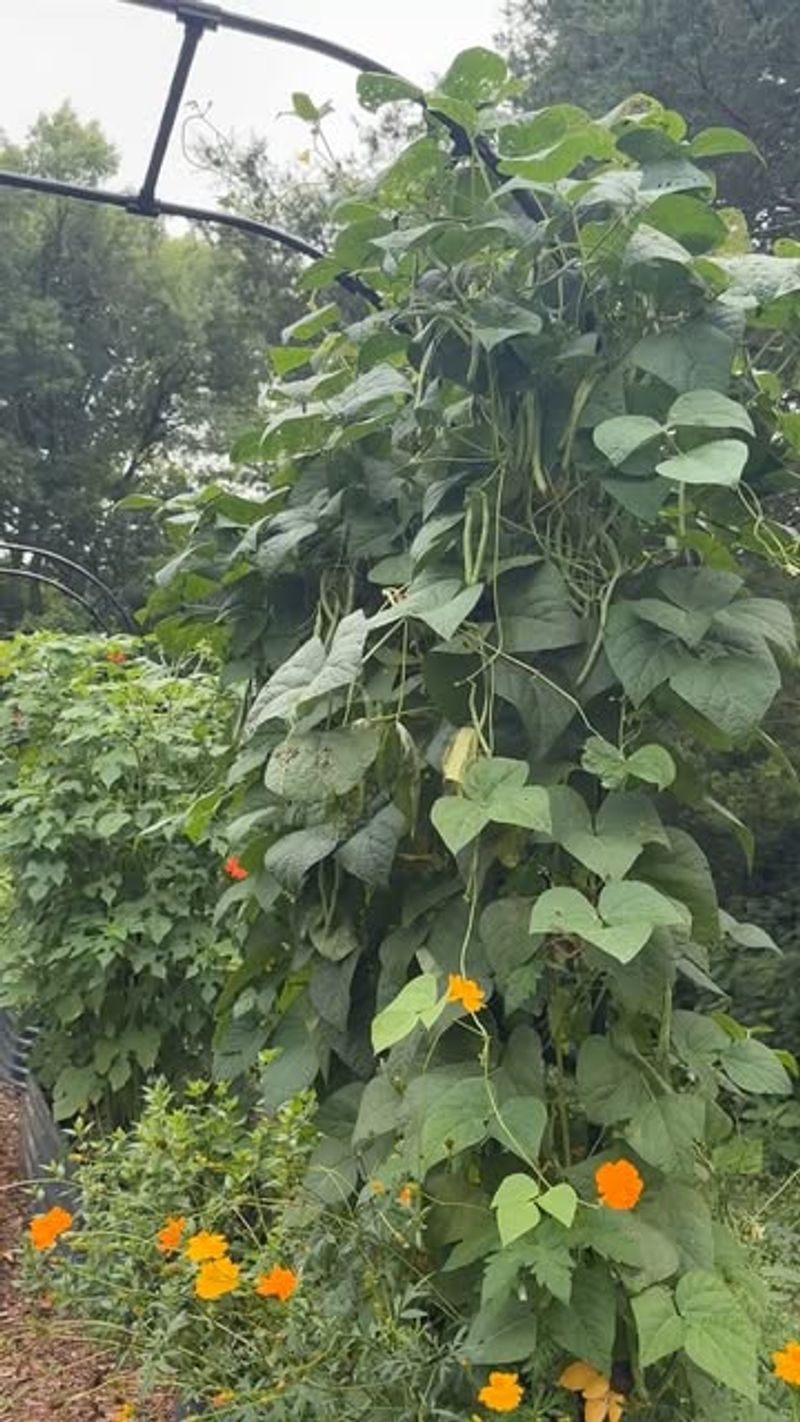
If you want beans that keep giving long after bush varieties have finished, pole beans are your answer.
Phaseolus vulgaris grown as a climbing variety produces over a much longer stretch of time, making a June planting a smart move for North Carolina gardeners looking to harvest fresh beans well into fall.
The first step with pole beans is getting a sturdy trellis in place before planting. A simple setup of wooden stakes and twine or a wire panel works well.
Aim for a structure at least six feet tall, since pole beans can climb aggressively once they get going. Plant seeds about one inch deep and four to six inches apart at the base of your trellis.
Warm June soil encourages fast germination, typically within a week. Space rows at least two feet apart to allow good airflow between plants, which becomes increasingly important as the humid summer months progress.
Water consistently and deeply, aiming for the soil rather than the leaves to reduce fungal issues in humid weather. Pole beans are heavy producers, but only if you harvest pods regularly.
Once pods reach full size and snap cleanly, pick them every two to three days. Leaving overripe pods on the vine slows production quickly.
Coastal and Piedmont gardeners can expect harvest windows stretching from late summer into October. Mountain gardeners with shorter seasons should plant in early June and choose varieties with fewer days to maturity for the best chance at a solid fall crop.
8. Cucumbers
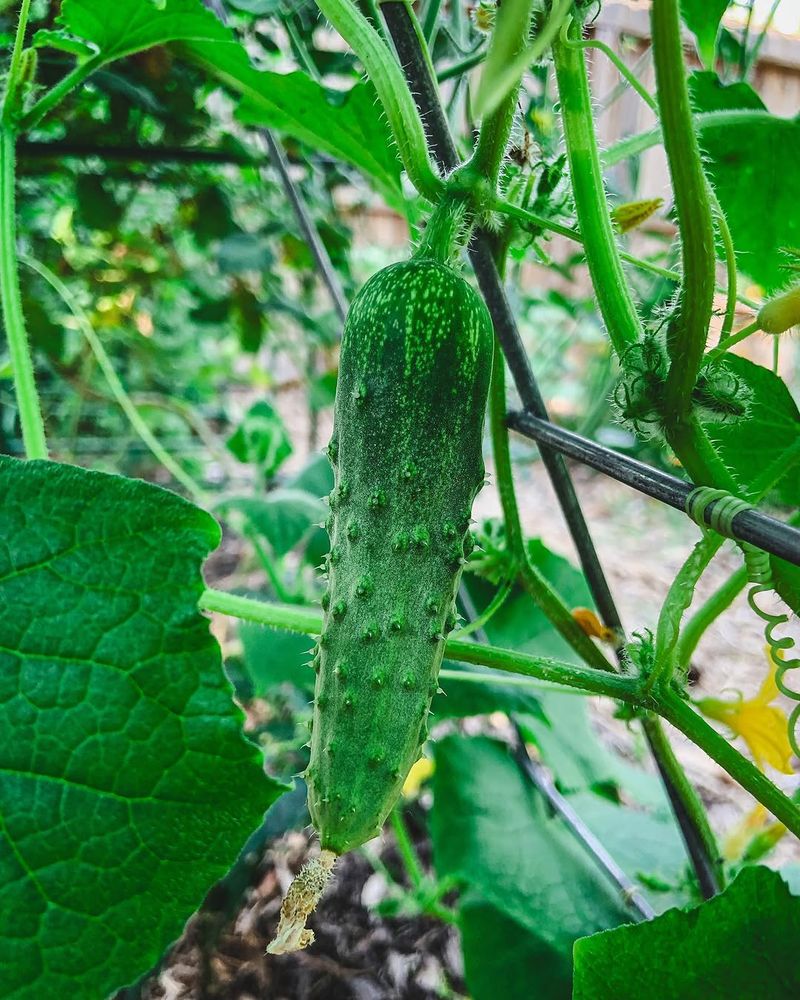
Cucumbers grow fast, and that speed is exactly what makes them such an appealing choice for a June planting in North Carolina.
Cucumis sativus can go from seed to harvest in as little as 50 to 60 days, meaning a June start sets you up for a rewarding late summer and early fall picking season across most of the state.
Warm June soil is ideal for cucumber germination. Plant seeds about one inch deep and six inches apart, or use transplants for an even quicker start.
Trellising cucumbers vertically saves space, improves airflow, and makes harvesting much easier. A simple wire fence or garden trellis works perfectly.
Spacing plants 12 inches apart along the trellis allows vines to spread without crowding each other.
Good airflow matters especially in humid North Carolina summers, where powdery mildew and downy mildew can become problems quickly if plants are packed too tightly.
Keep soil consistently moist, since cucumbers are mostly water and stress from dry spells shows up fast in bitter-tasting fruit. Mulch around the base of plants to hold soil moisture and moderate soil temperature during hot afternoons.
Watch for cucumber beetles, which are striped or spotted yellow-green insects that feed on leaves and spread bacterial wilt. Removing them by hand or using row covers early in the season helps protect young plants.
Choose fast-maturing varieties like Straight Eight or Spacemaster, and harvest cucumbers while they are still firm and bright green for the best flavor.
9. Pumpkins
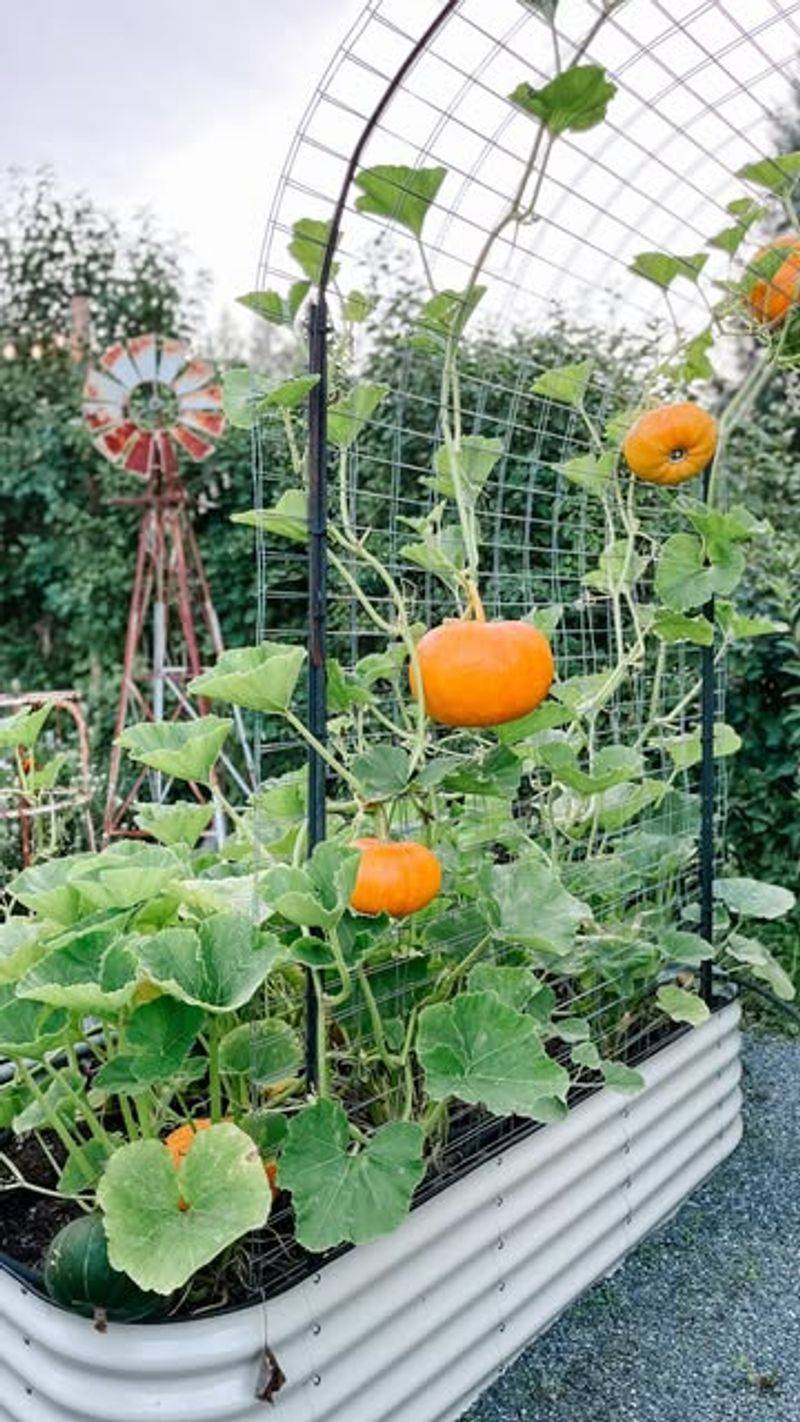
Pumpkins and fall go together like nothing else in the garden. Planting Cucurbita pepo or Cucurbita maxima in June is a time-honored strategy for North Carolina gardeners who want those iconic orange fruits ready right when autumn arrives.
Timing is everything, and June planting lines up beautifully with fall harvest goals across most of the state.
The key to successful pumpkin timing is working backward from your expected first frost date and the days to maturity listed on your seed packet.
Most varieties take 90 to 120 days to mature, so a June planting typically puts harvest right in the September to October window for Piedmont and coastal gardeners.
Mountain growers should plant in early June and select shorter-season varieties to stay ahead of earlier frost dates in higher elevations.
Pumpkins need plenty of space. Give vines at least six to eight feet in every direction, since they spread aggressively and compete with themselves if crowded.
Plant seeds about one inch deep in hills of two to three seeds, then thin to the strongest plant once seedlings appear. Water deeply and consistently, especially as fruits begin to swell and develop.
Pollination depends on bees visiting both male and female flowers, so avoid using pesticides during bloom time.
In humid weather, powdery mildew can appear on leaves late in the season, but as long as fruit is already developing well, it rarely affects the final harvest. Pick pumpkins once the skin hardens and the stem begins to dry out naturally.