The Plants More California Gardeners Are Growing To Help Keep Ticks Away
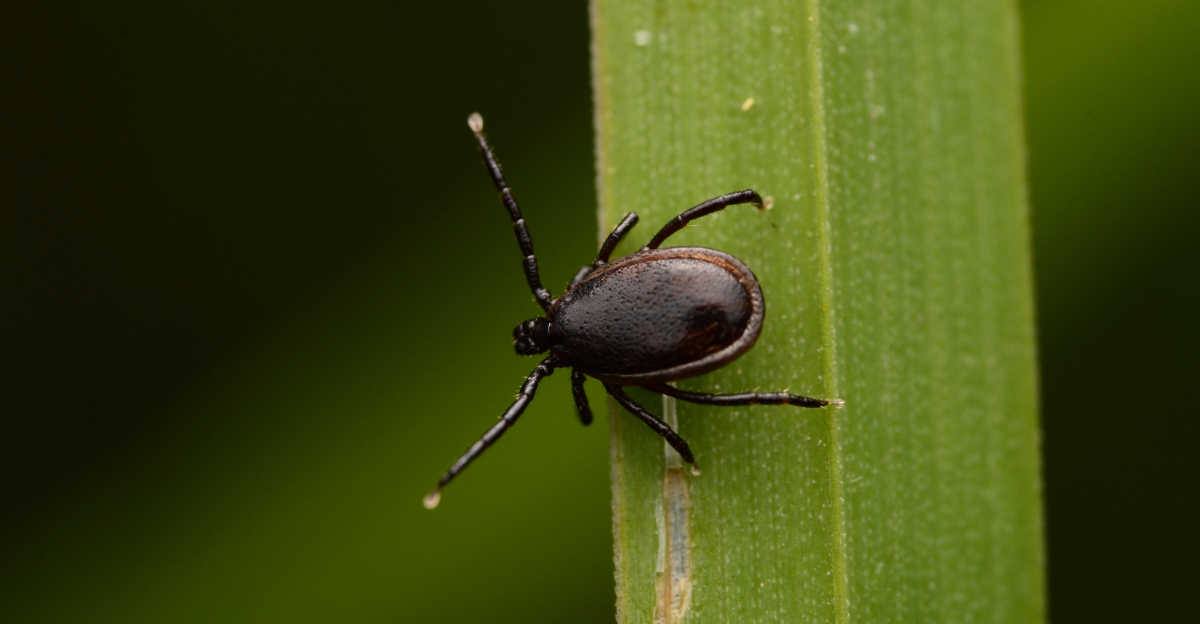
Ticks can make even a beautiful California yard feel less inviting, especially when warm weather pulls everyone outside.
That is why more gardeners are looking at plants that may help make outdoor spaces feel less pest friendly. It is not about turning the yard into a magic tick free zone. No plant can promise that.
But certain strong scented plants can play a helpful role when paired with smart yard care. They can also make patios, paths, and garden edges smell better, which is a nice bonus.
Some choices are familiar herbs. Others are tough ornamentals that fit right into a sunny California landscape.
The real appeal is simple. These plants add beauty while helping support a yard that feels easier to enjoy.
For anyone tired of worrying every time they step through tall grass, this trend is worth a closer look.
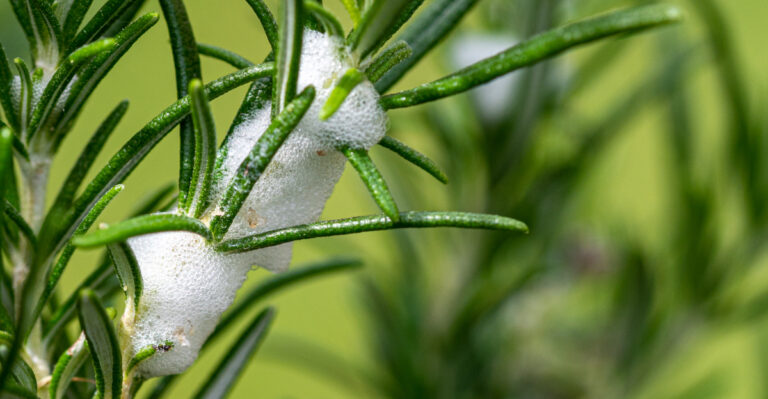
1. Rosemary Adds A Strong Scent Near Patios
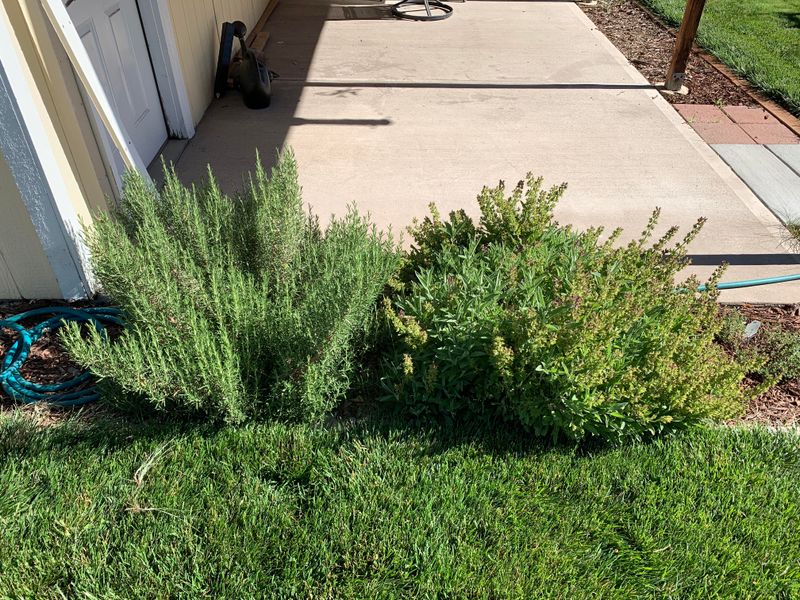
Few plants earn their spot in a garden quite like rosemary does. That piney, sharp scent that makes your kitchen smell amazing?
Ticks absolutely hate it. Planting rosemary near your patio creates a fragrant barrier that bugs tend to avoid.
Rosemary is a tough, woody shrub that thrives in warm, dry conditions. It loves full sun and does not need much water once it gets established.
This makes it a great fit for the drier parts of our state, especially in inland and southern regions.
You can plant it along the edges of a patio, near seating areas, or at the base of steps. Brushing against the leaves releases even more of that strong oil, which adds to its bug-fighting effect.
It also looks neat and stays green year-round in most areas.
Beyond ticks, rosemary also tends to push away mosquitoes and other pests. That is a pretty solid bonus for one plant. Gardeners in warmer climates have been relying on it for centuries, and for good reason.
Rosemary comes in both upright and trailing varieties. The upright types grow into full shrubs, while trailing rosemary works well along walls or raised beds.
Either way, you get a practical, attractive, and wonderfully fragrant plant that earns its place near any outdoor living space.
2. Lavender Makes Walkways Less Bug-Friendly
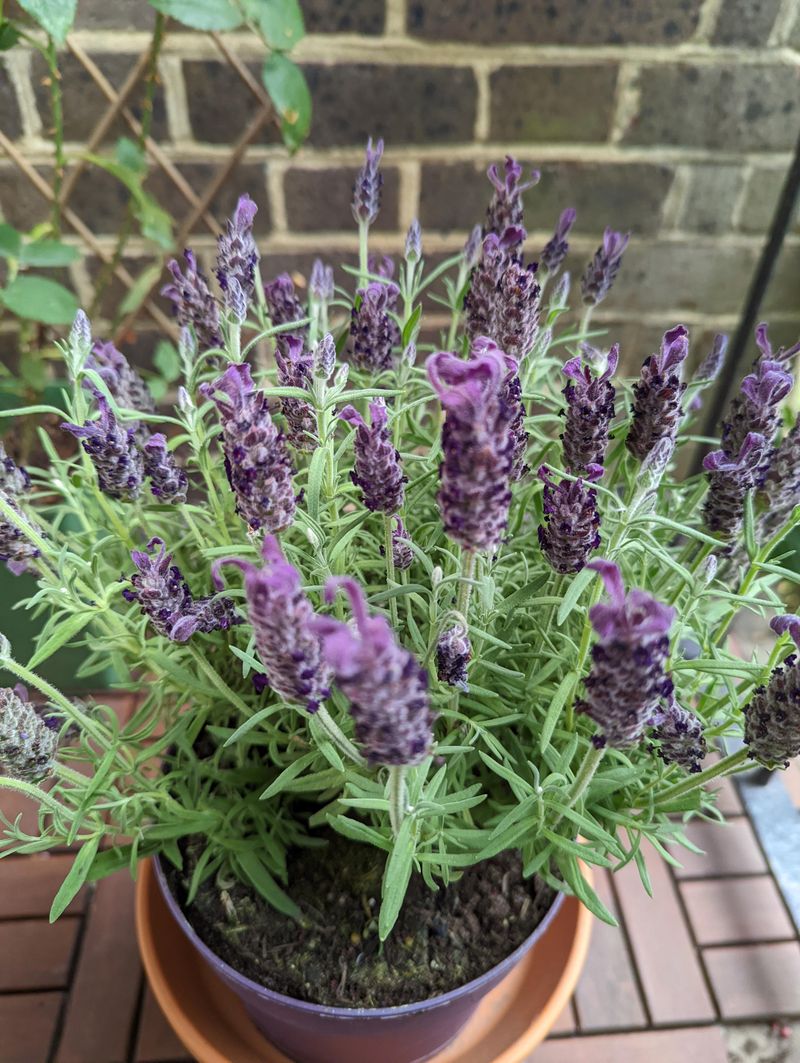
There is a reason lavender is one of the most popular garden plants in our state. It smells incredible to people, but to ticks and other insects, that strong floral scent is a serious turn-off.
Lining a walkway with lavender is one of the smartest moves a gardener can make. Lavender contains linalool and linalyl acetate, two natural compounds found in its oil. These compounds are known to repel ticks, fleas, and mosquitoes.
Even dried lavender keeps some of its power, which is why people use it in sachets inside their homes.
In the garden, lavender does best in well-drained soil and full sun. It is drought-tolerant once established, which makes it a natural fit for our warm, dry summers. Watering it too much is actually one of the few ways to harm it.
Your California Garden Changes Every Week. Your Plan Should Too.
Gardening in California changes quickly throughout the season. Every Friday you’ll receive a simple weekly plan showing exactly what to plant, prune, fertilize, harvest, and protect so you never miss the right timing.
Planting lavender on both sides of a walkway creates a natural fragrant tunnel that bugs simply do not want to pass through. It also attracts bees and butterflies, so you get pollinator benefits alongside the pest-repelling ones.
English lavender is the most common variety and handles a wide range of conditions well. Spanish lavender is another solid choice for hotter, drier spots.
Either way, walkways lined with lavender look beautiful, smell amazing, and quietly do the work of keeping ticks at a distance.
3. Sage Brings Fragrance To Dry Borders

Sage has a bold, earthy smell that most people associate with Thanksgiving stuffing. But out in the garden, that same powerful scent does something very useful. It makes ticks and many other insects uncomfortable enough to move along.
Common garden sage is a low-growing, silvery-green shrub that fits perfectly along dry garden borders. It handles heat, drought, and poor soil better than most herbs.
In our state, especially in hot inland valleys and dry foothill areas, sage practically takes care of itself.
The oils in sage leaves contain compounds like camphor and thujone. These are naturally irritating to insects, including ticks.
Planting sage along the edge of a lawn or garden creates a fragrant line that bugs tend to avoid crossing.
One of the best things about sage is how little maintenance it needs. Trim it back once or twice a year to keep it from getting too woody, and it will reward you with fresh growth and steady fragrance.
It also has pretty purple flower spikes in spring that attract pollinators.
There are many varieties to choose from, including purple sage, golden sage, and tricolor sage. All of them carry that same strong scent.
For dry garden borders that need both beauty and bug-repelling power, sage is one of the most reliable choices you can plant in our state.
4. Thyme Works Well Between Sunny Edges
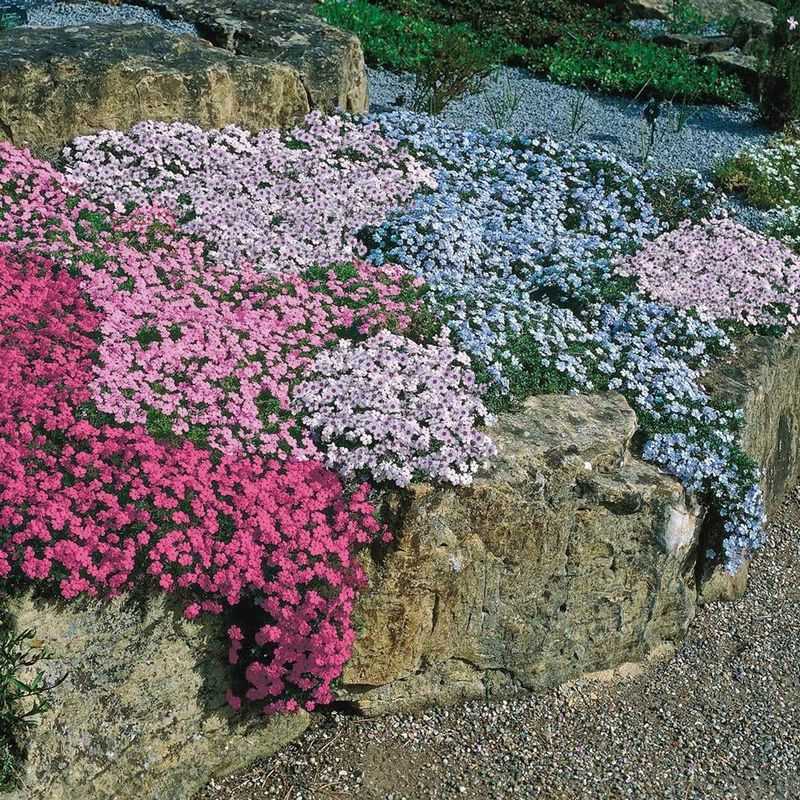
Not many plants can handle foot traffic, full sun, and dry conditions while also helping to keep bugs away. Thyme manages all three without complaint.
That is why more gardeners are tucking it between stepping stones, along garden edges, and in the sunniest corners of their yards.
Thyme contains thymol, a natural compound that is so effective at repelling insects that it is actually used as an active ingredient in some commercial bug sprays.
When you step on thyme or brush against it, the leaves release that oil, giving off a strong herby scent that ticks find unpleasant.
Creeping thyme is the most popular variety for ground-level planting. It stays low, spreads outward, and fills gaps between rocks or pavers beautifully.
Upright thyme varieties also work well as edging plants along sunny borders. Growing thyme is straightforward. It needs well-drained soil and plenty of sun.
Too much water or shade will cause it to struggle, but in our warm, sunny climate, it tends to thrive with very little fuss. It is also a perennial, so it comes back year after year.
Beyond the tick-repelling benefits, thyme is a great culinary herb. You get fresh sprigs for cooking and a bug-deterring ground cover all in one plant.
For sunny garden edges where you want practical beauty, thyme is a quietly powerful choice that deserves far more credit than it usually gets.
5. Mint Needs A Pot, Not Open Ground
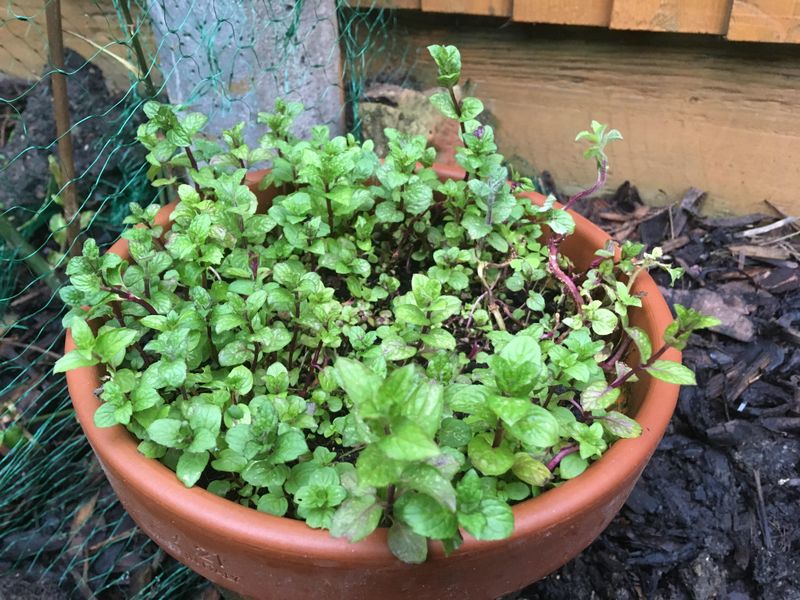
Mint is one of those plants that comes with a warning: plant it in the ground and it will take over your entire yard within a season or two. But keep it in a pot, and it becomes one of the most useful and refreshing tick-deterring plants you can grow.
The menthol in mint is a strong natural insect repellent. Ticks, mosquitoes, and ants all dislike the sharp, cool scent it gives off.
Placing mint pots near doors, on patio tables, or along outdoor seating areas creates a fragrant boundary that bugs tend to stay away from.
Peppermint is the strongest-smelling variety and generally considered the most effective for repelling pests.
Spearmint is a milder option with a slightly sweeter scent. Both work well in containers and are easy to find at most garden centers.
Mint grows fast and loves moisture, so check the soil regularly and water when the top inch feels dry. It does well in partial shade, which makes it a great option for patios or balconies that do not get full sun all day.
One fun trick is to crush a few leaves between your fingers before spending time outside. The oil releases instantly and can be rubbed lightly on skin or clothing as a quick, natural deterrent.
Just keep it in that pot, and mint will be one of your most hardworking garden helpers all season long.
6. Lemongrass Adds A Citrusy Barrier
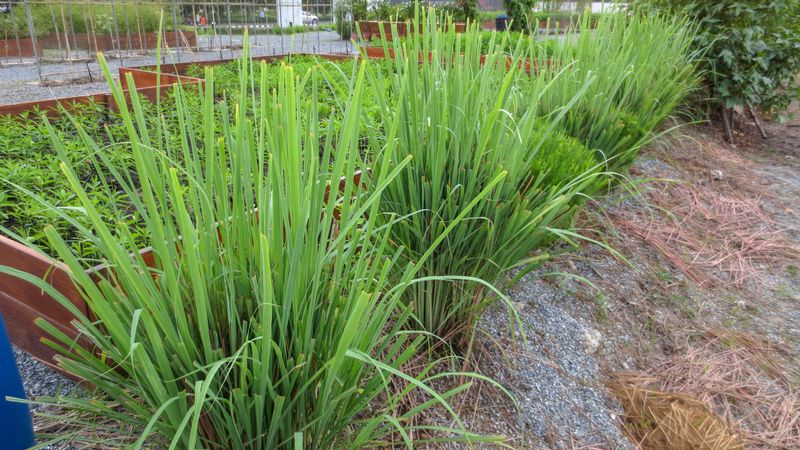
If you have ever used citronella candles to keep bugs away at an outdoor gathering, you already know the power of lemongrass.
Citronella oil actually comes from a close relative of lemongrass, and the two share many of the same insect-repelling properties.
Lemongrass contains citral, a compound with a strong lemon scent that ticks and mosquitoes find overwhelming.
Planting it along garden borders or near outdoor sitting areas creates a natural citrusy barrier that is both beautiful and functional.
This plant grows tall and fast, forming thick clumps that can reach four to six feet in height. In our warmer coastal and southern regions, it can be grown as a perennial.
In cooler northern areas, it is often treated as an annual or brought indoors during colder months.
Lemongrass loves full sun and well-drained soil. It is drought-tolerant once established, which suits much of our state very well.
Dividing the clumps every couple of years keeps the plant healthy and gives you new starts to place in other parts of the garden.
Beyond pest control, lemongrass is a popular ingredient in Asian cooking and herbal teas. Crushing a leaf releases that bright citrus scent immediately.
For gardeners who want a dramatic, tall, fragrant border plant that quietly discourages ticks and other pests, lemongrass is a standout choice worth every inch of space it takes up.
7. Catnip Is More Than A Cat Treat
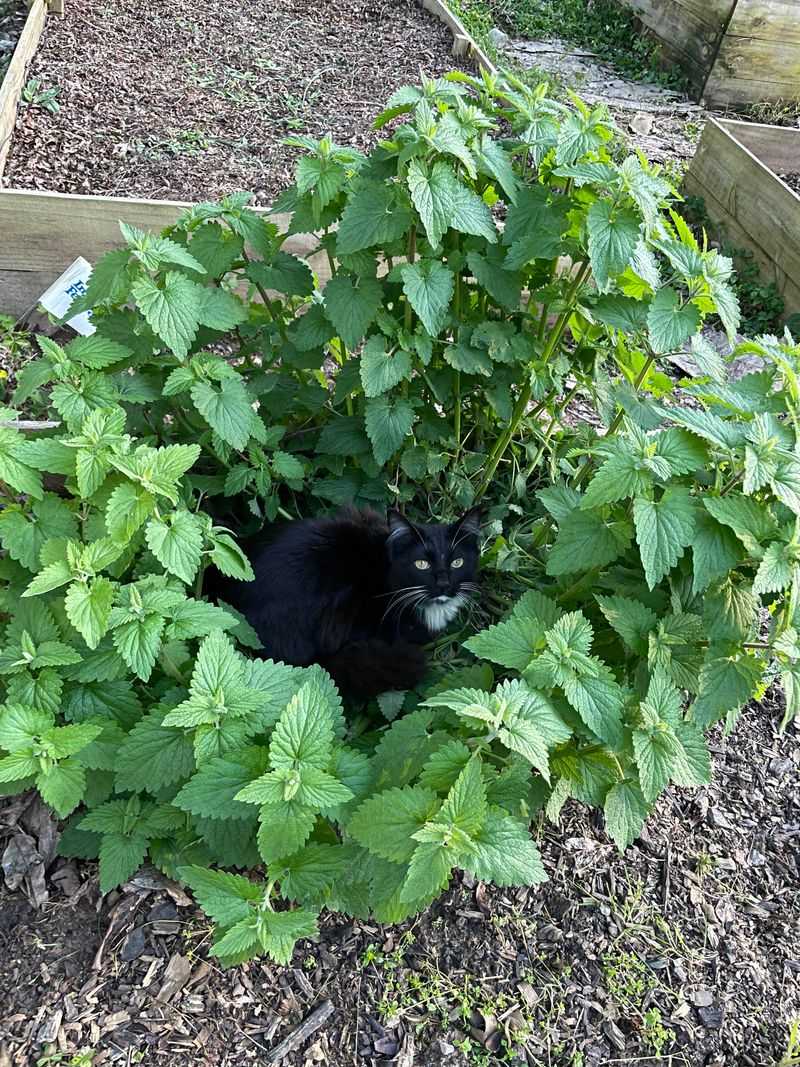
Most people think of catnip as something you stuff into a toy for your cat. But researchers at Iowa State University actually found that catnip is more effective at repelling insects than DEET, which is the chemical found in many commercial bug sprays.
That is a pretty remarkable fact for such a common plant. The active compound in catnip is called nepetalactone. It is what drives cats wild, but it sends ticks, mosquitoes, and cockroaches running in the opposite direction.
Even small amounts of this oil are enough to make insects uncomfortable.
Catnip is easy to grow and does well in a variety of conditions. It prefers full sun to partial shade and well-drained soil.
Once established, it is fairly drought-tolerant, which makes it a good fit for many parts of our state.
You can plant catnip along garden borders, near doorways, or in containers on a porch. Keep in mind that if you have cats, they will absolutely find it and roll around in it, which can flatten the plant pretty quickly.
Growing it in a raised bed or behind a barrier can help protect it from your feline friends. Catnip is a perennial, so it will come back each year with minimal effort. It also blooms with small white or lavender flowers that attract bees.
For a low-effort plant that punches well above its weight in pest control, catnip is a seriously underrated garden addition.
8. Lemon Balm Belongs In Containers
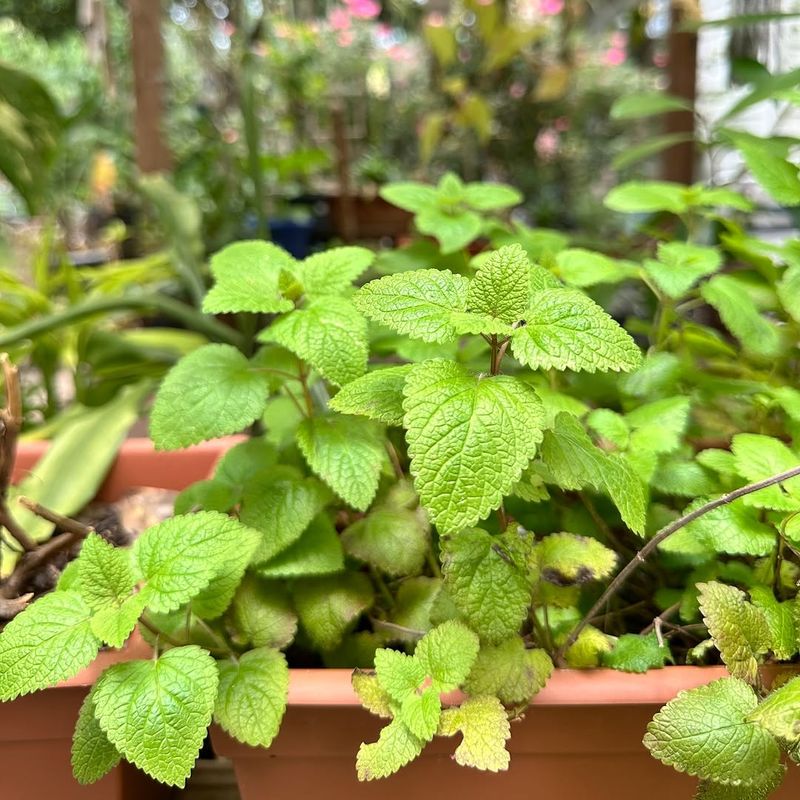
Lemon balm has a cheerful, citrusy scent that smells a lot like a cross between lemon and mint. People love it in teas and salads, but ticks and mosquitoes are far less enthusiastic about it.
The strong lemon scent comes from compounds like citronellal and geraniol, both of which are natural insect deterrents. Much like mint, lemon balm spreads aggressively when planted directly in the ground.
Keeping it in a container is the smartest way to enjoy its benefits without letting it take over your garden. A large pot placed near a seating area or doorway works perfectly.
Lemon balm grows quickly and does well in partial shade, which is one of its biggest advantages over plants like lavender or rosemary that need full sun.
If your patio or garden area gets shade for part of the day, lemon balm can still thrive and do its job.
Pinching back the stems regularly encourages bushier growth and keeps the plant from getting leggy. It also prevents it from going to seed too quickly, which helps control any spread if any seeds happen to drop.
Rubbing a few leaves between your fingers releases a strong burst of lemon scent that you can apply lightly to your skin or clothing before going outside.
For gardeners who want a practical, fragrant container herb that earns its keep on the patio, lemon balm is a refreshing and reliable choice worth trying this season.
9. Oregano Handles Heat And Smells Strong
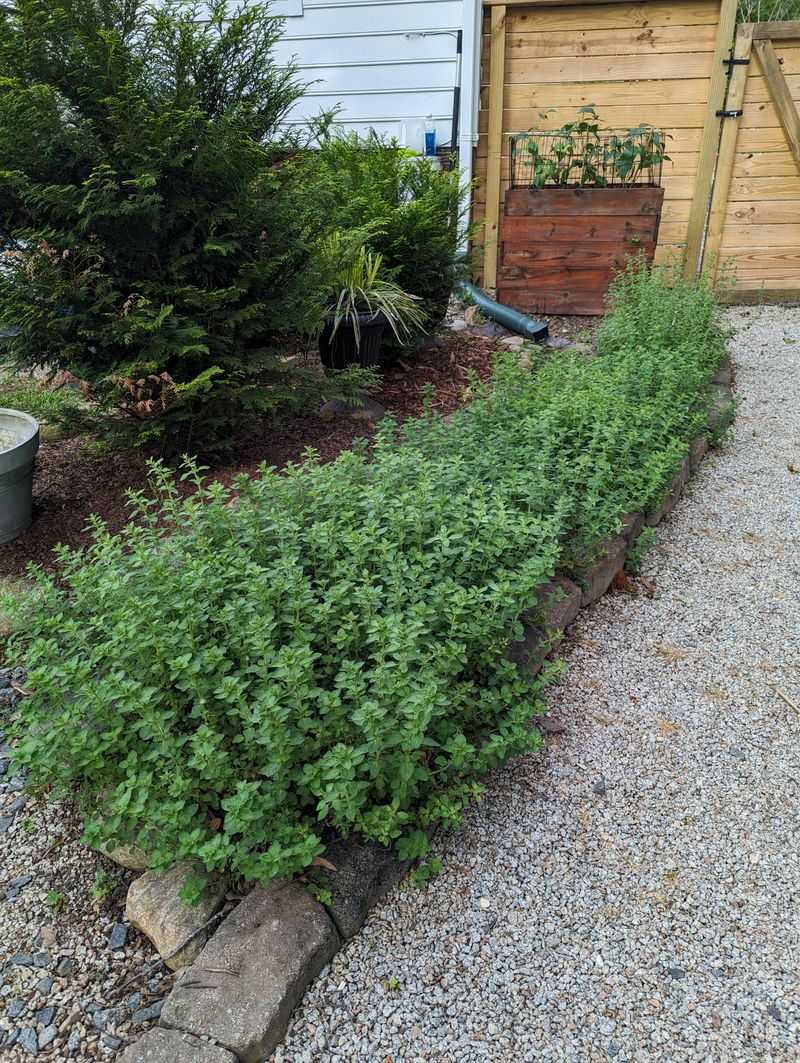
Oregano is one of those herbs that seems almost too useful to be true. It handles heat and drought without flinching, comes back year after year, and produces a sharp, spicy scent that insects find deeply unpleasant.
For gardeners in the hotter, drier parts of our state, it is a dream plant. The strong aroma in oregano comes from carvacrol and thymol, the same compound found in thyme.
Both are natural insect repellents that irritate the sensory systems of ticks and other bugs.
Planting oregano near walkways, garden edges, or patios puts that repelling power exactly where you need it.
Greek oregano is especially potent and tends to have a stronger scent than the milder Italian varieties. Both are easy to grow in well-drained soil under full sun.
Once established, oregano spreads into a low, dense mat that crowds out weeds and covers the ground nicely. Trim it back after flowering to encourage fresh growth and maintain a tidy shape.
The flowers themselves are small and white or pink, and they attract beneficial pollinators like bees and small butterflies. You get pest control and pollinator support in one compact plant.
Fresh oregano is also endlessly useful in the kitchen, so you will always have a reason to step outside and harvest a few sprigs.
For hot, sunny spots where you want a no-fuss, fragrant herb that quietly discourages ticks, oregano is one of the hardest-working plants in the garden.
10. Bay Laurel Makes A Useful Patio Shrub
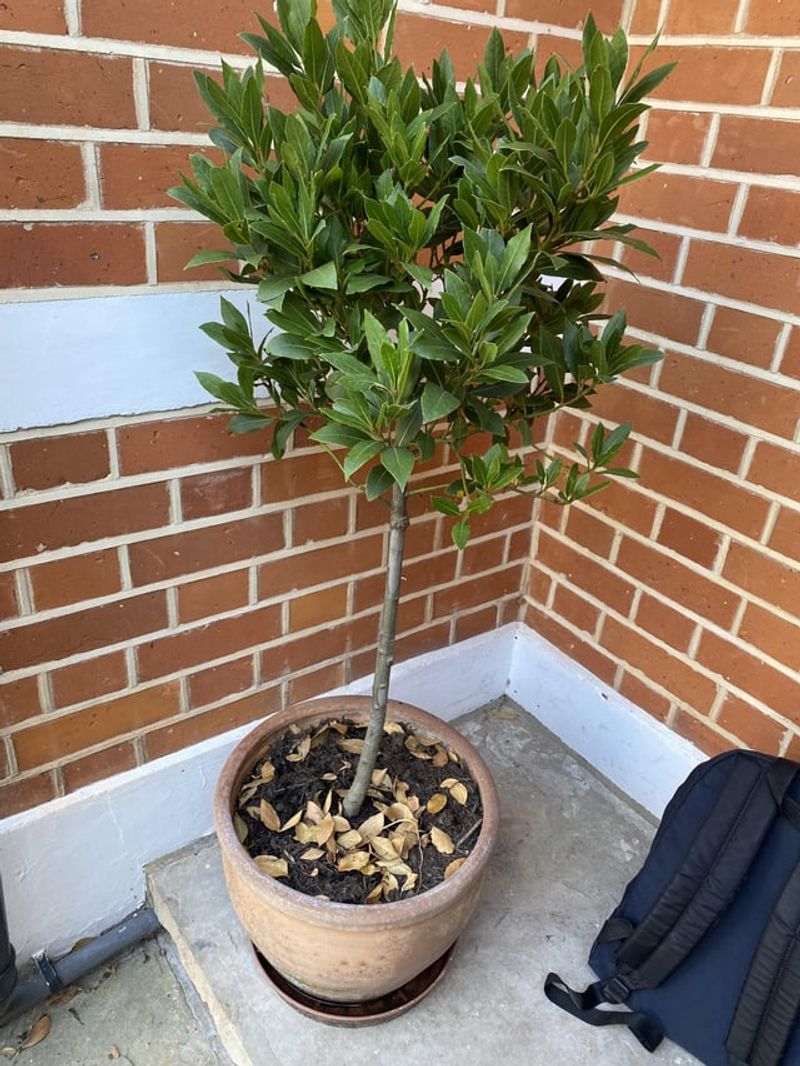
Bay laurel is best known as the source of bay leaves used in soups and stews. But this handsome evergreen shrub has another side that gardeners are starting to appreciate more.
The oils in its leaves contain compounds like eucalyptol and linalool that ticks and other insects strongly dislike.
Unlike most herbs on this list, bay laurel grows into a full shrub or small tree over time. It can be kept compact in a large container or shaped into a neat topiary for a patio.
That versatility makes it one of the more decorative options when it comes to pest-deterring plants.
Bay laurel grows best in full sun to partial shade and prefers well-drained soil. It is moderately drought-tolerant, making it a reasonable fit for many parts of our state.
In colder northern regions, growing it in a container allows you to bring it indoors during cold snaps.
The leaves stay on the plant year-round, which means the pest-repelling scent is present in all seasons. Crushing a leaf releases a strong, herby aroma immediately.
Placing the pot near a patio entrance or outdoor dining area puts that natural deterrent right where people spend the most time. Bay laurel is slow-growing, so patience is part of the deal.
But once it gets going, it is a long-lived, low-maintenance shrub that doubles as a culinary staple and a natural tick deterrent. Few patio plants offer that kind of dual-purpose value in such an elegant package.