Why More California Gardeners Are Turning Their Yards Into Native Habitat Havens
Something quietly took place in California backyards, and most people completely overlooked it. It didn’t make the news. No one made a big deal about it.
But gradually, something old began to revive throughout the state. And the people behind this change? Well, they are not who you might think.
They aren’t scientists or environmentalists with clipboards. They are everyday homeowners who grew tired of battling their own land and stumbled upon something that changed their perspective on outdoor spaces completely.
The outcomes look nothing like a standard garden. Everything is not perfectly trimmed. Nothing is uniform. Yet somehow, these yards feel more vibrant than anything else on the street around them.
There are reasons for this. California gardeners have been discovering a smarter, more beautiful, and surprisingly low-maintenance way to grow. And once you see what they’re doing, you’ll want to dig up your lawn too.
1. Bees And Butterflies Need More Native Blooms
Stroll by a yard brimming with California poppies on a warm spring morning. You’ll hear it before you actually see it. There’s a low, steady hum that fills the air. That buzzing sound isn’t just random.
It’s the noise of a yard that’s truly alive. Native bees are quite selective. They didn’t evolve alongside just any flower. Many species have developed deep, specific connections with native plants over thousands of years.
You could say these gardens are really becoming something special. Yarrow, buckwheat, and milkweed are the stars of the show. Milkweed, in particular, is crucial. It’s the only plant that monarch butterflies use to lay their eggs.
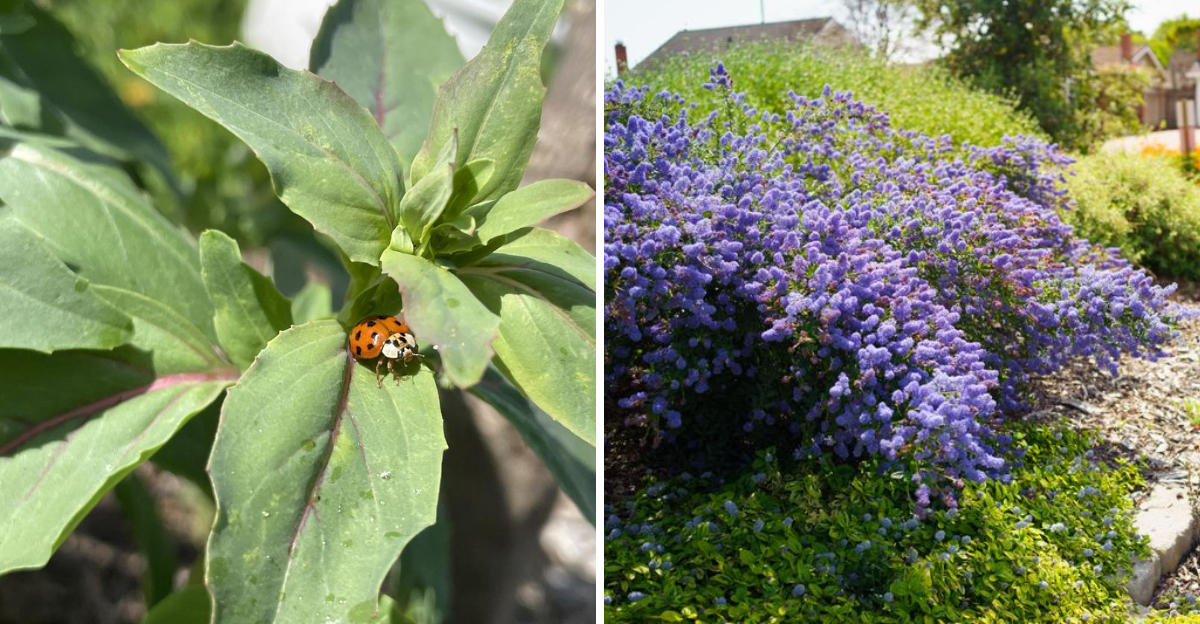
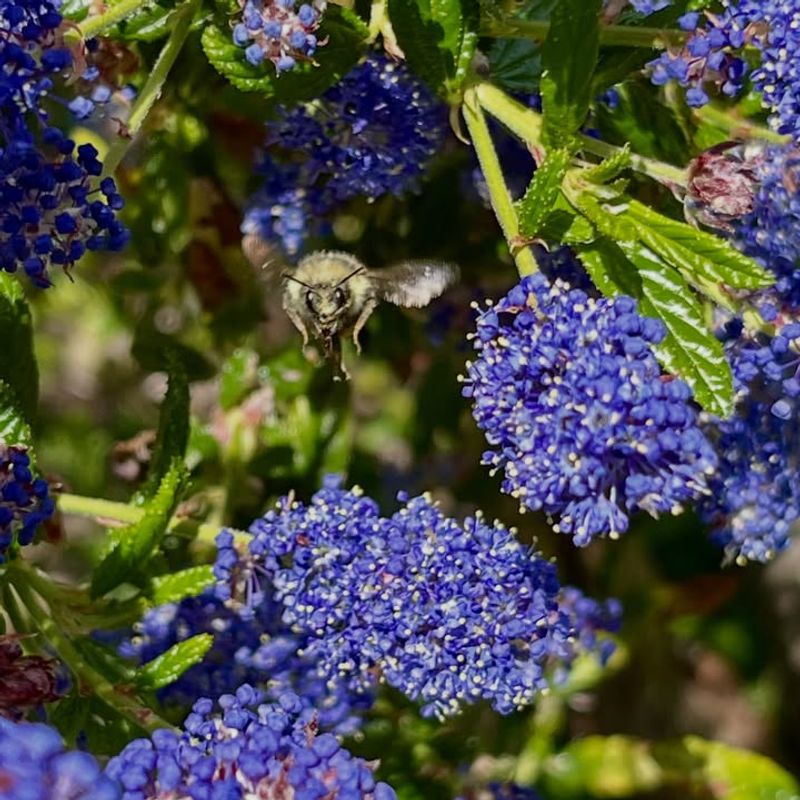
Without milkweed, there are no monarchs. It’s that straightforward. Ceanothus, also known as California lilac, is another favorite. Its dense clusters of flowers attract native bees. They come in droves, full of enthusiasm. The best part?
You don’t need a large yard to make a difference. A small pollinator patch along a fence can do real work. Even a single raised bed with three or four native species can turn into a neighborhood hotspot for beneficial insects.
The California Native Plant Society suggests starting with plants that are native to your area. Local plants are the most effective at attracting local pollinators. It’s not a complicated process.
Plant it and observe who arrives. Let that curiosity guide your choices for the next season. Before you know it, your yard will be the busiest spot on the block.
2. Thirsty Lawns No Longer Make Sense
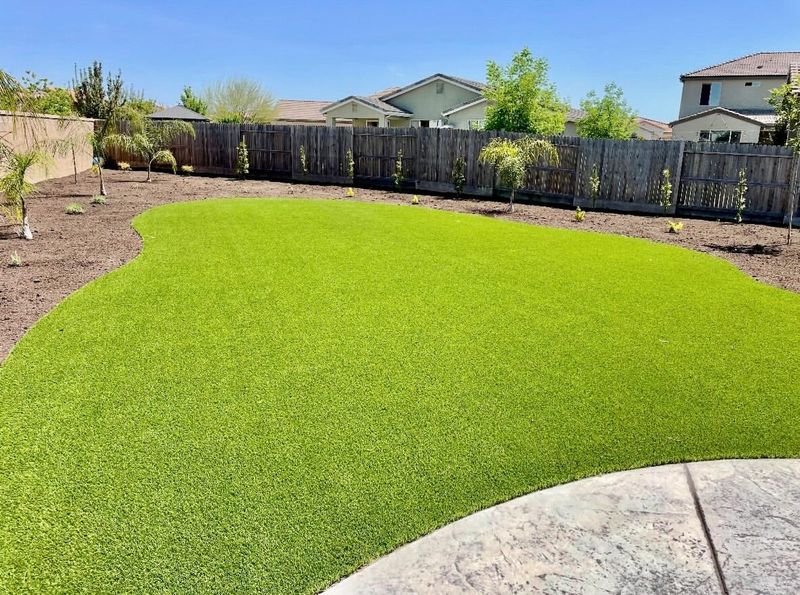
Seeing a sprinkler going at noon in July used to be a common sight in California. Now, it almost seems like cash disappearing into the dry air.
Turf grass is one of the thirstiest plants a homeowner can choose to grow. In a state where water shortages are almost always in the news, that’s tough to defend. You could say the lawn had its time to shine. Literally.
According to the UC Davis Arboretum, traditional lawns consume two to three times more water than most native plants. That difference is huge.
Your California Garden Changes Every Week. Your Plan Should Too.
Gardening in California changes quickly throughout the season. Every Friday you’ll receive a simple weekly plan showing exactly what to plant, prune, fertilize, harvest, and protect so you never miss the right timing.
Over an entire dry season, it results in an astonishing amount of water directed at something that offers very little in return.
However, there’s a catch. New native plantings still require regular watering for the first one to two growing seasons.
The roots need time to settle and grow deep. If you skip this step, the plants will struggle. The water savings come after you make the investment, not during.
Once they’re established, most California natives reach into deep root systems that are built for long dry seasons. They were literally made for this climate. No struggle needed. Just a yard that truly fits in California.
3. California Heat Calls For Tougher Plants
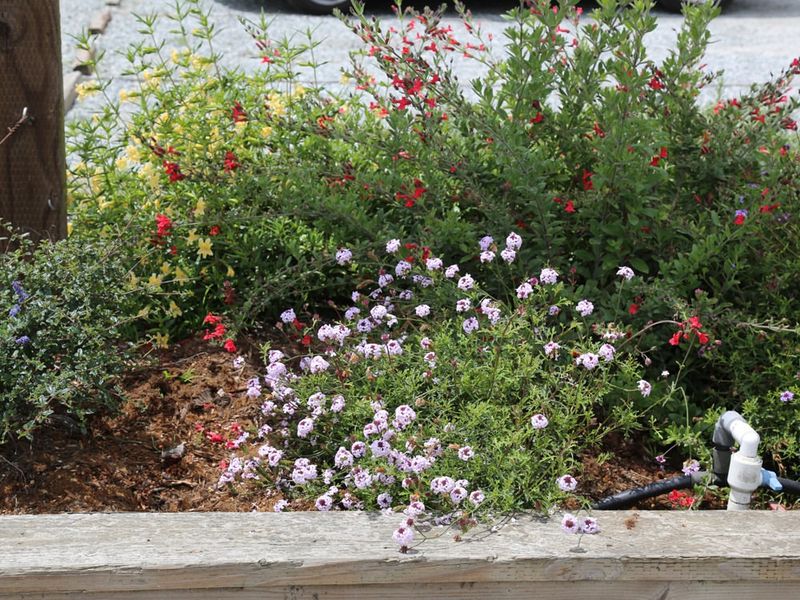
California summers are intense. They hit hard, linger for a long time, and leave gradually. The inland valleys and foothill areas experience months of unyielding sunshine and almost no rain at all.
By August, many traditional garden plants just give up. You can try watering them more, but it usually doesn’t make much of a difference.
On the other hand, native plants have a different strategy. They have adapted to California’s Mediterranean climate over thousands of years.
Rain falls in the winter and spring, while summer remains dry. Their entire biology is designed around this pattern.
Plants like toyon, manzanita, and native sages don’t resist the heat. They are smart enough to adapt to it. Their roots dig deep into the ground. Their leaves are structured to minimize water loss.
Instead of using up their resources quickly, they slow their growth during the summer. However, there’s an important detail to consider. Not every native plant is suitable for every location.
A coastal native plant placed in a hot inland garden might struggle. Similarly, a desert plant put in a foggy coastal garden often doesn’t thrive.
The right plant must be matched with the right environment. So, compare it to your local conditions. It only takes ten minutes and can save you a lot of hassle.
In hot inland gardens, it’s beneficial to position plants on the east or north side of buildings. Afternoon shade can really make a difference.
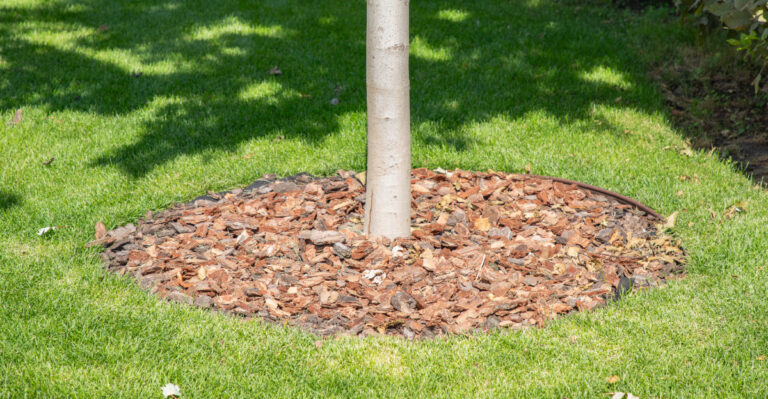
A thick layer of mulch around the root area helps the soil retain moisture and stay cooler for a longer time.
If you get the placement right, a California native garden can look vibrant and fresh even in the height of summer. There’s no need for constant care. No plants will be defeated by Labor Day. Just a garden that was designed for this very climate.
4. Birds Need Berries Seeds And Safe Shelter
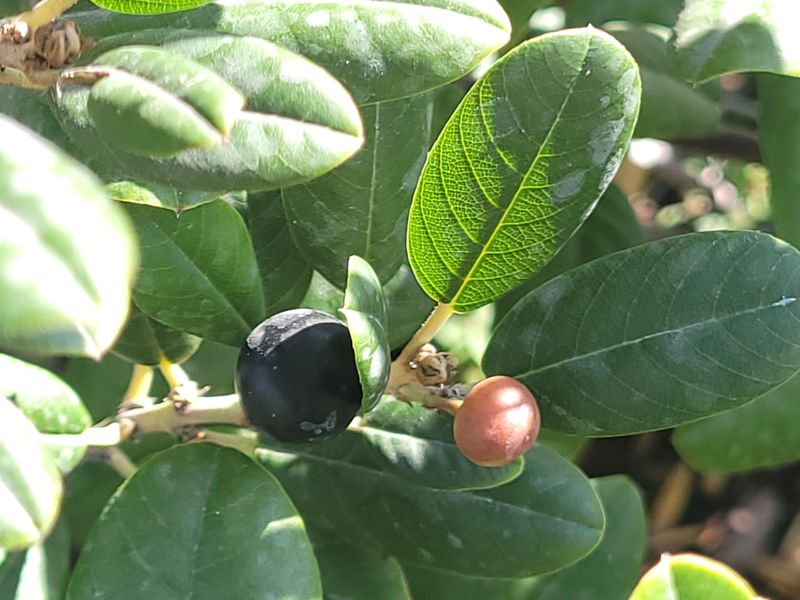
A toyon shrub bursting with bright red berries in December isn’t just for looks. It’s like a full-service restaurant for birds.
Cedar waxwings, robins, and mockingbirds flock to the ripe toyon clusters like regulars who know exactly what to order. Observing them is one of those little daily joys that native gardeners often mention. And they have every reason to.
However, birds require more than just a tasty meal. They need the complete package. Seeds from grasses and wildflowers. Insects to nourish hungry nestlings. Thick shrubs that offer protection from hawks and cats.
A yard that includes all of this becomes a place where birds don’t just stop by. They settle in. Layered planting is the approach that ties it all together. Tall native trees like oaks or elderberry create the canopy.
Medium-sized shrubs like coffeeberry, manzanita, and ceanothus fill in the middle. Native grasses and groundcovers form the understory below.
Each layer caters to different bird species. Oaks alone can support hundreds of insect species. These insects provide food for nesting birds in large quantities during the breeding season.
Coffeeberry produces berries that ripen at different times, ensuring birds have food available over a longer period. Buckwheat retains its dried seedheads throughout winter when other food sources have disappeared.
Native grasses serve as both food and nesting material. Once a yard like this reaches maturity, new bird species appear each season. It transforms from a garden into a living field guide.
5. Natural Pest Control Starts With Better Habitat
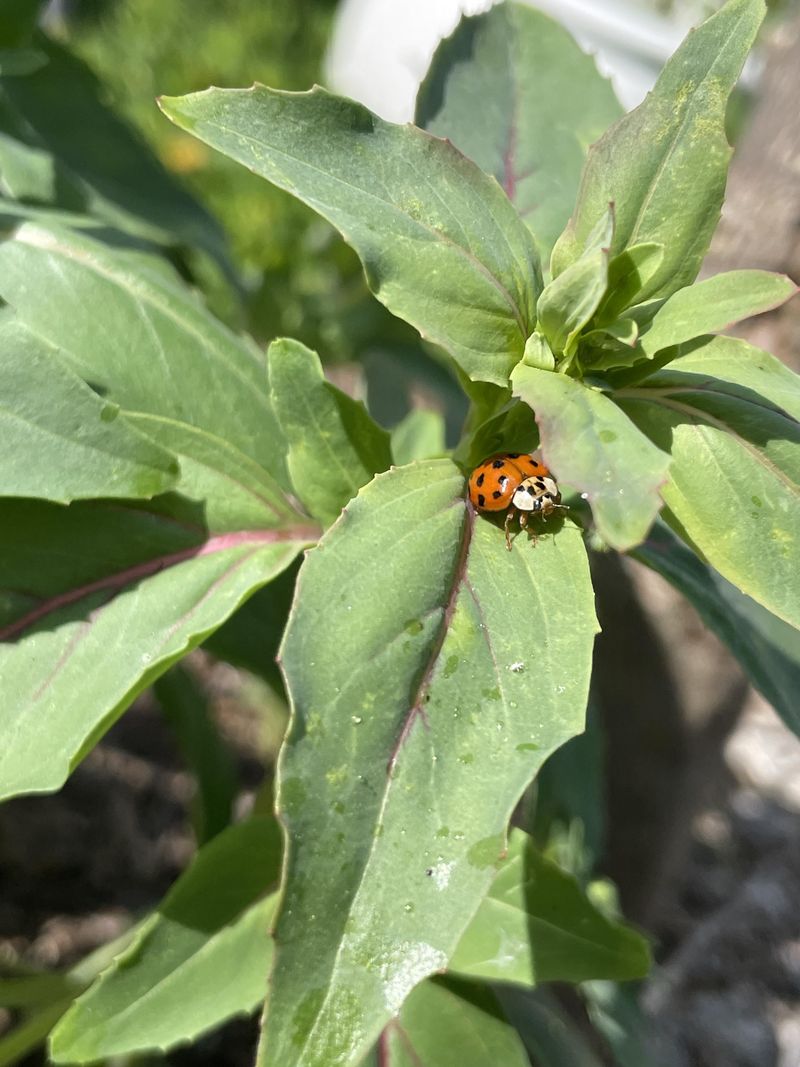
Aphids appear in nearly every garden. The real question is what comes next. In a neat yard filled with non-native ornamental plants, the answer is often nothing beneficial. The pest arrives, it feeds, and nothing can stop it.
In a native garden that boasts real plant diversity and some structural complexity, the situation is different. Helpful insects move in and get to work, allowing the garden to manage many of its own issues.
It turns out that nature acts as a pretty effective insect security system. Lady beetles, lacewings, parasitic wasps, hoverflies, and ground beetles all play a role in controlling pest populations.
However, these insects don’t thrive solely on pest pressure. They also require nectar, pollen, and shelter throughout their life cycles.
Native flowers such as yarrow, buckwheat, and native asters provide all of these essentials. This is why native gardens tend to support much richer communities of insects compared to conventional landscapes.
Birds contribute another layer of support. A single pair of nesting chickadees can gather thousands of caterpillars and insects to feed their young.
By providing native shrubs for nesting and native plants that attract insects, those birds have every reason to stick around.
Here’s the key mindset shift: a few aphids in a healthy native garden are not a disaster. They are part of the food web. The aim is balance, not a sterile yard.
Gardeners who cut back on pesticide use usually notice fewer severe pest outbreaks over time. The ecosystem finds its own balance. Patience and observation accomplish more than any spray bottle ever could, right?
6. Local Plants Fit Local Soil And Weather
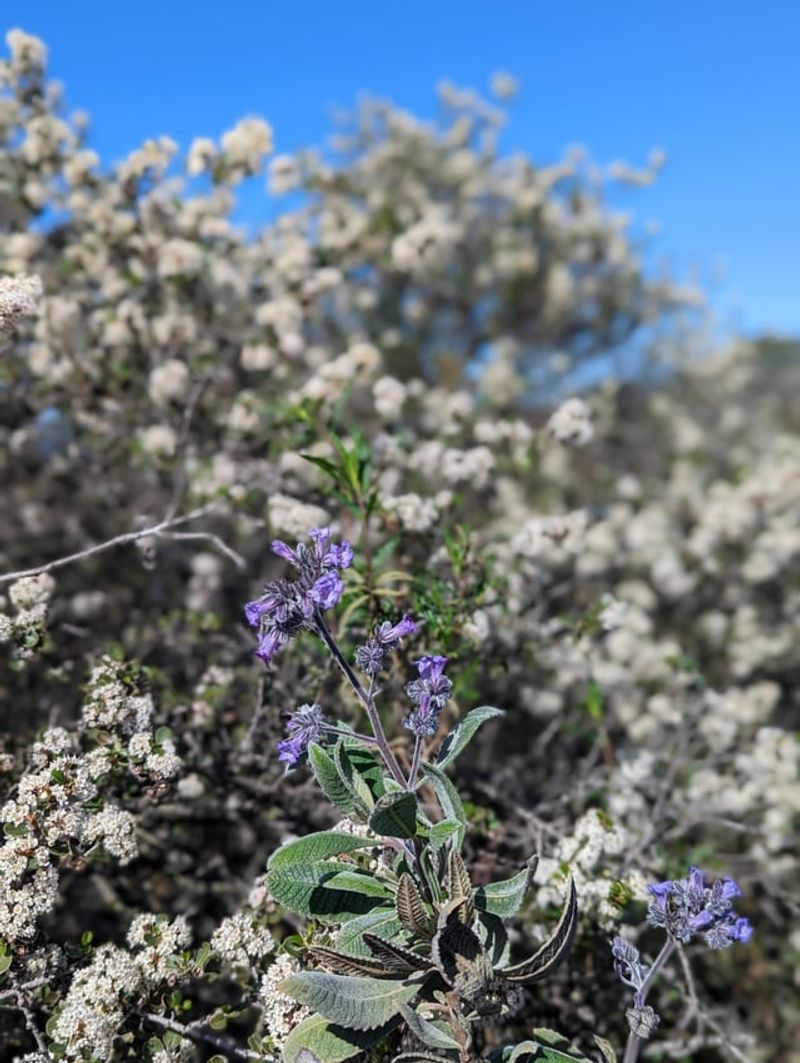
California isn’t just one place. It’s a collection of many different areas layered on top of each other.
San Diego enjoys mild winters and marine air along its coast. In contrast, Sacramento has clay soil, foggy winters, and scorching summers.
The Sierra Nevada foothills receive more rainfall but also experience harsher freezes. What thrives in one location can completely fail just a few hours away. This is precisely why native plants are so beneficial. They didn’t just survive in California.
They evolved in specific regions of it. For instance, a coastal sage scrub plant is designed for sandy, well-draining soil and salty air, while a Central Valley native is adapted to summer heat.
When you place the right plant in the right location, your garden stops being a struggle. It’s almost as if the plants become soulmates with their environment.
This compatibility reduces the need for soil amendments, excessive watering, and constant care. The plant is meant to be there. It instinctively knows how to thrive.
However, soil preparation is still important. Ensuring good drainage can help even the toughest natives establish themselves more quickly.
Still, the fundamental change is significant. If you transition to using regionally appropriate natives, it is a relief.
The garden stops fighting against the environment and begins to work in harmony with it. This transformation alters everything about how manageable the yard feels.
7. Seasonal Blooms Keep The Yard Feeling Alive
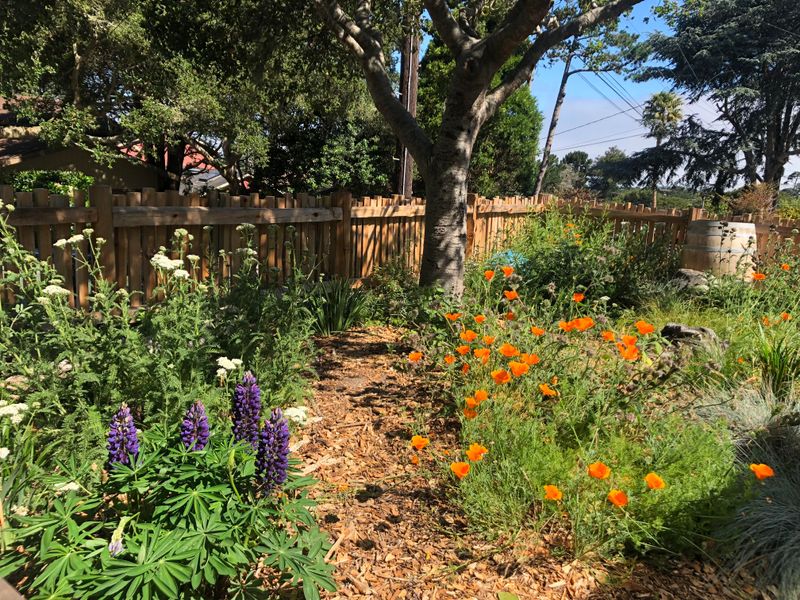
A traditional landscape tends to look pretty much the same every month. In contrast, a native habitat garden tells a whole different story.
There’s always something new happening almost every week throughout the year. Whether it’s something blooming, ripening, or changing in a way that catches your eye.
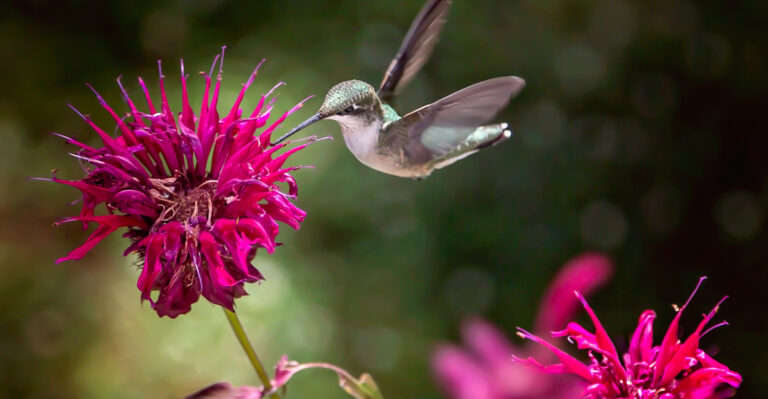
Late winter kicks things off. The flowering currant bursts open with its rosy pink clusters just as the first hummingbirds make their return.
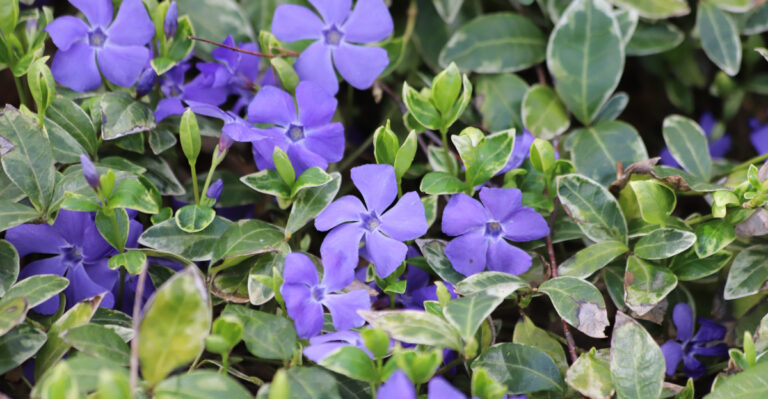
Then comes spring, bringing a full explosion of color. California poppies, lupine, clarkia, and native violets all tumble together in vibrant drifts. It’s a lot to take in. It’s amazing.
Early summer introduces buckwheat and native sages. Warm golds and soft purples take center stage and maintain their structure even as they dry out. The garden doesn’t fade away. It transforms. You could say it has genuine seasonal flair.
Fall tends to surprise those who are new to native gardening. Toyon berries turn a bright red. Native grass seedheads catch the afternoon light and sway in the breeze. The yard is filled with texture and quiet beauty, rather than looking tired or worn out.
Even winter has its own charm. Manzanita bark is sculptural and eye-catching. Coffeeberry remains evergreen. Nothing about the garden seems empty.
However, planning for staggered bloom times requires a bit of thought at the beginning. But a simple chart showing bloom times can make planning a lot easier. The reward is a yard that invites you to stroll through it in January just as much as in April.
8. Less Fuss Leaves More Time To Enjoy The Garden
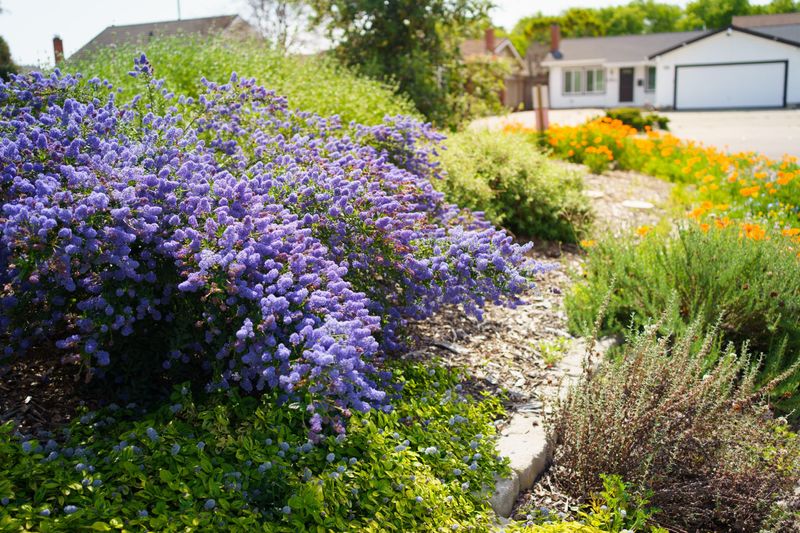
The first year of creating a native garden is definitely hard work. No need to sugarcoat it. You need to water regularly. There’s mulching, pest monitoring, and constantly checking how each plant is adjusting.
It’s an investment, but then again, most worthwhile things are. If you can get through that first season, maybe even the second, you’ll notice a change. The plants start to fill in.
Native groundcovers spread out and naturally shade out the weeds. The irrigation schedule becomes less frequent. Once the lawn is gone, mowing stops completely.
The garden begins to feel like it truly belongs there. Because it really does. You could say it finally supports itself.
Once established, native gardens require very little fertiliser. California natives have adapted to grow in nutrient-poor soils. Over-fertilising can actually create issues, leading to weak, floppy growth. Usually, a light layer of compost in the fall is all they need.
Pruning is minimal compared to high-maintenance ornamental plants. The main tasks are occasional shaping and seasonal cleanup.
Gardeners who used to spend every weekend mowing and watering notice a real shift in how they interact with their yards. They go outside to relax, not just to work. They genuinely enjoy the space they’ve worked hard to create.
So, what’s the reward at the end? Well, a yard that takes care of itself and offers something back every single day.