The One Ohio Native Grass That Makes Flower Beds Look More Expensive
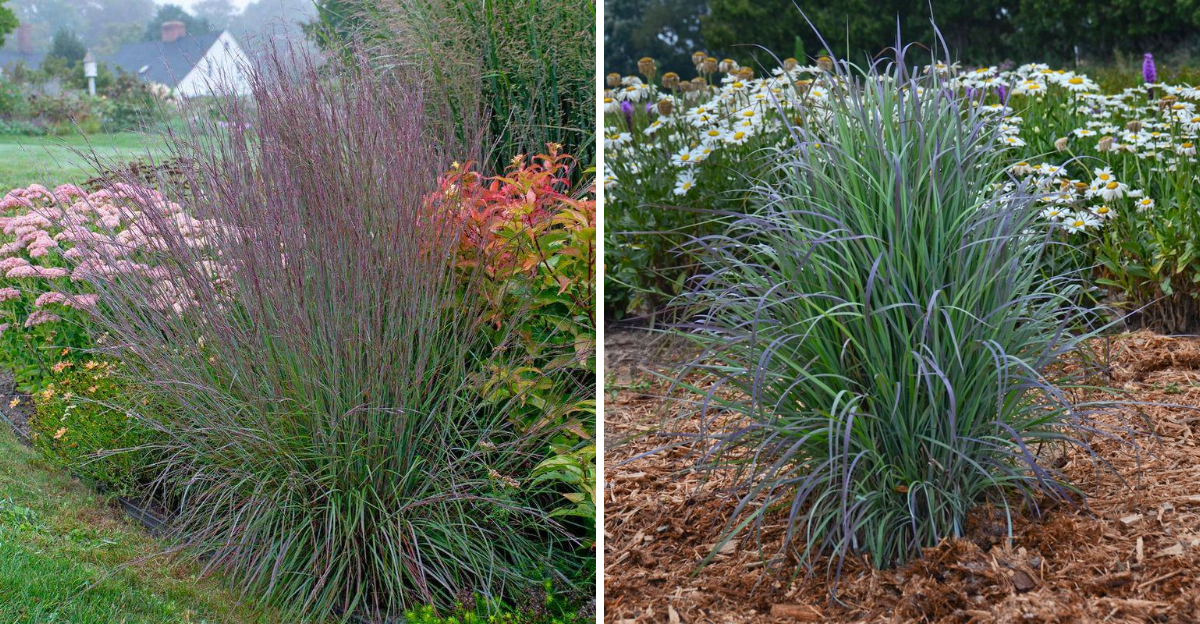
A flower bed in Ohio can have plenty of blooms and still feel a little unfinished. Maybe the coneflowers are cheerful, the black-eyed Susans are glowing, and the bee balm is buzzing with life.
Still, something feels loose. The bed needs a bit of shape.
It needs rhythm. It needs that quiet, polished layer that makes a planting look planned instead of pieced together over several weekends.
That is where one native grass can make a sunny border look more expensive without adding stone walls, fountains, or fussy plants. The trick is not choosing something rare.
It is choosing a plant with clean form, useful texture, and strong seasonal presence. In many local gardens, the most useful grass for that job is not flashy at first glance.
It stands upright, catches light, softens bold flowers, and keeps working after summer blooms fade. Used well, it can make a front yard border or backyard bed feel layered, calm, and professionally designed.
1. Meet Little Bluestem, The Native Grass With Designer Appeal
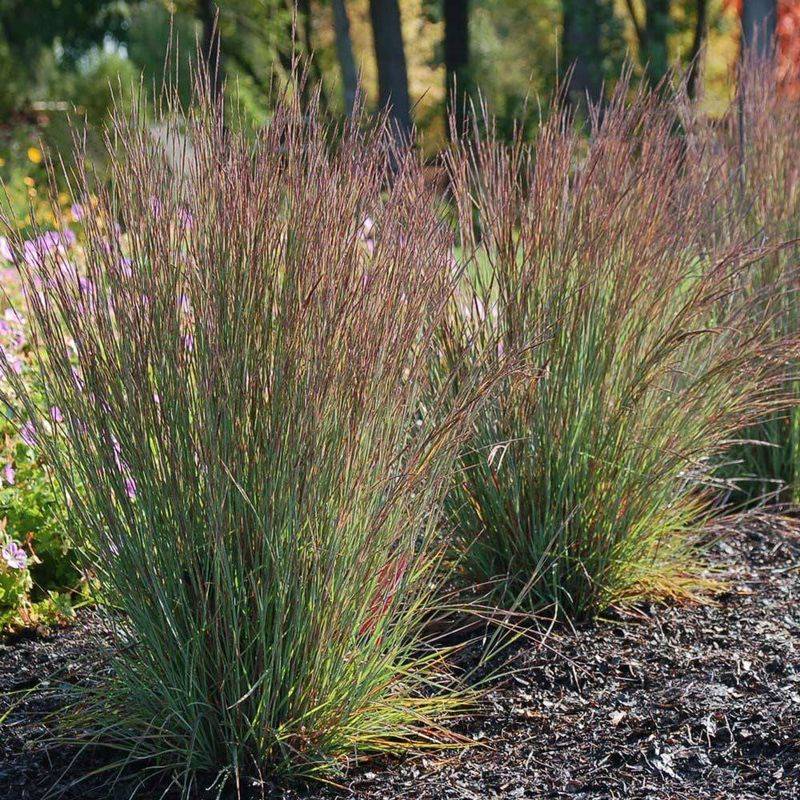
The grass is Little Bluestem, also known as Schizachyrium scoparium. It is a native Ohio warm-season grass with a refined, upright look that fits beautifully into sunny flower beds.
Its appeal is subtle at first. Instead of huge plumes or oversized leaves, it brings slim blades, tight clumps, and a vertical shape that feels neat without looking stiff.
In summer, many plants show blue-green or silvery-green tones. By fall, the foliage may shift toward copper, bronze, orange, red, or tawny shades.
That seasonal change is a big part of the “designer” effect. A bed with only flowers can look flat once the main bloom season slows down.
Little Bluestem keeps adding color, movement, and texture while nearby perennials begin to fade back.
The expensive look comes from how it is used. A few repeated clumps can make a sunny bed feel intentional, much like repeating shrubs or boxwood balls in a formal landscape.
The plant itself is not fussy or rare. It simply has the kind of shape that helps a planting look edited.
Give it full sun, well-drained soil, and enough room to mature. In the right site, it can turn a mixed flower bed into something more layered and polished.
2. Use Its Upright Shape To Add Instant Structure
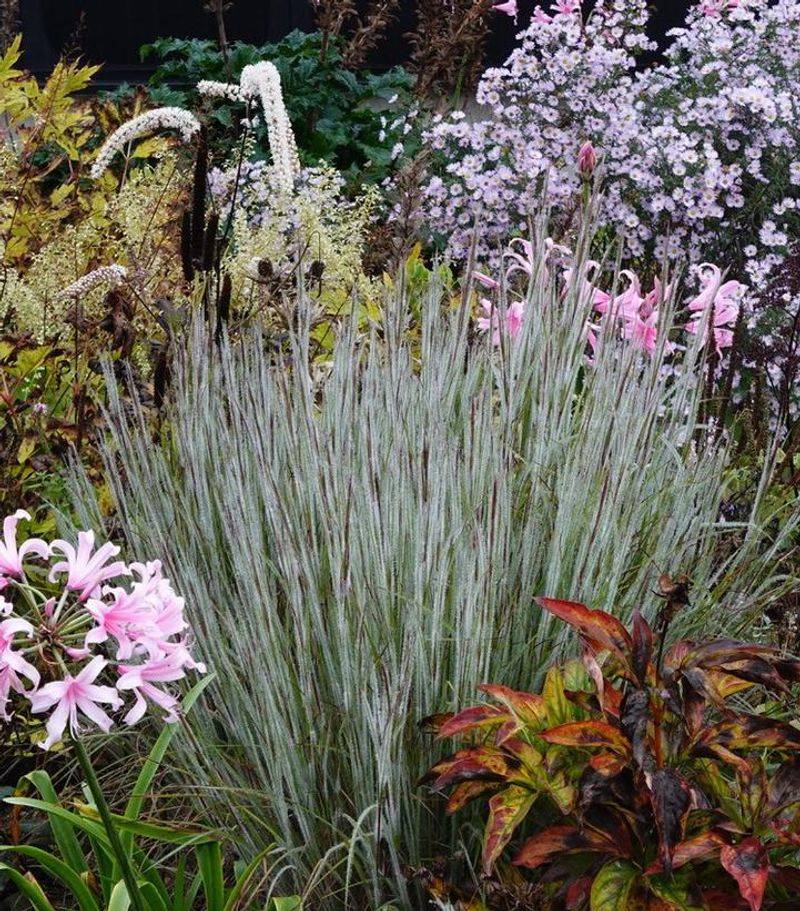
A loose flower bed often needs a backbone. Not a hedge, not a fence, and not a row of heavy shrubs.
Sometimes it just needs upright clumps that guide the eye.
Little Bluestem grows in a clumping habit, so it can act like a soft vertical accent among lower or rounder plants. Place it behind shorter flowers, between bold perennials, or along a border where the bed needs rhythm.
Its narrow shape can help organize plants that otherwise lean, sprawl, or bloom in a casual way.
Think of it as a living punctuation mark. One clump can highlight a corner.
Three clumps can pull a planting together. A repeated line can help a long sunny border feel planned.
Your Ohio Garden Changes Every Week. Your Plan Should Too.
Gardening in Ohio changes quickly throughout the season. Every Friday you’ll receive a simple weekly plan showing exactly what to plant, prune, fertilize, harvest, and protect so you never miss the right timing.
Placement matters. Mature size depends on the plant, site, and cultivar, but many selections reach about two to four feet tall.
Some may stand taller with seed heads. Avoid putting it directly in front of short plants that need to be seen from the sidewalk or patio.
It also needs elbow room. In cramped spaces, the upright shape loses its clean outline.
Give each clump enough space to show its form, especially in front yard borders where neatness matters. That open space helps the grass look intentional instead of squeezed in.
3. Let Blue-Green Blades Bring Subtle Summer Color
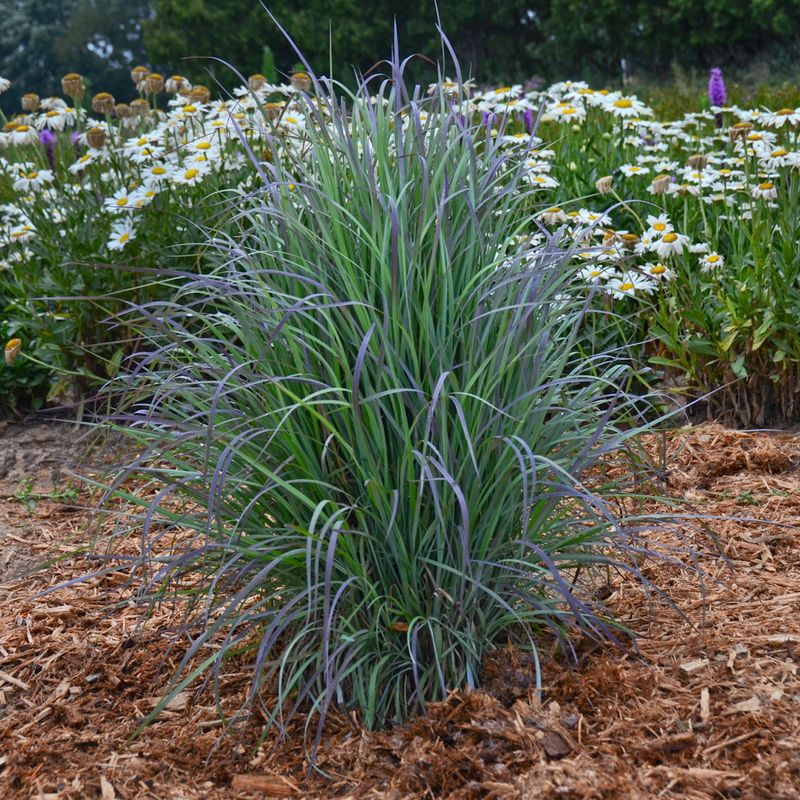
By midsummer, bright flower beds can start to feel loud. Yellow, pink, orange, and purple blooms all have their place, but too many strong colors can compete.
The blue-green blades of Little Bluestem help calm that mix. Many plants show a cool, silvery cast during the growing season.
That soft color can make hot flower shades look more balanced. It also adds contrast beside green foliage that might otherwise blend together.
Fine texture is just as useful as color. The narrow leaves look airy beside bolder plants like coneflowers, bee balm, and black-eyed Susans.
They also pair well with daisy-like flowers because the grass gives the eye a place to rest between blooms.
Use it near plants with larger leaves or round flower heads. The contrast makes both plants look better.
A clump of Little Bluestem beside purple coneflower can make the coneflower look brighter. The flower, in turn, makes the grass look more sculptural.
In humid summer weather, avoid planting it where taller neighbors will shade it heavily. Too much shade can weaken the look and reduce the strong upright effect.
A sunny, open spot will usually give the foliage its best color and form.
4. Count On Coppery Fall Tones For A High-End Look
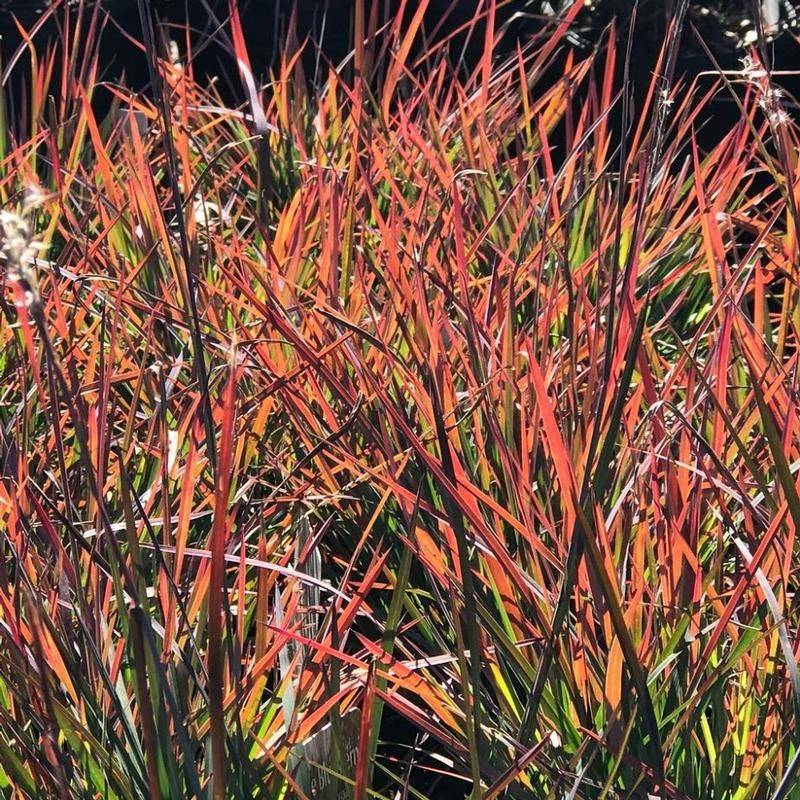
Fall is where this grass often earns its place. As many summer flowers slow down, Little Bluestem can start picking up warm tones that make a bed look rich and layered.
Depending on the plant, site, and season, the color may lean copper, bronze, orange, red, mahogany, or tawny brown. Some years, the color may be strong.
Other years, it may be softer. That variation is normal, so it is better to think of Little Bluestem as a late-season color contributor rather than a plant with one guaranteed shade.
The effect is especially handsome in sunny borders. Warm grass tones can echo seed heads, fading perennials, pumpkins on a porch, brick walkways, or autumn leaves nearby.
That kind of color connection makes a landscape feel more pulled together.
For the best fall display, give the plant good sun and avoid overly rich, wet soil. In too much shade, the color and shape may not be as strong.
In overly fertile beds, some plants may grow taller and look less upright late in the season.
Pair it with late bloomers like asters, goldenrods suited to gardens, or fall-blooming coreopsis. The grass adds warmth while the flowers keep the bed lively.
Together, they stretch the season without needing a full fall replant.
5. Plant It In Drifts For A More Polished Bed
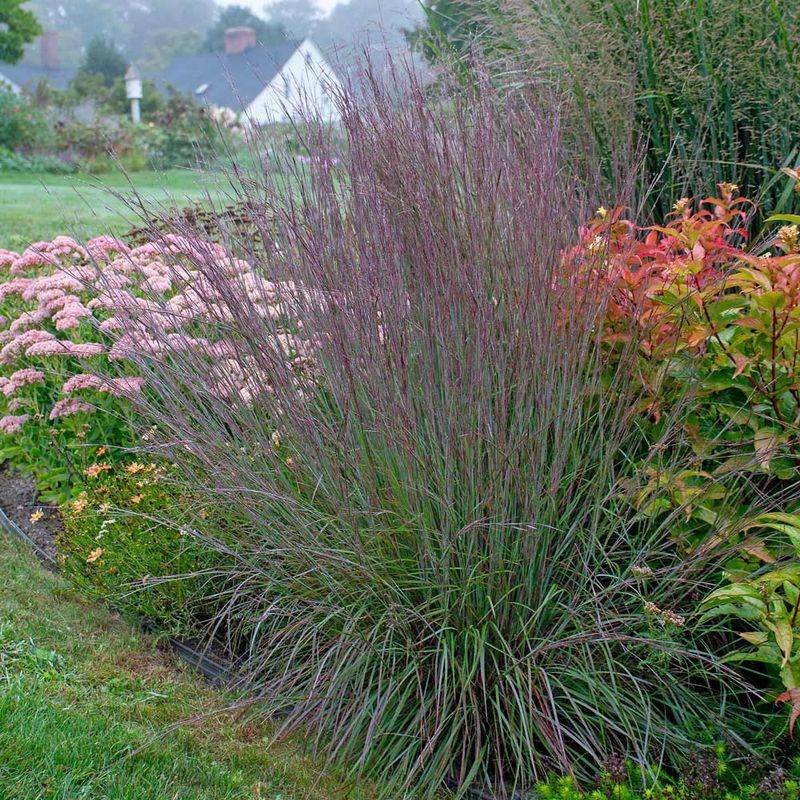
One lonely grass can look like a mistake. A small drift can look like a design choice.
That is one of the easiest ways to make Little Bluestem feel high-end in a flower bed. Instead of planting a single clump and hoping it carries the whole border, repeat it.
Use three, five, or more plants where space allows. Odd-numbered groupings often look natural, especially in curved beds.
Spacing should feel planned but not stiff. In a cottage-style bed, let the clumps weave between flowers.
In a cleaner front yard border, repeat them at steady intervals. Along a walkway, place them in a gentle rhythm so the eye moves from one clump to the next.
Check the mature width before planting. It is tempting to tuck young grasses close together because nursery pots look small.
But crowded clumps lose their shape and can make the bed harder to maintain. Leave room for each plant to fill out.
Drifts work because repetition creates calm. The same grass appearing again and again tells the eye that the planting was designed, not randomly collected.
That is the same principle used in many professional landscapes. Little Bluestem just brings a softer, more natural version of it.
6. Pair It With Flowers That Need The Same Sunny Conditions
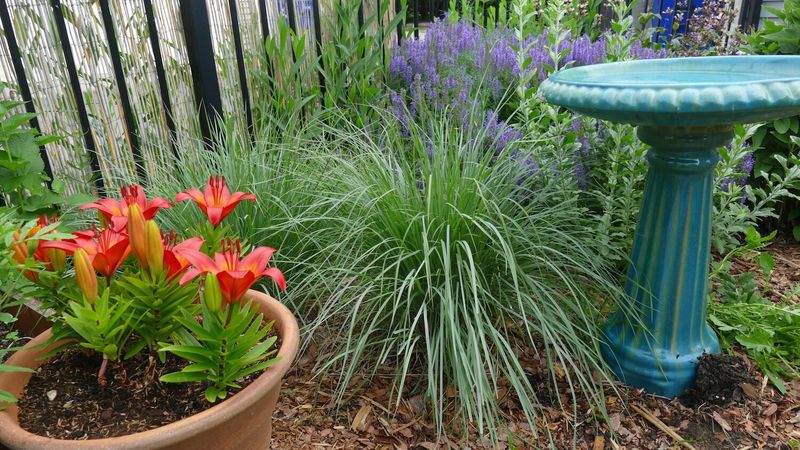
A beautiful pairing still needs practical roots. Little Bluestem looks best with plants that enjoy similar conditions.
Choose sun-loving perennials that handle full sun and reasonably well-drained soil. Coneflowers, black-eyed Susans, asters, blazing star, coreopsis, yarrow, and bee balm can all work where the site suits them.
The exact mix depends on your soil, drainage, space, and local light.
The design advantage is clear. Little Bluestem brings vertical lines and fine texture.
Coneflowers and black-eyed Susans bring bold flower faces. Asters carry color later into the season.
Blazing star adds upright blooms that echo the grass. Yarrow and coreopsis can add smaller flowers that soften the front of the bed.
Matching plant needs also makes care easier. A bed that combines dry-site plants with moisture-loving plants can become frustrating fast.
One group always wants different conditions. If your bed stays soggy after rain, Little Bluestem may not be the right grass for that spot.
Bee balm is a good example of a plant to place with care. Some types can handle more moisture than Little Bluestem prefers.
Use it only where the site suits both plants.
In sunny, well-drained beds, the right companions help the grass look intentional. The flowers provide color, and the grass supplies structure.
7. Leave Seed Heads Standing For Winter Texture
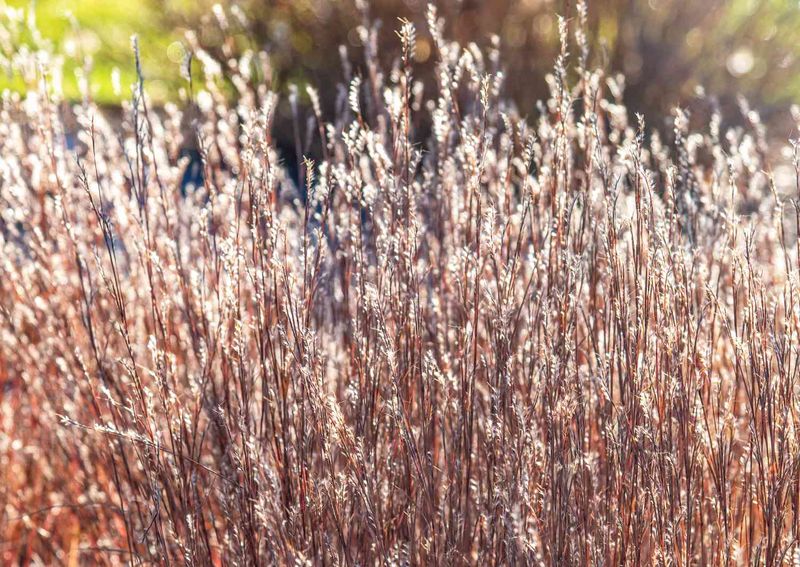
After frost, many flower beds look bare too quickly. Little Bluestem can help carry the planting into winter with dried stems, fine texture, and delicate seed heads.
Leaving the stems standing gives the bed shape when most flowers are gone. The clumps catch low winter light, move in the wind, and add a soft tan color that looks natural in dormant landscapes.
That texture is especially useful in front yard borders, meadow-style plantings, and backyard beds seen from a window.
There is also wildlife value. Standing grasses can offer cover, nesting material, and seeds for birds and other small creatures.
A completely cleared bed may look tidy for a moment, but it often lacks winter structure.
Hold off on cutting the old growth until late winter or early spring. Then cut it back before new growth begins.
Many gardeners trim the clumps down to a few inches so fresh shoots can rise cleanly through the center.
Do not wait too long once new growth starts. Cutting after fresh blades appear can make the plant look ragged for a while.
A late winter cleanup keeps the bed neat while still letting the grass do its winter job.
Used this way, Little Bluestem gives a sunny flower bed four-season polish without asking for much fuss.