9 Plants Arizona Gardeners Protect With Shade Cloth In Late Spring
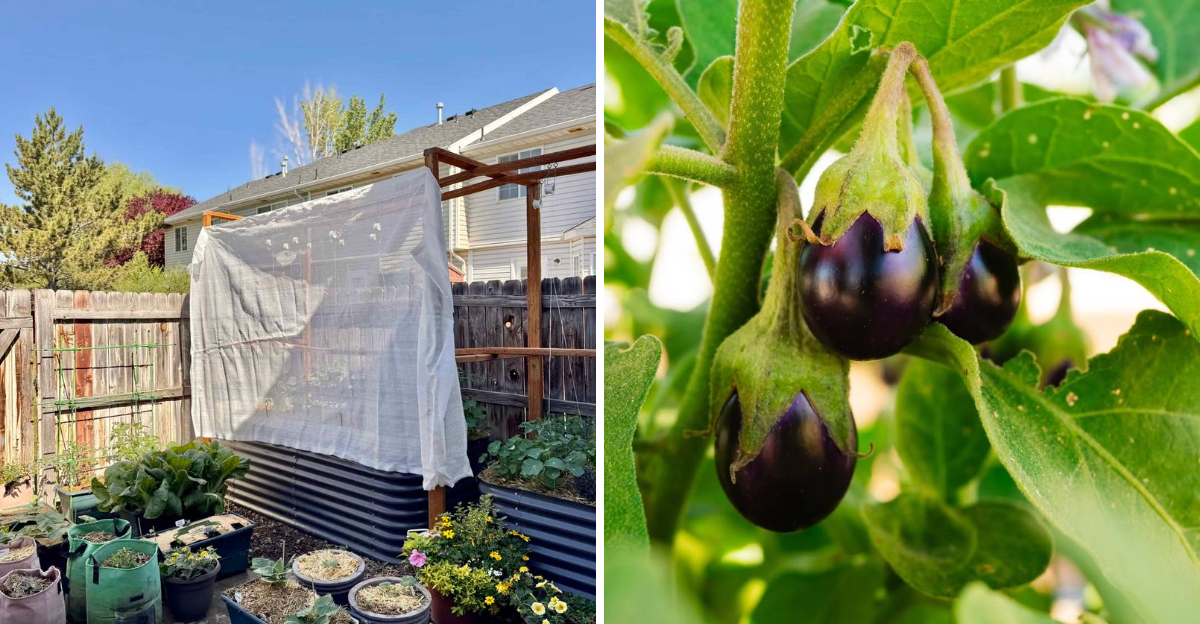
Late spring is usually when Arizona gardens start separating the tough plants from the dramatic ones. A tomato can look completely fine in the morning, then look miserable a few hours later after sitting in direct afternoon sun.
Young peppers pull the same stunt every year. Even flowers that handled spring beautifully can suddenly start struggling once the heat bounces off gravel and walls all day.
Shade cloth stops sounding excessive very quickly after that.
Plenty of gardeners end up using it earlier than expected because the stronger sun arrives fast and does not ease up. A little filtered shade during the hottest hours can completely change how vulnerable plants handle the transition into summer.
The tricky part is figuring out which plants truly need the extra protection and which ones can handle the heat without it.
1. Tomatoes Wilt Faster Once Late Spring Heat Arrives
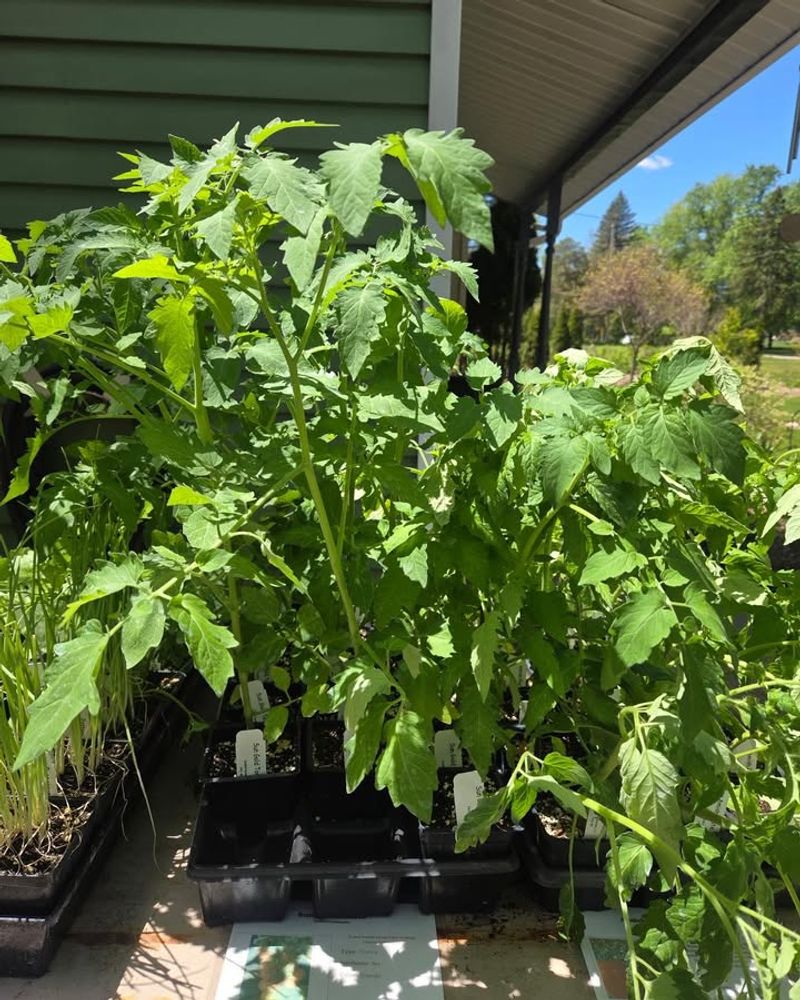
Tomatoes look fine in the morning, then completely fall apart by noon. That is just how it goes once desert heat kicks in hard.
Afternoon temps above 95 degrees cause tomato blossoms to drop before they set fruit. No blossoms setting means no harvest, no matter how healthy the plant looks.
Light shade cloth works best for tomatoes because it lowers heat without blocking too much sun. Plants still need plenty of light to keep producing through late spring and early summer.
Set the cloth up on a simple PVC frame so air can still move around the plants. Trapped heat under tight covering does more harm than good.
Water tomatoes deeply in the early morning before heat builds up. Shallow watering during hot afternoons stresses roots and speeds up wilting even faster.
Many gardeners in the Phoenix and Tucson areas start shading tomatoes as early as mid April. Waiting until plants show stress means you are already behind.
Dry desert wind also strips moisture from leaves much faster once summer heat settles in.
Plants growing near gravel, block walls, or reflective surfaces usually struggle first during extreme afternoons.
Strong afternoon sun can also soften ripening fruit and lead to more cracking during heatwaves. A little extra protection during the hottest part of the day often keeps plants producing longer into summer.
2. Peppers Benefit From Afternoon Shade During Heat Waves
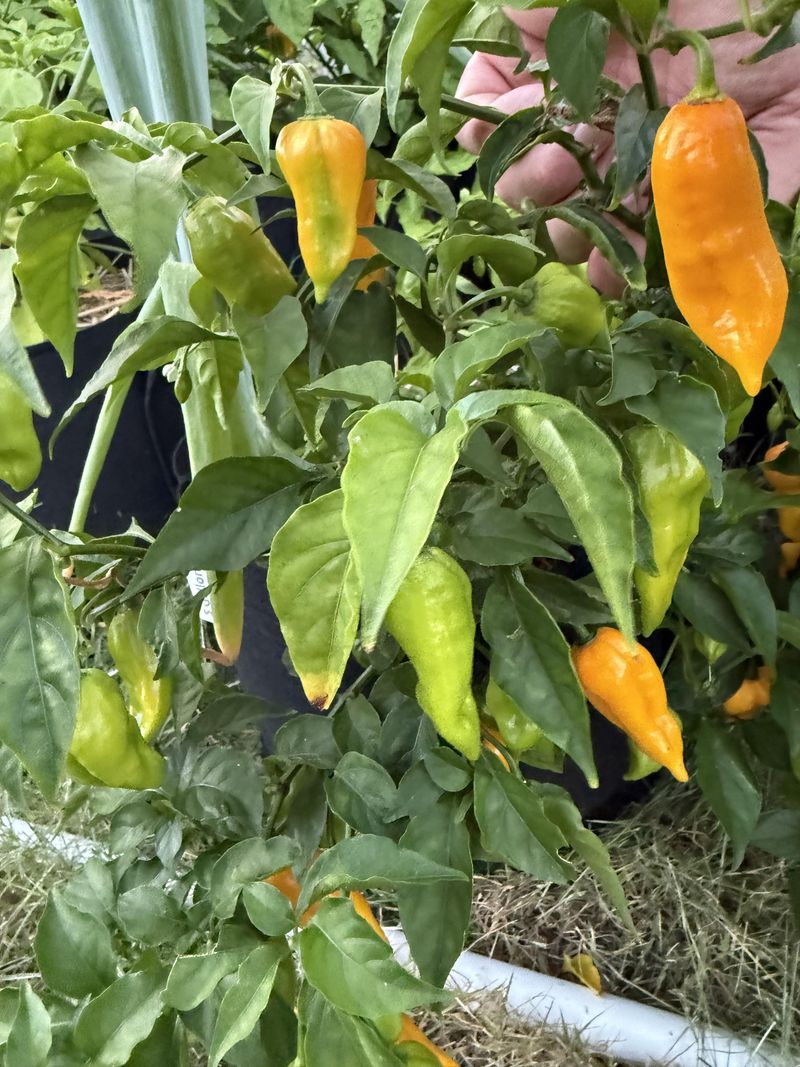
Peppers are tougher than tomatoes, but they have their limits too.
Once air temps push past 100 degrees regularly, even heat-loving peppers start showing signs of trouble.
Blossom drop is the biggest problem. Flowers fall off before fruit sets, and the whole season stalls out fast.
A 30 percent shade cloth installed on the west side of your pepper rows makes a real difference. West-facing afternoon sun is the harshest, and blocking it reduces peak stress without slowing growth.
Peppers planted in containers heat up faster than those in the ground. Container roots cook when pots absorb direct sun all afternoon, so shade cloth matters even more for potted plants.
Keep mulch thick around the base of each plant. Mulch holds soil moisture and keeps root zones cooler, working alongside shade cloth rather than replacing it.
Your Arizona Garden Changes Every Week. Your Plan Should Too.
Gardening in Arizona changes quickly throughout the season. Every Friday you’ll receive a simple weekly plan showing exactly what to plant, prune, fertilize, harvest, and protect so you never miss the right timing.
Watering consistency matters a lot during heat spikes. Uneven moisture combined with extreme heat causes fruit to crack once conditions cool slightly.
Shade cloth does not have to stay up all season. Pull it back on cooler days to let peppers soak up full sun, then put it back when heat spikes return.
3. Lettuce Bolts Quickly Under Intense Sun Exposure
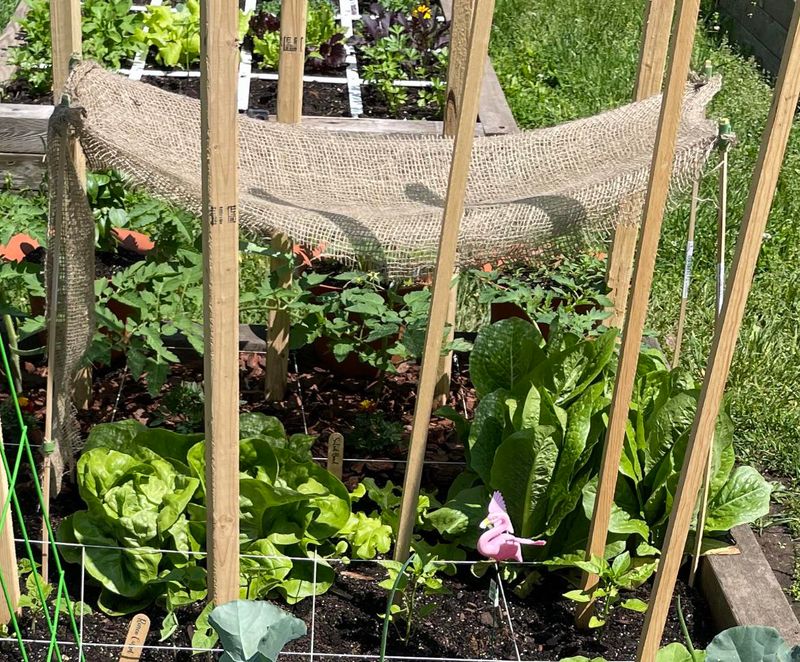
Lettuce is basically a countdown clock once real heat arrives. It goes from tender and sweet to bitter and bolted faster than most gardeners expect.
Bolting happens when the plant shifts energy from leaf production to seed production. Heat is the trigger, and intense direct sun speeds it up dramatically.
A 40 to 50 percent shade cloth gives lettuce the best shot at surviving into late spring. Heavier shade keeps soil temperatures lower and slows the bolting response.
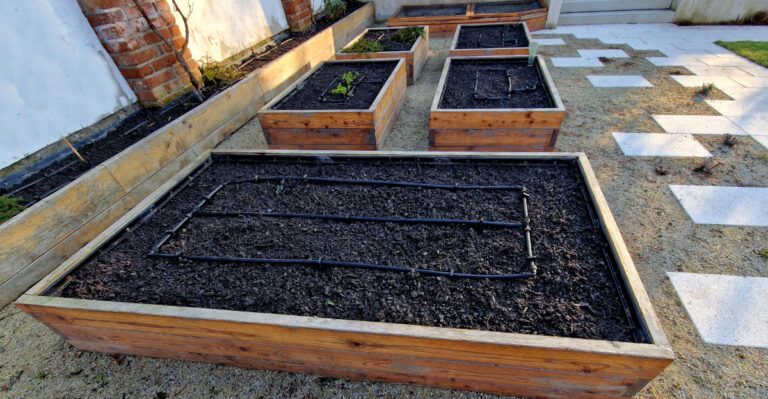
Raised beds warm up faster than in-ground plots, so lettuce in raised beds needs shade cloth protection earlier in the season. Watch soil temp, not just air temp.
Loose-leaf varieties like Black Seeded Simpson and Jericho handle heat slightly better than head lettuces. Even so, shade cloth is still necessary once afternoon temps climb above 85 degrees consistently.
Water lettuce in the early morning and avoid wetting leaves in the afternoon heat.
Wet leaves under hot sun can burn even with partial shade.
Harvest outer leaves regularly to keep plants producing longer. Frequent harvesting slows the bolting process a little and keeps your lettuce tasting good for a few extra weeks.
4. Cucumbers Struggle During Dry Windy Afternoons
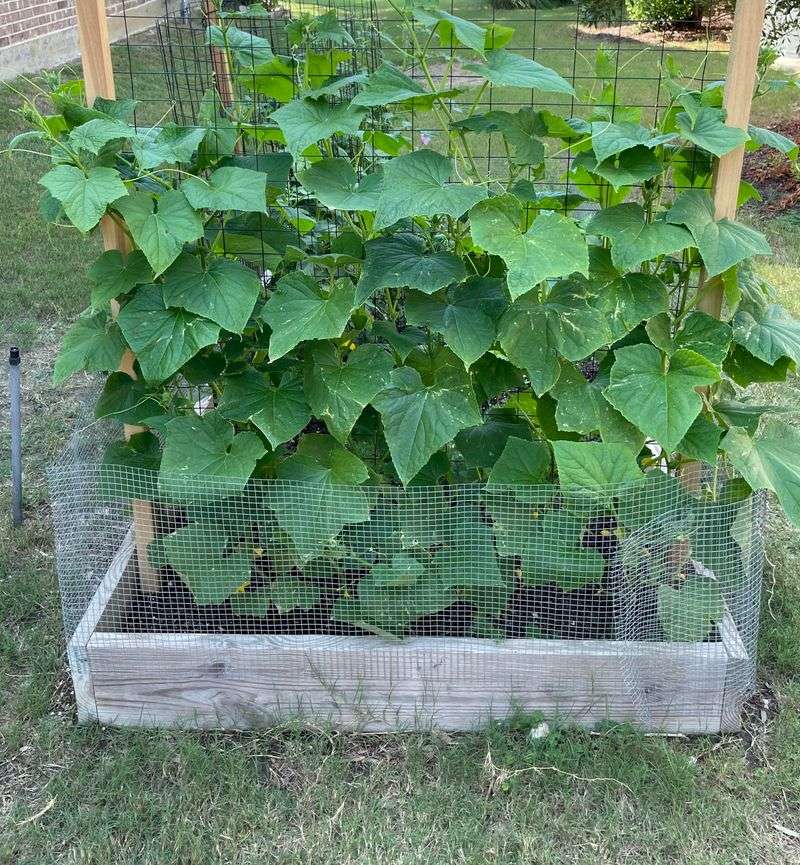
Wind does as much damage to cucumbers as heat does. Dry, hot afternoon gusts pull moisture right out of leaves before plants can replace it through the roots.
Cucumbers contain a very high amount of water, which is why heat stress shows up quickly.
Leaves curl, edges brown, and fruit development stalls when plants stay stressed for even a day or two.
Shade cloth helps by reducing both heat and wind exposure at the same time. A 30 percent cloth draped over a trellis setup cuts wind speed and filters harsh afternoon sun together.
Orient cucumber rows so the cloth blocks the direction most afternoon wind comes from. In many desert areas, that means shading the south and west sides most aggressively.
Drip irrigation works much better than overhead watering for cucumbers in hot, windy conditions. Keeping water at the root zone prevents leaf scorch and reduces evaporation loss.
Cucumber vines grow fast once established, so give them a sturdy trellis before heat arrives. Vines sprawling on hot ground suffer far more than those lifted into better airflow.
Pick cucumbers frequently once they start producing. Leaving overripe fruit on the vine signals the plant to slow down production right when you want it most.
5. Basil Leaves Burn In Extreme Direct Sunlight
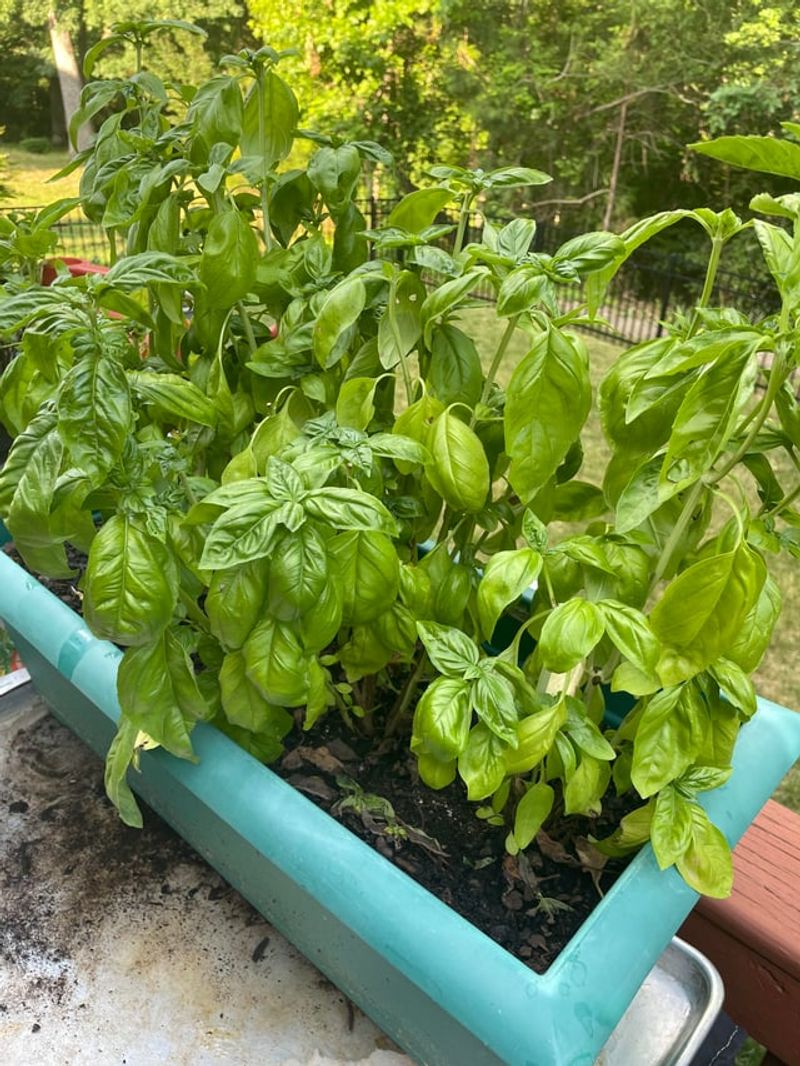
Basil looks fragile, and in late spring desert heat, it kind of is. Leaves scorch quickly under full afternoon sun once temperatures push past 90 degrees.
Burnt basil leaves turn yellow or white along the edges and center.
Once scorched, those leaves do not recover, and the plant puts energy into replacing them instead of producing new growth.
A 30 percent shade cloth placed to block afternoon sun is usually enough for basil. Full morning sun is still beneficial, so do not shade all sides equally.
Basil grown in dark-colored containers heats up fast. Move containers to a spot that gets morning light but stays shaded from about 1 p.m. onward during the hottest weeks.
Keep basil consistently moist but never waterlogged. Dry soil combined with intense heat causes stress faster than either problem alone would.
Pinch off flower buds as soon as they appear. Flowering shifts the plant away from leaf production, and heat already pushes that process forward faster than most gardeners want.
Sweet basil is the most heat-sensitive variety. Thai basil and spicy globe basil handle higher temperatures slightly better if you want options that need a bit less protection overall.
6. Strawberries Dry Out Rapidly In Warm Containers
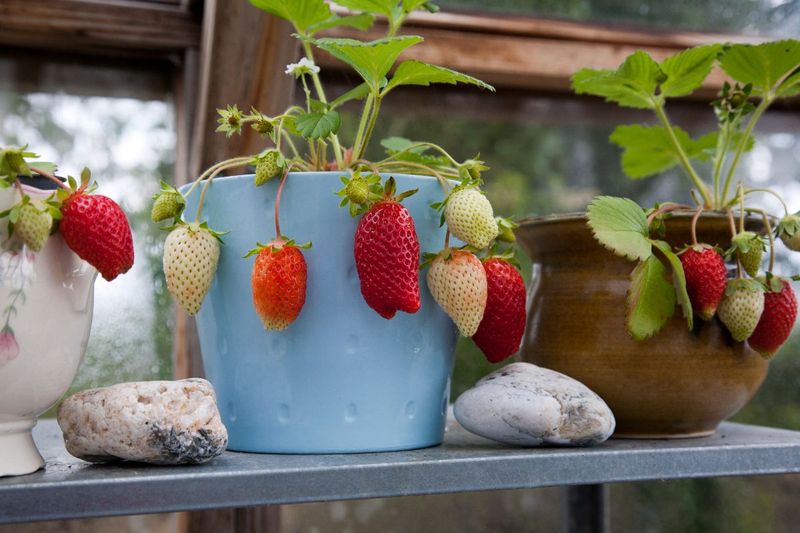
Strawberries in containers face a tough situation once late spring heat arrives. Small pots lose moisture fast, and roots sitting in hot, dry soil stop functioning properly.
Container walls absorb heat throughout the day.
By mid-afternoon, root zone temperatures in unshaded pots can reach levels that slow nutrient uptake and fruit development significantly.
Shade cloth at 30 to 40 percent placed over strawberry containers keeps pot temperatures noticeably lower. Pairing shade cloth with light-colored or double-walled containers helps even more.
Water strawberries in containers at least once daily during peak heat. Small soil volumes dry out fast, and missing even one watering can stress plants badly during a heat spike.
Strawberries prefer cooler root zones, so setting containers on a shaded surface makes a real difference. Hot concrete patios transfer heat upward into pots from below, compounding the problem.
Everbearing varieties tend to struggle more in heat than June-bearing types. If you grow everbearing strawberries, shade cloth protection becomes even more critical to keep fruit production going.
Remove any damaged or yellowing leaves regularly.
Clean plants under shade cloth stay healthier and are less vulnerable to the fungal issues that sometimes appear when heat and humidity briefly overlap.
7. Eggplant Starts Drooping During Harsh Heat Spikes
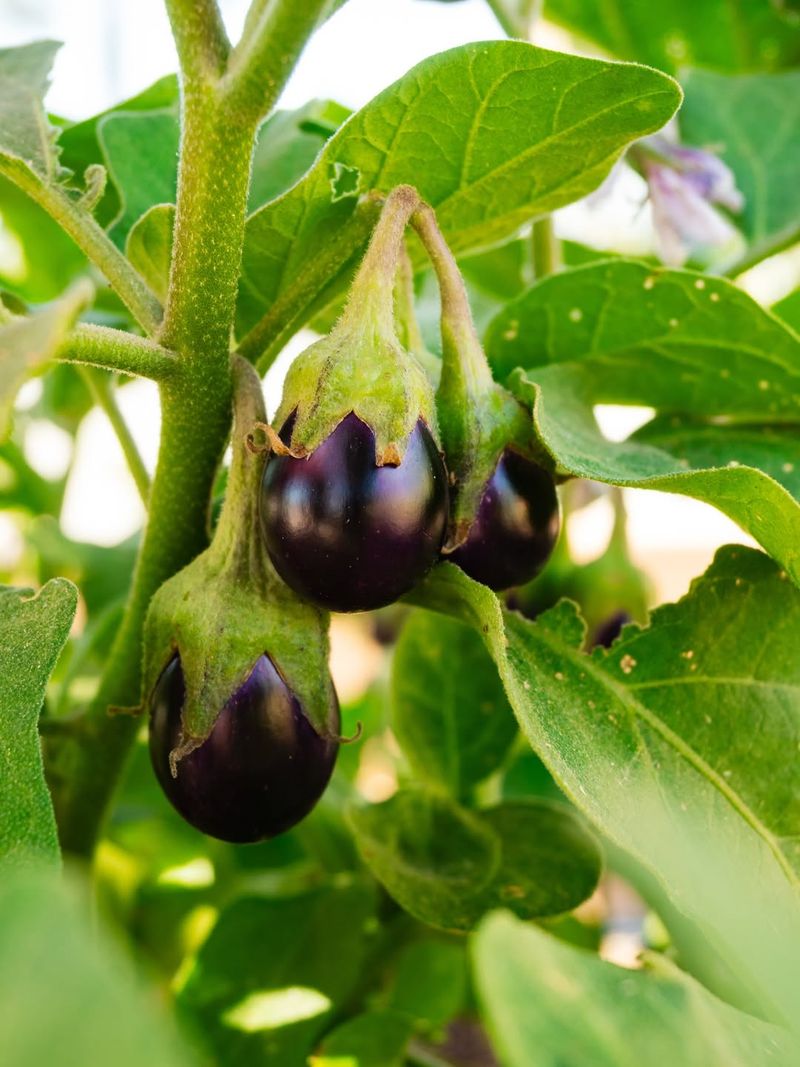
Eggplant loves heat, but there is a ceiling. Once temperatures spike past 104 or 105 degrees, even this heat-tolerant plant starts to droop and stall out.
Wilting during the hottest part of the day is common and does not always signal serious trouble.
Wilting that continues into the evening is the real warning sign that stress has gone too far.
Shade cloth at 20 to 30 percent is usually enough for eggplant. Too much shade actually slows fruit development, so lighter coverage works better here than with more sensitive crops.
Deep watering every two to three days works better than shallow daily watering for eggplant. Deep roots access cooler soil moisture and help plants stay stable during afternoon heat spikes.
Eggplant fruit can sunscald on the side facing direct afternoon sun. A little shade cloth coverage protects both the leaves and the developing fruit from surface damage.
Mulch heavily around eggplant to keep soil moisture stable. A three to four inch layer of straw or wood chip mulch makes a noticeable difference during extended heat periods.
Eggplant recovers well once heat passes.
Even stressed plants often bounce back and resume fruiting once evening temperatures drop and conditions become more manageable again.
8. Young Citrus Trees Scorch More Easily In Late Spring
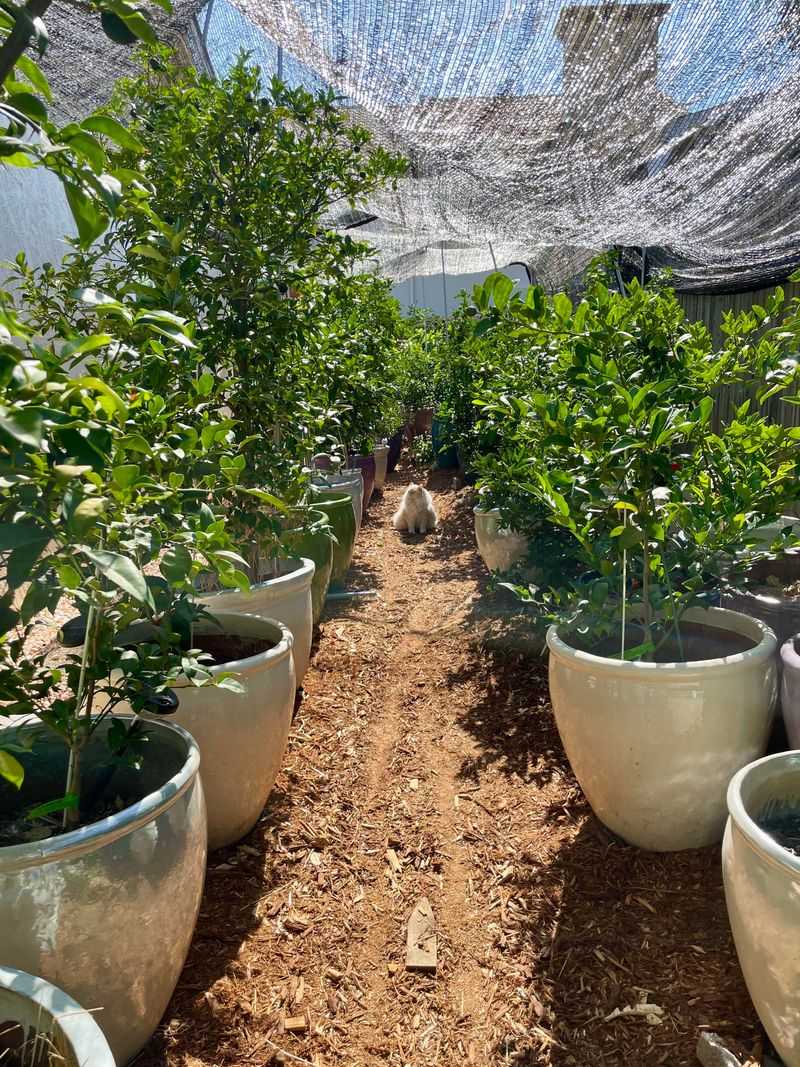
Newly planted citrus trees have not yet built up the canopy thickness that older trees use to protect their own trunks and branches from intense sun.
Sunscald on young citrus shows up as bleached or cracked bark on the south and west sides of the trunk. Once bark damage sets in, it opens the tree up to other problems.
A loose shade cloth wrap around the trunk, or a small overhead cloth canopy, protects young trees during their first one or two late spring seasons in the ground.
Avoid wrapping cloth too tightly against bark. Air circulation around the trunk keeps conditions drier and reduces the risk of moisture-related bark issues under the covering.
Water young citrus deeply and less frequently rather than lightly every day.
Deep watering encourages roots to grow downward where soil stays cooler and moisture lasts longer.
Container citrus trees need shade cloth protection even more urgently than in-ground trees. Pot roots have no access to deeper, cooler soil layers and heat up quickly in full sun.
Once young citrus establishes a fuller canopy after a season or two, shade cloth becomes less necessary. Until then, a little extra protection during the hottest weeks pays off long term.
9. Newly Planted Herbs Adjust Better Under Temporary Cover
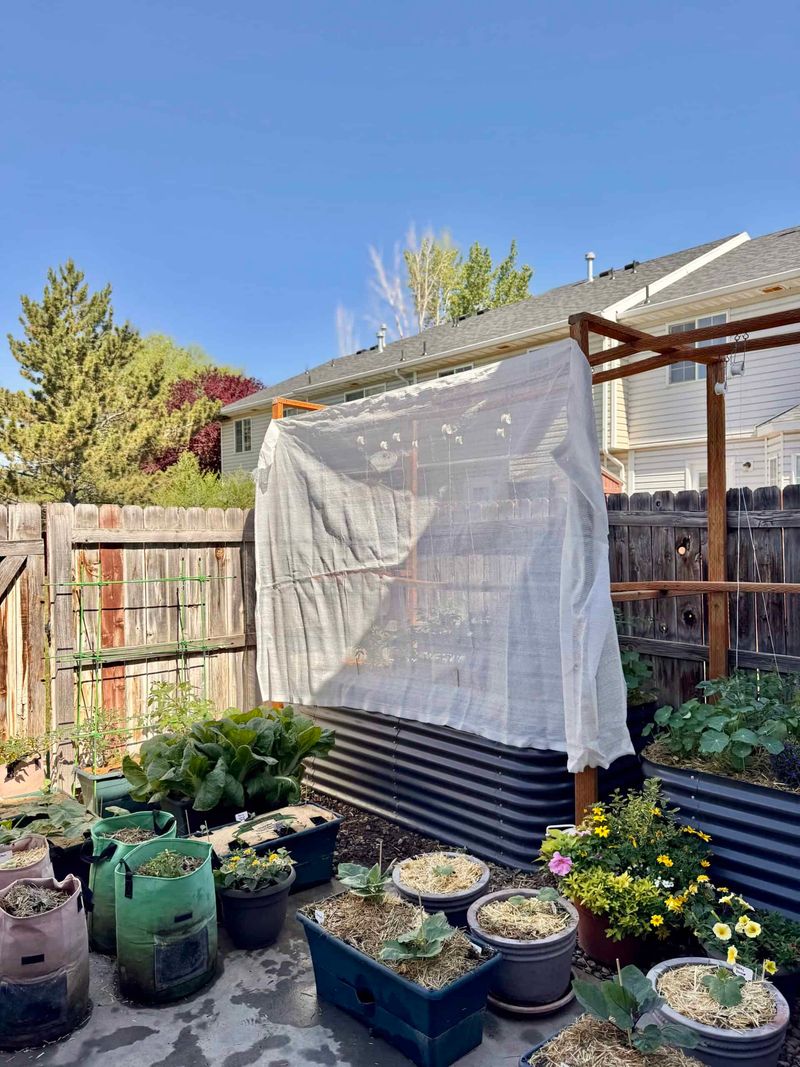
Transplant shock is already stressful for young herbs.
Add intense late spring sun on top of that, and seedlings that looked healthy at the nursery can struggle badly within days.
Roots that have not spread into surrounding soil yet cannot pull up water fast enough to replace what leaves lose in hot, dry air. Shade cloth buys time for roots to catch up.
A 30 to 40 percent shade cloth over newly planted herbs for the first two to three weeks makes a real difference in survival rates. After that, most herbs toughen up enough to handle more sun.
Cilantro and parsley are the most vulnerable. Both prefer cooler conditions and benefit from shade cloth coverage well beyond the initial transplant period in late spring desert gardens.
Mint is more forgiving but still appreciates afternoon shade during the hottest weeks. Keep mint in containers where you can easily move it to a shadier spot when needed.
Water newly planted herbs gently but consistently.
Small root systems dry out faster than established plants, so checking soil moisture daily during the first few weeks is worth the effort.
Once herbs show strong new growth, start gradually reducing shade cloth coverage. Sudden full sun exposure after extended shading can cause almost as much stress as no protection at all.