Native North Carolina Plants That Practically Grow Themselves In Any Yard
Some plants ask a lot. Regular watering, amended soil, pest management, and seasonal feeding just to stay presentable through a North Carolina summer.
Native plants operate on a different set of terms entirely. They evolved here, which means the clay soil, the humidity, the summer heat, and the variable winters that challenge introduced plants are simply the conditions they were built for.
Put the right native in the right spot and the work largely stops there. No irrigation system required, no annual replanting, no fighting conditions that were never going to change anyway.
North Carolina has a genuinely impressive range of natives across every size, color, and garden use, and the ones on this list have a track record of establishing quickly and performing consistently with almost no ongoing input from the gardener.
1. Purple Coneflower
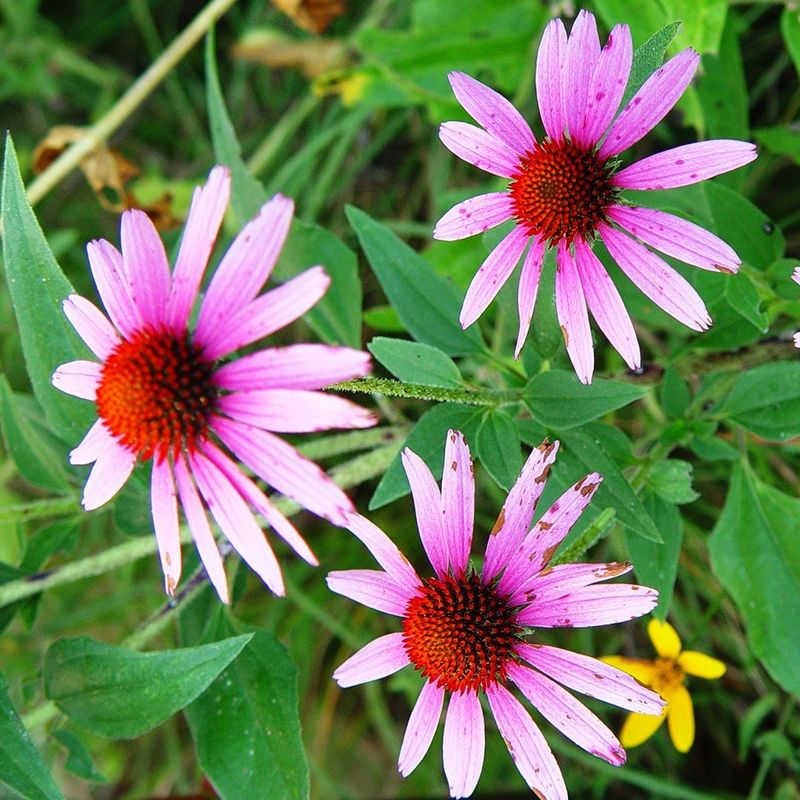
Few plants earn their place in a North Carolina garden quite like Purple Coneflower, known botanically as Echinacea purpurea. Those bold pink-purple petals surrounding a spiky orange-brown cone are almost impossible to miss from across the yard.
Bees, butterflies, and even goldfinches show up regularly once this plant starts blooming.
Native to the eastern United States, Purple Coneflower handles the intense heat and dry spells that North Carolina summers dish out without skipping a beat.
Once the roots get settled in, usually after the first growing season, supplemental watering becomes largely unnecessary.
The plant pulls moisture from deeper in the soil, making it genuinely low-maintenance in a way that actually holds up.
Full sun is where this perennial really shines, though it tolerates a bit of afternoon shade without complaint. Average or even poor soil suits it just fine, so there is no need to amend the ground heavily before planting.
Rich soil can actually encourage floppy stems, so lean soil works in your favor here.
Bloom season typically stretches from early summer through early fall, which is a remarkably long show for any perennial. When the flowers fade, resist the urge to clean them up right away.
Those spiky seed heads feed birds through the winter months and add interesting texture to the garden even after the growing season wraps up.
2. American Beautyberry
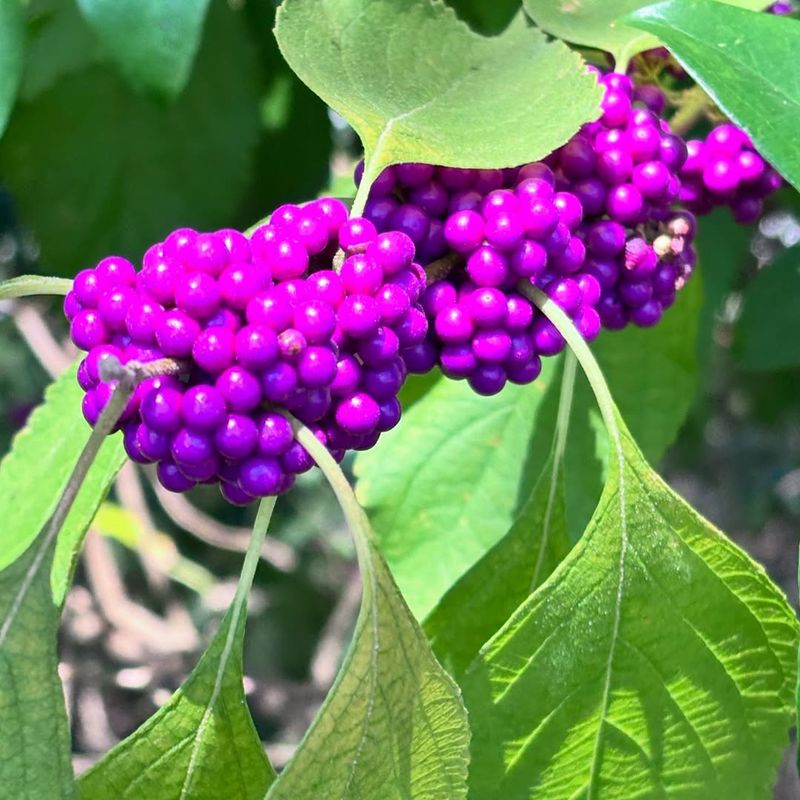
Honestly, nothing in the fall garden stops people in their tracks quite like American Beautyberry.
Callicarpa americana produces clusters of the most electric magenta-purple berries you have ever seen, packed tightly around arching stems like nature decided to go all out. First-time visitors to a yard with this shrub almost always ask what it is.
Beyond the showstopping fall display, this native shrub is remarkably easygoing throughout the rest of the year. It handles heat, humidity, and average or even poor soil without much fuss, making it a natural fit for informal landscapes across North Carolina.
Partial shade suits it well, though it also grows happily in full sun as long as the soil does not stay bone dry.
Wildlife genuinely benefits from having American Beautyberry in the yard. More than 40 bird species feed on the berries, including mockingbirds, robins, and brown thrashers.
Your North Carolina Garden Changes Every Week. Your Plan Should Too.
Gardening in North Carolina changes quickly throughout the season. Every Friday you’ll receive a simple weekly plan showing exactly what to plant, prune, fertilize, harvest, and protect so you never miss the right timing.
White-tailed deer and small mammals also browse the berries, so this shrub pulls double duty as both an ornamental and a wildlife resource.
Pruning is straightforward with this plant. Cut it back hard in late winter or very early spring before new growth emerges, and it will bounce back vigorously with fresh stems and an even fuller shape.
Since berries form on new growth, that aggressive pruning actually encourages a better berry display in fall. Give it room to spread, because mature plants can reach six feet wide with a naturally graceful, arching form.
3. Black-Eyed Susan
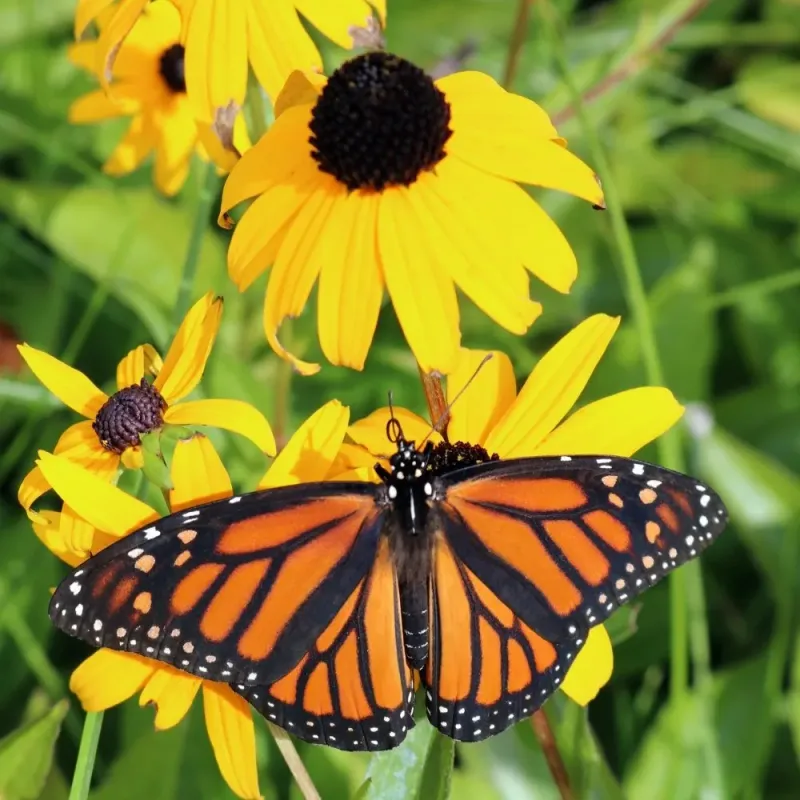
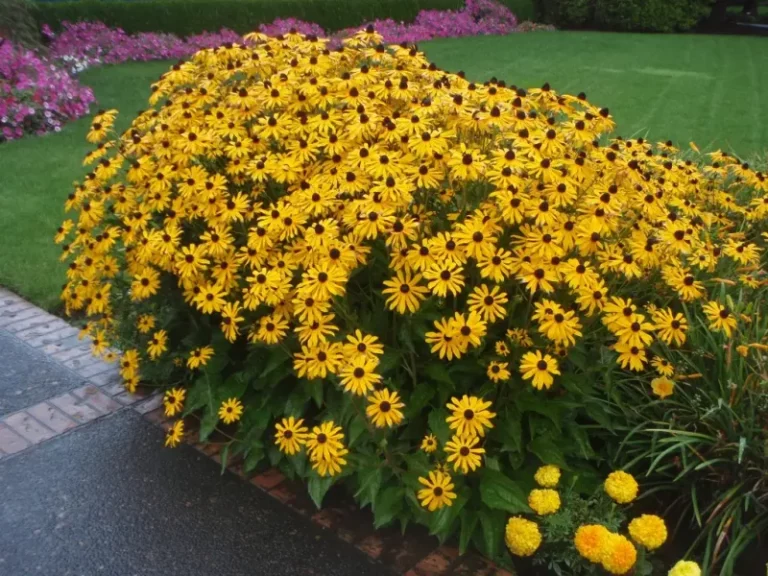
There is something genuinely cheerful about a patch of Black-Eyed Susans lighting up a summer yard.
Rudbeckia fulgida produces those iconic golden-yellow blooms with dark chocolate centers from midsummer all the way into fall, giving your garden color during the hottest stretch of the year.
Not many plants are willing to do that. North Carolina gardeners love this native perennial because it asks so little once it gets going. Average soil, full sun, and occasional rainfall are really all it needs to perform well.
It handles clay soil better than most ornamentals, which is great news for yards across the Piedmont and coastal plain regions where heavy soil is common.
Pollinators absolutely swarm Black-Eyed Susans throughout the bloom season. Bees, butterflies, and skippers treat these flowers like a neighborhood diner that never closes.
Beyond the pollinators, the seed heads that form after bloom attract small songbirds looking for an easy meal heading into cooler months.
One of the most appealing traits of this plant is its natural reseeding habit. New plants pop up around the original clump each season, slowly filling in bare spots without any effort on your part.
You can thin them out if things get crowded, or simply let them spread and enjoy the expanding display. Either way, Black-Eyed Susan rewards minimal attention with maximum visual impact every single summer.
4. Yaupon Holly
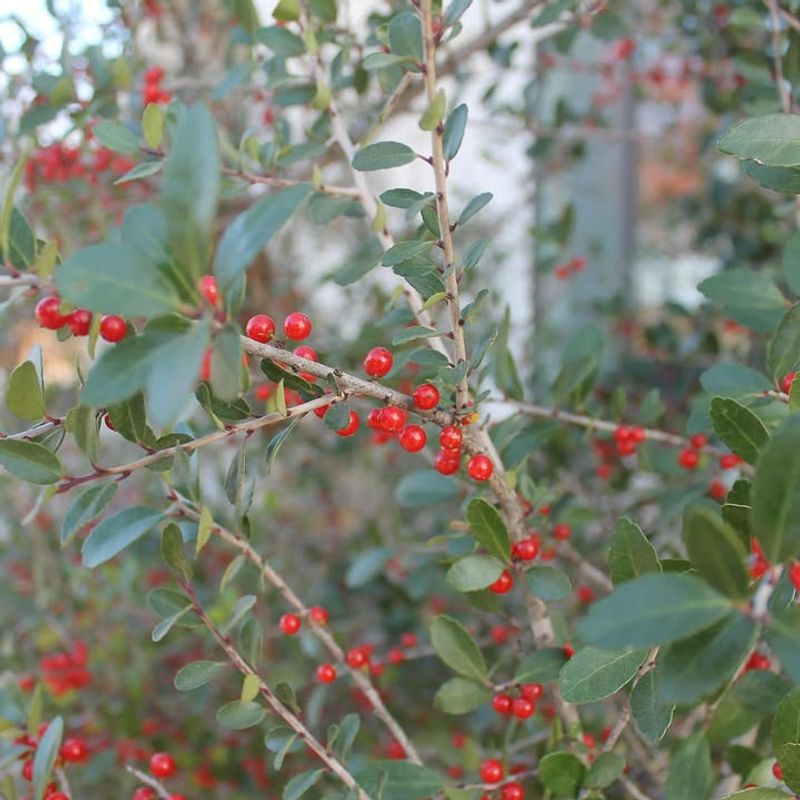
Yaupon Holly might just be the most underrated evergreen shrub growing wild across North Carolina right now.
Ilex vomitoria is native to the Southeast and thrives in conditions that would stress most landscape plants, including sandy coastal soils, clay-heavy Piedmont yards, and everything in between. Once established, it practically runs itself.
Drought tolerance is one of the standout qualities that makes Yaupon Holly so valuable in a low-maintenance yard. After the first year of establishment watering, this shrub can handle long dry stretches without any supplemental irrigation.
That kind of resilience is rare in an evergreen plant that also happens to look polished year-round.
Female plants produce bright red berries that birds go wild for during fall and winter. Cedar waxwings, bluebirds, and mockingbirds are frequent visitors when the berries ripen.
To get berry production, you need at least one male plant nearby for pollination, which is easy to plan for when purchasing from a native plant nursery.
Pruning response on Yaupon Holly is excellent. It tolerates heavy shearing for formal hedges or can be left to grow naturally into a more relaxed, multi-stemmed form.
Some gardeners even train it into a small tree by removing lower branches over time. Fun fact: Yaupon is the only naturally caffeinated plant native to North America, and Indigenous peoples brewed it as a ceremonial tea long before European contact.
That quirky history makes it even more interesting as a landscape plant.
5. Wax Myrtle
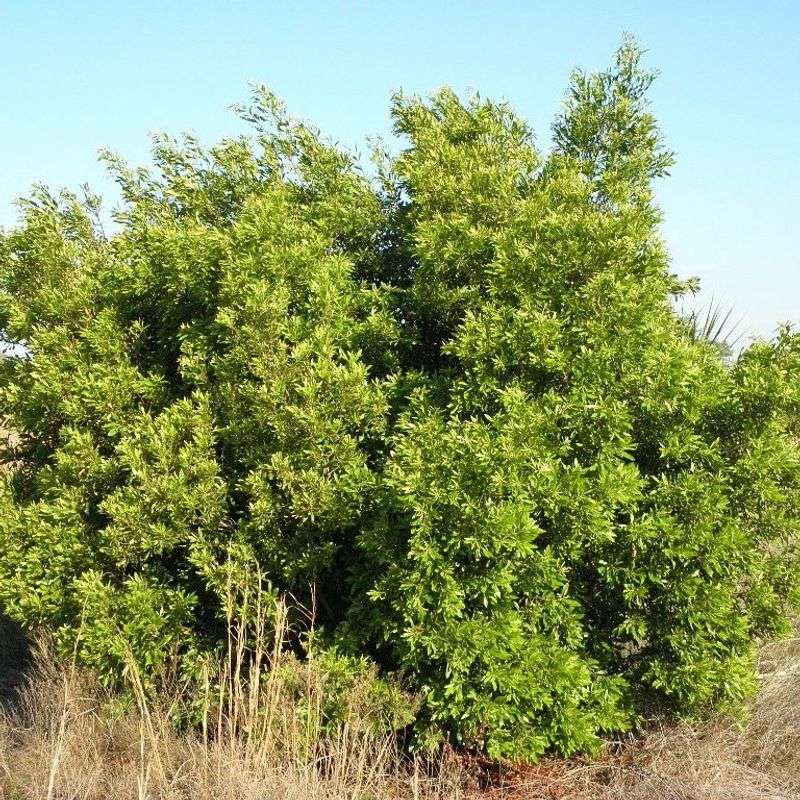
If your yard needs a fast-growing evergreen screen and you want something that practically takes care of itself, Wax Myrtle belongs at the top of your list.
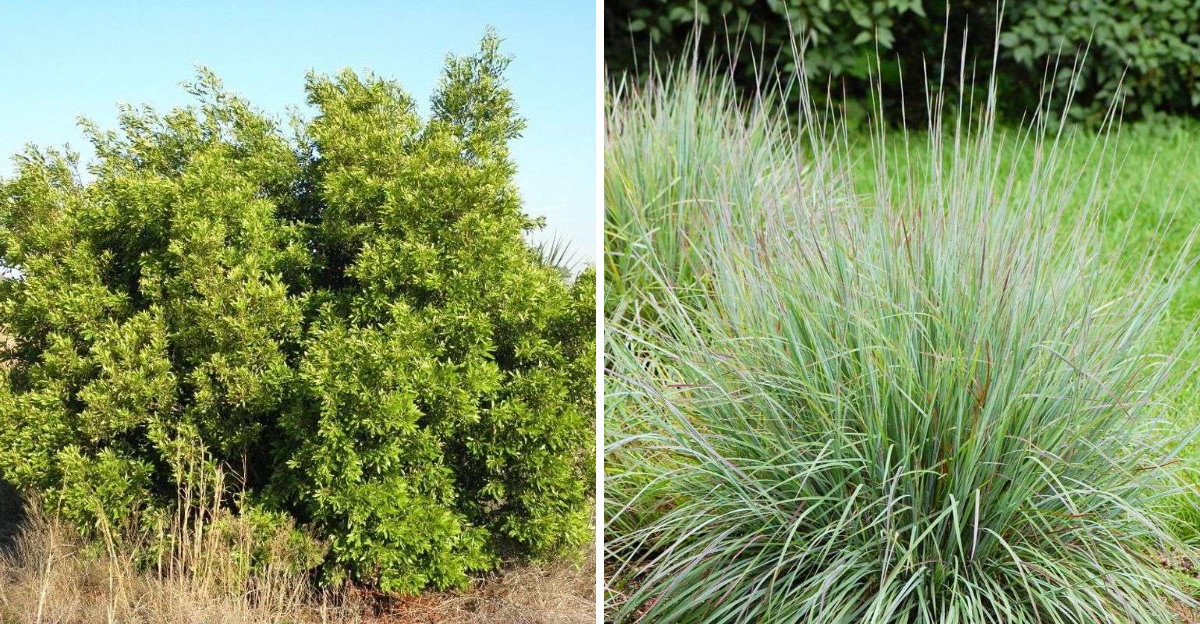
Morella cerifera is a native evergreen shrub that grows quickly, smells wonderful when the leaves are brushed, and handles the hot, humid North Carolina climate like it was born for it, because it was.
Growth rate is genuinely impressive with this plant. Under good conditions, Wax Myrtle can put on three to five feet of new growth per year, making it one of the fastest native screening options available.
It reaches mature heights of ten to fifteen feet, though regular pruning keeps it at whatever size works best for your space.
Coastal gardeners especially appreciate how well this shrub handles salt spray, sandy soil, and wet conditions near waterways. It also tolerates occasional flooding and poor drainage better than most landscape shrubs.
Inland, it adapts well to average soils and handles drought once the roots are fully established after the first growing season.
Birds flock to Wax Myrtle for both shelter and food. The small waxy blue-gray berries ripen in fall and provide high-fat nutrition that migrating birds like yellow-rumped warblers depend on during long flights.
The dense branching also makes excellent nesting habitat for songbirds through spring and summer. Planting a row of Wax Myrtle along a property line creates a living privacy fence that feeds wildlife and looks great every single month of the year.
6. Butterfly Weed
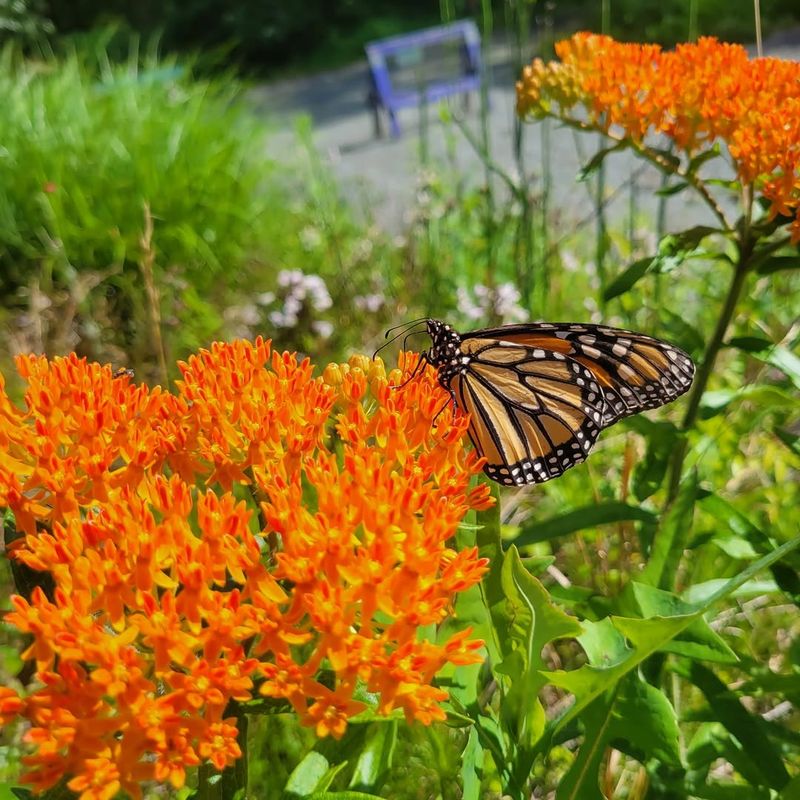
Bright orange flowers in the middle of a hot summer are not something most gardens can pull off, but Butterfly Weed does it without breaking a sweat.
Asclepias tuberosa is a native perennial that thrives in exactly the kind of lean, dry, sunny spots where other plants struggle.
Poor drainage is the one thing it cannot stand, but give it good drainage and open sun, and it rewards you season after season.
Monarch butterfly conservation is a real and urgent concern right now, and Butterfly Weed plays a direct role in supporting their populations.
As a native milkweed species, it serves as a critical host plant where monarchs lay eggs, and caterpillars feed on the foliage before transforming.
Planting even one or two of these in your yard connects your garden to a much larger ecological story.
The deep taproot is the secret behind its legendary drought tolerance. Once established, that taproot reaches far down into the soil to access moisture that surface-rooted plants cannot touch.
This also means Butterfly Weed does not transplant well after the first year, so choose its permanent spot carefully before planting.
Patience is worth practicing with this plant in early spring, because it emerges from the ground later than most perennials. New gardeners sometimes assume nothing is happening, but growth appears reliably once soil temperatures warm up.
Bloom season runs from late spring through midsummer, and the vivid orange flower clusters attract not just monarchs but swallowtails, fritillaries, and a wide range of native bees as well.
7. Little Bluestem
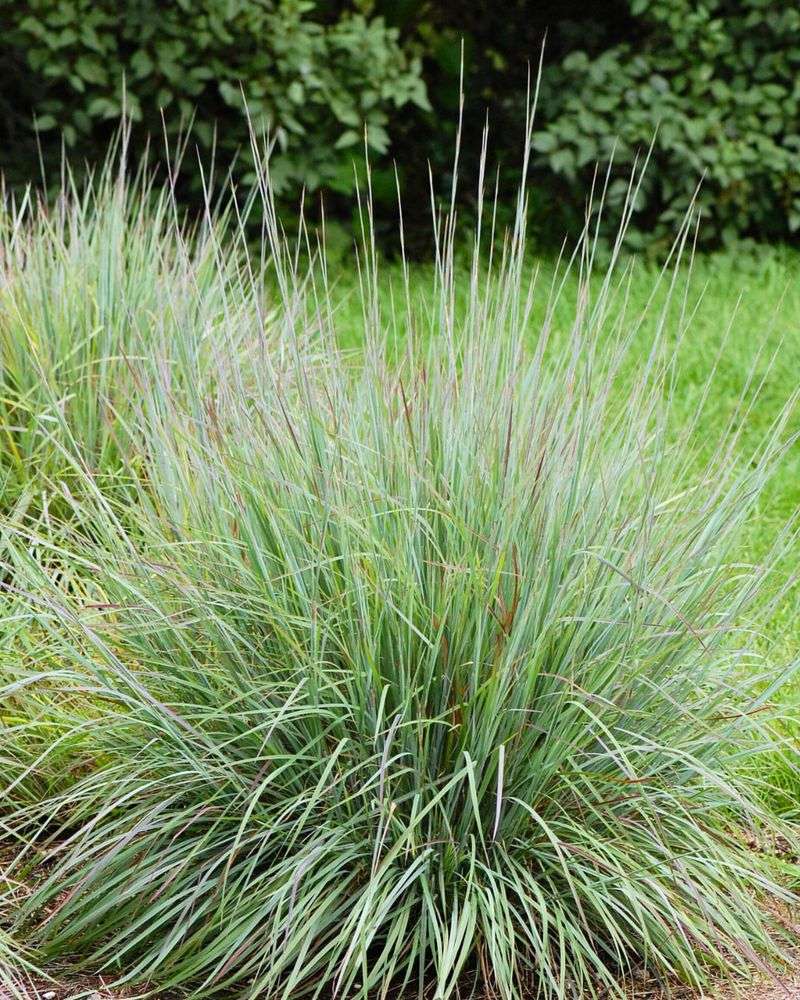
Walk past a clump of Little Bluestem in October and it genuinely looks like the grass is on fire.
Schizachyrium scoparium transforms from cool blue-green in summer to blazing shades of copper, rust, and burgundy in fall, making it one of the most visually dramatic native plants available to North Carolina gardeners.
And the best part is that it does all of this in soil that most other plants would refuse to grow in.
Poor, dry, sandy, or rocky soil is actually where Little Bluestem performs best. Rich, heavily amended soil causes it to flop and lose the upright structure that makes it so appealing.
Lean conditions keep the stems stiff and the color intense, which is the opposite of how most ornamentals behave. Full sun is non-negotiable for this grass, but beyond that, it really does not ask for much.
Wildlife value extends well beyond the growing season. The fluffy silver seed heads that develop in fall feed juncos, sparrows, and other seed-eating birds through winter.
The dense clumps also provide shelter and nesting material for small birds and beneficial insects looking for a safe place to overwinter.
Maintenance is refreshingly minimal with Little Bluestem. Cut the clumps back to about four inches in late winter before new growth begins, and the plant rebounds quickly with fresh foliage.
It rarely needs dividing and stays tidy without constant attention. For gardeners wanting year-round structure, seasonal color, and genuine ecological value from a single plant, Little Bluestem delivers on every front.