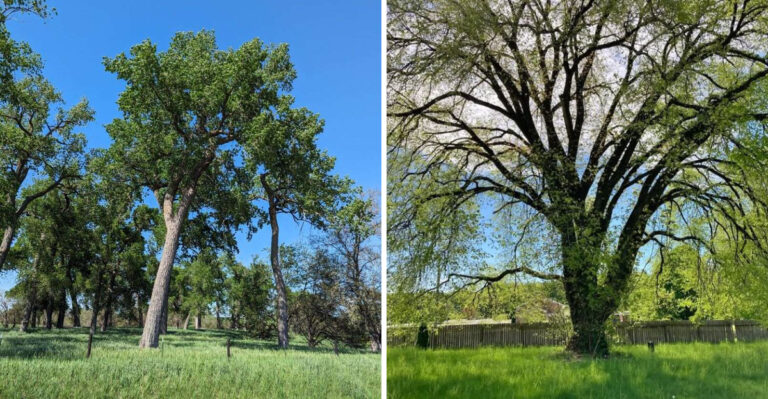
These Are The Warning Signs A Michigan Tree Needs Attention Before The Problem Gets Worse
Trees rarely fail without warning. The signs show up weeks or months before a serious problem develops, and catching them early changes what options are available.
Michigan’s seasonal extremes create specific stress patterns in trees that show up as symptoms most homeowners notice but do not always know how to read.
A branch that leafs out late, bark that is separating in an unusual pattern, or soft ground around the base of an otherwise healthy-looking tree are all signals worth taking seriously.
Ignoring early warning signs does not make the problem smaller. It narrows the window for intervention and increases the risk of losing a tree that could have been saved with timely attention.
Knowing what to look for in a Michigan yard, and understanding which symptoms indicate urgency versus routine stress, is what makes the difference between catching a problem and inheriting one.
1. Large Dry Branches Often Mean A Tree Is Already Under Stress
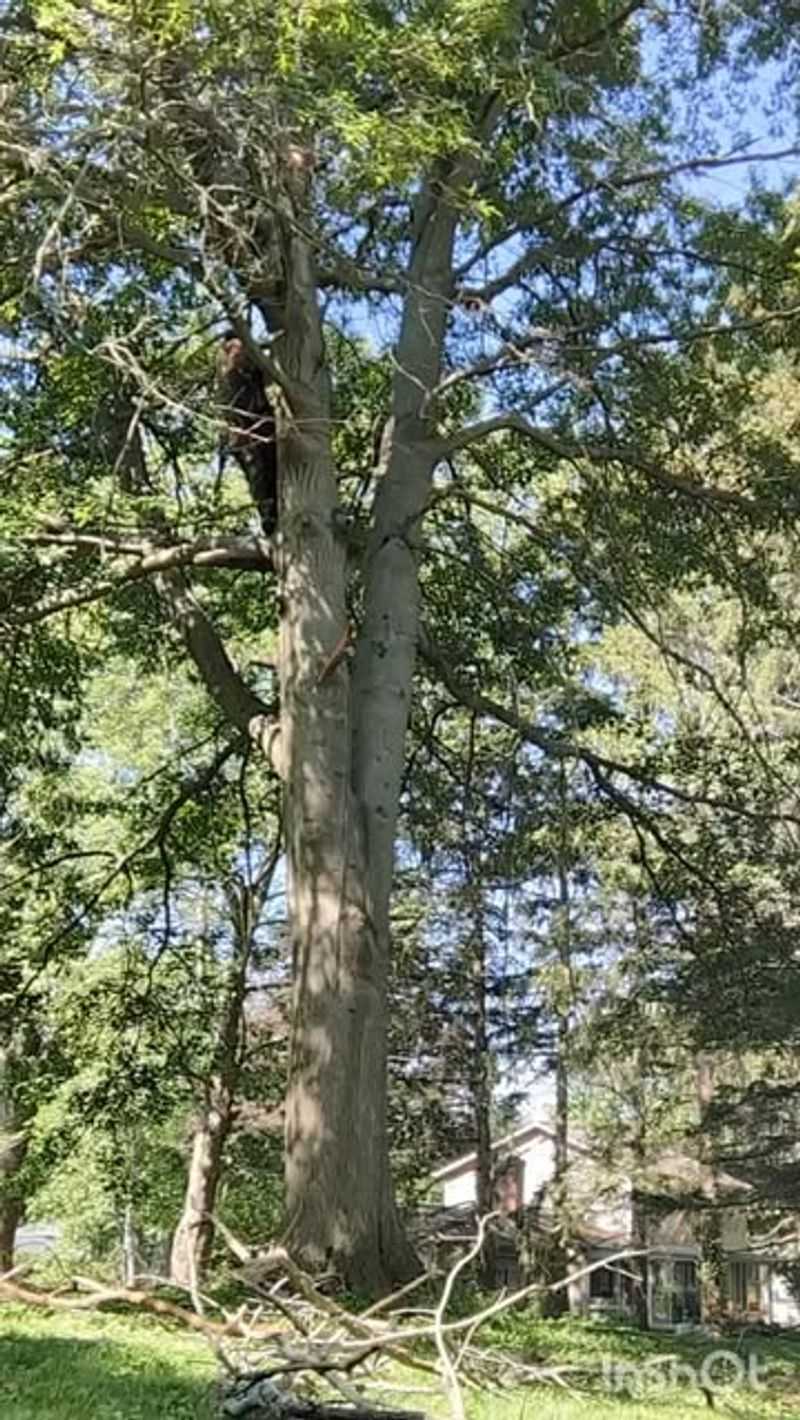
A single large bare branch sticking out from an otherwise leafy tree is one of those warning signs that is easy to brush off but really should not be ignored. When smaller twigs lose leaves, it can be totally normal.
But when a thick limb, the kind as wide as your forearm or bigger, stops producing leaves during the growing season, that is the tree telling you something is wrong deeper inside.
Stress from root damage, soil compaction, disease, or pest activity can cut off the flow of water and nutrients to specific parts of a tree long before the whole canopy shows symptoms.
Maples, oaks, and elms in Michigan commonly lose major limbs this way, especially after harsh winters or prolonged dry spells.
The branch you see struggling above ground is often just a visible clue to a problem happening underground or inside the trunk.
Large limbs also become physical hazards as they weaken over time. A heavy branch over a driveway, roof, or play area is not something to wait on.
Certified arborists can evaluate whether the rest of the tree is stable or whether the decline is spreading. Getting a professional opinion early almost always leads to better and less expensive outcomes than waiting until the situation becomes an emergency.
2. Cracks In The Trunk Can Signal Structural Failure
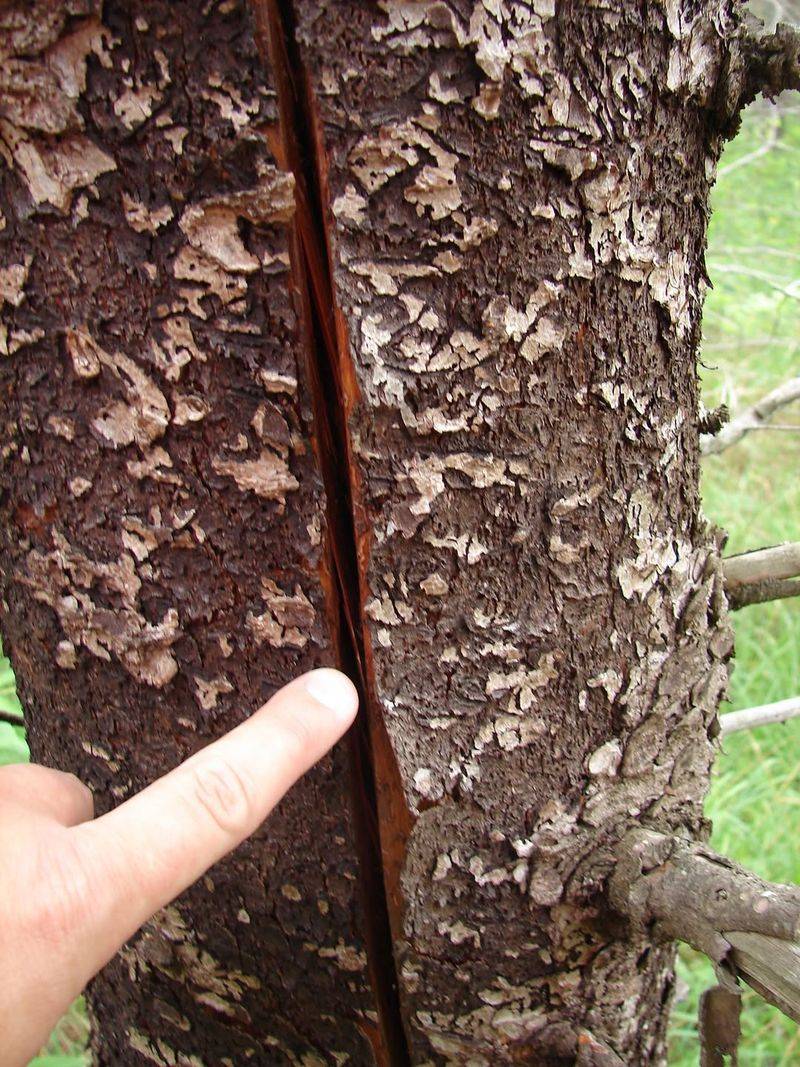
Running your hand along a tree trunk and feeling a deep crack or open seam is genuinely unsettling, and for good reason. Trunk cracks are not just cosmetic.
They can point to serious structural problems that put the entire tree at risk of splitting or toppling during the next big storm.
Michigan winters are especially hard on trees. When water gets inside small bark openings, freezes overnight, and expands, it forces the wood apart in a process called frost cracking.
These cracks can run vertically for several feet and sometimes look like the bark has simply split open along the grain. Storm stress, lightning strikes, and even rapid temperature swings during early spring thaws can also cause similar damage.
Some cracks close up on their own as the tree grows, but deep or widening seams are a different story.
Your Michigan Garden Changes Every Week. Your Plan Should Too.
Gardening in Michigan changes quickly throughout the season. Every Friday you’ll receive a simple weekly plan showing exactly what to plant, prune, fertilize, harvest, and protect so you never miss the right timing.
The tricky part is that a cracked trunk does not always mean the tree is beyond saving. Location matters a lot.
A crack near the base of the tree or where two major limbs meet is far more concerning than a surface-level split higher up on a healthy trunk.
A certified arborist can probe the crack, check for internal decay, and give you a realistic picture of the tree’s structural integrity. Acting sooner rather than later gives you more options and keeps your yard much safer.
3. Mushrooms Growing Near The Base May Mean Root Decay
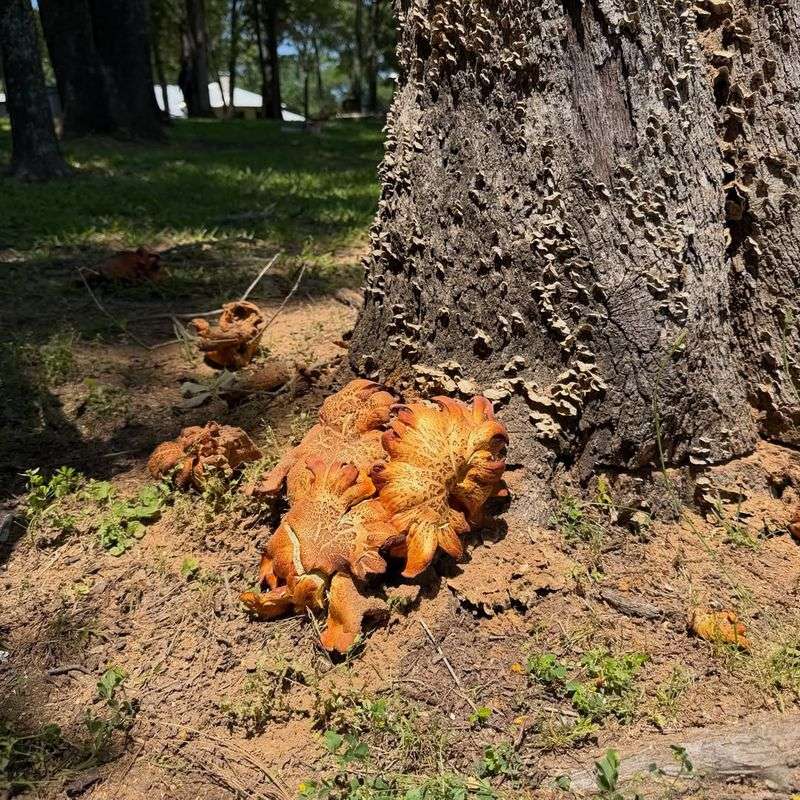
Spotting a cluster of mushrooms sprouting at the base of your favorite backyard tree might look charming at first glance.
The reality, though, is that fungal growth around tree roots is one of the more serious warning signs a homeowner can encounter, and it deserves a closer look before writing it off as harmless.
Fungi that produce visible mushrooms near tree bases are often feeding on decaying wood inside the root system or lower trunk.
Species like Armillaria, commonly called honey fungus, and Ganoderma, which produces shelf-like bracket fungi, are frequently found on struggling Michigan trees.
These organisms break down woody tissue from the inside out, weakening the root structure and reducing the tree’s ability to anchor itself firmly in the ground. What you see above the soil is just a small fraction of what may be happening below.
Not every mushroom near a tree spells disaster. Mycorrhizal fungi, which actually help trees absorb water and nutrients, also grow near roots and are completely beneficial.
The difference is pattern and context. Recurring fungal growth on a tree that is already showing other symptoms like thin leaves, peeling bark, or leaning is a much stronger red flag than a lone mushroom on an otherwise healthy tree.
If you are seeing shelf-like brackets attached directly to the bark or roots, contact an arborist right away for a proper evaluation.
4. Sudden Leaning After Storms Should Never Be Ignored
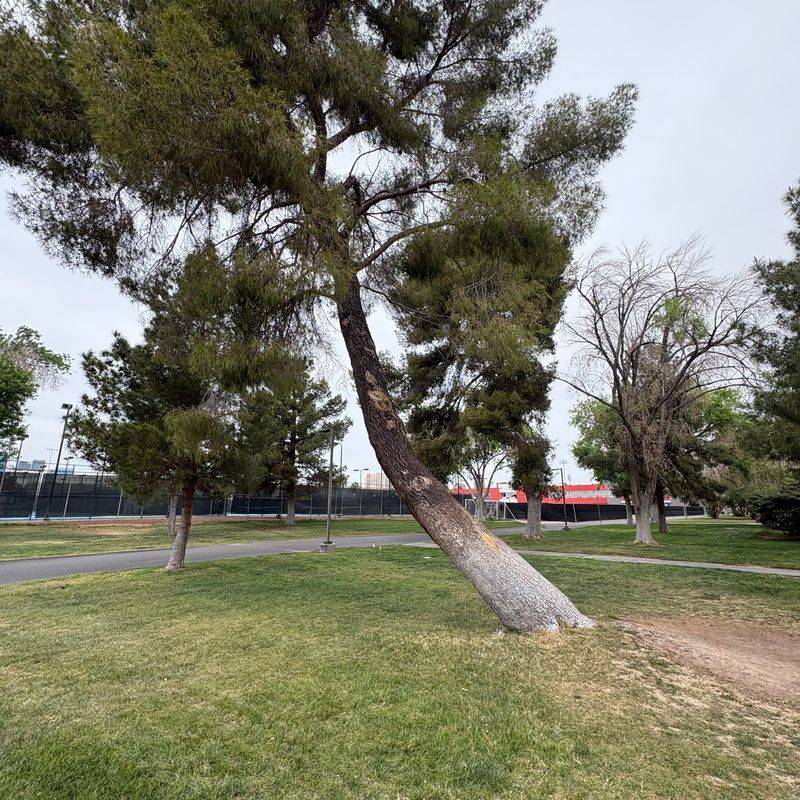
Most trees have a slight natural lean, and that is perfectly fine. But when a tree that was standing straight suddenly tilts after a heavy storm, strong winds, or a period of saturated soil, that shift is an urgent warning that something has gone wrong at the root level.
Fresh leaning is different from gradual leaning that develops over years. A sudden change in angle often means roots have broken, pulled free from the soil, or lost their grip in waterlogged ground.
Michigan soils, especially clay-heavy ones in many suburban areas, can become extremely saturated during spring rains, reducing how well roots can anchor a tree.
When you combine that with strong storm winds, even large, otherwise healthy-looking trees can shift dramatically in just a few hours.
Look carefully at the base of a newly leaning tree. Soil mounding or cracking on one side, exposed roots on the other, or a gap forming between the trunk and the ground are all signs that root failure may have already begun.
This is genuinely an emergency situation that warrants a call to a certified arborist the same day if possible.
Do not let children or pets near a freshly leaning tree, and keep vehicles away from the fall zone until a professional can assess the stability. Fast action in these situations truly makes a difference.
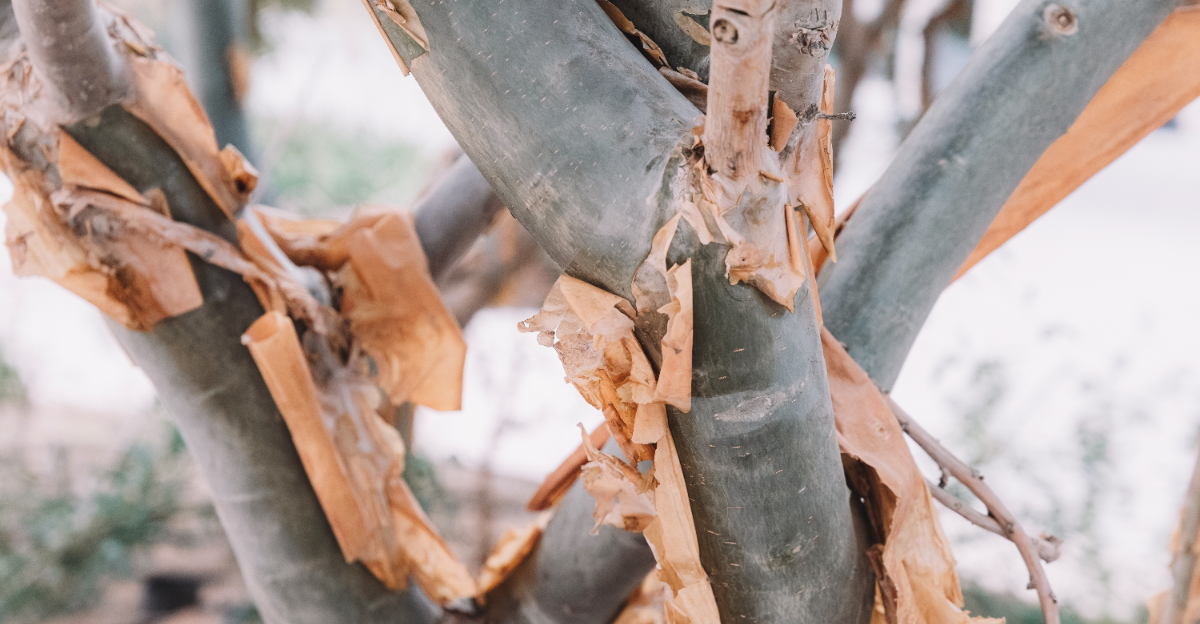
5. Peeling Bark Can Reveal Serious Underlying Problems
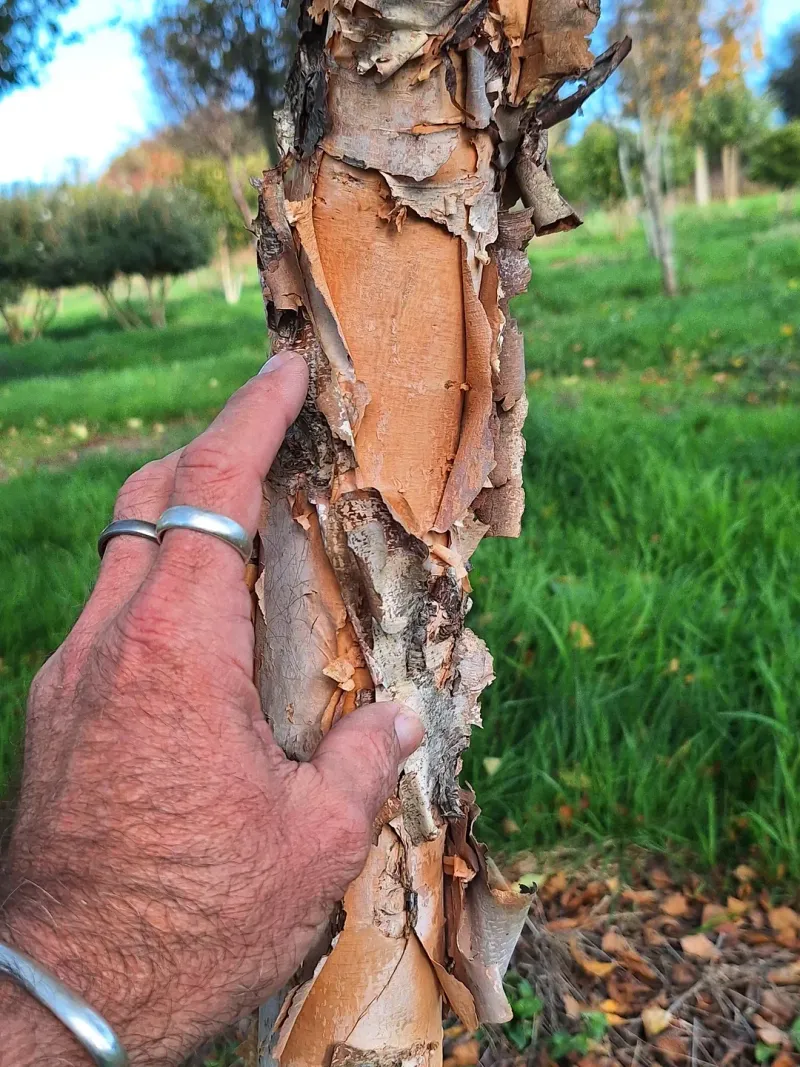
Bark is a tree’s protective outer layer, and when it starts peeling away in large sheets or chunks, it is worth paying attention. Some peeling is completely natural.
River birches, sycamores, and shagbark hickories all shed bark as part of their normal growth process, and that kind of peeling is nothing to worry about.
The concern starts when bark peeling happens on species that should not shed, or when it comes along with discoloration, sunken patches, or oozing beneath the surface. Sunscald is a common culprit in Michigan, especially on young trees with thin bark.
During late winter, the south-facing side of a trunk can heat up significantly during the day, then freeze rapidly at night, damaging the living tissue just under the bark.
Insects like the emerald ash borer also cause bark to loosen and fall away as they tunnel through the wood beneath it. Certain fungal diseases create cankers that kill sections of bark from the inside as well.
When peeling bark reveals wood that looks dark, wet, or has an unusual smell, that is a stronger signal that disease or insect activity may be involved. Wrapping young trees with tree guard material during winter helps prevent sunscald on vulnerable species.
For established trees already showing significant bark loss, a professional evaluation will help determine whether the damage is manageable or whether the tree’s long-term health is genuinely at risk.
6. Sparse Leaves During Growing Season Often Signal Tree Stress
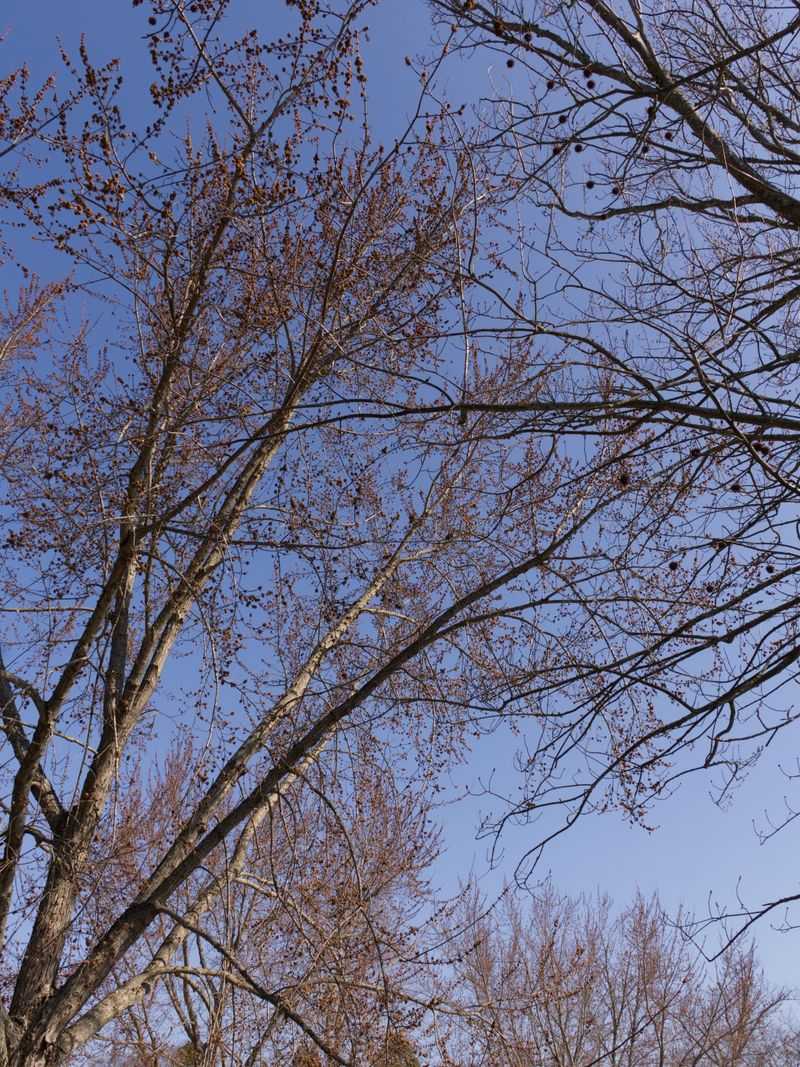
A full, dense canopy is one of the clearest signs of a healthy tree. So when a tree that used to look lush and full starts producing noticeably fewer leaves during summer, something is off.
Sparse leaf growth mid-season is not just an aesthetic issue. It is a functional one, because fewer leaves mean the tree is producing less energy through photosynthesis, which makes it harder to recover from whatever is stressing it.
Michigan maples are especially well known for showing canopy thinning when they are under pressure from drought, compacted soil, or root damage from nearby construction.
Ash trees weakened by emerald ash borer infestation often display crown dieback, where the upper canopy loses leaves progressively from the top down over multiple seasons.
Ornamental trees like flowering crabapples and serviceberries can also show reduced leaf density when fungal diseases like apple scab or fire blight take hold early in the season.
One useful habit is comparing your tree’s canopy to photos from previous years if you have them, or simply to neighboring trees of the same species. A clear difference in density is worth investigating.
Check whether the soil around the base is compacted or whether roots may have been disturbed recently. Mulching properly, watering during dry spells, and having a soil test done can all support recovery.
When thinning is severe or progressing fast, a certified arborist can pinpoint the cause and recommend targeted treatment before things get worse.
7. Sawdust Like Material Around The Trunk May Mean Insect Damage
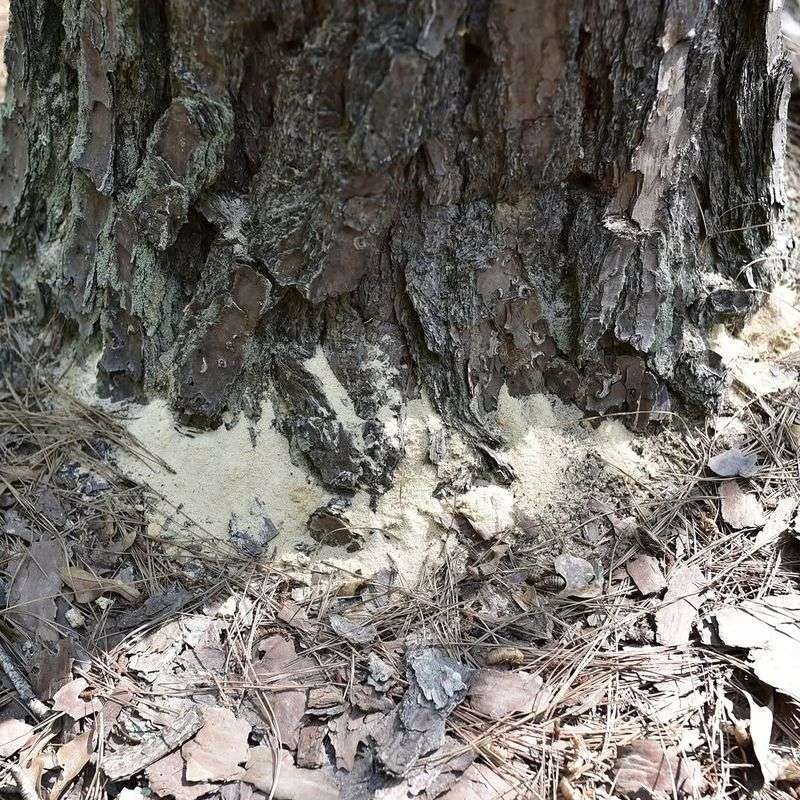
Finding a small pile of what looks like sawdust at the base of a tree or tucked into bark crevices is one of those clues that is easy to overlook during routine yard work.
That material, technically called frass, is a mix of wood particles and insect waste pushed out by boring insects tunneling beneath the bark. It is a direct sign of activity happening where you cannot easily see it.
Michigan homeowners have good reason to take this seriously. The emerald ash borer, one of the most destructive tree pests in the state’s history, leaves behind S-shaped galleries under the bark of ash trees along with small D-shaped exit holes.
Bark beetles are another common culprit, boring tiny holes into weakened or stressed trees and leaving behind fine powdery frass around the entry points.
Carpenter ants, while not wood-feeders themselves, excavate galleries in already-softened wood and push out coarse, fibrous material that can look similar.
The key is to notice where the frass is coming from and what the surrounding bark looks like. If you spot frass combined with small holes, peeling bark, or sap staining, that combination strongly suggests active insect pressure.
Early detection matters enormously with boring insects because treatments and management options narrow significantly once an infestation advances.
Contacting a certified arborist or your local Michigan State University Extension office for identification can help you move quickly and protect the tree before the damage becomes too extensive.
8. Exposed Roots Often Create Long Term Tree Stress
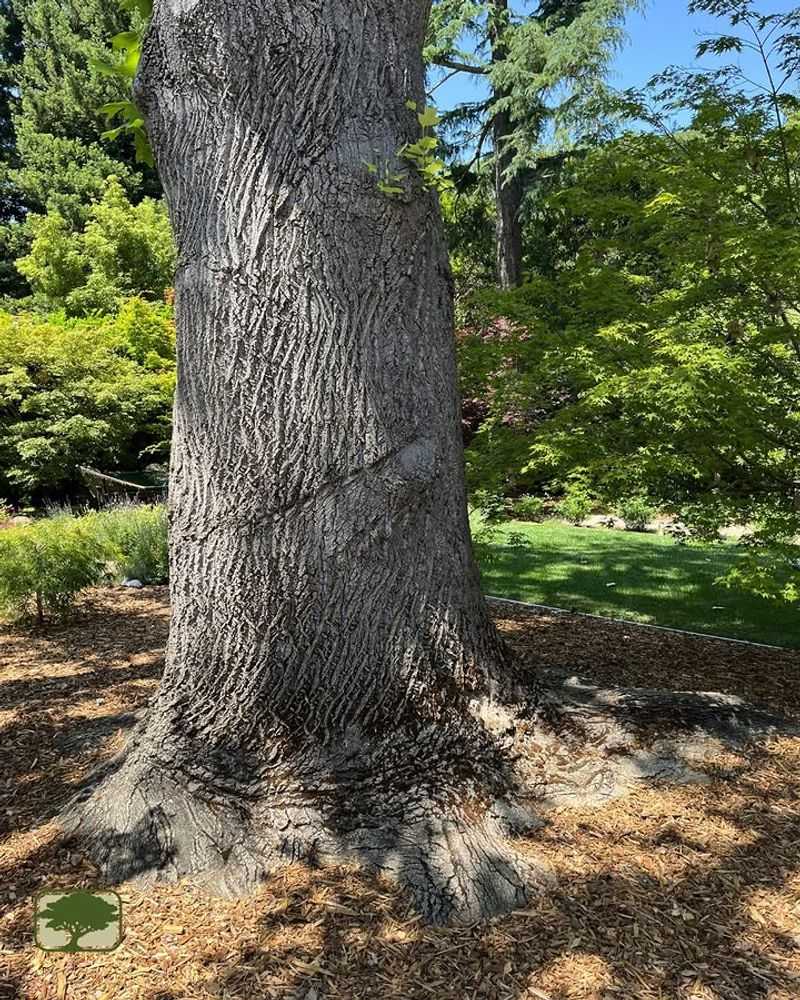
Tree roots are meant to stay underground, quietly anchoring the tree and pulling in water and nutrients. When they start showing above the soil surface, it usually means something has changed in the environment around them, and the tree is often paying the price for it.
Soil erosion from heavy rain or runoff can gradually wash away the top layer of earth, leaving roots exposed and vulnerable to drying out, physical injury from mowers, and temperature stress during Michigan winters.
Construction projects are another major cause. Grading, trenching, or adding fill soil near a tree’s root zone can sever or suffocate roots in ways that do not show up as visible tree decline until a year or two later.
Even repeated foot traffic over the root zone compacts the soil, reducing oxygen and water infiltration in ways that quietly weaken a tree over time. Once roots are exposed, protecting them becomes the priority.
Applying a three to four inch layer of organic mulch in a wide circle around the base of the tree, keeping it a few inches away from the trunk itself, helps retain moisture, moderate soil temperature, and reduce compaction from foot traffic.
Avoid piling mulch directly against the bark, which can cause its own problems.
For trees with significant root damage from construction or grading, a soil aeration treatment performed by an arborist can sometimes help restore oxygen flow and support recovery over the following growing seasons.
9. Hollow Areas Inside Trees Are More Serious Than Many Homeowners Realize
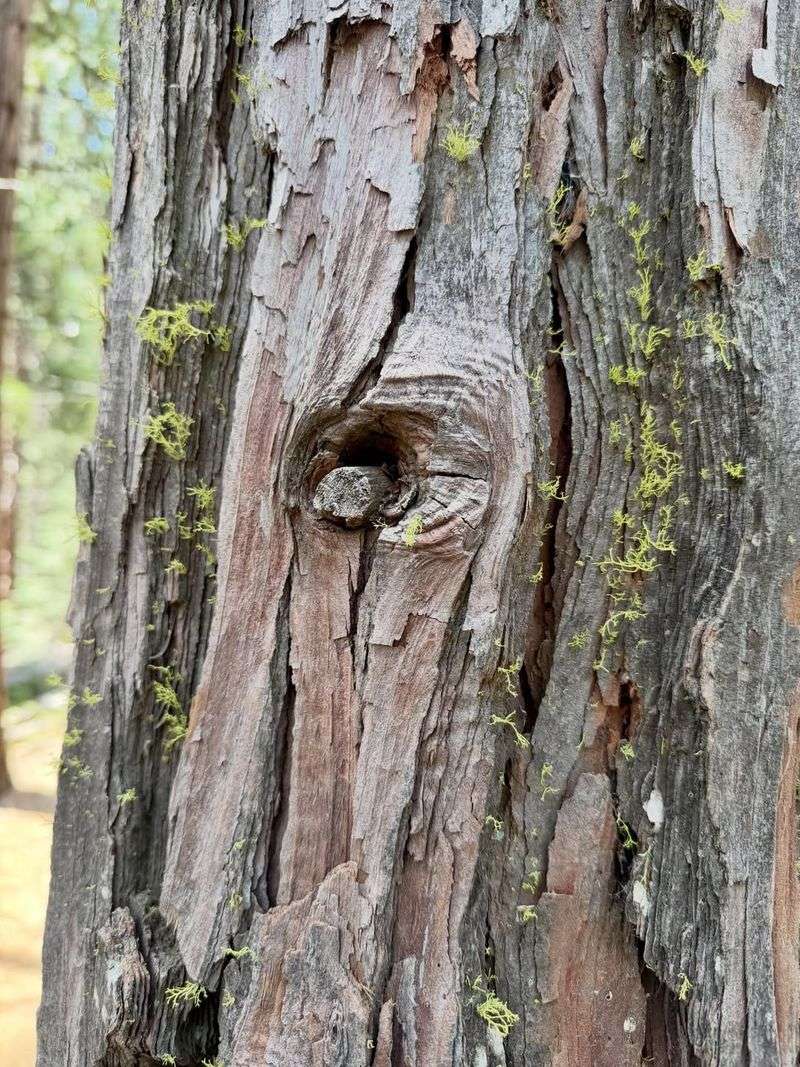
There is something almost fascinating about a hollow tree. Old oaks and maples with cavities have housed generations of wildlife and become beloved features of many Michigan yards.
But the structural reality of a hollow trunk is something homeowners should understand clearly, because the risks involved are not always obvious from the outside.
Internal decay typically begins when a wound, whether from a broken branch, a pruning cut, or physical damage, allows fungi or bacteria to enter the heartwood. Over time, the interior wood softens and breaks down, leaving a cavity that grows slowly but steadily.
Trees can continue producing leaves and appearing outwardly healthy for years while significant internal decay is underway because the living tissue that moves water and nutrients sits in the outer layers of wood just beneath the bark.
The hollow interior, however, reduces the structural strength the tree needs to withstand wind loading and the weight of its own canopy.
The size and location of a cavity determine how serious the risk really is. A small cavity high up in a trunk with otherwise solid wood may pose minimal concern.
A large hollow near the base of the tree, especially in combination with fungal growth or visible cracks, is a much more urgent situation.
Arborists use specialized tools like resistance drills and sonic tomography to measure the extent of internal decay without causing further harm.
Getting that kind of professional assessment gives you real information rather than guesswork when deciding how to manage a hollow tree.
10. Trees That Leaf Out Late Or Unevenly May Already Be Declining
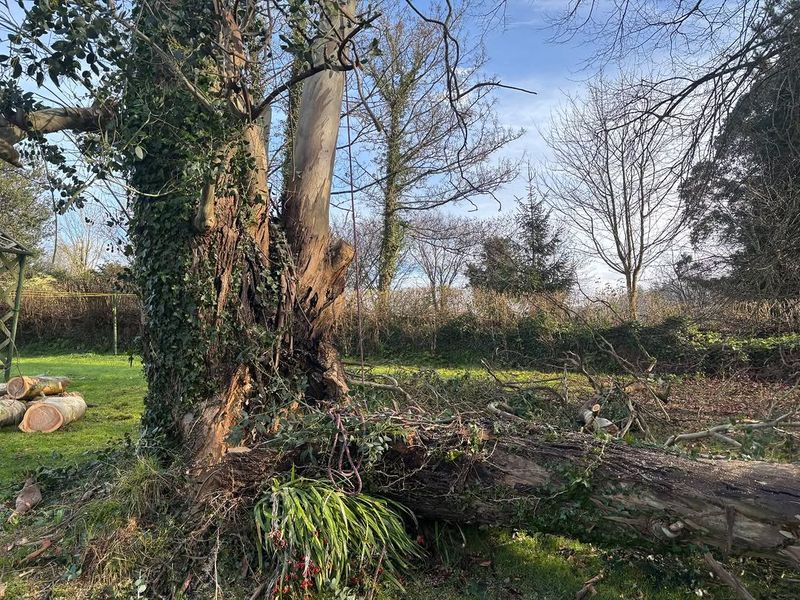
Spring in Michigan is one of the most satisfying times in any yard. Watching trees wake up and push out fresh leaves after a long winter feels like a reset.
So when one tree in the yard is lagging behind, still bare while everything around it has leafed out, that delay is worth taking seriously.
Trees leaf out based on stored energy reserves, root function, and the health of the vascular system that moves water from roots to branches.
When roots are damaged by winter frost heaving, construction disturbance, or compacted soil, the tree simply may not have the resources to push growth evenly across its canopy.
Disease can also interrupt the process. Dutch elm disease, for example, causes wilting and leaf failure in specific branches before spreading further.
Verticillium wilt, which affects a wide range of Michigan landscape trees including maples and ashes, often causes one side of the tree to leaf out normally while the other side struggles noticeably.
Uneven leafing is different from late leafing. If an entire tree pushes leaves out a week or two behind schedule but does so fully and evenly, that may just reflect its genetics or a sheltered microclimate.
But when certain branches never fill in, or when leaves emerge and then quickly brown or drop, that points to something more specific and worth investigating.
Mark the struggling branches, take photos over several weeks, and share that information with a certified arborist who can connect the pattern to a likely cause and recommend a smart course of action.