This Is What California Citrus Trees Need Before The Heat Gets Brutal
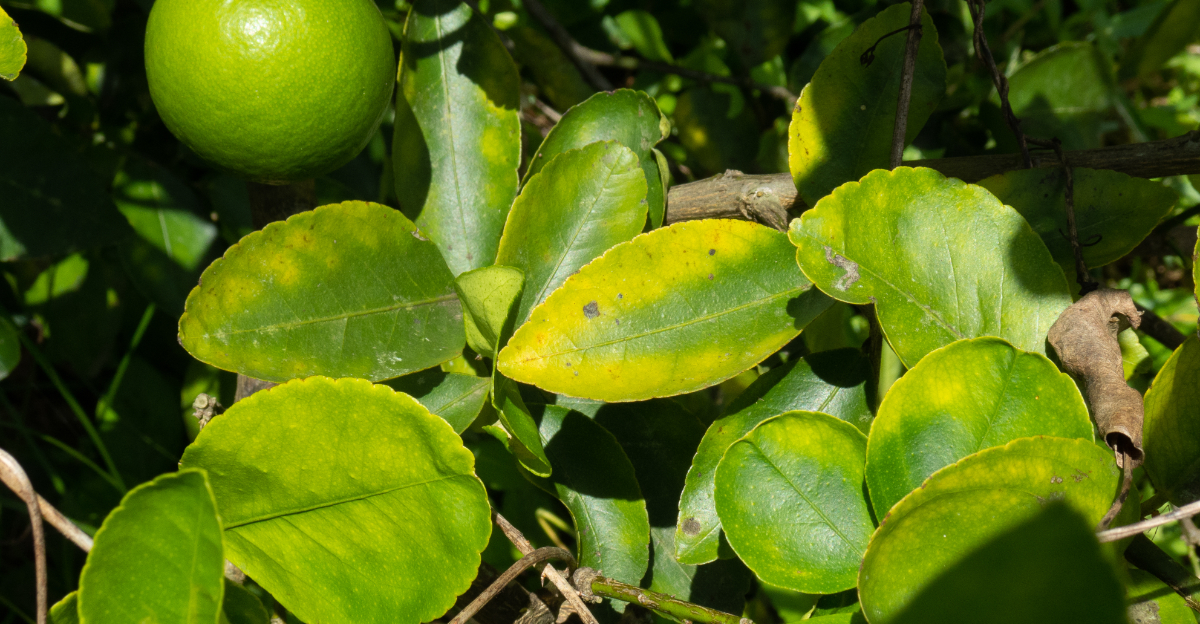
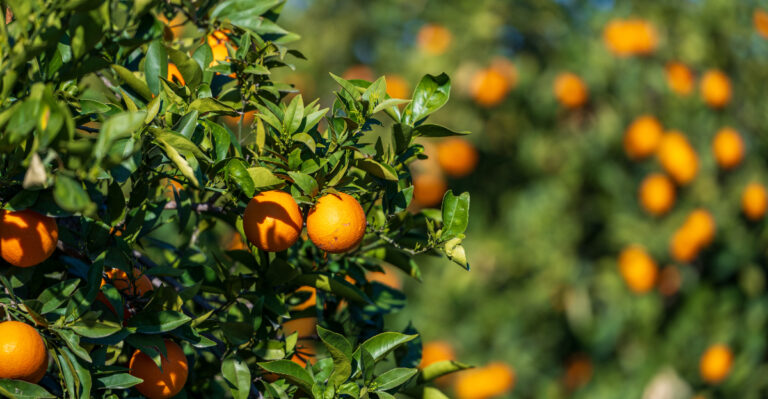
California citrus trees can look calm and glossy right before summer turns harsh. That is what makes this timing so important. The tree may seem fine in late spring, but hot days can quickly test its roots, leaves, and fruit.
A little stress now can show up later as dropped fruit, curled leaves, or weak new growth. Citrus does not always complain loudly at first, which is very inconvenient of it.
Before the heat gets intense, gardeners have a short window to help their trees handle what is coming.
The goal is not to fuss over every leaf. It is to give the tree steady support before the weather becomes less forgiving.
Watering, soil care, canopy health can all make a big difference when temperatures climb. A citrus tree that enters summer strong has a much better chance of staying productive, healthy, and ready for the season ahead.
1. Deep Water Before Heat Stress Hits
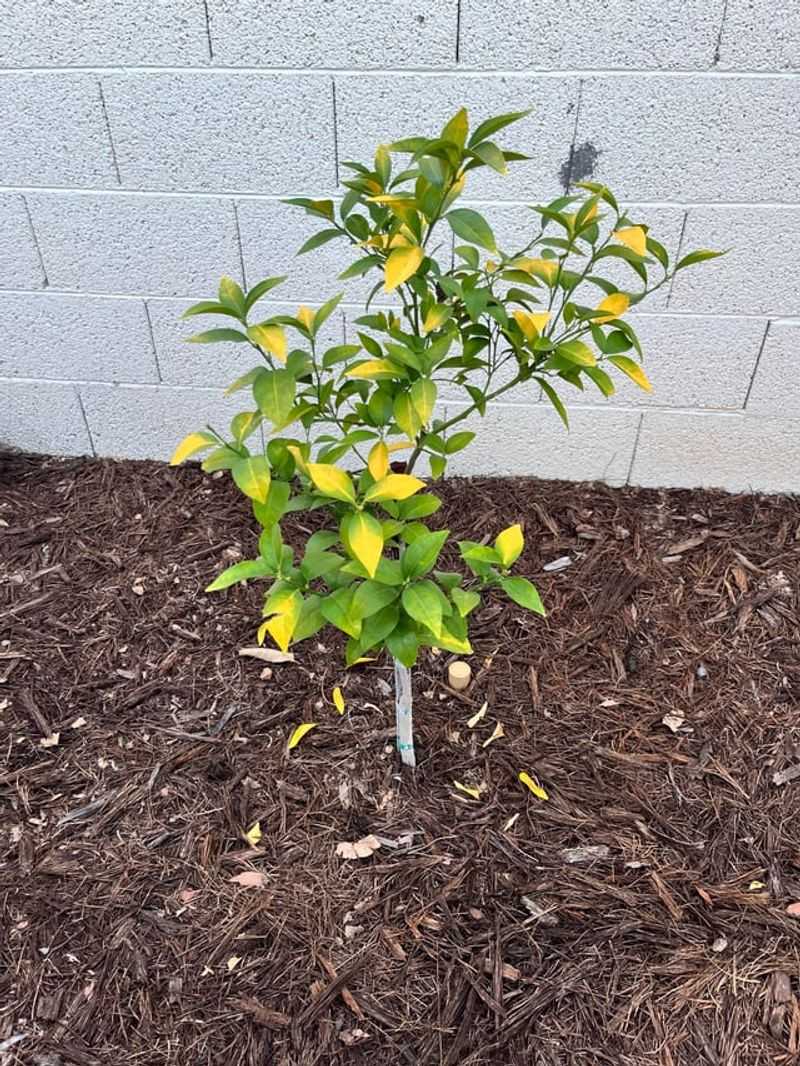
Long, slow watering sessions do more for citrus trees than quick daily sprinkles ever will. Before hot weather arrives, your trees need water pushed deep into the soil where roots can actually reach it.
Shallow watering keeps moisture near the surface, which evaporates fast once temperatures climb.
Watering deeply once or twice a week encourages roots to grow downward. Deep roots can access cooler, moister soil even when the top layer dries out quickly.
This makes the tree far more capable of handling a heat wave without showing stress signs like leaf curl or fruit drop.
To water deeply, let a slow trickle run at the base of the tree for 30 to 45 minutes. A drip system set to run longer cycles works well too. Make sure water soaks into the soil rather than running off the surface.
Sandy soils drain fast and need more frequent deep watering. Clay soils hold moisture longer but can get waterlogged, so balance is key. Check soil moisture about six inches down before watering again.
Pre-season deep watering also helps flush away salt buildup in the soil. Salts from fertilizers and tap water can harm roots over time.
A good deep soak before summer begins gives your tree a clean, healthy start before the brutal heat moves in.
2. Mulch Before Soil Dries Out Fast
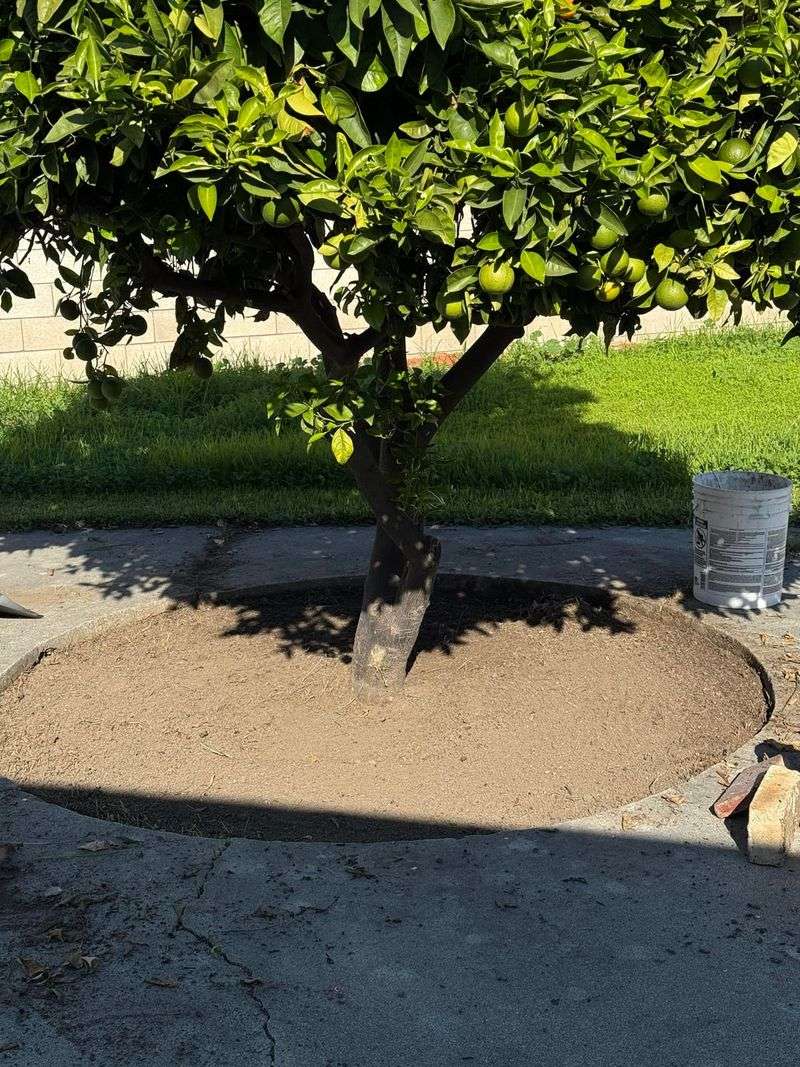
One of the easiest things you can do for a citrus tree before summer is spread a fresh layer of mulch.
Mulch acts like a blanket over the soil, slowing down moisture loss and keeping root temperatures from spiking on hot days. Without it, the soil around your tree can dry out within hours of watering.
Wood chips, straw, or shredded bark all work well. Spread mulch about three to four inches deep in a wide circle around the tree. Keep it a few inches away from the trunk itself to prevent rot and pest problems near the bark.
Mulch does more than hold water. It also breaks down slowly and feeds the soil with organic matter over time.
This improves soil structure, encourages beneficial microbes, and gives roots a healthier environment to grow in.
Your California Garden Changes Every Week. Your Plan Should Too.
Gardening in California changes quickly throughout the season. Every Friday you’ll receive a simple weekly plan showing exactly what to plant, prune, fertilize, harvest, and protect so you never miss the right timing.
In this state, where summer sun can bake exposed soil hard as concrete, mulch is not optional for serious citrus growers.
It can reduce soil temperature by as much as 10 degrees on the hottest days. That difference matters a lot to roots trying to absorb nutrients and water.
Refresh your mulch layer every spring before the heat builds. Old mulch compacts and loses its effectiveness.
A fresh top-up each year keeps the benefits consistent and gives your citrus tree a real advantage heading into the hottest months of the year.
3. Feed Citrus Before It Runs Out Of Energy
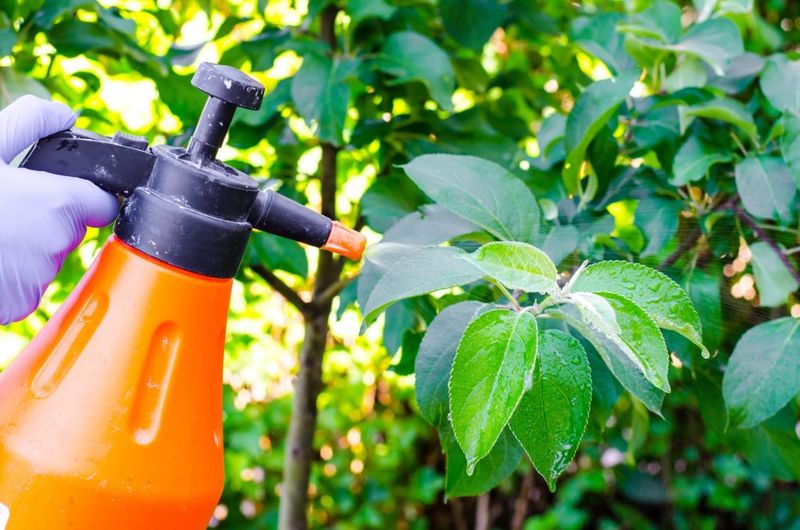
Citrus trees are heavy feeders, and they need a solid nutrient boost before the growing season shifts into high gear.
Feeding your tree before summer heat arrives gives it the energy to push out new growth, hold onto developing fruit, and stay strong when temperatures soar.
A balanced citrus fertilizer with nitrogen, phosphorus, potassium, and micronutrients like iron and zinc works best.
Nitrogen supports leafy growth and deep green color. Iron and zinc prevent yellowing leaves, which is a common problem in our state’s alkaline soils.
Apply fertilizer in late winter or early spring, and then again just before summer begins. Follow the package directions carefully. Over-feeding can burn roots and cause more harm than not feeding at all.
Slow-release granular fertilizers are a popular choice because they feed the tree gradually over several months.
Liquid fertilizers work faster and are great for a quick nutrient boost if you notice the tree looking pale or sluggish before hot weather sets in.
Always water the tree well after applying fertilizer. This helps nutrients move into the root zone and prevents fertilizer burn on the soil surface. A well-fed citrus tree going into summer is noticeably more vigorous.
It holds fruit better, resists stress more effectively, and recovers faster if extreme heat does cause some temporary setback during the season.
4. Check New Growth For Summer Pests
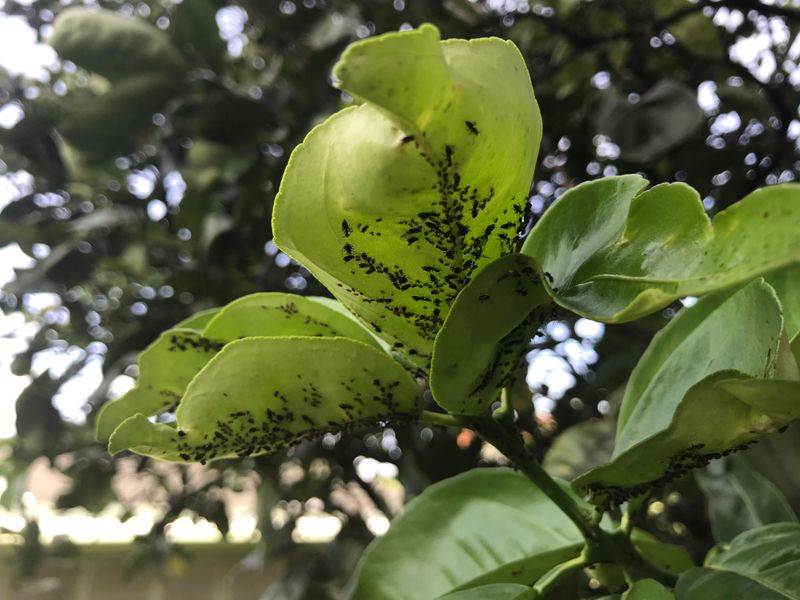
New growth on citrus trees is soft, tender, and absolutely irresistible to pests. As temperatures warm up, aphids, spider mites, and citrus leafminers show up fast.
Catching them early makes control much easier and prevents serious damage before summer fully arrives.
Walk around your trees every few days and look closely at new leaves and stem tips. Aphids cluster in groups and leave a sticky residue called honeydew on leaves.
Spider mites are tiny but cause a dusty, speckled look on leaf surfaces. Leafminers leave squiggly trails inside leaves.
A strong blast of water from a hose knocks off aphids quickly. For heavier infestations, insecticidal soap or neem oil spray works well and is safe around kids and pets. Apply sprays in the early morning or evening to avoid burning leaves in the heat.
Did you know that a healthy, well-watered citrus tree actually attracts fewer pests? Stressed trees give off chemical signals that bugs can detect.
Keeping your tree hydrated and fed is part of pest prevention, not just good growing practice.
Keep an eye on beneficial insects too. Ladybugs and lacewings feed on aphids and are natural allies in your garden. Avoid broad-spectrum pesticides that wipe out the good bugs along with the bad ones.
A balanced approach keeps your tree healthier all summer long without creating bigger pest problems down the road.
5. Control Ants Before They Protect Pests
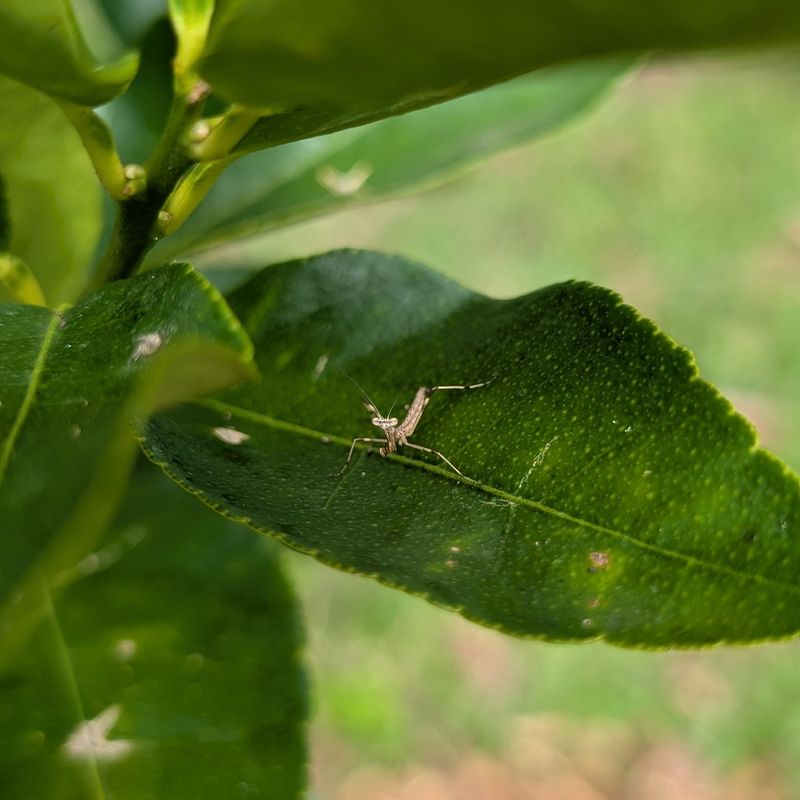
Most people do not realize that ants are one of the biggest reasons pest problems on citrus trees get out of hand.
Ants farm aphids and scale insects like tiny livestock. They protect these pests from predators and move them to new parts of the tree, spreading infestations quickly.
Before summer heat pushes everything into overdrive, put a barrier in place to stop ants from climbing your trees.
Sticky ant barriers wrapped around the trunk work very well. Products like Tanglefoot create a sticky band that ants cannot cross.
Just make sure the bark is not touching any nearby plants, fences, or structures that ants could use as a bridge.
Controlling ants does not require harsh chemicals. Physical barriers are safe, effective, and long-lasting. Check the barrier regularly and refresh it when it gets covered in debris or dries out.
Once ants are blocked from reaching the tree canopy, natural predators like parasitic wasps and ladybugs can do their job without interference.
This creates a natural balance that reduces pest populations without you having to spray anything at all.
Bait stations near the base of the tree can also reduce ant colonies over time. They are slow-acting but very effective at shrinking populations in your yard.
Getting ant activity under control before the heat season begins means fewer pest headaches all summer and a much healthier citrus tree overall.
6. Protect Young Trees From Sunburn
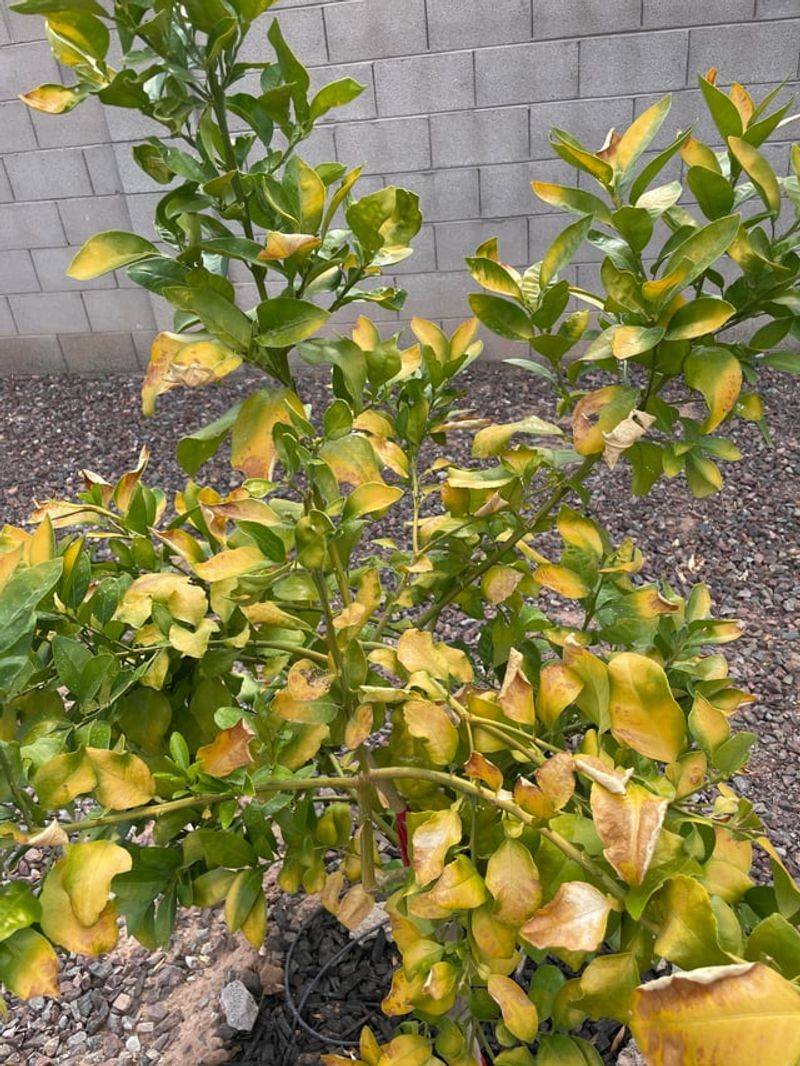
Sunburn on citrus trees is a real problem, especially for young trees that have not yet built up a thick, protective canopy.
When intense summer sun hits exposed bark directly, it can cause cracking, discoloration, and lasting damage to the trunk and main branches. Prevention is far easier than dealing with the aftermath.
White interior latex paint diluted with water is one of the oldest and most trusted solutions for trunk protection.
Painting the lower trunk and exposed branches white reflects sunlight and keeps bark temperatures from spiking. Some growers use commercial tree wrap instead, which works well for smaller trunks.
Young trees planted in the last year or two are most at risk. Their canopies have not filled in enough to shade their own trunks.
Even trees that seem fine in spring can show bark damage by midsummer when sun angles shift and heat intensity increases.
Positioning shade cloth on the south and west sides of young trees can also make a big difference.
A 30 to 40 percent shade cloth allows plenty of light while cutting the most intense afternoon heat. Remove it in fall once temperatures cool down.
Older, established trees with full canopies usually protect themselves well. But if a mature tree had branches removed recently, those newly exposed areas need protection too.
A little attention to sunburn prevention before summer arrives can keep your citrus trees looking strong and growing well all season.
7. Avoid Heavy Pruning Before Extreme Heat
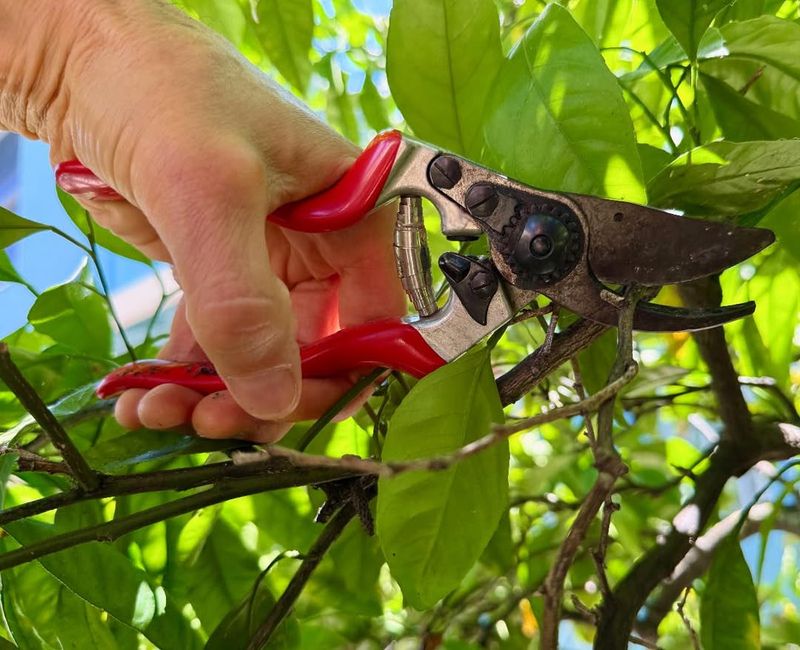
Pruning feels productive, and it is tempting to shape up your citrus trees right before summer.
But heavy pruning just before extreme heat is one of the worst things you can do. Removing large amounts of foliage suddenly exposes bark and branches that were previously shaded by the canopy.
That newly exposed bark has no protection from direct sun. It can sunburn quickly once temperatures climb into the 90s and above. Sunburned bark weakens the tree and creates entry points for disease and insects.
Light pruning is fine any time of year. Removing dead wood, crossing branches, or suckers growing from the base does not stress the tree significantly.
The problem comes with heavy cuts that remove large leafy sections and open up the interior of the canopy.
If major pruning is needed, late winter or very early spring is the right time. This gives the tree months to push out new growth and rebuild its canopy before summer heat arrives. Timing matters a lot with citrus pruning.
A fully leafed-out tree handles heat much better than a recently pruned one. Leaves create shade for the branches below them, regulate temperature, and support the photosynthesis that keeps the tree energized.
Protecting the canopy before summer means your tree arrives at peak heat season in its strongest, most capable state. Hold off on heavy cuts and let the foliage do its job.
8. Watch Containers Before They Dry Out Daily
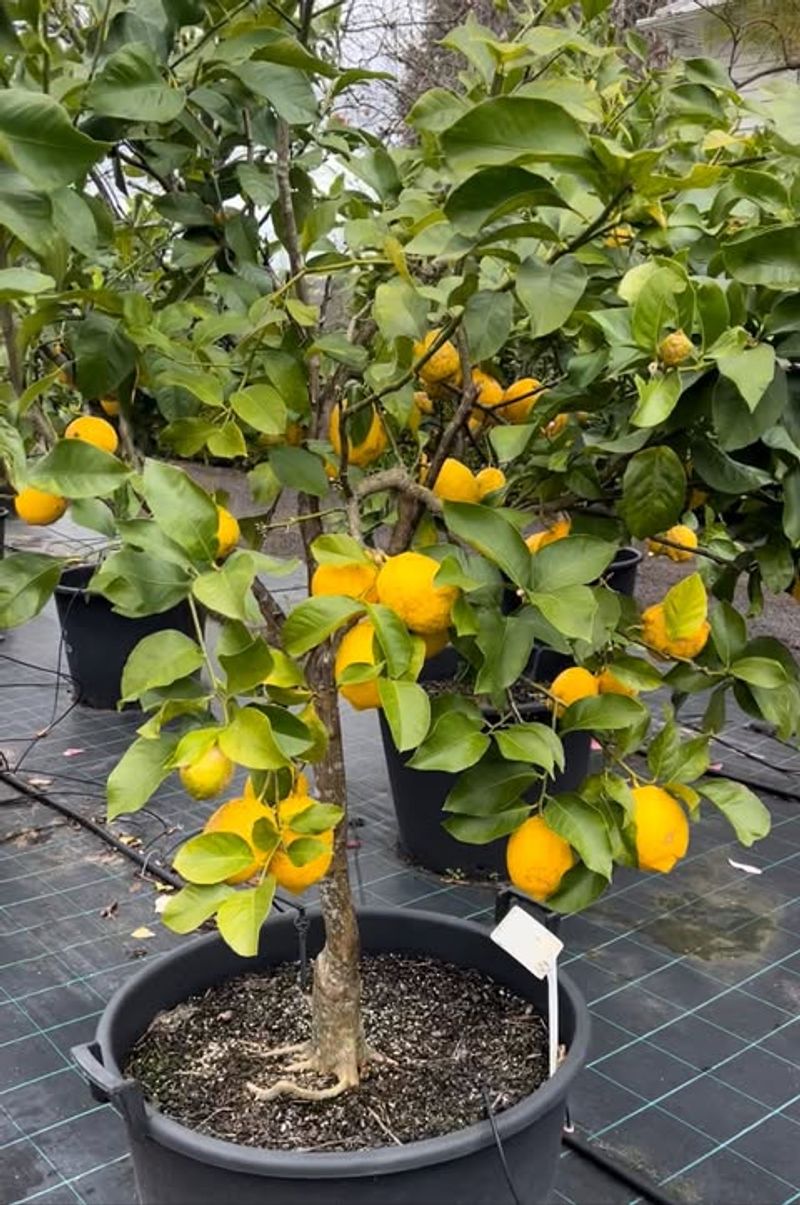
Growing citrus in containers is popular in this state, especially in smaller yards and on patios.
But container trees face a much tougher challenge in summer than trees planted in the ground. Pots heat up fast, dry out quickly, and can bake roots in ways that ground soil simply does not.
During peak summer, a container citrus tree may need watering every single day. Sometimes even twice a day in very hot or windy conditions. The smaller the pot, the faster it dries out.
Check soil moisture by pushing a finger two inches into the soil. If it feels dry at that depth, it is time to water.
Light-colored or ceramic containers stay cooler than dark plastic ones. If you have a black plastic pot, consider moving the tree to a lighter-colored container before summer arrives.
You can also wrap the outside of the pot with burlap or shade cloth to reduce heat absorption.
Grouping container plants together helps too. Plants clustered near each other create a bit of shared humidity and shade that reduces moisture loss.
Moving containers to a spot with afternoon shade during the hottest months can also protect roots significantly.
Use a high-quality potting mix with good drainage and some water-retention capacity. Adding a layer of mulch on top of the soil in the container slows evaporation noticeably.
Container citrus trees reward attentive growers, and daily observation during summer is the single most important habit you can build.