Get More Blooms From Your Maryland Crape Myrtle By Avoiding These 8 Pruning Mistakes

Your crape myrtle has the potential to stop people in their tracks every single summer. But one careless pruning habit can quietly rob it of that power, season after season.
Most homeowners grab their shears with good intentions and still get it wrong. The cuts feel right in the moment.
The damage shows up months later. A tree that should be bursting with color instead looks stubby, stressed, and struggling to recover.
Pruning a crape myrtle in Maryland is not complicated, but it does demand the right knowledge at the right time. Small mistakes compound. Bad cuts leave lasting marks.
What you do in late winter shapes everything your tree becomes by July. These pruning mistakes are more common than you think, and more costly than they appear.
Learn them now, avoid them completely, and watch your tree transform into the showstopper it was always meant to be.
1. Topping Disrupts Natural Branch Structure
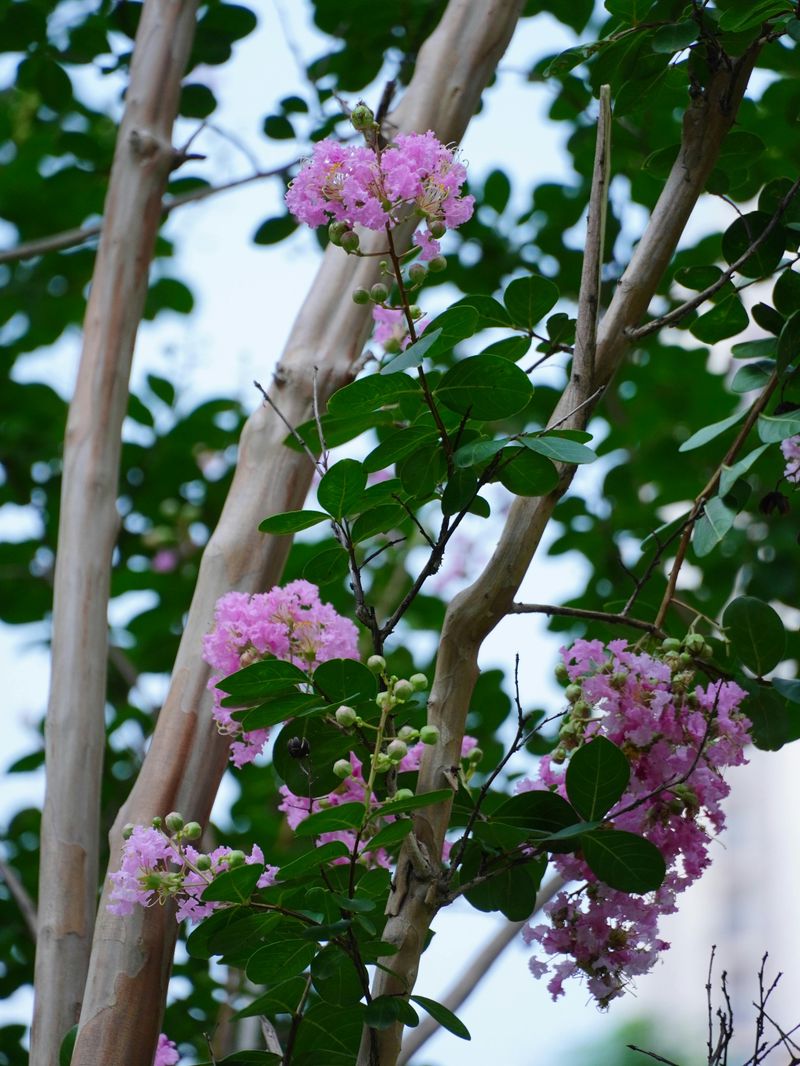
Topping a crape myrtle is one of the most damaging things you can do to the tree.
When gardeners lop off the main branches at a uniform height, they completely erase the natural, arching canopy that makes these trees so beautiful in the first place.
The branch structure that took years to develop gets undone in a single pruning session.
Many Maryland homeowners do this because they think the tree is getting too tall or too wide, but the size concern can be solved in much smarter ways.
Crape myrtles naturally grow in a graceful, vase-like shape that requires almost no intervention when the right variety is planted in the right spot.
Choosing a dwarf or semi-dwarf variety from the start eliminates the urge to cut back aggressively.
Once the crown is removed, the tree responds with weak, crowded shoots that can ruin structure and appearance.
The new growth that sprouts from topped cuts is weaker, thinner, and more crowded than what was there before.
Structurally, the tree becomes unbalanced and loses the elegant silhouette that made it worth planting.
Correcting topped crape myrtles takes years of patient, selective pruning to rebuild even a fraction of the original form.
Think of the natural branch structure as the tree’s skeleton.
Once you break that skeleton, nothing grows back quite the same way.
Protect the framework and you protect the future of the whole tree.
2. Hard Cuts Trigger Knobby Unsightly Regrowth

Look closely at the crape myrtles in your Maryland neighborhood. Those swollen knobs at the branch tips are telling you something.
Those knobs are called crape knuckles, and they form when the same spot gets cut hard year after year.
Each time a branch is cut back to the same point, the tree sends out a burst of new shoots from that wound. The tissue builds up into a permanent bulge.
These growths are not just unsightly; they are a sign that the tree is working overtime to recover from repeated trauma.
The knobby regrowth weakens the overall branch attachment, making limbs more likely to split during Maryland summer storms.
Your Maryland Garden Changes Every Week. Your Plan Should Too.
Gardening in Maryland changes quickly throughout the season. Every Friday you’ll receive a simple weekly plan showing exactly what to plant, prune, fertilize, harvest, and protect so you never miss the right timing.
Avoiding this problem is genuinely straightforward: stop cutting back to the same spot every season.
If you need to reduce size, make a clean cut just above a side branch that is at least one-third the diameter of the branch you are removing.
This technique, called a reduction cut, maintains a more natural look and prevents the buildup of scar tissue.
Light, selective thinning done occasionally is far better than hard annual cuts that produce those telltale lumps.
Once knuckles form, they cannot be fully reversed, but you can stop making them worse by changing your approach going forward.
Your crape myrtle deserves better than looking like bare poles by March.
Smarter cuts now mean a cleaner, stronger tree for every season ahead.
3. Wrong Timing Steals The Bloom Cycle

Timing is everything when it comes to crape myrtle pruning, and getting it wrong costs you an entire summer of color.
Crape myrtles bloom on the current season’s new growth.
If you trim the tree too late in the season, you cut off the very wood that was about to produce those gorgeous blooms.
Many Maryland gardeners make the mistake of pruning in late spring or early summer when the tree already has fresh green growth pushing out.
At that point, the flower buds are already forming, and removing those shoots delays or eliminates blooming for the whole season.
The ideal window for any necessary pruning is late winter, just before the tree breaks dormancy.
In most Maryland zones, that sweet spot falls between mid-February and mid-March.
At that time, the tree is still fully dormant, the branch structure is easy to see without leaves in the way, and any cuts heal quickly once warm weather arrives.
Pruning during dormancy also reduces stress on the tree because it is not actively moving nutrients or water through its system.
Waiting until summer to clean up the tree because it looks messy is a tempting shortcut that backfires every time.
Mark your calendar now so you do not miss the pruning window next year.
One well-timed cut in late winter is worth far more than three poorly timed cuts throughout the growing season.
4. Too Much Foliage Removal Stresses The Tree

Leaves are not just decoration; they are the engine that powers every living tree.
When you remove too much foliage from a crape myrtle at once, you take away its ability to photosynthesize and fuel its own growth.
Experts generally recommend never removing more than one-quarter of a tree’s total canopy in a single pruning session.
Stripping away more than that sends the tree into a survival response, redirecting all its energy toward pushing out emergency growth instead of producing flowers.
In Maryland’s humid summers, an already-stressed crape myrtle becomes much more vulnerable to fungal diseases like powdery mildew, which thrives when the tree’s defenses are weakened.
Over-stripping also exposes bark and inner branches to intense sun, which can cause sunscald, a condition where the exposed wood dries out and cracks.
The goal of any good pruning session should be to improve airflow and light penetration without gutting the canopy.
Focus on removing crossing branches, dead wood, and suckers growing from the base rather than thinning out healthy foliage.
A well-pruned crape myrtle should look like it barely got a trim, not stripped down to its frame.
Less is genuinely more when it comes to foliage removal, and the tree will reward your restraint with denser, healthier growth the following season.
Take a step back before every cut and ask yourself whether the branch you are about to remove is truly necessary.
That pause alone can save the tree from a season of struggle.
5. Repeated Cuts Cause Permanent Scarring
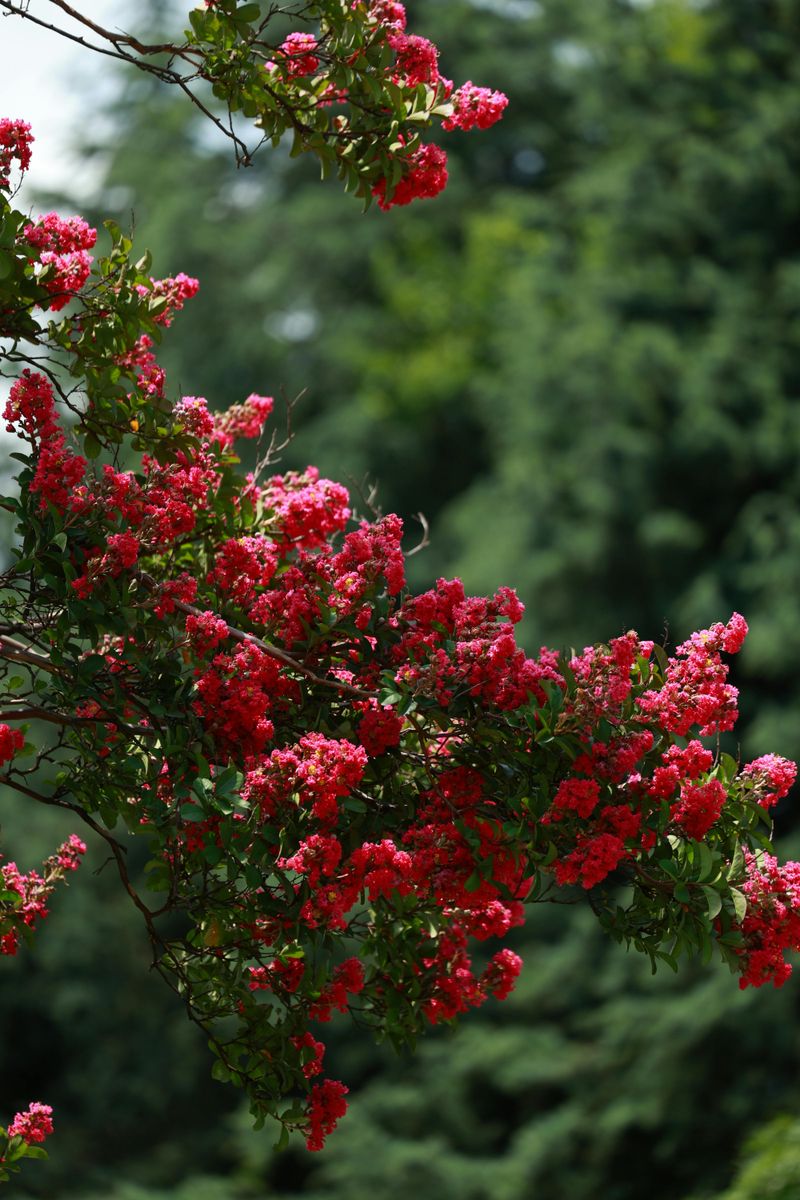
Every cut you make on a crape myrtle leaves a wound, and wounds that never fully close turn into permanent scars.
Unlike some tree species, crape myrtles do not compartmentalize repeated damage quickly.
Cutting the same spots year after year leads to long-term tissue damage that never fully heals.
Scar tissue builds up in layers, creating entry points for fungi, bacteria, and boring insects that can compromise the entire branch over time.
Maryland gardeners who prune their crape myrtles aggressively each year often wonder why the bark looks so rough and discolored after a decade.
The answer is simple: the tree has been fighting to survive one bad cut after another for years on end.
Healthy crape myrtle bark is smooth and often peels naturally in beautiful, cinnamon-colored strips, which is one of the tree’s best winter features.
Chronic pruning wounds interrupt that natural peeling cycle and leave behind dark, roughened patches that are far less attractive.
The fix is to prune only when genuinely necessary and to make each cut correctly the first time.
A proper pruning cut is made just outside the branch collar, the slightly raised ring of tissue where a branch meets the trunk or parent branch.
Cutting through the collar causes deeper damage that heals more slowly, if at all.
Respect the collar and the tree keeps its natural beauty for decades.
One careful cut done right will always outperform five careless ones done fast.
6. Topped Trees Grow Shoots That Snap In Storms

After a crape myrtle gets topped, the tree does not just sit there quietly and accept it.
Instead, it responds with thin, fast-growing water sprouts that race upward from every cut point to restore the canopy.
These shoots can grow three to six feet in one season, yet they attach to the tree with almost no structural strength.
Original branches develop slowly, building dense and reliable wood over many years.
Water sprouts take a completely different path.
They grow fast, stay soft and porous, and snap easily under wind, ice, or the weight of their own flower clusters.
Maryland summers bring thunderstorms and winter brings ice, and topped crape myrtles are among the first trees to lose limbs in both.
The real irony is that topping is meant to shrink the tree, but the water sprouts that follow often grow taller than the branches they replaced.
Removing water sprouts each year becomes a frustrating, never-ending cycle that only makes the problem worse.
The only real solution is to stop topping and allow the tree to rebuild stronger wood through selective, minimal pruning over several seasons.
Patience here pays off in ways that aggressive cutting never will.
A crape myrtle allowed to grow on its own terms becomes one of the most structurally sound flowering trees you can plant in a Maryland yard.
7. Improper Cuts Invite Disease And Pests
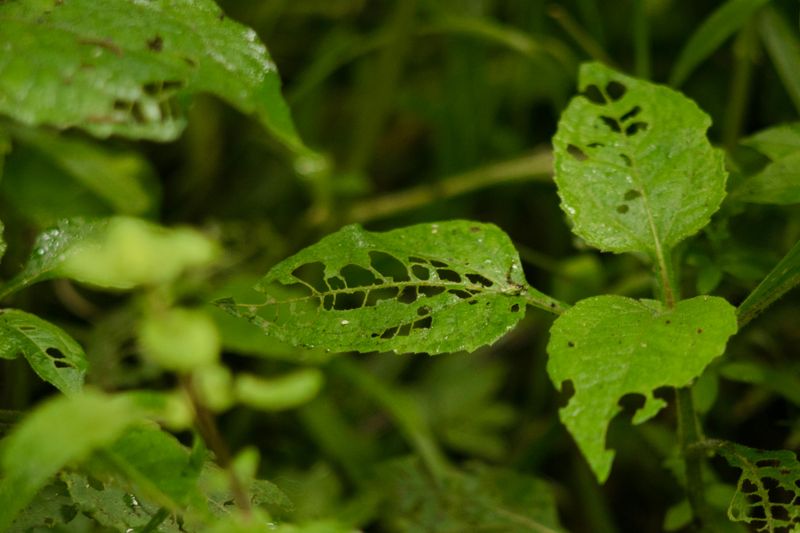
Jagged, ragged cuts on a crape myrtle are basically open invitations for trouble.
When a branch is torn rather than cleanly sliced, the wound surface is irregular and takes far longer to callus over, leaving the tree exposed to pathogens for an extended period.
Fungal spores are everywhere in Maryland’s humid air, and an open wound on a stressed tree is exactly the kind of opportunity they need to take hold.
Cercospora leaf spot and powdery mildew are two fungal problems that follow improper pruning.
Make cuts during warm, wet weather and you are practically inviting both in.
Boring insects are another concern because they are attracted to the scent of fresh wounds and freshly stressed wood.
The lesser crape myrtle bark scale is an invasive pest that has been spreading through Maryland in recent years.
It tends to establish faster on trees already weakened by poor pruning practices.
Using clean, sharp tools every single time you prune is the most effective way to prevent these problems.
Wipe your pruning shears with rubbing alcohol between cuts, especially when moving between trees, to avoid spreading unseen pathogens.
A clean cut made with a sharp blade closes faster and resists infection far better than a crushed or torn wound made with dull equipment.
Sharp tools are not optional; they are the first line of defense for a healthy tree.
8. Over-Trimming Reduces Flower Production

At the end of the day, most people grow crape myrtles for one reason: those spectacular summer blooms that light up the yard for weeks.
Over-trimming is the single fastest way to rob your tree of that payoff.
Crape myrtles bloom on the current season’s new growth.
Excessive pruning forces the tree to spend its energy replacing lost wood rather than producing flower buds.
A tree that has been cut back hard will push out plenty of green growth, but that growth goes toward rebuilding structure, not flowering.
The result is a big, leafy tree with disappointing, sparse blooms that leave you wondering what went wrong.
Horticulturists and extension specialists have documented this pattern across multiple studies.
Crape myrtles left with minimal pruning consistently produce more flowers than those cut back aggressively each year.
For most Maryland homeowners, pruning means removing dead branches, crossing limbs, and twiggy growth at the base.
That kind of light, targeted maintenance takes maybe twenty minutes and leaves the flowering wood completely intact.
If your tree has been over-pruned for years, step back for two to three seasons and let the bloom production recover.
The tree wants to flower; your job is simply to stop getting in the way.
When you finally step back and let your Maryland crape myrtle do what it was born to do, the results are nothing short of breathtaking.