How To Spot Japanese Beetles In Your Indiana Garden Before They Do Real Damage
You spend months coaxing your roses into bloom and babying your basil.
Then finally, that corner of the yard starts to look exactly the way you imagined it.
Then one morning you look a little closer and realize something has been busy overnight.
The leaves look lacy.
Skeletal, even.
And there they are, small, metallic, completely unbothered, eating your garden like they own the place.
Japanese beetles are one of Indiana’s most reliable summer disappointments.
They arrive in late June with impressive timing, and they never travel alone.
The good news is that catching them early makes a real difference.
You do not need a chemistry degree or a hazmat suit, just a sharp eye and a basic plan.
Keep reading and you will know exactly what to look for, where to find them, and what to do next.
Why Indiana Gardeners Dread Japanese Beetle Season
Japanese beetles have been wrecking Midwestern gardens since the 1930s, and Indiana sits right in the heart of their favorite territory.
A single swarm can skeletonize a rosebush within just a few days, leaving nothing but lacy, brown stems behind.
What makes them so dangerous is their group behavior.
When one beetle lands and starts feeding, it releases a scent that attracts dozens more.
Before you know it, your prized plants are hosting a buffet with hundreds of guests who never got an invitation.
Indiana summers are practically tailor-made for these pests, with warm soil, plenty of moisture, and a huge variety of host plants.
The grubs spend winter underground, then emerge as adults in late June just in time to wreak havoc on your garden.
Spotting them early gives you a real fighting chance to protect what you have worked so hard to grow.
Ignoring the first signs of their arrival is a mistake that costs gardeners weeks of recovery time.
The good news is that knowing what you are up against is already half the battle.
What Japanese Beetles Look Like
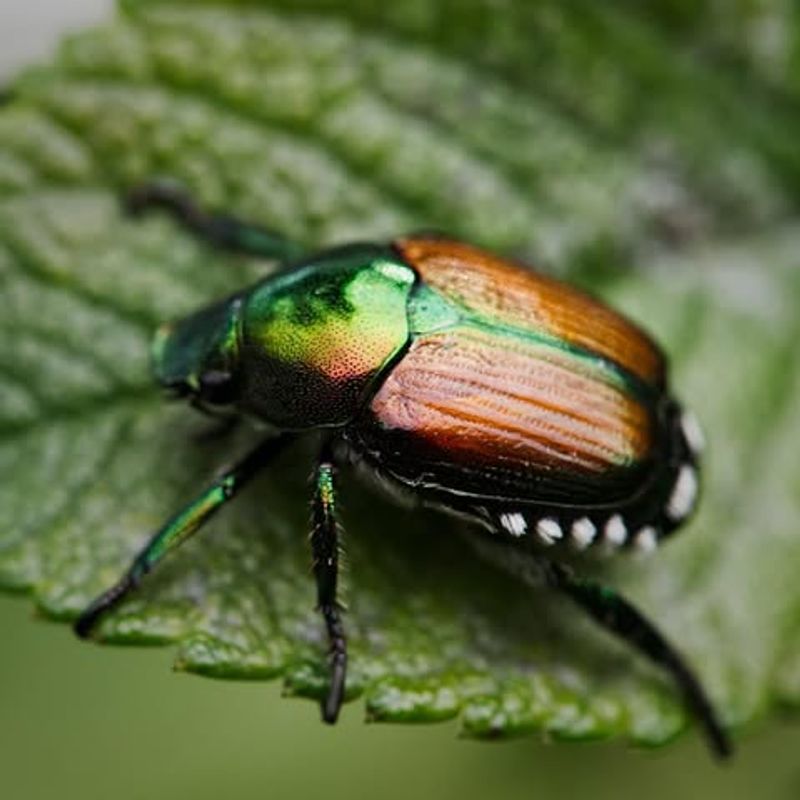
Spotting a Japanese beetle for the first time?
It feels almost surreal because the insect is genuinely beautiful.
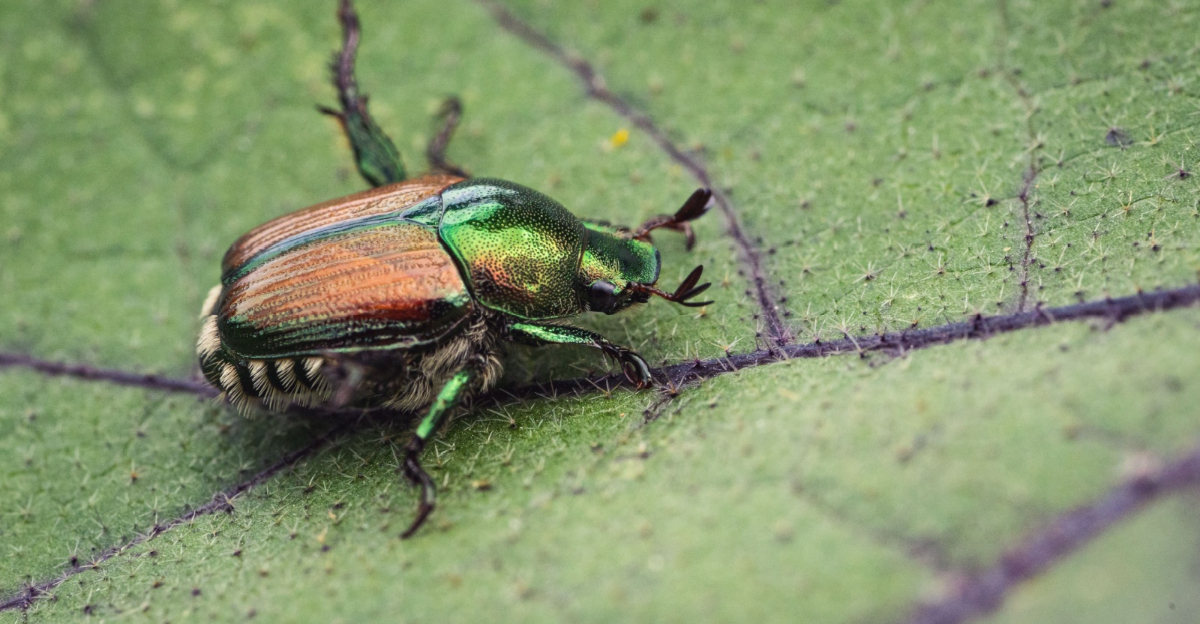
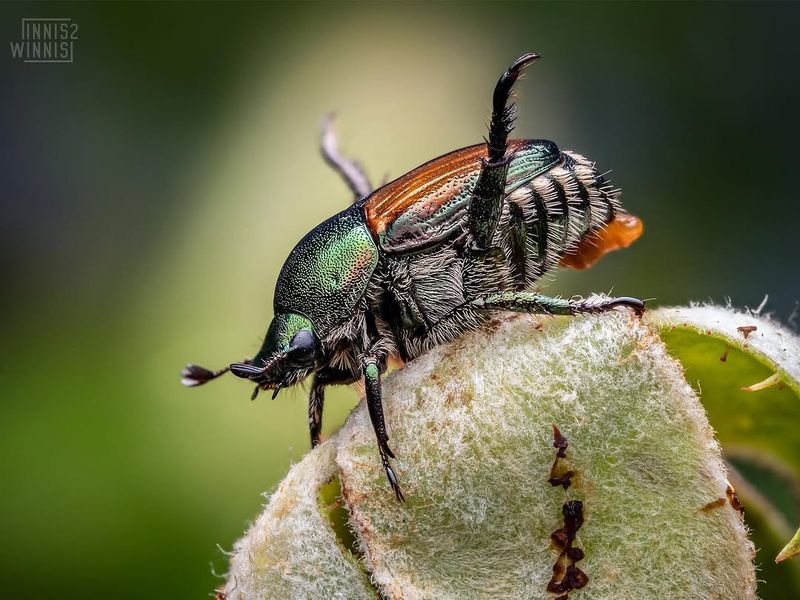
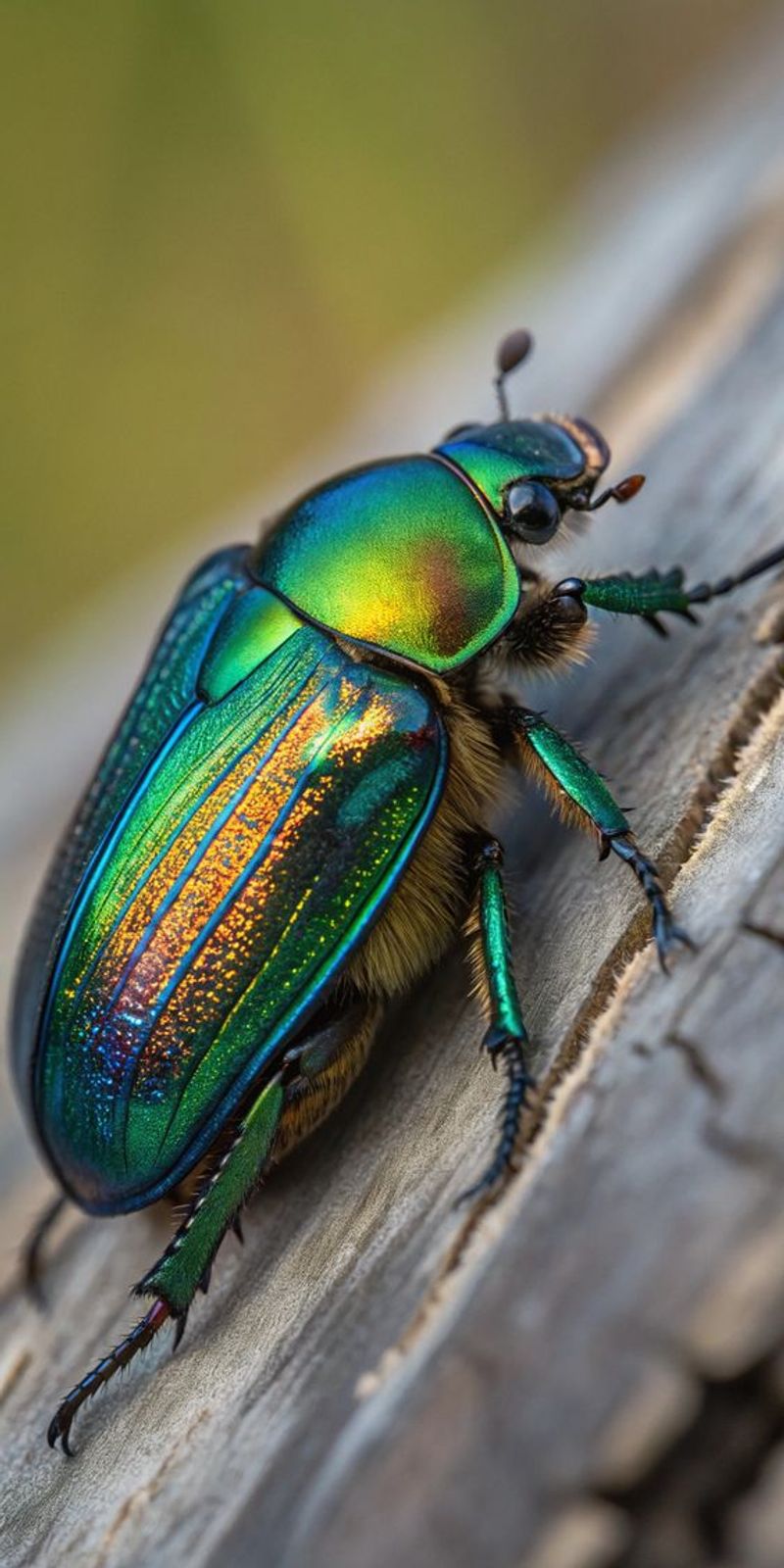
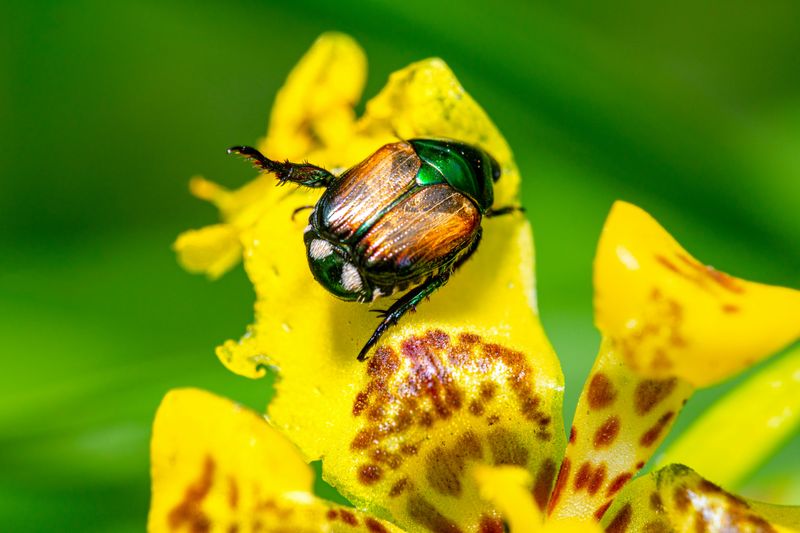
About half an inch long, it has a bright metallic green head and thorax that almost glitters in sunlight.
The wing covers are a warm copper-brown, giving it a two-toned look that stands out against green foliage.
Along the sides of the abdomen, look for five small tufts of white hair poking out from beneath the wing covers.
Those little white dots are one of the most reliable identification markers and set this species apart from similar-looking beetles.
If you see those tufts, you have found your culprit.
Adult beetles are roughly the size of a large pea, which makes them visible but easy to overlook when they blend into a dense cluster of leaves.
They tend to gather in groups on the tops of leaves where sunlight hits, so check sun-facing surfaces first.
Their legs are strong and spiny, and they grip leaves tightly when disturbed.
Many gardeners mistake them for June bugs or other common beetles, which wastes precious response time.
Your Indiana Garden Changes Every Week. Your Plan Should Too.
Gardening in Indiana changes quickly throughout the season. Every Friday you’ll receive a simple weekly plan showing exactly what to plant, prune, fertilize, harvest, and protect so you never miss the right timing.
Knowing exactly what you are looking at means you can act fast instead of second-guessing yourself.
Once you see one up close, it is hard to mistake it for anything else.
When And Where To Check Your Garden
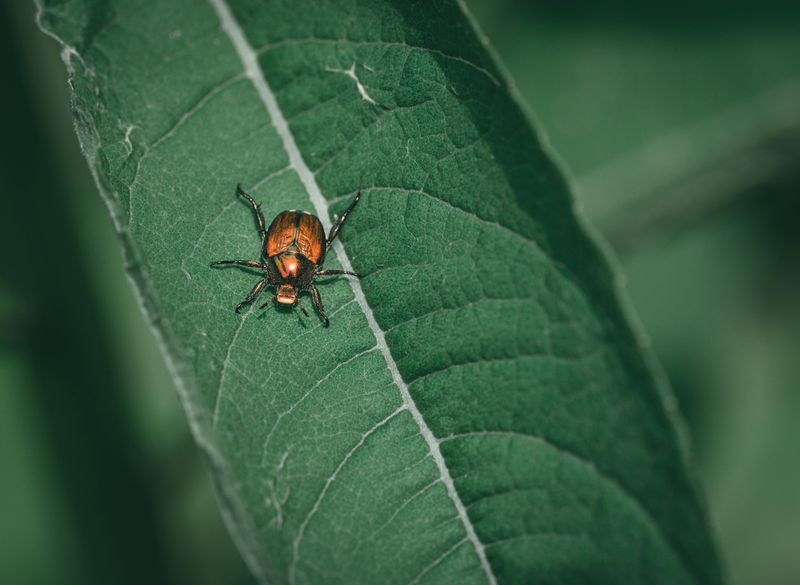
Timing your scouting trips makes all the difference when it comes to catching Japanese beetles early.
Adults are most active on warm, sunny days between 9 a.m. and 3 p.m., so that is your best window for finding them in action.
On cloudy or cool days, they tend to hide lower in the plant canopy, making them harder to spot.
In Indiana, the adult flight season typically kicks off in late June and peaks through July, tapering off by mid-August.
Mark your calendar and start checking plants weekly once temperatures are warm and consistently in the mid-80s.
Early detection in that first week of emergence can prevent a full-scale infestation from taking hold.
Focus your checks on the tops of leaves and flower buds, since beetles prefer feeding in direct sunlight.
Rosebushes, grape vines, linden trees, and fruit trees are the first places they tend to congregate, so start there.
Work your way outward from those high-priority plants to catch any beetles that have spread to neighboring areas.
Checking your garden every two or three days during peak season is not overkill.
Think of it as a quick morning walk with purpose, a few minutes that could save your entire growing season.
Regular checks are what make the difference.
Plants They Target First
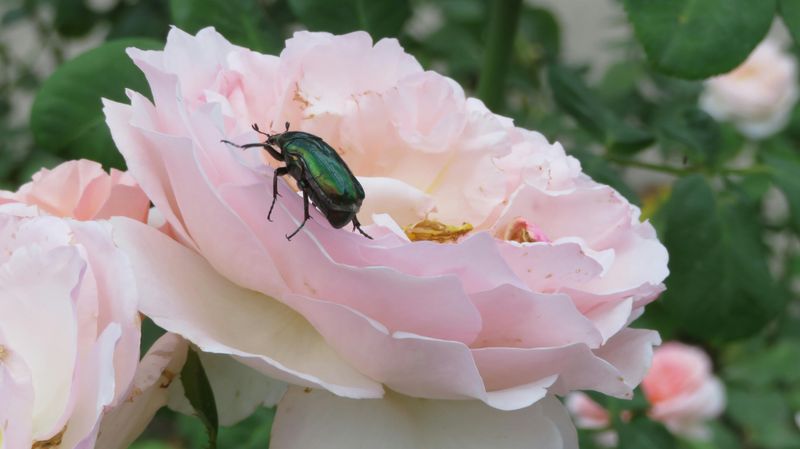
Japanese beetles are not picky eaters, but they do have a shortlist of plants they go after first.
If you know where they like to start, you are already ahead of them.
Roses are at the absolute top of their hit list, and a blooming rosebush in July is one of the most reliable ways to draw Japanese beetles into your garden.
Grape vines, linden trees, and crabapple trees follow close behind on their preferred menu.
Beyond those heavy hitters, these beetles also target raspberries, blueberries, beans, asparagus, and even corn silk.
Ornamental plants like hibiscus, zinnias, and Japanese maples are also at risk, which means both your vegetable patch and your flower beds need attention.
Most corners of the garden are at risk during peak season.
One pattern worth noting is that beetles tend to start at the top of a plant and work their way down.
Checking the uppermost leaves and blooms first gives you an early warning before the lower portions show visible harm.
A plant that looks fine from a distance may already have beetles feeding on its crown.
Keeping a mental map of your highest-risk plants and checking them on a rotating schedule turns you into a proactive defender rather than a reactive one.
Protecting your most vulnerable specimens first is smart strategy.
Knowing their favorites turns you from a reactive gardener into a proactive one.
Early Signs Of Damage To Look For
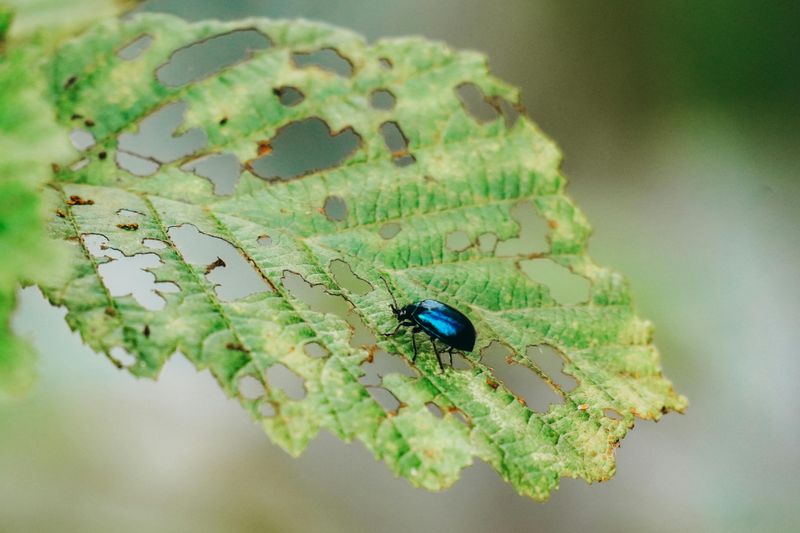
If your leaves look like someone took a hole punch to them, Japanese beetles have probably already found your garden.
They eat the soft tissue between the leaf veins but leave the veins intact, creating a lacy, see-through pattern that gardeners call skeletonizing.
Hold a damaged leaf up to the light and the effect is unmistakable.
On flowers, the signs are a bit different.
Beetles tend to chew directly into blooms, leaving ragged, brown-edged petals and hollowed-out flower centers.
Keep an eye on your rose buds too.
If they fail to open properly or the tips are turning brown, beetles have likely been feeding overnight when you were not watching.
Fruit trees may show clusters of beetles on the outer canopy, along with leaves that appear wilted or papery even when the soil is moist.
If you notice fruit dropping prematurely or looking damaged, beetles could be part of the problem.
Combining visual leaf checks with a look at overall plant health gives you a fuller picture.
The tricky part is that early damage can look like drought stress or fungal issues, so always flip the leaf over and look for the beetles themselves.
Finding the bug confirms the problem and tells you exactly what comes next.
Immediate Steps To Take When You Find Them
Finding Japanese beetles on your plants is alarming, but the first move is surprisingly simple and surprisingly effective.
Fill a bucket with warm water and a few drops of dish soap, then hold it under the affected plant and shake the stems firmly.
Hand-picking is one of the most efficient methods available, especially for smaller gardens or potted plants.
The trick is timing.
Beetles are sluggish in the morning, so get out there before 9 a.m. with a bucket of soapy water and they will fall right in instead of flying away.
Wear gloves if you prefer, but the beetles are completely harmless to handle.
Drop them directly into your soapy bucket, which traps and ends them without any chemicals involved.
After removing adults, keep checking nearby leaves and blooms for more beetles.
Trim off any heavily damaged leaves and blooms to reduce the feeding signals that attract more beetles to the same spot.
A clean plant is a less tempting target.
Avoid using beetle traps near your garden, because research has shown they attract far more beetles than they catch, essentially turning your yard into a beetle magnet.
Place any traps at least 30 feet away from your most valuable plants if you choose to use them.
Act fast, stay consistent, and you will keep the population manageable.
Natural And Chemical Control Methods That Work
When hand-picking is not enough, there are several proven options worth having in your toolkit.
Neem oil is one of the most trusted natural choices, sprayed directly on plants.
It disrupts the beetles’ feeding behavior and deters them from laying eggs in nearby soil.
Reapply every five to seven days and always spray in the early morning or evening to avoid harming pollinators.
Beneficial nematodes are another powerful natural tool that targets the grub stage before it ever becomes an adult beetle.
These microscopic organisms are mixed with water and applied to your lawn and garden beds in late summer or early fall.
That is when grubs are young and still close to the soil surface, which makes them much easier to target.
Reducing the grub population now means fewer adult beetles emerging next June.
For heavier infestations, pyrethrin-based insecticides are worth considering.
They offer fast knockdown and are derived from chrysanthemum flowers, making them a more natural chemical option.
Always follow label directions carefully and avoid spraying open blooms where bees are actively foraging.
Rotate between products to prevent the beetles from developing resistance over time.
Spotting Japanese beetles early makes all the difference.
Responding with the right combination of methods is what separates a thriving summer yard from a frustrating one.
No single approach works perfectly on its own, but layering your strategies builds real protection.
Layering your strategies is what gives your garden real, lasting protection.