Do These Things With Texas Salvia And It Blooms Right Through The Worst Heat
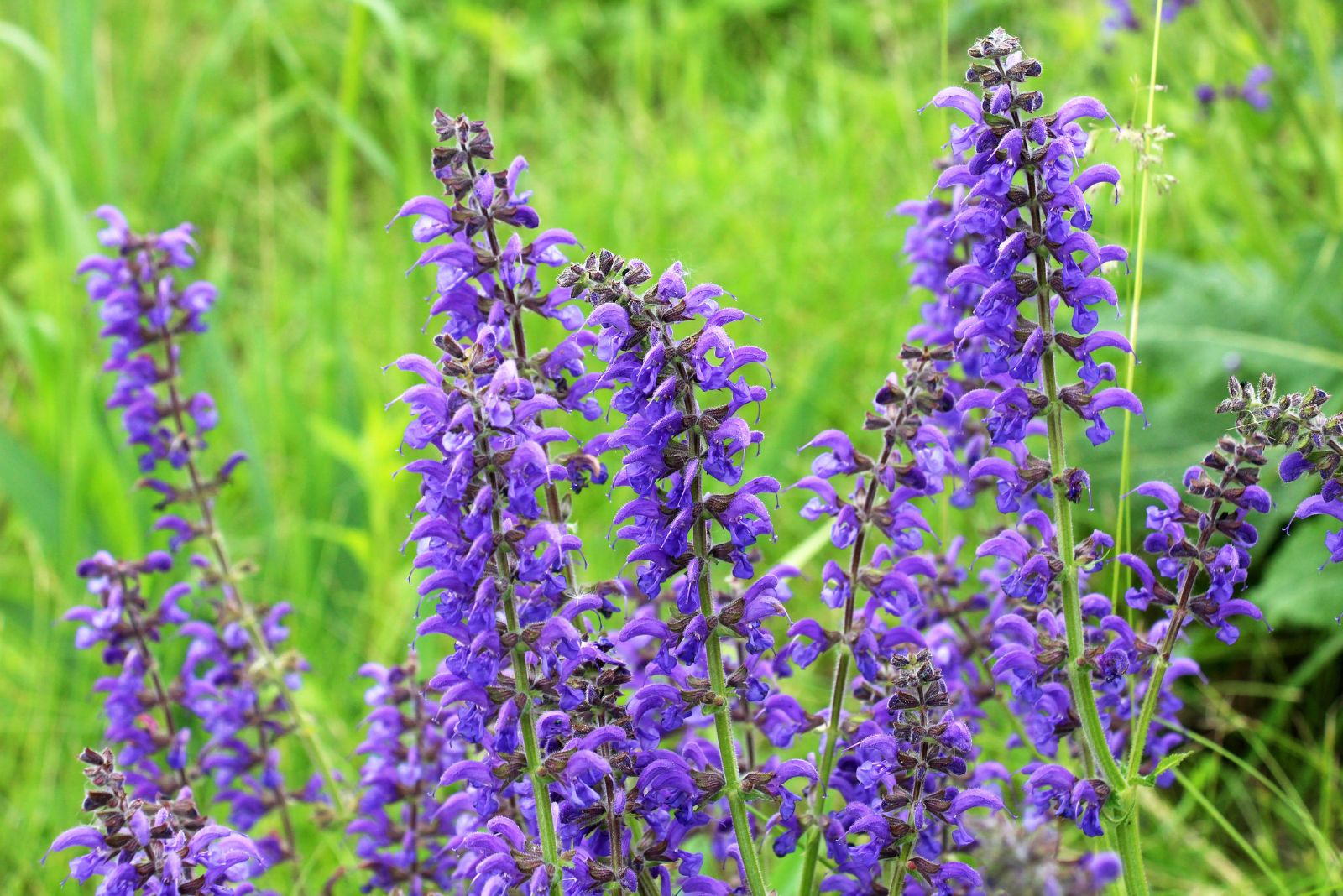
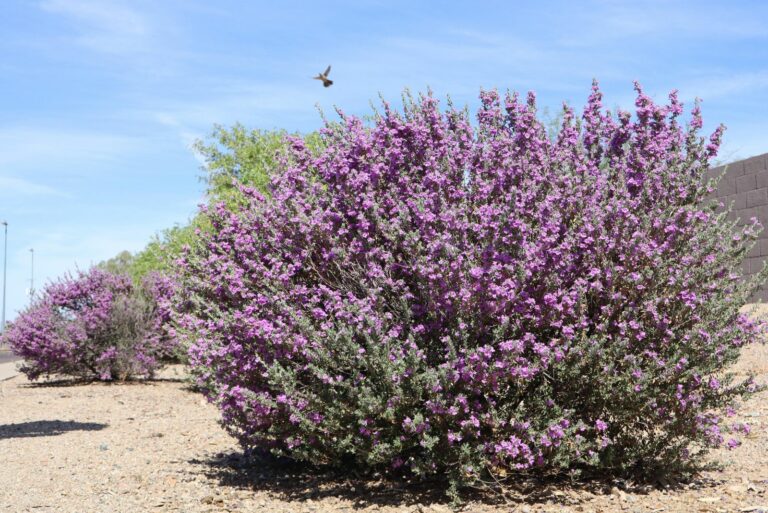
Texas summers are not kind to most flowering plants, but salvia is built for exactly the kind of relentless heat this state delivers. The catch is that built for heat and blooms through heat are not always the same thing.
A lot of Texas gardeners end up with salvia that looks strong in May, fades out by July, and never quite gets back to where it started. The plant is not failing because of the heat.
It is usually failing because of a few specific care habits that cut the bloom cycle short before it has a chance to keep going.
Small adjustments to how you prune, how often you water, and when you fertilize can completely change what your salvia does through the hottest stretch of summer.
Get these details right and you end up with a plant that keeps pushing color when almost everything else in the garden has given up for the season.
1. Plant It In Full Sun
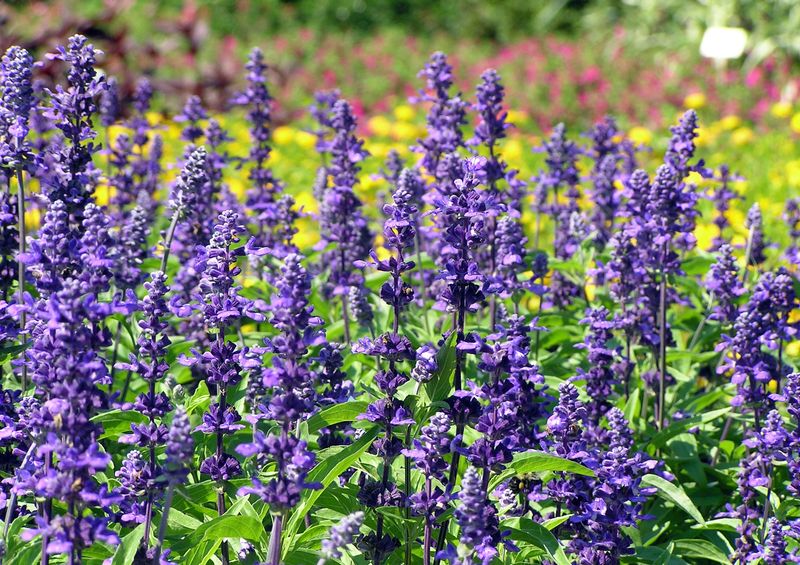
Sunlight is basically fuel for Texas salvia, and it runs best on a full tank. Most gardeners think partial shade will protect their plants during summer, but the opposite is actually true.
Texas salvia was built by nature to soak up the sun, and shading it out causes weak stems and far fewer blooms.
Aim for a planting spot that gets at least six to eight hours of direct sunlight every single day. South-facing or west-facing garden beds are usually perfect for this.
The more sun your salvia gets, the more energy it has to push out those stunning flower spikes you planted it for.
Think of it like a solar panel. The more exposure it gets, the more power it stores, and that power goes straight into blooming.
Plants grown in shadier spots tend to stretch and flop over because they are reaching toward the light instead of growing straight and strong.
If you are planting in a new spot, take a few days to watch where the sun falls in your yard throughout the day. Mark the areas that stay bright from morning until late afternoon.
Those are your prime salvia zones, and once you plant there, you will notice the difference almost immediately.
Full sun also helps the soil dry out at the right pace between waterings. Texas salvia does not like sitting in soggy ground, and good sun exposure keeps moisture levels balanced.
Get the sun right first, and everything else about growing this plant becomes a whole lot easier.
2. Water Deeply But Infrequently
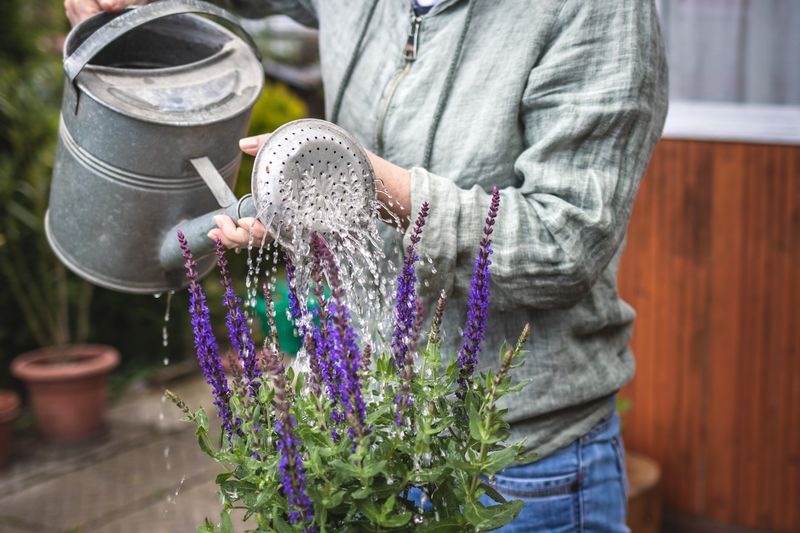
Here is something a lot of new gardeners get completely backwards with Texas salvia: watering a little bit every day actually makes the plant weaker.
Shallow, frequent watering trains roots to stay close to the surface where the soil dries out fastest. That leaves your plant totally exposed when a real heat wave rolls in.
Deep, infrequent watering is the move. When you water slowly and thoroughly, moisture soaks down six to ten inches into the soil.
Your Texas Garden Changes Every Week. Your Plan Should Too.
Gardening in Texas changes quickly throughout the season. Every Friday you’ll receive a simple weekly plan showing exactly what to plant, prune, fertilize, harvest, and protect so you never miss the right timing.
Roots follow that moisture downward, anchoring your plant much deeper where the ground stays cooler and holds water longer during extreme heat.
A good rule of thumb is to water once a week during moderate heat and every five days when temperatures are at their worst. Let the top two inches of soil dry out completely before you water again.
Stick your finger in the ground near the base of the plant to check before reaching for the hose.
Early morning is the best time to water. The soil absorbs moisture before the afternoon heat can evaporate it, and the leaves stay dry, which helps prevent fungal problems.
Evening watering leaves foliage damp overnight, which invites issues you really do not want to deal with in summer.
Drip irrigation is a fantastic investment if you grow multiple salvias. It delivers water right to the root zone without splashing leaves or wasting water through evaporation.
Even a simple soaker hose laid around the base of your plants makes a noticeable difference in how well they hold up when temperatures refuse to drop.
3. Trim Spent Flower Spikes Regularly
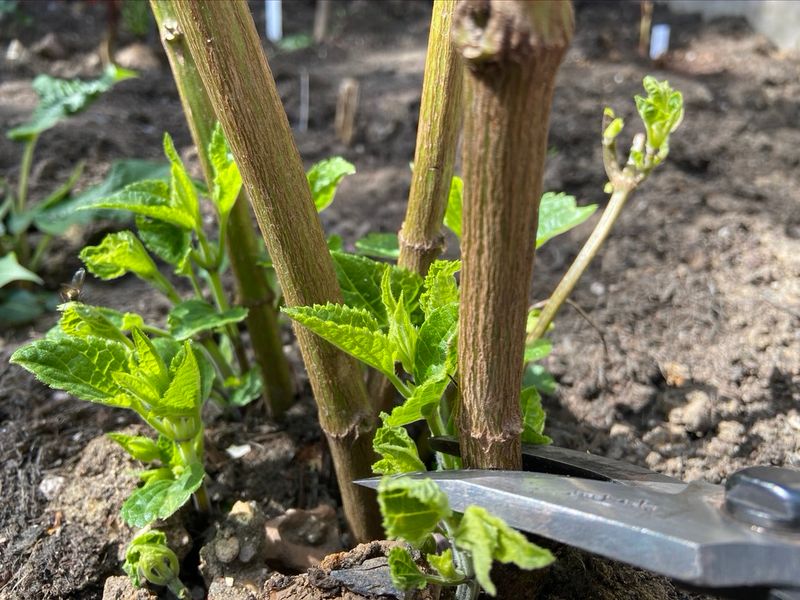
Spent flower spikes are basically a signal your salvia sends out saying it is finished with that round of blooming.
If you leave them on the plant, it shifts its energy toward making seeds instead of pushing out fresh new flowers. That means fewer blooms for you and a tired-looking plant by midsummer.
Deadheading, which is the practice of removing those faded flower spikes, tricks the plant into thinking it has not finished its job yet. So it keeps going, producing wave after wave of fresh blooms all season long.
It sounds almost too simple, but this one habit genuinely transforms how long and how heavily a Texas salvia blooms.
Grab a clean pair of garden scissors or hand pruners and snip the spent spike back to just above the nearest set of healthy leaves. Do not leave long, bare stubs sticking up.
Cut back to a point where you can see fresh green growth, and new flower buds will appear from that spot within a week or two.
Try to deadhead every seven to ten days during peak blooming season. A quick walk through the garden with your pruners in hand becomes almost meditative once you get into the routine.
It only takes a few minutes, and the reward is a plant that looks lush and full instead of ragged and worn out.
During especially brutal heat stretches, you can cut the whole plant back by about one-third. This gives it a chance to recover and then come back even stronger once temperatures ease slightly.
Salvias are remarkably resilient and bounce back faster than most flowering plants after a good trim.
4. Avoid Heavy Fertilizing
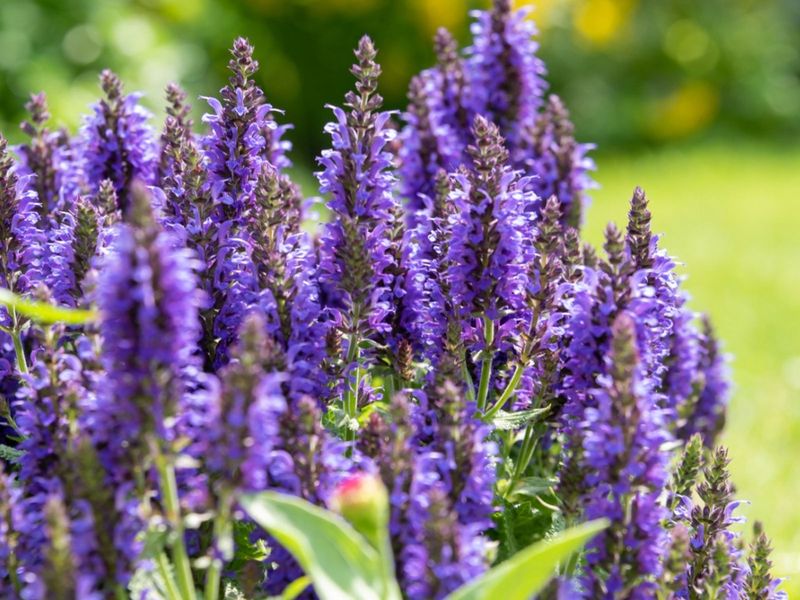
Fertilizer feels like a gift you give your plants, but with Texas salvia, too much of a good thing backfires quickly. Dump a heavy dose of nitrogen-rich fertilizer on your salvia, and you will get a big, leafy, beautiful green plant with almost no flowers.
Nitrogen pushes leafy growth, and that is the last thing you want when you are chasing blooms through a Texas summer.
Texas salvia actually prefers lean soil. It evolved in rocky, nutrient-poor landscapes where it had to work hard to survive.
Rich, heavily amended soil confuses the plant and shifts its energy away from flowering. Keeping the soil a little on the hungry side encourages it to do what it does naturally: bloom like crazy.
If you feel like your plant needs a boost, reach for a low-nitrogen, bloom-boosting fertilizer with a higher middle number on the label, like a 5-10-5 or similar formula.
Apply it lightly in early spring before blooming starts, and then step back and let the plant do its thing. One light feeding is usually all it needs for the whole season.
Compost is a much gentler option than synthetic fertilizers. A thin layer of finished compost worked lightly into the soil around the base of the plant gives it a slow, steady trickle of nutrients without the risk of overfeeding.
It also improves soil structure, which helps with drainage during heavy summer rains. Watch your plant closely after any feeding. If you notice lots of new leaf growth but fewer flowers appearing, ease back on feeding entirely.
Healthy Texas salvias in the right spot rarely need much fertilizer at all to put on a spectacular show.
5. Improve Airflow Around Plants
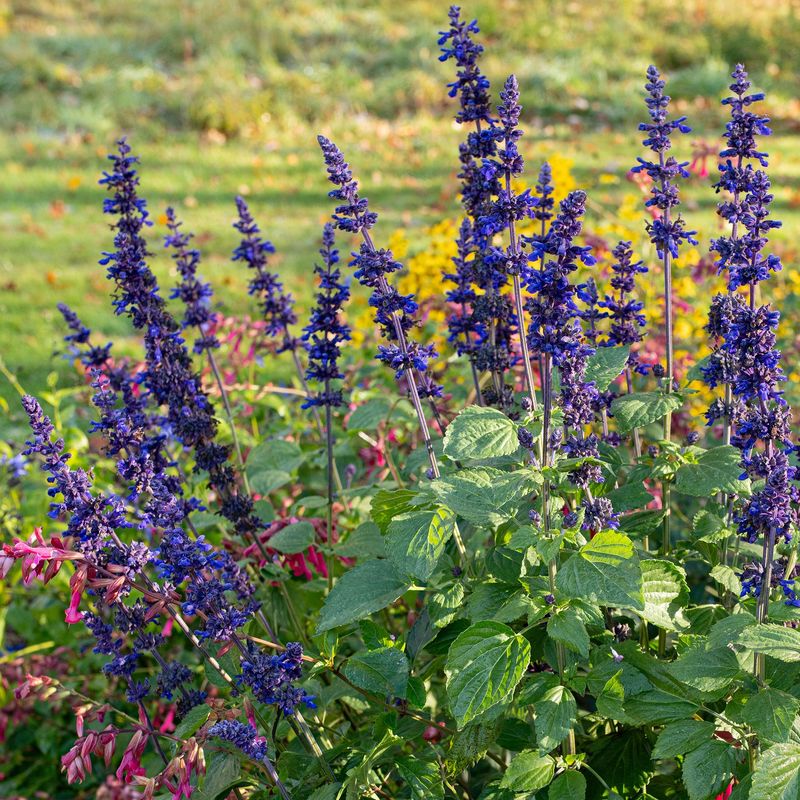
Crowded plants are struggling plants. When Texas salvias are planted too close together, or when other plants press in on them from all sides, the air between them gets stagnant and humid.
That kind of environment is a welcome mat for powdery mildew and other fungal problems that can slow blooming and stress the plant during hot, muggy weather.
Good airflow is like a natural defense system. When a gentle breeze can move through and around your salvias, leaves dry quickly after rain or irrigation, and fungal spores have a much harder time settling in and causing damage.
Spacing plants properly from the start saves you a lot of headaches later in the season. Most Texas salvia varieties do best when planted about 18 to 24 inches apart, depending on the mature size of the specific type you are growing.
Check the plant tag when you buy it, or look it up online to confirm the recommended spacing. Giving each plant its own breathing room pays off big time by late summer.
Pruning neighboring plants that crowd in on your salvia also helps. Sometimes a nearby shrub or perennial spreads out more than expected and starts blocking airflow.
A quick trim of those neighboring plants opens things back up without requiring you to move your salvia to a new spot.
Raised beds naturally improve airflow compared to ground-level planting. The elevated position lets breezes pass underneath and around plants more freely.
If you are dealing with a particularly humid microclimate in your yard, a raised bed might be the smartest way to set your Texas salvia up for a long, healthy blooming season.
6. Mulch Around The Base Before Summer Peaks
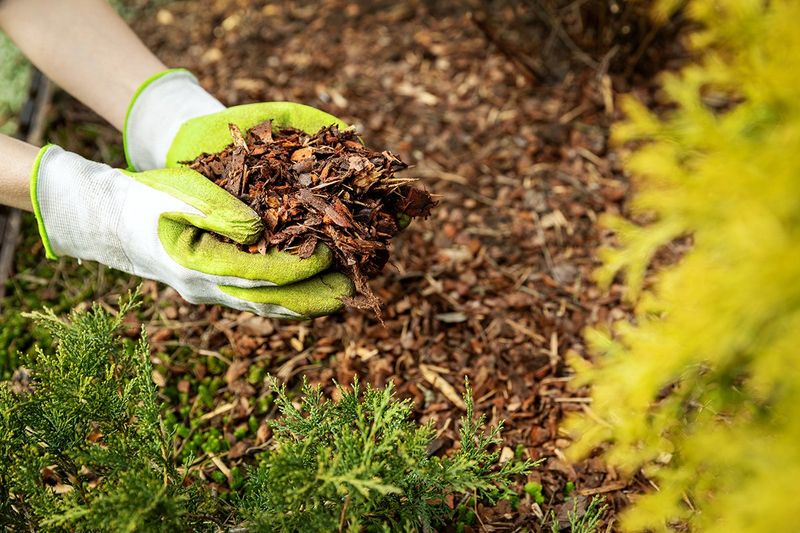
Before the worst of summer arrives, one of the smartest things you can do for your Texas salvia is lay down a good layer of mulch around its base. Mulch acts like a blanket for the soil, keeping the ground cooler than it would be if left bare and exposed to direct sun.
Cooler soil means happier roots, and happy roots mean a plant that keeps on blooming even when the thermometer climbs into triple digits.
Aim for a mulch layer about two to three inches thick. Wood chips, shredded bark, or even straw all work well.
Spread it out in a ring around the plant, keeping the mulch a few inches away from the main stem to avoid trapping excess moisture right against the base, which can cause rot over time.
Mulch also does something really valuable during summer storms. When heavy rain hits bare soil, it can compact the ground and splash dirt up onto leaves, which stresses the plant.
A layer of mulch absorbs that impact, keeps the soil loose and well-draining, and reduces the mess that comes with summer thunderstorms in Texas.
Another bonus is weed suppression. Weeds compete with your salvia for water and nutrients, and during a brutal heat wave, your plant needs every drop it can get.
A thick mulch layer blocks most weed seeds from germinating, cutting down on the time you spend pulling weeds and giving your salvia more resources to put toward blooming.
Refresh your mulch layer midway through summer if it starts to thin out or decompose. Keeping it at a consistent depth all season long gives your salvia the steady, stable root environment it needs to bloom beautifully from June straight through October.