Stop Planting Dwarf Yaupon Holly In Texas (Plant These Natives Instead)
What if the plant showing up in nearly every Texas landscape project is actually one of the least interesting choices you could make? Dwarf yaupon holly is everywhere, and at this point it has become less of a design decision and more of a default.
It is not a bad plant, but it has been so overused across Texas commercial and residential landscapes that it has started to blend into the background completely.
Meanwhile, there are native Texas plants with better texture, more seasonal interest, stronger wildlife value, and just as much toughness that almost never make it into a shopping cart.
The variety and visual range available in Texas natives goes far beyond what most people realize, and a lot of these plants thrive in the exact same conditions dwarf yaupon is typically used for.
If your landscaping has been running on autopilot with the same shrubs everyone else is planting, it might be time to rethink what is actually going in the ground.
1. Texas Sedge
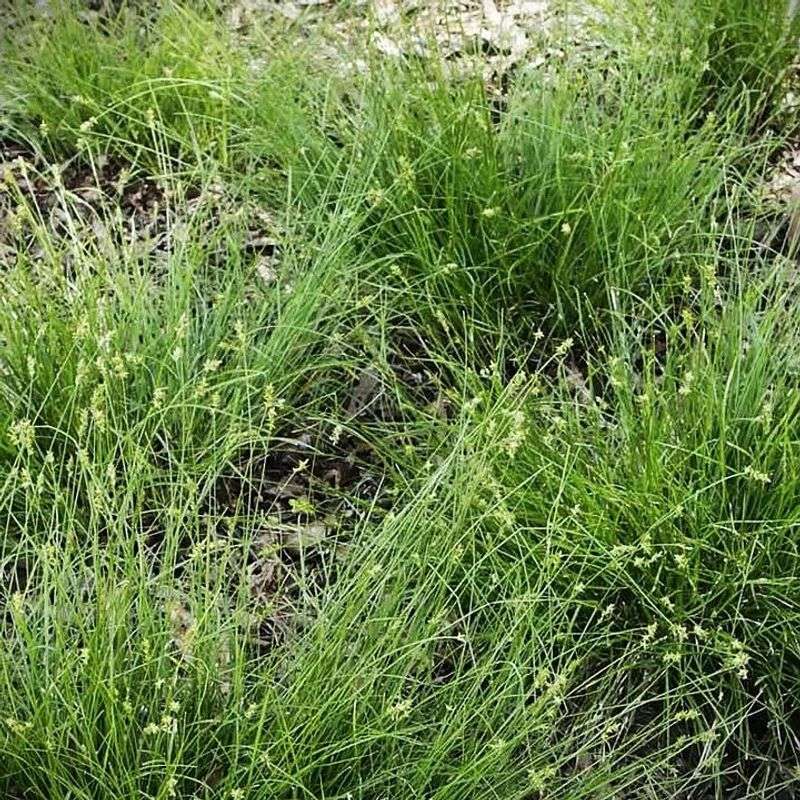
Not every great border plant has to be a shrub. Texas sedge (Carex texensis) is a fine-textured, low-growing grass that creates a lush, natural-looking edge without the rigid, manicured look of dwarf yaupon holly.
It stays low to the ground and forms soft, arching clumps that feel right at home in a relaxed Texas landscape.
One of the biggest perks of Texas sedge is how little attention it needs once it gets established. You do not need to trim it constantly to keep it looking good.
It naturally stays compact, usually reaching only about six to twelve inches tall, which makes it a perfect fit for borders, walkways, and garden edges where you want a tidy but effortless look.
Texas sedge handles shade better than most ground covers, making it a solid pick for spots under trees where other plants struggle. It also tolerates moderate foot traffic and adapts to a range of soil types.
It is even deer resistant, which is a huge bonus if you live in an area where deer wander through your yard regularly.
Planting Texas sedge is pretty straightforward. Space plants about twelve inches apart and water them regularly until they establish roots.
After that, rainfall usually keeps them happy. They stay green through mild winters and bounce back quickly after cold snaps.
If you want a border plant that looks soft, natural, and completely at home in a Texas garden, Texas sedge is a fantastic starting point.
2. Inland Sea Oats
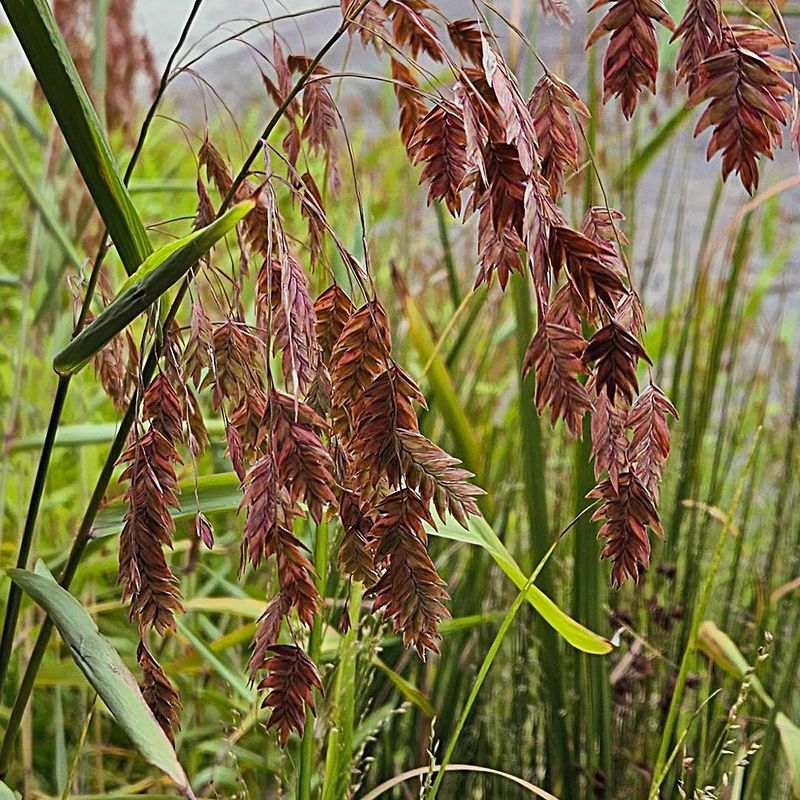
There is something almost poetic about the way inland sea oats move in a breeze. The broad, bamboo-like leaves and dangling seed clusters sway gently even in the lightest wind, giving your garden a sense of life and movement that no boxwood or yaupon holly can match.
This native grass (Chasmanthium latifolium) is one of the most beautiful and underused plants in Texas landscaping.
Inland sea oats absolutely love shade. If you have a dark corner under a live oak or a shaded patio area where nothing seems to grow well, this plant is your answer.
Your Texas Garden Changes Every Week. Your Plan Should Too.
Gardening in Texas changes quickly throughout the season. Every Friday you’ll receive a simple weekly plan showing exactly what to plant, prune, fertilize, harvest, and protect so you never miss the right timing.
It thrives in low-light conditions and moist soil, though it can also handle short dry spells once it settles in. It grows two to four feet tall, giving your landscape some real vertical interest without taking over the space.
One fun detail about this plant is that its seed heads start out green in summer and gradually shift to a warm bronze or copper color by fall. That seasonal color change keeps your garden looking interesting well into the cooler months.
Birds also love the seeds, so planting inland sea oats is like putting out a natural bird feeder. Maintenance is minimal. Cut the stems back to a few inches in late winter before new growth pushes through in spring.
It spreads slowly by seed, so you may find small new clumps popping up nearby over time. That natural spreading habit makes it easy to fill in larger shaded areas without buying extra plants.
3. Autumn Sage
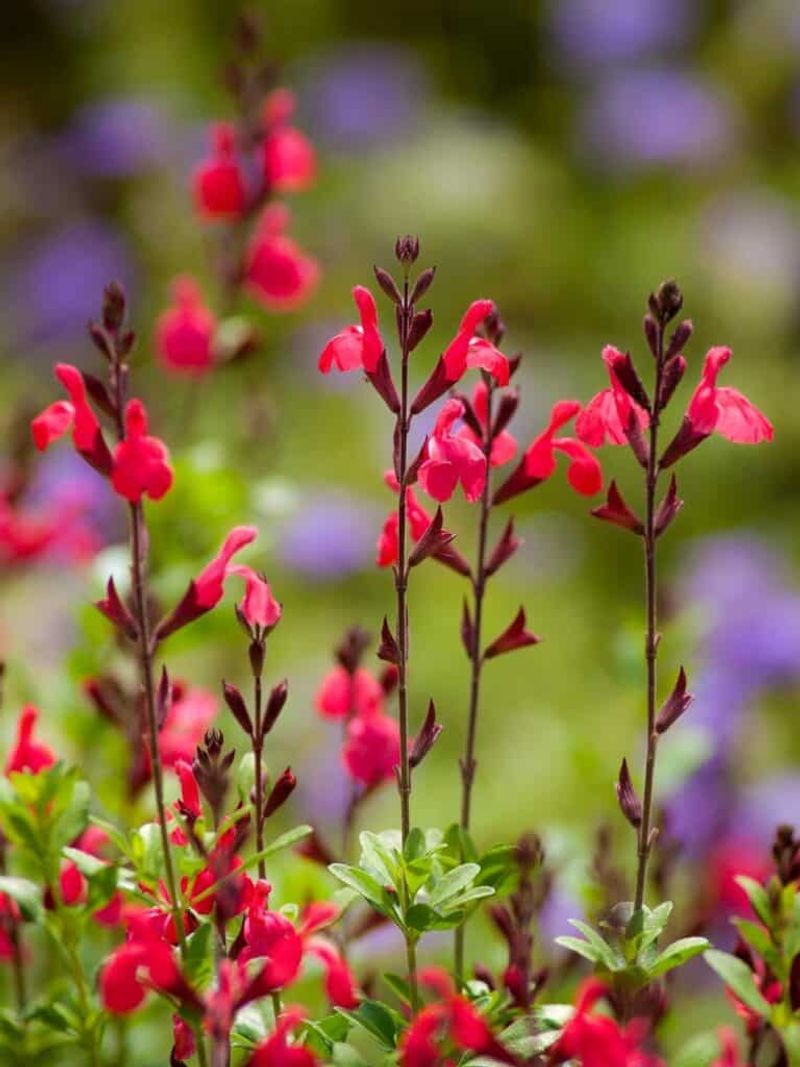
Few native plants in Texas put on a show quite like autumn sage (Salvia greggii). This compact, shrubby perennial bursts into bloom in early spring and keeps on going through fall, producing clusters of small tubular flowers in shades of red, pink, coral, and white.
If you want color in your yard for months at a time, autumn sage delivers without complaint.
Hummingbirds go absolutely wild for this plant. The tubular flowers are perfectly shaped for hummingbird beaks, and you will also notice butterflies and bees visiting regularly.
Planting autumn sage is one of the easiest ways to turn your yard into a mini wildlife habitat. It grows about two to three feet tall and wide, making it a great size for borders, foundation plantings, and mass plantings along fences.
Heat and drought are no problem for autumn sage. It is native to the rocky hillsides of Central Texas and northern Mexico, so it is built for tough conditions.
Plant it in full sun and well-drained soil, and it will reward you season after season. Avoid heavy clay soils or areas that stay wet, since it prefers to dry out a bit between waterings.
Pruning is simple. Cut it back by about one-third after each major bloom cycle to encourage fresh growth and more flowers.
In colder parts of Texas, it may die back to the ground in winter but returns reliably in spring. For reliable, low-maintenance color that wildlife loves, autumn sage is hard to beat in any Texas garden.
4. Coralberry
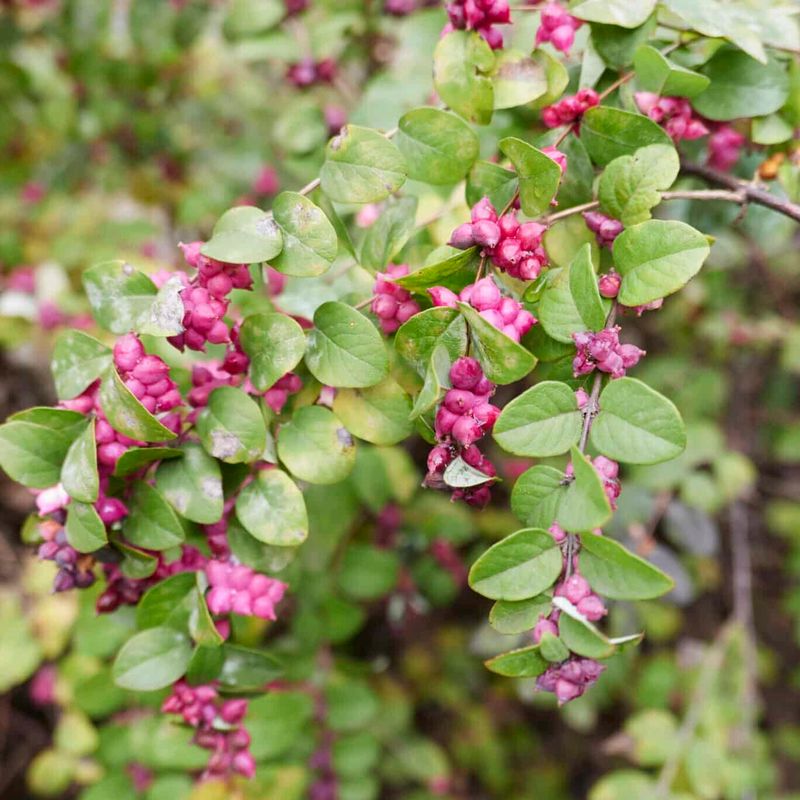
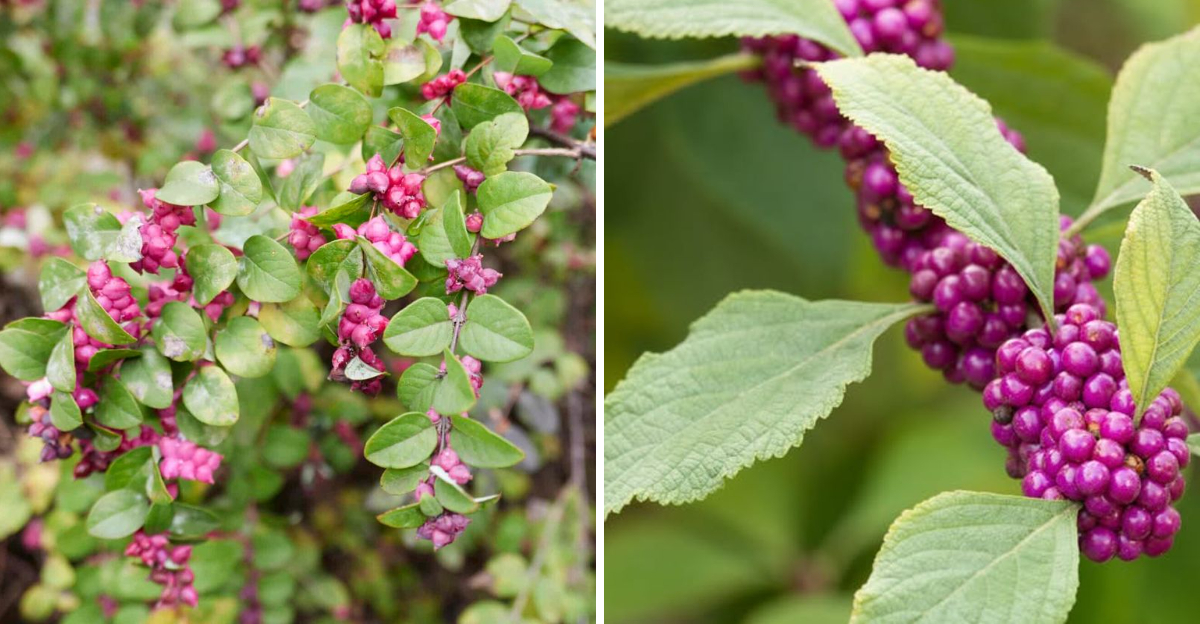
Walk through almost any Texas woodland in late fall and you might spot coralberry (Symphoricarpos orbiculatus) tucked along the edges, its arching branches heavy with clusters of tiny, bright pinkish-red berries.
It is one of those plants that most people walk past without knowing its name, but once you learn it, you will want it in your own yard right away.
Coralberry is a native shrub that grows three to five feet tall and spreads gradually by underground stems to form a dense thicket.
That spreading habit makes it a great choice for erosion control on slopes or for filling in large areas where you want natural coverage without replanting every year.
The dense growth also creates excellent habitat for birds and small wildlife looking for shelter and food.
The berries appear in late summer and hang on through winter, giving your landscape seasonal interest long after most other plants have faded. Birds love them, especially mockingbirds and robins.
The small pink flowers that appear in summer are also a hit with native bees, so coralberry earns its keep across multiple seasons.
Growing coralberry is refreshingly uncomplicated. It handles shade, partial sun, and even full sun, adapting to a wide range of light conditions.
It tolerates poor soils, clay, and dry spells once established. You do not need to fertilize it or fuss over it much at all.
Just give it room to spread and it will reward you with beautiful berries and wildlife action year after year.
5. Turk’s Cap
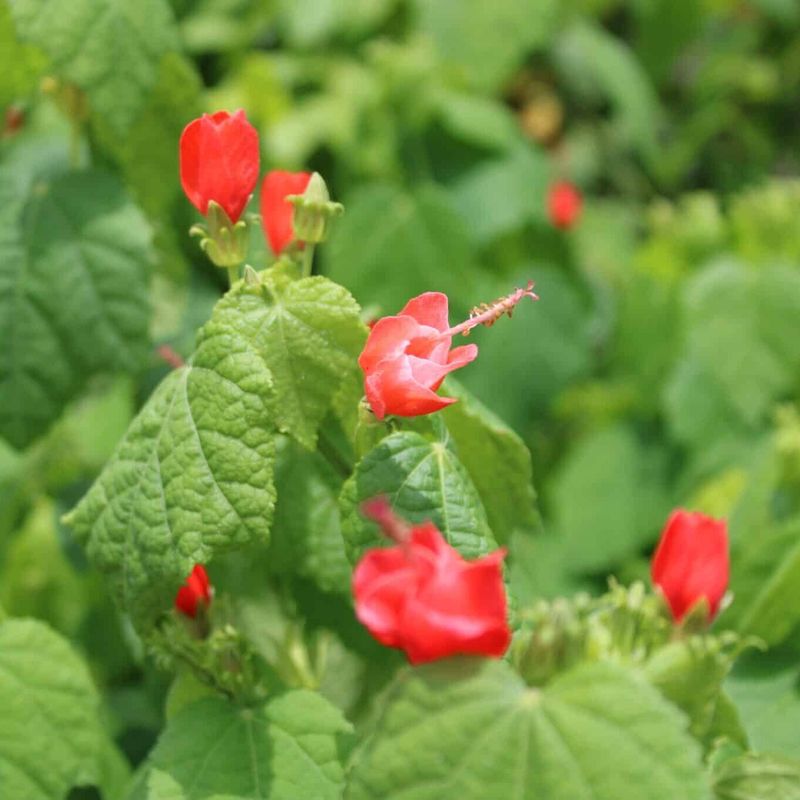
Imagine a plant that laughs at Texas summers. Turk’s cap (Malvaviscus arboreus var. drummondii) does exactly that.
While other plants wilt and struggle in the brutal heat, Turk’s cap keeps on blooming, producing its distinctive twisted red flowers from late spring all the way through fall.
Those unique blooms never fully open, staying rolled into a turban-like shape that gives the plant its memorable name.
Hummingbirds treat Turk’s cap like a favorite restaurant. They return to it again and again throughout the season, and butterflies and bees are frequent visitors too.
Beyond pollinators, the small red fruits that follow the flowers are eaten by mockingbirds, cardinals, and other wildlife. Planting Turk’s cap is essentially an open invitation for your yard to become a local wildlife hotspot.
One of the best things about this plant is its love of shade. Most flowering plants need full sun to bloom well, but Turk’s cap produces its best blooms in partial to full shade.
That makes it incredibly valuable for shaded spots under trees or on the north side of buildings where color is hard to come by. It grows three to nine feet tall depending on conditions, so it can fill in a large area quickly.
Cut it back hard in late winter to keep it tidy and encourage vigorous new growth. It may freeze back in colder parts of Texas, but the roots survive and send up fresh stems in spring.
Once established, it needs almost no supplemental water, making it one of the toughest and most rewarding natives you can grow in Texas.
6. American Beautyberry
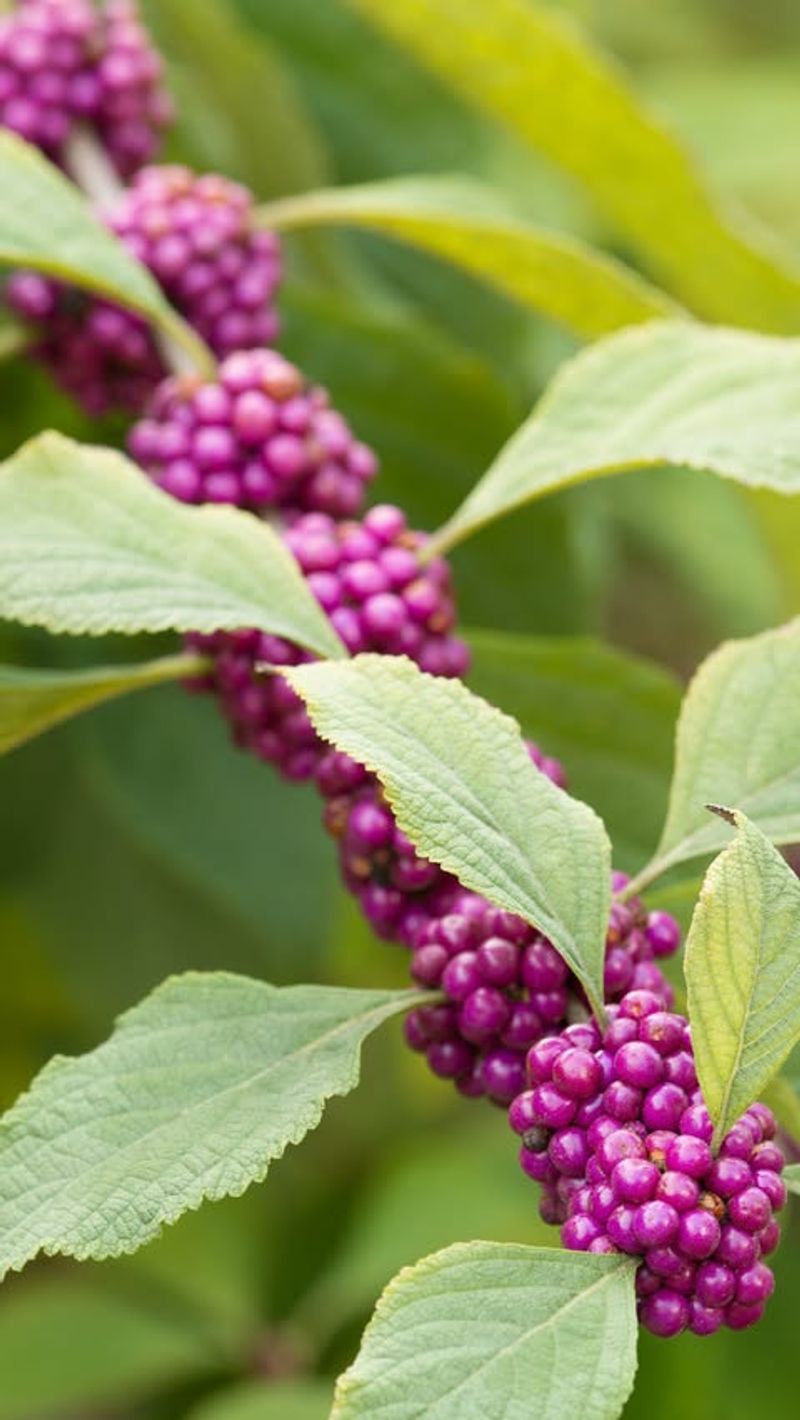
When late summer rolls around and most of the garden is looking a little tired, American beautyberry (Callicarpa americana) absolutely steals the show.
The clusters of electric purple berries that line every stem are so vivid and unexpected that people often stop and ask what on earth that plant is.
It is one of the most visually striking native shrubs in all of Texas, and it is surprisingly easy to grow.
The berries are not just pretty. They are a critical food source for over forty species of birds, including mockingbirds, catbirds, robins, and cedar waxwings.
Deer, raccoons, and foxes also eat the berries, so if you enjoy watching wildlife in your yard, American beautyberry will bring them in reliably every fall. The lush, large leaves also provide excellent cover for birds and insects throughout the growing season.
American beautyberry grows best in partial shade but can handle full sun with adequate moisture. It reaches four to eight feet tall and wide, so give it some room.
The arching habit looks most natural when you allow it to grow without heavy pruning. That said, cutting it back to about twelve inches in late winter encourages strong new growth and a fuller, more floriferous shrub each year.
It adapts well to a range of Texas soils, including clay and sandy loam. Once established, it handles dry spells with ease.
The white flowers in summer are small but attract pollinators before the berries develop. For sheer visual impact and wildlife value, few native plants can rival American beautyberry in a Texas landscape.
7. Woolly Stemodia
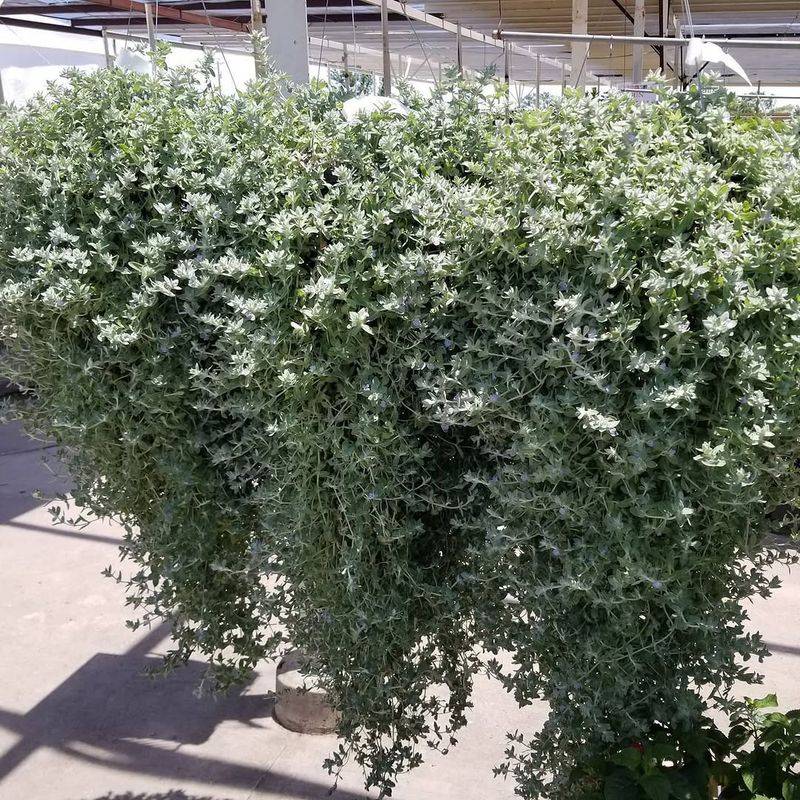
Here is a plant that most Texas gardeners have never heard of, but probably should be growing. Woolly stemodia (Stemodia lanata) is a low-growing, spreading native with silvery, fuzzy leaves that hug the ground and spread outward to create a dense, soft carpet.
In a landscape, it looks almost like a living mulch, filling gaps between larger plants and suppressing weeds naturally.
The silver color of the foliage is what really makes this plant stand out. It pairs beautifully with green plants, creating contrast and visual interest without needing flowers to do the heavy lifting.
Small purple flowers do appear throughout the growing season, which adds a subtle but charming detail. The woolly texture of the leaves comes from tiny hairs that help the plant reflect heat and reduce water loss, which is exactly what you need in a hot Texas summer.
Full sun and excellent drainage are the two things woolly stemodia needs to perform its best. It is not a fan of sitting in wet soil, so raised beds, rocky slopes, and sandy garden areas are ideal spots.
Once established, it is remarkably drought tolerant and rarely needs supplemental watering during normal Texas weather patterns.
It stays low, usually only about six to twelve inches tall, making it a natural fit for edging pathways, filling cracks between stepping stones, or anchoring the front of a border planting. Minimal pruning is needed.
Just tidy it up occasionally if it starts spreading beyond where you want it. For a tough, heat-loving ground cover with great visual texture, woolly stemodia is a hidden gem worth planting.