The Most Underrated North Carolina Perennial That Blooms From Spring Through Fall In Clay Soil

Clay soil has earned its difficult reputation in North Carolina gardens. It compacts under foot traffic, drains poorly after heavy rain, bakes hard through summer, and turns cold and slippery once winter arrives.
Many plants simply refuse to cooperate with it no matter how much time you spend amending the bed before planting. Clay does have one thing going for it, though.
It holds nutrients and moisture in ways that sandy soil never will. The right plant does not just survive in it.
It actually thrives. There is one perennial in particular that blooms from spring through fall in clay without any special treatment, and most gardeners have never given it a real chance.
The ones who do tend to plant it everywhere before the first season is even finished.
1. Why Black Eyed Susan Is North Carolina’s Most Underrated Perennial

Some flowers demand constant attention, fussy soil, and perfect conditions just to survive. Black Eyed Susan asks for almost none of that.
Rudbeckia fulgida is a native perennial that has been quietly thriving across North Carolina landscapes for generations, yet most gardeners still overlook it in favor of showier imports that struggle the moment summer heat arrives.
What makes this plant so special is its remarkable ability to handle real-world conditions. North Carolina summers are no joke.
Temperatures climb, humidity suffocates, and clay soil bakes hard in some spots while staying soggy in others. Most delicate cottage garden flowers fold under that kind of pressure, but Black Eyed Susan just keeps blooming through all of it.
Rudbeckia fulgida grows naturally along roadsides, meadows, and woodland edges throughout the Southeast, which means it evolved specifically for conditions like these. That native toughness translates directly into garden performance.
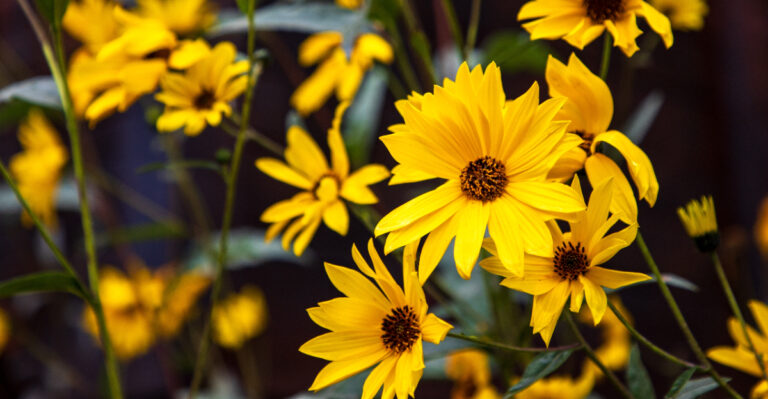
You get bold, cheerful yellow flowers from late spring or early summer stretching all the way into October without spraying, coddling, or constant watering.
For North Carolina gardeners who want long-lasting color without a complicated care routine, this plant delivers more value per square foot than almost anything else you could plant in a sunny border.
2. Black Eyed Susan Thrives In Heavy North Carolina Clay Soil

Clay soil gets a bad reputation in gardening circles, and honestly, it deserves some of that criticism. It compacts easily, drains slowly, and can feel like wet concrete after heavy rain.
Most gardeners assume they need to completely overhaul their soil before planting anything worth growing. Black Eyed Susan flips that assumption on its head.
Rudbeckia fulgida develops a deep, fibrous root system that actually works with clay rather than fighting against it. Those roots spread wide and anchor firmly into denser soil, pulling up moisture and nutrients that shallower-rooted plants never reach.
Once established after the first growing season, these plants rarely need supplemental watering even during dry summer stretches because their roots have already tapped into deeper soil moisture reserves.
That said, there are limits. Permanently waterlogged clay where standing water sits for days after rain can cause root rot over time.
Your North Carolina Garden Changes Every Week. Your Plan Should Too.
Gardening in North Carolina changes quickly throughout the season. Every Friday you’ll receive a simple weekly plan showing exactly what to plant, prune, fertilize, harvest, and protect so you never miss the right timing.
If your yard has a low spot that never fully drains, adding a few inches of compost when planting helps open up the soil structure and improves drainage enough to keep roots healthy.
For most typical North Carolina clay garden beds, though, Black Eyed Susan needs very little soil preparation beyond basic loosening at planting time.
It is genuinely one of the most clay-tolerant flowering perennials available for southeastern gardens.
3. Full Sun Produces The Longest Bloom Season

Sunlight is the single biggest factor controlling how long and how heavily Black Eyed Susan blooms. Give it a spot that receives at least six hours of direct sun daily, and the plant rewards you with flowers from June all the way through October.
Pull it into partial shade, and the bloom season shortens noticeably while stems grow taller and floppier reaching for light.
Full sun does more than just trigger more flowers. It also helps the plant maintain a compact, sturdy shape.
In strong light, stems stay upright and bushy rather than stretching awkwardly. That matters a lot in a border planting where you want the garden to look tidy and full rather than leaning and sparse.
Stronger stems also hold up better during summer thunderstorms, which roll through North Carolina with impressive regularity.
Gardeners sometimes worry that full sun combined with North Carolina’s intense summer heat will stress the plant. The opposite tends to be true.
Rudbeckia fulgida evolved in open meadows and sunny roadsides where summer heat is intense and relentless. That exposure actually encourages more flower bud development rather than slowing it down.
Planting along south or west-facing borders where sunlight is strongest often produces the most spectacular displays. If your yard has a hot, bright spot where other flowers struggle, Black Eyed Susan is almost certainly the right plant for that location.
4. Clay Soil Helps Hold Moisture During Summer Heat

Here is something most gardeners never consider: clay soil is not always the enemy. During North Carolina’s long, dry summer stretches, clay’s moisture-holding ability actually becomes a genuine advantage for plants like Black Eyed Susan.
While sandy soil loses water within hours of rainfall or irrigation, clay soil holds onto that moisture for days, giving plant roots consistent access to water even when the surface looks completely dry.
Rudbeckia fulgida takes full advantage of this natural reservoir effect. Its deep root system draws steadily from moisture stored in the clay layers below, maintaining healthy growth and continuous flowering without relying on frequent watering from the gardener.
This is especially valuable during July and August when North Carolina heat is at its most intense and drought periods can stretch for weeks at a time.
The key is choosing planting locations wisely. Areas where clay stays consistently moist but never saturated are ideal.
Gentle slopes or slightly raised beds in heavy clay work particularly well because excess water drains away after rain while enough moisture stays behind to support steady plant growth.
Avoid low-lying areas that collect standing water after storms, as prolonged saturation can weaken roots over time.
In the right spot, clay soil and Black Eyed Susan form a surprisingly effective partnership that keeps the garden looking lush and colorful right through the hottest months of the year.
5. Pollinators Depend On It Throughout Summer

Walk past a patch of Black Eyed Susan on a warm summer morning and you will almost always hear it before you see it. The gentle buzzing of bees moving from flower to flower is practically constant from the moment the first blooms open.
Rudbeckia fulgida is one of the most reliably visited pollinator plants in the entire southeastern United States, and for good reason.
The flower structure is perfectly designed for pollinator access. The wide, flat face of each bloom gives bees, butterflies, and beetles a stable landing platform.
The dense central cone holds abundant pollen and nectar, making each visit worthwhile for visiting insects. Eastern tiger swallowtails, painted ladies, skippers, and multiple native bee species all show up regularly throughout the blooming season.
What makes this especially valuable in a North Carolina garden is the timing. Many spring flowers fade by July just as summer heat intensifies.
Black Eyed Susan hits its peak bloom right during that mid-summer gap when pollinators are actively foraging but many garden flowers have already finished.
Adding several clumps of Rudbeckia fulgida to a sunny border essentially creates a reliable summer fuel station for beneficial insects.
Combine it with other native plants like purple coneflower and native grasses, and you build a pollinator habitat that stays active from spring all the way through the first frosts of autumn.
6. Black Eyed Susan Needs Very Little Care Once Established

Gardening should be enjoyable, not exhausting. One of the best things about Black Eyed Susan is how little it demands once it settles into your garden.
The first growing season requires some attention while roots establish, but after that, this plant largely takes care of itself through North Carolina’s challenging summers and unpredictable weather patterns.
Watering needs drop dramatically after year one. Established plants in clay soil typically need supplemental irrigation only during extended drought periods of two weeks or longer.
Fertilizing is rarely necessary and can actually work against you by pushing excessive leafy growth at the expense of flowers. A light top dressing of compost in early spring is more than enough to keep plants performing well season after season without overfeeding them.
Pests and diseases are seldom a serious concern either. Powdery mildew can occasionally appear on foliage during humid stretches, but it rarely affects flowering or overall plant health significantly.
Choosing a planting spot with good air circulation helps minimize even that minor issue.
Aside from occasional cutting to encourage continued blooming and a simple late-fall or early-spring cleanup of old stems, Black Eyed Susan requires almost no scheduled maintenance.
For busy homeowners, weekend gardeners, or anyone who wants a beautiful yard without dedicating every Saturday morning to plant care, Rudbeckia fulgida is genuinely one of the most rewarding perennials you can add to a North Carolina landscape.
7. Removing Faded Flowers Extends Blooming Even Longer

Most gardeners know that removing spent blooms before they go to seed, can extend the flowering season of many perennials. With Black Eyed Susan, this technique works especially well and can push the bloom season noticeably deeper into fall.
The plant’s natural instinct is to set seed once flowers fade, and once it starts focusing energy on seed production, new flower bud development slows down considerably.
Snipping off faded blooms just below the spent flower head redirects the plant’s energy back into producing new buds. The process does not need to be complicated or time-consuming.
A quick pass through the garden every week or two with a pair of clean hand pruners or even sharp scissors removes enough old blooms to keep the plant flowering continuously.
Focus on stems where flowers have fully browned and petals have dropped rather than cutting back green foliage or healthy stems that still carry buds.
One important note: avoid cutting back too aggressively. Black Eyed Susan produces its best flowers on mature stems, and over-pruning healthy growth can temporarily reduce the number of blooms rather than increasing them.
A light, targeted approach works far better than a heavy cutback. Also, consider leaving a few spent flower heads on the plant in late fall.
The seed-filled cones provide important food for goldfinches and other seed-eating birds during the cooler months, adding one more layer of wildlife value to an already impressive plant.
8. Deer Usually Leave Black Eyed Susan Alone

Deer pressure is a real problem across much of North Carolina, especially in suburban areas bordering woodlands or in rural gardens where deer populations are high.
Watching a carefully planted garden get browsed overnight is genuinely frustrating, and it pushes many gardeners toward planting only the toughest, most unappetizing species available.
Black Eyed Susan earns a solid spot on that list. Rudbeckia fulgida has a slightly rough, hairy texture on its leaves and stems that most deer find unappealing. The foliage also carries a mild, somewhat bitter scent that tends to discourage casual browsing.
While no plant is completely deer-proof under all circumstances, Black Eyed Susan consistently shows up on recommended deer-resistant plant lists from North Carolina Cooperative Extension and native plant organizations throughout the Southeast.
Realistic expectations matter here. During late summer and fall when natural food sources thin out, or during periods of unusually high deer density, even plants deer normally avoid can get sampled out of hunger or curiosity.
If your property experiences extreme deer pressure year-round, pairing Black Eyed Susan with other known deer-resistant plants like salvia, catmint, or native grasses creates a layered planting that is much less attractive to browsing deer overall.
In most typical North Carolina garden situations, though, Rudbeckia fulgida comes through the growing season with its foliage and flowers completely intact, which is more than most gardeners can say about hostas, daylilies, or roses.
9. It Looks Natural In Nearly Every Garden Style

Versatility is one of Black Eyed Susan’s most underappreciated qualities.
While some perennials look perfect in one specific garden style and awkward everywhere else, Rudbeckia fulgida adapts naturally to an impressive range of landscape designs without ever looking out of place.
That flexibility makes it genuinely useful for North Carolina gardeners regardless of their personal style preferences.
In cottage gardens, the bright golden blooms mix beautifully with purple coneflowers, black-and-blue salvia, and ornamental grasses to create that relaxed, abundant look that cottage-style planting is known for.
In formal borders, neat clumps of Black Eyed Susan add a pop of warm color without the messy sprawl that some wildflowers bring.
Native and pollinator garden designs practically require it, since Rudbeckia fulgida is one of the most ecologically valuable flowering plants native to the Southeast.
Along roadsides, fence lines, and naturalized slopes where low-maintenance plantings make the most practical sense, Black Eyed Susan spreads gradually to fill space with cheerful color that needs almost no upkeep once established.
Front yard borders benefit from its long bloom season, keeping curb appeal strong from early summer all the way through fall when many other flowers have already finished for the year.
Whether your garden leans wild and naturalistic or clean and structured, this plant finds a way to look like it belongs there completely.
10. Black Eyed Susan Returns Reliably Year After Year

One of the most satisfying things about planting perennials is watching them return stronger each spring without replanting from scratch. Black Eyed Susan delivers on that promise exceptionally well in North Carolina.
Rudbeckia fulgida is fully cold-hardy through USDA zones 3 to 9, which means North Carolina winters pose essentially no threat to established plants.
Roots go dormant after the first hard frost and come back reliably as temperatures warm in late winter or early spring.
Beyond simply surviving, mature clumps actually grow larger and more impressive over time.
A single plant installed in year one typically develops into a robust multi-stemmed clump by year three or four, producing significantly more flowers than it did when first planted.
This natural expansion means your initial investment in the plant pays off more generously with each passing season rather than declining the way some shorter-lived perennials tend to do.
Spacing plants about 18 to 24 inches apart at planting time gives each clump enough room to expand naturally without crowding neighbors too quickly.
After four or five years, large clumps can be divided in early spring to create additional plants for other garden areas or to share with neighboring gardeners.
Division also reinvigorates older clumps and encourages even more vigorous flowering going forward.
Few perennials available to North Carolina gardeners offer this combination of reliability, longevity, and steadily improving performance, making Black Eyed Susan a genuinely smart long-term investment for any sunny garden bed.