The Meaning Behind Seeing A Hummingbird In Your Ohio Yard This Summer
Most summer visitors to an Ohio yard are easy to explain. Robins looking for worms, cardinals working the feeders, squirrels doing what squirrels do.
A hummingbird feels different. It doesn’t fit neatly into the ordinary rhythm of a backyard afternoon, and a lot of people find that the sighting stays with them long after the bird has gone.
That lingering feeling has a long history behind it. Spiritual traditions stretching back centuries have treated the hummingbird as something more than a remarkable creature.
A messenger. A reminder.
A sign arriving at exactly the right moment. People who’ve just lost someone tend to notice hummingbirds more.
People navigating a hard season often describe a sighting as oddly reassuring. Coincidence or something more?
That’s a personal question. But the symbolism attached to this bird is rich enough that it’s worth understanding before the next one appears outside your window.
1. Hummingbirds Bring A Flash Of Joy To Summer Yards
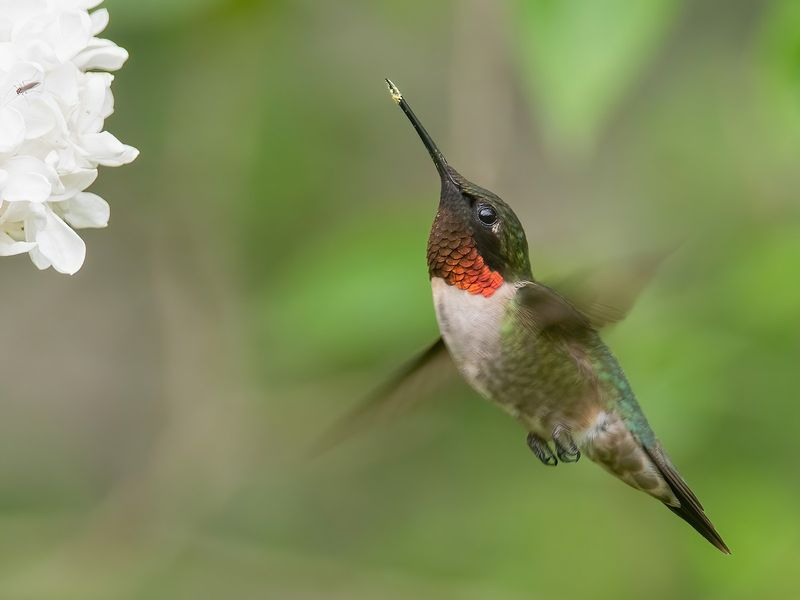
Picture this: you are standing near your porch on a July afternoon, and out of nowhere, a tiny bird appears and hovers perfectly still in midair.
That is the ruby-throated hummingbird, and for most people across this state, it is the only hummingbird species they will ever see up close.
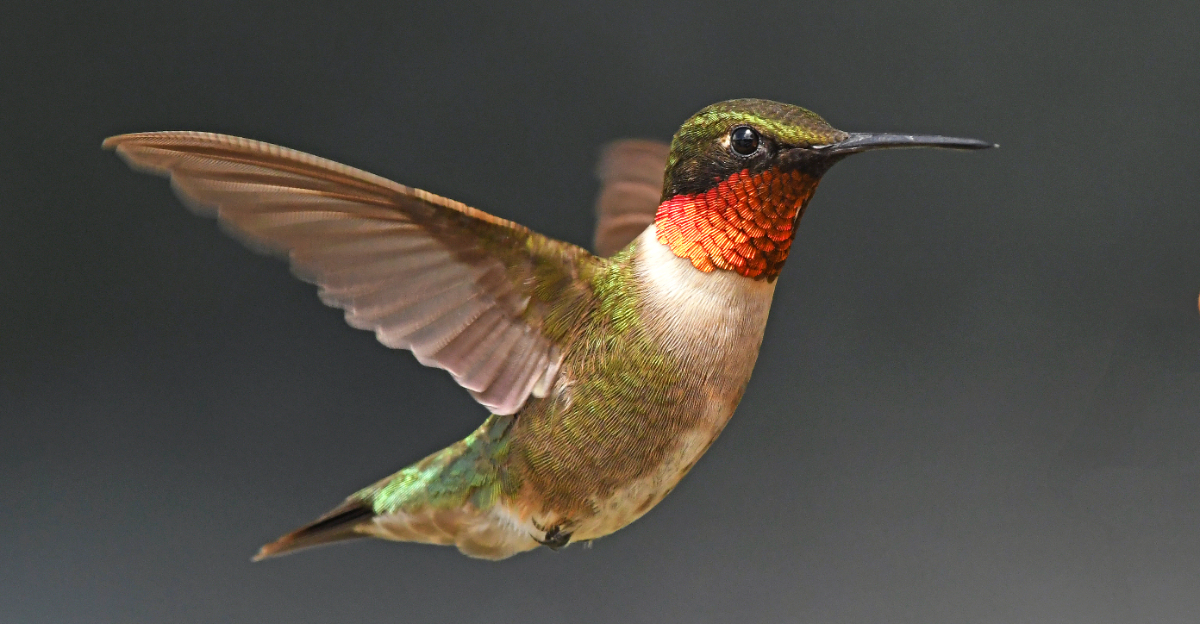
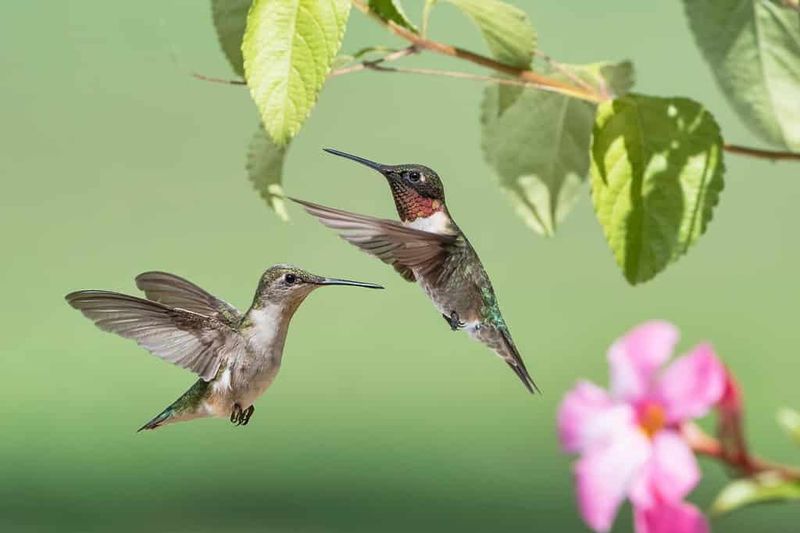
Ruby-throated hummingbirds are the sole breeding hummingbird species regularly found in Ohio, according to the Cornell Lab of Ornithology. The males wear a brilliant red throat patch that catches sunlight like a small flame.
Females are slightly more muted, with white undersides and a green back.
Seeing one often feels meaningful simply because it happens so fast. Hummingbirds can beat their wings up to 53 times per second, which makes them almost impossible to track with your eyes.
That sudden, fleeting appearance is part of what makes a sighting feel like a gift rather than a routine backyard moment.
They typically arrive in Ohio around late April or early May and stay through September, following the warm season and its blooming flowers. Summer is peak time to spot them in local yards.
Their small size, roughly three to four inches long, makes every sighting feel like catching something rare, even when they visit regularly.
2. Their Visit Often Symbolizes Energy And Resilience
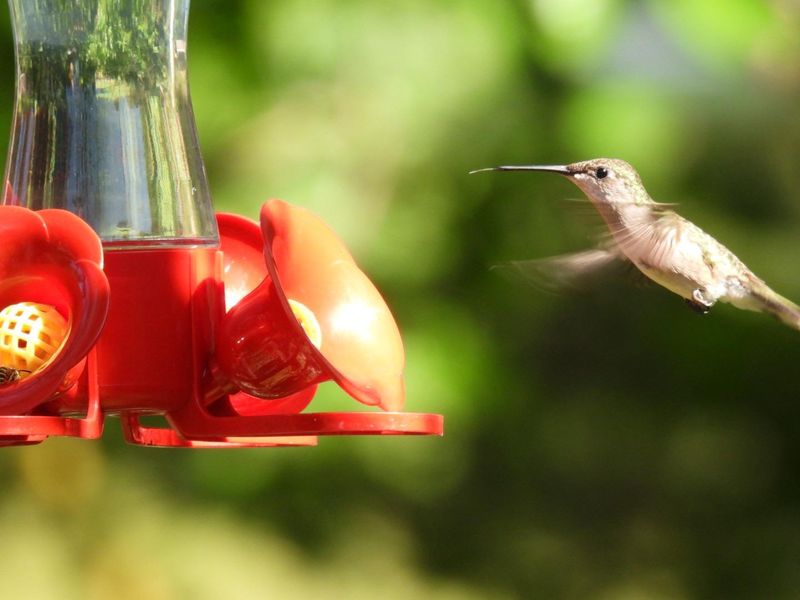
Across many cultures and traditions, hummingbirds have long been connected to qualities that people admire and aspire to. Joy, energy, resilience, lightness, and hope are some of the most common themes people attach to a hummingbird sighting.
Some Native American traditions viewed hummingbirds as healers or messengers of good energy.
It is worth being clear: these are human interpretations, not scientific facts. A hummingbird does not arrive in your yard carrying a spiritual message on purpose.
But that does not make the feeling any less real or meaningful to the person who experiences it.
There is something genuinely inspiring about a creature that weighs less than a nickel and travels hundreds of miles during migration.
Ruby-throated hummingbirds cross the Gulf of Mexico in a single nonstop flight, sometimes covering more than 500 miles without rest.
Your Ohio Garden Changes Every Week. Your Plan Should Too.
Gardening in Ohio changes quickly throughout the season. Every Friday you’ll receive a simple weekly plan showing exactly what to plant, prune, fertilize, harvest, and protect so you never miss the right timing.
That kind of endurance in such a tiny body is objectively remarkable.
So if seeing one reminds you to keep going, stay curious, or appreciate a quick beautiful moment in an otherwise ordinary day, that reflection has real value. Symbolic meaning often comes from what we notice and choose to hold onto.
A hummingbird, in that sense, can be a mirror for the qualities we want to carry with us through summer and beyond.
3. A Sighting Can Mean Your Yard Has Nectar Nearby
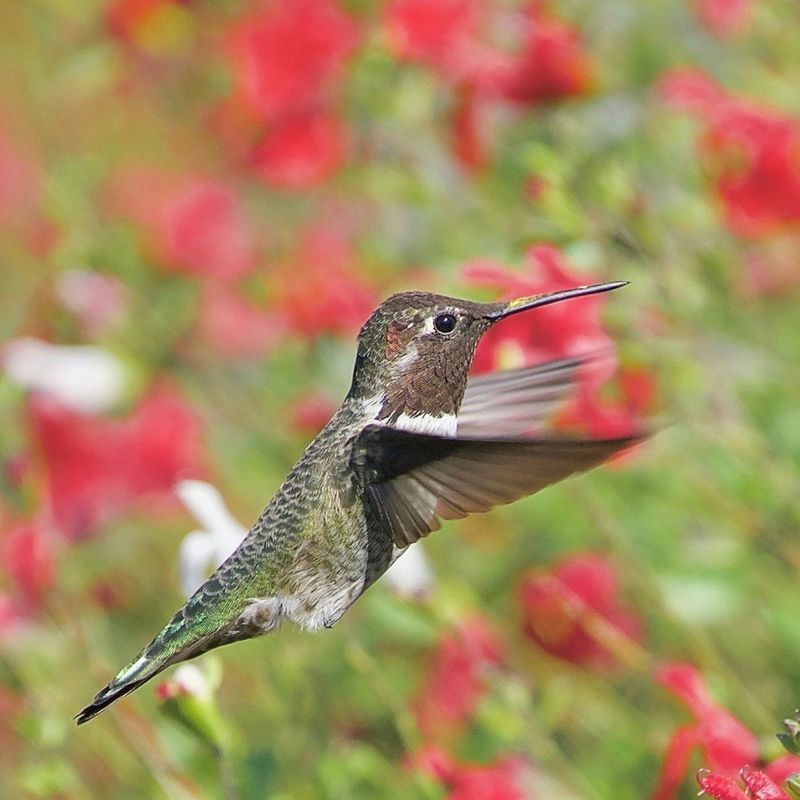
Hummingbirds do not wander into yards randomly. When one shows up near your home, it almost always means something in the area caught its attention, and the most likely answer is food.
Nectar is the primary fuel source for hummingbirds, providing the quick energy they need to sustain their incredibly fast metabolism.
A visiting hummingbird is likely scouting for reliable nectar sources, whether that is a flowering plant, a feeder, or both. Once a bird finds a dependable food spot, it tends to remember and return.
Hummingbirds have strong spatial memory and will revisit the same feeders and flowers throughout the summer season.
If you spotted one hovering near your flower beds or porch feeder, it was probably on a feeding route. It may have been checking sources it already mapped or exploring new ones nearby.
This behavior is called trap-lining, where a bird follows a regular circuit of nectar stops throughout the day.
Keeping flowers blooming or feeders stocked gives the bird a reason to include your yard in that daily circuit. A single sighting can turn into regular visits if the food source stays consistent and safe.
That first glimpse is often the beginning of a summer relationship between your yard and one very small, very determined bird.
4. Native Flowers Help Keep Hummingbirds Coming Back
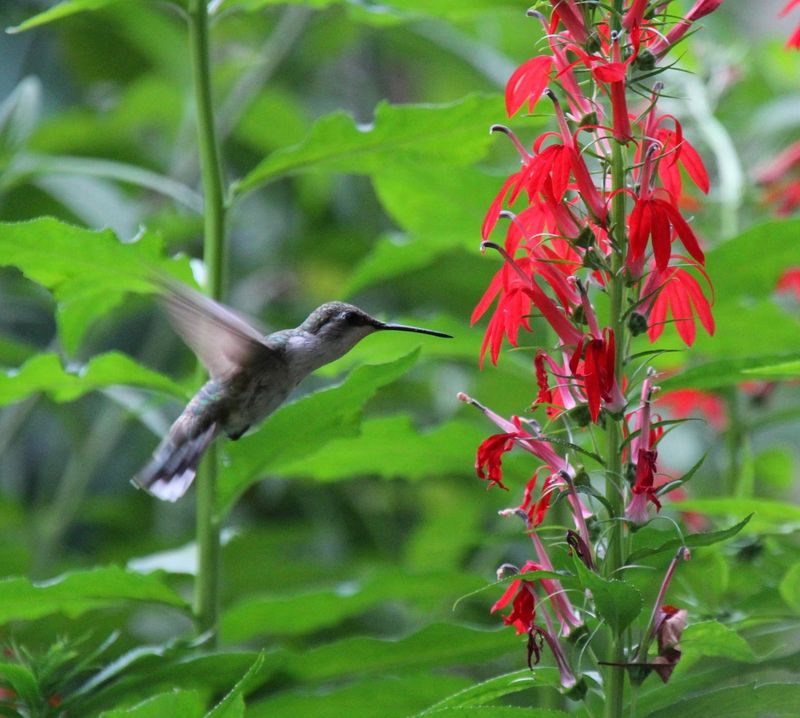
Feeders are helpful, but flowers are where hummingbirds feel most at home. Planting nectar-rich blooms in your yard gives them a natural, steady food source that works alongside or even better than a store-bought feeder.
Tubular flowers are especially attractive because their shape fits perfectly with a hummingbird’s long, slender bill.
Cardinal flower is one of the top native plants recommended for attracting hummingbirds in this region. Its tall red spikes bloom in mid to late summer, right when hummingbirds are most active locally.
Bee balm is another excellent choice, with shaggy, colorful blooms that hummingbirds actively seek out.
Trumpet honeysuckle, a native vine, is particularly well suited for fences, trellises, or garden edges. Unlike the invasive Japanese honeysuckle, the native version supports local wildlife without spreading aggressively.
Columbine blooms earlier in the season and can help attract hummingbirds as they first arrive in spring.
Jewelweed, also called touch-me-not, grows naturally along shaded stream edges and woodland borders across the state. It produces small orange tubular flowers that hummingbirds visit frequently in late summer.
Planting a mix of these species that bloom at different times gives hummingbirds a reason to stay in your yard from May through September. It also makes your garden a reliable stop on their summer feeding route.
5. Feeders Can Attract Them When Kept Clean
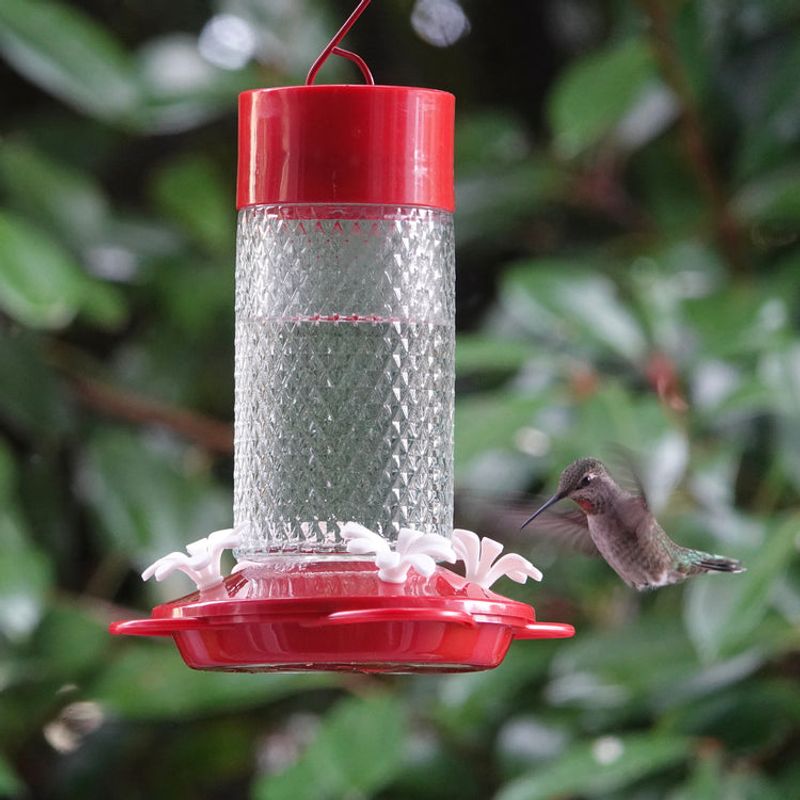
Putting up a hummingbird feeder is one of the easiest ways to invite these birds into your yard. But a feeder only helps if it is properly maintained.
A dirty or spoiled feeder can actually harm the birds you are trying to attract, so cleanliness matters as much as placement.
The correct nectar recipe is simple: mix one part plain white granulated sugar with four parts water. Stir until the sugar dissolves completely.
You do not need to add red food coloring, and you should never use honey, brown sugar, artificial sweeteners, or powdered drink mixes.
Those alternatives can cause serious health problems for hummingbirds, according to guidance from the Cornell Lab of Ornithology and Audubon.
During hot summer weather, nectar can ferment or grow mold within just a day or two. Clean your feeder thoroughly every two to three days in warm weather, using hot water and a bottle brush.
Avoid soap residue, which can linger and be harmful.
Hang feeders in a shaded spot if possible, which slows fermentation and keeps the nectar fresher longer. Placing feeders near flowers gives hummingbirds a natural-looking feeding zone.
Multiple feeders placed apart from each other can also reduce competition. Male ruby-throated hummingbirds are known to aggressively guard a single feeder from rivals.
6. Their Quick Movements Show Constant Summer Activity
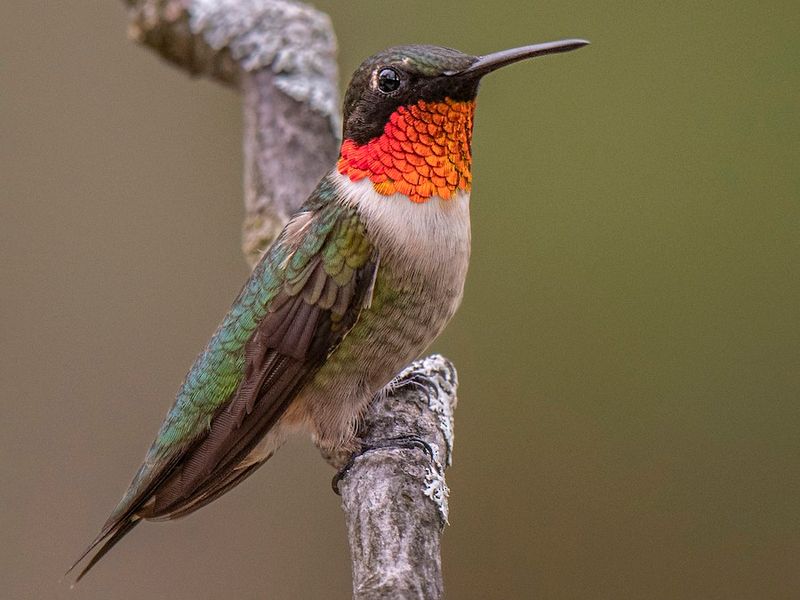
Watching a hummingbird for even thirty seconds reveals just how relentlessly busy these birds are. They hover, dart sideways, reverse direction, chase off competitors, and then vanish in a blink.
That constant movement is not nervous energy; it is biological necessity.
Hummingbirds have the highest metabolic rate of any warm-blooded animal on Earth. To fuel that metabolism, they need to consume roughly half their body weight in sugar each day.
That means a hummingbird may visit hundreds of flowers and feeders in a single day, moving through its territory in a fast, efficient loop.
You might notice them perching briefly on a thin branch or wire between feeding sessions. That short rest is important too, since hummingbirds slow their heart rate dramatically when resting to conserve energy.
During active feeding, their heart can beat more than 1,200 times per minute.
Male ruby-throated hummingbirds are especially visible in summer because they actively defend feeding territories. If you see two hummingbirds chasing each other near your feeder, that is normal competitive behavior, not a fight to worry about.
Females tend to be quieter and more focused on feeding and nesting. Spotting either one darting through your yard on a summer afternoon is a reminder that even the smallest creatures lead remarkably full, purposeful lives.
7. Seeing One May Signal A Garden Full Of Life
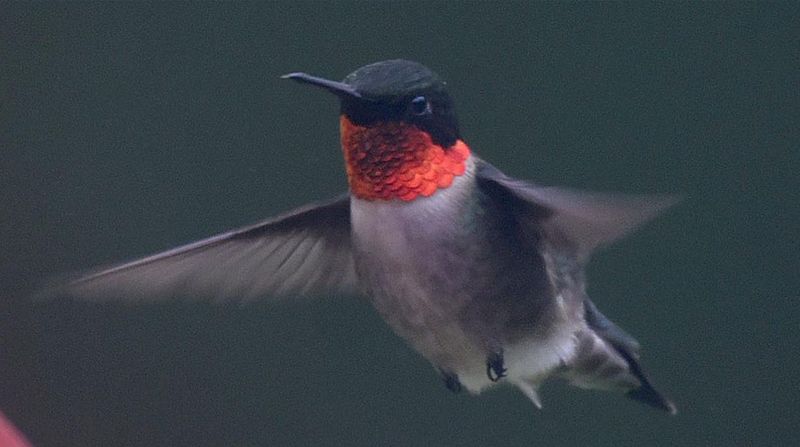
A hummingbird does not just want flowers and feeders. It wants a yard that feels safe and alive.
When one shows up and lingers, it is a quiet signal that your outdoor space may be offering more than you realize.
Beyond nectar, hummingbirds actively hunt small insects and spiders. Protein from insects is essential for muscle development and nesting, especially for females raising young.
Gnats, fruit flies, aphids, and small spiders are all fair game. A yard that supports a healthy insect population, even the tiny ones most people ignore, is a yard that supports hummingbirds too.
Shelter also plays a role. Dense shrubs, trees with thin branches for perching, and areas with layered plantings give hummingbirds places to rest and feel protected from predators.
A yard with only open lawn and a single feeder offers much less than a yard with varied plantings and some natural edges.
One hummingbird visit does not mean your yard is a perfect wildlife sanctuary. But it does suggest that something in your space is working.
Maybe it is a patch of bee balm along the fence, a spider web tucked in the corner of the porch, or a feeder you remembered to clean last week. Small choices in a home landscape add up in ways that local wildlife notices before you do.
8. The Real Meaning Comes From Paying Attention
At the end of a busy summer day, few things pull you out of your own head faster than a hummingbird appearing right in front of you. For just a moment, everything else stops.
That pause, that shift in attention, might be the most honest meaning a hummingbird sighting offers.
You may see it as a symbol of joy and resilience, a sign that your garden is thriving, or simply a wild creature passing through. Either way, the experience invites you to slow down.
Noticing what is happening in your own yard is a small but real form of connection to the natural world around you.
There is no single correct interpretation of a hummingbird sighting. For some people, it carries deep personal or spiritual meaning.
For others, it sparks curiosity about bird behavior, local plants, or backyard habitat. Both responses are valid, and both lead somewhere worthwhile.
Caring about what visits your yard builds a relationship with local wildlife that pays back in moments like these. That might mean planting native flowers, cleaning a feeder, or simply sitting quietly near the garden.
Summer in Ohio moves fast. The hummingbird, for all its speed, has a way of reminding you to look up, look around, and appreciate what is already right there in front of you.