The One Thing You Must Do To Crape Myrtles In North Carolina Before May Is Over
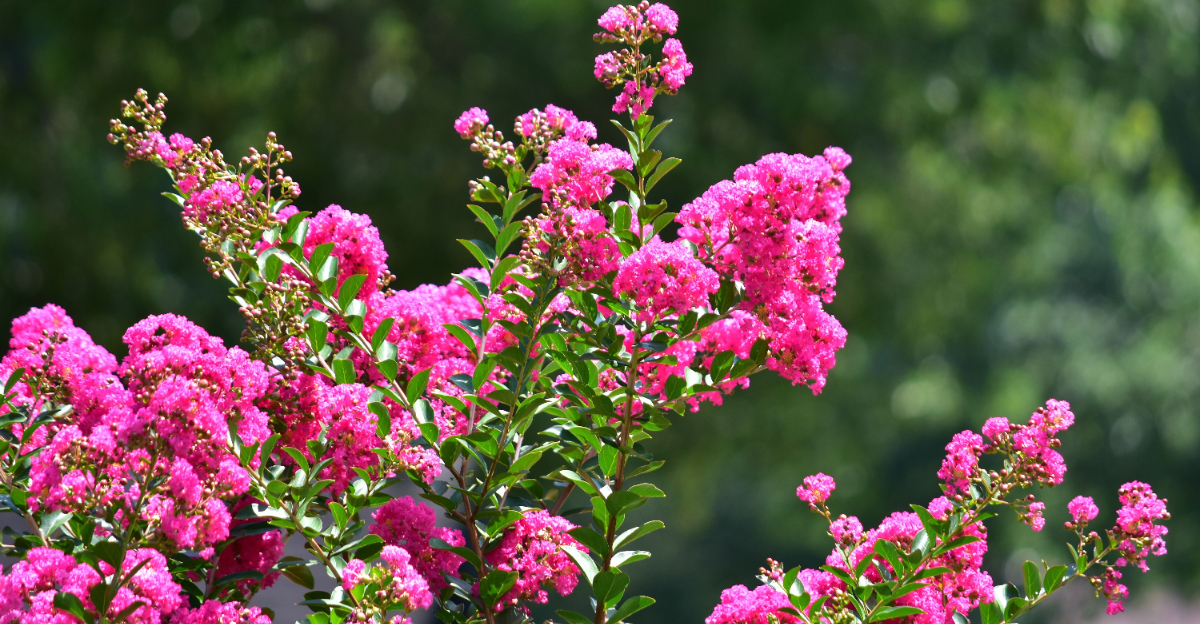
Crape myrtles are one of the most forgiving plants in a North Carolina yard, and most of them survive a fair amount of neglect without complaint.
But there is one task that needs to happen before May ends, and skipping it has consequences that show up later in the season when fixing things becomes much harder. It is not about cutting them back. It is not about feeding them.
It is something most gardeners overlook because the plants look perfectly fine without it in the short term. The issue is that crape myrtles in this state respond to a narrow window of timing in a way that almost no other landscape plant does.
What you do before the end of May quietly determines how the rest of the growing season goes for these trees.
1. Remove Dry, Damaged, Crossing, Or Crowded Growth Before Summer Blooming Begins
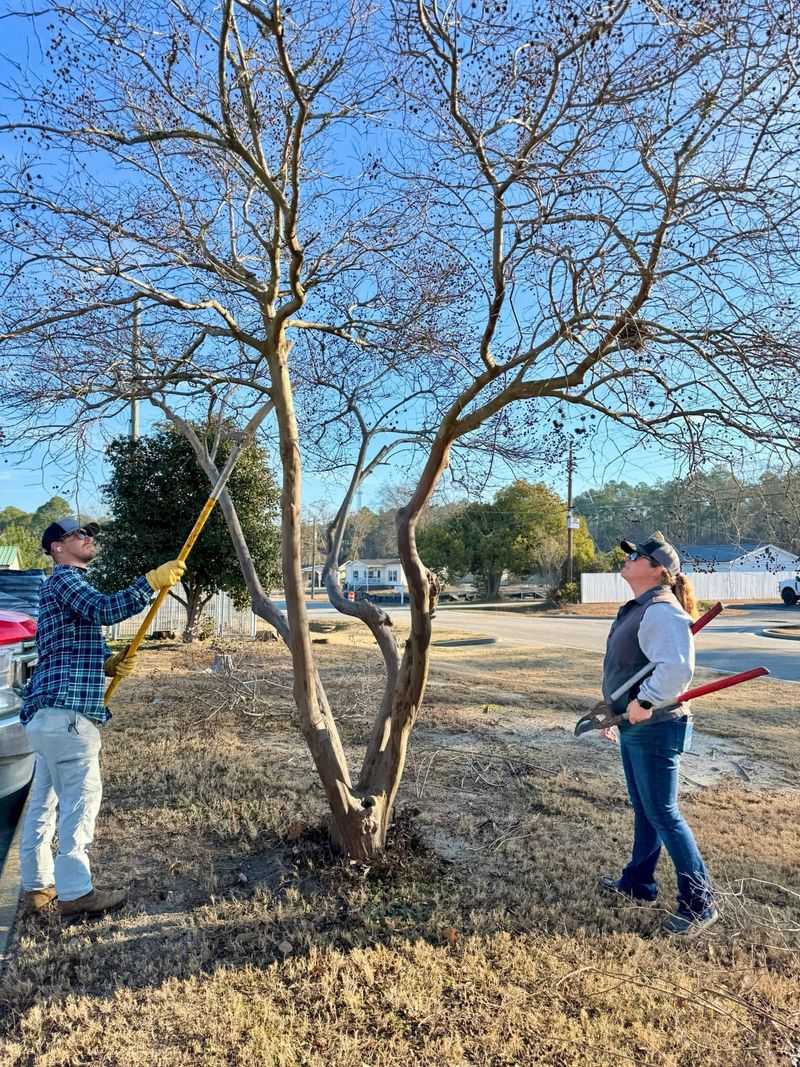
Walking up to a crape myrtle in late spring and spotting a tangle of crossing branches or dried-out tips is actually a good sign that your timing is perfect.
Late spring, right before summer flowering begins, gives you a clear window to clean things up without interrupting the blooming cycle.
A little cleanup now goes a long way toward a healthier, more open plant through the hottest months.
Start by looking for any wood that did not fully recover from winter. Dry, brittle tips that snap easily are worth removing back to a healthy branch junction.
Crossing branches that rub against each other create wounds that invite pests and fungal problems, especially in North Carolina’s humid summers.
Crowded interior growth is another thing worth addressing. When branches grow too close together, air struggles to move through the canopy, and moisture from rain or morning dew lingers far too long.
Thinning a few weak, crowded stems improves airflow noticeably. Old seed pods from last season can be removed for a tidier look, but they are less critical than clearing out damaged or poorly placed growth.
Keep cuts clean, avoid leaving stubs, and resist the urge to overdo it. Light, thoughtful cleanup preserves the plant’s natural shape while giving it the best possible start heading into summer bloom season.
2. Avoid Severe Topping That Ruins The Natural Shape
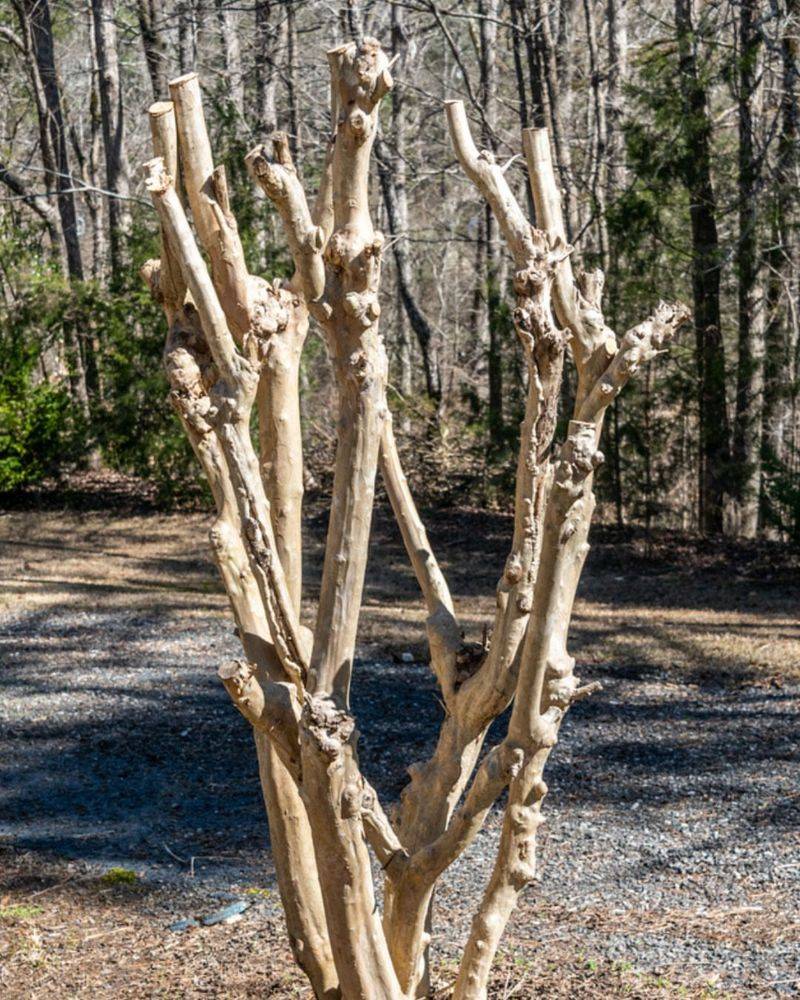
Few gardening mistakes are as easy to spot from the road as a badly topped crape myrtle. Those thick, knobby stubs left behind after severe cutting are a bad sign, and once you know what a naturally shaped crape myrtle looks like, the difference is hard to unsee.
Mature crape myrtles develop beautiful, arching branch structures that no amount of regrowth can fully replace after heavy topping.
When a plant gets topped severely, it responds by pushing out a rush of fast, weak shoots from the cut points.
These new shoots are often too thin to support the weight of full flower clusters, which means they flop over and make the whole plant look messy rather than graceful.
Repeated topping year after year creates larger and uglier stubs over time.
Your North Carolina Garden Changes Every Week. Your Plan Should Too.
Gardening in North Carolina changes quickly throughout the season. Every Friday you’ll receive a simple weekly plan showing exactly what to plant, prune, fertilize, harvest, and protect so you never miss the right timing.
Selective thinning is a much smarter approach. Instead of cutting every stem back to a large stub, focus on removing branches that are damaged, crossing, rubbing, or growing in the wrong direction.
Keeping the strongest, best-placed branches intact allows the plant to maintain its natural form and develop real structural strength.
North Carolina landscapes are full of crape myrtles with gorgeous natural shapes, and with a little restraint and some careful selective cuts, yours can be one of them heading into summer.
3. Late Spring Is A Good Final Check Before Heavy Summer Growth
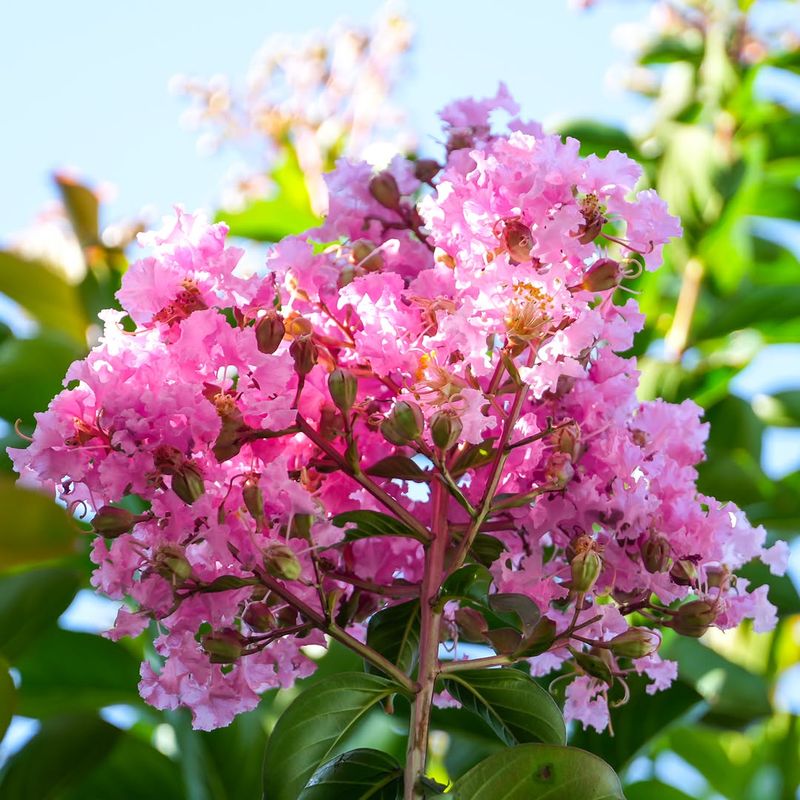
Think of late spring as your last easy opportunity to walk the yard and give your crape myrtles a thorough once-over before summer takes off.
By the time June arrives, growth accelerates quickly, temperatures climb, and making changes becomes harder without disrupting the flowering cycle.
A calm, unhurried inspection in late May is genuinely worth your time.
Major shaping and structural pruning are usually best handled in late winter or very early spring, before new growth emerges. By late spring, the plant has already leafed out and is gearing up for bloom production, so this is not the moment for big reshaping projects.
What late spring is great for is catching the small stuff that got overlooked earlier.
Check for suckers pushing up from the base, since those can appear quickly once warm weather settles in. Look for any interior branches that are clearly weak, crowded, or growing in a direction that will cause problems later.
Spot any dry wood that survived the winter inspection but still has not shown signs of life. A few precise cuts made now take very little time but make a real difference in how the plant looks and performs all summer long.
Getting into this habit each year keeps crape myrtles consistently healthy and well-shaped without requiring big corrective efforts every few seasons.
4. Thin Crowded Interior Branches To Improve Airflow
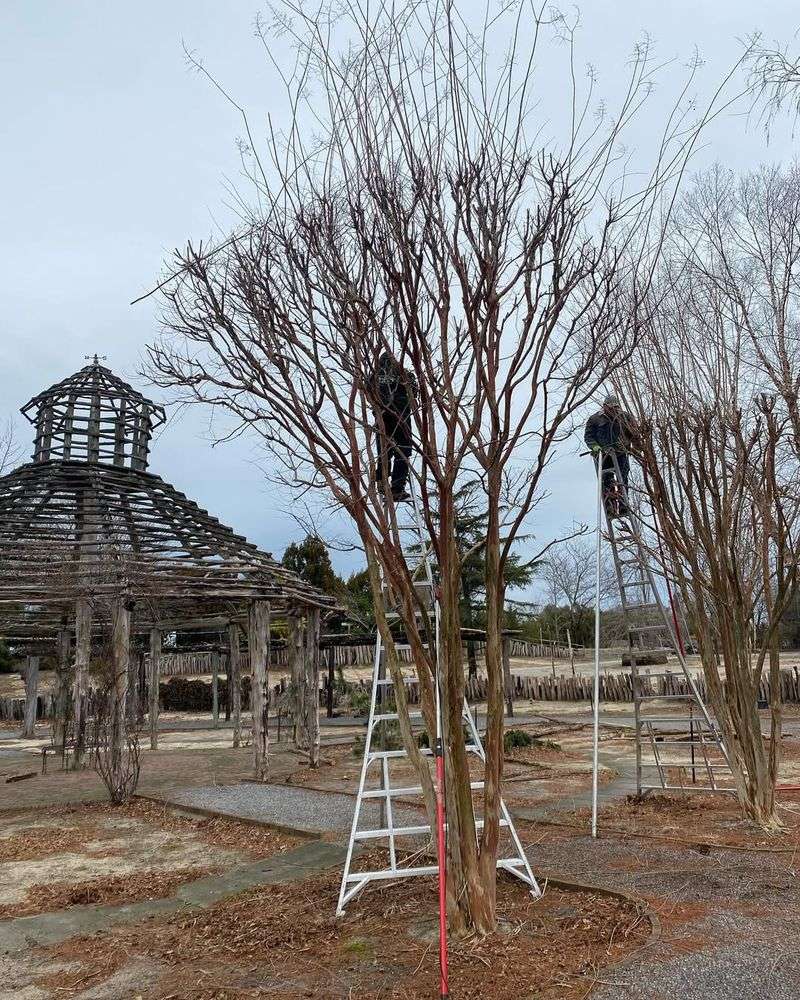
North Carolina summers are beautiful, but they are also seriously humid.
That combination of heat and moisture creates perfect conditions for powdery mildew, a fungal problem that crape myrtles are known to struggle with, especially when airflow through the canopy is poor.
Thinning out weak, crowded interior branches is one of the most practical things you can do before that humidity really settles in.
The goal of interior thinning is not to strip the plant bare. You are simply removing the weakest, most congested stems that are competing for light and space without contributing much to the plant’s overall strength or beauty.
When you step back after a good thinning session, the canopy should look slightly more open and airy, not sparse or hollow.
After rain, a well-thinned crape myrtle dries out much faster than one with a packed, tangled interior. Faster drying means less time for fungal spores to take hold, which translates to cleaner foliage throughout the season.
Focus on removing stems that are clearly thinner than a pencil, those that cross through the center of the canopy, and any that are growing straight up through the middle of the tree. Sharp, clean tools matter here.
Ragged cuts heal slowly and can invite problems, so take a moment to sharpen your pruners before you start this kind of detailed work.
5. Remove Old Seed Pods Only As Optional Cleanup
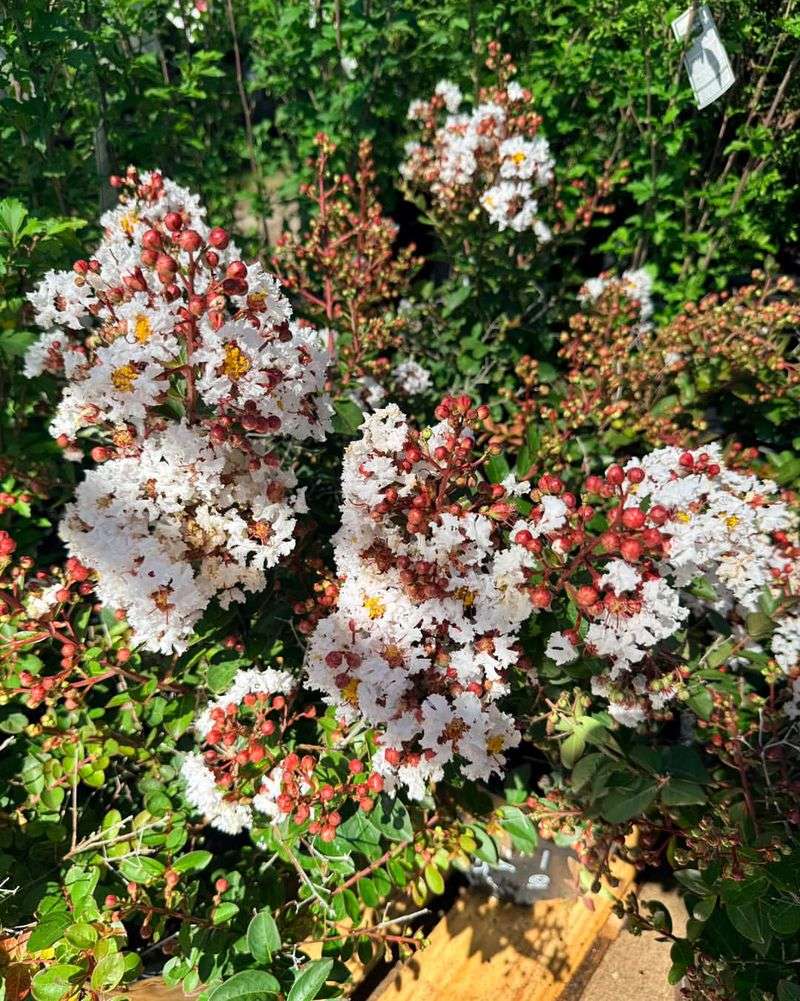
Old seed pods clinging to crape myrtle branches from last season are one of those things that catch your eye once you notice them.
They are small, dry, brownish clusters that hang on through winter and into spring, and some gardeners feel strongly about removing them before the new season gets going.
The truth is, removing them is entirely optional and mostly about appearance.
Seed pods do not harm the plant or block flowering in any meaningful way. New growth pushes past them naturally as the season progresses, and most of the pods eventually drop on their own.
If the plant is growing vigorously and you are focused on removing damaged wood, suckers, and crowded interior branches, the seed pods can honestly wait or be skipped altogether.
That said, if your crape myrtle is in a prominent spot in the front yard and you want it looking its neatest before summer blooms arrive, snipping off the old pods takes very little time and gives the plant a cleaner, more polished appearance.
Use hand pruners rather than hedge shears for this task so you avoid accidentally removing healthy new bud clusters forming nearby.
Just keep the priority straight: dry wood, crossing branches, crowded growth, and suckers all matter more for long-term plant health than a handful of leftover seed pods from last fall.
6. Cut Out Wilted Or Winter-Damaged Wood Before Summer Heat
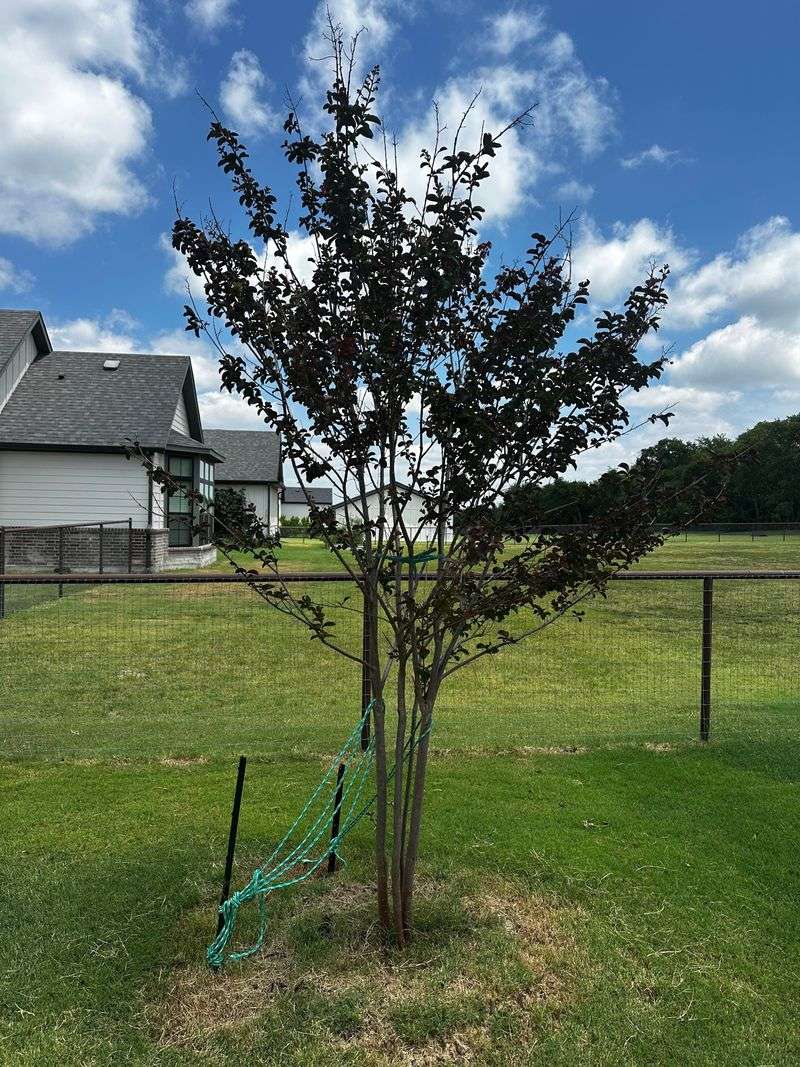
Spotting winter damage on a crape myrtle is usually pretty straightforward once the plant has fully leafed out in spring.
Healthy stems will be covered in fresh green growth, while damaged ones will look dry, shriveled, or simply bare when everything around them is thriving.
By late May, there is really no reason to wait any longer on removing those struggling sections.
The key to cutting out damaged wood correctly is finding where healthy tissue begins. Scratch the bark lightly with a fingernail on the questionable stem and look for green underneath.
If you see brown or dry tissue, keep moving down the branch until you find a point where the wood looks healthy and alive. Make your cut just above a strong, outward-facing bud or branch junction.
Avoid leaving stubs behind when you make these cuts. A stub with no living growth attached to it will not callus over properly and can become an entry point for wood-rotting fungi over time.
Clean cuts made at the right location heal much faster and leave the plant looking tidy. If an entire stem turns out to be fully damaged with no healthy tissue anywhere along it, remove it back to its point of origin at the trunk or main branch.
Getting this done before summer heat intensifies gives the plant a clean, healthy structure to build its flowering display on.
7. Remove Suckers And Low Sprouts That Crowd The Base
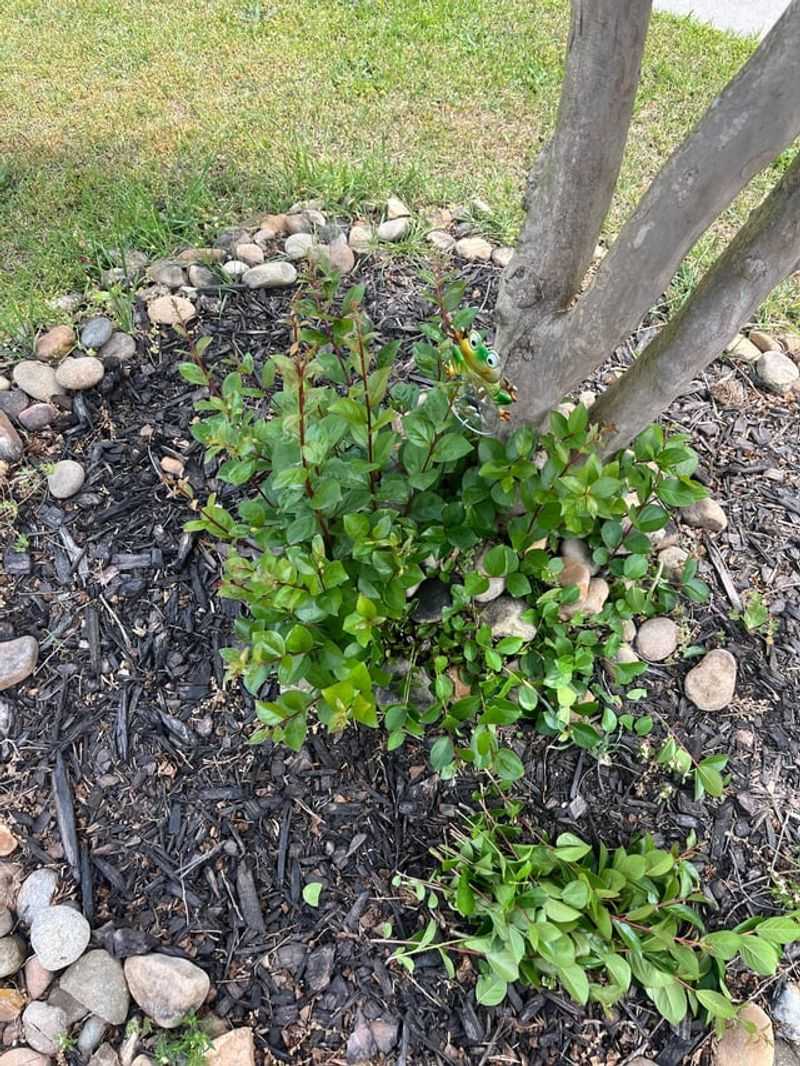
Suckers are sneaky. One week the base of your crape myrtle looks clean and tidy, and the next week there are a half dozen thin green shoots pushing up from the roots or low on the trunk.
They grow fast once warm weather arrives, and if you let them go unchecked through the summer, they can make even a well-shaped crape myrtle look like a wild, overgrown mess.
Beyond the visual clutter, suckers and low basal sprouts compete with the main plant for water and nutrients. They also crowd the airflow near the base of the trunk, which is already a wetter, shadier zone than the rest of the canopy.
Removing them promptly keeps the plant’s energy focused on producing strong growth and flowers rather than feeding a tangle of shoots that serve no real purpose.
The right way to remove suckers is to trace each one back to its point of origin and cut it off as cleanly as possible right at the base. Avoid tearing or pulling, since that can damage the bark on the trunk.
Sharp hand pruners work perfectly for this task. Do not leave a short stub behind, because stubs tend to sprout again quickly.
Checking the base of your crape myrtles every few weeks through spring and early summer makes sucker management easy and keeps the plant looking sharp all season long.
8. Mulch Before Summer Heat, But Keep Mulch Away From The Trunk
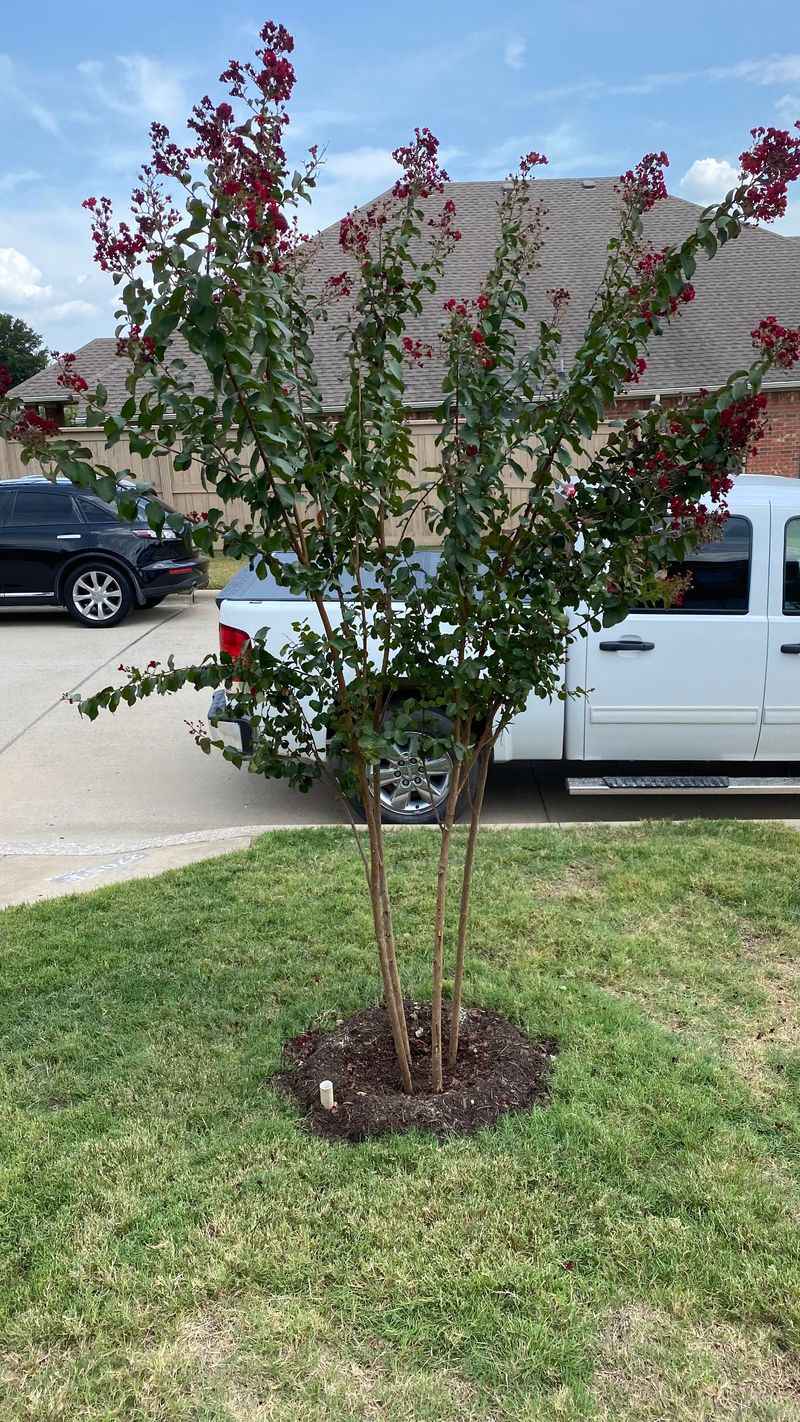
Adding a fresh layer of mulch around your crape myrtles before summer heat arrives is one of the simplest and most rewarding things you can do for them.
North Carolina summers can be brutally hot and dry for stretches at a time, and mulch acts like a protective blanket over the soil, helping it hold onto moisture much longer between rain events or waterings.
Beyond moisture retention, mulch moderates soil temperature, keeping roots cooler during peak heat and preventing the kind of heat stress that slows growth and reduces flowering.
A good mulch layer also suppresses weeds that would otherwise compete with the plant for water and nutrients through the summer months.
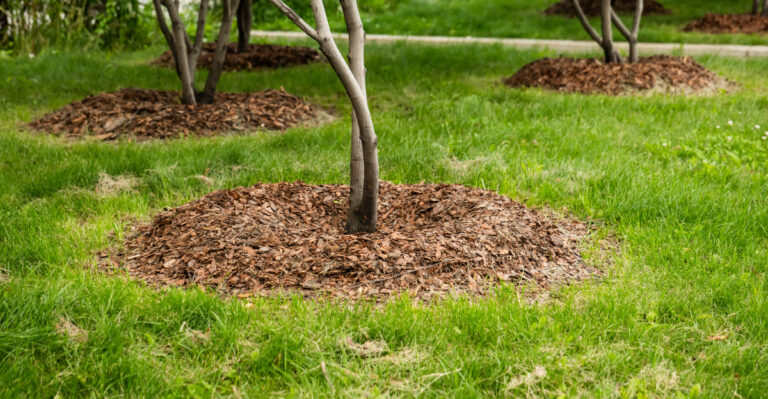
Two to three inches of organic mulch, such as wood chips, shredded bark, or pine straw, works well around crape myrtles.
The one rule that matters most when mulching is to keep it away from the trunk. Piling mulch up against the bark, sometimes called volcano mulching, traps moisture against the wood and encourages rot and pest problems over time.
Pull the mulch back a few inches from the trunk flare so that the base of the plant stays dry and well-ventilated. Spread the mulch out in a wide ring instead, extending it toward the drip line of the canopy if possible.
That wider coverage is where most of the feeder roots are, and that is where the moisture retention benefit matters most.
9. Make Sure The Plant Has Enough Full Sun For Heavy Blooming
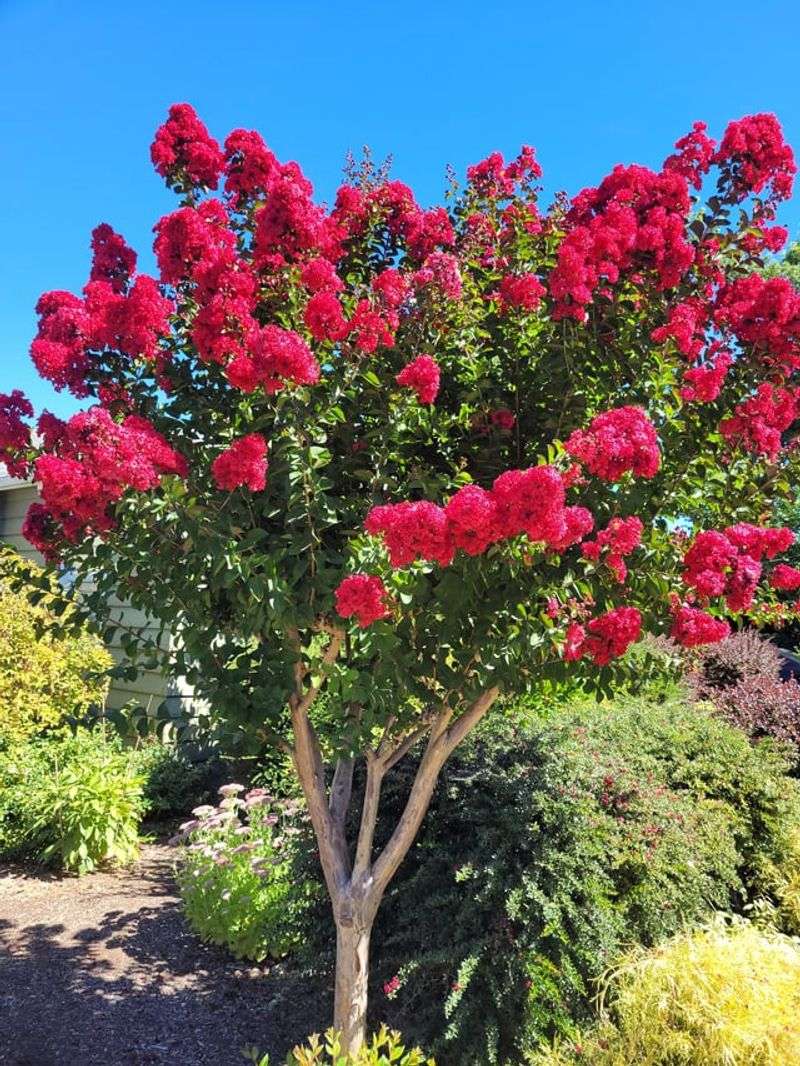
Crape myrtles are sun lovers through and through. Give them a full day of direct sunlight and they respond with an absolute explosion of color that lasts for months.
Shade them too much and the story changes quickly. Reduced flowering, stretched and weaker growth, and increased mildew pressure are all common complaints from gardeners whose crape myrtles are not getting the sun they need.
Late spring is a great time to evaluate the sun situation in your yard because the trees and shrubs around your crape myrtles are fully leafed out by now. That means the shade patterns you see in May are very close to what your plant will experience all summer long.
Walk around your yard at different times of day and pay attention to when and where shadows fall across your crape myrtle.
If a nearby tree, fence, or building is casting shade across the plant for more than a few hours each day, that could be limiting your blooms. In some cases, pruning a lower limb from a neighboring tree can open up enough light to make a real difference.
Crape myrtles perform best with at least six hours of direct sun daily, and eight or more hours is even better.
If the current planting spot is simply too shaded to support good flowering long-term, relocating the plant to a sunnier spot during late fall or early spring is worth considering for future seasons.
10. Remember That Healthy Crape Myrtles Need Less Pruning Than Many People Think
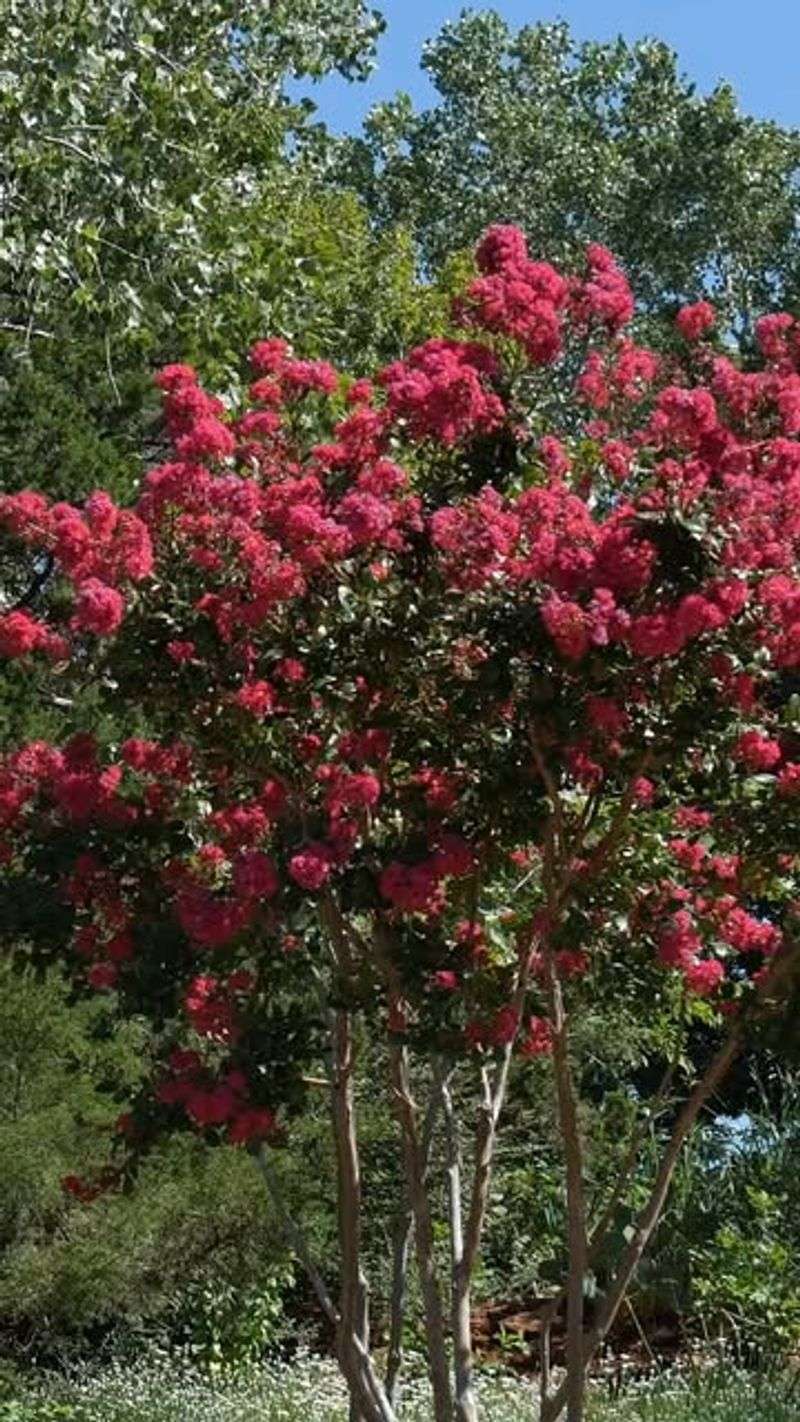
Here is something that surprises a lot of gardeners: a healthy, well-placed crape myrtle that has been left to develop naturally often ends up with a more beautiful structure than one that gets heavily pruned every single year.
These plants are naturally inclined toward attractive, layered branching, and when you let that structure develop, the results speak for themselves.
The main reason so many crape myrtles end up looking awkward is that people prune them aggressively out of habit rather than necessity.
Once the cycle of heavy cutting starts, it tends to repeat because the resulting regrowth looks messy and seems to invite more cutting.
Breaking that cycle by switching to minimal, targeted maintenance is one of the best things you can do for a mature plant.
Practical long-term care really comes down to a simple checklist: remove anything that is dry or damaged, cut out crossing branches that rub, pull suckers from the base, and thin a few crowded interior stems when airflow seems poor.
That is genuinely all most established crape myrtles need in a given year. Skipping the pruning shears entirely in a season when the plant looks clean and well-structured is completely fine.
Trusting the plant to do what it does naturally, while stepping in only when something specific needs attention, leads to stronger, more beautiful crape myrtles over time.