Plants You’ll Never Need To Fertilize In Your North Carolina Garden
Fertilizing is one of those garden tasks that seems straightforward until you start paying attention to what actually needs it and what does not. A lot of gardeners feed everything in the yard out of habit, and in some cases that feeding is doing more harm than good.
Certain plants are genuinely self-sufficient in North Carolina’s soil conditions. They pull what they need from the ground on their own, fix their own nutrients, or simply grow at a pace that never outstrips what the soil provides naturally.
Some of the most beautiful and reliable plants in this state fall into that category. Skipping the fertilizer on the right plants is not laziness.
It is actually better management, and the plants tend to prove it by performing well for years without any input at all.
1. Butterfly Weed
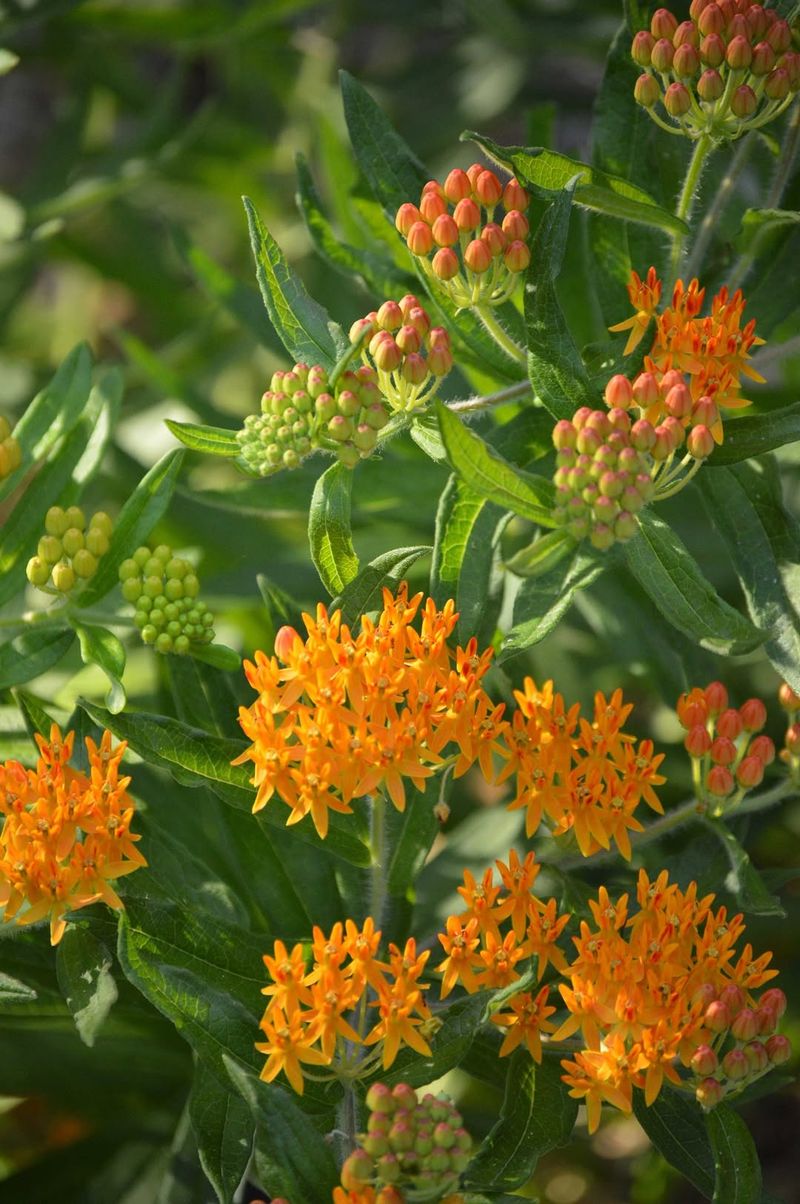
Few plants put on a summer show quite like Butterfly Weed, known botanically as Asclepias tuberosa.
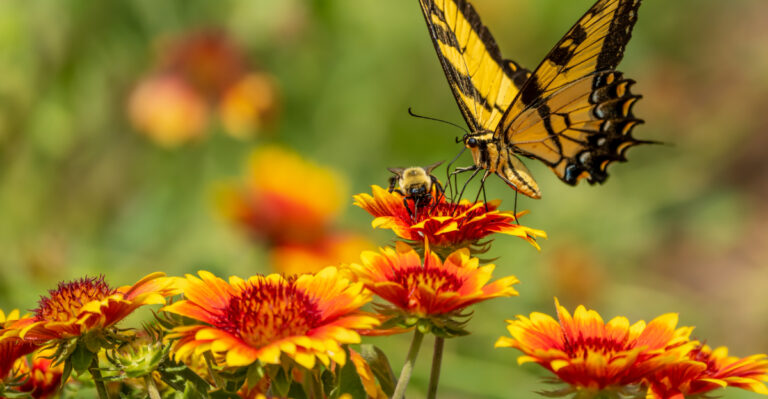
Its clusters of vivid orange blooms light up sunny borders from June through August, and monarchs, swallowtails, and bumblebees simply cannot resist stopping by.
What makes this plant even better is that it genuinely does not want your fertilizer.
Rich soil and heavy feeding push Asclepias tuberosa toward weak, floppy stems that flop over instead of standing tall. In lean, well-drained soil, the plant stays compact, blooms more freely, and builds a thick taproot that anchors it firmly through summer heat.
Sandy or rocky ground suits it perfectly, which is great news for gardeners dealing with less-than-ideal soil.
Once established, Butterfly Weed handles drought without complaint. Water it regularly during its first season while roots settle in, then step back and let it do its thing.
Avoid clay-heavy spots where water puddles after rain, since soggy roots are the one thing this plant truly struggles with.
Beyond its beauty, Butterfly Weed serves as a host plant for monarch butterfly caterpillars, making it a genuine wildlife powerhouse.
Seed pods that form after flowering can be left on the plant to split open and send silky seeds drifting across the garden. Low maintenance, high impact, and completely fertilizer-free.
2. Little Bluestem
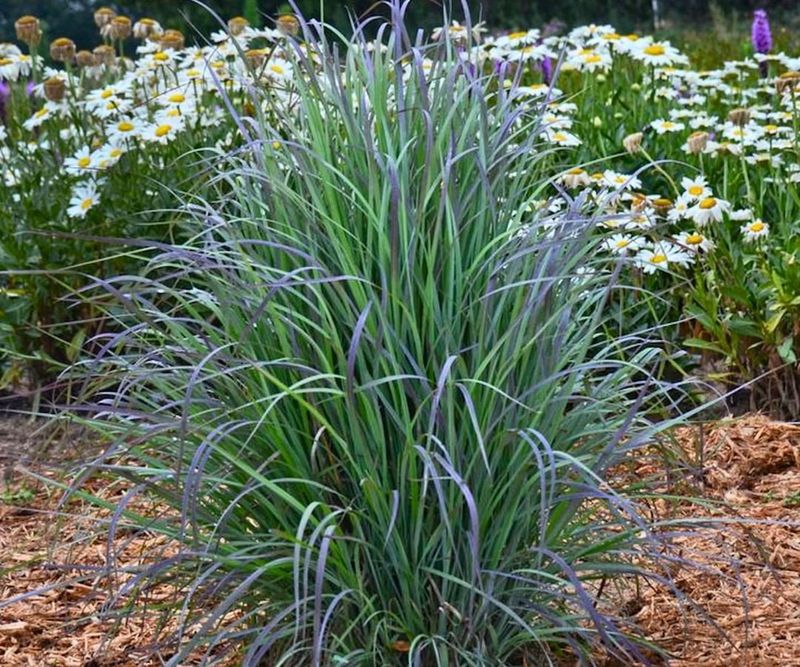
There is something quietly spectacular about Little Bluestem, the native grass known scientifically as Schizachyrium scoparium.
During summer it stands upright with cool blue-green blades, and come fall it transforms into glowing shades of copper, bronze, and reddish-orange that hold color well into winter.
It is one of the most beautiful grasses you can grow in North Carolina, and it absolutely thrives on neglect.
Lean soil is where Little Bluestem feels most at home. Fertilizing this grass is actually counterproductive because extra nutrients push it to produce tall, floppy growth that leans and sprawls rather than standing with its natural upright elegance.
Full sun and average to poor, well-drained soil are all it asks for, and it will reward you generously for keeping things simple.
Drought tolerance is another major selling point. Once its roots are established after the first growing season, Little Bluestem handles long dry spells without missing a beat.
Your North Carolina Garden Changes Every Week. Your Plan Should Too.
Gardening in North Carolina changes quickly throughout the season. Every Friday you’ll receive a simple weekly plan showing exactly what to plant, prune, fertilize, harvest, and protect so you never miss the right timing.
It is a fantastic choice for slopes, rain gardens, or any sunny spot where other plants struggle in summer heat.
Birds love the fluffy seed heads that persist through winter, giving the garden texture and wildlife value even in the coldest months.
Cut it back to about four inches in late winter before new growth emerges, and that is genuinely all the maintenance it needs year after year.
3. Purple Coneflower
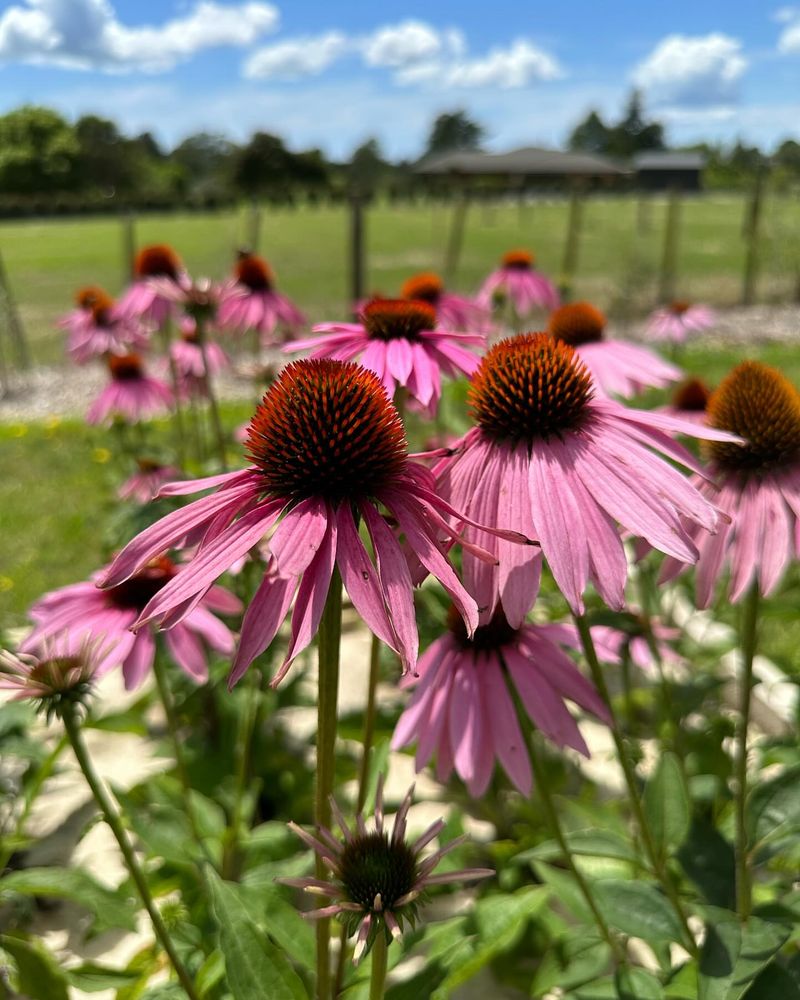
Purple Coneflower, or Echinacea purpurea, is one of those plants that makes every garden look like it was designed by a professional. Its cheerful pink-purple petals radiate outward from a spiky orange-brown center, blooming from midsummer all the way into fall.
Pollinators swarm it, goldfinches feast on the seed heads, and gardeners get to enjoy all of it without lifting much of a finger.
Average North Carolina soil suits Purple Coneflower just fine. Fertilizing it regularly can actually backfire, pushing out leafy growth at the expense of those beloved blooms.
Well-drained soil in a sunny spot is the real key to success, and once plants are settled in after their first season, they handle summer heat and occasional dry spells with impressive confidence.
Establishment does require some consistent watering during the first year, so do not skip that step. After roots spread deep into the soil, the plant becomes noticeably more self-sufficient and much less demanding of your attention.
Dividing clumps every few years keeps plants vigorous and gives you extras to share with neighbors.
Leaving seed heads standing through winter is one of the smartest moves a North Carolina gardener can make.
Goldfinches and other small birds pick them clean, the dried forms add visual interest to the winter garden, and self-sown seedlings often pop up nearby in spring to expand your planting naturally and freely.
4. Black-Eyed Susan
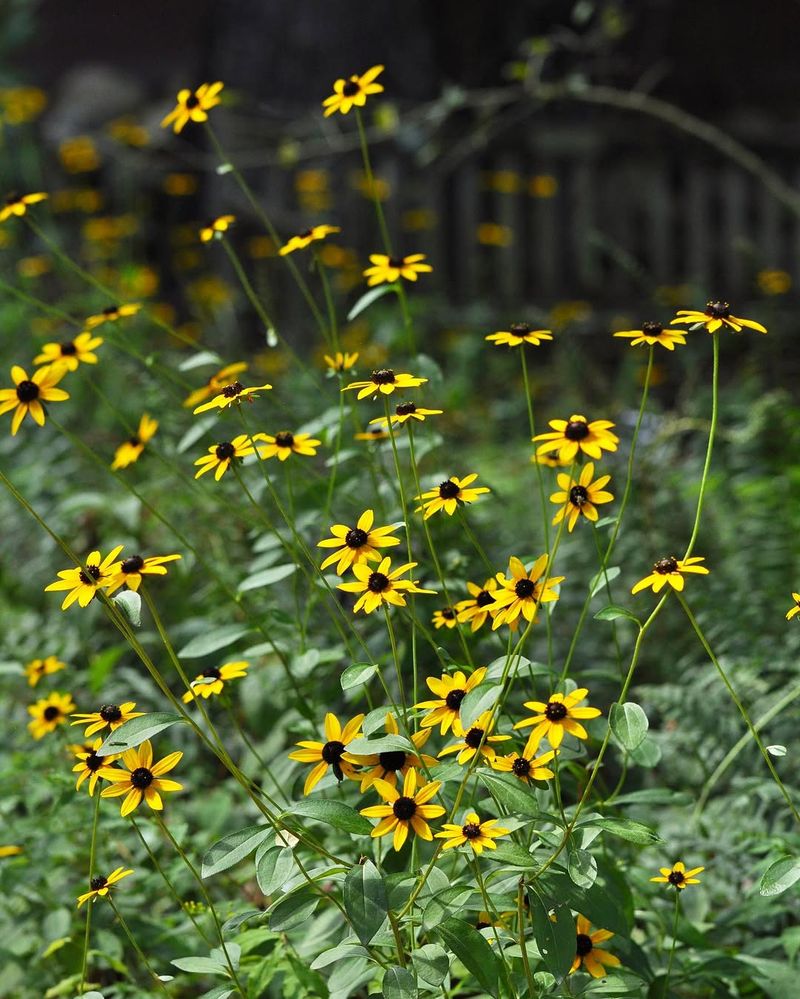
Rudbeckia fulgida, commonly called Black-Eyed Susan, is one of the hardest-working native perennials in the entire Southeast.
Golden yellow petals surrounding a deep chocolate-brown center make it instantly recognizable, and its cheerful summer blooms keep coming from July well into September.
Bees and butterflies treat it like a favorite restaurant, and gardeners get reliable color without any complicated feeding schedule.
One of the most impressive things about Black-Eyed Susan is its tolerance for average and even clay-heavy soils. Many plants struggle in the dense, moisture-retaining clay common across much of North Carolina, but Rudbeckia fulgida handles it without drama.
Fertilizing in these conditions is unnecessary and can produce overly lush, floppy growth that looks messy rather than polished.
Heat is not a problem for this plant either. Long, hot Carolina summers that stress other perennials barely register for Black-Eyed Susan.
Plant it in full sun for the most flowers, and water during the first season to help roots establish before the summer heat peaks in July and August.
After blooming finishes, seed heads provide food for birds through fall and winter. Clumps spread gradually over time, filling in gaps and creating a fuller, more established look in the border.
Dividing every three to four years keeps them blooming at their best. Simple, reliable, and completely at home without a single scoop of fertilizer anywhere near them.
5. Baptisia
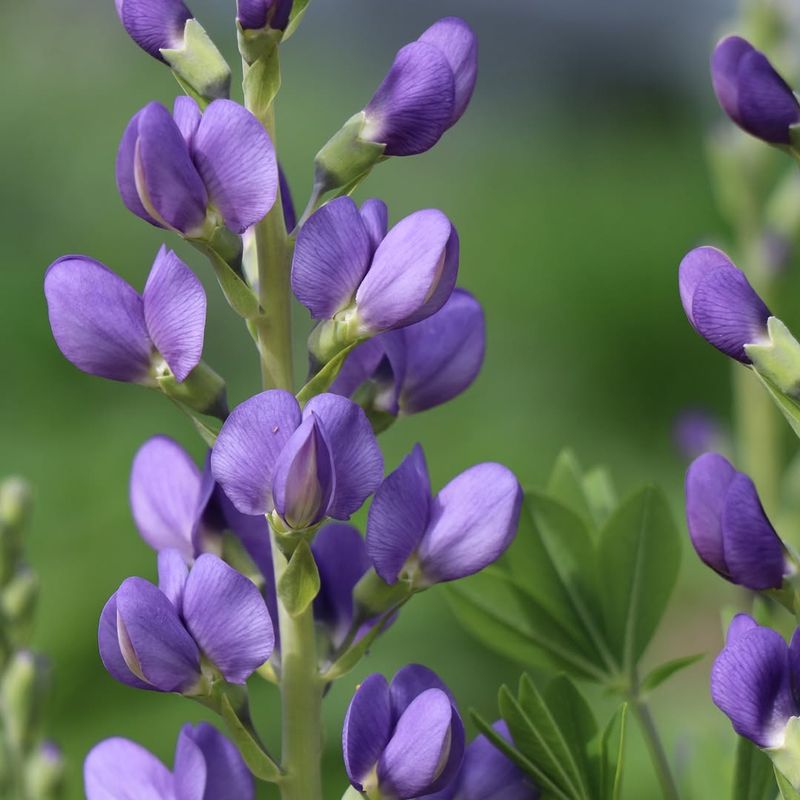
Baptisia australis, often called Blue Wild Indigo, is the kind of plant that rewards patience and punishes interference.
It takes a couple of seasons to fully establish, but once those deep roots are in place, it becomes one of the most self-sufficient perennials in the entire North Carolina garden.
Tall spikes of blue-purple flowers rise above blue-green foliage in spring, creating a display that stops people in their tracks.
Fertilizing Baptisia is one of the quickest ways to ruin it. Rich feeding encourages soft, floppy growth that cannot support itself, and the plant loses the bold, upright structure that makes it so striking.
Lean to average, well-drained soil in full sun is the right environment, and the plant will build its strength naturally without any nutritional shortcuts.
Drought tolerance is excellent once established, which makes Baptisia a smart choice for gardeners who want beauty without constant irrigation.
The nitrogen-fixing roots actually improve soil quality over time, meaning this plant gives back to the garden rather than just taking from it. That is a rare quality worth celebrating.
Leave Baptisia undisturbed once planted. Moving it sets the plant back significantly because the deep taproot resents disturbance.
The inflated seed pods that follow the flowers are decorative on their own and rattle pleasantly in a breeze. Pollinators, especially bumblebees, are strongly attracted to the spring blooms, adding even more life to the garden.
6. Threadleaf Coreopsis
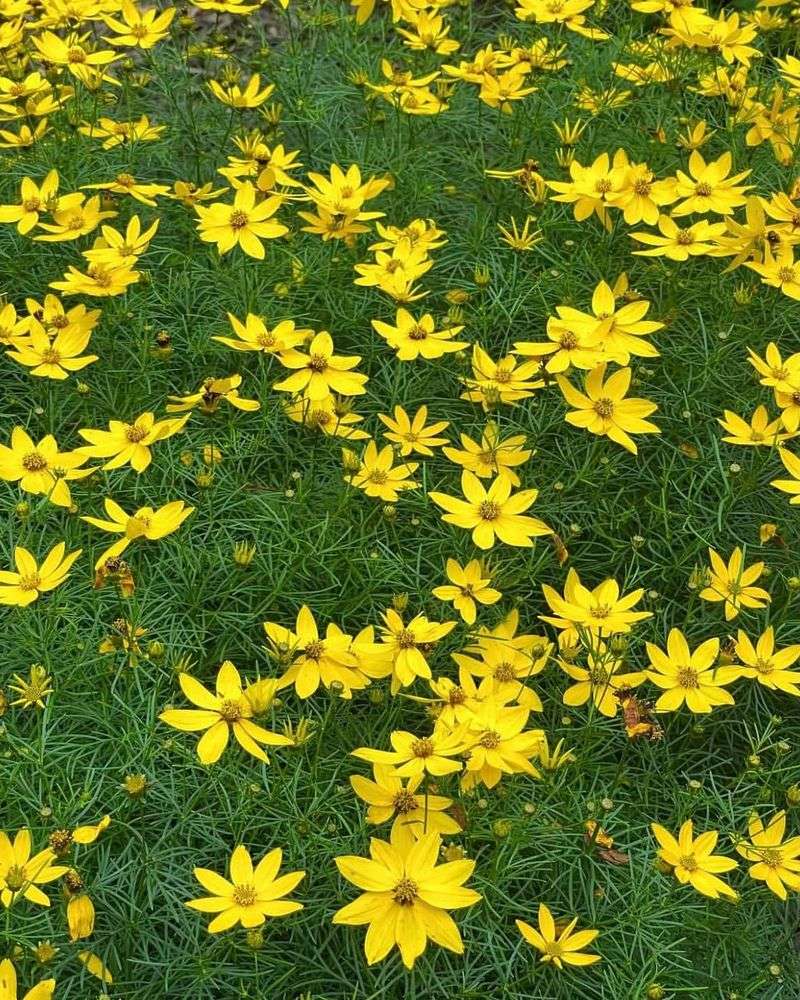
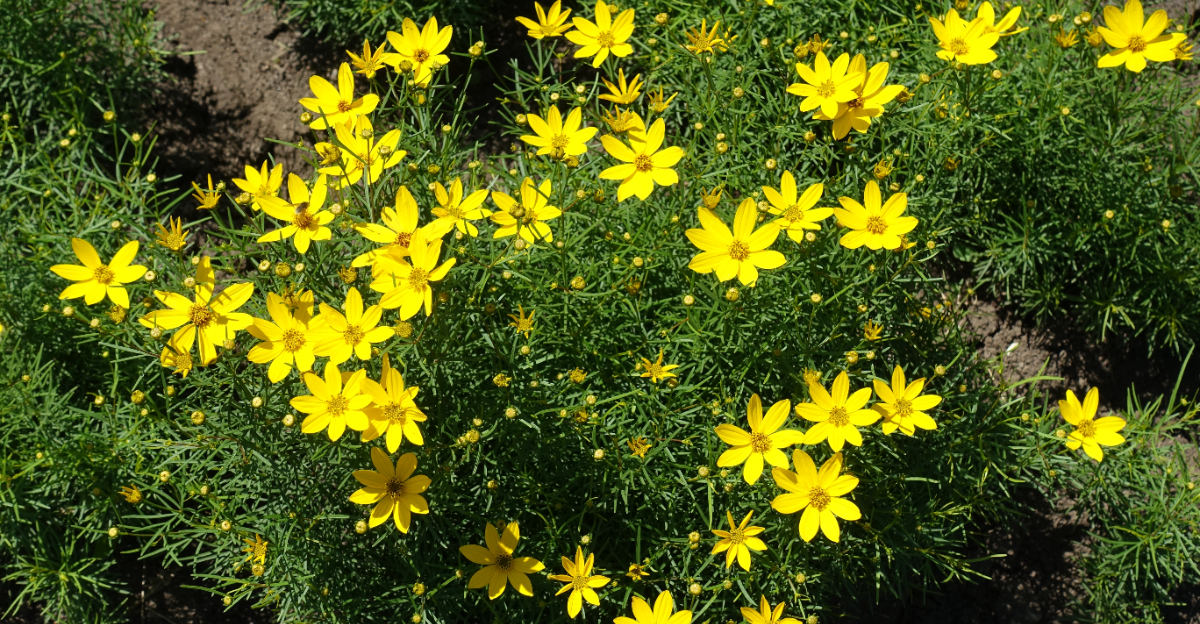
Threadleaf Coreopsis, scientifically known as Coreopsis verticillata, is a sun-loving perennial that almost seems too good to be true.
Its feathery, fine-textured foliage is covered in cheerful yellow flowers from early summer through fall, creating a long-blooming display that outperforms many showier plants. Better yet, it manages all of this without any fertilizer assistance whatsoever.
Overly rich soil is actually one of the few things that can work against Threadleaf Coreopsis. When nutrients are too abundant, the plant puts energy into lush, open growth that loses its naturally tidy, mounded shape.
Average to lean, well-drained soil in full sun keeps the plant compact, floriferous, and beautifully structured throughout the growing season.
Drought tolerance kicks in reliably once roots are established after the first summer. This makes Coreopsis verticillata a smart pick for sunny spots that dry out quickly, such as slopes, raised beds, or areas with sandy or rocky soil.
Water during establishment, then scale back and let the plant handle summer on its own terms.
Shearing the plant back by about one-third after the first big flush of bloom encourages a fresh round of flowers and keeps growth looking fresh rather than tired. Spreading slowly by rhizomes, it gradually fills in a space without becoming aggressive or overwhelming.
Few plants in the North Carolina garden offer this combination of beauty, endurance, and genuine zero-fertilizer performance across so many months.
7. Fragrant Sumac
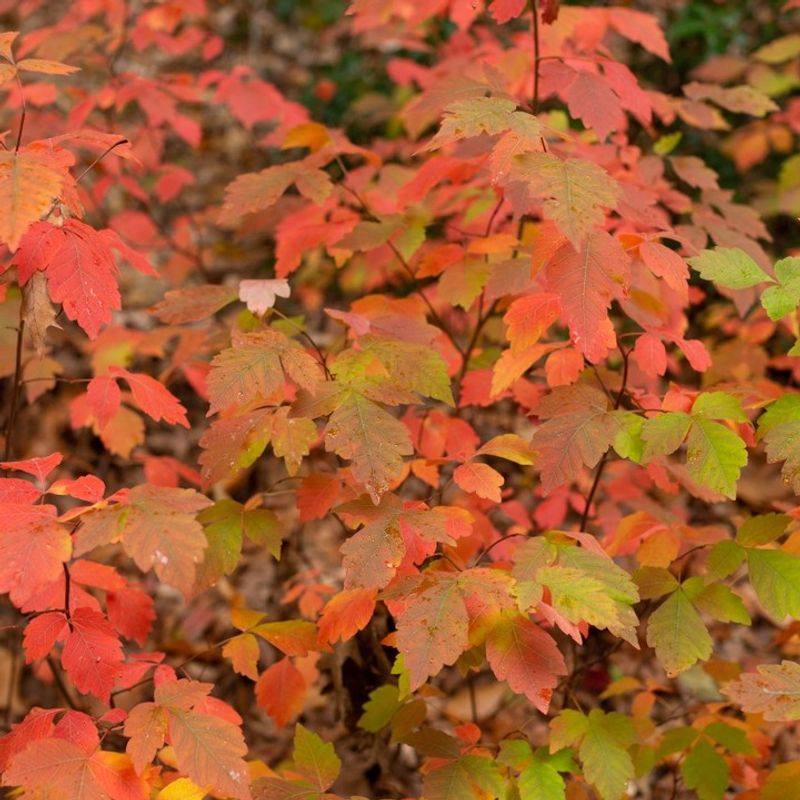
Fragrant Sumac, or Rhus aromatica, is a shrub that genuinely earns its place in the landscape by doing exactly what difficult sites need. Poor, dry, sunny slopes that defeat most other plants are where this native shrub actually shines.
Its spreading habit holds soil in place, reduces erosion, and creates a dense, attractive groundcover that wildlife loves throughout the year.
Fertilizing Rhus aromatica is unnecessary and potentially counterproductive. This shrub evolved in lean, nutrient-poor soils, and adding fertilizer can push weak, overly vigorous growth that reduces the plant’s natural toughness.
Sandy, rocky, or clay-based dry soils all suit it well, and once established it requires almost no attention beyond occasional shaping if needed.
Fall color is one of Fragrant Sumac’s biggest attractions. Leaves turn brilliant shades of orange, red, and burgundy that rival much showier plants, making it a standout in the autumn landscape.
Even in winter, the branching structure adds visual interest, and small red berry clusters provide food for birds from fall through early spring.
The aromatic quality of the leaves and stems is a bonus feature. Brushing against the foliage releases a pleasant, spicy scent that makes working near it in the garden a genuinely enjoyable experience.
For slopes, road banks, naturalized areas, or any challenging dry site in North Carolina, Fragrant Sumac handles the job with quiet confidence and zero fertilizer required.
8. Eastern Prickly Pear
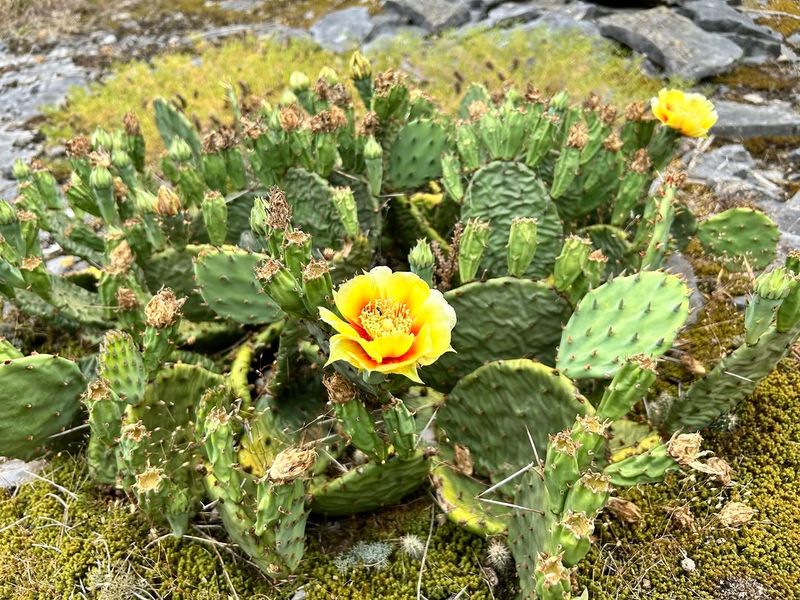
Most people do not expect to find a cactus growing wild in North Carolina, but Eastern Prickly Pear, known scientifically as Opuntia humifusa, is a genuine native of the Carolina landscape.
Its flat, paddle-shaped pads are armed with spines, but the large, satiny yellow flowers that appear in early summer are absolutely stunning and completely unexpected from such a rugged plant.
Fertilizing Eastern Prickly Pear is one of the worst things you can do for it. Extra nutrients push rapid, soft pad growth that is more vulnerable to rot, pests, and cold damage.
This plant evolved in dry, sandy, rocky, and well-drained soils where nutrients are naturally scarce, and replicating those conditions is the key to keeping it healthy and attractive in the garden.
Full sun is non-negotiable. Without strong, direct sunlight throughout the day, Opuntia humifusa becomes weak and loses its characteristic compact form.
Drainage is equally critical since standing water around the base causes rot quickly, especially during wet North Carolina winters when soils stay moist for extended periods.
Placement matters for practical reasons too. Keep Eastern Prickly Pear away from paths, play areas, and spots where people or pets might brush against the spines unexpectedly.
Rock gardens, dry sunny banks, and naturalized areas are ideal locations. Wildlife value is real as well, with birds and small mammals feeding on the reddish fruit that follows the summer flowers.
9. Switchgrass
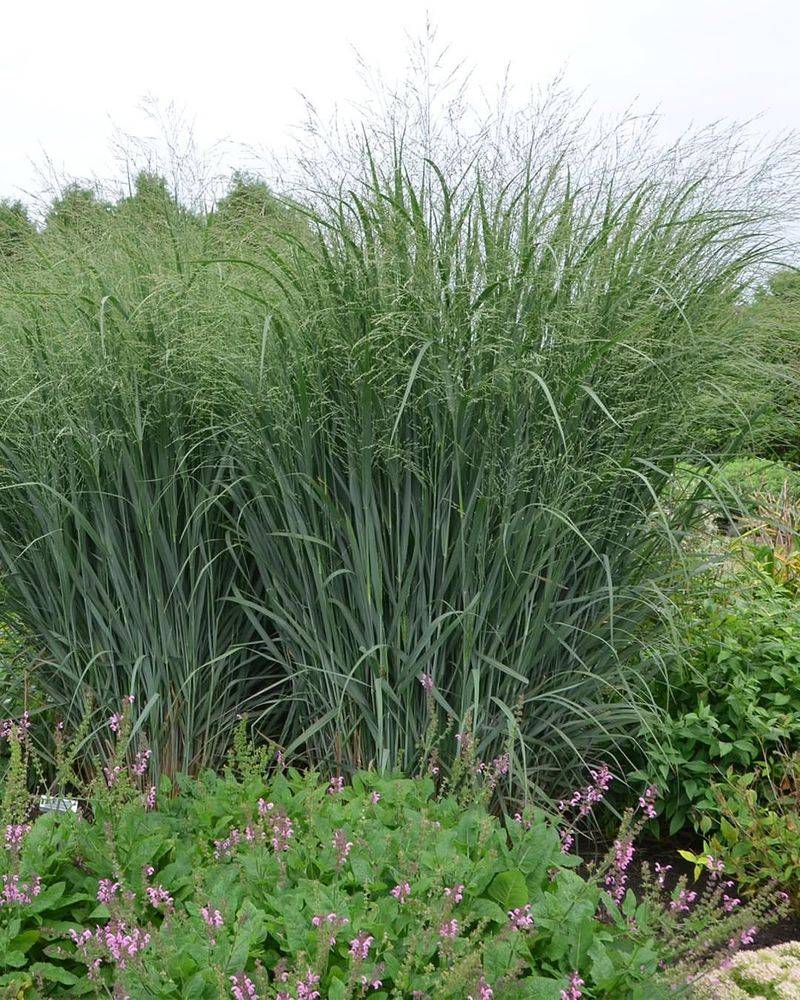
Switchgrass, or Panicum virgatum, brings a sense of movement and elegance to the North Carolina garden that few other plants can match.
Tall, upright stems topped with clouds of airy, reddish-pink seed heads sway beautifully in summer breezes, and as fall arrives the entire plant shifts into warm shades of gold and amber.
It is a four-season performer that asks very little in return. Deep, extensive roots are what make Switchgrass so self-sufficient. Those roots reach far into the soil, finding water and nutrients on their own without any help from the gardener.
Adding fertilizer actually works against this plant by pushing overly lush, top-heavy growth that causes stems to lean and flop rather than maintaining the clean, upright form that makes Panicum virgatum so appealing in the landscape.
Heat, humidity, and moisture swings are all conditions that North Carolina gardeners know well, and Switchgrass handles all of them with ease.
Wet springs, dry summers, and everything in between are managed without complaint once the plant is established after its first growing season. Full sun brings out the best color and the most upright growth habit.
Wildlife value runs high with this grass. Birds use the seed heads as a food source through fall and winter, and the dense clumps provide nesting cover for small animals.
Cut it back to about six inches in late winter before new growth starts, and it comes back strong every single spring without any fertilizer needed.