Do These Things The Moment Your Michigan Squash Plants Start Setting Fruit
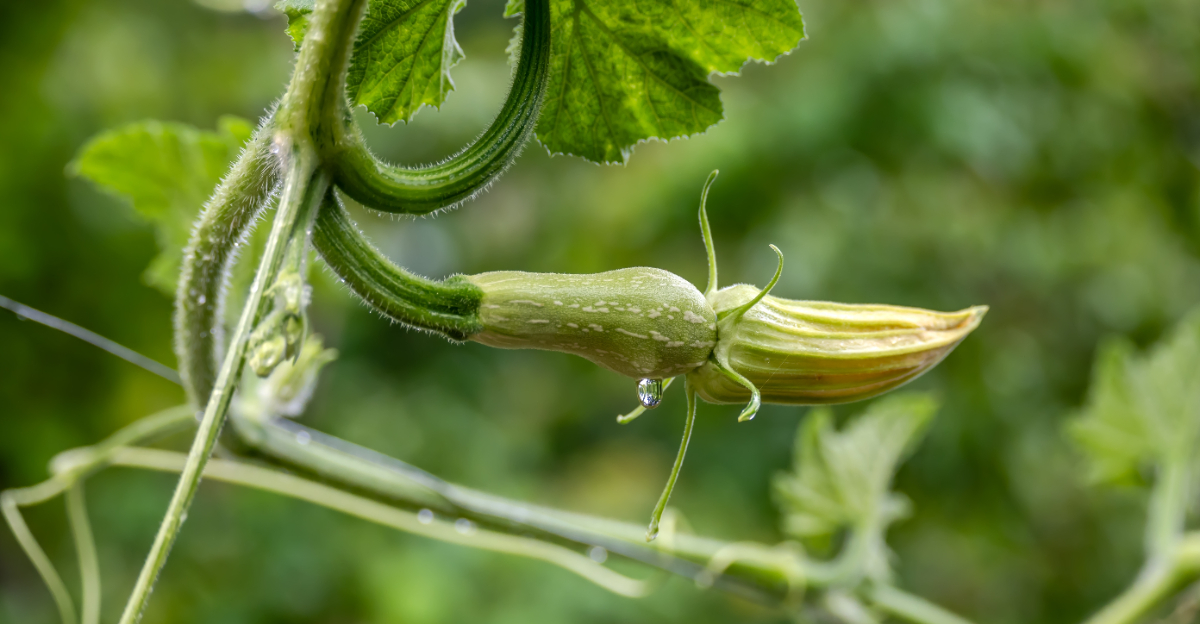
Squash moves fast once it gets going in a Michigan garden. The plants put on size quickly, the vines spread in every direction, and fruit begins setting before most gardeners feel fully ready for it.
That early fruiting window is actually one of the most important moments of the entire season. What you do in the first few days after fruit begins to form shapes how productive the plant stays through the rest of summer.
A lot of gardeners shift into a waiting mode at this stage, checking on the plants but not acting on anything specific. That waiting tends to cost them.
A few targeted steps taken right at the start of fruit set can keep the plants producing steadily rather than pushing hard early and fading out before August arrives.
1. Begin Consistent Deep Watering
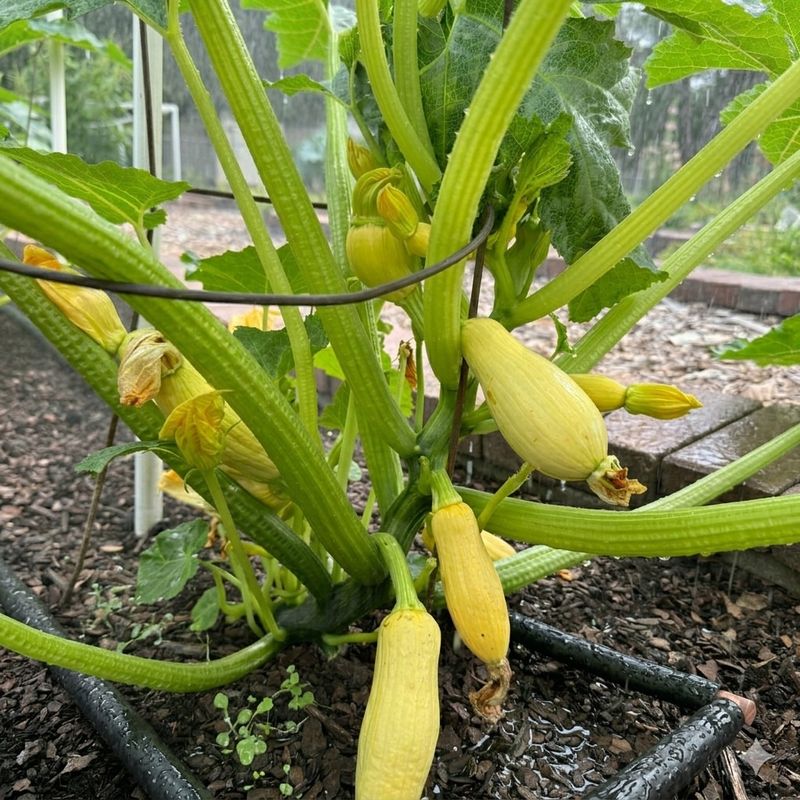
Squash plants are thirsty once they start setting fruit, and Michigan summers can be unpredictable. One dry week followed by a heavy rain can cause blossom end rot, cracked skins, and stressed plants that struggle to keep producing.
Steady, deep watering is the single most reliable thing you can do at this stage.
Aim to give your squash about one to two inches of water per week, delivered slowly and directly at the soil level. Soaker hoses and drip irrigation are fantastic tools here because they keep foliage dry, which cuts down on fungal problems.
Watering in the morning also helps any accidental leaf splash dry off quickly before evening humidity sets in.
Michigan soil types vary a lot from yard to yard. Sandy soils drain fast and may need watering every two to three days, while clay-heavy beds hold moisture longer and only need deep watering once or twice a week.
Raised beds and containers tend to dry out faster than in-ground plots, so check the soil an inch or two down before each watering session. Consistency is the key word here.
Squash roots go deep when water is available deep, making plants stronger and more productive all season long.
2. Mulch Around Plants To Keep Soil Moist And Cool
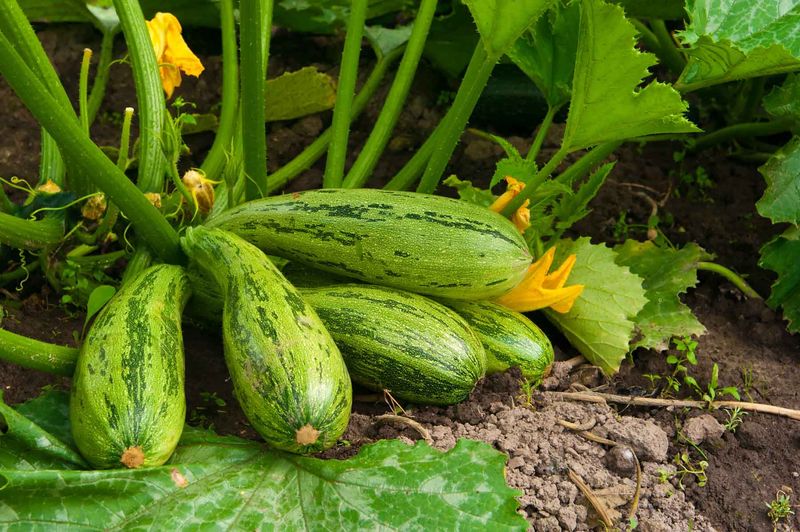
Few gardening habits pay off as quickly as mulching, and squash beds are one of the best places to see the difference. A good layer of organic mulch acts like a blanket for the soil, holding in moisture on hot days and keeping roots cooler than bare ground ever could.
Michigan summers can push soil temperatures surprisingly high, and that heat stress slows fruit production fast.
Straw is a classic choice for squash beds because it is loose, breathable, and easy to spread. Shredded leaves work just as well and are usually free if you saved them from last fall.
A two-to-three-inch layer is plenty. Go too thick and you risk trapping too much moisture near the crown, which can invite rot and fungal trouble.
Timing matters here. Apply mulch right after fruit set begins, when the soil is already moist from a recent watering.
Spread it in a ring around each plant, keeping a few inches clear from the main stem to allow airflow at the base. One overlooked bonus of mulch is that it reduces soil splash during rain or overhead watering.
Your Michigan Garden Changes Every Week. Your Plan Should Too.
Gardening in Michigan changes quickly throughout the season. Every Friday you’ll receive a simple weekly plan showing exactly what to plant, prune, fertilize, harvest, and protect so you never miss the right timing.
That splash carries fungal spores from soil to leaves, which is a major cause of powdery mildew and other diseases in Michigan squash gardens. Mulch quietly stops that cycle before it starts.
3. Support Vines With Trellises Or Stakes
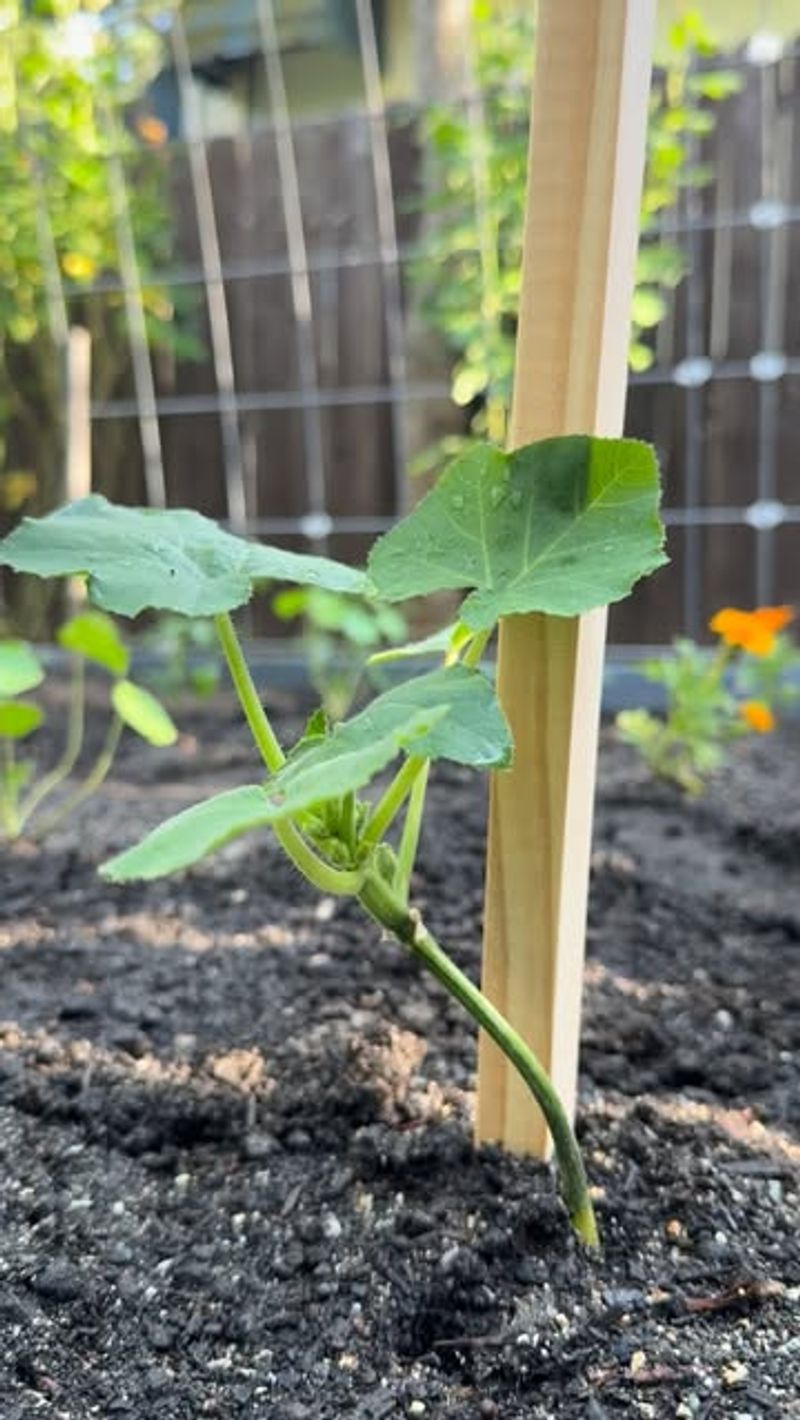
Not every squash plant sprawls across the ground, but for those that do, a trellis changes everything. Once fruit starts forming on vining varieties, the weight of those developing squash pulls stems down into the soil where moisture and pests can cause real problems.
Lifting vines off the ground improves airflow, keeps fruits cleaner, and makes harvesting so much easier. A simple cattle panel or wooden trellis works beautifully for most vining types.
Space vertical supports about every four to five feet and use soft garden ties or strips of old cotton fabric to gently guide stems upward as they grow. Avoid anything with sharp edges or tight loops that could cut into stems as they thicken.
For larger fruits like butternut or acorn squash, small hammock slings made from old pantyhose or mesh bags cradle the weight and prevent the fruit from snapping off the vine early.
Bush varieties like most zucchini do not need a full trellis, but a simple stake or two placed early can prevent heavy stems from flopping over and blocking airflow around the crown.
Michigan gardens often deal with humid stretches in July and August, and good airflow is one of the best natural defenses against fungal diseases.
A small investment in support structures now pays dividends in healthier plants and cleaner, more abundant fruit all the way to the end of the season.
4. Start Monitoring For Squash Vine Borers
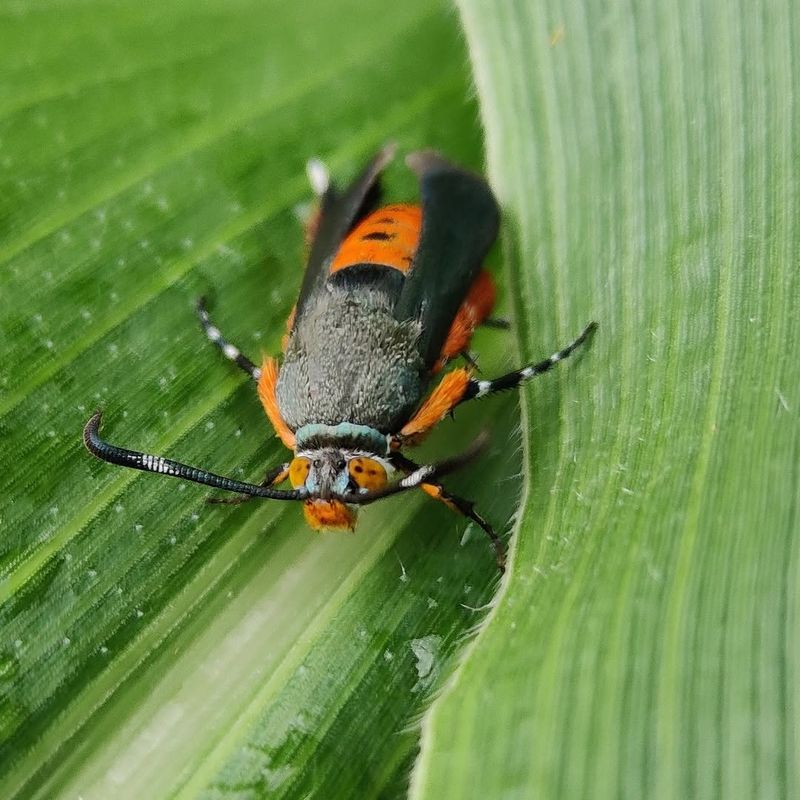
Squash vine borers are one of Michigan’s most frustrating garden pests, and they tend to show up right when plants start producing fruit. The adult moth lays tiny, flat, reddish-brown eggs at the base of squash stems in late June and early July.
Once the eggs hatch, the larvae burrow inside and feed from within, causing the vine to wilt suddenly and dramatically.
Catching them early is everything. Check the base of each squash stem every few days, looking for small piles of greenish-yellow sawdust-like material called frass.
That frass is the clearest sign that a larva is already inside. If you find it, you can carefully slit the stem lengthwise with a clean blade, remove the larva, and cover the wound with moist soil to encourage the plant to root above the damage.
Prevention is far better than rescue. Row covers placed over young plants before bloom time block the adult moth completely, though you will need to remove them once flowering starts so pollinators can reach the blossoms.
Wrapping the bottom few inches of each stem in aluminum foil is a simple trick that deters egg-laying. Rotating squash to a new garden bed each year also reduces borer pressure significantly because larvae overwinter in the soil.
Staying alert during those first weeks of fruit set is the most effective defense you have against this pest.
5. Remove Weeds Around Squash Plants
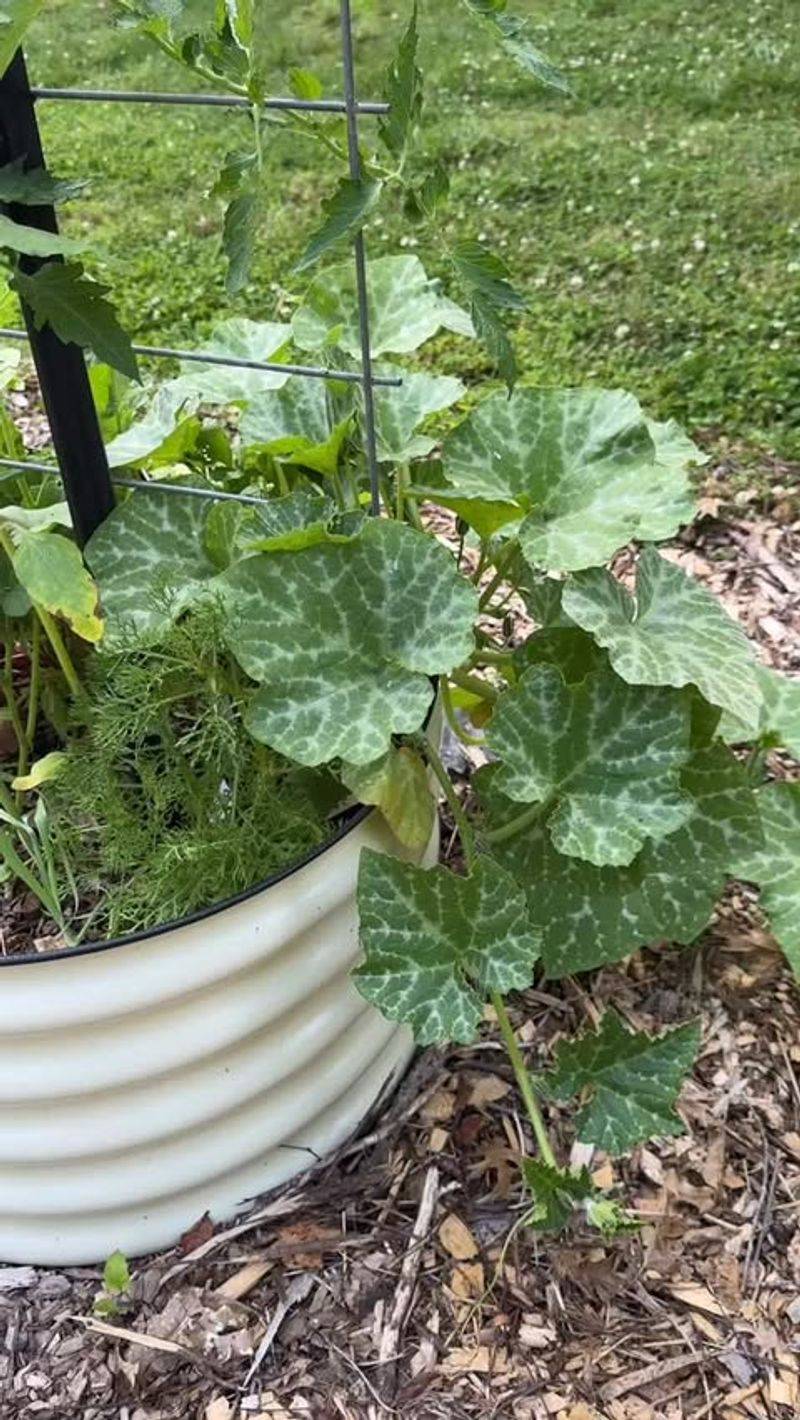
Weeds around squash plants are more than just an eyesore. They compete directly with your plants for water, nutrients, and sunlight, and that competition hits hardest right when fruit is forming and your squash needs every resource it can get.
A heavily weeded bed can slow fruit development noticeably within just a week or two.
Shallow cultivation is the safest approach once squash roots have spread. Squash plants have wide, shallow root systems that fan out far beyond the crown, so deep hoeing can damage those roots and set the plant back.
A light pass with a hoe or hand cultivator just an inch or two into the soil is enough to sever weed roots without disturbing the squash. Work on dry days when weeds pull out cleanly.
Dense weeds also trap humidity around stems and leaves, creating the warm, moist conditions that powdery mildew and downy mildew love.
Michigan summers bring plenty of humidity on their own, so anything that adds to that moisture around your plants is worth addressing quickly.
Pulling weeds by hand close to the stem is smarter than hoeing in tight spaces. Once weeds are cleared, a fresh layer of mulch will slow their return dramatically.
Staying on top of weed removal every week or two is far easier than trying to reclaim a bed that has been left to grow wild for a month.
6. Fertilize Lightly With Balanced Nutrients
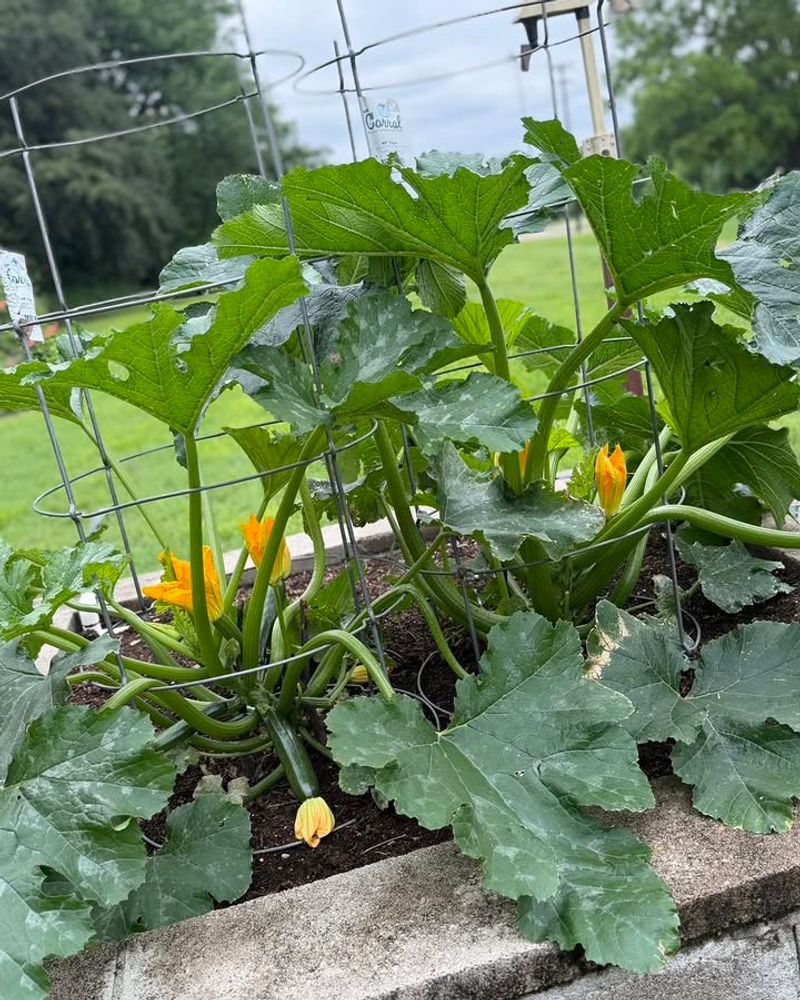
Once squash starts setting fruit, its nutritional needs shift. Early in the season, plants want nitrogen to push leafy growth.
Now that fruits are forming, too much nitrogen encourages the plant to keep producing leaves instead of channeling energy into those developing squash. A lighter, more balanced approach gives your plants exactly what they need without throwing things off balance.
Look for a fertilizer with a balanced N-P-K ratio, something like 10-10-10 or a formula slightly higher in phosphorus and potassium, which support fruit development and root strength.
Organic options like compost tea, fish emulsion, or kelp meal are excellent choices because they release nutrients slowly and gently, reducing the risk of over-feeding. Apply every three to four weeks rather than all at once.
Granular fertilizers should be worked lightly into the soil a few inches away from the stem and watered in well. Liquid fertilizers can be applied directly to the soil around the root zone during regular watering.
Avoid getting fertilizer on leaves or stems, especially in hot weather, because it can cause burning. Michigan gardeners who amended their beds with compost before planting may find that very little extra fertilizer is needed at this stage.
A soil test is the most reliable way to know exactly what your garden is missing, and your local Michigan State University Extension office can help with that.
7. Keep An Eye On Pollinators
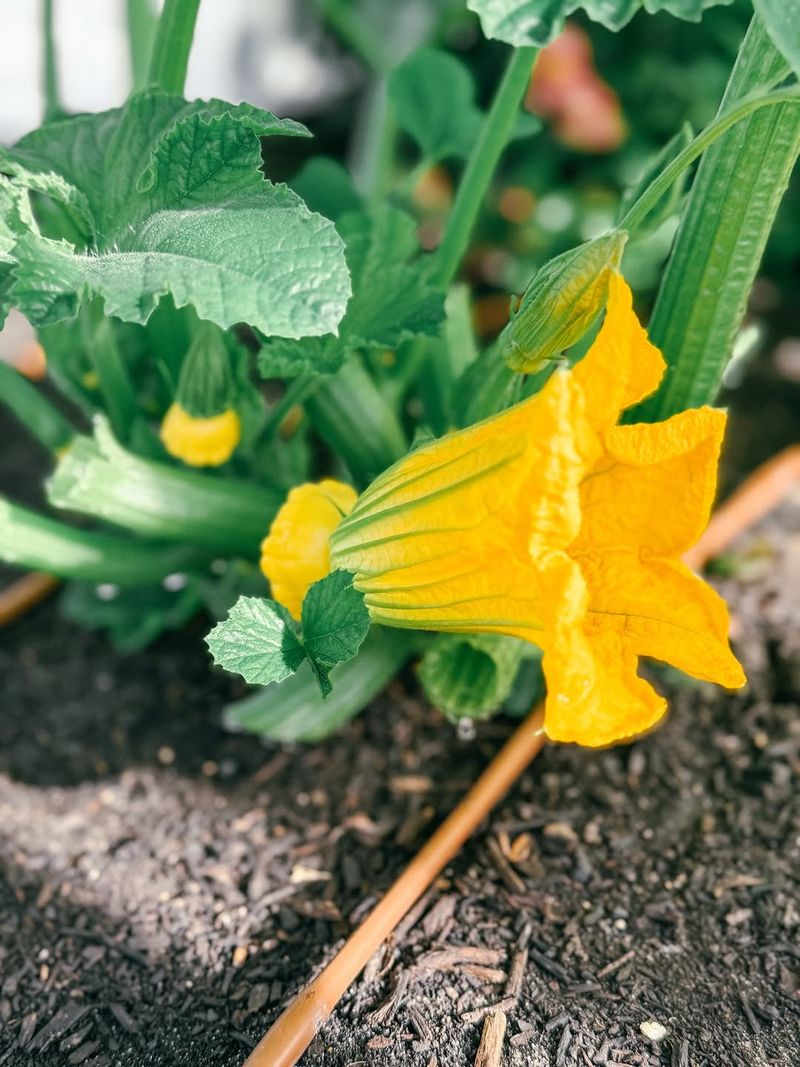
Here is something fascinating about squash: every single fruit starts with a bee. Squash plants produce separate male and female flowers, and without a pollinator transferring pollen from one to the other, female flowers simply fall off without forming fruit.
In Michigan, honeybees, bumblebees, and native squash bees are the main players in this process, and their activity directly determines how many squash you harvest.
Watch your plants on warm mornings between 7 and 11 a.m., which is when squash flowers are most open and most attractive to bees. If you are seeing plenty of bee traffic, things are working well.
If bees seem scarce, planting pollinator-friendly flowers nearby like borage, marigolds, or zinnias can draw them in. These companion plants also add color and beauty to your garden space.
One of the biggest mistakes gardeners make during fruit set is applying insecticides while flowers are open. Even products labeled as low-impact can harm or repel bees if used at the wrong time.
If pest pressure demands treatment, apply any sprays in the evening after flowers have closed for the day.
If pollination is clearly failing despite bee presence, you can hand-pollinate by using a small paintbrush or cotton swab to transfer pollen from a male flower directly into the center of a female flower.
Female flowers have a tiny swollen base that will become the fruit.
8. Harvest Early Fruit Regularly
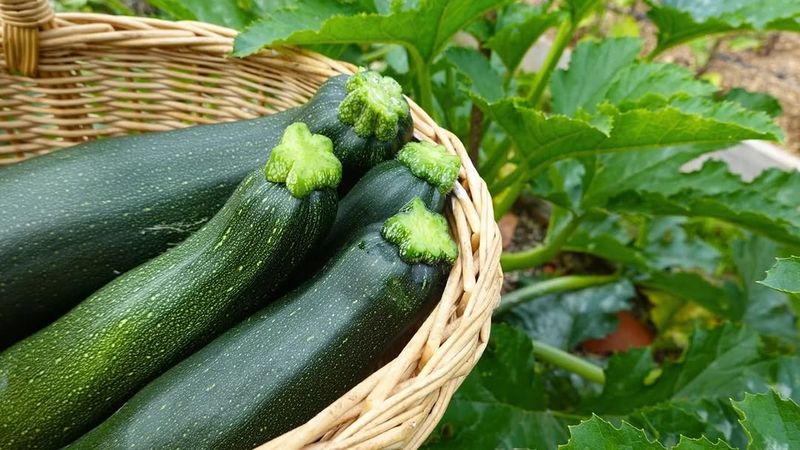
Zucchini left on the vine too long turns into a baseball bat almost overnight, and most gardeners have at least one story about finding a forgotten squash the size of a small boat. But oversized fruits are more than just a funny surprise.
When squash plants are holding onto large, mature fruits, they signal the plant to slow down flower and fruit production. Regular harvesting is one of the simplest ways to keep your plants producing all season.
Summer squash and zucchini are best picked when they are six to eight inches long. At that size, the skin is tender, the seeds are small, and the flavor is at its peak.
Winter squash varieties like butternut and acorn need much longer on the vine, but checking regularly for any fruits that may have been damaged or are showing signs of rot keeps the plant focused on the healthy ones.
Use a sharp knife or pruning shears to cut the fruit from the vine rather than twisting or pulling, which can injure the stem and create entry points for disease.
Harvest every two to three days during peak season because squash grows fast in Michigan’s warm summer temperatures.
Keeping a small basket nearby during your morning garden walk makes it easy to grab ripe fruits without letting anything go too long. The more you pick, the more your plants produce.
9. Check Leaves And Stems For Disease Signs
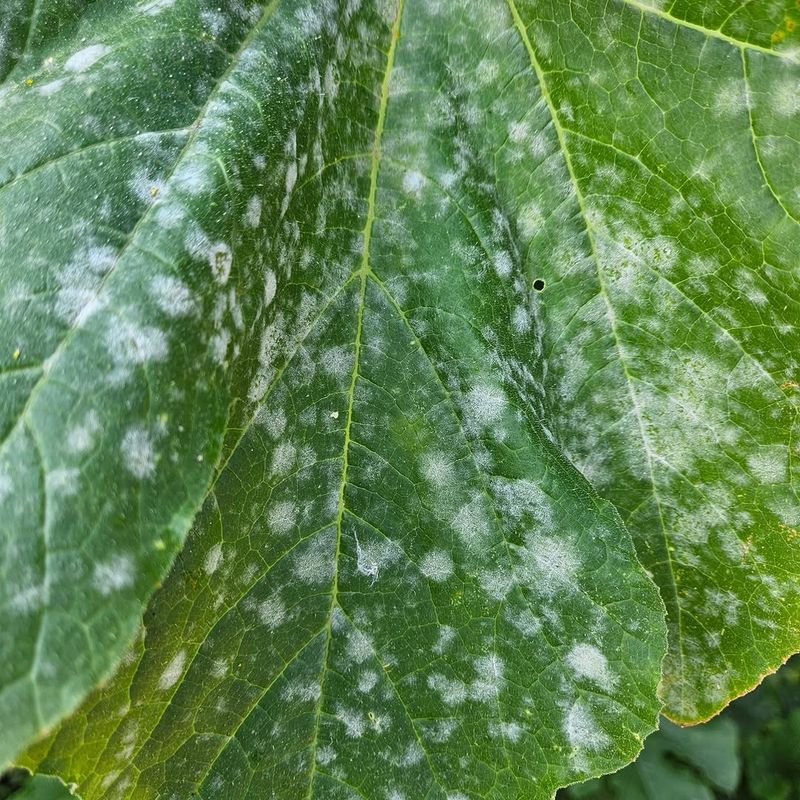
Powdery mildew is practically a rite of passage for Michigan squash growers, but catching it early makes a huge difference in how much damage it actually causes.
This fungal disease shows up as white, chalky patches on leaf surfaces, usually starting on older leaves lower on the plant.
It spreads quickly in warm days with cool nights and moderate humidity, which describes a lot of Michigan summers perfectly.
Walk through your garden every few days and flip leaves over to check the undersides as well. Downy mildew starts on the undersides of leaves as yellow or brown patches with a grayish fuzz beneath.
Angular, water-soaked spots on leaf surfaces can signal bacterial diseases. Catching any of these early gives you options that simply are not available once the problem spreads widely.
Good airflow is one of the most powerful tools against fungal disease. Avoid planting squash too close together, and remove any leaves that are heavily affected to slow the spread.
Watering at soil level rather than overhead keeps foliage dry, which fungi hate. For powdery mildew, a diluted baking soda spray or a neem oil application in the evening can slow its progress effectively.
Choosing disease-resistant squash varieties when you plan next year’s garden is also worth considering. Healthy leaves mean the plant can keep photosynthesizing and fueling all those developing fruits through the rest of the season.
10. Provide Extra Support During Hot Days
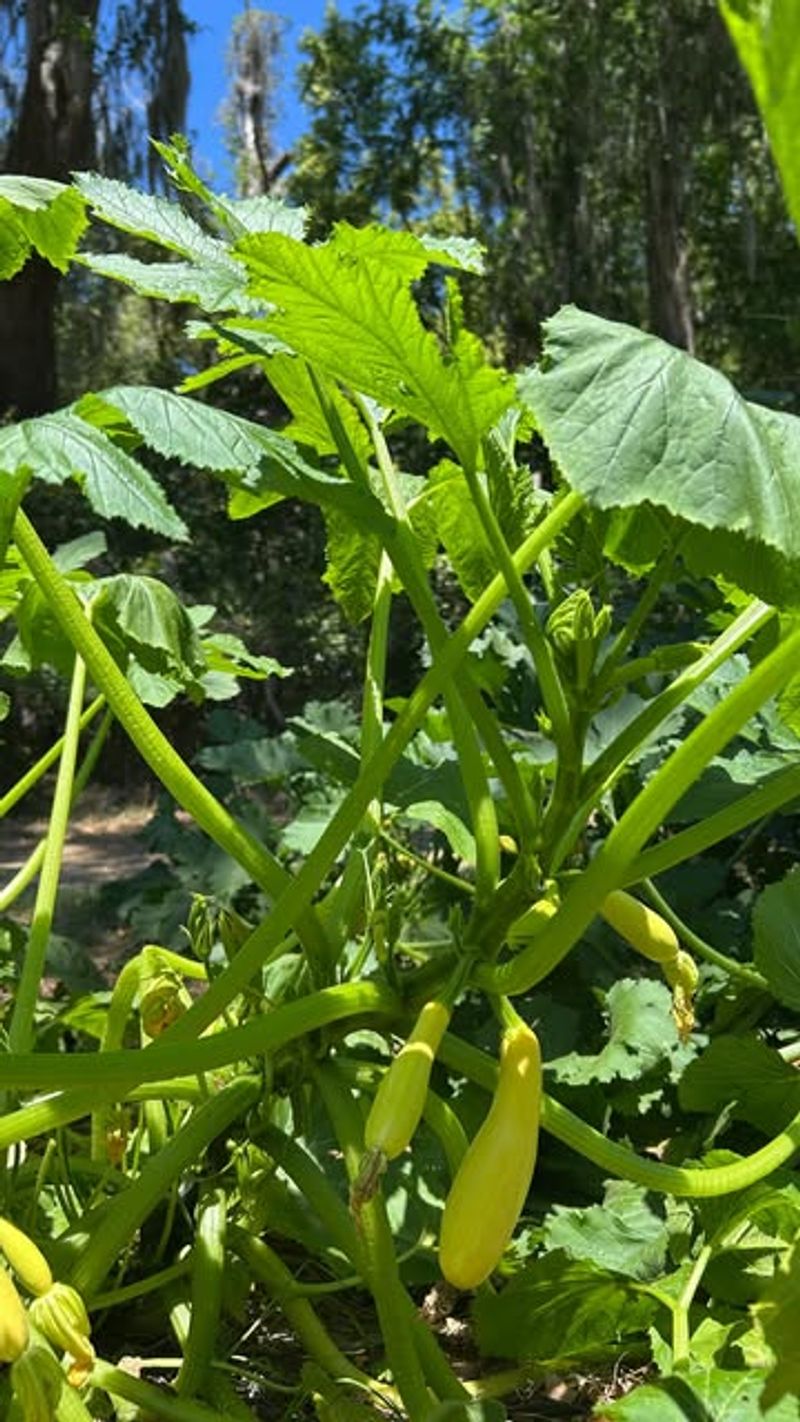
Michigan summers can surprise even experienced gardeners with stretches of intense heat that push temperatures into the upper 80s and 90s for days at a time. Once squash plants are loaded with developing fruits, that heat puts real stress on the plant.
Blossoms can drop, fruits can develop soft spots, and overall production slows when temperatures stay too high for too long. Shade cloth is a practical solution for raised beds and small backyard plots.
A lightweight 30 to 40 percent shade cloth draped over hoops above your squash during the hottest part of the afternoon can reduce leaf temperature noticeably without blocking enough light to hurt growth.
Remove it in the cooler morning hours so pollinators can still access the flowers freely.
Keeping the soil consistently moist is even more important during heat waves because plants lose water through their leaves at a much faster rate when temperatures climb.
Mulch becomes your best friend in these moments, holding soil moisture in and reflecting some heat away from the root zone.
Container-grown squash heats up faster than in-ground plants and may need watering twice a day during extreme heat. Even a simple umbrella propped nearby can offer enough afternoon shade to get a potted plant through a brutal July afternoon.
Small adjustments like these protect your crop and keep fruit quality high even when the weather refuses to cooperate.