Do These Things The Moment Your Michigan Hydrangeas Start Showing New Growth
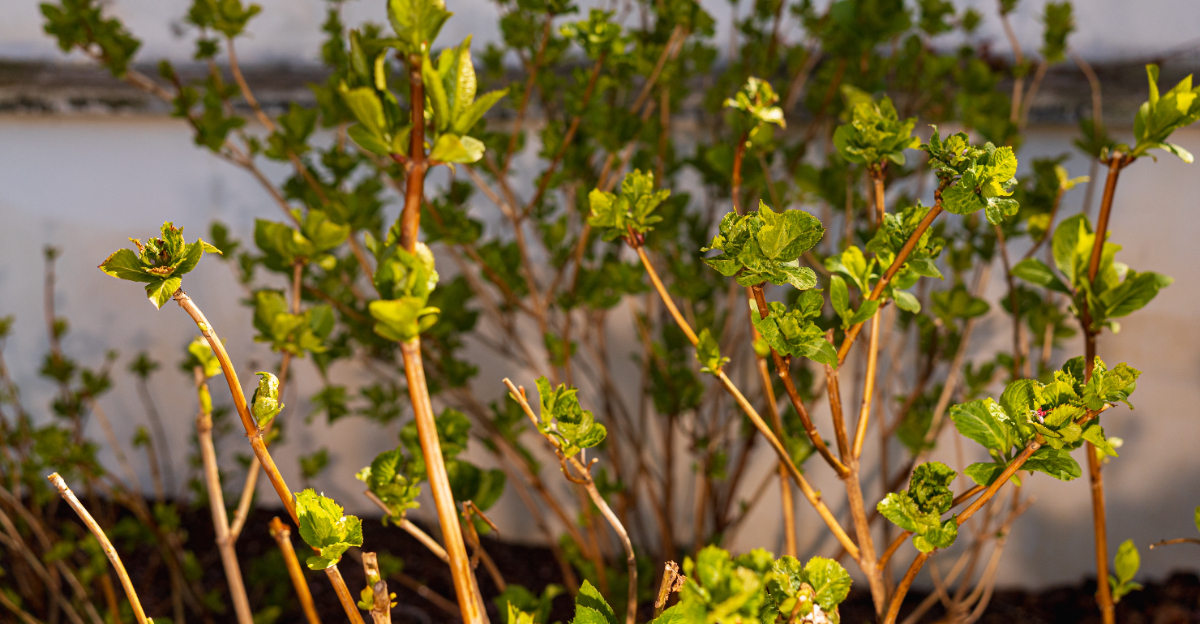
New growth on a Michigan hydrangea after a long winter is one of the more reassuring sights in the spring garden. The plant made it through, the season is beginning, and flowers are somewhere ahead.
Most gardeners see those first green buds and feel like the hard part is over. In reality this is one of the most consequential windows of the entire growing year for hydrangeas in this state.
What happens in the soil, on the stems, and around the root zone in the days right after new growth appears sets the trajectory for everything that follows. Miss this moment and the plants still grow and bloom, but rarely as well as they could.
Catch it with the right steps and the difference by midsummer is visible from across the yard.
1. Inspect Branches For Winter Damage And Prune Carefully
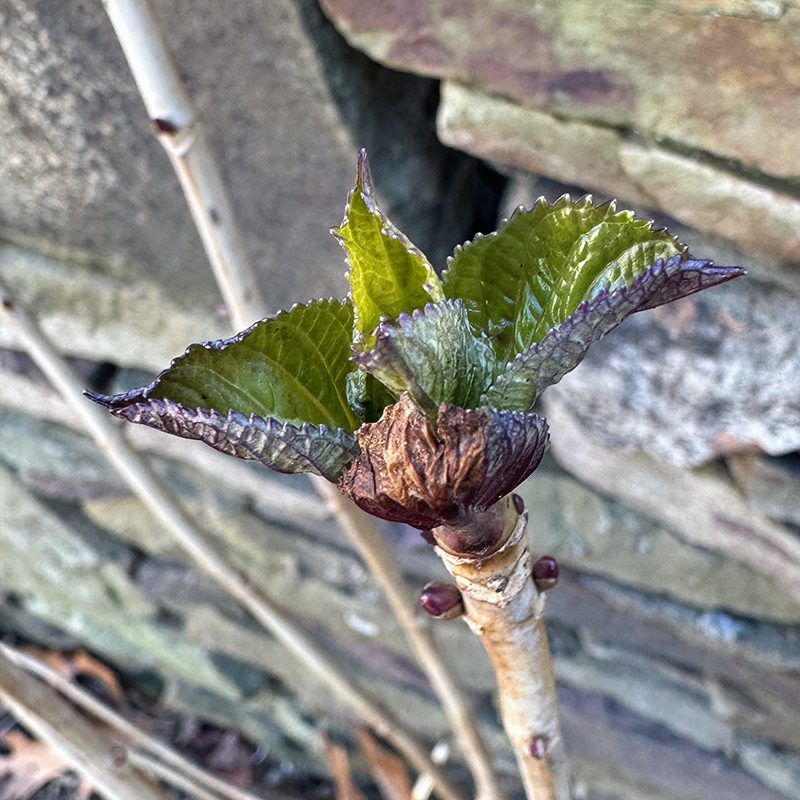
Michigan winters can be rough on hydrangeas, and not every branch makes it through in good shape. Before you get excited about all that new growth, take a slow walk around each plant and really look at the stems.
Snap a small piece of a branch with your fingers. If it bends a little, it is alive. If it crumbles or feels hollow, that stem needs to go.
Removing damaged or weak stems right away does more than tidy things up. It opens the plant to better airflow, which helps reduce the risk of fungal problems later in the season.
Healthy stems can focus their energy on producing strong leaves and big flower heads instead of trying to support wood that will never recover.
Use clean, sharp pruning shears and make your cuts at a slight angle just above a healthy bud. Avoid cutting into green, actively growing wood.
Michigan gardeners should be patient and wait until new growth clearly shows before making final cuts, since some stems that look questionable in early spring can still surprise you.
Over pruning is one of the most common mistakes people make, so always remove less than you think you need to.
A thoughtful approach now sets your plant up for a productive and beautiful growing season ahead.
2. Begin Fertilizing Lightly To Support Bud Formation
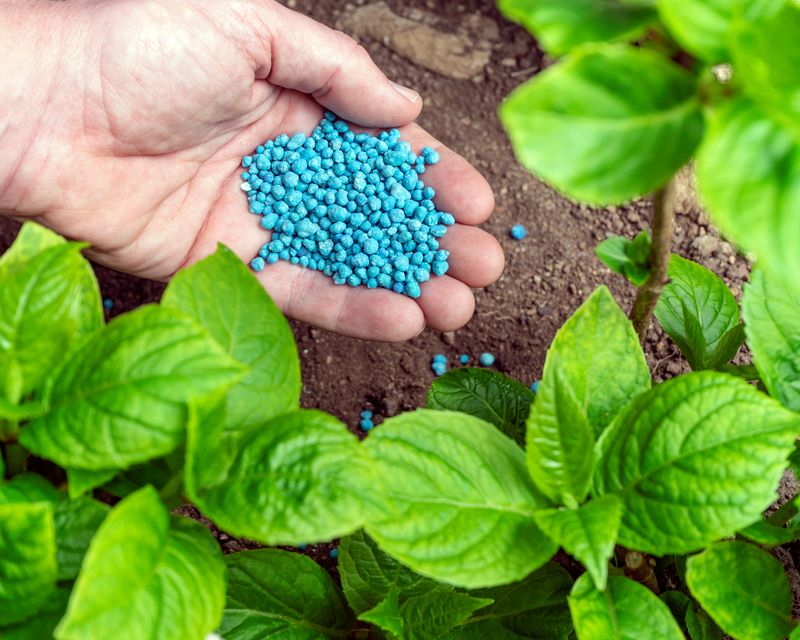
Feeding your hydrangeas at the right moment can completely change how they bloom. Once you see that first flush of new growth, your plant is ready to absorb nutrients and use them productively.
Starting too early, before growth begins, means fertilizer sits in cold soil and does very little good.
A balanced fertilizer, something like a 10-10-10 granular blend, works well for most hydrangea varieties in Michigan. Sprinkle it lightly around the drip line of the plant rather than right against the base.
Water it in gently so the nutrients reach the root zone without washing away. If you want to get more precise, a simple soil test from your local extension office can tell you exactly what your garden is missing.
Watch out for going heavy on nitrogen. Too much of it pushes the plant to grow lots of soft, leafy tissue instead of putting energy into flower buds.
Your Michigan Garden Changes Every Week. Your Plan Should Too.
Gardening in Michigan changes quickly throughout the season. Every Friday you’ll receive a simple weekly plan showing exactly what to plant, prune, fertilize, harvest, and protect so you never miss the right timing.
Bigleaf and panicle hydrangeas respond differently to feeding, so it is worth knowing which variety you have before applying anything. Smooth hydrangeas, like Annabelle, tend to need very little fertilizer to perform well.
One light feeding in early spring is usually enough to get things moving in the right direction without overdoing it and creating problems down the road.
3. Check Soil Moisture And Adjust Watering
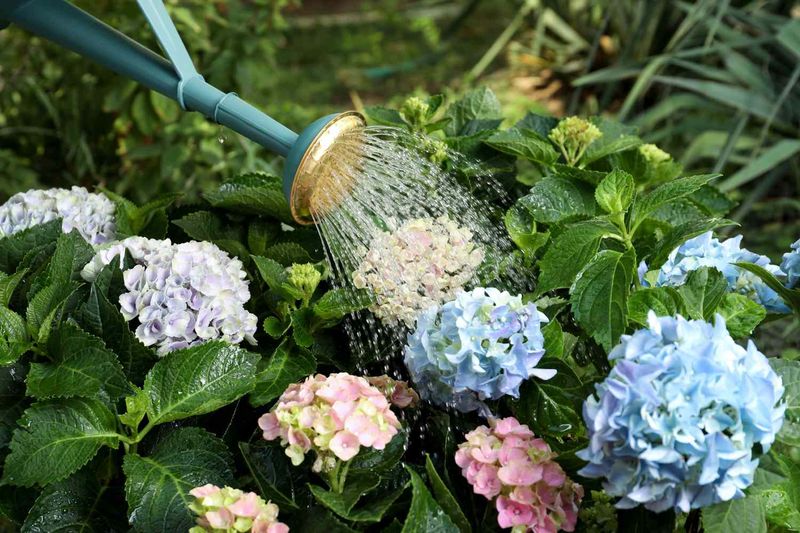
Soil moisture is one of those things that is easy to overlook in spring because the weather feels mild and rain seems frequent. But hydrangeas need consistent moisture right from the start, especially as roots wake up and new leaves begin to unfurl.
Dry spells in early spring can stress a plant before it even gets going. Michigan soils vary a lot from yard to yard. Clay-heavy soil holds water longer but can become waterlogged, which suffocates roots and causes more harm than drought.
Sandy soil drains quickly and may need more frequent watering to stay consistently moist. The easiest way to check is to push your finger about two inches into the soil near the base of the plant.
If it feels dry at that depth, it is time to water slowly and deeply. Deep watering encourages roots to grow downward rather than staying shallow near the surface.
Shallow roots make plants much more vulnerable to both drought and temperature swings, which Michigan gardeners deal with regularly. Water at the base of the plant rather than overhead to keep foliage dry and reduce fungal risk.
Adding a layer of mulch after watering helps lock that moisture in and keeps soil temperature more stable as spring temperatures continue to climb and fluctuate throughout the month.
4. Apply Mulch Lightly To Protect Roots
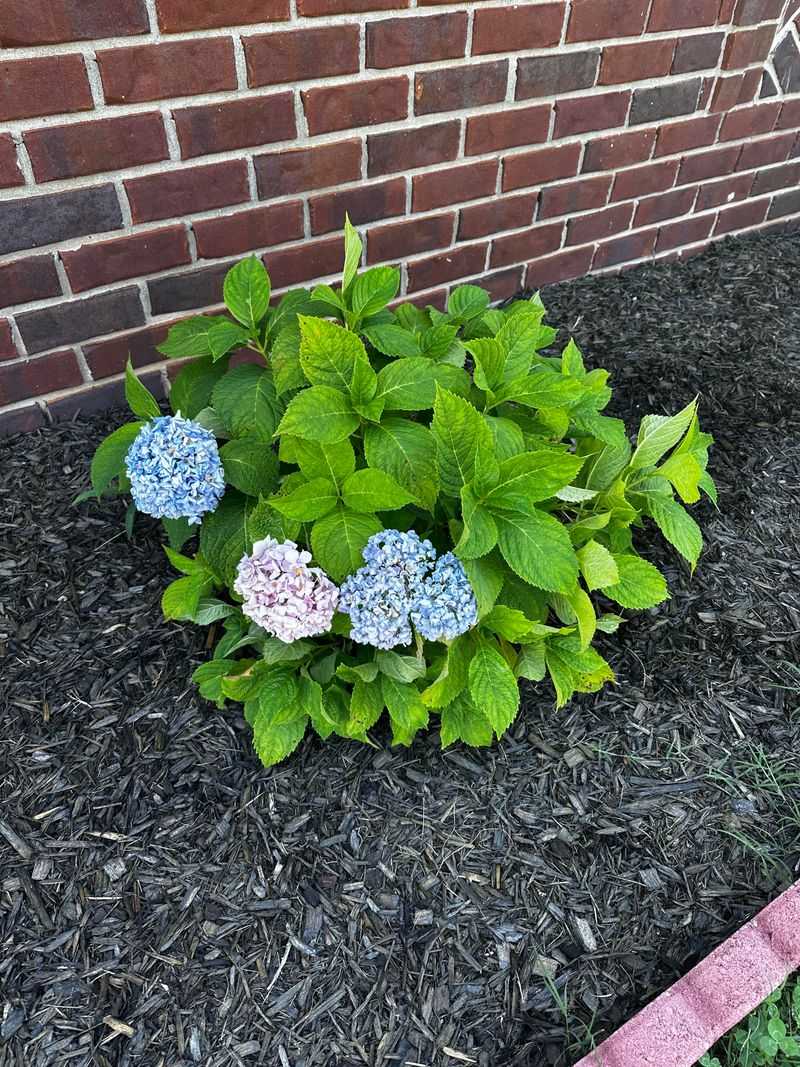
Mulch is one of the simplest things you can do for your hydrangeas and one of the most rewarding.
A fresh layer applied as new growth emerges helps hold soil moisture, keeps weeds from competing with your plant, and acts as a buffer against the wild temperature swings that Michigan spring is famous for.
It is a small effort with a big payoff. Aim for about two to three inches of mulch spread evenly around the base of the plant. Shredded bark, wood chips, or even compost all work well.
The key is keeping that mulch a few inches away from the crown of the plant, which is where the stems meet the soil. Piling mulch directly against the crown traps moisture and creates the perfect environment for rot and fungal issues to take hold.
Pull back any old mulch that has become compacted or matted from winter before adding a fresh layer. Old mulch can block water and air from reaching the soil below.
A light fluffing before topping it up makes a noticeable difference in how well it performs throughout the season. Organic mulches also break down slowly over time and add a small amount of nutrients back into the soil, which is a bonus for hungry hydrangea roots.
Refreshing mulch each spring is one of the best habits a Michigan gardener can build.
5. Monitor For Early Pests And Diseases
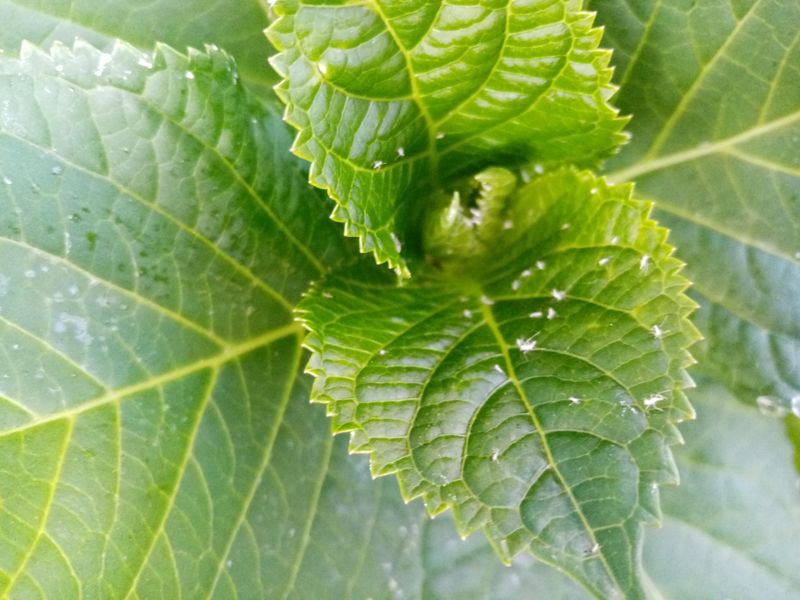
There is something almost sneaky about garden pests. They tend to show up right when your plants are at their most vulnerable, just as new, tender leaves are emerging.
Catching them early is everything. A small aphid colony spotted in week one is a quick fix. The same colony left unchecked for three weeks becomes a real problem.
Walk around your hydrangeas every few days and flip leaves over to check the undersides. Aphids cluster there in soft, sticky groups.
Spider mites leave behind fine webbing and cause leaves to look stippled or pale. Powdery mildew shows up as a white dusty coating on leaf surfaces and tends to appear when nights are cool and days are humid, which describes Michigan spring perfectly.
For aphids, a strong spray of water from the hose often knocks them off effectively. Neem oil is a reliable natural option for both insects and mild fungal issues.
Keeping the area around your plants clear of old leaves and debris also helps because many pests and fungal spores overwinter in garden litter. Good airflow around the plant is your first line of defense against most diseases.
Avoid crowding plants together and trim back anything nearby that blocks air circulation. Staying observant now saves you a lot of trouble later in the season when problems are much harder to manage.
6. Support Weak Stems Early With Stakes Or Cages
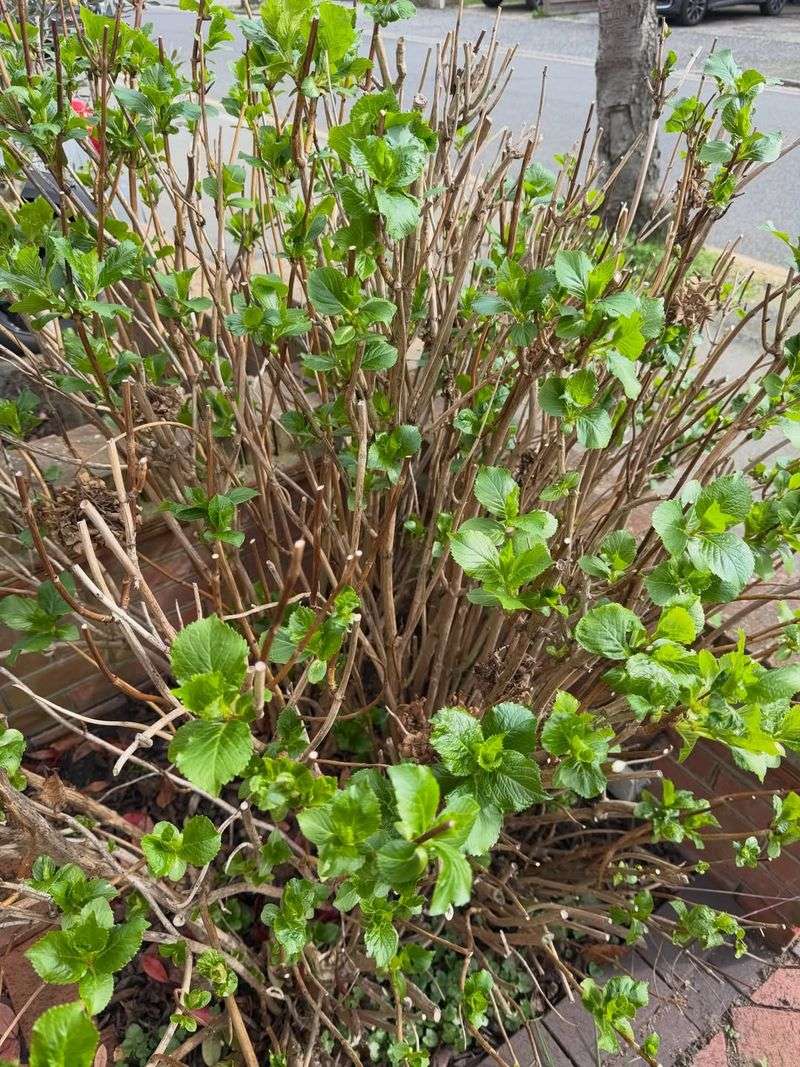
Hydrangeas are known for their gorgeous, full flower heads, but all that beauty comes with a trade-off. Those big blooms get heavy, and stems that were not given support early in the season often end up flopping over by midsummer.
Michigan spring also brings unpredictable wind and rain, which can bend young shoots before they even get a chance to harden off.
The best time to put support in place is right now, while the stems are still short and manageable. Trying to stake a mature hydrangea that has already flopped is frustrating and can actually cause more damage to the stems.
A wire cage placed around the plant early allows new growth to naturally grow up through the support structure, which looks much cleaner and more natural than trying to tie individual stems later.
Bamboo stakes work well for individual stems that need a little extra help. Use soft garden ties or strips of cloth rather than wire or twine, which can cut into the stem as it grows.
Leave enough slack in the tie so the stem can move slightly, which actually helps it build strength over time. Spacing your cages or stakes properly also matters.
Avoid placing them so close to the crown that they restrict airflow or make it hard to access the plant for watering and inspection throughout the growing season.
7. Avoid Fertilizing Too Heavily Or Too Late
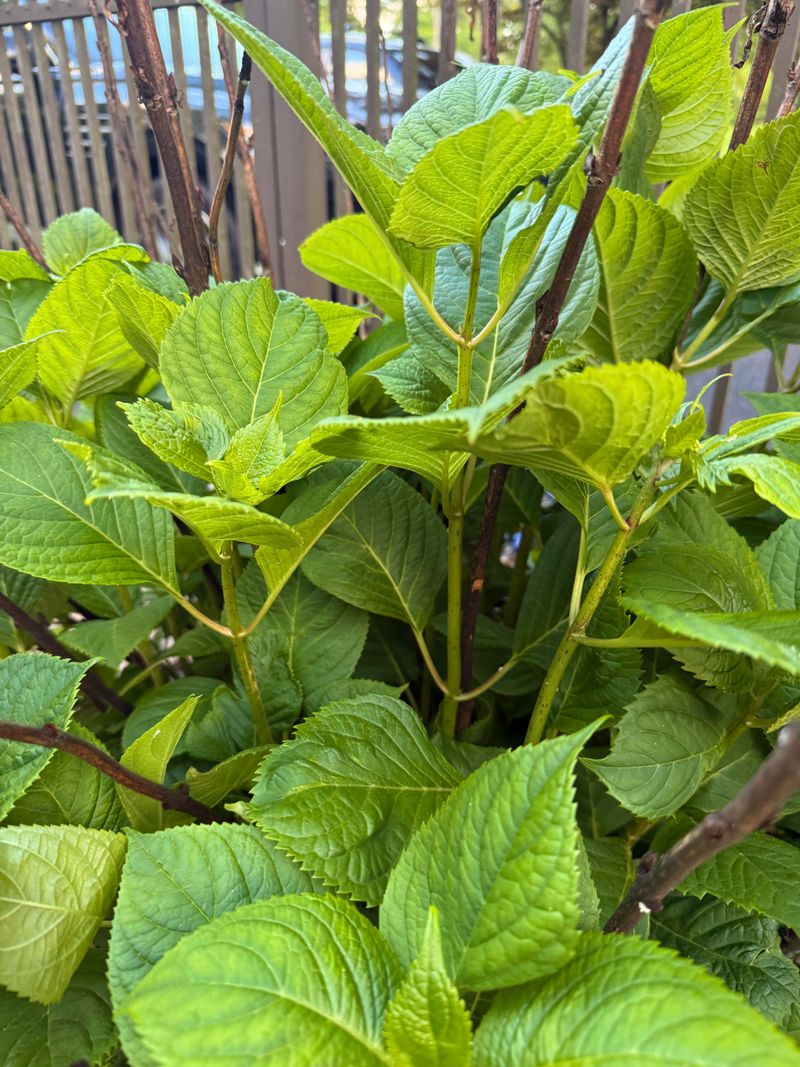
More fertilizer does not mean more flowers. It is one of those gardening myths that trips up a lot of well-meaning plant lovers.
When hydrangeas get too much nitrogen early in the season, they respond by pushing out lots of lush, leafy growth.
That sounds good at first, but soft tissue is actually more attractive to pests and more prone to fungal issues, and it often comes at the expense of flower buds.
Timing matters just as much as quantity. Fertilizing too late in the season, especially past midsummer in Michigan, can push new growth that does not have enough time to harden before cold temperatures return in the fall.
That tender new growth is vulnerable and can set your plant back significantly heading into winter.
Stick to one or two light feedings during the growing season. Early spring when growth begins and again in early summer is a solid schedule for most hydrangea varieties.
Avoid any fertilizer high in nitrogen as the season progresses and look for formulas with a higher middle or last number, representing phosphorus and potassium, which support root strength and flowering rather than leafy growth.
Reading the label carefully and following the recommended rate, or even applying slightly less than suggested, is always the smarter move. Your hydrangeas will thank you with cleaner, stronger blooms that last through the season.
8. Encourage Airflow Around Plants By Removing Debris
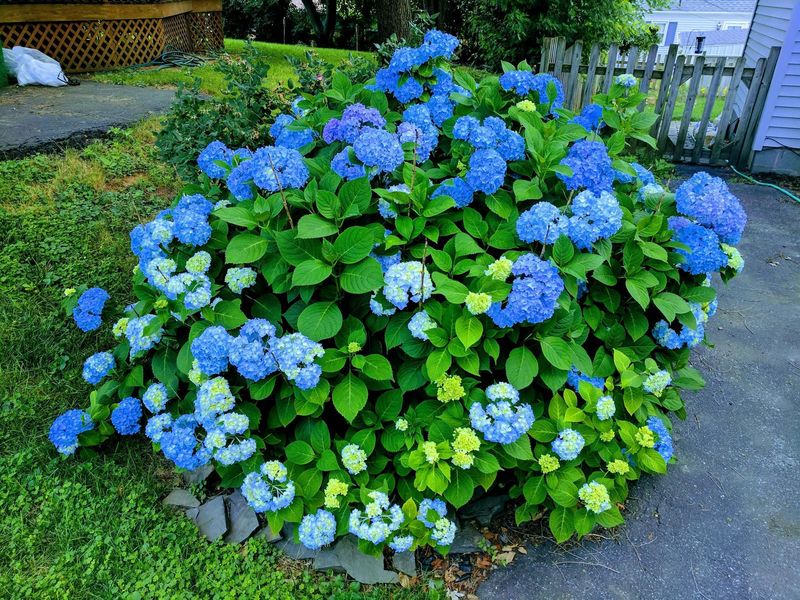
Winter leaves a lot of mess behind in Michigan gardens, and that debris sitting around your hydrangeas is not just an eyesore.
Old leaves, broken twigs, and matted plant material create a humid, sheltered environment that fungal spores and overwintering insects absolutely love.
Clearing it away as soon as new growth appears is one of the most effective things you can do for plant health.
Good airflow around your hydrangeas helps keep the foliage dry and reduces the humidity that diseases like powdery mildew and botrytis thrive in. Even a simple cleanup of the surrounding area makes a real difference.
You do not need to dig deep or disturb the soil. A gentle rake around the base, pulling away leaves and debris without scraping the soil surface, is all it takes to open things up.
While you are at it, check for any low-hanging branches from nearby shrubs or trees that might be pressing against your hydrangea. Removing those improves light penetration and air movement at the same time.
If you have multiple hydrangeas planted close together, make sure the space between them is also clear. Crowded plants trap humidity between them and create conditions where disease spreads quickly from one plant to another.
A little cleanup now creates a cleaner, healthier growing environment that benefits your hydrangeas from the very first leaf all the way through to the last bloom.
9. Observe Sunlight And Adjust Shade As Needed
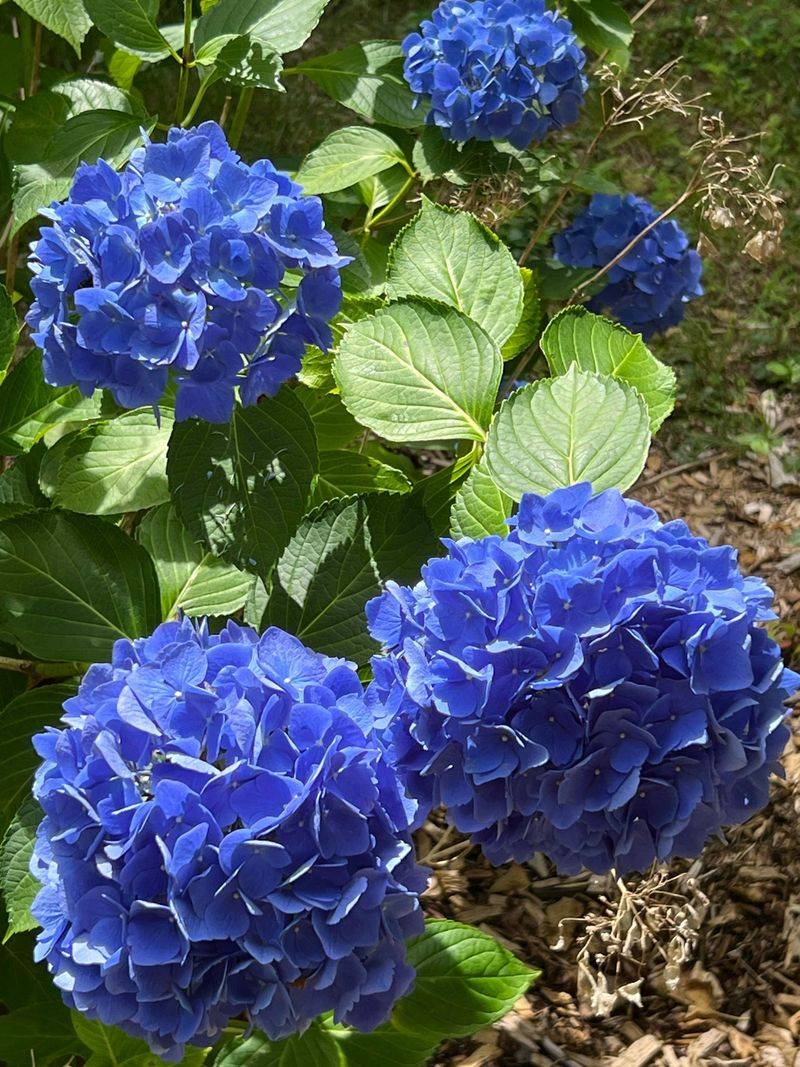
Sunlight is one of the most underestimated factors in hydrangea success, and spring is the perfect time to reassess how much your plants are actually getting.
Trees that were bare all winter will soon be full of leaves, which can dramatically change how much sun reaches your hydrangeas. What worked last year might not work the same way this season.
Most hydrangeas prefer morning sun with some afternoon shade, especially in Michigan where summer afternoons can get surprisingly intense.
Bigleaf varieties are particularly sensitive to too much direct afternoon sun and can show scorched, papery patches on their leaves if they get too much exposure.
Panicle hydrangeas are the toughest of the group and can handle more sun, making them a great choice for sunnier spots in the yard.
If you notice your plant is getting more shade than before because of surrounding plant growth, a little selective pruning of nearby shrubs or lower tree branches can open things up without major effort.
For younger plants or newly divided hydrangeas that are still getting established, a temporary shade cloth during the hottest part of the day can prevent sunscald while roots develop.
Take note of where the sun hits throughout the day rather than just at one moment. Morning, midday, and afternoon observations give you a much clearer picture of what your hydrangea is actually experiencing throughout a full day in your specific garden space.