More And More Michigan Gardeners Are Ditching Vinca For These Native Ground Covers
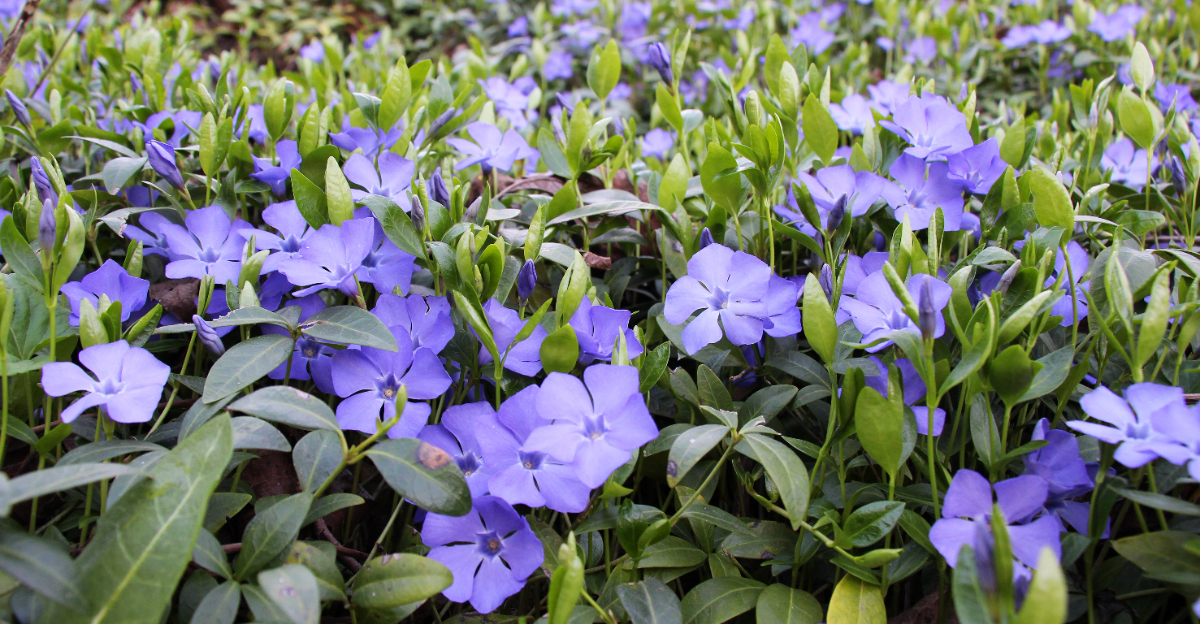
Vinca seemed like such a practical solution when it went in. It covered ground fast, stayed green through winters, and asked for almost nothing in return.
The problem revealed itself gradually, the way vinca problems always do. It crept past its boundaries, moved into natural areas, and started outcompeting plants that actually belong in Michigan’s ecosystem.
State ecologists have been raising concerns about it for years, and more gardeners are finally making the connection between that tidy ground cover in their yard and the broader landscape damage it contributes to when it escapes.
The native alternatives gaining ground as replacements aren’t consolation prizes either.
Several of them offer better seasonal interest, genuine wildlife value, and the kind of deep-rooted resilience that makes a Michigan winter feel like a minor inconvenience rather than a survival test.
1. Green-And-Gold
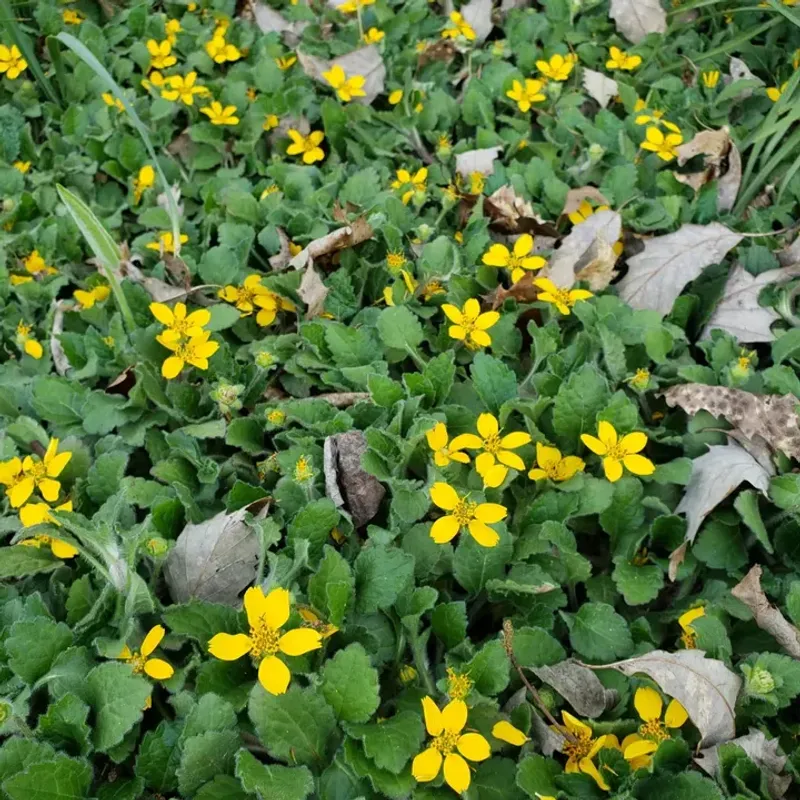
Bright yellow flowers popping up in a shady garden bed? That’s Green-and-Gold doing exactly what it does best.
This cheerful native plant, known scientifically as Chrysogonum virginianum, is quickly becoming one of Michigan gardeners’ favorite alternatives to Vinca.
It blooms heavily in spring and often produces scattered flowers through summer, giving your garden long-lasting color without much effort.
What makes Green-and-Gold stand out is how well it handles Michigan’s mix of shady spots and part-sun areas. It grows happily under trees, along woodland edges, and in those tricky garden corners where other plants struggle.
The foliage stays low and tidy, typically reaching just six to nine inches tall, making it a natural fit for weed suppression between taller shrubs and perennials.
Unlike Vinca, which spreads aggressively and can take over large areas, Green-and-Gold spreads slowly and steadily through short runners. You stay in control of where it goes, which is a huge relief for gardeners who want neat, manageable beds.
Plant divisions about 12 to 18 inches apart in well-drained, average soil, and it will fill in nicely over two to three seasons.
Soil prep matters, but not in a complicated way. Simply loosen the ground, mix in a little compost, and water regularly during the first season.
After that, it needs very little attention. Michigan gardeners love that it supports native bees and small pollinators while keeping weeds at bay naturally. It’s practical, pretty, and genuinely good for your local environment.
2. Foamflower
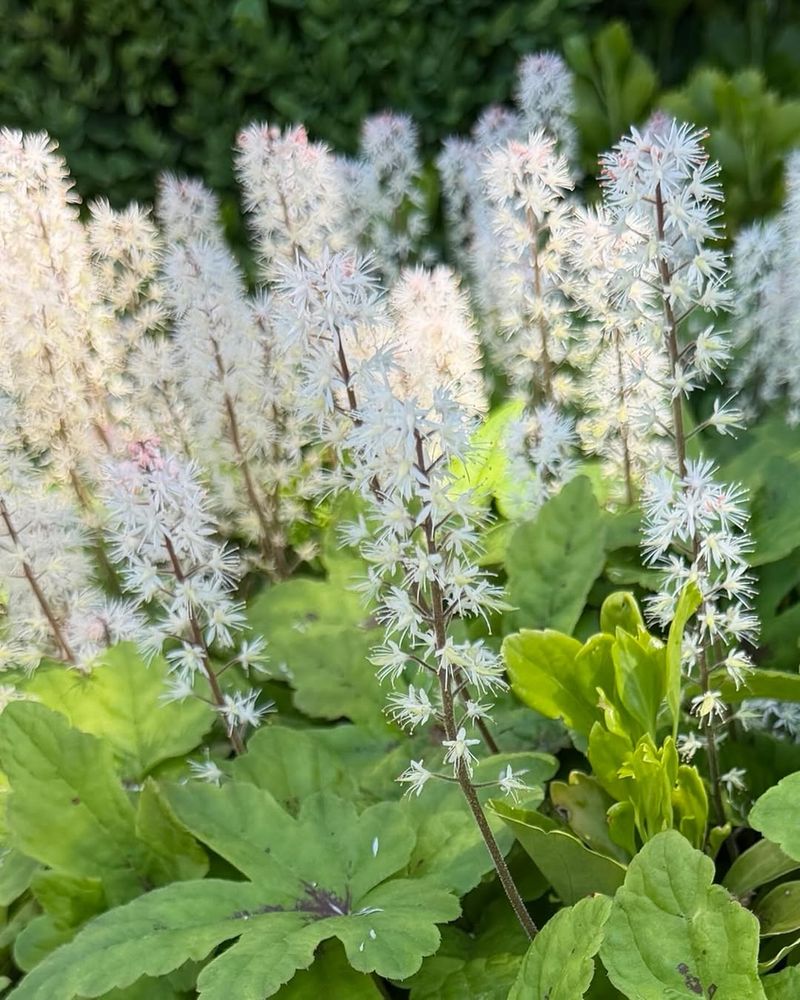
There’s something almost magical about watching Foamflower bloom in spring. Tiarella cordifolia sends up soft, feathery white flower spikes that look like tiny clouds hovering above its beautifully patterned leaves.
Native bees and early-season pollinators absolutely love it, making your garden a buzzing, lively place right when everything is waking up after winter.
Foamflower thrives in shaded and partly shaded spots, which makes it a perfect fit for the woodland-style gardens so common across Michigan.
Its leaves often display burgundy or bronze markings that add visual interest even when the plant isn’t blooming.
After the flowers fade, the foliage remains neat and attractive all the way through summer and into fall, keeping your garden looking tidy without extra work.
Your Michigan Garden Changes Every Week. Your Plan Should Too.
Gardening in Michigan changes quickly throughout the season. Every Friday you’ll receive a simple weekly plan showing exactly what to plant, prune, fertilize, harvest, and protect so you never miss the right timing.
One of the biggest advantages over Vinca is how Foamflower spreads. It gradually expands through short stolons, filling in gaps at a reasonable pace without taking over neighboring plants.
Space transplants about 12 inches apart in moist, well-drained soil rich in organic matter. Adding a layer of leaf mulch around the base mimics the forest floor conditions this plant naturally loves.
Maintenance is refreshingly minimal once established. Water consistently during the first growing season, and after that, Foamflower handles Michigan’s rainfall patterns well on its own.
It rarely needs fertilizing if the soil has decent organic content. For gardeners who want a ground cover that looks polished, supports wildlife, and stays where you plant it, Foamflower checks every single box beautifully.
3. Wild Ginger
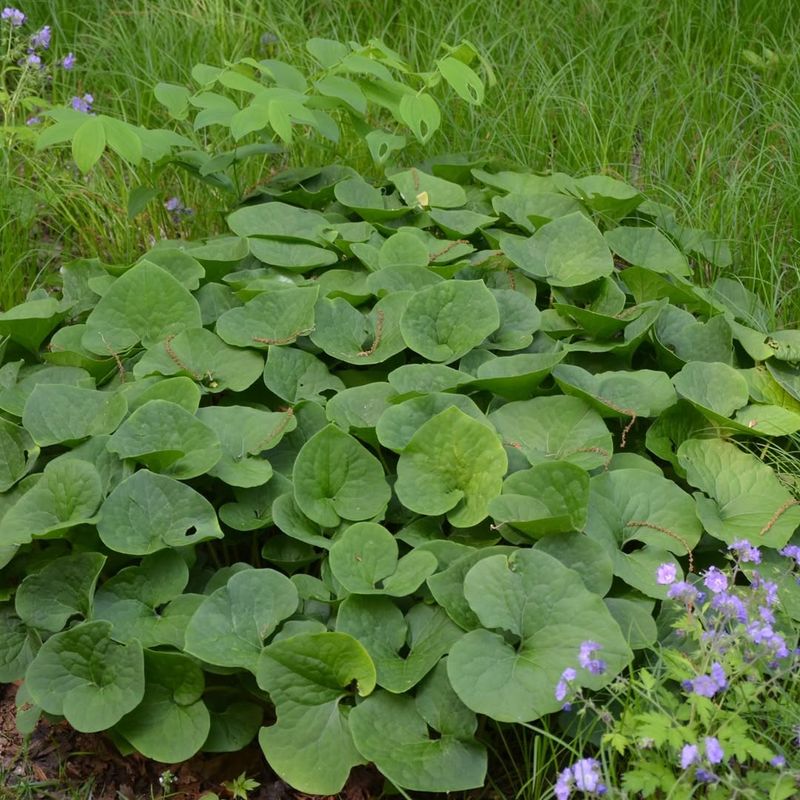
If you’ve ever wished for a ground cover that practically takes care of itself, Wild Ginger might be exactly what you’re looking for. Asarum canadense is a Michigan native that forms a thick, lush carpet of large, heart-shaped leaves in shaded areas.
It doesn’t need much fuss, it doesn’t demand fancy soil, and once it settles in, it handles weed suppression better than most ground covers on the market.
Wild Ginger is a slow spreader, which actually works in your favor. It expands steadily through underground rhizomes, creating a dense mat that crowds out weeds naturally over time.
You won’t wake up one morning to find it has taken over your entire yard the way Vinca sometimes does. That controlled growth makes it much easier to keep within the boundaries of your garden beds.
This plant genuinely loves shade. Deep shade under mature trees, which is one of the hardest conditions for any plant to handle, is where Wild Ginger performs exceptionally well.
It prefers moist, humus-rich soil, so working compost into the planting area before getting started will make a noticeable difference. Space plants about 12 inches apart and keep them watered during dry stretches in their first season.
The hidden flowers that bloom in early spring are tiny and tucked beneath the leaves, a quirky detail that plant enthusiasts love discovering.
Wild Ginger won’t dazzle you with showy blooms, but its bold, uniform foliage creates a striking, professional look in any shaded Michigan landscape. Low effort, high reward.
4. Allegheny Spurge
Most Michigan gardeners know Japanese Pachysandra, the common non-native version sold at nearly every garden center. Far fewer know about its native American cousin, Allegheny Spurge, and that’s a real shame.
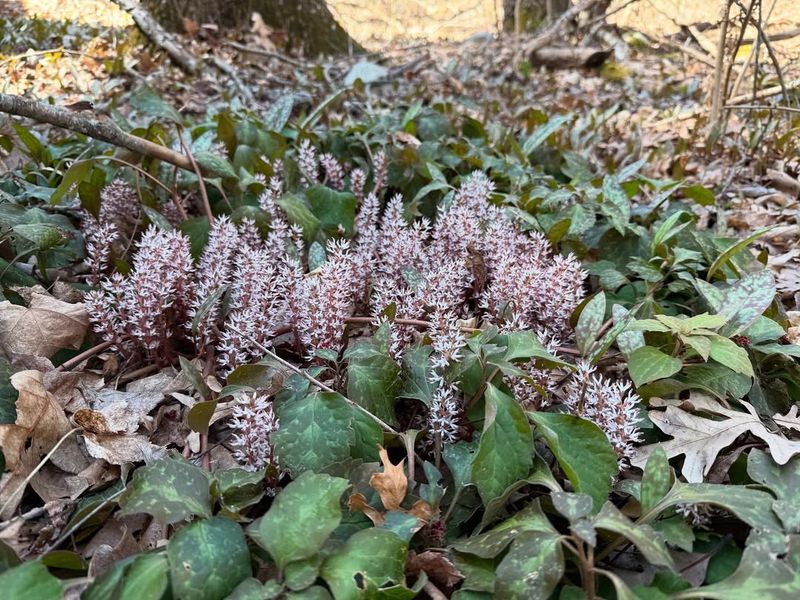
Pachysandra procumbens is a semi-evergreen ground cover with beautifully mottled leaves and a refined, low-growing habit that makes it one of the most attractive native options available for shaded Michigan landscapes.
Allegheny Spurge spreads at a measured, predictable pace, filling in garden beds gradually without the aggressive behavior that makes Vinca such a problem.
It typically stays between six and twelve inches tall, creating a dense, weed-suppressing layer that looks intentional and well-maintained.
The slightly silvery markings on its leaves add a subtle elegance that works beautifully under deciduous trees or along shaded walkways.
In late winter or very early spring, Allegheny Spurge produces small, fragrant white flower spikes close to the ground. They’re easy to miss if you’re not looking, but pollinators emerging on warm early-spring days find them easily.
This makes it a quiet but meaningful contributor to your garden’s ecosystem, supporting beneficial insects at a time when few other plants are blooming.
Plant Allegheny Spurge in well-drained, slightly acidic soil with plenty of organic matter. It performs best in full to partial shade and appreciates consistent moisture, especially during Michigan’s drier summer stretches.
Once established, it becomes remarkably self-sufficient. For gardeners wanting a native evergreen alternative that adds real sophistication to shaded beds, Allegheny Spurge is genuinely worth seeking out.
5. Blue Star Creeper
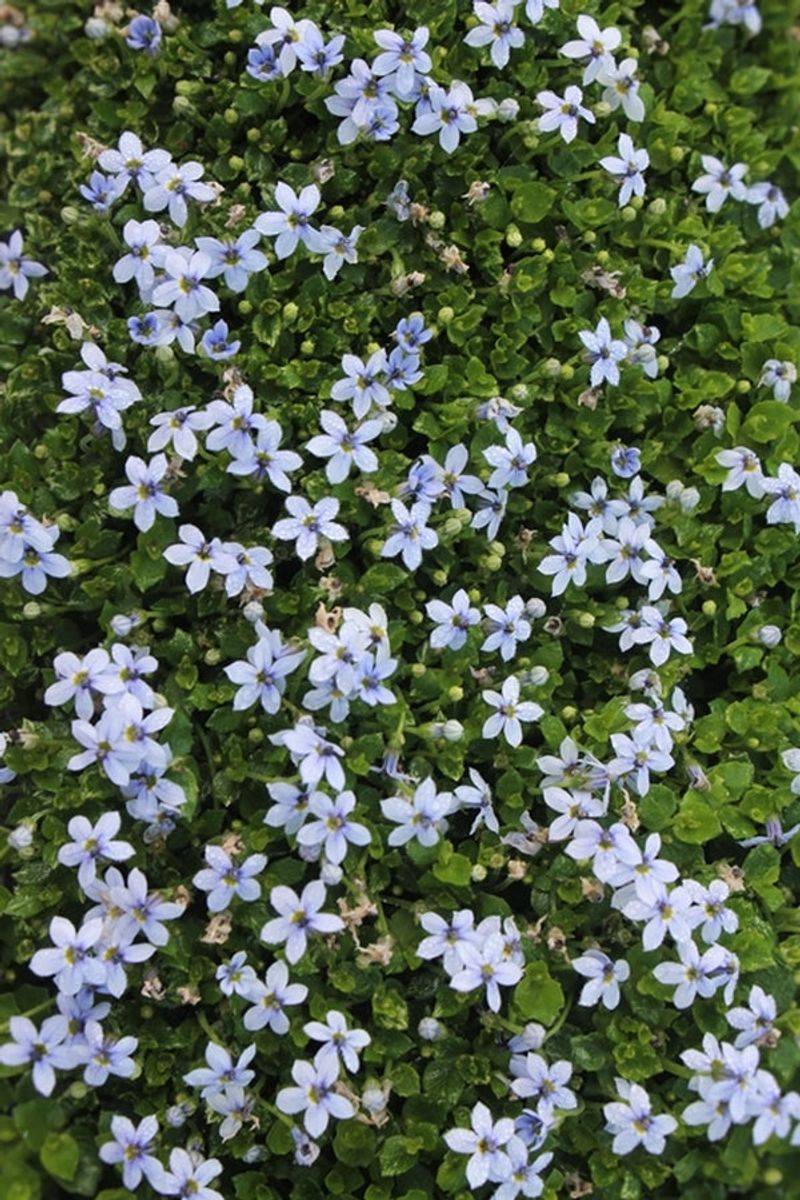
Tiny blue flowers covering a dense green carpet sounds almost too good to be true, but that’s exactly what Blue Star Creeper delivers.
Isotoma fluviatilis is a compact, low-growing ground cover that blooms generously from spring through summer, creating a stunning visual effect that Vinca simply can’t match.
It’s especially charming planted between stepping stones, along borders, or anywhere you want a polished, flowering carpet effect.
Blue Star Creeper grows only one to three inches tall, which makes it one of the lowest-growing options on this list. Despite its small stature, it’s surprisingly tough.
It handles light foot traffic without complaint, making it a practical choice for areas where people occasionally walk through garden spaces.
The dense growth pattern naturally crowds out weeds, reducing the time you spend pulling unwanted plants by hand.
For Michigan gardeners, the key is choosing a planting location thoughtfully. Blue Star Creeper performs best in full sun to partial shade with consistently moist, well-drained soil.
It appreciates regular watering during hot, dry stretches in summer, particularly in its first season while the root system is getting established. Once it’s settled in, it becomes noticeably more resilient and self-sufficient.
Space transplants about six to eight inches apart to encourage faster coverage, and expect the plants to knit together into a seamless mat within one to two growing seasons.
Unlike Vinca, Blue Star Creeper stays manageable and rarely requires aggressive trimming to keep it in check.
For a flowering, low-maintenance ground cover that genuinely earns its place in the garden, this one delivers every season.
6. Vinca’s Invasive Growth Threatens Native Plants
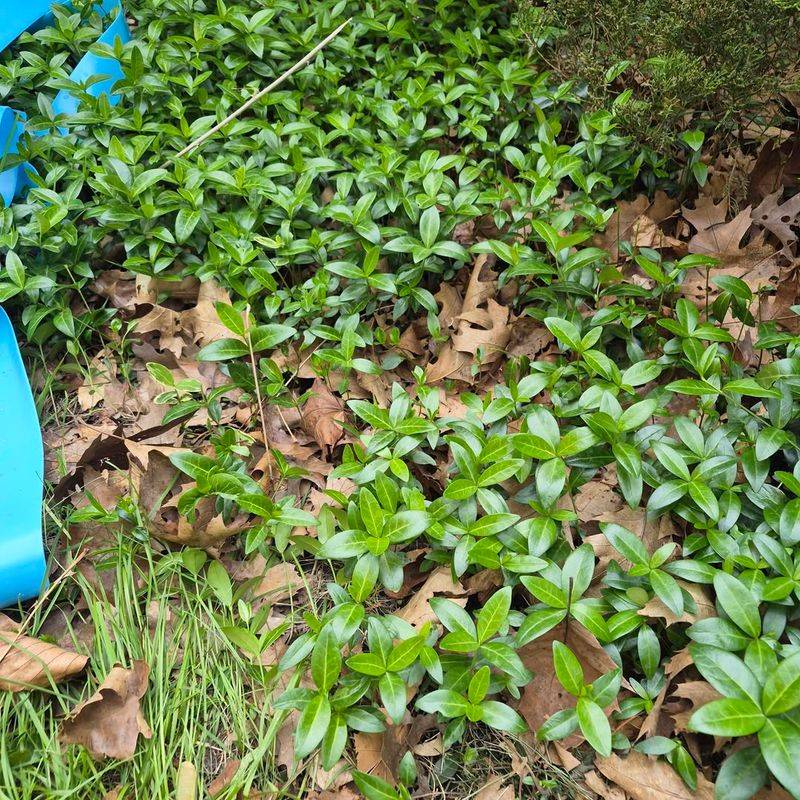
Vinca looks harmless enough when you first plant it. A few trailing vines, some cheerful purple flowers in spring, and a ground cover that seems to fill in quickly. The problem becomes obvious over time, though.
Vinca spreads far beyond where you originally planted it, creeping into natural areas, smothering native wildflowers, and creating dense monocultures that leave little room for anything else to grow.
In Michigan, Vinca minor is considered an invasive plant in naturalized settings. It spreads through rooting stems that travel along the soil surface, sending roots down wherever a node touches the ground.
Woodland edges, ravines, and naturalized garden areas are especially vulnerable. Once established in these spaces, it outcompetes native spring ephemerals like trilliums, wild violets, and bloodroot that Michigan’s ecosystem genuinely depends on.
Identifying a Vinca infestation early makes a significant difference. Look for dense, uniform mats of glossy dark green leaves spreading beyond garden borders into surrounding natural areas.
The trailing stems are flexible and root easily, which is what makes removal so time-consuming. Hand-pulling works but requires persistence, since any fragment left behind can regrow and restart the process.
Planning a native replacement strategy before removing Vinca helps prevent bare soil from being colonized by other weeds. Start by choosing a native ground cover suited to your specific light and moisture conditions.
Plant the native replacement in the cleared area promptly, and apply a layer of mulch to support establishment. Swapping Vinca for native alternatives is one of the most impactful things a Michigan gardener can do for local biodiversity.
7. Vinca Is Difficult To Control And Maintain
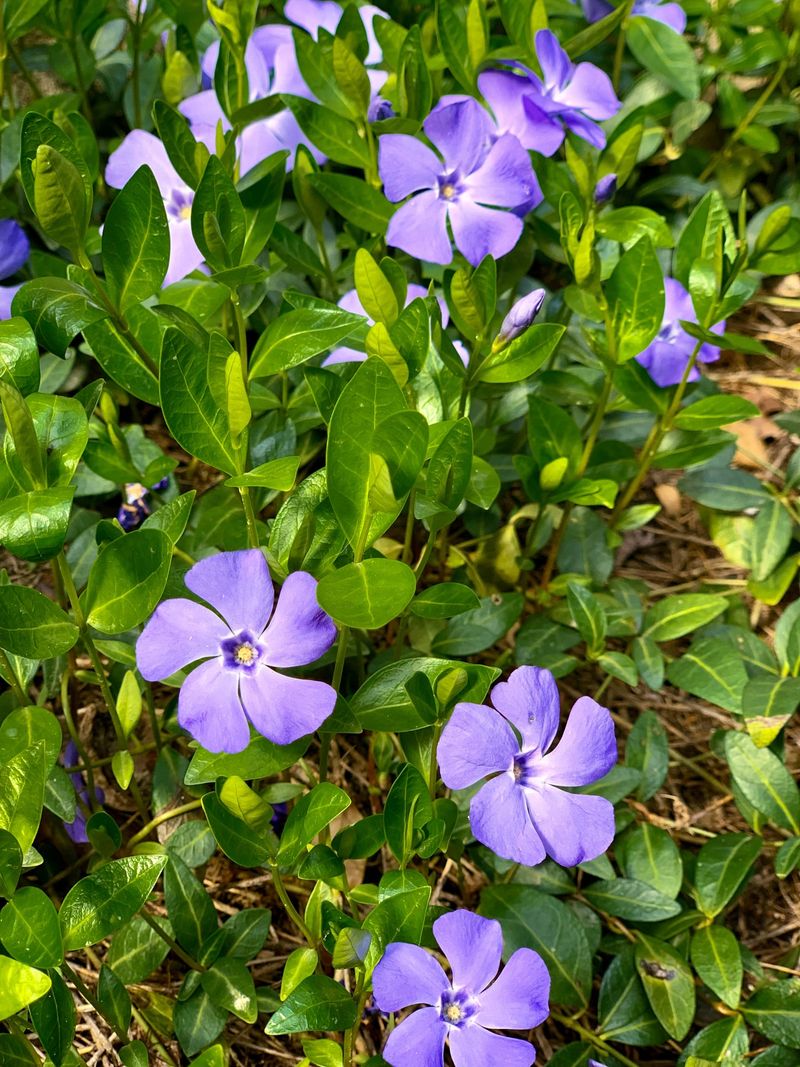
Anyone who has tried to remove established Vinca from a garden bed knows how stubbornly it holds on.
What seemed like an easy, low-maintenance ground cover eventually turns into a persistent garden chore that never quite feels finished.
Vinca spreads through underground rhizomes and surface-rooting stems, meaning that pulling visible growth rarely gets to the root of the problem. New growth returns quickly, often within the same season.
Vinca’s ability to tolerate drought, deep shade, and poor soil is often listed as a benefit, but those same traits are exactly what make it so hard to manage once it goes beyond its intended area.
It doesn’t need ideal conditions to thrive and spread. That resilience, while impressive, means it competes aggressively with everything around it, including plants you actually want in your garden.
Keeping Vinca trimmed and contained requires regular attention throughout the growing season. Edges need cutting back multiple times per year to prevent the trailing stems from rooting into neighboring areas.
For busy gardeners or those managing larger properties, that level of ongoing maintenance adds up quickly in both time and energy.
Native alternatives like Green-and-Gold and Foamflower offer a genuinely easier path forward. Both plants spread at a manageable rate, require little to no seasonal trimming, and stay within reasonable boundaries without constant monitoring.
They also deliver real ecological value by supporting pollinators and native insects, something Vinca simply doesn’t provide. Making the switch means spending less time fighting your ground cover and more time actually enjoying your garden.