How To Get Thriving Raised Beds In New Jersey Without Overspending
Want thriving raised beds without spending a fortune?
In New Jersey, that goal is more achievable than most gardeners realize. The soil across much of the state can be rocky, compacted, or heavy with clay, which makes raised beds one of the most practical choices a home gardener can make.
The good news is that filling those beds well does not have to mean loading up a cart with expensive bagged soil. Free and low-cost resources are often closer than you think.
Your own backyard, your neighborhood, and your local community are full of materials that build rich, productive growing mix over time. Municipal programs, local farms, and seasonal yard waste all play a role.
With some planning and a bit of effort, your raised beds can stay productive from spring through fall. New Jersey gardeners who tap into these resources tend to wonder why they ever paid full price for bagged soil.
Ready to fill your beds the smarter way?
Source Bulk Compost From Municipal Programs
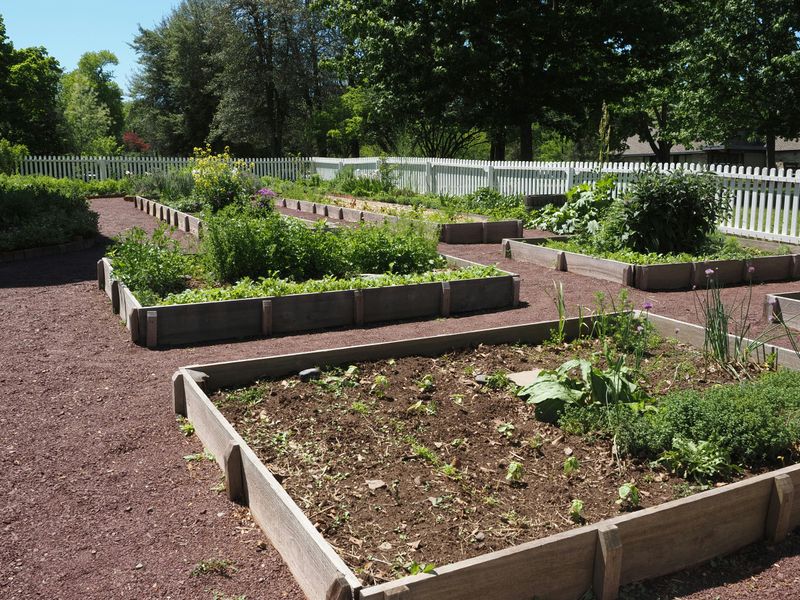
Many New Jersey townships offer free or discounted compost and it is worth checking what is available near you.
Counties like Bergen and Morris run composting programs that let residents pick up finished compost at little or no charge. Many other New Jersey counties offer similar options worth looking into.
This is the same nutrient-dense material that commercial garden centers sell for big bucks.
All you need is a few buckets, a shovel, and a free Saturday morning.
Some programs even let you schedule a bulk drop-off right to your driveway.
Check your county’s recycling or public works website to find out what is available near you.
Municipal compost is made from yard waste, leaves, and organic material collected from local homes.
It breaks down into a dark, earthy amendment that raised beds absolutely love.
Mixing it into your bed at a 30 percent ratio can dramatically boost plant health.
Gardeners who tap into these programs report noticeably stronger harvests compared to using bagged store products.
The material is typically well-aged, which means it will not burn tender seedlings.
Checking early is worthwhile because supplies at some programs can run low as the season progresses.
Buy Topsoil By The Cubic Yard From Local Suppliers
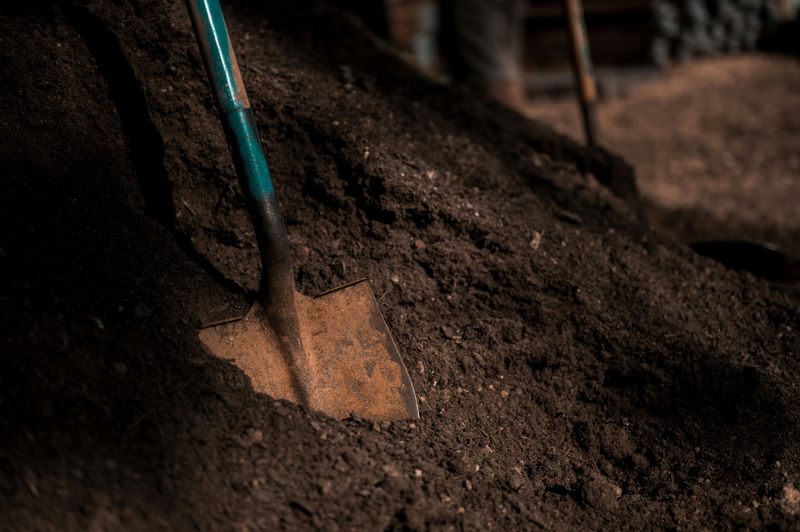
Buying topsoil by the bag from a big box store is one of the costlier ways to fill a raised bed.
A single cubic yard holds about 27 cubic feet of material, which is the equivalent of roughly 40 standard bags.
Local landscape suppliers sell that same cubic yard for a fraction of the bagged price.
New Jersey has dozens of landscape material yards scattered across the state.
Many will deliver directly to your driveway for a modest fee, saving you multiple trips in a small car.
Some suppliers even let you mix topsoil with compost or leaf mold for a custom blend.
Calling ahead and asking for a screened topsoil or a garden blend usually gets you a cleaner product.
Your New Jersey Garden Changes Every Week. Your Plan Should Too.
Gardening in New Jersey changes quickly throughout the season. Every Friday you’ll receive a simple weekly plan showing exactly what to plant, prune, fertilize, harvest, and protect so you never miss the right timing.
Screened soil has had rocks and large debris removed, making it easier to work with in raised beds.
Always ask if the material has been tested for contaminants, especially if the source is unknown.
Splitting an order with a neighbor cuts costs even further.
Two raised beds filled for the price of a few bags of store-bought soil is a deal worth taking.
Use The Lasagna Layering Method
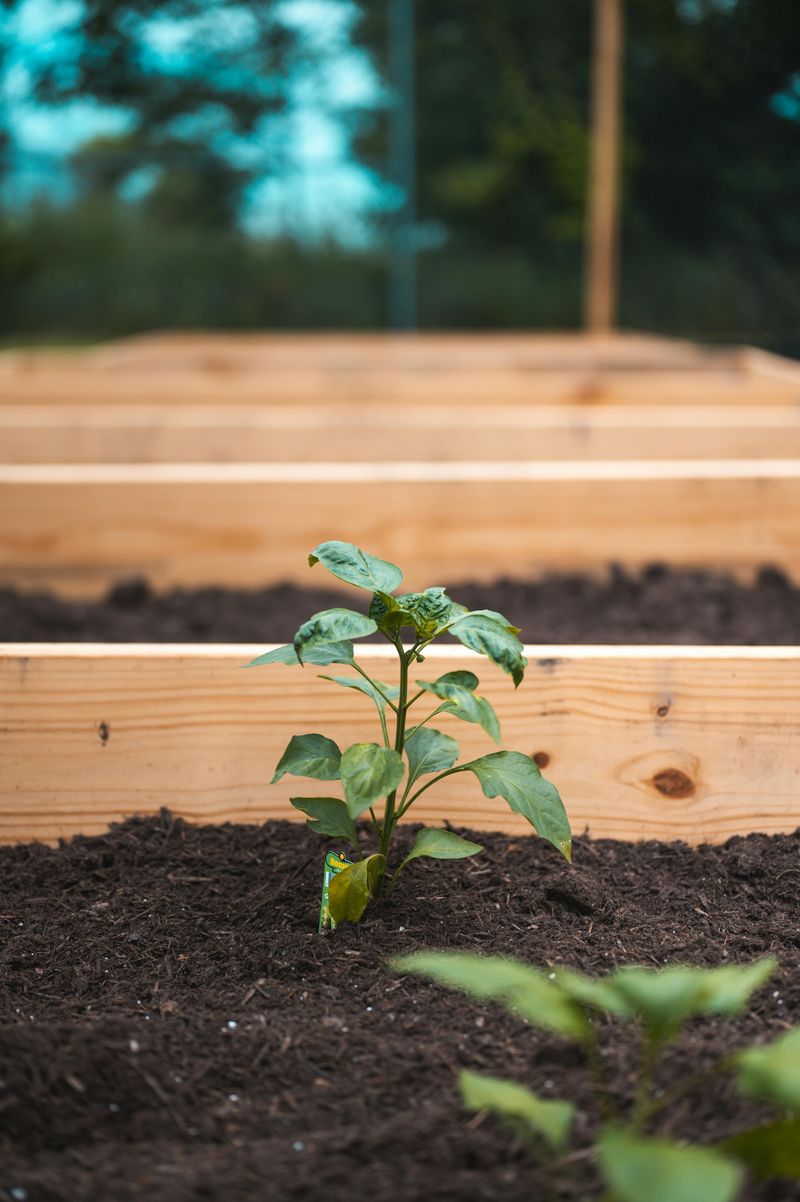
Forget tilling and hauling in expensive premixed soil by the truckload.
The lasagna method builds rich growing medium from layers of organic material stacked directly inside the bed frame.
It works the same way a compost pile does, breaking down over time into something plants crave.
Start with a layer of cardboard or newspaper on the bottom to smother weeds and grass.
Add alternating layers of brown material like dried leaves or straw, then green material like kitchen scraps or fresh clippings. Finish the top with a few inches of compost or topsoil where seeds and transplants will go.
The beauty of this approach is that nearly everything you need is free. Fall is the perfect time to build lasagna beds because brown material is everywhere.
By spring, the layers will have begun breaking down into a workable growing mix that improves with each passing season.
Raised beds built this way tend to have exceptional drainage and water retention at the same time. The organic layers feed soil organisms that in turn feed your plants all season long.
A well-built lasagna bed can support strong yields while significantly reducing the need for purchased amendments.
Make Leaf Mold From Fall Leaves
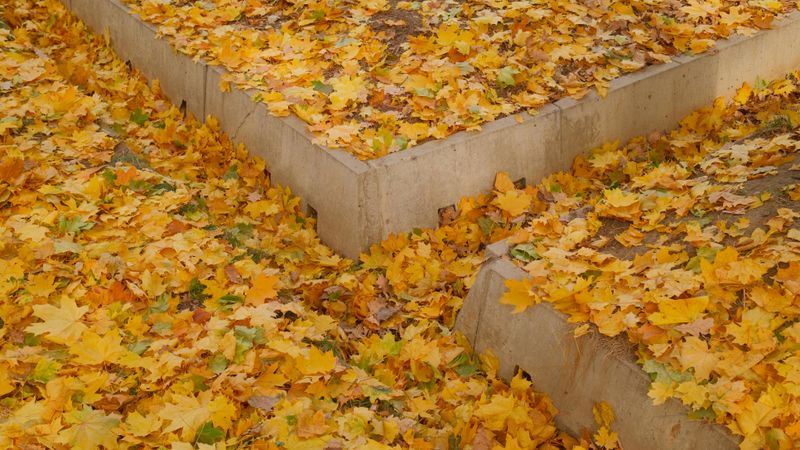
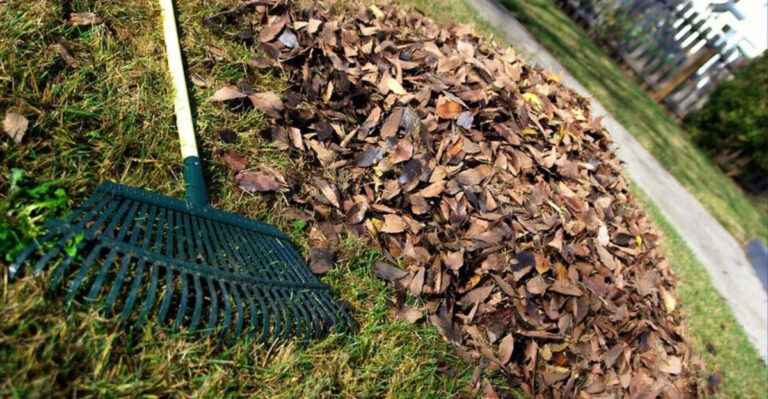
Every fall, New Jersey neighborhoods are buried in leaves that most people rake straight to the curb. Those leaves are actually a goldmine for raised bed gardeners willing to wait a year.
Leaf mold is one of the most valuable free soil amendments a raised bed gardener can make. Collecting leaves is easy since neighbors are often happy to hand theirs over.
Stuff them into wire mesh bins or black garbage bags with a few holes poked in for airflow. Keep the pile slightly moist and let time do the rest of the work.
After 12 to 18 months, the leaves transform into a dark, crumbly material with a pleasant earthy smell. Leaf mold holds moisture like a sponge, which is a huge advantage during New Jersey summers when heat can dry out beds fast.
Mixing it into the top layer of a raised bed improves soil structure almost immediately. Unlike compost, leaf mold does not add much in the way of nutrients.
But its ability to improve texture and moisture retention makes it an invaluable part of any bed mix.
Start a leaf pile this October and you will have a free amendment ready to go by next planting season.
Request Free Wood Chips Through ChipDrop
ChipDrop is one of the best-kept secrets in the gardening world.Tree service companies constantly need a place to drop fresh wood chips after trimming or removing trees.
ChipDrop connects those companies with homeowners who want free mulch delivered straight to their property.
Signing up is free and the platform lets you set preferences for chip size and delivery timing.Most requests in suburban areas of the state get fulfilled within a few weeks.
The catch is that deliveries can be large, sometimes several cubic yards, so be ready to move the material quickly.
Wood chips are not typically mixed directly into raised beds as a growing medium. Instead, spread them thickly around the base of beds to suppress weeds and retain soil moisture.
Over time, chips on the ground break down and can be incorporated into the bed as a carbon-rich amendment.
Some gardeners use wood chips in the bottom layer of deep raised beds to improve drainage and slowly add organic matter. This technique pairs beautifully with the lasagna layering approach.
A fresh chip delivery from ChipDrop can cover multiple beds, a garden path, and a compost pile all in one haul.
Source Aged Manure From Local Farms
Fresh manure can damage plant roots, but aged manure is a genuinely valuable amendment.
Small farms across the state often have more of it than they know what to do with.
A polite phone call or visit to a nearby horse, chicken, or cow farm can land you a free truckload.
Aged manure has had time to break down and mellow out, which removes the ammonia that damages roots.
It is packed with nitrogen, phosphorus, and potassium, the three nutrients that raised bed plants consume most.
A few inches worked into the top of a bed before planting can set the stage for an exceptional growing season.
Horse manure is among the most common and easiest to find in rural and semi-rural parts of the state.
Chicken manure is more concentrated and should be used more sparingly.
Cow manure is mild and forgiving, making it a great choice for beginners who are nervous about overdoing it.
Always ask the farmer how long the manure has been sitting and whether the animals were given any chemical treatments.
Manure from organically managed animals is the cleanest option for a food garden.
Building a relationship with a local farm also opens doors to other free resources down the road.
Plant Cover Crops In The Off-Season
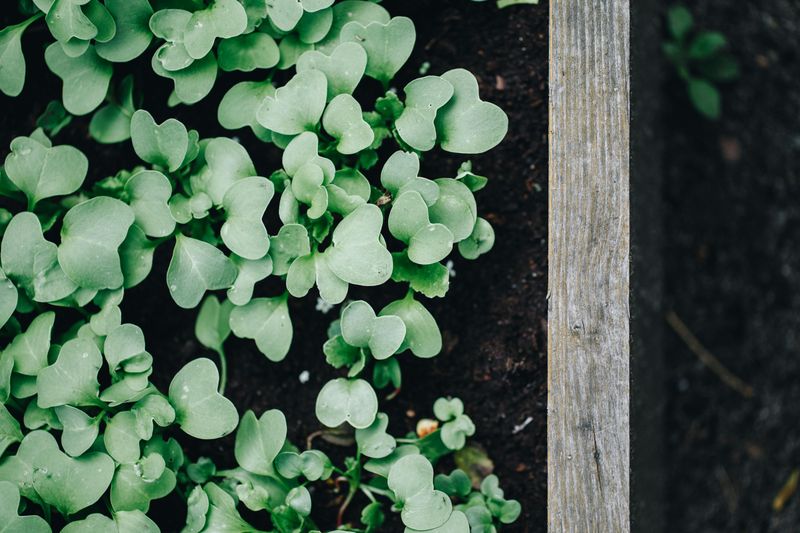
Empty raised beds in winter are a missed opportunity. Cover crops are fast-growing plants seeded in fall that protect and rebuild soil while nothing else is growing.
They are among the most cost-effective investments a raised bed gardener can make.
Winter rye, crimson clover, and hairy vetch are all excellent choices for the Northeast climate. These plants grow quickly before the ground freezes, their roots hold soil in place, and they prevent nutrient leaching from rain and snow.
When spring arrives, you cut them down and work them into the bed as green manure.
Green manure adds a burst of nitrogen and organic matter that store-bought fertilizers try hard to replicate. The decomposing plant material also feeds soil microbes, which in turn break down nutrients into forms plant roots can absorb.
This underground activity is what separates a truly alive raised bed from one that just looks okay on the surface.
A small packet of cover crop seed costs just a few dollars and covers multiple beds. The payoff in soil health and reduced fertilizer needs the following season makes it one of the smartest low-cost moves available.
Think of it as putting your beds to work even while they appear to be resting.
Connect With Rutgers Cooperative Extension
Rutgers Cooperative Extension is one of the most underused resources available to home gardeners in the state. Every county has an office staffed with trained educators who can answer questions about soil, pests, planting schedules, and much more.
Most of their services are free or available for a very small fee.
One of their most valuable offerings is a soil test kit. For around 20 dollars, you can send in a sample from your raised bed and receive a detailed report with specific amendment recommendations.
Knowing exactly what your soil needs prevents you from wasting money on products you do not actually require.
Rutgers Extension also publishes free planting guides, pest management resources, and variety recommendations tailored specifically to the state’s climate zones.
Their website is packed with downloadable guides that rival anything you would find in a paid gardening course.
Many counties also host free workshops and demonstration garden tours throughout the growing season.
Connecting with a local Master Gardener volunteer through the Extension network is another fantastic option. These are trained community members who offer free advice and plant clinics at libraries, farmers markets, and community centers.
Tapping into this network can save you from costly trial-and-error mistakes in your raised beds.
Use Spent Mushroom Soil As An Amendment
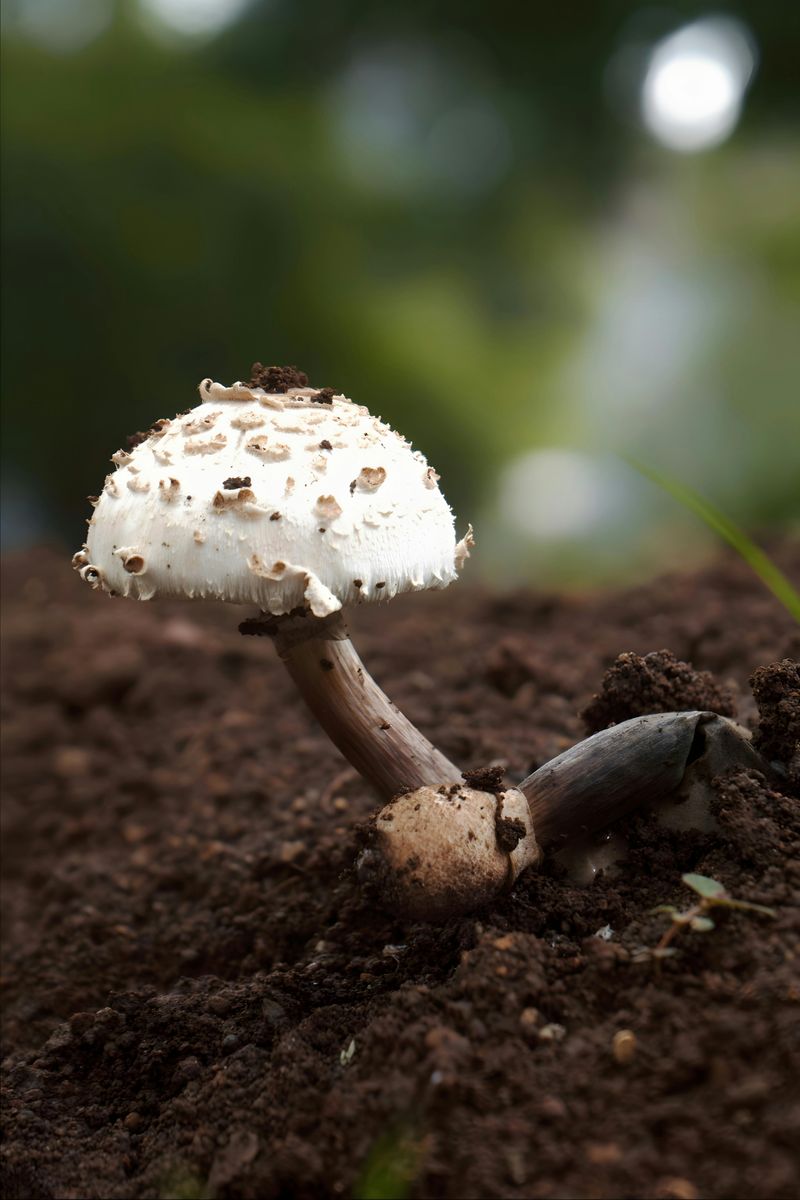
Spent mushroom soil is one of those amendments that most home gardeners have never heard of, but professional growers swear by it.
After commercial mushroom farms finish a growing cycle, they are left with a rich substrate made from straw, wood chips, and other organic material.
That leftover material is exactly what raised beds need.
Mushroom farms in Pennsylvania and parts of the mid-Atlantic region regularly sell or give away this substrate at low cost. Some garden centers in New Jersey carry it bagged under names like mushroom compost or mushroom soil.
It has a slightly alkaline pH, which can help balance acidic soils that are common in parts of the state.
The material is dense with organic matter and improves both drainage and water retention when blended into existing bed mix. It also introduces beneficial fungi and microorganisms that support healthy root development.
A 20 to 30 percent blend mixed into the top layer of a raised bed is usually enough to see a noticeable difference.
One thing to keep in mind is that fresh spent mushroom soil can be quite salty. Letting it age for a few weeks before using it in a food garden is a smart precaution.
Once cured, this humble byproduct becomes one of the most productive amendments a budget-conscious gardener can add.
Top Dress With Worm Castings Each Season
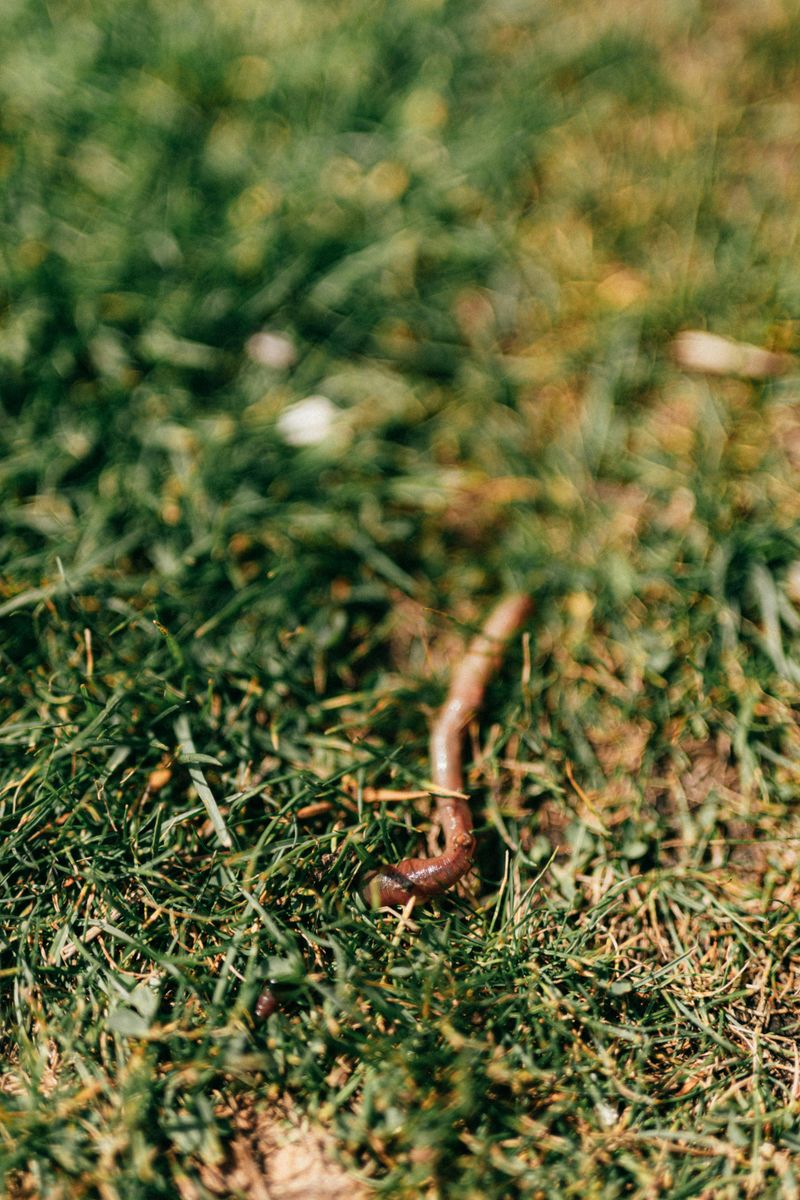
Worm castings are sometimes called black gold because of the noticeable difference they tend to make in soil health.
They are the byproduct of worms digesting organic material, and the result is one of the most nutrient-dense, gentle amendments available.
Unlike synthetic fertilizers, castings feed plants slowly and steadily without the risk of burning.
Top dressing simply means spreading a thin layer of castings across the surface of your bed at the start of each season.
About a quarter to a half inch is enough to make a real impact.
Rain and watering carry the nutrients down to the root zone naturally over time.
Setting up a small worm bin at home is one of the most cost-effective ways to produce castings year-round.
A basic bin can be built from a plastic storage tote for under ten dollars.
Feed the worms kitchen scraps like vegetable peels and coffee grounds, and they will produce castings continuously.
For gardeners who prefer to buy rather than produce, small bags of castings are widely available online and at local nurseries.
Even a small amount goes a long way, making this one of the most budget-friendly boosts for thriving raised beds.
Over time, this simple habit can contribute to soil that becomes increasingly productive.