The One May Mistake Texas Gardeners Keep Making With Their Tomatoes
May in Texas is basically the gardening equivalent of a pop quiz you didn’t see coming.
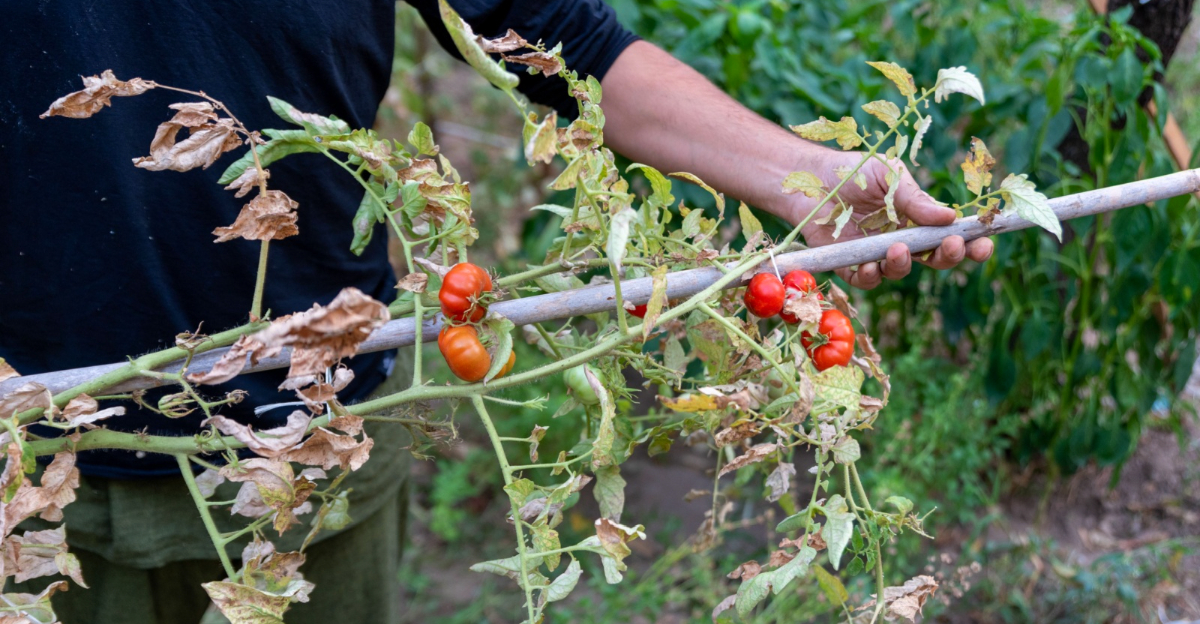
Everything looks great, your tomato plants are green and growing, and then suddenly the temperatures jump, the wind picks up, and the sun decides it’s done playing nice.
Just like that, those thriving plants start showing signs of stress that feel like they came out of nowhere.
Here’s the thing most gardeners don’t realize: while everyone else is out there fertilizing and pruning in May, the biggest tomato mistake happening in Texas backyards and raised beds right now has nothing to do with any of that. It comes down to moisture.
Uneven watering and early heat stress creeping in before summer fully arrives can quietly stand between you and the tomato harvest you’ve been looking forward to all spring.
1. May Is When Texas Tomatoes Start Losing Moisture Fast
Garden soil in a Texas backyard can feel noticeably drier from one afternoon to the next once May gets rolling. Warmer days, stronger winds, and longer stretches of direct sun all work together to pull moisture out of the ground faster than most gardeners realize.
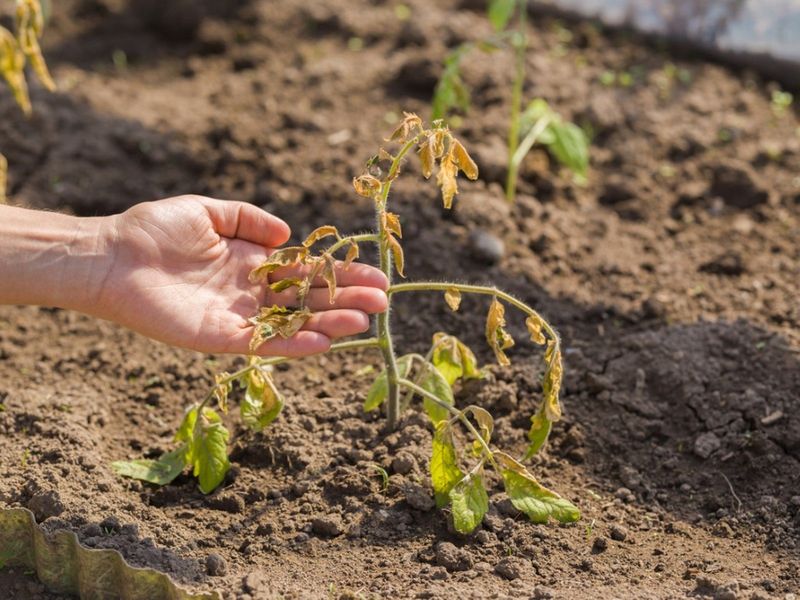
Tomato plants that looked vigorous and well-watered in the morning can begin to droop by mid-afternoon simply because the soil around their roots dried out more quickly than expected.
In Texas, May often brings a mix of warm days, gusty south winds, and low humidity that speeds up evaporation from both the soil surface and the plant itself.
A tomato plant loses moisture through its leaves constantly, and when the soil cannot keep up with that demand, the plant starts to show stress.
Gardeners sometimes mistake this for a disease problem or a nutrient issue, but uneven moisture is frequently the real cause behind wilting, leaf curl, and blossom drop in May.
Paying close attention to how quickly the soil dries between waterings is one of the most practical things a gardener can do this time of year. Checking the top inch or two of soil every day or two gives a much better picture of what the plants actually need.
Getting ahead of moisture loss in May, rather than reacting after the plant already looks stressed, helps tomatoes build the kind of root strength that carries them further into the season.
2. Severe Wilting Can Hurt Yield And Fruit Quality
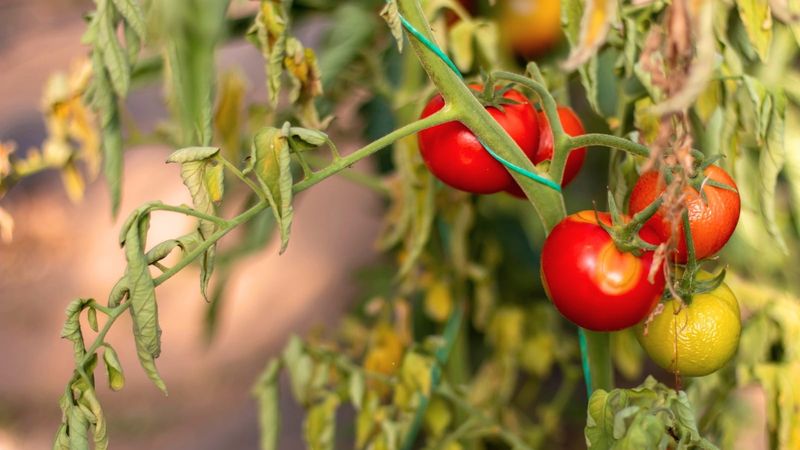
In Texas, tomatoes can look fine at breakfast and stressed by late afternoon. That fast swing is one reason severe wilting is such a problem in May.
Texas A&M guidance says tomato plants should not be allowed to wilt severely because that can reduce both yield and fruit quality.
A little afternoon droop during very hot weather is one thing. Letting plants stay dry long enough to collapse hard, over and over, is another.
That kind of stress can slow growth just when plants are trying to bloom and set fruit. It can also make the whole crop less steady as the season moves toward real summer heat.
Your Texas Garden Changes Every Week. Your Plan Should Too.
Gardening in Texas changes quickly throughout the season. Every Friday you’ll receive a simple weekly plan showing exactly what to plant, prune, fertilize, harvest, and protect so you never miss the right timing.
This is where many gardeners get tripped up in May. Spring weather can still feel mild in the morning, so it is easy to assume tomatoes have plenty of moisture.
Then a warm wind picks up, the sun gets stronger, and the soil dries out much faster than expected. Beds near concrete, fences, or reflected heat can dry even faster.
That is especially true in raised beds and sandy soil.
The goal is not to keep plants soaked. The goal is to keep them from going through repeated severe stress.
In Texas, that usually means checking the soil often, watering before wilting gets dramatic, and setting up a better moisture routine early. Tomatoes reward that kind of attention with steadier growth and a much better shot at quality fruit later on.
3. Deep Watering Matters More Than Quick Sprinkles
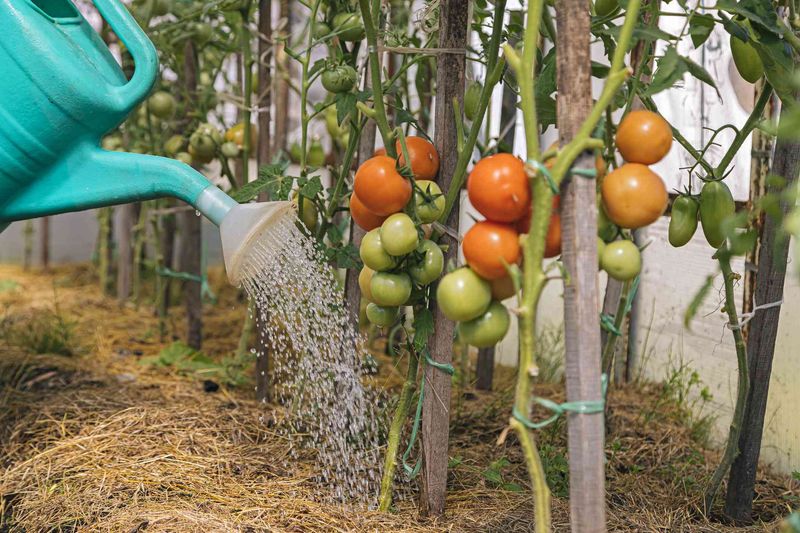
A fast splash with the hose may make a tomato bed look refreshed, but it usually does not do much for the root zone. Texas A&M guidance recommends watering thoroughly rather than lightly several times a week.
The soil should be soaked to a depth of about 6 inches, because shallow watering can lead to poor root development.
That matters a lot in Texas. May is when tomato plants are moving into stronger growth, blooming, and early fruit set.
If the water only dampens the surface, roots stay close to the top where heat and wind dry things out first. Then plants become more vulnerable when the next warm spell shows up.
Deep watering helps roots grow where moisture lasts longer.
Quick sprinkles can also give gardeners a false sense of security. The top inch may look dark and moist, but the lower soil can still be dry.
Texas guidance says to check the soil itself, not just the plant or the surface. Scratch down about an inch.
If it is still moist there, wait. If it is dry, it is time to water well.
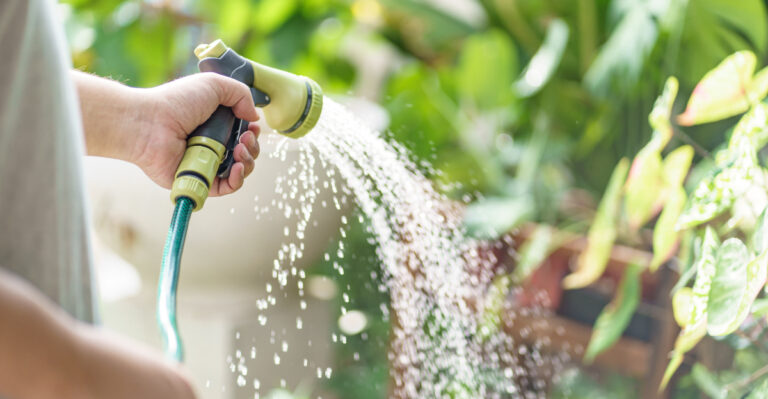
One good soaking does more for a tomato plant than several light passes that barely penetrate. That is why drip irrigation, soaker hoses, or slow careful hand watering tend to work better than rushed surface watering.
In a Texas garden, deep watering builds a stronger foundation before summer really starts pushing those plants hard.
4. Mulch Helps Tomatoes Hold Moisture Longer
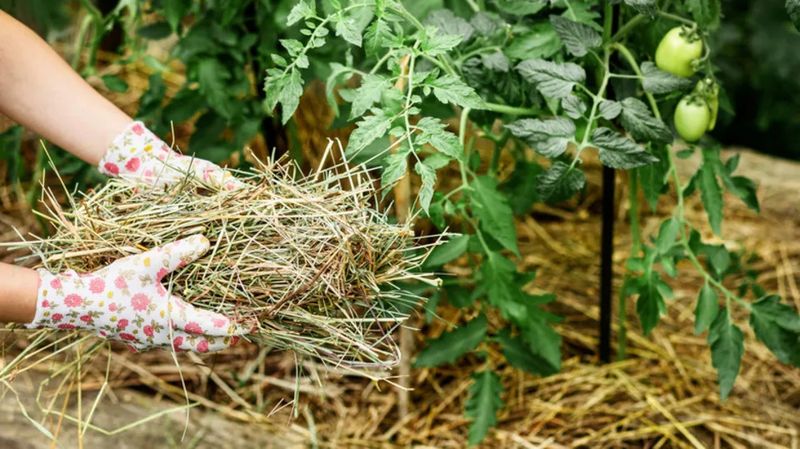
A Texas tomato bed without mulch can lose moisture faster than many gardeners expect. Texas A&M recommends mulching tomatoes for the highest yields, and the guidance specifically points to a 2 to 3 inch layer of organic material.
That mulch helps reduce water loss and weed growth.
This simple step matters a lot in May because Texas weather can change quickly. A bed that looked evenly moist after a good watering can start drying on top very fast once the sun gets stronger and the wind kicks up.
Mulch acts like a buffer. It slows evaporation, shades the soil surface, and helps keep moisture around the root zone more even.
Texas Master Gardener guidance also notes that mulch is vital in Texas because it reduces the rate of water loss and helps the soil soak up more water.
Mulch also helps with another common tomato problem. When bare soil splashes onto leaves and fruit during watering or rain, disease pressure can increase.
A mulch layer helps limit that splash and keeps fruit cleaner as the season moves along.
The best time to get serious about mulch is before summer settles in. Once heat ramps up, the bed is already working harder to hold moisture.
In Texas, a simple layer of mulch can make watering more efficient, reduce stress between waterings, and make tomato care feel far less like a daily emergency. That is a pretty good return for one straightforward May task.
5. Texas Heat Builds Faster In Bare Tomato Beds
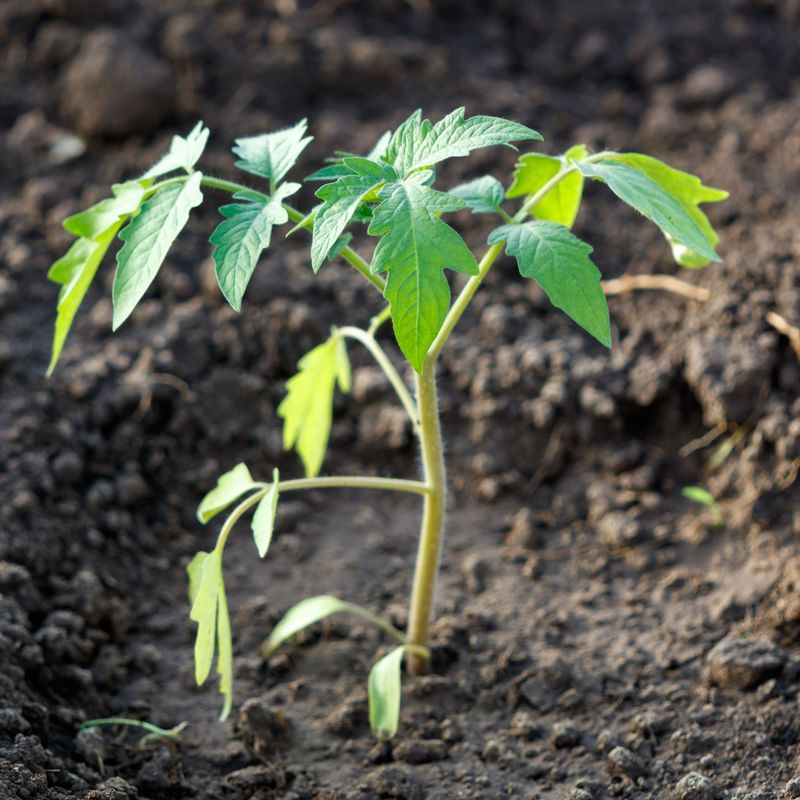
Bare soil may not seem like a big deal in early spring, but by May in Texas it starts becoming a real liability. Soil exposed to direct sun warms faster, dries faster, and leaves tomato roots dealing with harsher swings in moisture and temperature.
Texas Master Gardener guidance notes that proper summer mulching helps keep the soil cooler, while dark bare soil warms quickly.
Tomatoes like warm conditions, but that does not mean they enjoy extra heat bouncing off bare ground all day. In Texas, the problem is not just temperature.
Hot bare soil also loses moisture more quickly, which makes watering less efficient. You water, the surface dries out fast, and the plant gets pushed into another stress cycle sooner than it should.
This is one of those May mistakes that can sneak up on experienced gardeners. Plants may be growing well, blossoms may be forming, and everything looks on track.
Then a few hotter afternoons arrive, and the bed starts drying unevenly. The roots end up working in a tougher environment just as the plant is trying to hold flowers and start building fruit.
Covering that soil changes a lot. Organic mulch helps moderate temperature swings, slows evaporation, and gives the root zone a steadier environment.
In Texas, steadier usually means better. When tomato roots are not fighting bare, overheated soil every afternoon, the whole plant has a better chance of staying vigorous as the season shifts toward serious summer weather.
6. Wind And Sun Can Dry Texas Tomato Beds In A Hurry
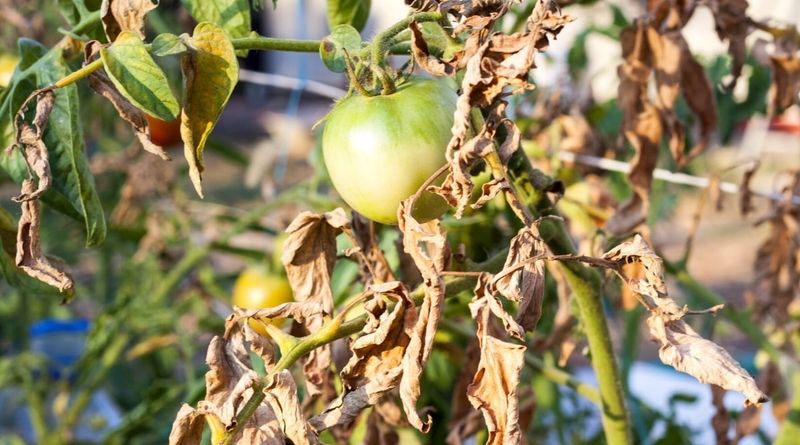
Gardeners know the sun gets a lot of blame, but the wind deserves some too. May often brings stronger sunlight, warmer afternoons, and breezy days that pull moisture out of the soil surprisingly fast.
Texas Master Gardener guidance specifically notes that tomato water needs depend on temperature, wind, and direct sun.
That combination can make a tomato bed go dry much faster than a gardener expects. A plant may have enough moisture after a morning watering, but by evening the top layers can be drying rapidly, especially in raised beds or lighter soil.
Beds next to driveways, stone edging, fences, or south-facing walls can heat up even more. In West Texas and other windy spots, the effect can be even stronger.
This is why one fixed watering calendar rarely works across Texas. A cool cloudy stretch and a bright windy stretch do not pull moisture at the same rate.
Texas guidance is clear that gardeners should judge irrigation by soil moisture and conditions, not by habit alone.
The smartest move is to pay attention before the plants start showing major stress. Check the soil, notice how fast beds dry after warm windy days, and adjust early.
In Texas, tomatoes can stay ahead of summer stress much more easily when gardeners respect how quickly wind and sun can change the moisture picture. Sometimes the bed is telling you the truth long before the leaves start complaining.
7. Consistent Moisture Helps Fruit Develop More Smoothly
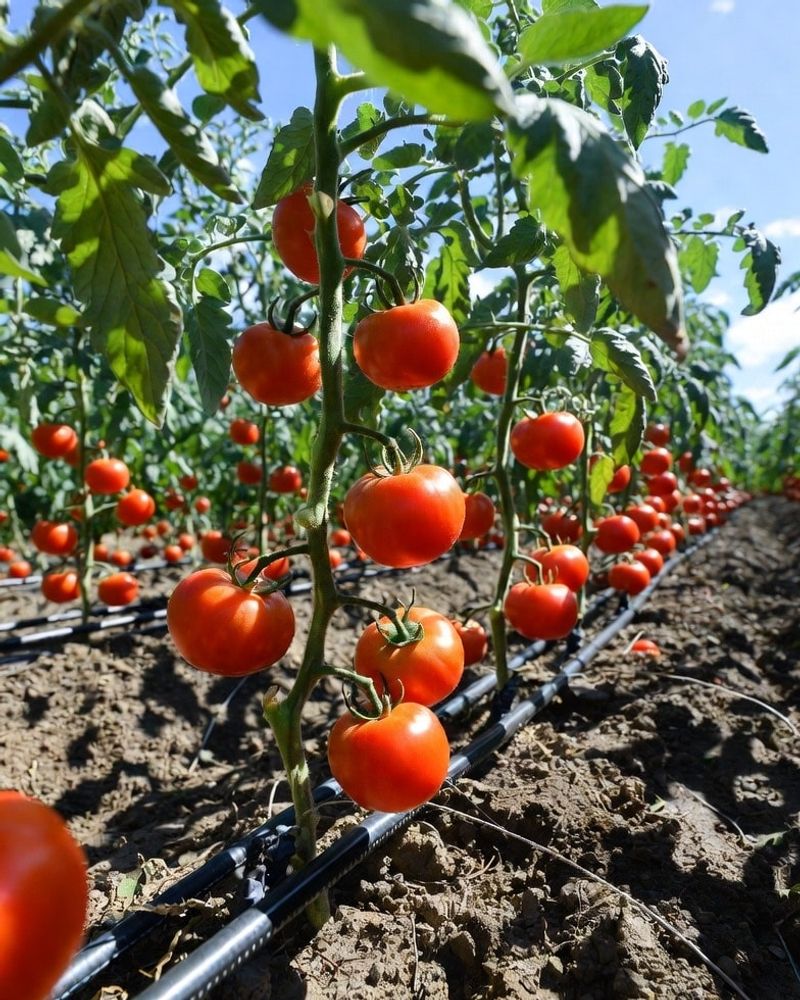
Tomatoes like consistency more than drama. In Texas, that is easier said than done, but it is still one of the most important ideas in the whole growing season.
Texas A&M guidance says improper watering can lead to poor quality and poor yield, and Texas Master Gardener guidance notes that alternating dry and wet conditions can contribute to fruit problems such as blossom-end rot issues tied to moisture swings.
This is where the May mistake really shows up. When plants are allowed to get too dry, then get flooded with water, fruit development can become uneven.
The plant is trying to manage stress, recover, and keep building tomatoes all at once. That is not a smooth system.
Fruit may crack more easily after rapid moisture changes, and overall quality can be less dependable.
Texas does not make consistency easy. Rain can be spotty.
Temperatures can jump quickly. One garden may hold moisture well while another dries by the next afternoon.
Still, the goal stays the same. Water deeply, check the soil, use mulch, and try to avoid big swings between very dry and very wet.
Experienced gardeners learn that smoother fruit development often starts with smoother moisture management. It is not fancy, but it works.
When tomato plants do not have to lurch back and forth between stress and recovery, they are far better positioned to produce fruit that looks better, tastes better, and causes fewer midseason frustrations in the kitchen and the garden.
8. A Better May Watering Routine Sets Up Summer Success
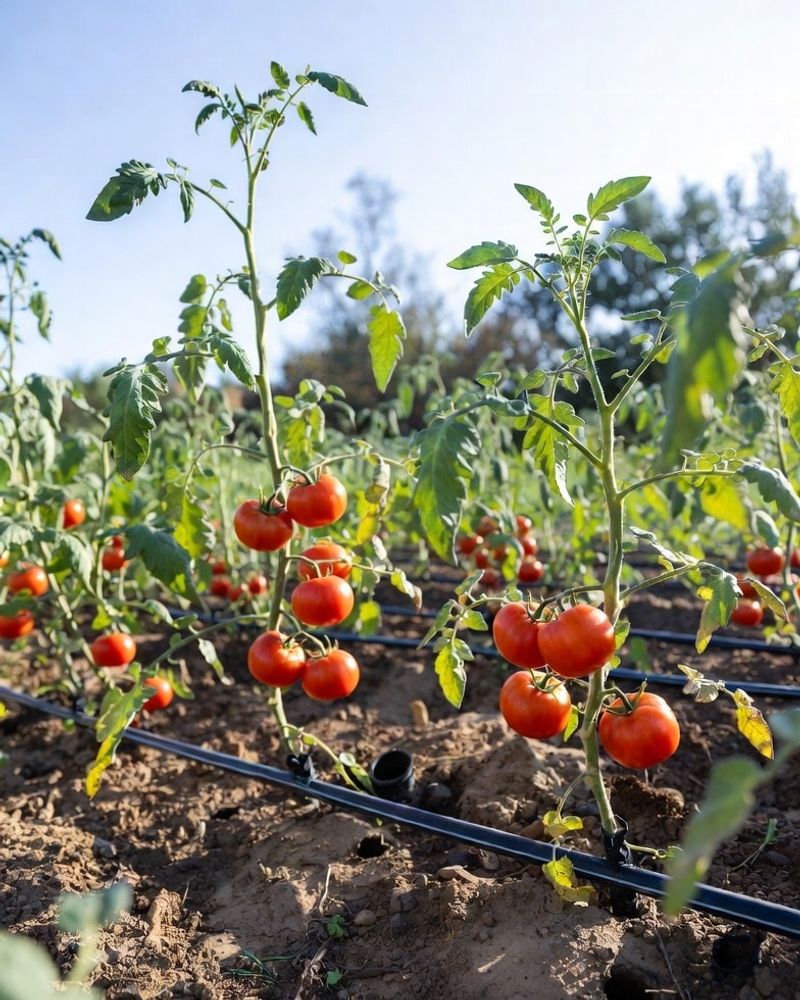
By the time June and July arrive in Texas, a tomato plant is already living with the habits you set in May. That is why this month matters so much.
Texas A&M guidance recommends thorough watering, checking the soil before watering again, and using mulch to reduce water loss. Those steps build a much steadier system before real summer pressure arrives.
A better watering routine is not complicated. Water deeply instead of lightly.
Check the soil instead of guessing. Mulch the bed before heat builds.
Pay attention to wind, direct sun, and how quickly the bed dries after each watering. If rain has been useful, count it.
If it has been dry and breezy, adjust sooner rather than later.
This kind of routine helps avoid the classic tomato cycle where plants stay just comfortable enough to survive, but never steady enough to really thrive. A more thoughtful May approach encourages stronger roots, less severe wilting, and more even fruit development.
It also saves time because the garden becomes less reactive and more manageable.
Good tomato seasons in Texas are rarely about luck alone. They usually come from simple habits done at the right time.
When you treat May as the month to lock in better watering, your tomatoes go into summer with a much stronger foundation.
That does not remove every challenge Texas can throw at them, but it gives your plants a far better shot at carrying a healthy crop through the hottest part of the season.