10 Maryland Tree Laws That Could Save You Legal Trouble

Did you know that cutting down a tree on your own property in Maryland could come with a significant fine? Most homeowners are surprised to find out just how detailed the state’s tree protection rules actually are.
Maryland takes its tree canopy seriously, and the regulations that come with that commitment apply to more properties than most people realize.
A tree that looks like a simple landscaping decision can turn out to be a protected species, a heritage designation, or a critical area concern that requires a permit before anyone picks up a saw.
The good news is that understanding these rules is not as complicated as it might seem at first. A little research before you act can save you a considerable amount of time, money, and stress down the road.
Maryland homeowners who take the time to learn these laws tend to feel a lot more confident about every decision they make on their property. Ready to find out what applies to your yard?
1. The Forest Conservation Act Protects Trees During Land Development

Passed in 1991, the Forest Conservation Act is one of the more comprehensive tree protection tools in the Mid-Atlantic region. County planners use it to ensure developers cannot clear forests without a solid plan in place.
If you own land and want to build something new, this law may apply to you directly.
The act requires anyone seeking a subdivision, grading permit, or sediment control permit to go through a review process. That process checks how many trees exist on the property and how many will be affected.
Skipping this step carries real legal and financial consequences.
Local governments across the state enforce the act at the county level. Some counties have even stricter rules layered on top of the state requirements.
Always check with your local planning office before breaking ground near any wooded area.
Many homeowners assume this law only targets large corporations or housing developers. But a single-family home addition can trigger a review if it crosses certain thresholds.
Knowing where your project stands under the Forest Conservation Act can help you avoid unexpected costs and protect existing trees.
2. Protect Heritage And Champion Trees That Require A Permit To Remove
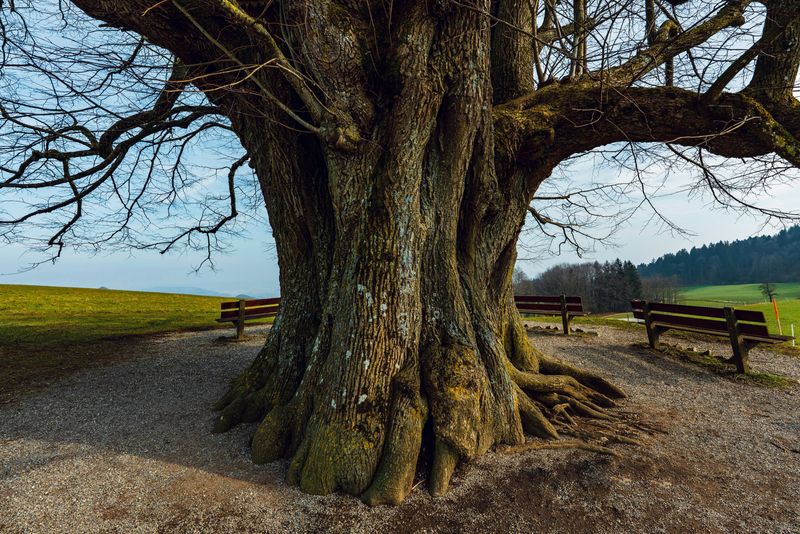
Some trees are not just plants. They are living landmarks that communities have chosen to protect.
Maryland recognizes certain trees as heritage or champion specimens based on their size, age, or historical significance.
These trees carry legal protection that goes well beyond a standard backyard oak.
Removing one without a permit can result in significant fines and potential legal action from the local government. The permit process typically requires an arborist assessment and sometimes a public review period.
That process exists to make sure removal is truly necessary and not just a matter of convenience. Champion trees are usually the largest known example of a particular species in the state.
Heritage trees often have ties to historical events or have stood for more than a century. Both categories are tracked in official registries maintained by state and local agencies.
Your Maryland Garden Changes Every Week. Your Plan Should Too.
Gardening in Maryland changes quickly throughout the season. Every Friday you’ll receive a simple weekly plan showing exactly what to plant, prune, fertilize, harvest, and protect so you never miss the right timing.
Before cutting any large or old tree on your property, check if it holds either designation. A quick call to your local forestry office can give you that answer in a short amount of time.
Overlooking this step can turn a straightforward yard project into a prolonged and costly legal matter.
3. Tree Removal Near Tidal Waters Requires Chesapeake Bay Critical Area Approval
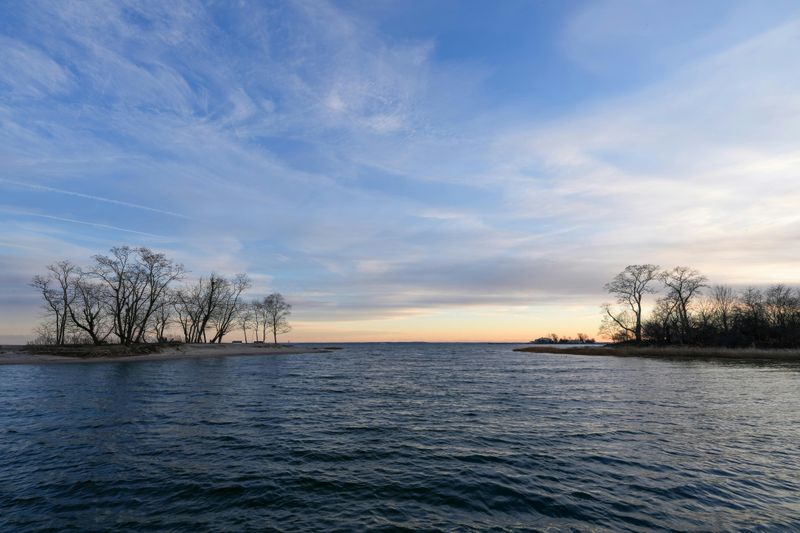
Living near the Chesapeake Bay comes with stunning views and strict environmental rules. The Critical Area Law creates a 1,000-foot buffer zone from tidal waters and wetlands where tree removal is tightly controlled.
This zone exists to protect water quality and the wildlife that depends on healthy shorelines.
Cutting trees inside this buffer without approval from the Critical Area Commission is a violation that carries meaningful consequences. Even trimming large limbs in some cases requires a permit from your local Critical Area program.
The rules vary slightly by county, but the core protections apply across the entire tidal watershed.
Homeowners who buy waterfront property often discover these restrictions after closing on the sale. That discovery can be unexpected, especially if you had plans to clear a view or build a dock.
Working with a local environmental planner before making any changes is a smart first move.
The Bay’s health depends on trees staying rooted near the water to filter runoff and prevent erosion. Removing that natural buffer creates problems that extend well beyond one property line.
Getting the right approval upfront protects both your investment and the ecosystem you chose to live beside.
4. Some Maryland Counties Fine Per Inch Of Trunk Diameter For Unpermitted Removal

In Maryland, many jurisdictions charge penalties based on the diameter of a tree trunk that was removed without proper permission. A large tree can measure 30 inches or more across, meaning fines can add up considerably.
Montgomery County, for example, has charged hundreds of dollars per inch of diameter for unpermitted removals. Multiply that by a wide trunk and the total cost from a single tree can reach thousands of dollars.
These fines are actively enforced across Maryland jurisdictions.
The diameter-based penalty system is designed to reflect the true value of mature trees. Older trees provide shade, absorb stormwater, and increase property values in measurable ways.
The fine structure acknowledges that replacing a 50-year-old tree is not as simple as planting a sapling.
Before removing any tree over a certain size, check your county’s specific tree ordinance. Most counties post their requirements online, and many offer free consultations with a forestry inspector.
A small amount of research now can prevent a fine that could have been avoided with a little prior planning.
5. Property Owners Can Be Liable For Damage From Neglected Trees
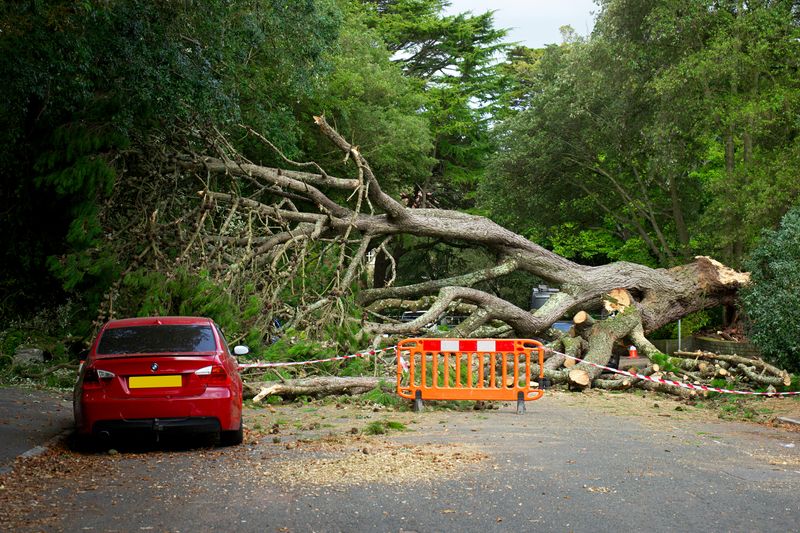
A leaning tree in your yard might look like a quirky feature, but your neighbor might see it as a genuine concern. Maryland courts have generally held that property owners have a duty to maintain trees that pose a foreseeable risk.
If a neglected tree falls and damages a neighbor’s home or car, you could be held financially responsible.
The key legal term here is known danger. If you were warned about a hazardous tree by an arborist or a neighbor and took no action, liability becomes easier to establish.
Documentation of that warning, such as a letter or email, can be relevant in court.
Homeowners insurance may cover some of these incidents, but policies vary widely. Some insurers may deny claims if they can show the damage was preventable through reasonable maintenance.
Reading the fine print in your policy before a storm season is genuinely worthwhile.
Regular tree inspections by a certified arborist are one of the more practical ways to protect yourself legally. An arborist can spot decay, disease, or structural problems that are not visible to the untrained eye.
That inspection report also creates a paper trail showing you acted responsibly, which can carry meaningful weight in court.
6. Topping Or Damaging Trees On State Property Is Prohibited
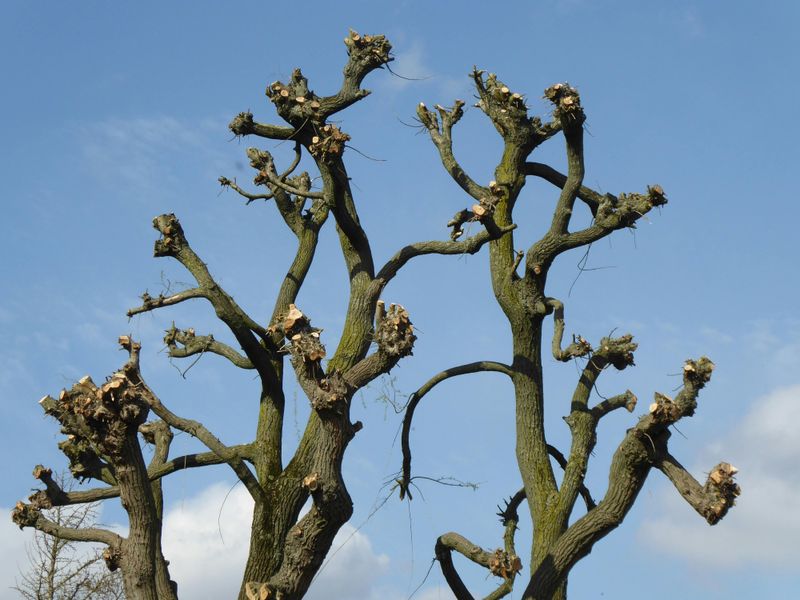
State-owned trees are not available for private use, regardless of how much they shade your driveway. Cutting, topping, or otherwise harming trees that sit on state right-of-way or public land can result in criminal charges or civil penalties in Maryland, depending on the severity of the violation.
This includes trees along state roads, in parks, and on government-owned parcels adjacent to private property.
Topping, which means cutting a tree down to its main trunk stubs, is considered a form of damage even when the tree survives. It causes long-term harm that can lead to structural failure and disease.
Many homeowners have unknowingly crossed this line when trimming trees near the road. The strip of land between the sidewalk and the street often belongs to the municipality, not the homeowner.
Assuming otherwise has led to unexpected costs for people who believed they were simply tidying up their yard.
If a state-owned tree is causing problems, the appropriate path is to contact the relevant agency and request an evaluation. The process takes time, but it protects you from legal exposure.
Taking the proper steps upfront is considerably less costly than paying restitution for unauthorized tree work.
7. Forest Conservation Act Violations Require Mandatory Reforestation
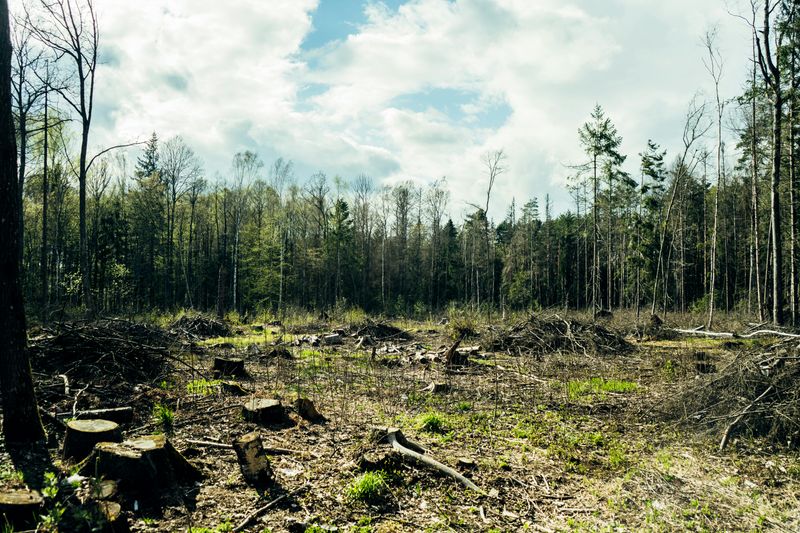
Breaking the Forest Conservation Act does not just mean paying a fine and moving on. Violators are often required to replant trees at a ratio that can exceed what was originally removed.
In some cases, the reforestation requirement can apply to two or three times the area that was cleared without authorization.
This mandatory replanting requirement is one of the law’s most consequential provisions. It is designed to ensure that forest loss results in genuine restoration rather than a financial penalty alone.
The state wants trees back in the ground, not just money in a fund.
Reforestation must often happen on the same property or on an approved mitigation site. The species selected for replanting are typically native trees that support local wildlife and water quality.
The entire process is monitored and must meet survival rate standards over several years.
For developers and large landowners, this requirement can significantly affect project timelines and costs. For individual homeowners, it can mean years of maintenance obligations tied to a permit violation.
Understanding the full scope of Forest Conservation Act consequences before clearing land can help you avoid outcomes that go well beyond a simple fine.
8. Contractors Face Fines For Removing Protected Trees Without Permits

Hiring a contractor does not necessarily transfer all legal responsibility away from the property owner. Contractors who remove protected trees without the proper permits also face their own serious penalties under Maryland law.
Licensed tree care companies are expected to know local ordinances and verify permit status before any work begins.
Contractors may also face penalties or licensing consequences, depending on the violation and local rules. Others have faced civil suits from homeowners who were then fined because of work the contractor performed.
The legal consequences can affect multiple parties at once.
When hiring a tree service, always ask whether a permit is required for the job. A reputable contractor will check this before providing a quote.
If a company does not raise the question of permits before starting work, it is worth asking directly before proceeding.
Get everything in writing before work begins, including confirmation that permits have been obtained if needed. That paper trail protects you if something goes wrong and enforcement becomes involved.
Choosing a knowledgeable contractor matters, because legal consequences can potentially affect both the property owner and the contractor.
9. Encroaching Branches Causing Property Damage Are Recognized In Maryland Courts
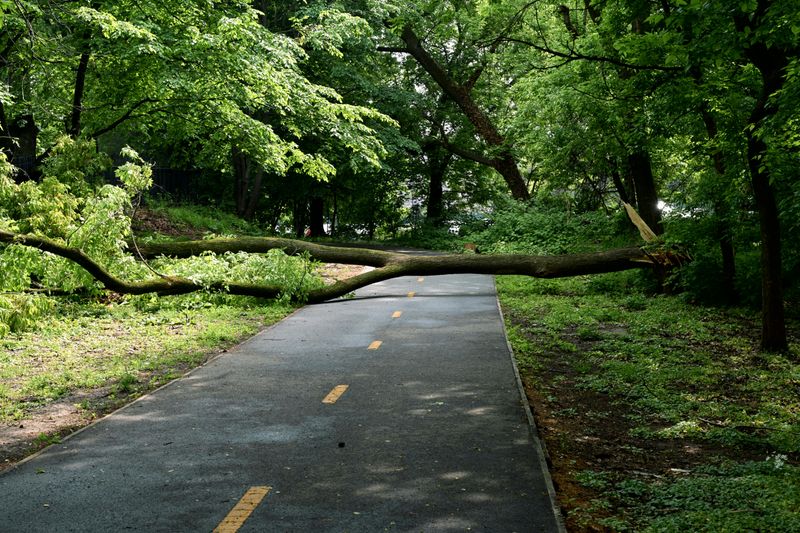
Your neighbor’s tree may be their property, but the branches hanging over your fence are a different matter. Maryland courts have recognized the right of property owners to trim branches that cross the property line.
However, that right comes with important limits that many people are not aware of.
You can generally trim encroaching branches back to the property line, but you cannot damage or destroy the tree in the process. Cutting too aggressively or applying chemicals to harm the tree could expose you to a lawsuit.
The law balances your right to protect your property with the neighbor’s right to keep their tree healthy.
When encroaching branches cause actual damage, courts have awarded compensation to affected homeowners. Examples include cracking a roof or blocking a drainage system.
Documenting the damage with photos and repair estimates strengthens any claim you might need to make.
A written notice to your neighbor before taking action also helps establish a good-faith record.
Tree disputes between neighbors are among the more frequent sources of property disagreements that end up in court.
Knowing where your rights begin and end under Maryland tree law can help keep a neighborly disagreement from escalating into formal legal action.
A little communication and thorough documentation go a long way.
10. Developers Must File A Forest Stand Delineation Before Construction
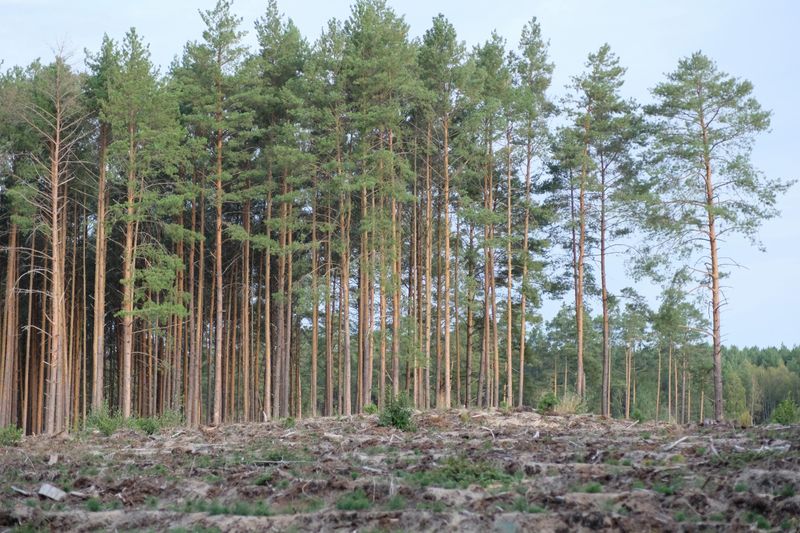
Before a single shovel breaks ground on a new development, Maryland law requires something called a Forest Stand Delineation. This document maps out every forested area on a property and identifies the types and conditions of trees present.
Without it, grading or construction permits cannot legally move forward in most Maryland jurisdictions.
The delineation must be prepared by a licensed forester or other qualified professional. It becomes the foundation for the Forest Conservation Plan that developers must submit and have approved.
It functions as a tree inventory that the law requires before anything else can proceed.
This requirement applies to most projects that disturb more than 40,000 square feet of land. Smaller projects may still trigger the rule depending on the county and the specific type of work planned.
Checking with your county planning department early in the process helps prevent costly delays.
Maryland tree laws like this one exist because forests are a shared resource, not just a private asset. The delineation process ensures that trees are properly accounted for before construction begins.
For anyone planning a major project, filing this document correctly and on time is an important early step in meeting Maryland’s legal requirements.