California Plants That Attract Dragonflies And Reduce Mosquito Activity
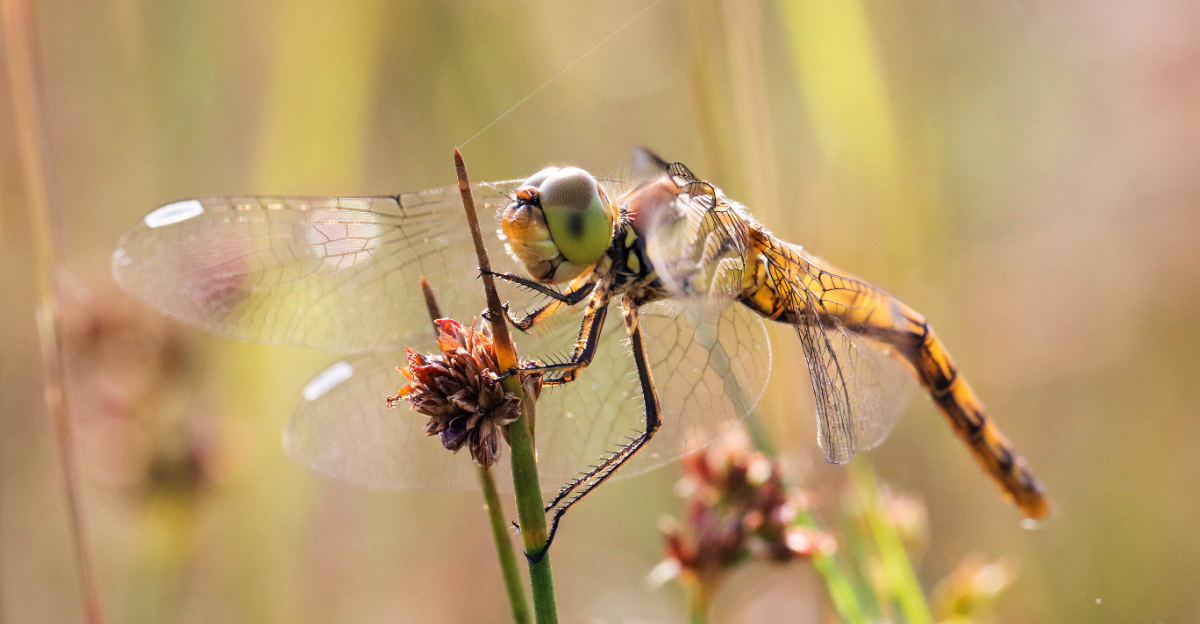
A California garden with dragonflies feels like it has tiny patrol helicopters on duty. They zip over water, pause on tall stems, and make the whole yard feel more alive.
The bonus is that dragonflies are also linked to fewer mosquitoes, which makes their visits even more welcome.
The trick is creating a space they actually want to use. A plain yard will not do much, but certain plants can help build the kind of habitat that draws them in. Think landing spots, shelter, and flowers that support the small insects dragonflies hunt.
Add the right water feature, and the garden suddenly becomes much more interesting. This is not about chasing every mosquito away overnight.
It is about making your yard friendlier to one of nature’s coolest flyers. Once dragonflies start showing up, summer evenings can feel a lot less annoying.
1. Common Rush Gives Dragonflies A Place To Perch
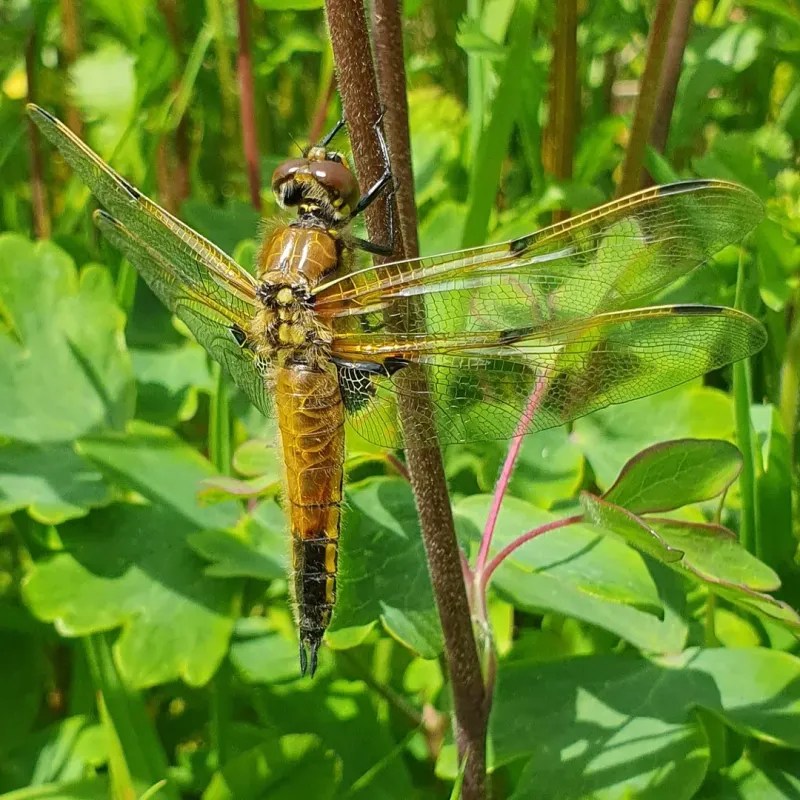
Few plants earn their place in a water garden quite like Common Rush. Known scientifically as Juncus effusus, this native rush grows in dense, upright clumps of round, dark green stems.
It can reach up to four feet tall, giving dragonflies the perfect elevated perch to hunt from. Dragonflies are visual hunters.
They need high spots to scan for prey, and the tall stems of Common Rush are ideal for that. When a dragonfly lands on a rush stem, it watches for mosquitoes flying nearby and darts out to catch them mid-air.
Having this plant near your pond or water feature makes your yard a dragonfly hotspot. Common Rush also grows well in shallow water or in consistently moist soil. It does not need much care once it gets established.
Plant it at the edge of a pond or in a rain garden where water collects, and it will spread naturally over time.
Beyond dragonflies, Common Rush provides cover for small frogs and beneficial insects that also help control mosquito populations.
It is a true team player in the garden ecosystem. You can find it at native plant nurseries throughout our state.
It grows in both full sun and part shade, making it flexible enough for most yard setups. If you want a no-fuss plant that does serious ecological work, this one should be near the top of your list.
2. California Gray Rush Works Beautifully Around Water Features
There is something quietly stunning about a plant that looks good all year long without asking for much in return.
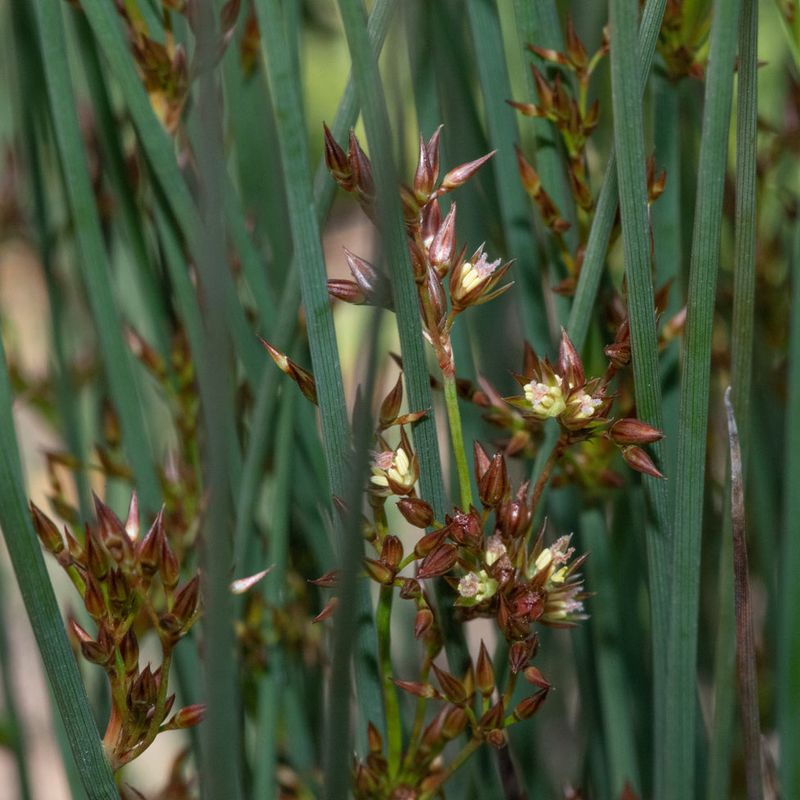
California Gray Rush, or Juncus patens, is exactly that kind of plant. Its blue-gray stems stand tall and stiff, giving any water feature a clean, sculptural look that holds up through every season.
This rush is a native of our state and thrives in moist to wet conditions. It grows naturally along streams, seasonal wetlands, and pond edges.
In the garden, it works well planted directly in shallow water or in the wet soil around a rain garden or decorative pond. It handles both full sun and partial shade with ease.
Your California Garden Changes Every Week. Your Plan Should Too.
Gardening in California changes quickly throughout the season. Every Friday you’ll receive a simple weekly plan showing exactly what to plant, prune, fertilize, harvest, and protect so you never miss the right timing.
What makes it especially valuable for mosquito management is how it supports dragonfly activity.
The stiff upright stems are perfect landing spots for dragonflies resting between hunts. More dragonflies in your yard means more mosquitoes being eaten before they ever get a chance to bother you.
Gray Rush also creates dense root systems that help filter water naturally. This keeps pond water cleaner and reduces the stagnant conditions that mosquitoes prefer for laying eggs.
It grows in clumps about two feet tall and two feet wide, so it stays manageable even in smaller spaces.
Plant several together for a bold visual effect and a stronger ecological benefit. It pairs well with other native rushes, sedges, and water-loving wildflowers to build a complete backyard habitat.
3. Yerba Mansa Helps Turn Damp Spots Into Habitat
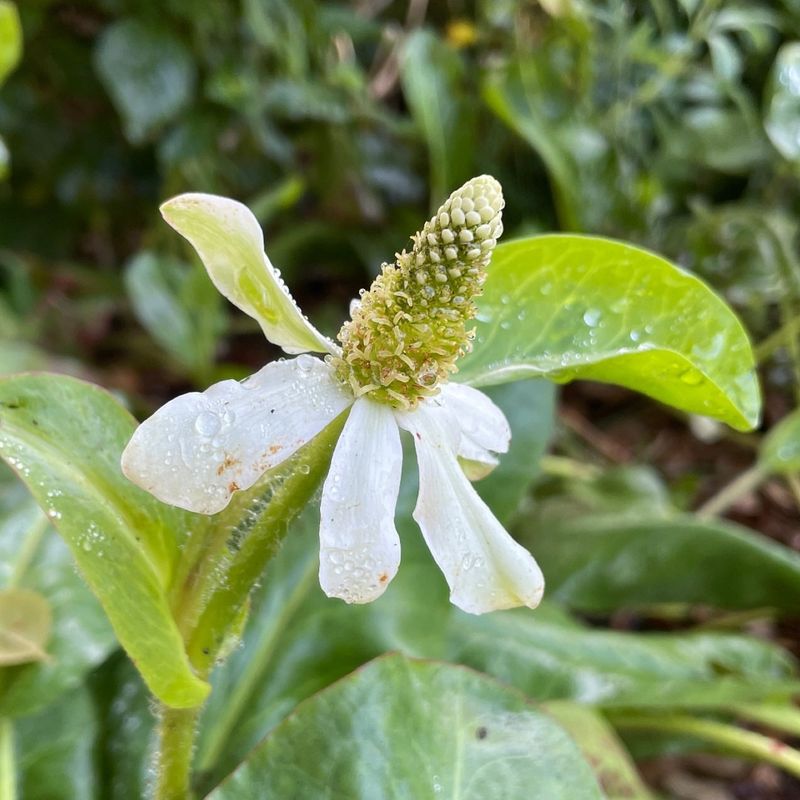
Most gardeners look at a soggy, low-lying corner of their yard and see a problem. Yerba Mansa sees an opportunity.
This remarkable native plant, Anemopsis californica, thrives in exactly those wet, heavy-soil conditions that most plants avoid.
It spreads by runners to form a lush, ground-hugging mat of broad green leaves topped with striking white cone-shaped flowers in spring and summer.
The flowers attract a wide range of beneficial insects, including the small flies and midges that dragonfly larvae feed on in the water.
More food in and around the water means more dragonflies completing their life cycle nearby. And more adult dragonflies means more natural mosquito control happening right in your backyard.
Yerba Mansa has a long history of use in traditional medicine among Indigenous communities of the Southwest.
It was valued for its healing properties long before it became a garden plant. That rich background adds a layer of meaning to growing it beyond just its ecological benefits.
In the garden, it spreads steadily but is not invasive. It works beautifully as a ground cover around the edges of ponds, bioswales, or any area where water tends to pool after rain.
Once established, it can handle short dry periods, making it more flexible than many other wetland plants.
Plant it in full sun to part shade for best results. It is truly one of the most hardworking and underappreciated native plants our state has to offer.
4. Seep Monkeyflower Brings Color To Wet Edges
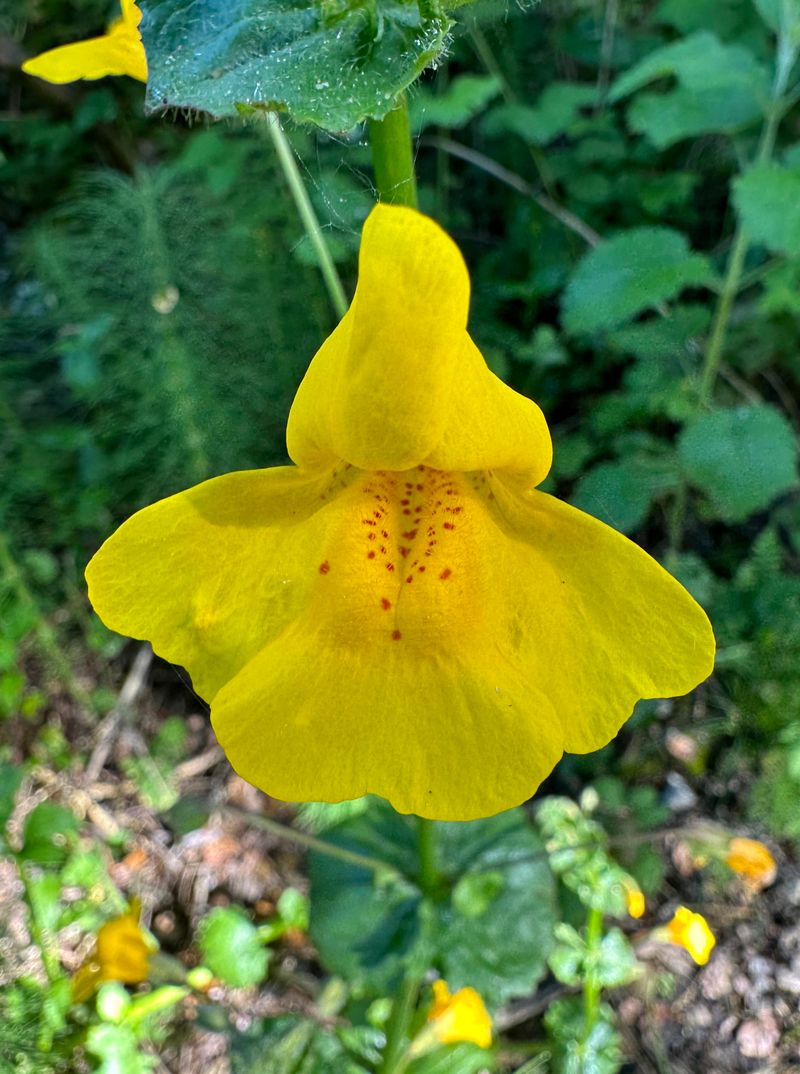
Bright yellow blooms along a wet creek bank are often a sign that Seep Monkeyflower is nearby.
Erythranthe guttata, commonly called Seep Monkeyflower or Yellow Monkeyflower, is one of the most cheerful and ecologically active native plants you can add to a moist garden area.
It produces vivid yellow flowers with small red or brown spots inside, which attract bees, flies, and other small insects that form part of the aquatic food web.
That food web matters a lot for dragonflies. Dragonfly nymphs live underwater and feed on aquatic insects and larvae.
When you grow plants like Seep Monkeyflower along pond or stream edges, you support the underwater community that dragonfly nymphs depend on.
More food underwater means more nymphs surviving to become adult dragonflies, which then patrol the air and eat mosquitoes.
Seep Monkeyflower grows naturally in seeps, wet meadows, and along stream banks throughout our state.
It is an annual or short-lived perennial that reseeds itself reliably in moist conditions. You can expect it to come back year after year with very little effort on your part. It grows best in full sun to light shade and needs consistently moist or wet soil.
It stays relatively compact, usually under two feet tall, making it easy to tuck in around the edges of a water feature or rain garden. The color it adds is a genuine bonus on top of all its ecological value.
5. Scarlet Monkeyflower Attracts Pollinators Near Pond Margins
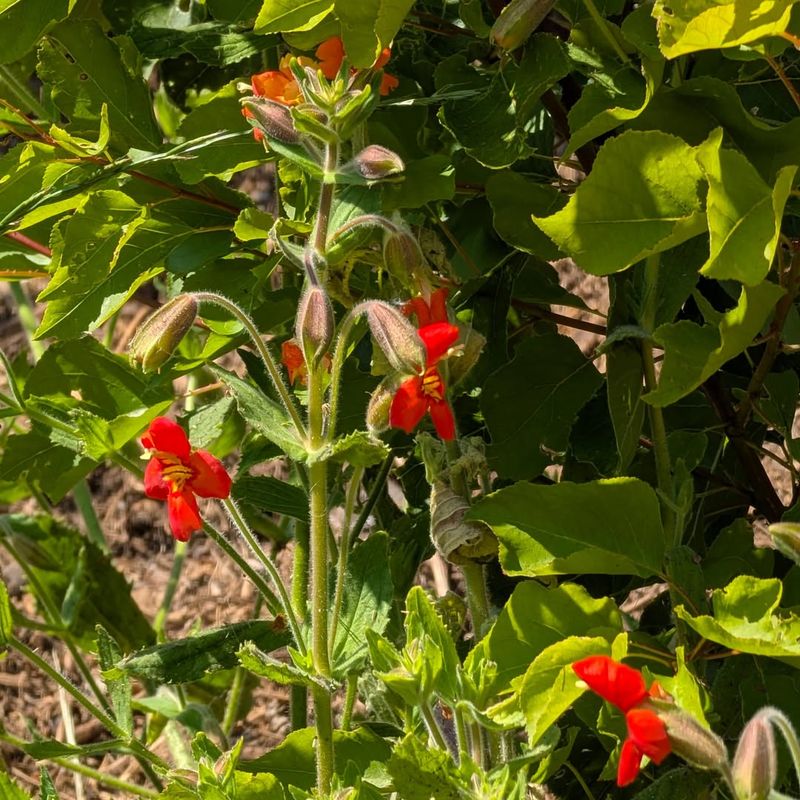
Bold, fire-red flowers rising from the edge of a pond have a way of stopping you in your tracks. Scarlet Monkeyflower, or Erythranthe cardinalis, is one of the most visually dramatic native plants you can grow near water.
Its tubular red-orange flowers are designed to attract hummingbirds and butterflies, but the overall activity they bring to a garden also supports dragonfly populations in a meaningful way.
Here is why that connection matters. When hummingbirds and pollinators visit flowers near water, they stir up insect activity.
Small insects and midges that live near pond edges become more active, and dragonflies take advantage of that.
The more insect movement near the water, the more dragonflies show up to hunt. It creates a ripple effect of natural pest control that benefits the whole yard.
Scarlet Monkeyflower grows naturally along streams and seeps in the foothills and mountains of our state. In the garden, it thrives in moist to wet soil in full sun to partial shade. It can grow up to three feet tall and spreads gradually by rhizomes, slowly filling in a pond margin with beautiful color.
It blooms from late spring through early fall, giving you months of visual interest and ecological activity.
Unlike many showy garden plants, it is fully native and supports the local food web from the ground up.
Pair it with Common Rush or Gray Rush for a layered, habitat-rich planting that looks as good as it functions.
6. Douglas Iris Adds Structure Around Rain Gardens
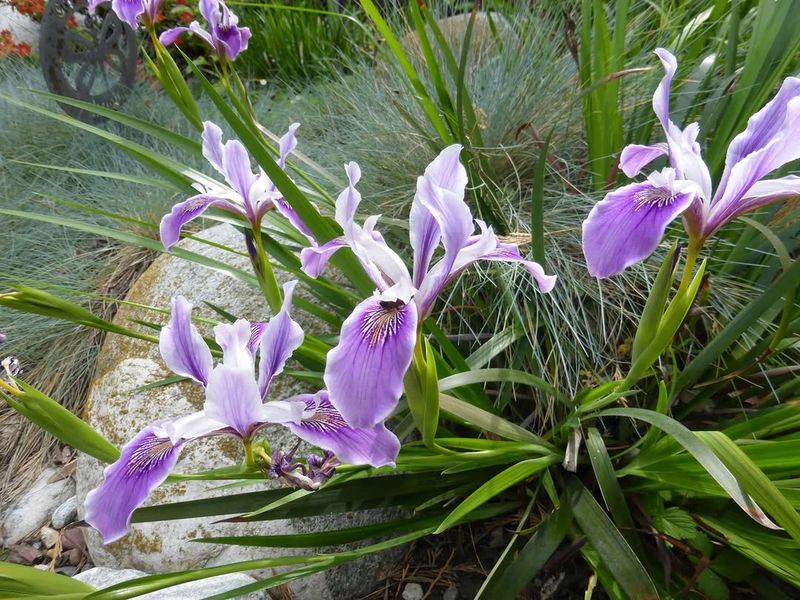
Not every plant that supports dragonflies needs to grow in standing water. Douglas Iris proves that beautifully.
Iris douglasiana is a tough, elegant native perennial that grows along coastal bluffs, open woodlands, and garden edges throughout the western part of our state.
It forms dense clumps of strap-like evergreen leaves that stay attractive year-round, even when the flowers are not in bloom.
The flowers themselves are stunning. They come in shades of purple, lavender, white, and deep blue-violet, often with intricate veining.
They bloom in early spring and attract native bees and other pollinators that contribute to the insect diversity near water. That diversity feeds the broader food chain that dragonflies are part of.
Around a rain garden, Douglas Iris plays a structural role. Its dense root system helps stabilize the soil at the edges of low-lying areas where water collects seasonally.
It also helps slow water runoff, encouraging it to soak into the ground rather than pool on the surface.
That reduces the standing water that mosquitoes need to breed. Douglas Iris is drought-tolerant once established, which is a huge advantage in our state where summer water restrictions can be a challenge.
It needs little to no supplemental watering after its first season. Plant it in full sun near the coast or in part shade inland.
It is a plant that earns its place through both beauty and function, making it a smart addition to any native habitat garden.
7. Berkeley Sedge Softens Edges Without Getting Too Tall
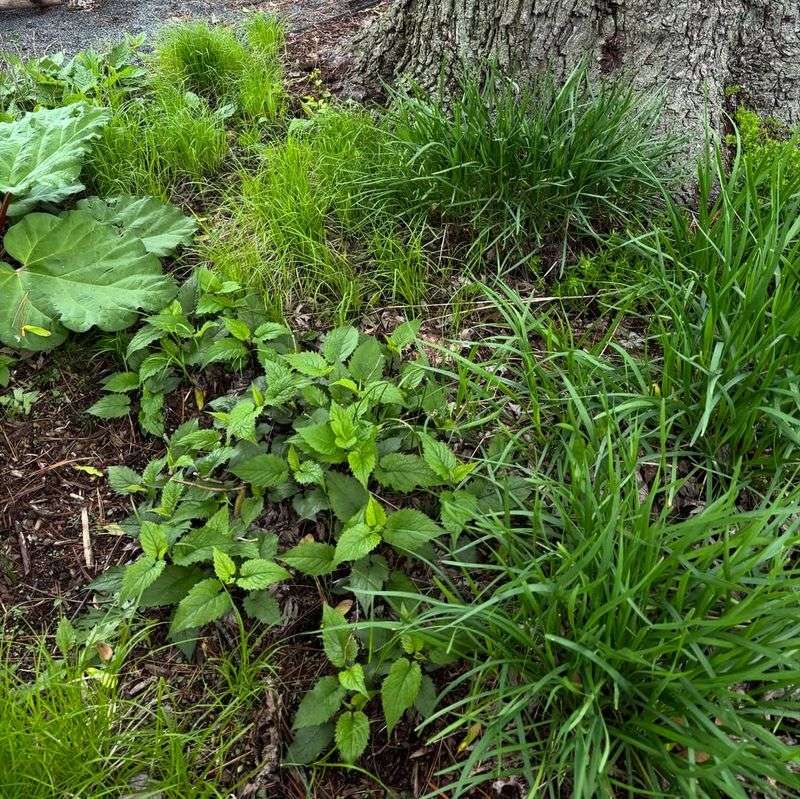
Sometimes the best plants in a garden are the quiet ones that hold everything together. Berkeley Sedge, or Carex tumulicola, is exactly that kind of plant.
It forms graceful, arching clumps of fine green leaves that stay low and tidy, rarely exceeding eighteen inches in height.
It is one of the most versatile native sedges in our state and works in a wide range of garden conditions.
Around ponds, water features, and rain gardens, Berkeley Sedge fills in the spaces between larger plants like rushes and irises.
Its dense clumps create ground-level cover that small beneficial insects use for shelter. Those insects, in turn, attract dragonflies looking for a meal close to the water’s surface.
It is a small but important piece of the habitat puzzle. One of the best things about this sedge is how well it handles shade.
Many water-loving plants demand full sun, but Berkeley Sedge performs beautifully under the dappled shade of trees or near fences and walls. That makes it incredibly useful for yards where sunlight is limited near a water feature.
It is also low-maintenance in the best possible way. Once established, it needs very little water, no fertilizer, and only occasional trimming to look its best. It stays green through most of the year and does not spread aggressively.
For gardeners who want a polished, natural look around wet garden edges without a lot of upkeep, Berkeley Sedge is a genuinely satisfying choice that delivers results season after season.