8 California Summer Flowers That Keep Blooming Through The Heat
By July, a lot of California yards look like they gave up. Faded blooms, crispy edges, that defeated look that comes from plants that were never built for this kind of heat in the first place. It does not.
There is a specific group of flowers that actually performs better as the heat climbs. Not survives.
Performs. Bold color, heavy pollinator traffic, and almost zero drama through the driest stretch of a California summer.
The gardeners who know about these plants are not doing anything extraordinary. They are not running sprinklers around the clock or amending every square foot of soil. They simply chose differently at the nursery.
California has some of the most heat-resilient, visually stunning flowers on the planet, and a surprising number of them are native to this exact climate. What keeps a garden blooming in brutal heat is not what many people think.
1. California Fuchsia Brings The Summer Sparks
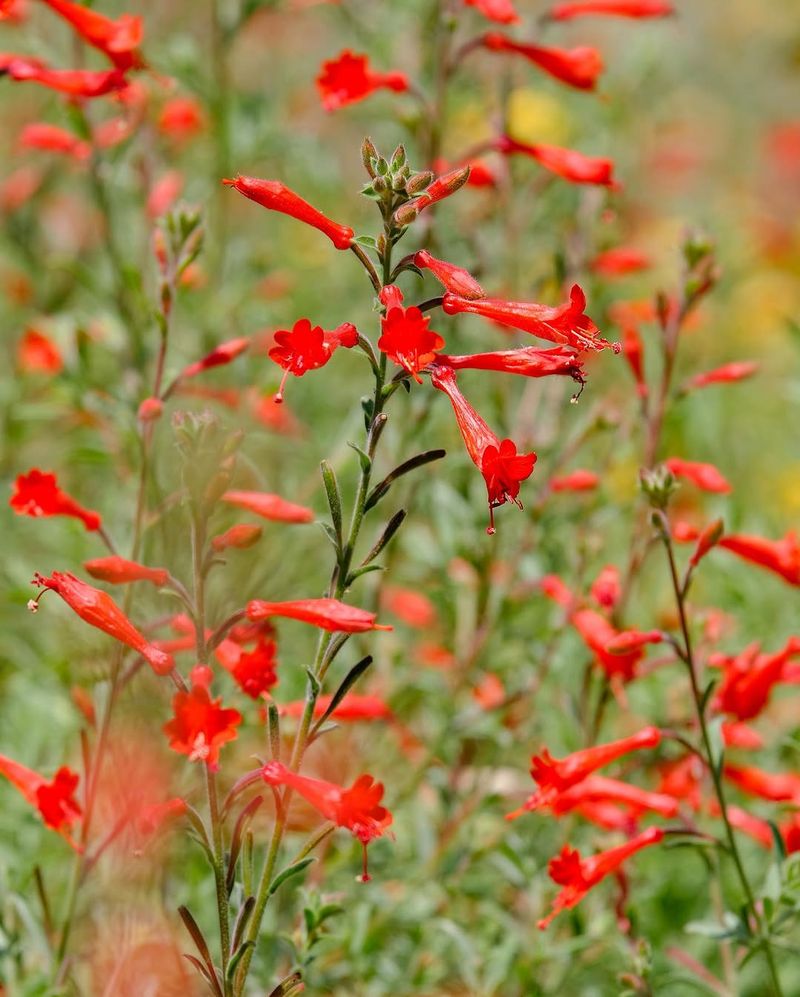
Most flowers wave the white flag by August. California fuchsia is just getting warmed up. Epilobium canum is a low-growing California native that treats late summer like an invitation rather than a warning.
The tubular red-orange blooms arrive when the rest of the garden is fading, and hummingbirds treat them like the last good restaurant in town. Bold, fiery, and completely unbothered by heat, this plant delivers a second act that many gardens desperately need.
The timing alone makes it worth planting. Late-season color is usually rare in a dry garden, and California fuchsia fills that gap with real enthusiasm.
Full sun tends to bring out the most flowers. Well-drained, even sandy or rocky soil suits it well. Soggy soil and heavy clay are where things tend to go wrong, so good drainage is not optional.
Give each plant about two to three feet of space. It spreads by underground runners and fills in fairly quickly, which works beautifully on dry slopes.
A hard cutback in late winter keeps growth tidy and encourages a fresh flush of stems in spring. Once established, many gardeners find that it needs little to no supplemental water through summer.
Coastal and inland gardens both can support it, though local soil and microclimate conditions always play a role. The results tend to be vivid, low-effort, and deeply satisfying.
2. Cleveland Sage Keeps The Color Show Going
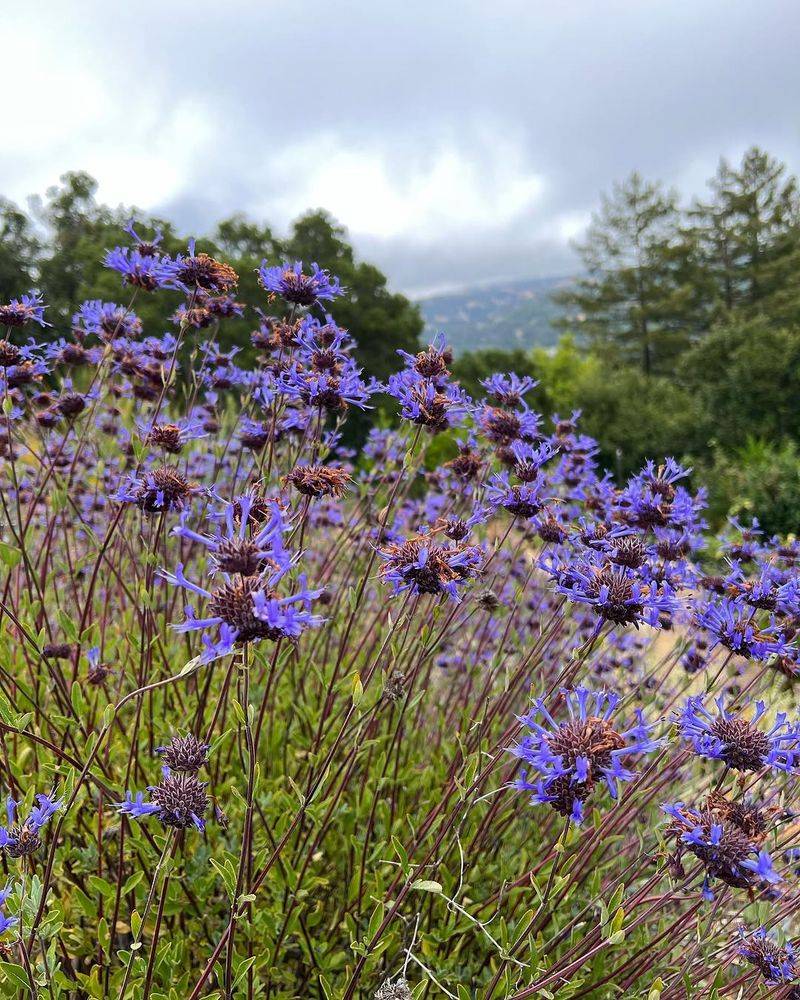
A Cleveland sage in full bloom does not just look good. It announces itself from ten feet away.
Salvia clevelandii is one of California’s most celebrated native shrubs, and the fragrance is a significant part of why. The gray-green foliage carries a bold, herby scent that lingers all season, long after the violet-blue flower spikes have finished their run.
Plant it near a walkway or seating area, and it rewards every passerby without asking for anything in return.
The blooms arrive in late spring to early summer and pull in bees, butterflies, and hummingbirds with impressive reliability.
The flower show does not last forever, but the fragrance usually does. This plant works your senses in two directions at once, and that is a rare quality.
Your California Garden Changes Every Week. Your Plan Should Too.
Gardening in California changes quickly throughout the season. Every Friday you’ll receive a simple weekly plan showing exactly what to plant, prune, fertilize, harvest, and protect so you never miss the right timing.
Full sun is where it performs best. It can tolerate some afternoon shade in hotter inland areas, but bloom production tends to be stronger with good sun exposure.
Soggy soil is the main thing to avoid. Cleveland sage is sensitive to overwatering, particularly in heavy clay. Raised beds, hillside spots, and fast-draining sandy or loamy soil give it the best foundation.
Space plants four to six feet apart. Good airflow between plants reduces the risk of fungal issues, which can show up in more humid coastal settings.
A light trim after blooming keeps the shape tidy and prevents the plant from getting too woody too fast. It pairs naturally with California buckwheat and yarrow in a layered, low-water border that looks thoughtful and feels completely effortless.
3. Yarrow Adds Soft Blooms With Grit
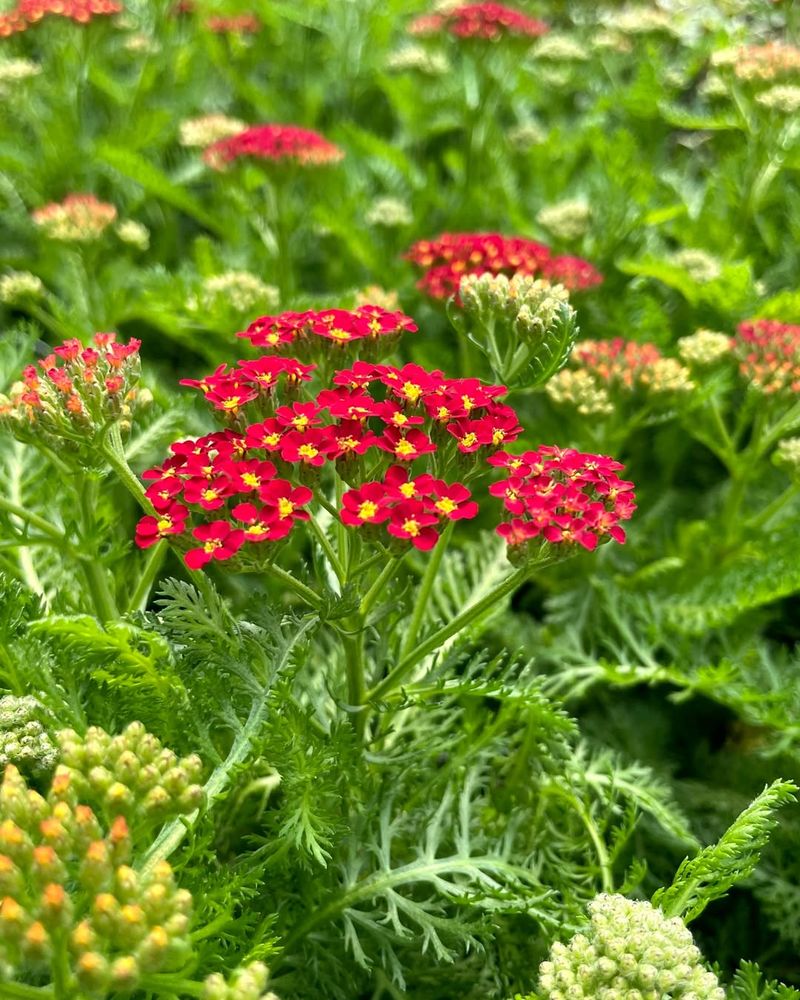
Yarrow has been charming gardens for centuries, and it seems like it has no plans to stop. Achillea millefolium brings a soft, feathery texture and flat-topped flower clusters in white, yellow, pink, and red to sun-baked beds that would send most other perennials packing.
The look is relaxed and cottage-garden friendly, but the plant itself is tougher than it appears. Dry soil, lean conditions, and relentless summer sun are not problems for yarrow. They are practically a job description.
Full sun and well-drained soil are the two things it asks for most consistently. Heavy, wet soil causes the most trouble, so sandy or loamy spots work better than amended clay beds in many garden situations.
The bloom season runs from late spring well into summer, which gives it a long and useful window of color. Trimming spent flower clusters encourages more blooms and keeps things looking tidy.
Left to its own devices, yarrow can self-seed and spread, which suits meadow-style plantings nicely but may need a bit of managing in more structured borders.
Dividing clumps every two to three years helps maintain vigor and prevents the center of the plant from thinning out over time.
Beyond the visual appeal, yarrow draws a solid range of beneficial insects. Native bees, predatory wasps, and various pollinators all find it useful.
Pair it with California fuchsia or Russian sage for a bed that blooms reliably, and basically takes care of itself once it settles in.
4. Coyote Mint Turns Heat Into Fragrance
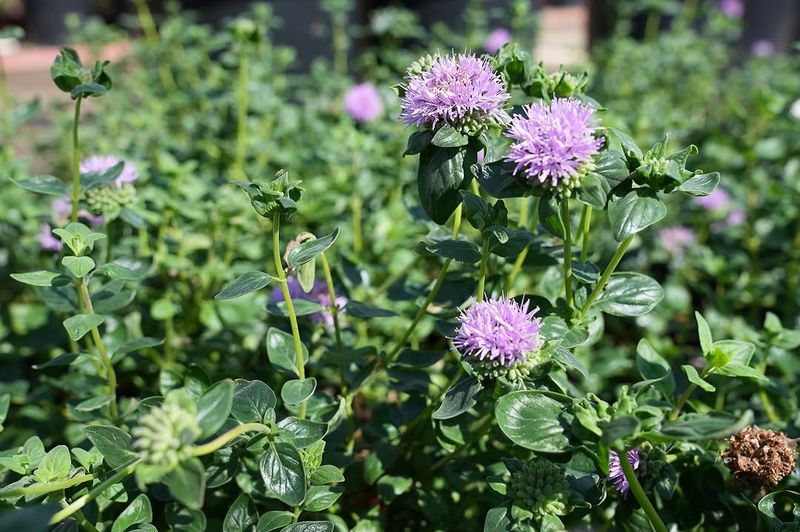
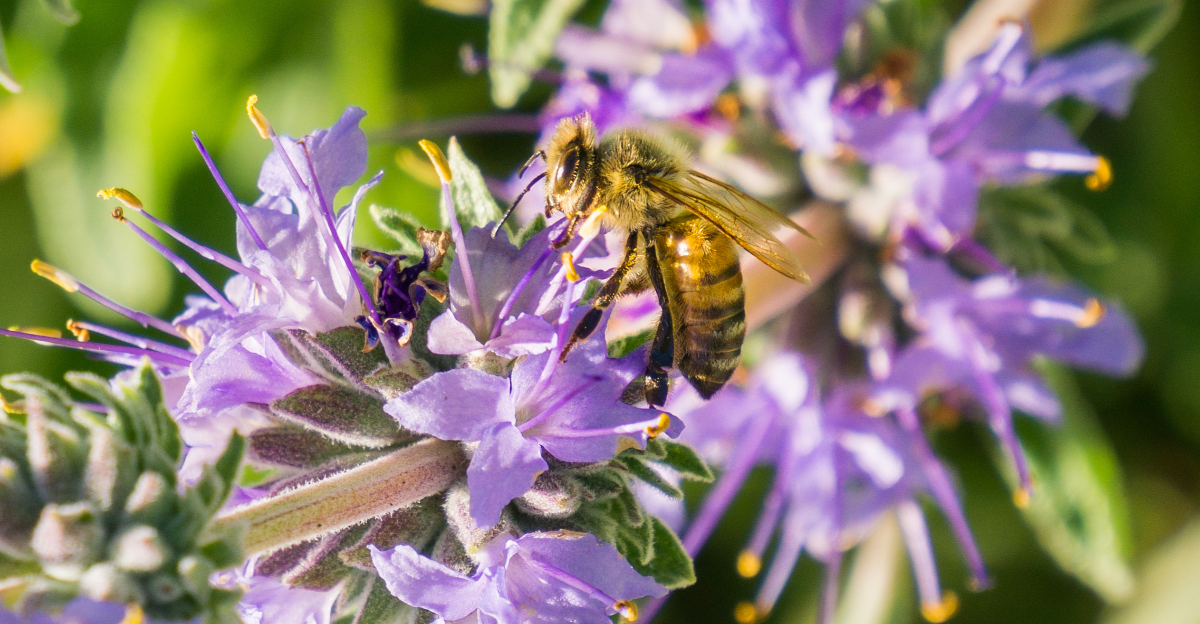
A warm afternoon near a coyote mint plant is one of the better sensory experiences a California garden can offer.
Brush against it, and the air fills immediately with a sharp, clean minty scent that feels almost impossibly refreshing for such a hot day.
Monardella villosa is a low-growing California native that earns its garden space twice over, once through fragrance and once through flower power. Both are considerable.
The light purple to lavender flower clusters bloom from early to midsummer. Planting it near a path or patio edge puts both the blooms and the fragrance right where people can enjoy them most.
Well-drained soil is a genuine requirement. Coyote mint does not tolerate soggy conditions, and root rot can become a real issue in heavy clay or poorly draining spots. Sandy or loamy soil with good sun exposure gives it the best start.
Once it is settled in, it generally handles dry conditions well across many California regions. The need for summer irrigation tends to drop considerably after the first season.
By late summer, the plant can get a little leggy, but a light trim after the main bloom period restores a compact shape. It spreads gently over time, making it a useful low ground cover on dry slopes or in rock garden settings.
Few California natives pack this much into such a compact, agreeable package. The bees already know this. The butterflies figured it out immediately.
5. California Buckwheat Keeps Pollinators Busy
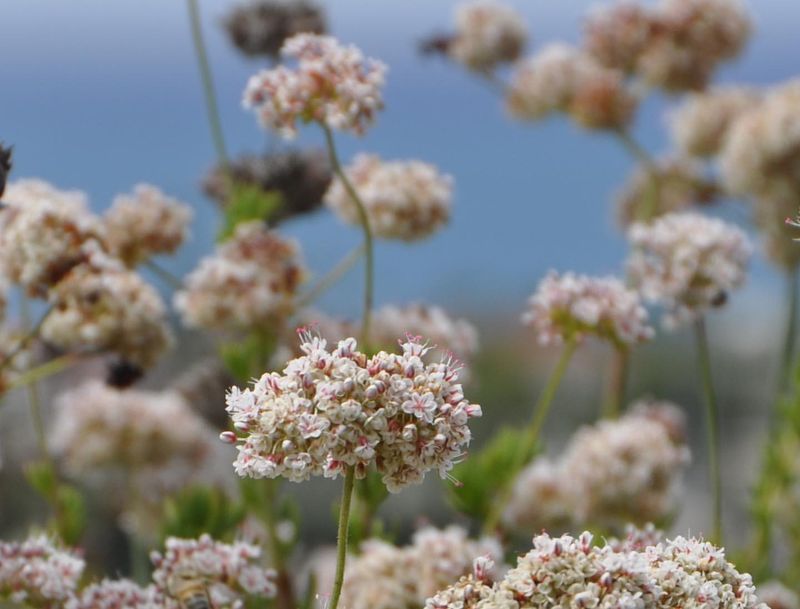
A patch of California buckwheat in full bloom does not just look alive. It sounds alive. The hum starts early and runs late, with bees, butterflies, and beetles working the flower clusters from multiple directions at once.
Eriogonum fasciculatum is one of California’s most ecologically valuable native plants, and it delivers that value without demanding much water or attention in return. It is the kind of plant that makes a garden feel like it is actually part of the landscape.
The flower clusters put on a quietly spectacular seasonal show. They open creamy white, shift to pink, and then dry to a warm rusty red as the season moves along.
That color transition gives the plant a layered, multi-season quality that works especially well in naturalistic plantings where change over time is part of the appeal.
Dried flower heads stay on through fall and winter, providing food for birds and adding texture long after the blooms have technically finished.
Full sun and well-drained soil are the main requirements. California buckwheat handles sandy, rocky, and loamy soils well and naturally grows on dry slopes and coastal scrub.
Heavy, poorly drained clay tends to cause problems, so raised beds or fast-draining spots are the better choice in garden settings.
A light trim after the flowering period can help maintain a tidy shape, though many gardeners simply leave the dried heads in place for the wildlife value.
It pairs naturally with Cleveland sage, coyote mint, and California fuchsia in a drought-tolerant native bed that actively supports local wildlife. Plant it in a sunny spot, give it a decent start, and then mostly step back. The pollinators will not need a second invitation.
6. Russian Sage Sends Up Lavender Spikes
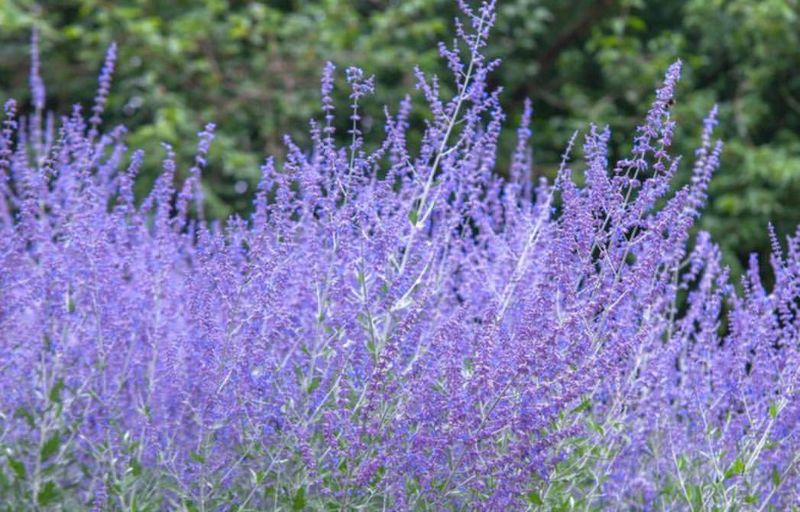
Russian sage does not just survive a California summer. It looks elegant throughout the whole thing.
It handles hot, dry summers well in many inland and valley garden settings once it is properly established. Coastal gardens with heavy fog or high humidity may see different results, since good airflow tends to be important for long-term health.
Full sun and well-drained soil are the core requirements. Slightly poor, lean soil often suits it better than heavily amended beds, which is somewhat counterintuitive but consistently observed by gardeners who grow it successfully.
Overwatering is the most common mistake. Once established, Russian sage generally prefers to stay on the dry side. Waterlogged roots cause more trouble than a dry stretch ever would.
Pruning in late winter or early spring is worth doing. Without it, the plant tends to get floppy and woody over time.
Cutting back to about six to twelve inches from the ground gives it a strong, tidy start for the season. Avoid leaving pruning too late, since new growth needs time to develop before summer heat arrives.
Pair it with yarrow, California buckwheat, or hummingbird mint for a layered, low-water border that attracts bees.
7. Frikart’s Aster Powers Through Hot Days
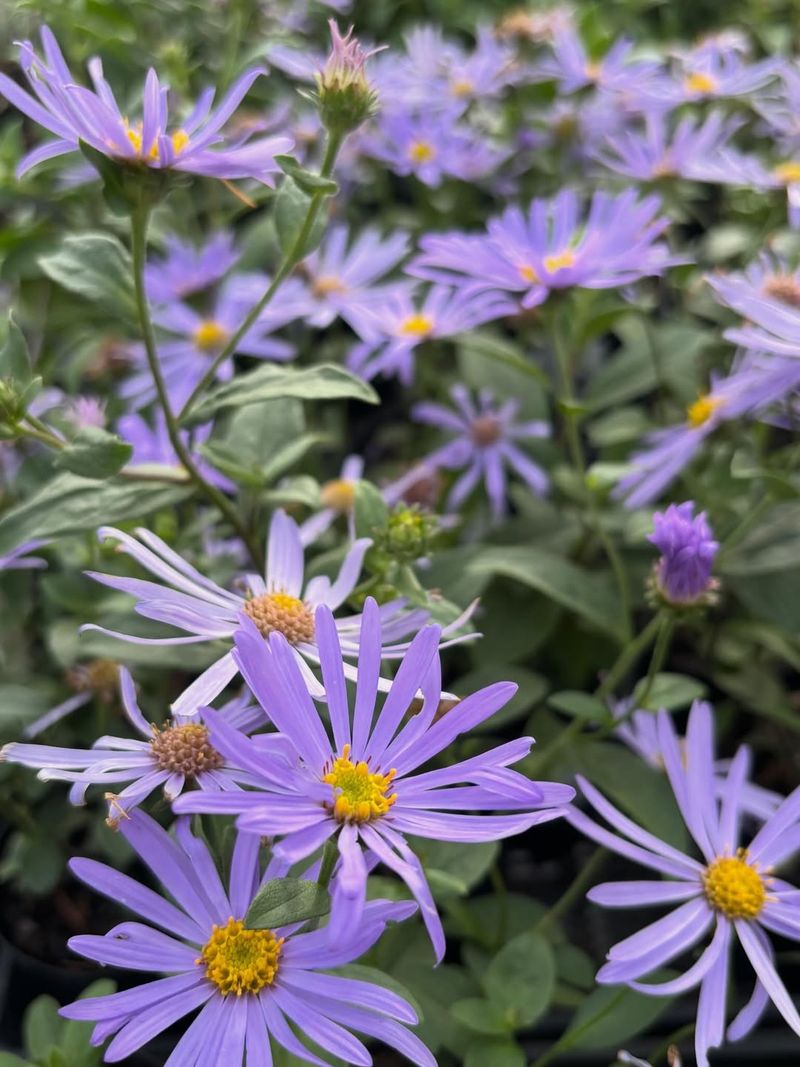
Late summer is when a lot of garden beds start apologizing for themselves. Frikart’s aster is not one of them.
Aster x frikartii produces lavender-blue daisy-like flowers with bright yellow centers that bloom from midsummer well into fall. Few California summer plants match that bloom window, which makes it genuinely useful rather than just pretty.
It performs best in full sun to very light shade with well-drained soil and moderate water. In hotter inland areas, a bit of afternoon shade can help it maintain better foliage quality and bloom production.
Regular trimming tends to encourage continued flowering and keeps the plant looking tidy. Removing spent blooms before they go to seed redirects energy back into producing new flowers rather than setting seed.
Some gardeners find it reblooms reliably with minimal intervention, but results can vary depending on local conditions and irrigation practices.
Frikart’s aster reaches about two to three feet tall and wide, which puts it solidly in the mid-border category. It is substantial enough to anchor a planting without overwhelming smaller companions.
Dividing clumps every few years helps maintain vigor. Soil type, sun exposure, and local microclimate all influence how it performs across different parts of California. So, some trial and adjustment is a reasonable expectation.
Pair it with Russian sage and yarrow for a soft, airy color palette that suits cottage-style and Mediterranean-inspired gardens equally well. The combination tends to look like it required far more planning than it actually did.
8. Hummingbird Mint Keeps The Garden Buzzing
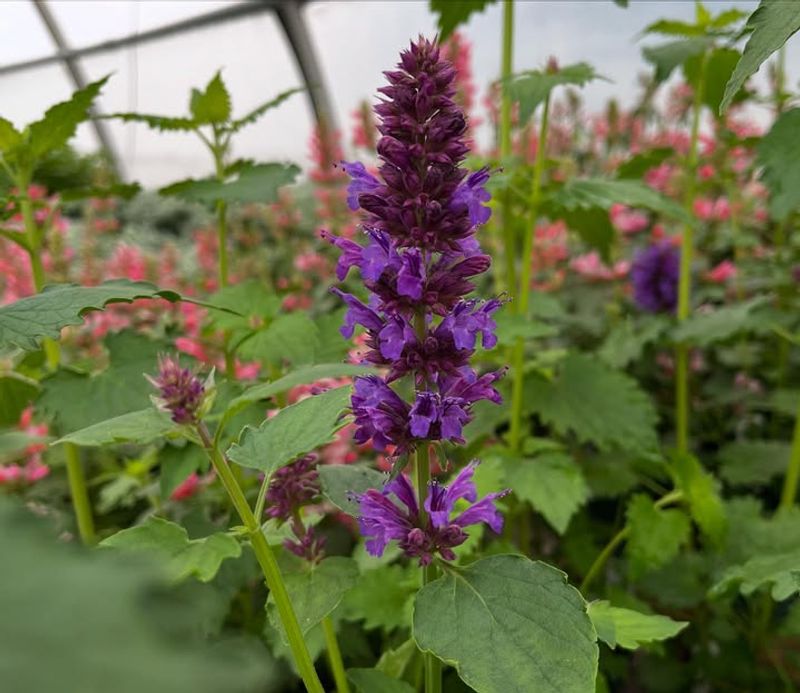
A summer border with hummingbird mint in it rarely has a quiet moment, and that is entirely the point. Agastache produces upright flower spikes in pink, orange, purple, and red that attract hummingbirds, bees, and butterflies from the moment they open.
The foliage adds a pleasant minty or anise-like scent that makes the area around it noticeably more appealing near a patio or garden path.
Well-drained soil is a firm requirement. Waterlogged roots are one of the most reliable ways to cause problems with this plant, and overwatering is a common reason it underperforms in garden settings.
Sandy or loamy soil with good drainage and full sun gives it the strongest start. Avoid planting it in low spots where water collects after rain or irrigation. That situation tends to end poorly.
Once established, many varieties handle reduced irrigation reasonably well, particularly in inland and valley climates. Coastal gardens with more moderate summer temperatures often find it even easier to maintain through the warmer months.
Most varieties grow two to four feet tall, useful as background or mid-border plants in a layered design. Cutting back spent flower spikes can encourage a second flush of blooms further into fall.
Pair it with California fuchsia or Frikart’s aster for a pollinator-friendly bed that stays colorful and buzzing from midsummer into early fall.