What To Do With Your Florida Bougainvillea In June So It Blooms All Summer Without Stopping
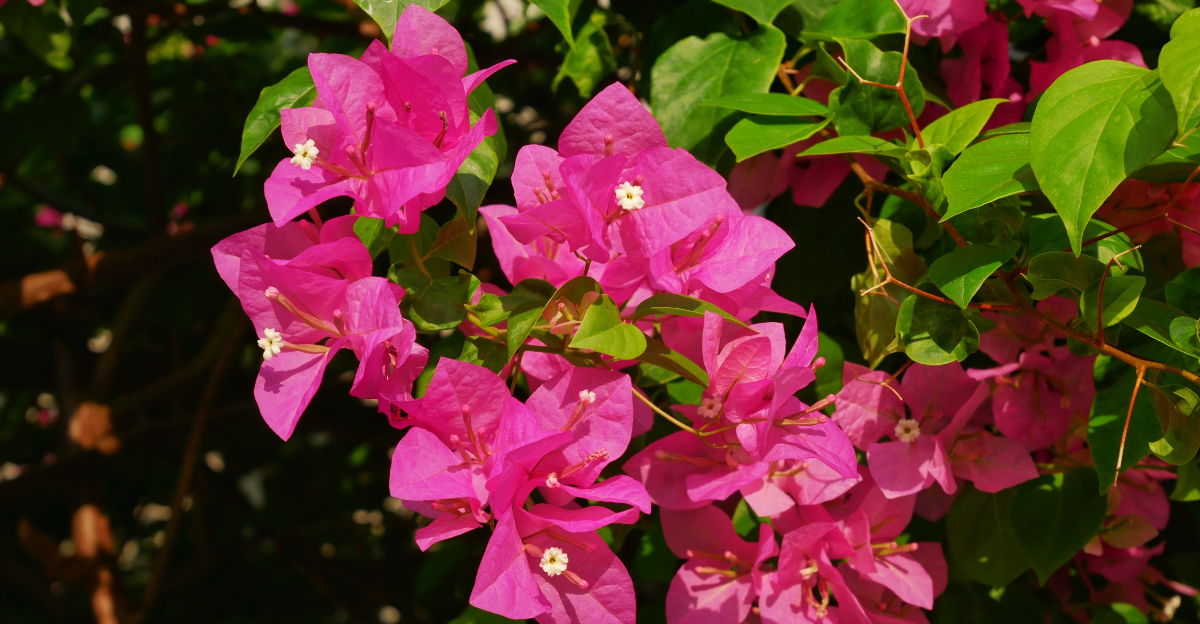
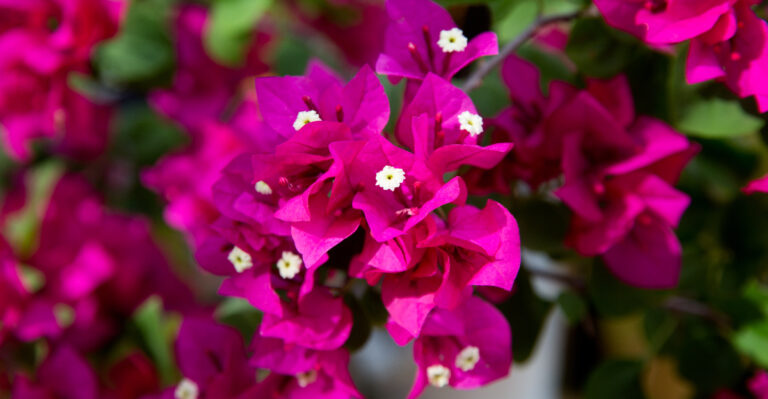
Bougainvillea is one of those plants that looks effortless in other people’s yards and frustrating in your own. The color, the volume, the sheer drama of a bougainvillea in full bloom is hard to match in a Florida garden.
But that same plant can sit stubbornly green for weeks, producing nothing but vigorous new growth while the blooms stay absent. June is actually the month that determines how the rest of summer plays out for bougainvillea.
The decisions made now, or the ones skipped over, set the plant’s trajectory for the next several months. Most Florida gardeners are closer to a full season of color than they realize.
Bougainvillea isn’t withholding, it’s responding. And once you understand what it’s responding to, June stops feeling like a gamble and starts feeling like an opportunity.
1. Give It The Strongest Sun You Can
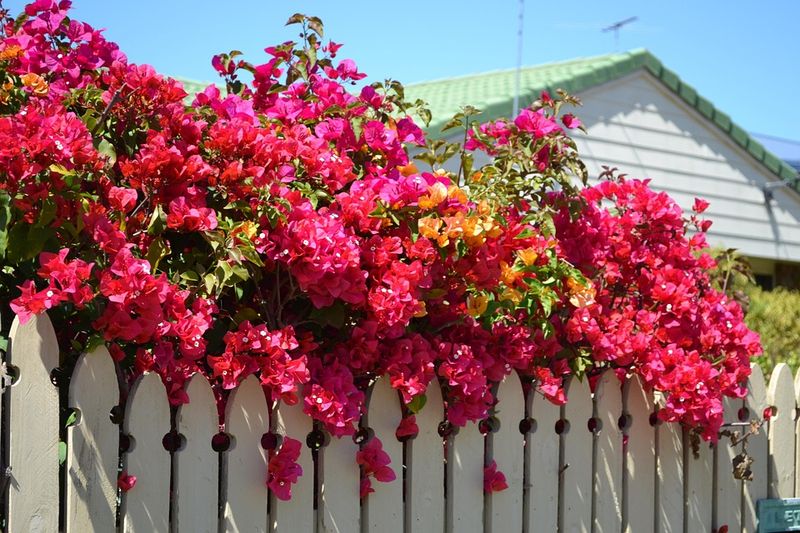
Sunlight is the first bloom check for any bougainvillea that seems to be producing more leaves than color. Strong, direct sun is what pushes this plant to produce its signature bracts.
In June, even small changes in your yard can shift how much light a plant actually receives. Trees that were bare in winter now carry full canopies.
Patio covers that seemed fine in spring can block more light than you expect once the sun angle shifts.
Walk around your plant at different times of day and watch where the shade falls. A bougainvillea that once had a sunny wall behind it might now sit in the shadow of a nearby oak or fence for several hours each afternoon.
That kind of gradual shade creep is easy to miss, but it can quietly pull the plant away from its best bloom behavior.
Most Florida gardeners find that six or more hours of direct sun each day gives bougainvillea the conditions it needs to keep producing color.
Less than that often tips the balance toward leafy green growth instead of the vivid bracts you are hoping for.
If a container plant is not getting enough sun, moving it even a few feet can make a real difference. In-ground plants have fewer options, but trimming nearby shrubs or low branches can open up more light without major work.
Check the sun exposure first before making any other June care changes. No amount of fertilizer or pruning will replace what strong sun does naturally for this plant.
2. Let The Soil Dry A Little Before Watering Again
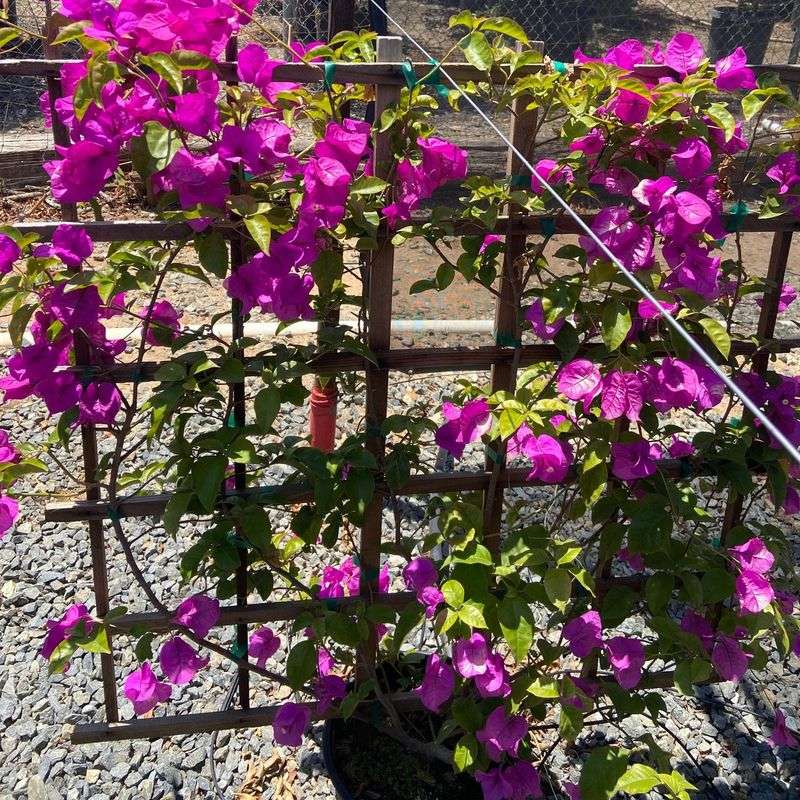
A little dryness can actually work in your favor when it comes to keeping bougainvillea blooming through summer. This plant is native to drier, rocky environments and has adapted to periods of low moisture.
Constantly wet soil around the roots tends to push the plant into vegetative growth and can also cause root problems that show up later as wilting or bract drop.
The general idea is to let the top inch or two of soil dry out before watering again. For in-ground plants during the rainy season, natural rainfall often handles this on its own.
Your Florida Garden Changes Every Week. Your Plan Should Too.
Gardening in Florida changes quickly throughout the season. Every Friday you’ll receive a simple weekly plan showing exactly what to plant, prune, fertilize, harvest, and protect so you never miss the right timing.
You may not need to water at all during stretches of regular June showers. The challenge is staying aware of how much rain your yard is actually getting.
A quick afternoon storm does not always soak the root zone the way a steady rain does.
Container plants need more attention because they can dry out faster and also drain differently depending on pot size, soil mix, and sun exposure. Check the soil in your pots by pressing a finger about an inch down.
If it still feels damp, wait. If it feels dry and the pot feels light when lifted, it is time to water thoroughly until it drains from the bottom.
Newly planted bougainvillea in the ground needs more consistent moisture while roots are still getting established, so balance is key during that first season.
Avoid letting newly planted shrubs dry out completely, but still aim for good drainage rather than soggy conditions around the root zone.
3. Keep Containers Out Of Storm Runoff
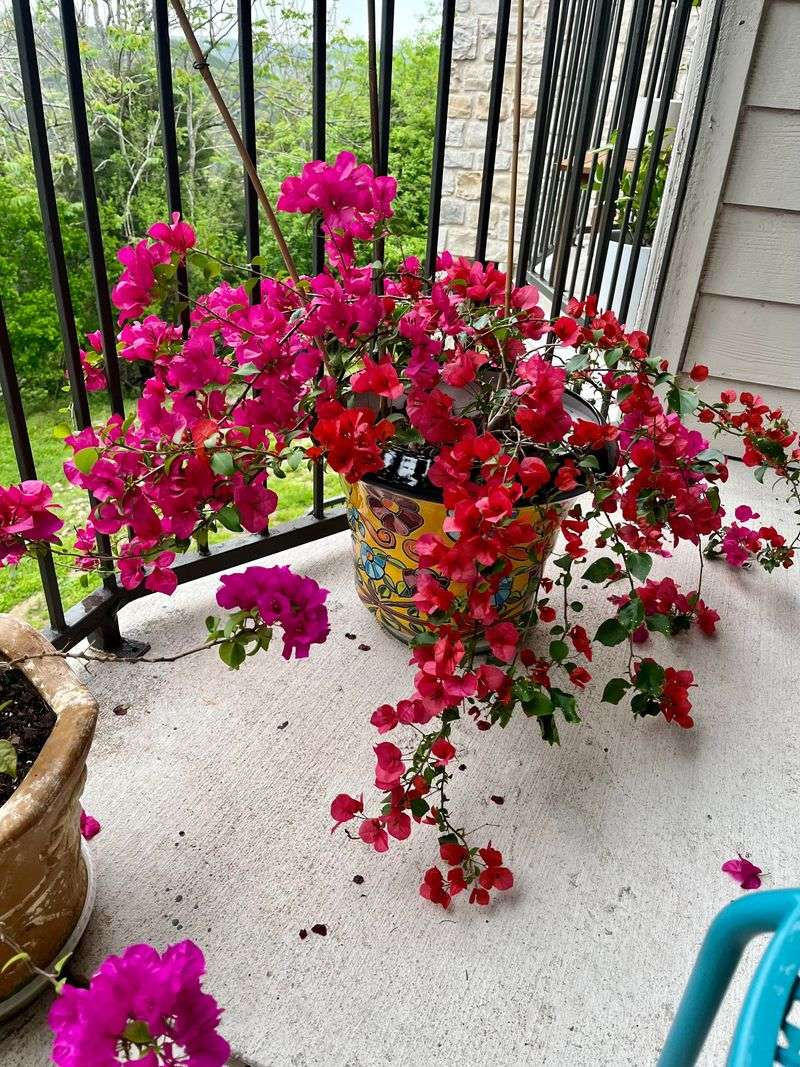
June rain can change a container fast, and heavy storms are one of the most overlooked reasons potted bougainvillea struggles through summer.
When a pot sits directly under a roofline or near a gutter, it can collect far more water than the plant would ever receive from normal rainfall.
That kind of sudden soaking, repeated several times a week, keeps roots sitting in moisture longer than they should.
Check the drainage holes on your containers at the start of the rainy season. Roots, old soil, and debris can clog them over time, and a pot that drained well last year may not drain the same way now.
If water pools on the surface of the soil after rain and takes a long time to soak in, that is a sign drainage may be restricted. Lifting the pot slightly with pot feet or setting it on a slightly raised surface can help water move through and out more freely.
Saucers are another common issue. A saucer that catches runoff or rainwater and holds it under the pot keeps the drainage holes submerged, which defeats the purpose of having them.
During the rainy season, many gardeners remove saucers entirely or only use them when the pot is in a sheltered spot where rain cannot fill them. If moving a heavy pot is not practical, at least check the saucer after every storm and empty it promptly.
Small adjustments like these can protect the root zone from the kind of prolonged wetness that leads to bract drop and weak summer performance in container-grown plants.
4. Feed Lightly So Leaves Do Not Take Over
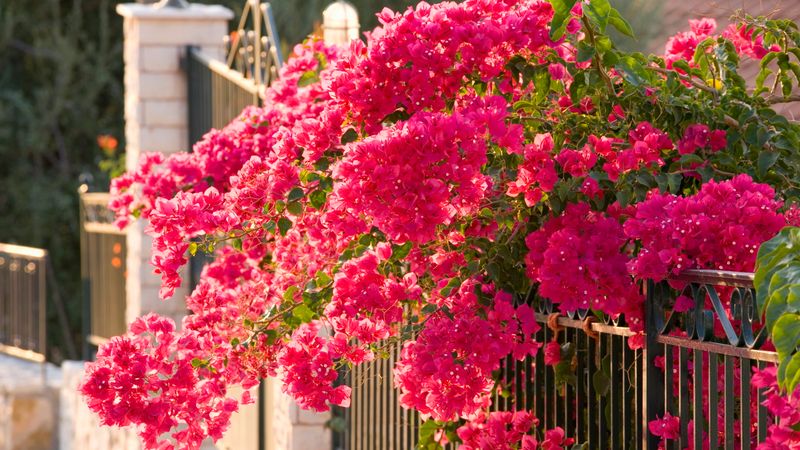
Too much feeding can send the plant in the wrong direction right when you want it to be at its most colorful. Bougainvillea responds strongly to nitrogen.
When it gets too much, it puts its energy into producing large, dark green leaves rather than the vivid bracts that make it so popular.
A plant that looks lush and leafy but shows little color may have been fed too heavily, especially with a high-nitrogen fertilizer.
When feeding is needed, a light application of a balanced or low-nitrogen fertilizer is usually the better approach.
Some gardeners use a fertilizer formulated for flowering plants, which tends to have a lower first number on the label and higher middle and last numbers.
Following the label directions carefully matters more than people often realize, because more fertilizer does not mean more blooms. It usually means more leaves and possibly root stress from salt buildup in the soil.
Keep in mind that fertilizer cannot fix a problem caused by poor sun, soggy soil, or a pot with clogged drainage.
If the plant is struggling because of placement or watering issues, adding fertilizer on top of those problems tends to make things worse rather than better.
A healthy, well-placed plant in good sun and fast-draining soil often needs less feeding than people expect. During the rainy season, nutrients can leach out of containers more quickly, so container plants may benefit from occasional light feeding.
In-ground plants in naturally fertile soil may need very little added fertilizer to keep performing well through the summer months.
5. Trim Carefully So You Do Not Cut Off New Color
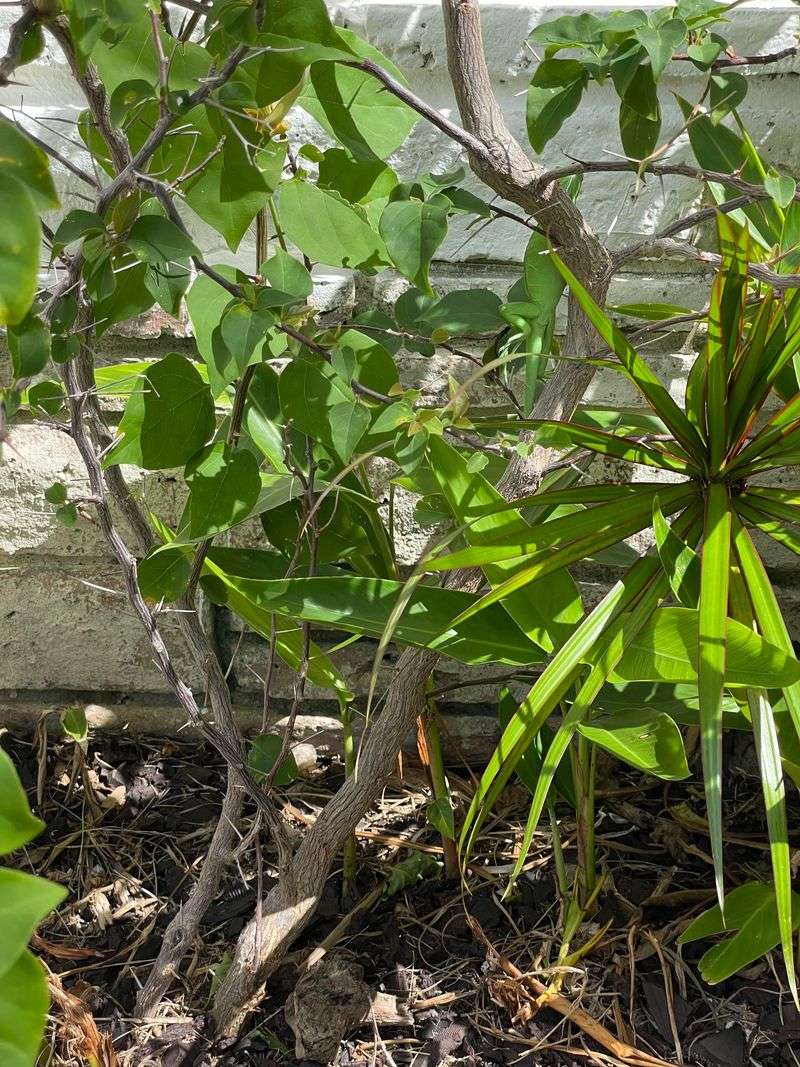
A small trim is very different from a hard cut, and the difference matters a lot in June. Bougainvillea produces its colorful bracts on new growth, which means the fresh stems that have been growing since spring are likely carrying the next wave of color.
Cutting those stems back heavily right now can remove exactly what you were waiting for. That leaves the plant with less to show for several weeks while it recovers and pushes out new growth again.
Light shaping to manage a few overly long or wayward stems is usually fine in early summer.
If a stem has finished a flush of color and looks spent, trimming it back lightly can encourage the plant to branch and push new growth that will carry fresh bracts.
The key word is lightly. Removing a third or more of the plant at once is considered a heavy cut and is better suited for late winter or early spring, not the middle of the growing season.
Random cutting without a clear plan is another common issue. Some gardeners trim a little here and a little there throughout the season, which can disrupt the plant’s natural growth rhythm and reduce the overall bloom display.
A better approach is to observe where new growth is emerging and only remove what is clearly finished or getting in the way of the plant’s structure. If you are unsure whether a stem is done or just starting, give it another week before deciding.
Patience during June pruning often rewards you with more color rather than less as the summer moves forward.
6. Watch For Summer Stress Before Bracts Drop
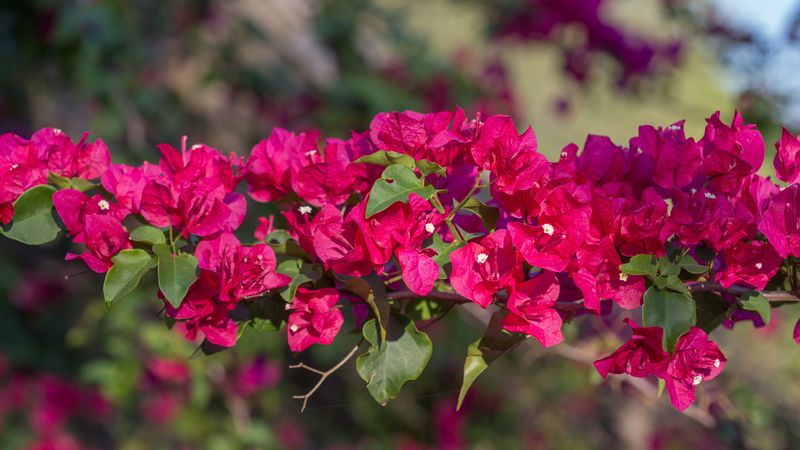
Bract drop usually has a trigger, and finding that trigger is more useful than making several care changes at once.
When bracts start falling earlier than expected or in larger numbers than normal, it is tempting to water more, fertilize, and prune all at the same time.
That kind of response can add new stress on top of whatever was already happening, making it harder to tell what actually helped.
Heat stress, extended dry spells, or sudden heavy rain after a dry period can all cause bract drop in summer. Strong winds from early tropical weather systems can physically damage bracts and stems.
Root stress from sitting in wet soil, from a pot that has become root-bound, or from being moved suddenly to a very different light environment can also trigger a drop. Think back over the past week or two and ask what changed before the bracts started falling.
A recent move, a string of storms, a missed watering during a dry stretch, or a sudden change in sun exposure are all worth considering.
Not every drop means something is seriously wrong. Some bract drop is a natural part of the plant’s cycle as it moves between flush periods.
The concern is when dropping is heavy and ongoing without new buds forming to replace what was lost. In that case, checking the basics in order makes more sense than reacting all at once.
Start with sun, then soil moisture, then drainage, and work through each factor calmly. Most summer stress situations in local gardens respond well once the underlying cause is identified and corrected gradually.
7. Adjust June Care By Region And Rainfall
June does not feel the same in every region of the state, and that matters when you are deciding how to care for your bougainvillea. Gardeners in the northern parts of the state may still be working through a transition period where heat is building.
It may not yet have reached the intensity of central and southern areas. The rainy season may also arrive a little later in the north.
That means watering decisions are still more hands-on until regular afternoon storms set in.
Central regions often experience some of the most dramatic June weather swings, with intense heat building through the day followed by heavy afternoon storms.
This combination can be tough on container plants in particular, because they may get baked in the morning and then flooded in the afternoon.
Keeping containers in spots that get morning sun and some afternoon protection from the most intense heat can help. Just make sure total daily sun hours remain strong enough to support good bloom production.
Southern regions often enter the rainy season earliest and may already be managing high humidity, frequent rain, and persistent heat by the first week of June.
In these areas, drainage becomes the top concern, and overwatering is far more likely than underwatering for most of the summer.
Plants in southern gardens also tend to grow more aggressively through summer, which means monitoring for overly leafy growth and adjusting fertilizer accordingly.
Across all regions, the best approach is to observe what your specific plant and site are doing.
Adjust care based on what you actually see rather than a fixed schedule.