Popular California Landscape Plants That Are Quietly Becoming Invasive Problems
Some landscape plants behave beautifully at first, which is how they get away with it. They sit in a sunny California yard looking polished, colorful, and totally innocent.
Then the next season arrives, and suddenly new shoots are popping up where nobody planted them.
Rude behavior, honestly. The tricky part is that many problem plants are still sold, shared, or praised because they look useful in the beginning. They may cover bare soil fast or fill a fence line before the trouble starts.
But once they spread beyond the spot you planned, the garden can turn into a slow game of chase. California’s mild climate can give these plants plenty of time to wander. Some move through roots.
Others rely on seeds that travel farther than expected. Before adding another “easy” plant to the yard, it helps to know which popular choices might be quietly plotting a takeover.
1. Pampas Grass Looks Dramatic Until It Starts Seeding Everywhere
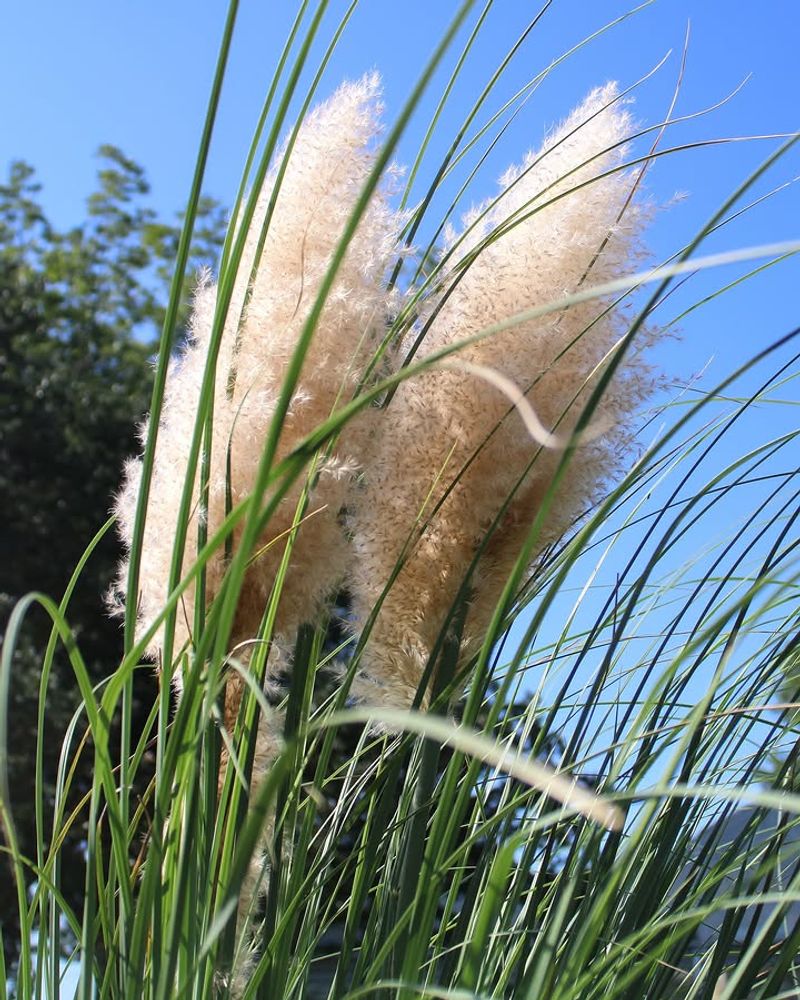
Few plants make as bold a statement as pampas grass. Those tall, feathery white plumes look stunning in landscape photos and catch the eye of every passerby. But behind that dramatic appearance is a plant with a serious spreading problem.
Each mature pampas grass plant can produce over a million seeds every single year. The seeds are lightweight and travel easily on the wind, landing far from the original plant. Once they sprout, they grow fast and form dense clumps that are very hard to remove.
In wild areas like chaparral, coastal scrub, and roadsides, pampas grass pushes out native plants that local wildlife depends on.
Birds, insects, and small animals lose the food and shelter they need when native plants disappear. The dense clumps also increase fire risk because the dry leaves burn quickly and intensely.
Removing established plants is tough work. The root system is deep and the leaf edges are sharp enough to cut skin.
Many homeowners underestimate how much effort it takes to get rid of a single plant once it is fully grown.
Better alternatives exist for adding dramatic texture to a garden. Native bunch grasses like purple needlegrass or deer grass offer a similar look without the ecological risks.
Swapping out pampas grass for a native option is one of the most impactful changes a homeowner can make.
2. Iceplant Can Smother More Than Just A Bare Slope
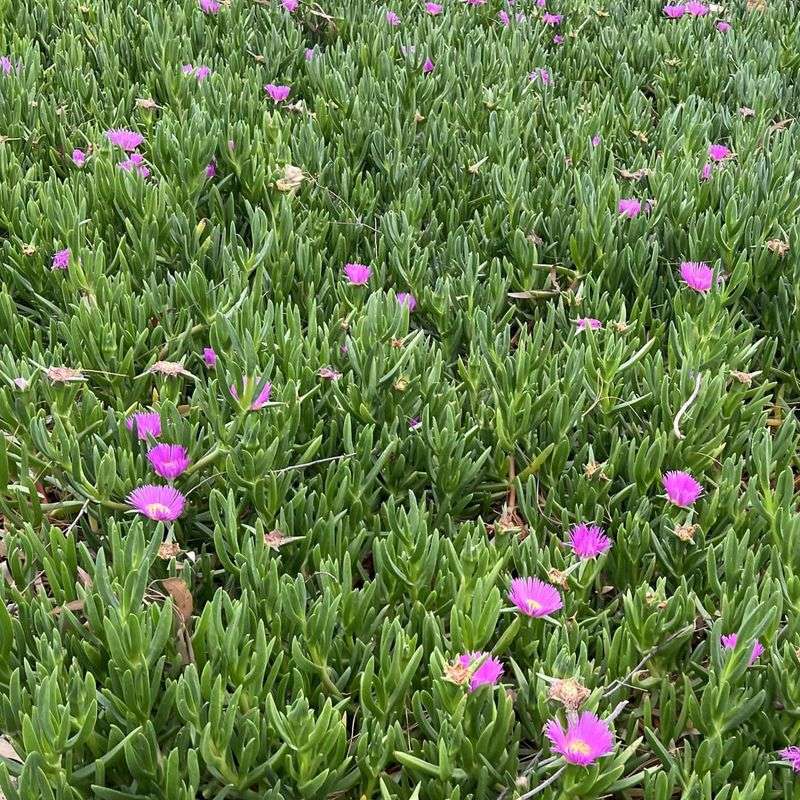
For a long time, iceplant was the go-to solution for bare slopes and eroding hillsides across our state. It spreads quickly, holds soil, and produces cheerful pink or purple flowers. It seemed like the perfect low-maintenance fix.
The problem is that iceplant does not just hold soil. It builds up a thick, heavy mat that actually destabilizes slopes over time.
When the mat gets saturated with water during rain, it can slide right off the hillside, sometimes taking soil and native plants with it.
Beyond slope stability, iceplant smothers everything underneath it. Native wildflowers, grasses, and shrubs cannot push through the dense carpet. Entire plant communities can vanish beneath a single spreading patch.
Your California Garden Changes Every Week. Your Plan Should Too.
Gardening in California changes quickly throughout the season. Every Friday you’ll receive a simple weekly plan showing exactly what to plant, prune, fertilize, harvest, and protect so you never miss the right timing.
This is a real concern in coastal areas where rare plants already face pressure from development.
It also changes the chemistry of the soil beneath it, making conditions less hospitable for native species even after the iceplant is removed. Recovery of native plant communities can take years after a successful removal effort.
Caltrans and many local agencies have started replacing iceplant on roadsides with native plants like coffeeberry, coyote brush, and buckwheat.
These plants stabilize slopes just as well while supporting pollinators and native wildlife. If you have iceplant in your yard, consider replacing sections gradually with native ground covers that offer beauty without the ecological baggage.
3. Big Periwinkle Turns Shady Corners Into A Spreading Mat
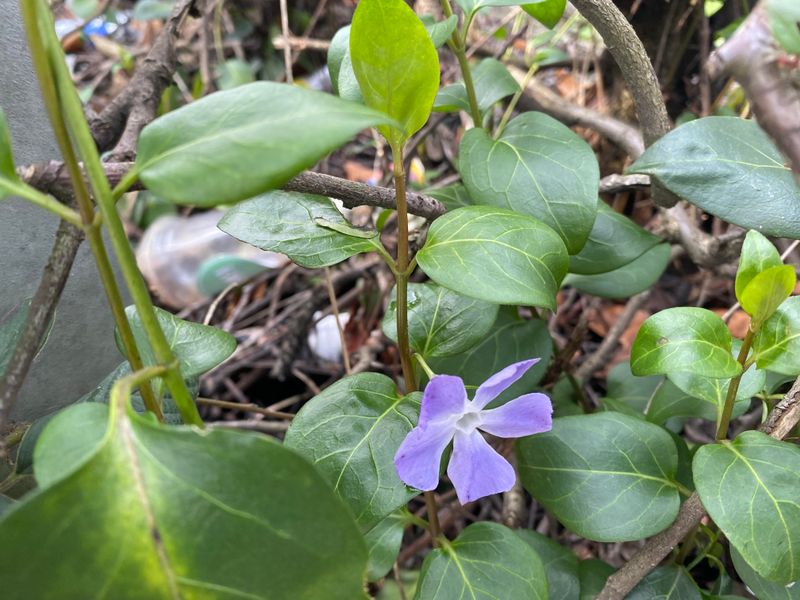
Shady spots in a garden can be tough to fill. Big periwinkle steps in with glossy leaves, pretty blue-purple flowers, and an eagerness to cover ground fast. It sounds like a dream for problem areas under trees or along fences.
The catch is that big periwinkle does not know where the garden ends. It creeps steadily outward, rooting as it goes, and eventually makes its way into natural areas, creek banks, and woodland edges.
Once it gets established in a wild space, it forms a dense mat that blocks sunlight from reaching the forest floor.
Native wildflowers, ferns, and tree seedlings cannot compete with the thick cover. Riparian areas, which are the strips of land along streams and rivers, are especially vulnerable. These habitats support a huge variety of wildlife and native plants, and big periwinkle threatens that diversity.
It spreads both by runners and by stem fragments, so even small pieces left in the soil can start a new patch. This makes removal a real challenge because you have to be thorough and persistent to get it all.
For shady spots, native alternatives like wild ginger, redwood sorrel, or sword fern do the same job without the risks.
They provide ground coverage, look attractive year-round, and actually support the insects and birds that live nearby. Making the switch is easier than most people expect.
4. Fountain Grass Is Prettier In Pots Than In Wildlands
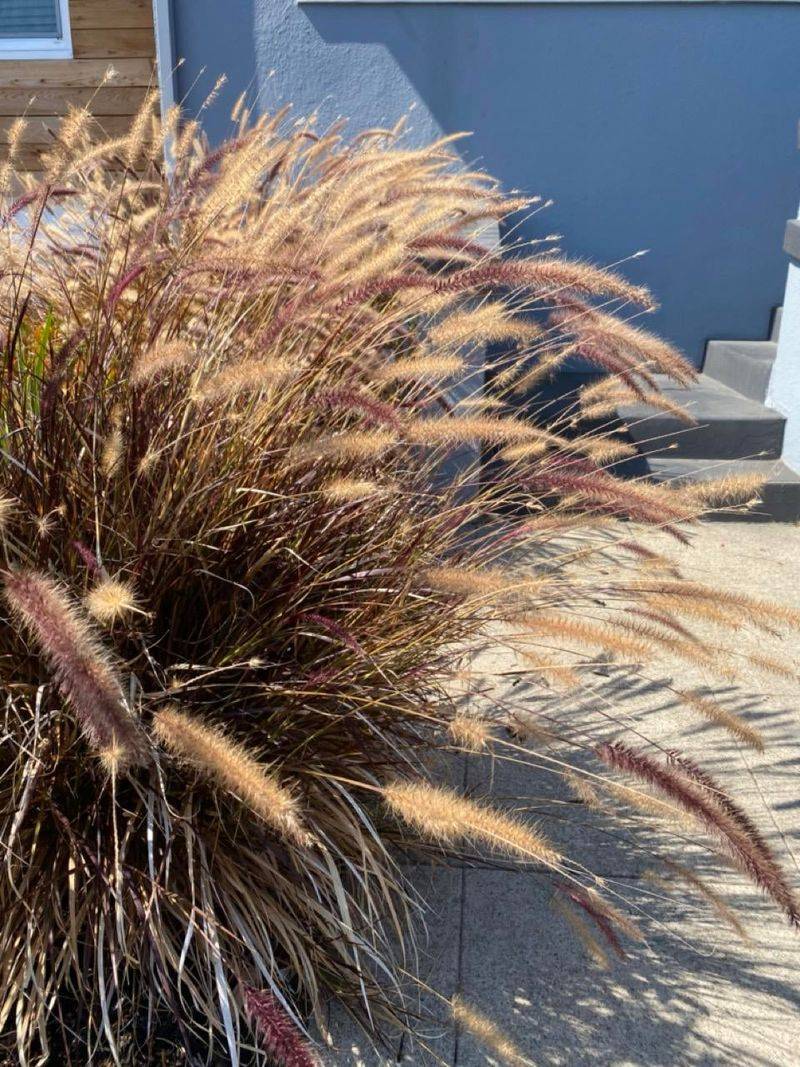
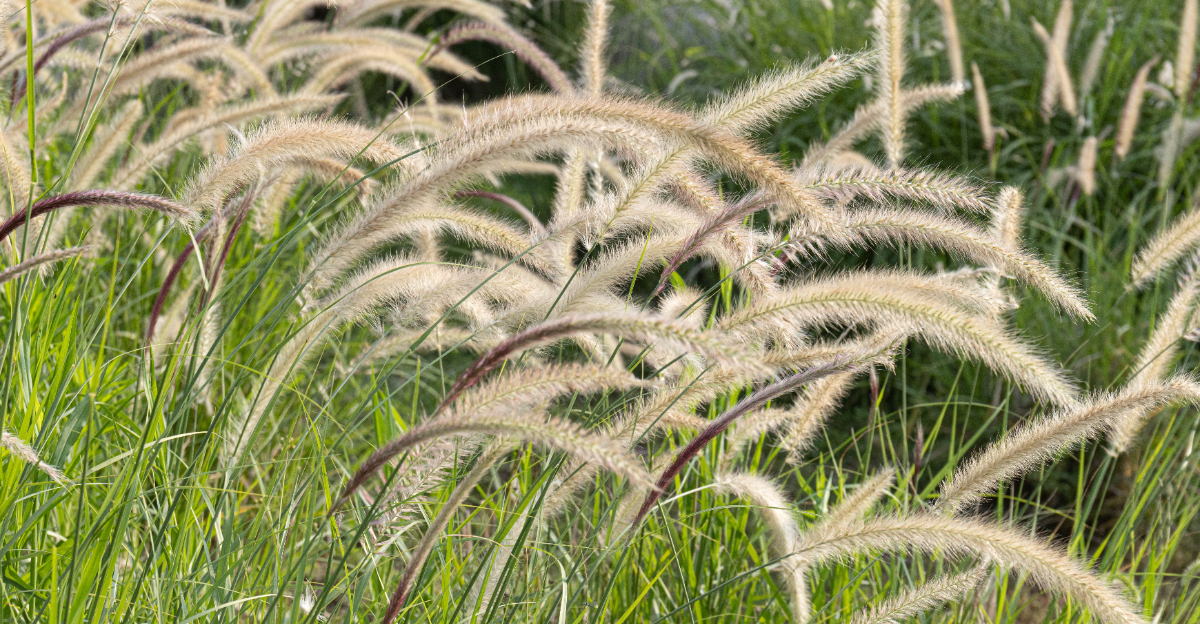
Fountain grass earns its name with graceful, arching blades and soft, bottlebrush-like seed heads that sway in the breeze.
It is a popular choice in parking lot medians, suburban borders, and drought-tolerant garden designs. The look is undeniably appealing.
Both the green and purple varieties have spread into natural open spaces across our state, particularly in dry, sunny areas.
They thrive in the same conditions as many native grasses and wildflowers, making them strong competitors in already stressed habitats. Fire-prone regions are especially at risk.
Fountain grass burns hot and fast, and it re-sprouts quickly after a fire. This creates a cycle where fires burn more intensely and native plants, which are adapted to survive fire at lower intensities, struggle to recover.
Over time, fountain grass can replace entire native plant communities with a single-species monoculture.
The seed heads are highly productive, and seeds disperse easily in wind and on clothing or animal fur.
A single plant left near a natural area can start a colony within just a couple of seasons. That is how quickly this plant can move from a garden feature to an ecological problem.
Keeping fountain grass in containers is one option if you love the look. Deadheading the seed heads before they mature is another.
Better yet, native bunch grasses like blue grama or foothill needlegrass offer a similar aesthetic with zero invasive risk.
5. Mexican Feather Grass Can Seed Far Beyond The Border
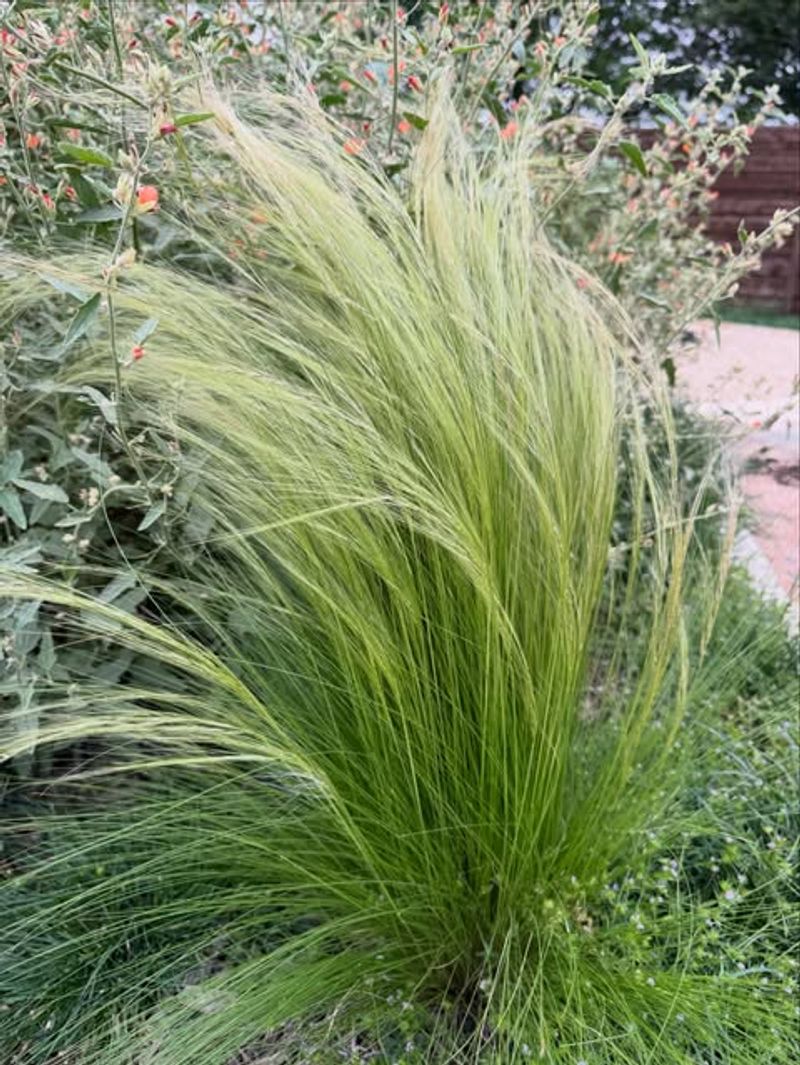
With its ultra-fine, silky blades and delicate seed heads, Mexican feather grass has become a darling of modern drought-tolerant garden design.
It looks effortless, airy, and perfectly suited for low-water landscapes. Nurseries across our state have sold it by the thousands.
The problem became clear as the plant started showing up in places no one planted it. Roadsides, open grasslands, and disturbed natural areas began filling in with this grass, sometimes at surprising distances from any garden.
The seeds are incredibly light and float easily on even a gentle breeze. Once established in natural grasslands, Mexican feather grass competes aggressively with native wildflowers and grasses.
It is particularly problematic in areas that are already degraded because it moves in fast and crowds out any recovering native vegetation.
Restoration crews working to bring back native grasslands have had to deal with this plant as a serious obstacle.
Our state listed it as a Class A Noxious Weed in some counties, and several other western states have restricted its sale.
Still, it continues to appear in garden centers under various names, which confuses shoppers who are trying to make responsible choices.
If you love the feathery grass look, try native alternatives like foothill needlegrass or Idaho fescue.
They offer a soft, natural texture without the risk of seeding into wild spaces. Checking plant labels and asking nursery staff about invasive potential is always a smart move.
6. Tree-Of-Heaven Is Not A Shade Tree To Keep Around
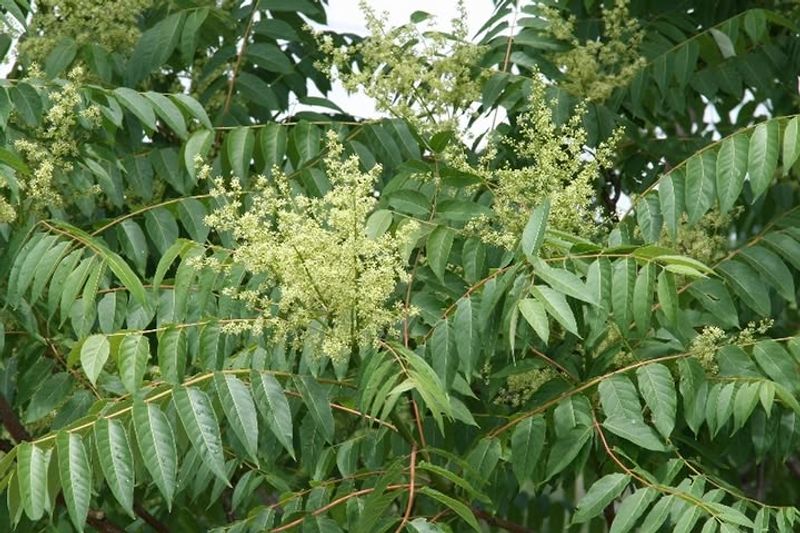
The name sounds promising, but tree-of-heaven has earned a very different reputation among land managers and ecologists.
Originally brought from China in the 1700s as an ornamental tree, it spread across the country and is now one of the most aggressive invasive trees in North America.
It grows incredibly fast, sometimes adding six feet of height in a single growing season. It sprouts from seeds, root sprouts, and even cut stumps, making it extremely difficult to remove completely.
Cut one down and several new shoots can appear from the roots within weeks.
The roots release chemicals that suppress the growth of nearby plants, a process called allelopathy.
This gives tree-of-heaven an unfair advantage over native plants trying to share the same space. Over time, it can take over entire areas, pushing out native trees, shrubs, and wildflowers.
It also hosts the spotted lanternfly, an invasive insect that is spreading across the country and threatening agricultural crops.
While spotted lanternfly has not yet established widely in our state, having tree-of-heaven around creates a potential foothold for the pest if it arrives.
The tree has a strong, unpleasant smell, especially when the leaves are crushed or the tree is cut.
Removing it requires persistence and a solid plan, often involving repeated cutting and treatment of stumps. Native shade trees like valley oak or big-leaf maple are far better long-term choices for any yard.
7. Giant Reed Can Turn Waterways Into A Wall
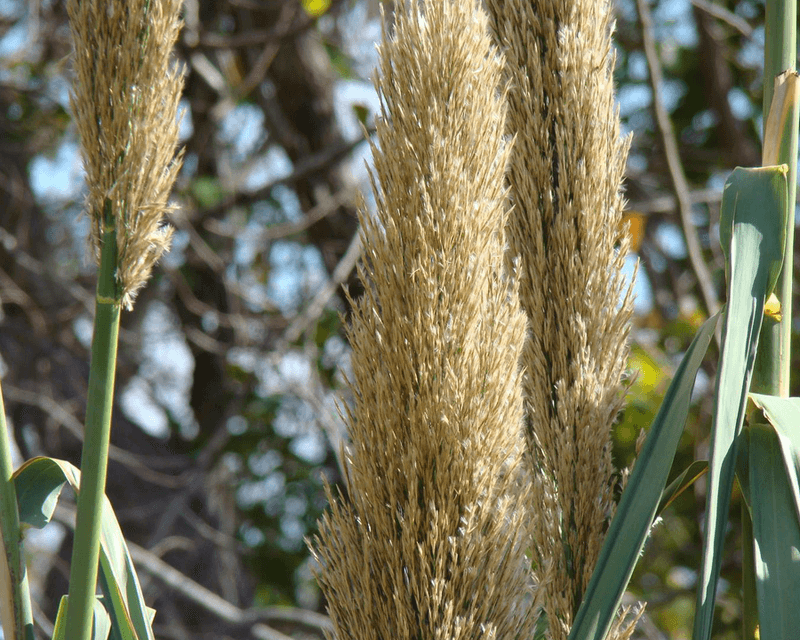
Standing up to 30 feet tall, giant reed is one of the most imposing plants you will ever see along a riverbank.
The thick, bamboo-like canes create a dense wall that can completely take over a waterway. What looks like lush greenery is actually an ecological disaster in slow motion.
Giant reed was introduced for erosion control and is still used in some traditional crafts and music, including making reeds for woodwind instruments.
But in the wild, it spreads aggressively through underground rhizomes and stem fragments carried by floodwaters. Once a population gets going, it is nearly impossible to remove without major effort.
It uses enormous amounts of water compared to native riparian plants. Studies have shown that giant reed can consume two to three times more water per acre than native willows and cottonwoods.
In a state where water is precious, that is a serious problem for rivers and groundwater supplies.
Native wildlife suffers too. Birds, frogs, and insects that depend on native riparian plants like willows, mulefat, and native sedges find little food or shelter in a wall of giant reed. The biodiversity of entire river corridors can collapse when this plant takes hold.
Removal projects along rivers like the Santa Ana and Los Angeles have cost millions of dollars. Preventing new plantings near waterways is far cheaper than removal.
If you have giant reed near a creek or drainage channel, contact your local resource conservation district for help.
8. Russian Olive Is An Old Landscape Tree With Modern Problems
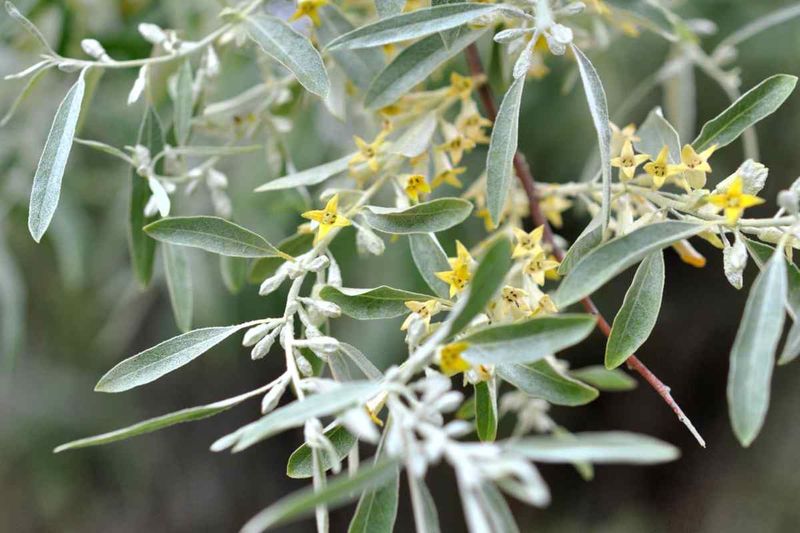
Russian olive has a soft, silvery look that gardeners have loved for generations. The small, feathery leaves shimmer in the breeze, and the tree produces tiny fragrant yellow flowers in spring.
For a long time, it was considered a tough, drought-tolerant option for difficult sites.
Over the decades, it has naturalized along rivers and streams across the western United States, including in our state. It grows readily from seeds spread by birds that eat the small olive-like fruits.
Streambanks, floodplains, and riparian corridors are its favorite habitats, which puts it in direct competition with native willows and cottonwoods.
Those native trees are the backbone of riparian ecosystems. They provide shade that keeps water cool for fish, nesting sites for birds, and food for countless insects. When Russian olive crowds them out, the whole food web feels the impact.
Several bird species that nest in native willows have shown population declines in areas where Russian olive dominates.
Unlike native riparian trees, Russian olive does not support the same diversity of insects, which means less food for birds and other wildlife up the food chain. It is a quieter kind of ecological damage, but it adds up over time.
Many western states have already listed it as a noxious weed. Removing it from a property near water takes careful planning to avoid disturbing stream banks.
Native alternatives like Fremont cottonwood or arroyo willow are far better choices for planting near waterways.
9. Red Sesbania Is Too Risky Near California Waterways
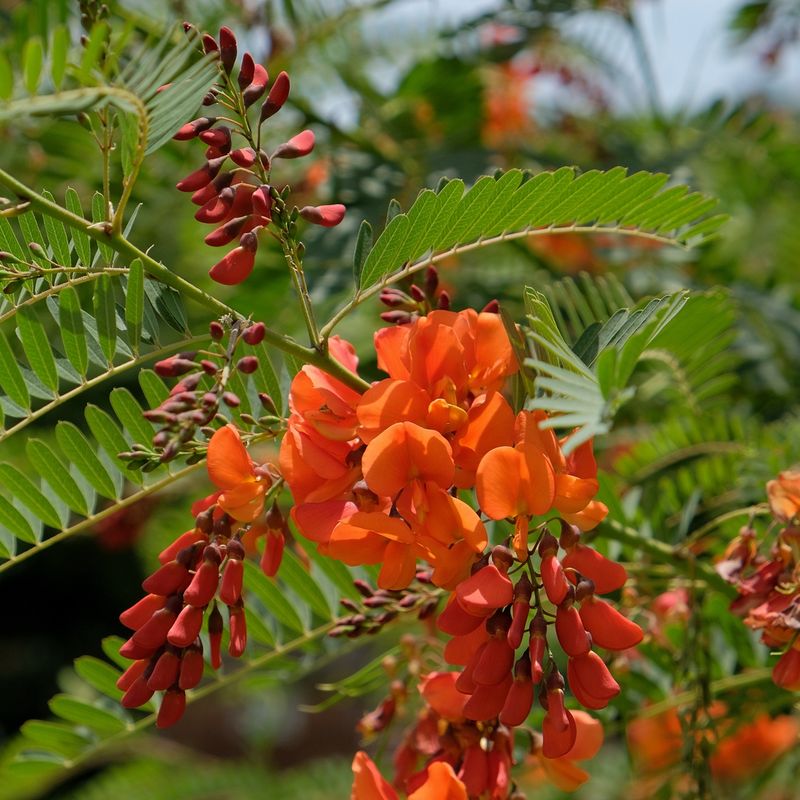
Bright red tubular flowers and feathery, fern-like leaves make red sesbania one of the most visually striking plants in any garden.
It grows fast, blooms heavily, and thrives in wet conditions, which is why it became popular in water gardens and near irrigation features.
But that love of wet conditions is exactly what makes it dangerous. Red sesbania spreads aggressively along ditches, ponds, wetlands, and river edges.
It grows so densely that it blocks water flow and shades out native marsh and riparian plants. Entire wetland edges can be taken over within just a few growing seasons.
Our state officially lists red sesbania as a noxious weed, and it is prohibited from sale and planting.
Still, it sometimes shows up in water garden nurseries or gets passed between gardeners who do not know its status. Awareness is key to stopping its spread at the source.
The seeds remain viable in the soil for many years, which means even after removing the plants, new seedlings can keep sprouting.
Thorough and repeated monitoring is needed after any removal effort to make sure the population does not bounce back.
Wetlands are among the most biodiverse habitats in our state, supporting migratory birds, native fish, amphibians, and rare plants.
Protecting them starts with the choices made in private gardens. Native wetland plants like bulrush, sedges, and native willows can fill the same wet spots beautifully without threatening the ecosystem next door.