Stop Trimming Spent Blooms Of These Florida Plants (It’s Doing More Harm Than Good)
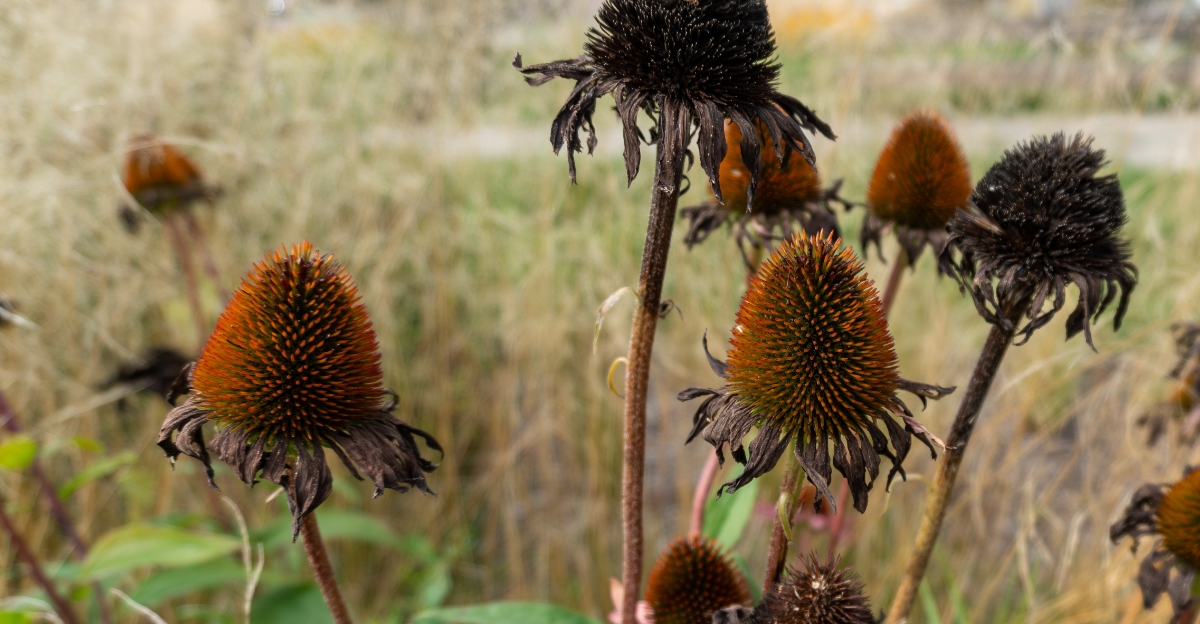
Trimming spent flower is one of those gardening habits that gets passed down without much questioning. Tidy up the spent blooms, keep the plant looking sharp, encourage more flowers.
Sound advice for plenty of plants, but applied across the board it quietly works against you in a Florida garden. Certain plants use their spent blooms for something.
Some spent blooms lead to seed production that feeds local wildlife or natural reseeding that fills bare spots. Others are part of an energy cycle the plant manages better when left alone.
Reaching for the shears out of habit interrupts all of that. The frustrating part is that the damage isn’t obvious.
The plant keeps growing, keeps looking presentable, and never signals that anything is wrong. It just quietly underperforms season after season while the gardener keeps doing the thing that feels responsible.
A short list of Florida plants would genuinely rather you put the shears down and walk away.
1. Let Butterfly Weed Form Seed Pods For More Native Milkweed
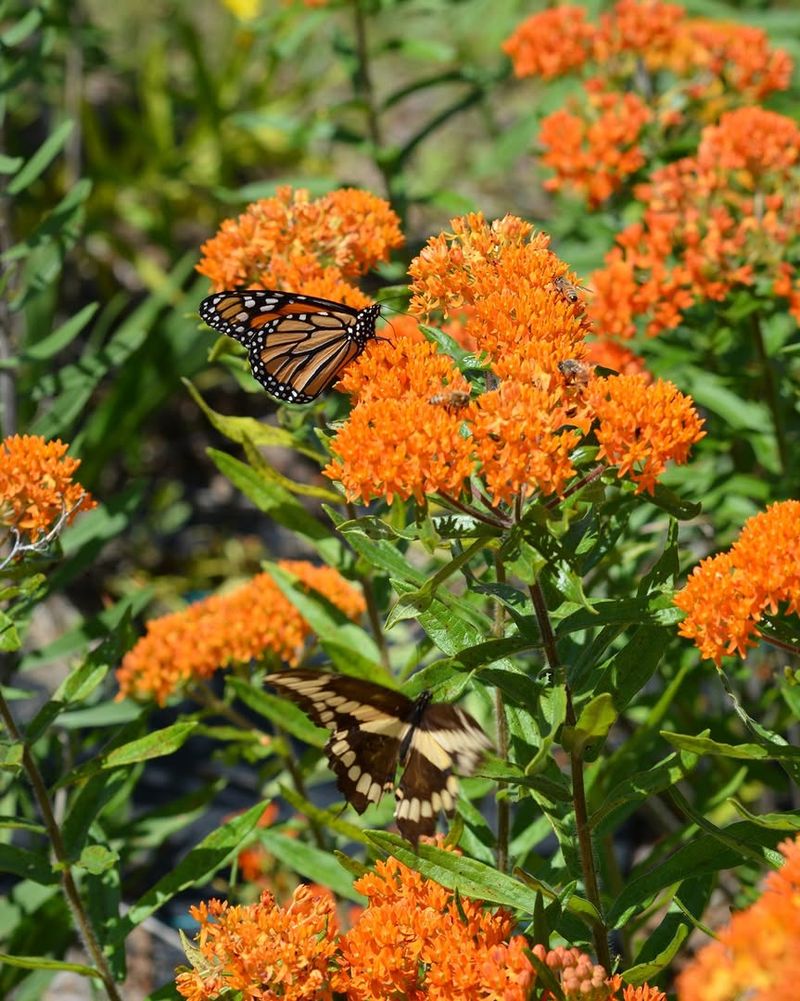
Tidiness can work against Butterfly Weed in ways that are easy to miss. Once the bright orange flowers fade on Asclepias tuberosa, the plant can form long, slender seed pods.
Those pods split open and release seeds on silky white fluff. If every spent bloom gets trimmed before pods can develop, that seed cycle stops completely.
For gardeners who want more native milkweed in their yard, leaving some spent flowers in place is one of the simplest approaches.
Pods that mature fully will either release seed naturally or give you something to collect and scatter where you want new plants.
Monarch caterpillars depend on milkweed, and a yard with more plants means more habitat.
You do not have to leave every single faded bloom standing. Trimming some spent flowers on one part of the plant while letting others develop into pods is a reasonable middle ground.
Butterfly Weed tends to be a compact grower, so a few pods do not make the bed look unruly. In warm regions of the state, the plant may flower more than once in a season, giving you multiple chances to let pods form.
Selective trimming keeps things manageable without cutting off the plant’s ability to reseed or support pollinators through the late season.
2. Leave Coreopsis Seed Heads For Birds And Reseeding
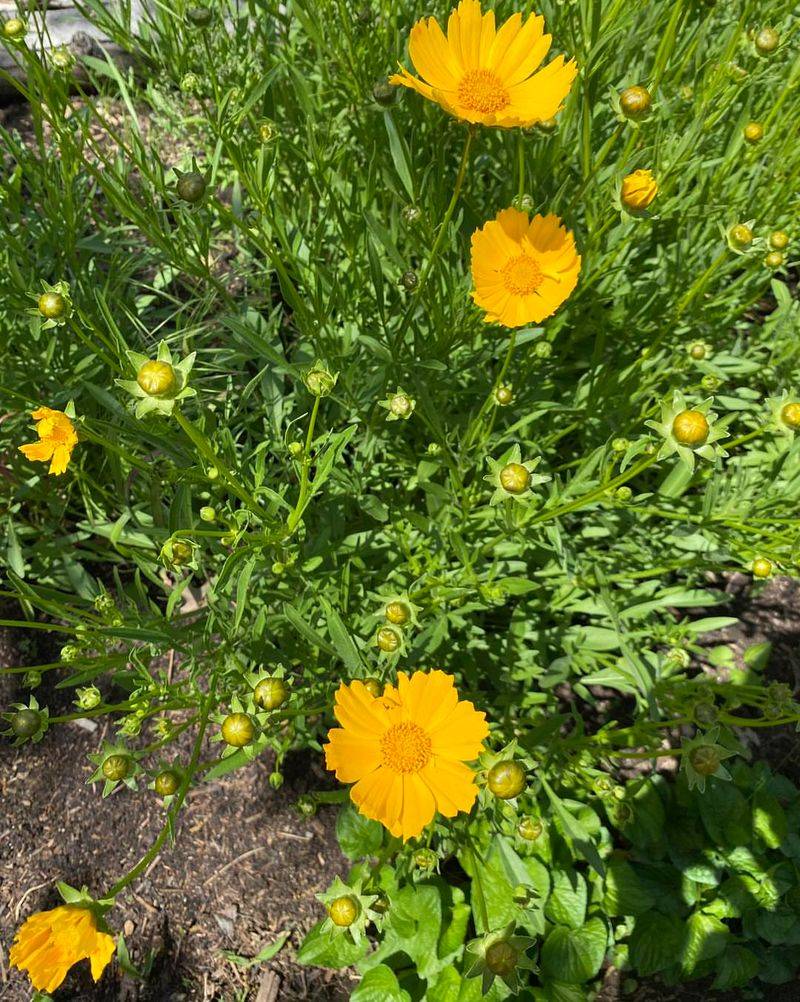
The seed head is the part birds are waiting for when Coreopsis finishes blooming. Those small, dark seeds that follow the cheerful yellow flowers are a reliable food source for finches.
Other seed-eating birds also use them as they move through the garden in cooler months. Cutting every bloom off the moment petals drop means that food source never appears.
Coreopsis, the official state wildflower, is well suited to sunny, open beds across the state. It can reseed naturally when seed heads are allowed to mature and drop.
In some yards, this reseeding fills in gaps and keeps the planting looking full from one season to the next without any replanting effort on your part.
Your Florida Garden Changes Every Week. Your Plan Should Too.
Gardening in Florida changes quickly throughout the season. Every Friday you’ll receive a simple weekly plan showing exactly what to plant, prune, fertilize, harvest, and protect so you never miss the right timing.
If the planting starts to look messy before you are ready to let it go, selective trimming is a practical option. Cutting back a portion of spent blooms while leaving others to mature gives you some visual control without eliminating all the seed value.
Coreopsis plants that are trimmed too aggressively early in the season may not have enough time to set viable seed before conditions change.
Letting at least part of the plant complete its natural cycle often results in a healthier, more self-sustaining planting over time.
Birds will visit the standing seed heads regularly, especially if nearby cover and water are available.
3. Keep Black-Eyed Susan Cones Standing After The Flowers Fade
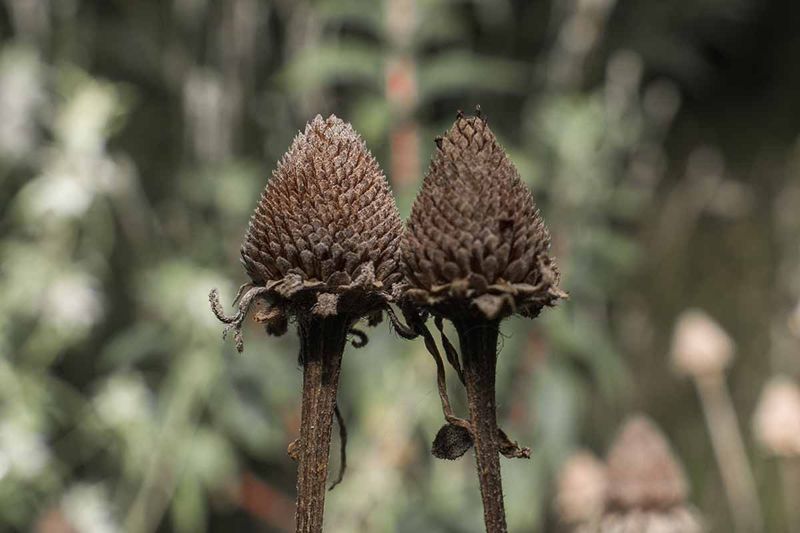
A fading flower is not always finished, and Black-Eyed Susan is one of the clearest examples of that in a native bed. After the yellow petals drop from Rudbeckia species, what remains is a dark, textured cone packed with seeds.
That cone may not look like much to a gardener with a tidy-up mindset, but to birds passing through in fall and winter, it is worth stopping for.
Goldfinches and other small birds will perch directly on the stems and pick seeds from the cones when other food sources are thin.
Leaving the cones standing through the cooler months gives wildlife a reliable stop in the garden without any extra effort or cost.
The vertical structure also adds some late-season texture to a bed that might otherwise look flat after summer bloomers wind down.
Some gardeners find the dried cones rough-looking, and that reaction is understandable. You do not have to leave every plant standing through spring.
Trimming a portion of spent plants while leaving others to stand gives you a reasonable compromise. In warmer parts of the state, Black-Eyed Susan may continue blooming in cycles, so not every cone will appear at the same time.
Watching for which stems have fully matured cones before cutting helps you keep the wildlife value without leaving a bed that feels completely unmanaged.
4. Let Purple Coneflower Feed Birds After Blooming
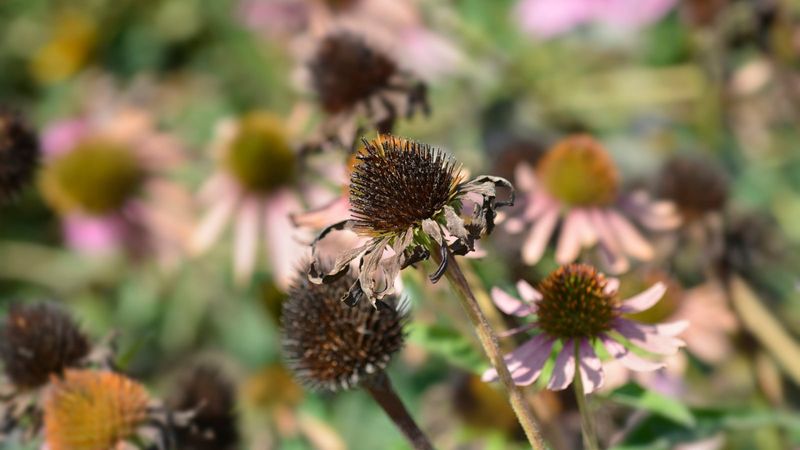
Some blooms become more useful after the color fades, and Purple Coneflower is a strong example. Echinacea purpurea forms a spiky, rounded seed head after the purple petals drop.
That seed head holds the food that birds like finches and chickadees are actively searching for in the months after the main bloom season wraps up.
Trimming all spent blooms from Purple Coneflower removes that food source before birds have a chance to use it. In a wildlife-friendly bed, leaving seed heads standing through fall and into cooler months gives birds a consistent reason to visit.
The plant is also a pollinator favorite while in bloom, so it supports two different groups of wildlife across the season.
Gardeners who prefer a more managed look can trim selectively. Cutting back plants that are in high-visibility spots while leaving others in the back or edges of the bed is a practical balance.
Purple Coneflower can be somewhat variable in how well it performs across the state. Cooler northern areas often see better long-term performance than the warmest southern zones.
Where it does grow well, the seed heads tend to be sturdy and persistent enough to stay useful through several weeks of bird activity.
Letting at least a few plants go to seed each season keeps the wildlife value present without requiring the whole bed to look untrimmed.
5. Stop Snipping Beach Sunflower If You Want It To Spread
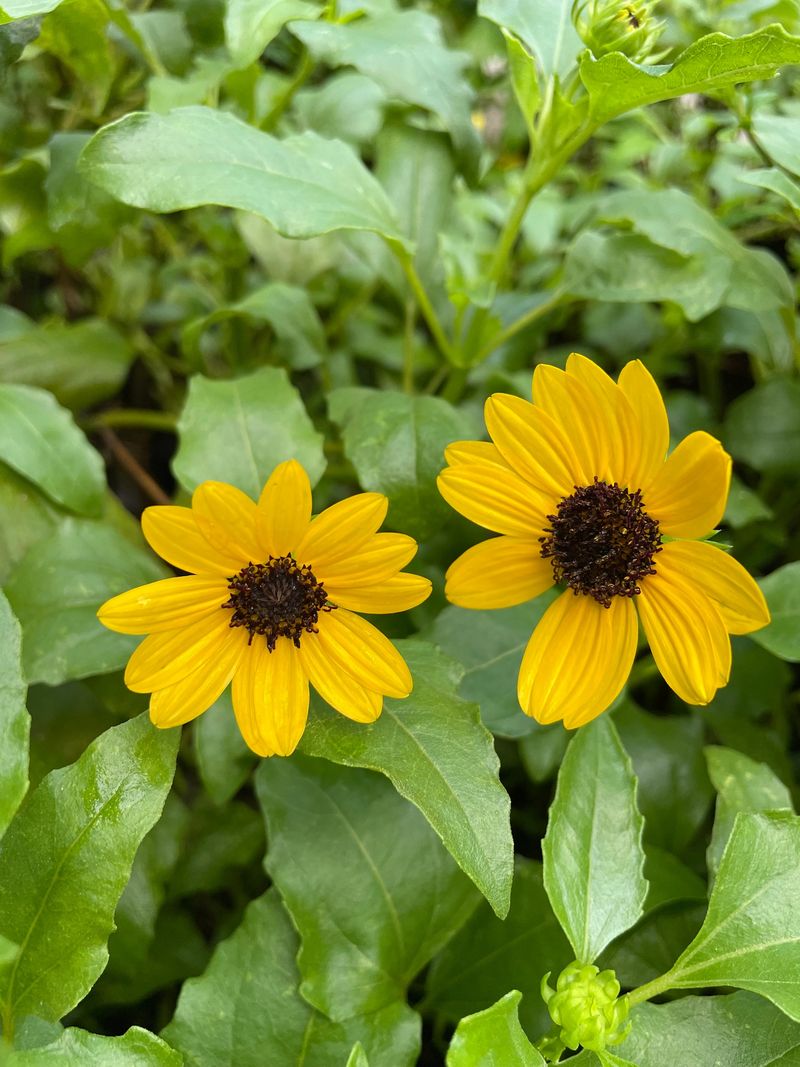
A spreading groundcover needs a chance to make seed, and Beach Sunflower is one plant where constant trimming works directly against that goal.
Helianthus debilis produces small seed heads after flowering, and those seeds are how the plant moves into new areas of a sunny, open bed.
Cutting off every spent flower before seeds can mature limits the plant’s ability to fill in naturally.
Beach Sunflower thrives in sandy, coastal, and open sunny spots where many other plants struggle. It is a tough, low-growing plant that handles drought and salt spray reasonably well, which makes it genuinely useful in the right setting.
When reseeding is allowed to happen, it can cover ground efficiently without much intervention from the gardener.
That spreading habit is worth mentioning honestly. Beach Sunflower is not a plant that stays neatly contained on its own.
In beds where you want it to stay within a defined area, some trimming and management will still be necessary. The point is not to leave it completely unattended, but to avoid removing every spent flower if spreading is actually what you want.
Trimming the edges to control spread while leaving interior blooms to set seed is a workable approach. Where conditions are right, this plant can reseed and establish new growth with very little help.
That is part of what makes it so practical for sunny, low-maintenance areas near the coast.
6. Let Scarlet Sage Reseed In Warm Florida Gardens
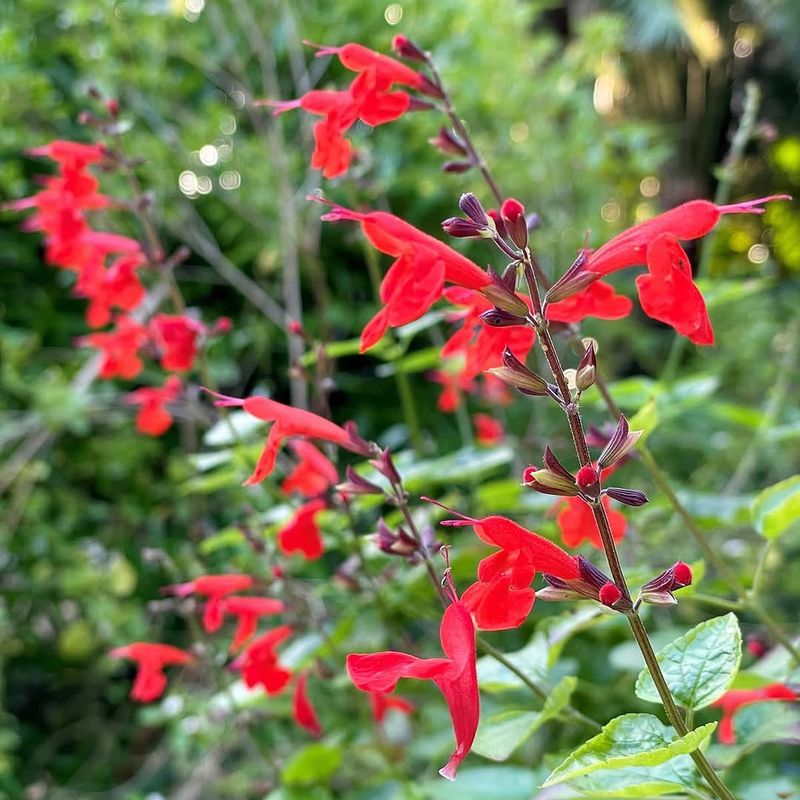
Warm gardens often allow reseeding to do part of the work, and Scarlet Sage takes full advantage of that. Salvia coccinea is a native wildflower that can drop seeds and return season after season in the warmer parts of the state without needing to be replanted.
That cycle only works if some spent bloom spikes are left long enough for seeds to mature and fall.
Trimming every flower spike the moment blooms fade cuts the reseeding process short. The seeds need time to develop fully on the plant before they are ready to germinate.
In gardens where Salvia coccinea has been reseeding reliably for years, that ongoing cycle often traces back to one habit. Gardeners leave at least some spikes standing until seeds are set.
Seedlings may pop up nearby rather than exactly where the parent plant grew, which can feel unpredictable. Florida gardeners who want a very controlled look can trim selectively.
Remove spent spikes from the front or most visible parts of the bed, while leaving others to complete the seed cycle toward the back. Scarlet Sage also supports hummingbirds and butterflies while in bloom.
The plant earns its place in a pollinator planting even before you consider the reseeding benefit.
In cooler northern areas of the state, reseeding may be less reliable, but in central and south regions, it is a reasonable expectation in a well-established planting.
7. Leave Firebush Flowers So Berries Can Follow
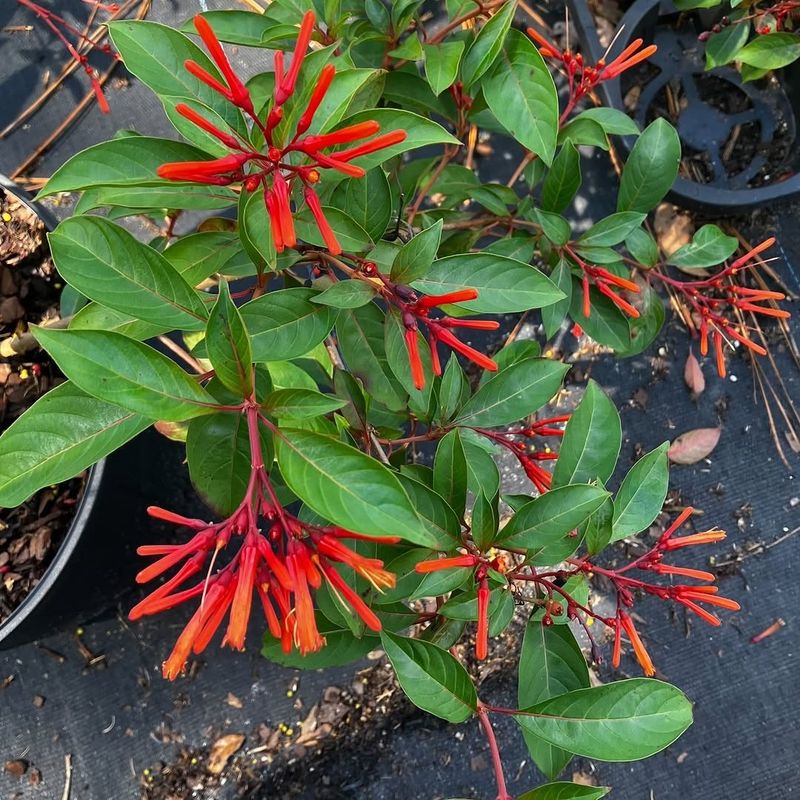
Berries do not appear if every flower is removed, and Firebush makes that point in a very direct way. Hamelia patens produces clusters of tubular orange-red flowers that hummingbirds and butterflies visit regularly.
After those flowers fade, the plant can develop small, dark berries that birds eat. Removing spent flowers too aggressively before they have a chance to set fruit reduces the berry crop that follows.
Firebush can grow into a large shrub in the warmer parts of the state, sometimes reaching six feet or more with little encouragement. That size means some trimming for shape and structure is often genuinely useful, especially near walkways or in smaller yards.
The goal is not to avoid all pruning, but to be thoughtful about timing and which branches get cut.
Trimming for shape after a flush of flowering, rather than during it, gives the plant a better chance to set berries on the branches that remain.
Leaving flower clusters in place until they naturally progress toward fruit is a simple adjustment that does not require major changes to a maintenance routine.
In south and central regions, Firebush may bloom and fruit across multiple seasons in a year, so there are often several windows to observe this cycle.
Birds including mockingbirds and thrushes have been noted feeding on the berries, making Firebush a genuinely productive plant for a wildlife-friendly yard.
8. Let Coral Honeysuckle Blooms Turn Into Songbird Berries
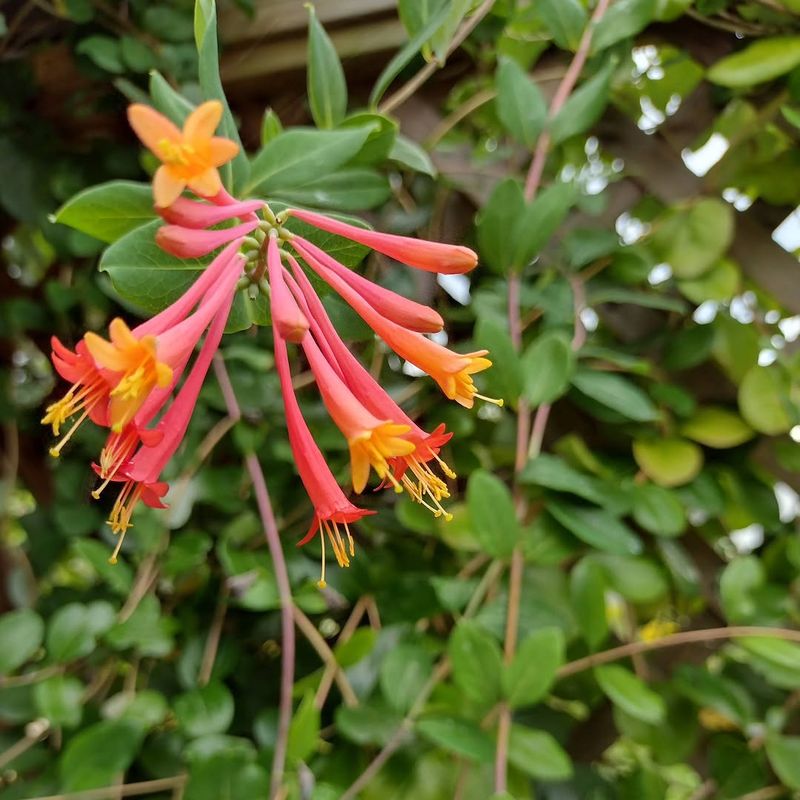
A native vine can feed wildlife in more than one season, and Coral Honeysuckle does exactly that. Lonicera sempervirens produces long, tubular red flowers that hummingbirds visit reliably during bloom season.
When those flowers are allowed to progress naturally, the plant can develop small, bright red berries that songbirds will eat in the months that follow.
Trimming every spent flower off the vine before berries can form removes that second wave of wildlife value. The berries tend to appear in clusters and can persist on the vine long enough for multiple bird species to find them.
Thrushes, warblers, and other birds passing through during migration have been observed feeding on Coral Honeysuckle berries in yards where they are left to develop.
As a vine, Coral Honeysuckle does need some guidance and occasional pruning to stay on its support structure and grow in a direction that works for the space. Trimming for shape and size is reasonable and sometimes necessary.
The adjustment worth making is to avoid removing every faded flower cluster during the growing season. This matters especially when berries are beginning to form behind the spent petals.
Checking the vine before trimming to see whether small green berries are already developing is a quick habit that can save a lot of wildlife value. In most parts of the state, this vine is manageable and well worth keeping in a wildlife-friendly yard.