The Rat-Repelling Plants Texas Gardeners Are Planting Right Now
Rats are a problem in Texas yards and gardens that most homeowners would rather not think about until they absolutely have to, and by then the issue is usually already bigger than expected.
Traps and poison bait work, but they come with their own set of risks, especially in yards with pets, children, or wildlife you actually want around.
What a growing number of Texas gardeners have figured out is that certain plants are genuinely effective at keeping rats away, not as a folk remedy but because of the strong scents and compounds these plants produce that rats find overwhelming and actively avoid.
The best part is that most of these plants are well suited to the Texas climate, some are downright beautiful, and they work around the clock without any effort after planting.
If you have been looking for a way to deal with rat pressure that does not involve chemicals or constant maintenance, your garden might be the most practical solution you have not tried yet.
1. Mint
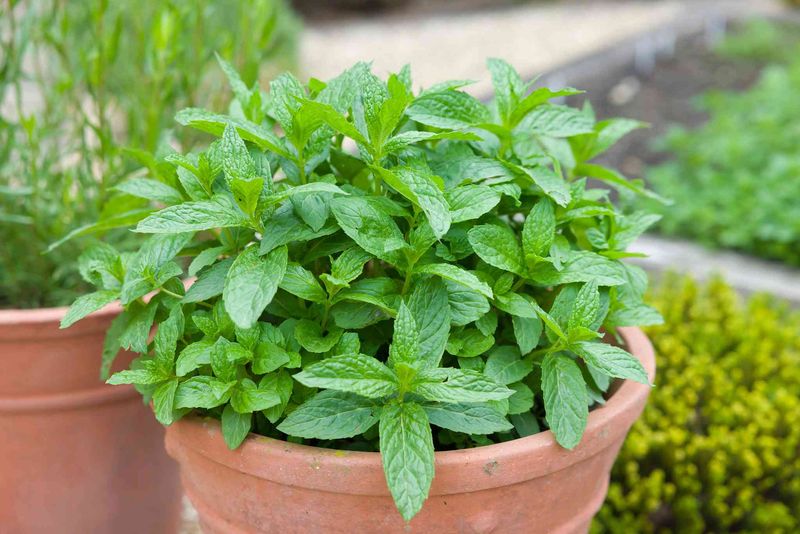
Walk past a patch of mint on a warm Texas evening, and the smell hits you instantly. That sharp, cool fragrance is exactly what makes mint such a popular choice for gardeners who want to keep rodents away from their outdoor spaces.
Rats have incredibly sensitive noses, and the strong menthol scent that humans find refreshing is believed to be overwhelming and unpleasant for them.
Mint is one of the easiest plants to grow in Texas, which makes it a double win. You can plant it along garden borders, near compost bins, or around the edges of your patio where rodents are most likely to travel.
It spreads quickly, so many gardeners plant it in containers to keep it from taking over the whole yard. A few well-placed pots can still do a great job of spreading that scent around.
Beyond pest deterrence, mint is incredibly useful in the kitchen. You can use fresh leaves in teas, salads, and desserts, so you get a functional herb and a natural rodent deterrent all in one plant.
Spearmint and peppermint are both solid choices for Texas gardens. Peppermint tends to have the stronger scent, which may make it slightly more effective.
Keep your mint well-watered during hot summer months, and it will reward you with lush, fragrant growth all season long. Refreshing your plants by pruning them regularly also helps release more of that powerful scent into the air around your garden.
2. Lavender
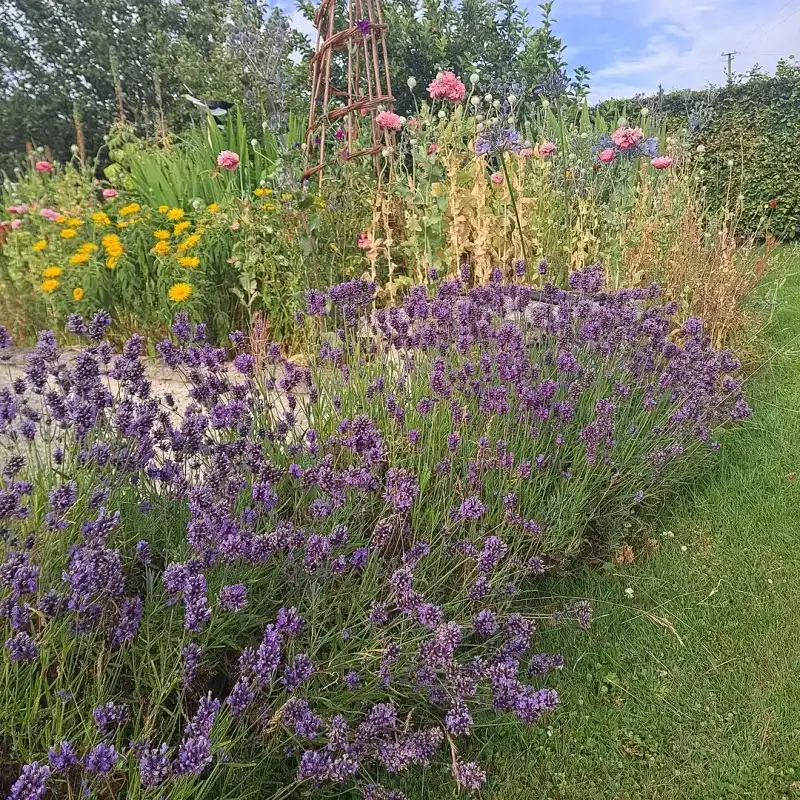
Few plants are as pretty as lavender, and fewer still pull double duty as both a garden showstopper and a natural pest deterrent.
Lavender has been used for centuries in sachets, soaps, and perfumes, but Texas gardeners are now putting it to work outside where it matters most. The strong floral scent that people love is thought to be a major turnoff for rats and mice.
Rodents rely heavily on their sense of smell to navigate and find food. Lavender’s potent aroma may confuse or overwhelm that sense, making treated areas less attractive for nesting or foraging.
Your Texas Garden Changes Every Week. Your Plan Should Too.
Gardening in Texas changes quickly throughout the season. Every Friday you’ll receive a simple weekly plan showing exactly what to plant, prune, fertilize, harvest, and protect so you never miss the right timing.
Planting lavender near vegetable beds, garage doors, or fence lines gives you a fragrant barrier that also looks stunning. Spanish lavender varieties tend to do especially well in Texas heat, holding up through long, dry summers better than some other types.
One of the best things about lavender is how low-maintenance it is once established. It loves full sun and well-drained soil, two things Texas has plenty of.
Overwatering is actually the most common mistake gardeners make with lavender, so less is often more when it comes to irrigation. Harvest the blooms regularly and use them indoors in dried arrangements or linen sachets.
Did you know lavender was historically used to freshen up homes and ward off insects long before modern pest control existed? That long history of natural use is part of what makes it such a trusted plant for gardeners looking for simple, effective solutions today.
3. Rosemary
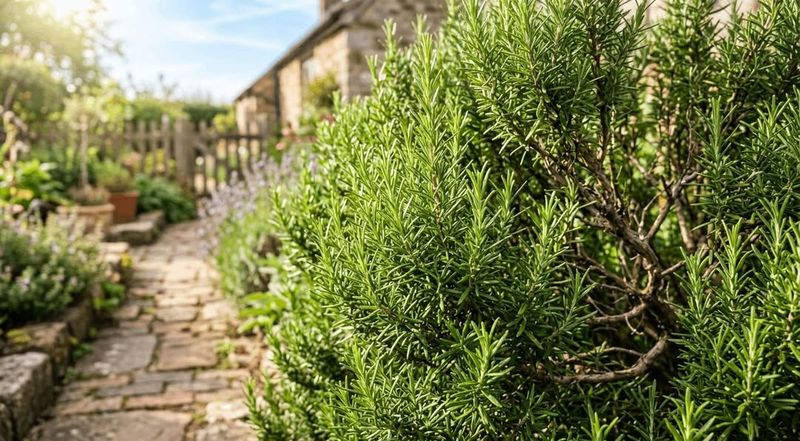
Rosemary is practically made for Texas. This tough, drought-tolerant herb thrives in hot, sunny conditions and barely complains during dry spells, which makes it a favorite among gardeners who want something reliable.
But beyond being a kitchen staple, rosemary produces aromatic oils that rodents tend to steer clear of, making it a smart choice for natural pest management.
The oils locked inside rosemary’s needle-like leaves release a sharp, piney fragrance whenever the plant is brushed or the wind picks up. That scent travels through the air and may signal to nearby rats and mice that the area is not a comfortable place to hang around.
Planting rosemary along walkways, near garden entrances, or beside raised beds creates a fragrant boundary that also looks tidy and well-maintained.
Rosemary grows into a full, bushy shrub over time, which means a few plants can cover a decent amount of ground. Upright varieties work well as small hedges, while creeping rosemary spills beautifully over walls and containers.
Either way, you get a plant that earns its place in the garden year after year. Pruning it regularly keeps it healthy and encourages fresh growth with the most potent scent.
As a bonus, you will always have fresh rosemary on hand for roasting chicken, seasoning potatoes, or making flavored oils.
It is one of those rare plants where beauty, function, and practicality all come together in one sturdy, aromatic package that Texas weather simply cannot rattle.
4. Marigold
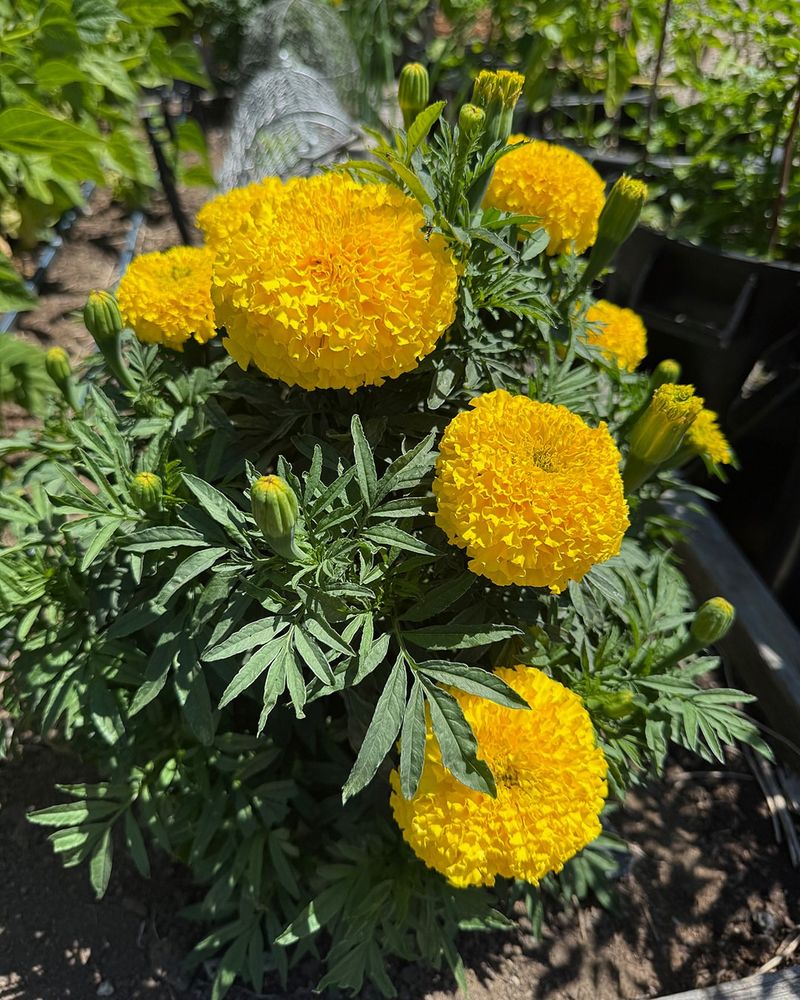
Marigolds are like the cheerful neighbors of the garden world. They show up in bold shades of orange, yellow, and red, brighten up any space, and quietly get to work keeping unwanted visitors away.
Texas gardeners have been planting marigolds near vegetable beds for generations, and the tradition holds up for good reason. These vibrant flowers produce a strong, slightly bitter scent that many pests find off-putting.
Rats and mice are not fans of the compounds marigolds release, particularly from their roots and foliage. Planting a border of marigolds around your vegetable garden creates a colorful barrier that may help reduce rodent activity in those areas.
French marigolds, which are smaller and bushier, are especially popular for this purpose because they pack a lot of scent into a compact plant. African marigolds grow taller and make a bold visual statement along garden edges.
Marigolds are also incredibly easy to grow from seed, making them one of the most budget-friendly options on this list. They love full sun and warm temperatures, so Texas summers are practically ideal for them.
Plant them in spring after the last frost, and they will bloom all the way through fall with minimal fuss. Deadheading spent blooms encourages continuous flowering and keeps the plants looking fresh.
Beyond rodents, marigolds are also known to help deter aphids and nematodes, giving your vegetable garden even more protection. They are truly one of the hardest-working flowers you can add to any Texas garden space.
5. Lemongrass
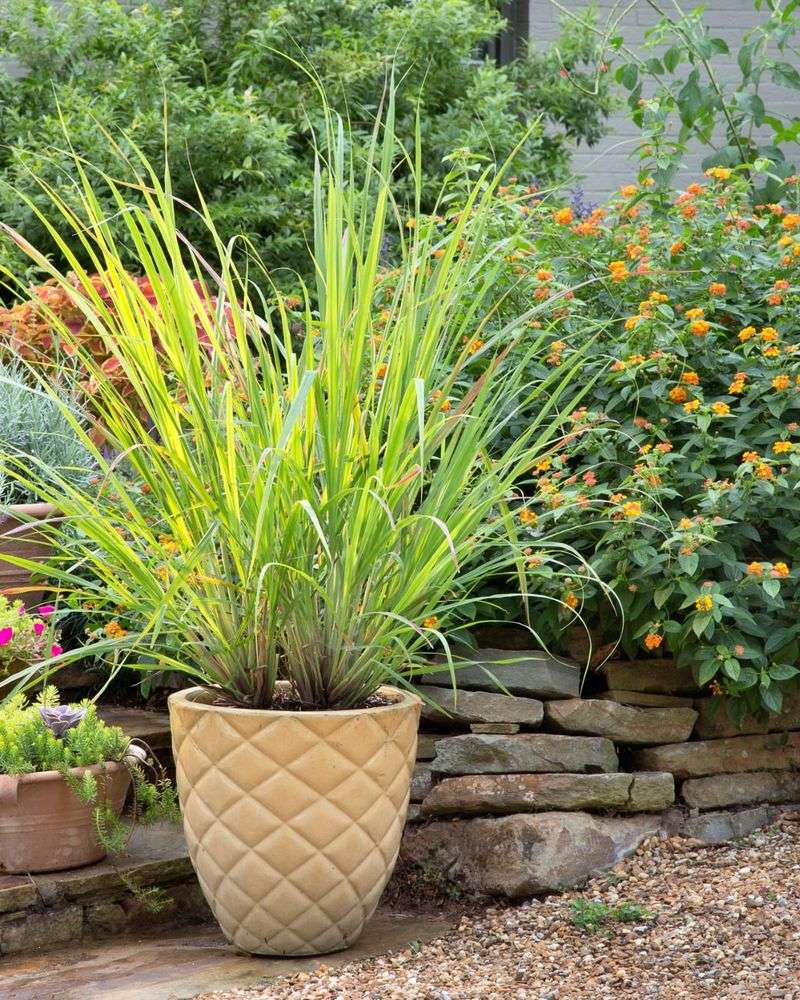
There is something almost tropical about lemongrass, and it fits right into the warm Texas climate. This tall, grassy plant is famous for its bright citrus scent, which comes from a natural compound called citronella.
Most people recognize citronella as an ingredient in mosquito-repelling candles and sprays, but the same fresh, lemony aroma is also frequently associated with deterring rats and other small pests.
Lemongrass grows in large, dramatic clumps that can reach several feet tall, making it a great visual anchor for garden beds or borders. Planting it near doorways, along fences, or beside outdoor seating areas puts that citrus fragrance right where you need it most.
The scent is strongest when the leaves are brushed or cut, so placing it in high-traffic areas of your yard helps release it naturally throughout the day.
In Texas, lemongrass thrives in full sun with moderate watering. It is fairly tough once established and can handle the summer heat without much trouble.
During cooler months, you can cut it back and it will bounce back strong in spring. As an added bonus, lemongrass is a popular ingredient in Asian cooking, particularly in soups, curries, and teas.
The fresh stalks have a clean, bright flavor that works beautifully in the kitchen. So while your garden benefits from its pest-deterring properties, you also get a versatile culinary herb that makes cooking a little more exciting.
That kind of value is hard to beat in any garden plant.
6. Society Garlic
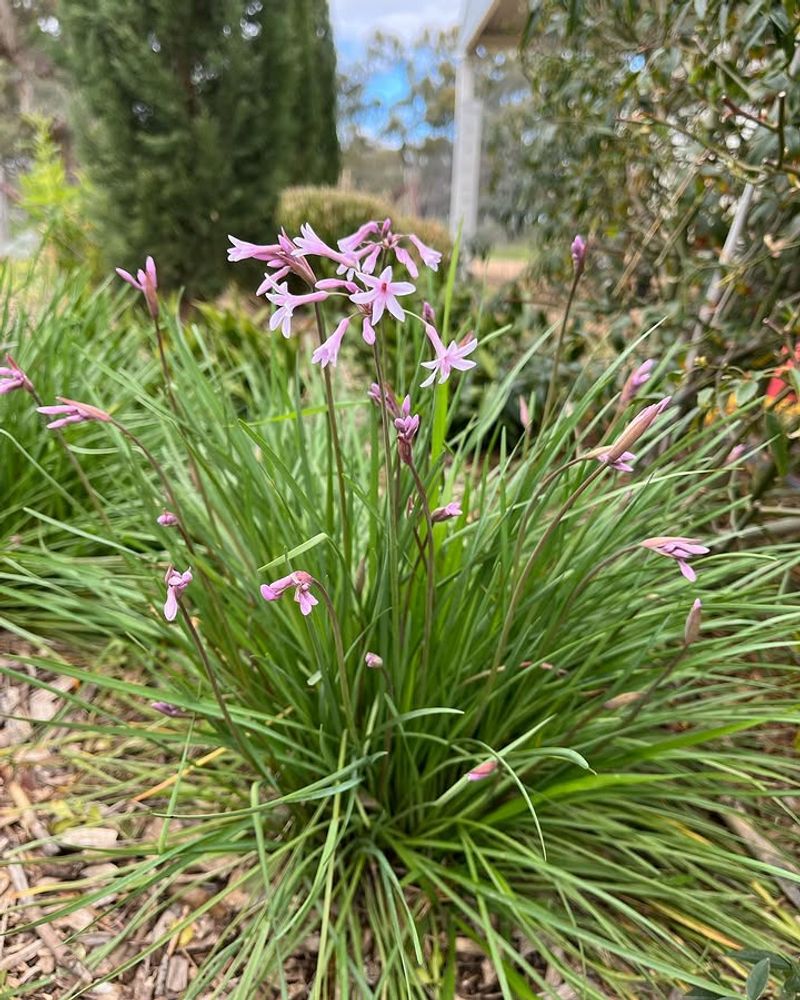
Do not let the pretty purple flowers fool you. Society garlic might look delicate, but it carries a serious scent that rodents and other nuisance animals tend to want nothing to do with.
Named for its garlic-like aroma that is strong enough to notice but mild enough for polite company, this ornamental plant has become a quiet favorite among Texas gardeners who want something attractive and functional at the same time.
The garlic compounds in society garlic’s leaves and roots are believed to be unpleasant for rats and mice, making it a useful addition near garden edges, pathways, or areas where you have noticed rodent activity.
It grows in clumping bunches similar to ornamental grasses, reaching about one to two feet tall.
The soft purple blooms appear in clusters and attract butterflies and bees, adding a welcome bonus for pollinator-friendly gardeners.
Society garlic is well-suited to Texas conditions. It handles heat, drought, and poor soil better than many other plants, which means less babying and more results.
Plant it in full sun to partial shade and give it occasional deep watering during dry stretches. It is also deer-resistant, which is a major plus for gardeners in areas where deer are a regular problem.
Crush a leaf between your fingers and you will immediately understand why pests avoid it. The smell is unmistakably garlicky and surprisingly strong for such a small plant.
For a low-maintenance, multi-purpose addition to your Texas garden, society garlic is worth every inch of space it takes up.
7. Catnip
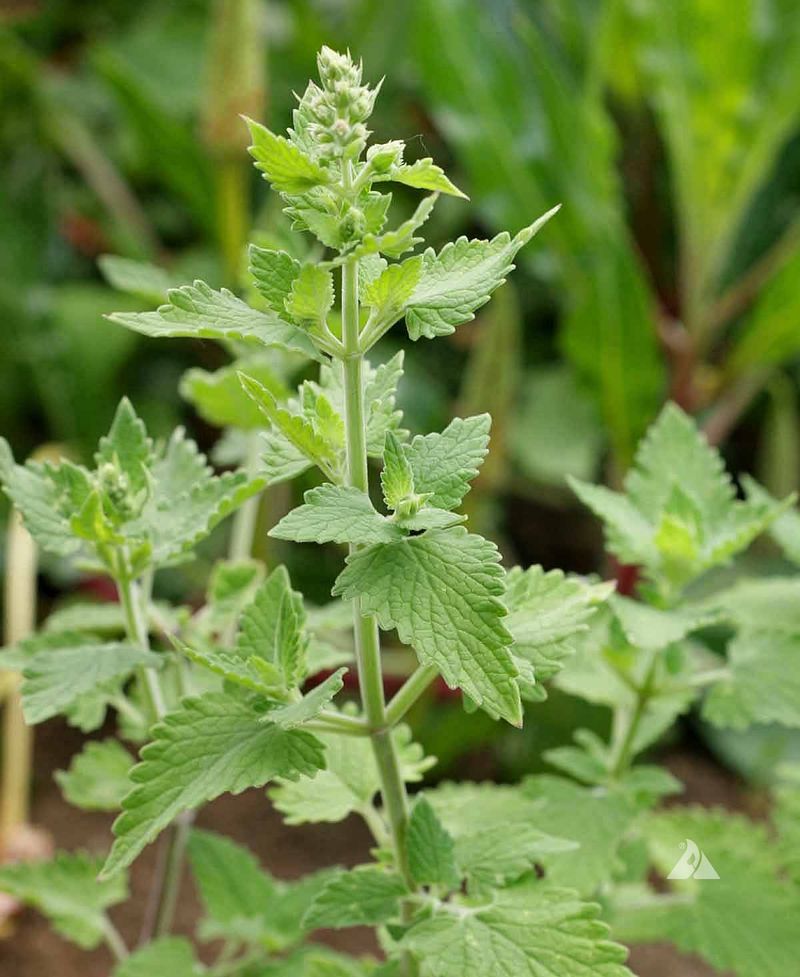
Catnip has a funny reputation because of how cats react to it, but there is a whole other side to this plant that gardeners are starting to pay attention to.
Beyond entertaining your feline friends, catnip contains aromatic compounds, particularly one called nepetalactone, that some gardeners use as a natural way to help discourage rodents from settling into their garden spaces.
It is a quirky, versatile herb with more going on than most people realize. Nepetalactone is the same compound that makes cats go wild, but for rats and mice, the story is very different.
Research has suggested that this chemical may act as a repellent for certain pests, and gardeners who have planted catnip near problem areas often report seeing less rodent activity over time.
Planting catnip along garden borders, near compost areas, or under raised beds puts its aromatic power right where you need it.
Growing catnip in Texas is surprisingly straightforward. It prefers well-drained soil and full to partial sun, and it handles summer heat reasonably well with regular watering.
Like mint, catnip can spread enthusiastically, so growing it in containers or trimming it back regularly helps keep it manageable. The small white and purple flower spikes it produces are also attractive to bees and other pollinators, adding ecological value to your garden.
Harvest the leaves and dry them for indoor use, or simply let the plant do its thing outside. Either way, catnip earns its spot in any Texas garden focused on natural, chemical-free pest management.