Skip Boxwood Along Your Texas Driveway And Plant These Instead
Boxwood has long been a go-to choice for driveway borders in Texas, and it is easy to understand the appeal. It is tidy, it stays green, and it gives a landscape a structured, finished look without much creative effort.
The problem is that boxwood is not well suited to the Texas climate, and maintaining that tidy appearance comes at a real cost in time, water, and frustration.
Heat stress, root rot, and pest pressure are ongoing battles for boxwood in Texas, and many homeowners find themselves replacing plants or constantly nursing struggling shrubs back from the edge.
There are far better options for Texas driveways, plants that offer the same clean structure and visual impact without the constant upkeep. Some bring seasonal color that boxwood never could.
Others stay cleaner and more consistent through the harshest summer months. If your driveway border has been more trouble than it is worth, it might be time to plant something that actually belongs in Texas.
1. Dwarf Yaupon Holly
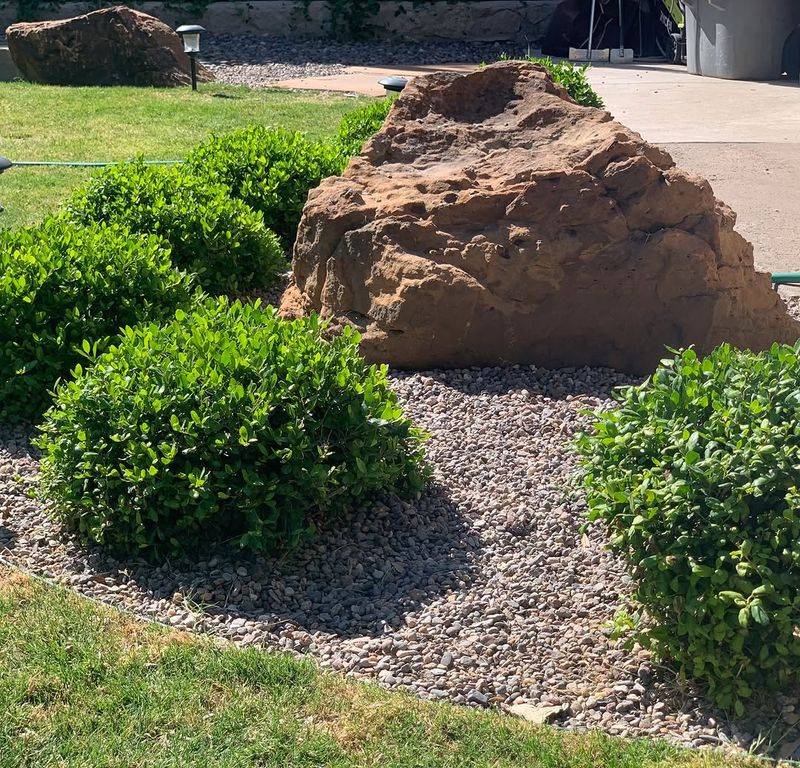
If you want a shrub that laughs at Texas summers, Dwarf Yaupon Holly is your answer. This native plant handles blazing heat, long droughts, and the brutal reflected warmth that bounces off concrete driveways.
Boxwood simply cannot compete with that kind of toughness. Dwarf Yaupon Holly stays compact and rounded on its own, which means less trimming for you. It grows slowly and evenly, making it perfect for neat driveway borders.
The small, dark green leaves stay on the plant year-round, giving you consistent color even in winter when everything else looks bare.
One of the best features of this shrub is its bright red berries. They appear in late fall and early winter, adding a cheerful pop of color right when the landscape needs it most.
Birds absolutely love those berries, so planting Dwarf Yaupon Holly also brings wildlife to your yard.
Established plants need very little water once they settle in. You can plant them in full sun or partial shade, and they will adjust without much fuss.
They also tolerate poor, rocky, or clay-heavy soils, which are very common in Texas landscapes.
Spacing them about three to four feet apart along your driveway creates a clean, finished look without overcrowding. You can also mix them with ornamental grasses or perennials for added texture.
This shrub is truly one of the most reliable, low-maintenance choices any Texas homeowner can make for a driveway planting.
2. Texas Sage
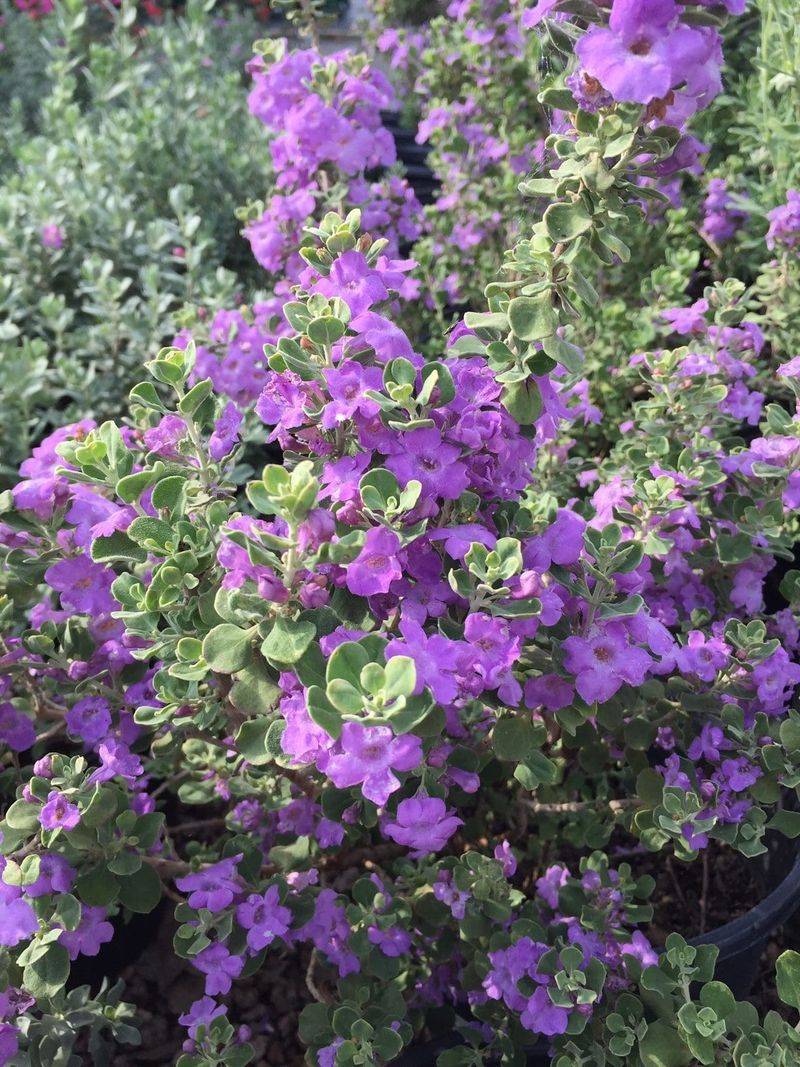
There is something almost magical about Texas Sage. Just before a good rain, this shrub bursts into a cloud of purple or lavender blooms, almost like it knows the weather is about to change.
Gardeners in Texas have nicknamed it the “barometer bush” for exactly that reason. Texas Sage thrives in full sun and reflected heat, making it one of the best choices for driveway edges where temperatures can get intense.
The silver-green foliage is soft and attractive even when the plant is not blooming. It has a naturally rounded shape that looks tidy without much pruning.
Your Texas Garden Changes Every Week. Your Plan Should Too.
Gardening in Texas changes quickly throughout the season. Every Friday you’ll receive a simple weekly plan showing exactly what to plant, prune, fertilize, harvest, and protect so you never miss the right timing.
This shrub is extremely drought-tolerant once it gets established. It actually prefers dry conditions and does not like soggy soil at all.
In fact, overwatering is one of the few things that can cause problems with Texas Sage, so less is definitely more here.
Bloom time typically happens multiple times throughout the warmer months, especially after periods of high humidity or rainfall. The purple flowers are striking against the silver leaves, and they attract butterflies and hummingbirds to your yard.
That combination of beauty and wildlife appeal makes it hard to pass up. Plant Texas Sage in well-drained soil and give it plenty of space to grow. Most varieties reach four to six feet tall and wide at maturity.
Along a driveway, you can prune it lightly after blooming to keep a uniform size. For low-effort, high-reward landscaping in Texas, few plants beat this one.
3. Rock Rose
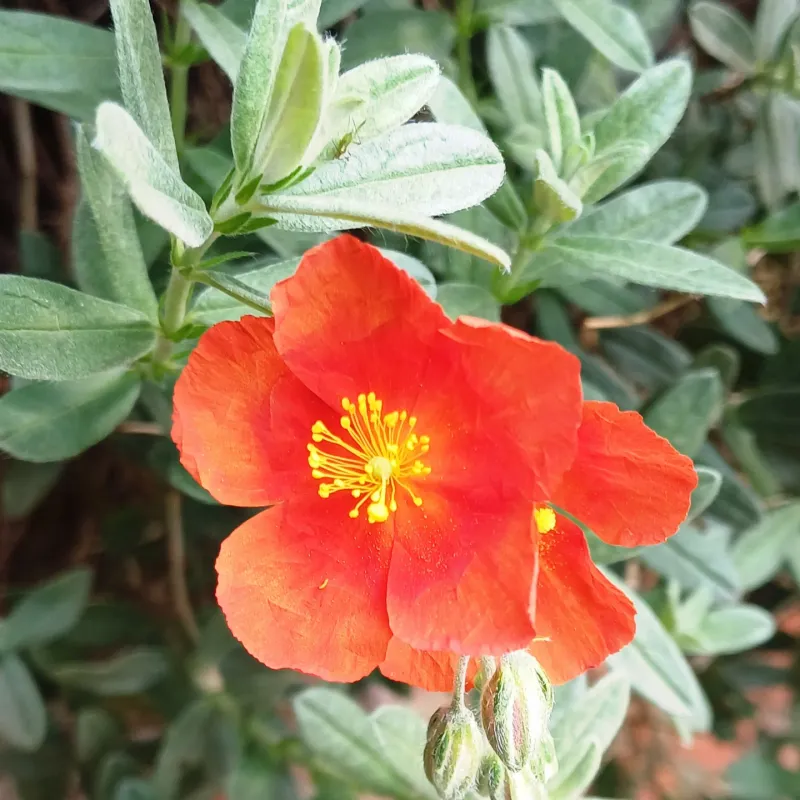
Rock Rose is one of those plants that makes you do a double take. The flowers are soft and papery, almost like crepe paper, and they show up in shades of pink, white, or magenta against deep green foliage.
You would never guess this delicate-looking plant is one of the toughest shrubs in Texas. Native to Texas and Mexico, Rock Rose has adapted over centuries to survive in rocky, dry, and nutrient-poor soils.
It handles full sun without flinching and can go long stretches without supplemental water once it is established. That makes it a smart pick for driveway borders where irrigation can be tricky.
The blooms appear in spring and can continue into fall if the plant gets occasional moisture. Each individual flower only lasts one day, but the plant produces so many buds that it always looks full of color.
The overall effect is cheerful and cottage-like, which adds real charm to a driveway entrance.
Rock Rose grows to about three to five feet tall and wide, depending on the variety. It has an open, slightly wild shape that looks relaxed and natural in a landscape.
Some homeowners love that casual look, especially in a xeriscape or native plant garden setting along a driveway.
Plant it in the sunniest spot you have and avoid heavy clay soils if possible. Good drainage is key to keeping this plant healthy long-term.
Pair it with ornamental grasses or agave for a bold, water-wise driveway display that stays beautiful through summer heat.
4. Autumn Sage
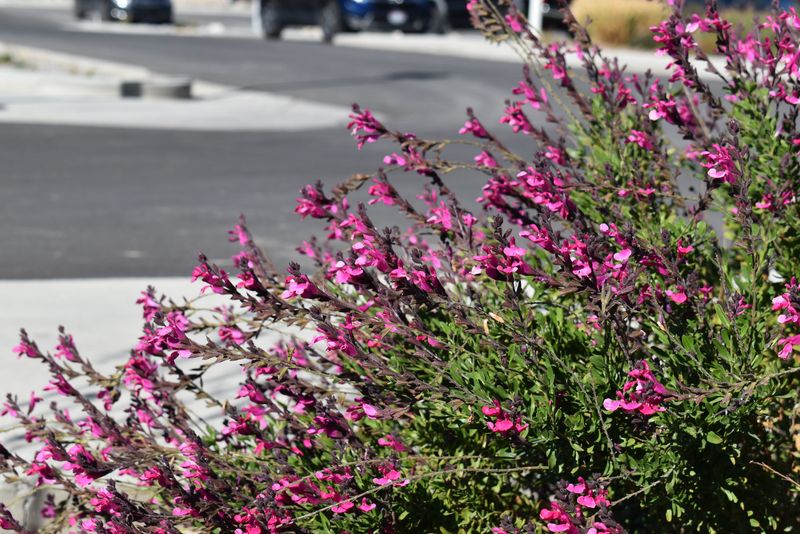
Few plants put on a show as long as Autumn Sage does in a Texas garden. From late spring all the way through the first cold snap, this native shrub pumps out clusters of tubular flowers in shades of red, pink, coral, and white.
Hummingbirds treat it like a fast-food stop they visit every single day. Autumn Sage is a member of the salvia family, and it has all the toughness that comes with that group. It handles full sun, reflected heat, and dry spells without much complaint.
The small, aromatic leaves stay green and attractive even during stretches when rainfall is scarce.
One of the reasons Autumn Sage works so well along driveways is its tidy, mounding shape. Most varieties grow about two to three feet tall and wide, making them easy to space evenly without overcrowding.
You can plant them in a single row for a uniform look or mix different flower colors for a more playful feel.
Cutting the plant back by about one-third after each major bloom cycle encourages fresh new growth and even more flowers. This simple step keeps the plant looking neat and prevents it from getting woody and leggy over time.
A little light pruning goes a long way with this one. Autumn Sage performs best in well-drained soil and does not need heavy fertilizing. Too much fertilizer actually reduces flowering and pushes excess leafy growth instead.
Give it good sun, decent drainage, and occasional trimming, and Autumn Sage will reward you with color for months on end along your driveway.
5. Wax Myrtle
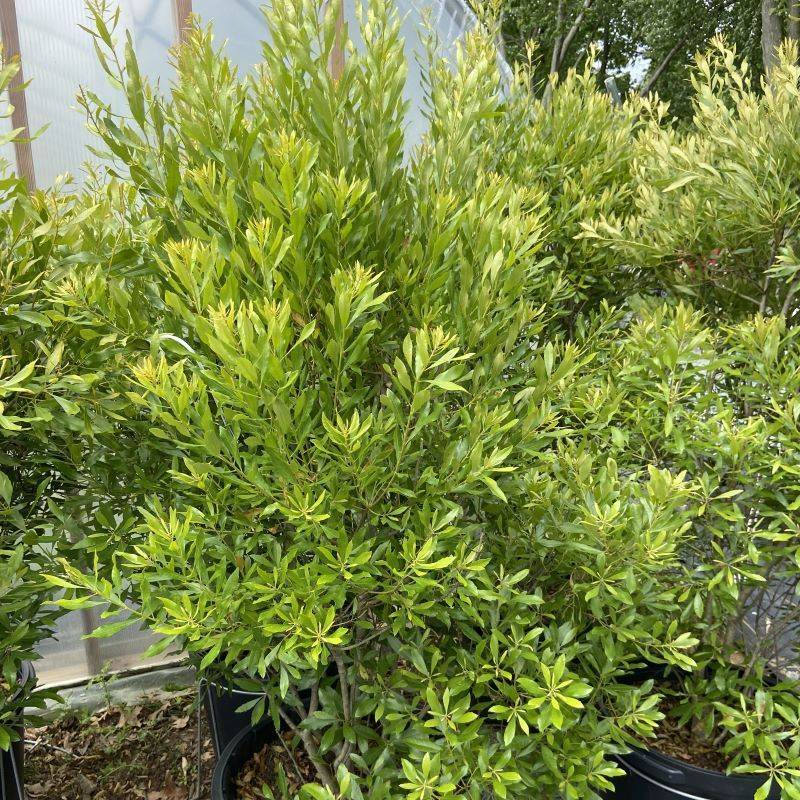
Wax Myrtle is the kind of plant that gets the job done and then some. It grows quickly, fills in fast, and creates a dense, full screen along driveways without needing much attention from you.
If you have ever watched a boxwood struggle through a hot Texas July, you will appreciate just how different Wax Myrtle is.
This native evergreen shrub is incredibly adaptable. It grows in sun or partial shade, tolerates wet or dry soil, and handles both heat and cold better than most landscape plants.
Along a driveway, it can serve as a privacy screen, a windbreak, or simply a lush green backdrop for smaller plants in front of it.
The aromatic, olive-green leaves have a pleasant bayberry scent when you brush against them. Small grayish-blue berries appear in clusters along the stems and attract songbirds throughout fall and winter.
That wildlife value makes Wax Myrtle a favorite among gardeners who want their yard to feel alive.
Wax Myrtle grows fast, sometimes up to three to five feet per year under good conditions. You can trim it into a formal hedge or let it grow into a multi-trunk small tree reaching ten to fifteen feet.
Either way, it looks polished and intentional along a driveway edge. Plant it in fall or early spring for best results. Water regularly during the first growing season to help it get established, then back off as it settles in.
Once rooted, Wax Myrtle is remarkably self-sufficient and keeps looking great through Texas summers with very little extra care from you.
6. Coralberry
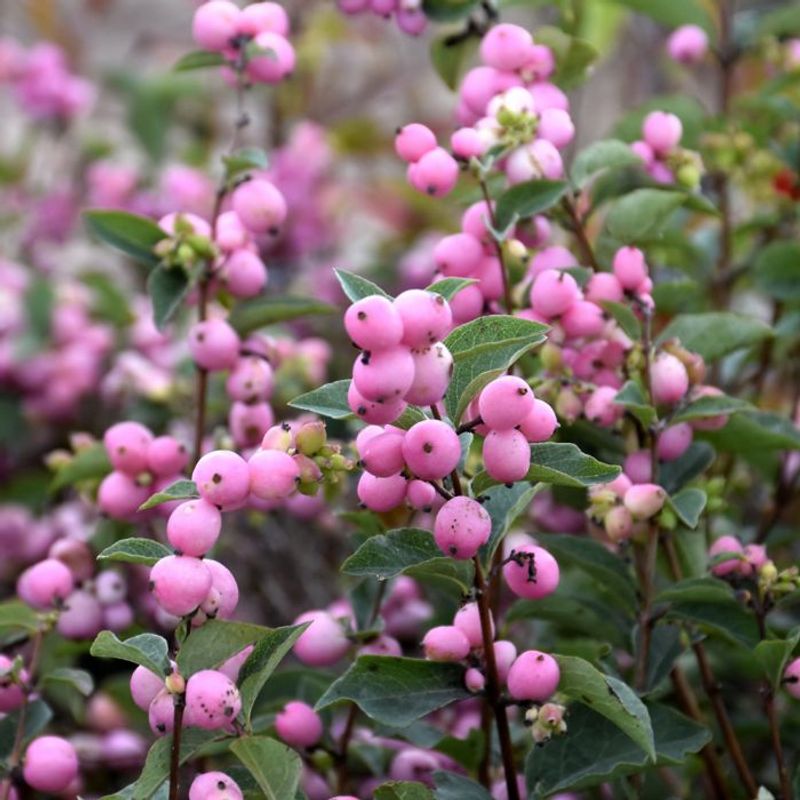
Not every driveway gets blasted with full sun all day, and that is where Coralberry really shines. This native shrub thrives in partial shade and even handles full shade better than most alternatives.
If your driveway runs under or near trees, Coralberry might be exactly the right fit for that tricky spot.
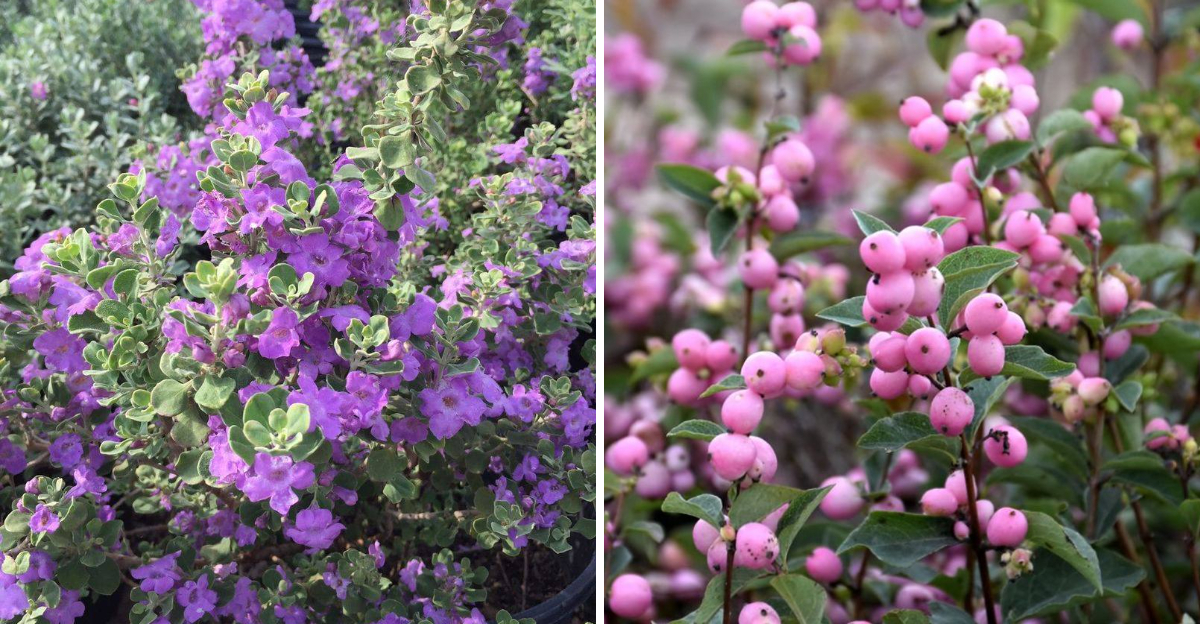
The plant has a soft, arching growth habit with stems that gently droop under the weight of its berries. In late summer and fall, clusters of small coral-pink to purple berries line every stem, creating a look that is both wild and charming.
It is one of those plants that gets better as the season goes on rather than fading out by midsummer.
Coralberry grows to about three to five feet tall and spreads gradually through underground runners.
That spreading habit can actually be an advantage along a long driveway, since it fills in gaps over time without needing replanting. Just keep an eye on the edges if you want to maintain a clean border.
The berries are a huge draw for birds, especially during fall and early winter when other food sources get scarce.
Planting Coralberry along your driveway turns it into a little wildlife corridor right outside your front door. That ecological benefit is something boxwood simply does not offer.
Coralberry is also drought-tolerant once established, though it appreciates occasional deep watering during very dry stretches. It prefers well-drained soil and does not love sitting in standing water.
For shaded or partly shaded driveway spots, this native shrub offers beauty, berries, and real toughness in one compact package.