Native North Carolina Plants To Grow Instead Of Nandina Along Fence Lines
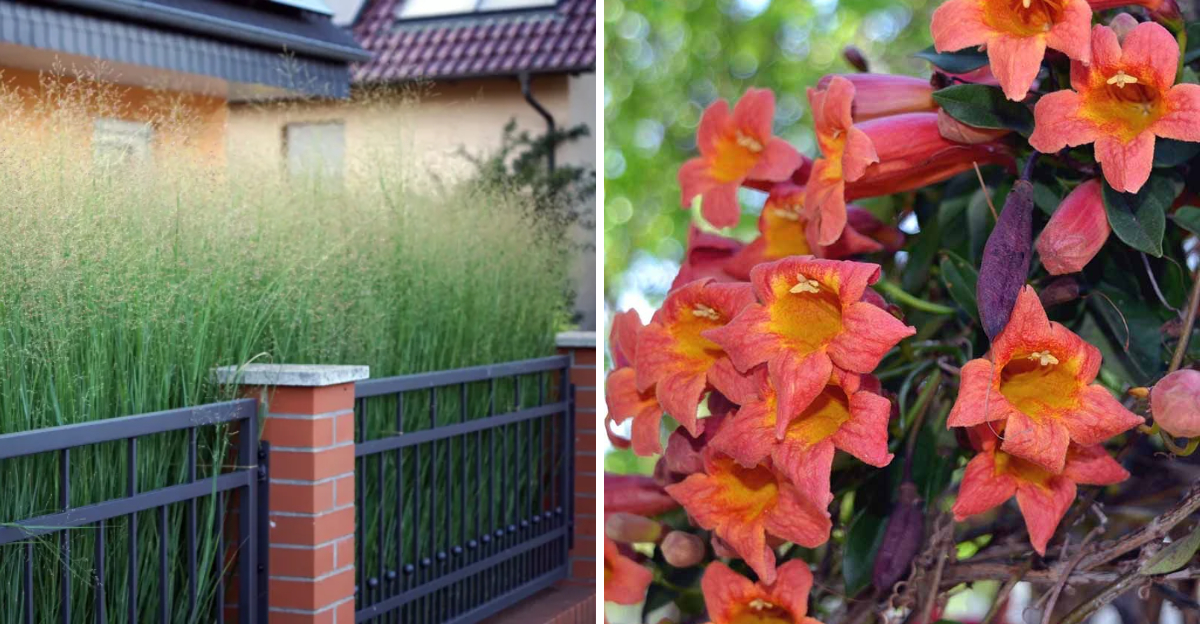
Nandina has been showing up along North Carolina fence lines for decades, and honestly it is not hard to understand the appeal. It stays green, grows upright, and fills narrow spaces without demanding much attention at all.
But here is the thing: nandina is actually invasive in North Carolina, and a lot of gardeners are rethinking it now that better options are on the table. And those options are genuinely good.
North Carolina has excellent native plants that can cover a fence, soften a property line, and add real texture without the ecological baggage nandina brings along.
Some of these are climbing vines that get right to work on the fence itself. Others are upright native grasses that create a beautiful soft screen in front of it.
Either way, your fence line is about to get a serious upgrade.
1. Crossvine Turns A Fence Green Fast
A bare fence in early spring can look surprisingly bare after a long winter, and crossvine is one of the fastest ways to change that.
This native climbing vine grabs onto wood, wire, and chain-link fences using small adhesive pads on its tendrils, pulling itself upward with little help from the gardener.
In North Carolina, it tends to leaf out early and fill in quickly once established.
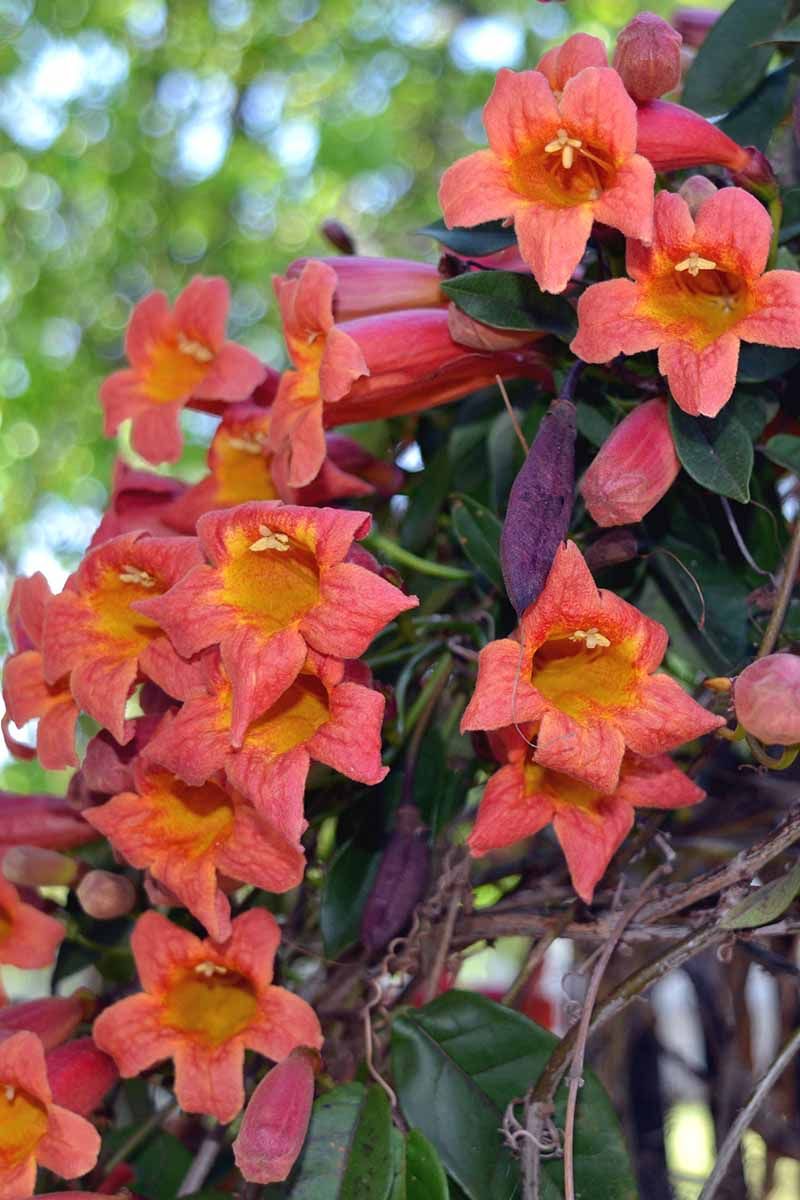
The spring flower show is one of crossvine’s biggest selling points. Clusters of tubular blooms in orange, red, and yellow appear in mid to late spring, drawing hummingbirds and native pollinators to the fence line.
The flowers are showy enough to make the fence a real focal point rather than just a boundary marker.
Crossvine is semi-evergreen in much of North Carolina, which means it holds onto much of its foliage through mild winters and provides some screening even when temperatures drop.
In colder parts of the state, it may lose more leaves, but it comes back reliably in spring.
It handles full sun to partial shade and grows well in average to moist, well-drained soils.
One thing to keep in mind is that crossvine can spread fairly vigorously once it gets going. In a narrow fence-line bed, some light trimming after flowering helps keep it tidy and within bounds.
For gardeners who want fast coverage with seasonal color and minimal fuss, crossvine is a strong native choice for North Carolina fences.
2. Trumpet Honeysuckle Brings Color To The Line
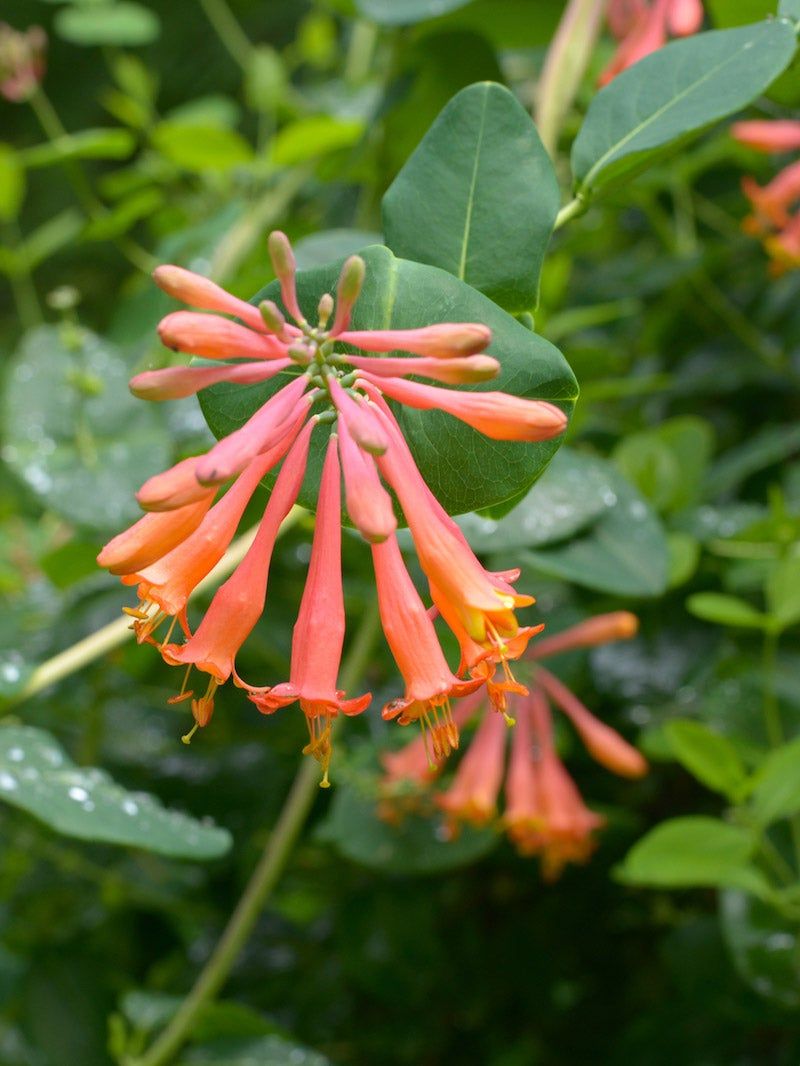
Few sights along a North Carolina fence line are as striking as a trumpet honeysuckle in full bloom.
Unlike the invasive Japanese honeysuckle that has taken over so many roadsides and woodland edges across the state, this one is completely native and well-behaved enough for a home landscape.
The flowers come in shades of red, orange, and coral, and hummingbirds find them almost impossible to ignore.
Trumpet honeysuckle is a twining vine, meaning it wraps itself around fence rails, posts, wire, and lattice as it climbs.
It does best with some kind of support to grab onto, so it works especially well on open-rail fences, chain-link, or wire fencing where it can weave through the structure.
Your North Carolina Garden Changes Every Week. Your Plan Should Too.
Gardening in North Carolina changes quickly throughout the season. Every Friday you’ll receive a simple weekly plan showing exactly what to plant, prune, fertilize, harvest, and protect so you never miss the right timing.
On a solid privacy fence, adding some simple wire or trellis helps it climb more easily.
The bloom period stretches from spring through summer in many parts of North Carolina, and some plants push out scattered flowers well into fall. After the flowers fade, small red berries appear and attract songbirds, giving the fence line value across multiple seasons.
The foliage is semi-evergreen in the warmer parts of the state.
Trumpet honeysuckle grows in full sun to partial shade and tolerates a range of soil conditions, though it tends to flower more heavily with more sunlight.
Established plants are reasonably drought-tolerant, though regular moisture during the first season helps them settle in.
Occasional pruning keeps the vine from becoming too tangled or heavy on lighter fence structures.
3. Carolina Jessamine Covers With Evergreen Style
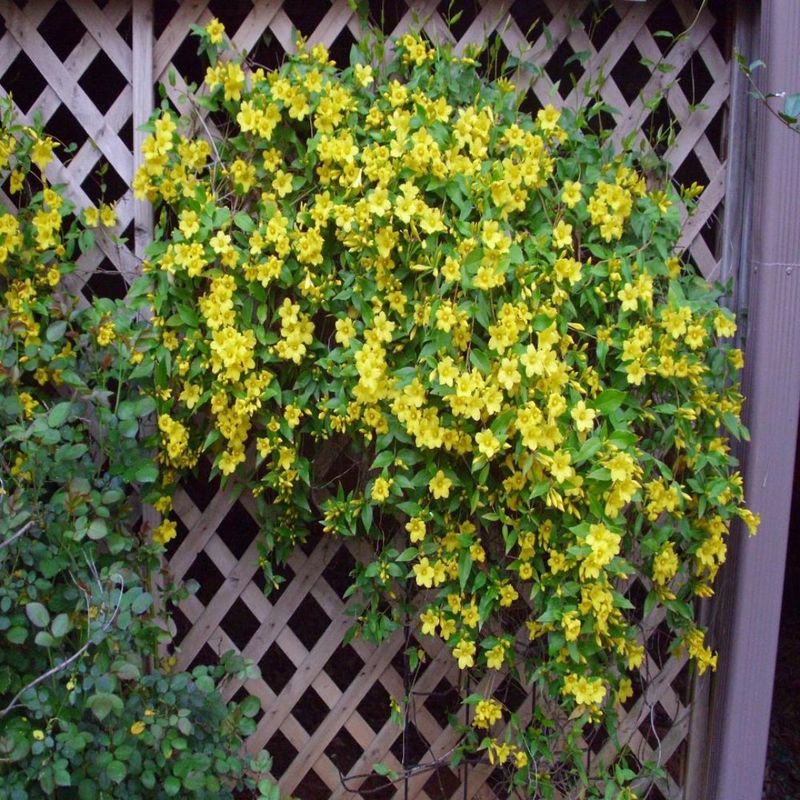
Walk past almost any natural woodland edge in North Carolina in late winter or early spring, and you might catch a flash of bright yellow before anything else has started to bloom.
That is Carolina jessamine doing what it does best: flowering early, looking polished, and reminding everyone that native plants can be just as ornamental as anything from a garden center import shelf.
Carolina jessamine is an evergreen twining vine, which gives it a real advantage along fence lines where year-round coverage matters.
The glossy, dark green leaves stay attractive through all four seasons in most of North Carolina, and the cheerful yellow flowers arrive when the landscape still looks tired from winter.
It is the kind of plant that earns its place every single year without asking for much in return.
For fence coverage, this vine works well on wood, wire, and open-rail structures where it can twine and weave. It grows at a moderate pace, which means it fills in over time rather than overwhelming the fence in a single season.
That measured growth makes it easier to manage in a narrow fence-line bed where space is limited.
Carolina jessamine performs best in full sun to partial shade and prefers well-drained soils. It is native to the Piedmont and Coastal Plain regions of North Carolina and grows naturally along roadsides, forest edges, and fence rows.
One important note for households with children or pets: all parts of this plant are toxic if ingested, so placement and supervision matter in those situations.
4. Virgin’s-Bower Fills Space In A Hurry
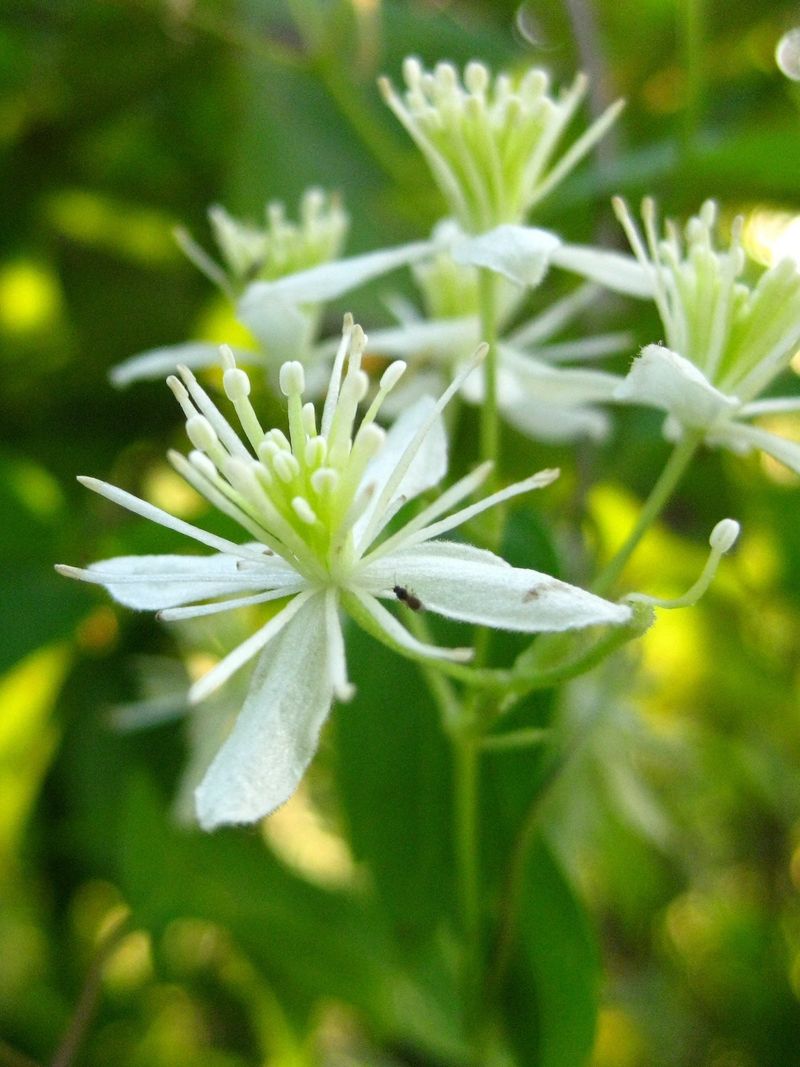
Some fence lines need coverage fast, and virgin’s-bower is one of the more enthusiastic native climbers North Carolina has to offer.
This native clematis moves quickly once it finds something to grab onto, scrambling over fence rails, wire, and posts with a loose, airy quality that looks more like a wild hedgerow than a manicured planting.
That relaxed look works really well in naturalistic or informal landscapes.
The flowers appear in late summer and early fall, which is a useful quality since many other flowering vines have already finished by that point.
Small white blooms cover the vine in clusters, attracting native bees and other pollinators right when late-season food sources are becoming harder to find.
After the flowers finish, the seed heads develop a feathery, silvery texture that catches light and adds visual interest well into autumn and early winter.
Virgin’s-bower grows best in full sun to partial shade and does well in moist to average soils. It tends to perform especially well near fence lines that border lower areas, drainage swales, or spots that stay a little wetter than average.
In North Carolina, it grows naturally along stream banks, forest edges, and roadsides, which gives a good picture of the kind of conditions it prefers.
Because this vine grows vigorously, some gardeners find that trimming it back each year helps keep it from completely taking over a fence.
In the right spot, though, that vigor is exactly what makes it so useful for filling in large stretches of fence line with genuine native character and late-season appeal.
5. Switchgrass Adds Soft Native Height
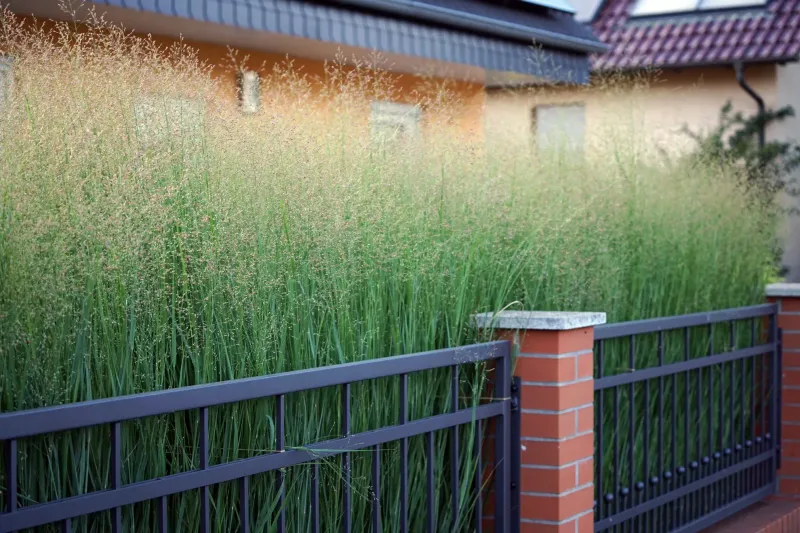
Not every fence-line solution needs to climb. Switchgrass is a native warm-season grass that grows in upright clumps and creates a soft, flowing screen in front of a fence rather than on it.
Planted in a row along a fence line, it builds height and movement that nandina could never quite replicate, and it does it with a distinctly natural texture that feels right at home in a North Carolina landscape.
Switchgrass is a prairie and meadow native that grows across much of eastern and central North Carolina.
It typically reaches four to six feet tall depending on the cultivar and growing conditions, making it useful for adding privacy or softening a fence line without the stiff, formal look of a traditional shrub border.
The airy seed heads that appear in late summer catch the light beautifully and move with even a gentle breeze.
Fall color is another reason to consider switchgrass along a fence. Depending on the cultivar, the foliage shifts to shades of gold, burgundy, or orange before winter, giving the fence line a warm seasonal display.
The dried stems and seed heads also provide structure and visual interest through much of the winter, which helps fill the gap after other plants have gone dormant.
Switchgrass is adaptable to a range of soil types and tolerates both dry and occasionally wet conditions, making it a flexible choice for the varied sites that North Carolina fence lines often present.
It grows best in full sun but can handle light shade, especially in the warmer parts of the state where afternoon shade is a welcome relief.
6. Giant Plumegrass Builds A Bigger Screen
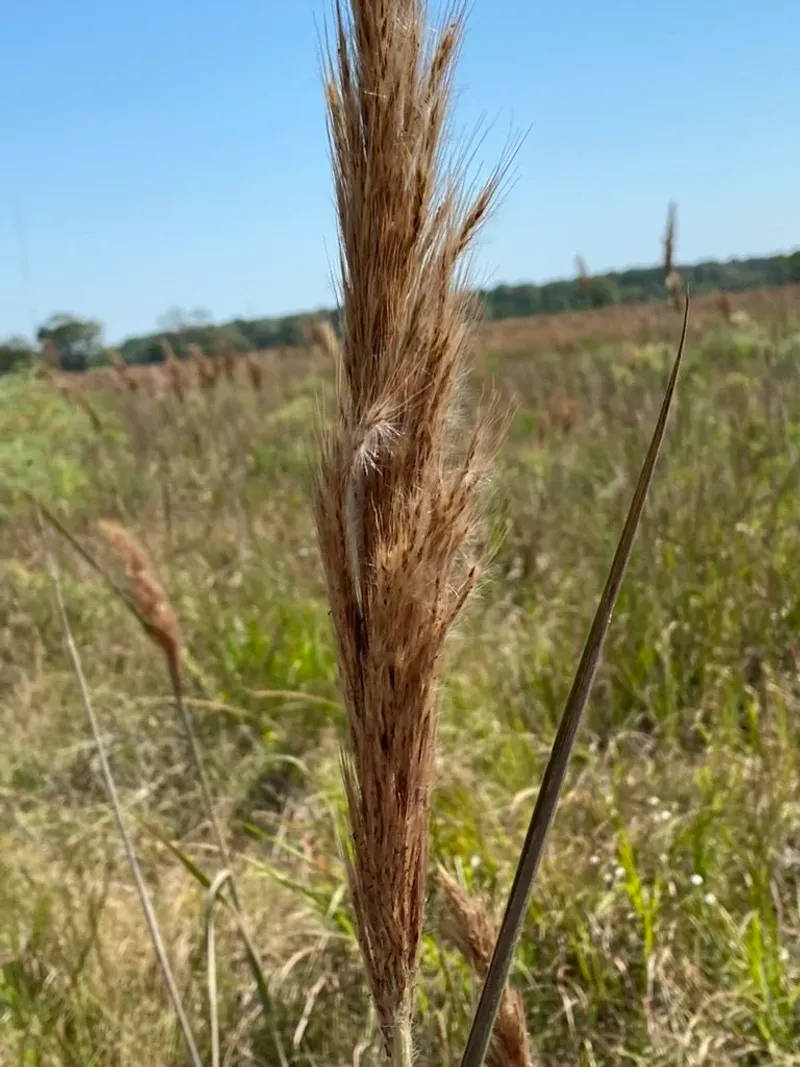
When a fence line calls for something with real presence, giant plumegrass is the kind of native plant that makes people stop and take a second look. This is not a subtle grass.
It grows anywhere from six to ten feet tall in good conditions, and the large, feathery silver-white plumes that appear in late summer and fall are genuinely impressive. Planted along a fence, it creates a bold, layered screen that is hard to miss from across the yard.
Giant plumegrass is native to the Coastal Plain and Piedmont regions of North Carolina, where it grows naturally along stream banks, wet roadsides, and forest edges. That background gives a clear picture of what it likes: moisture, sun, and room to spread.
Along a fence line that borders a low area, a drainage swale, or a wetter section of the yard, this grass can thrive in a way that many other plants would struggle to match.
The plumes are the real showstopper. They emerge in late summer with a warm pinkish tone before maturing to a showy silver-white that catches the light and holds its shape through much of the fall.
Even after the growing season ends, the dried stems and plumes provide structure and movement through winter, which adds value to the fence line long after most other plants have faded.
Because it grows large, giant plumegrass works best in fence lines where there is enough depth and width to accommodate its spread.
It is not the right fit for a very narrow bed, but where space allows, it delivers a level of native screening that few other non-shrub plants in North Carolina can match.