7 Plants North Carolina Gardeners Should Cut Back Hard Before June (And 2 They Should Never Touch)
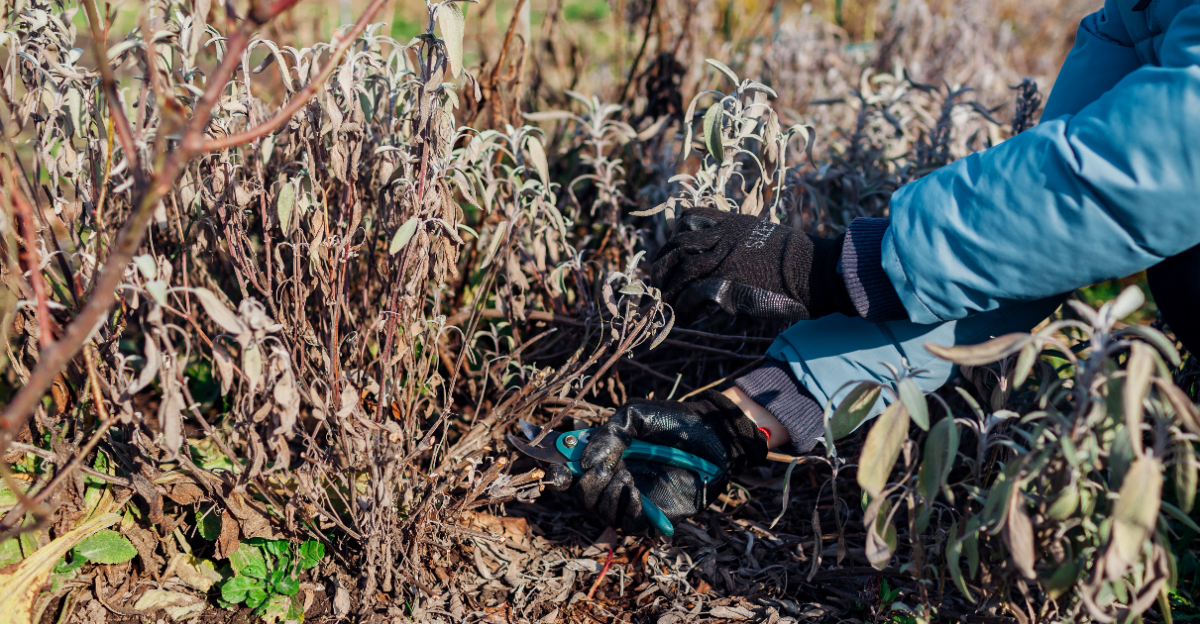
Cutting back plants at the right time in a North Carolina garden can completely change how they perform for the rest of the season.
Do it too late and you sacrifice blooms, stress the plant during heat, or push tender new growth into conditions it cannot handle. Do it too early on the wrong plant and you remove exactly what was about to flower.
Most gardeners learn this through trial and error over several seasons, losing blooms they were looking forward to or watching plants struggle through summer because of a well-intentioned cut made at the wrong moment.
There are plants that genuinely benefit from a hard cutback before June arrives, and there are two that should be left completely alone no matter how tempting it is to tidy them up.
1. Butterfly Bush
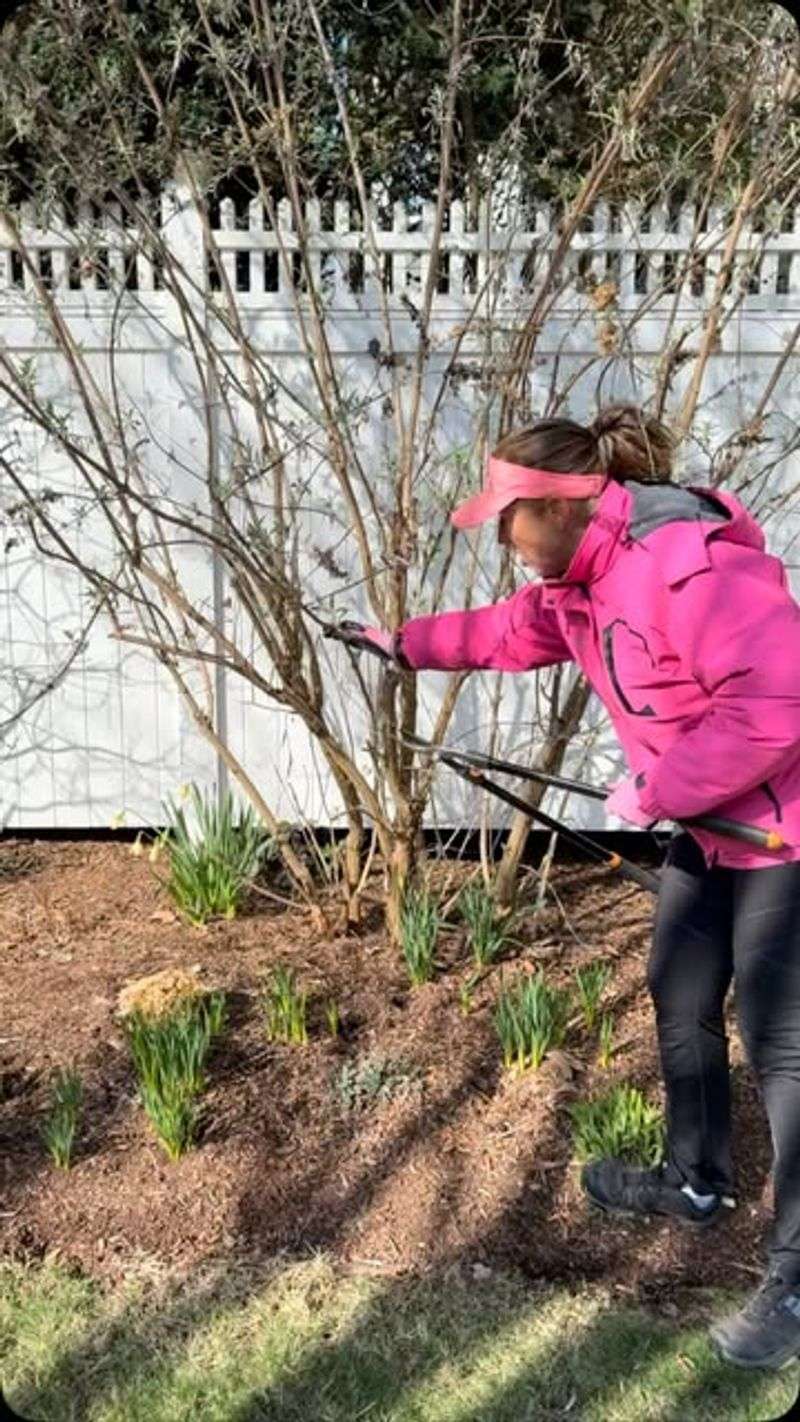
Few plants reward boldness quite like the Butterfly Bush. Cut it back hard before June, and you will be treated to the most spectacular bloom show of the summer.
Left to its own devices, this plant grows long, floppy stems that produce smaller, weaker flower spikes and attract far fewer pollinators than a properly pruned bush would.
Timing matters a lot here. In North Carolina, the sweet spot for hard pruning Butterfly Bush is late March through mid-April, once you spot the first signs of new green growth at the base.
That new growth is your green light to act. Use clean, sharp loppers or pruning shears and cut the entire plant back to roughly 12 to 18 inches above the ground.
Do not be timid about it. The harder you cut, the more vigorous the new growth tends to be.
After pruning, remove all the old stems from the garden bed to reduce any chance of fungal issues during North Carolina’s humid summer months.
Give the plant a light feeding of a balanced slow-release fertilizer after pruning to help fuel that new growth. Within just a few weeks, you will see strong, upright stems pushing up fast.
By July and August, those stems will be loaded with long, fragrant flower cones that butterflies absolutely cannot resist.
2. Perennial Salvia
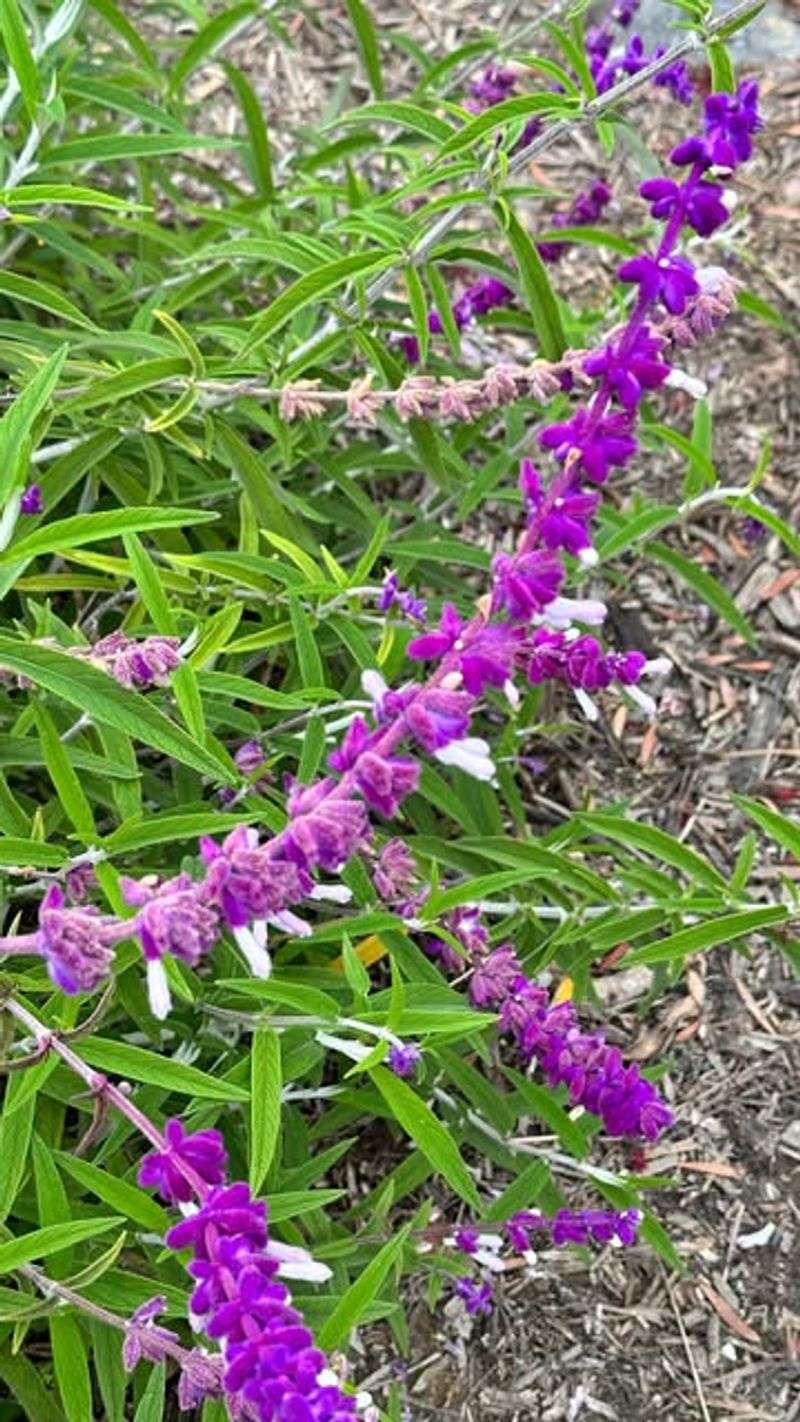
Perennial Salvia is one of those plants that seems almost too easy to grow in North Carolina, right up until you stop pruning it.
Skip the pre-June trim and you end up with a plant that looks exhausted and ragged by midsummer, with very few new blooms to show for itself.
The goal with Perennial Salvia is to encourage a strong second flush of flowers. After the first wave of blooms fades in late spring, cut the entire plant back by about two-thirds of its height.
You are not just tidying things up, you are actively signaling the plant to redirect its energy into producing fresh stems and flower spikes.
Sharp bypass pruners work best for this job. Avoid using dull blades, which can crush stems and invite disease into the cuts.
After trimming, clean up the clippings around the base of the plant to keep the bed looking neat and reduce moisture-trapping debris.
Your North Carolina Garden Changes Every Week. Your Plan Should Too.
Gardening in North Carolina changes quickly throughout the season. Every Friday you’ll receive a simple weekly plan showing exactly what to plant, prune, fertilize, harvest, and protect so you never miss the right timing.
North Carolina’s warm spring temperatures mean Perennial Salvia bounces back surprisingly fast after a good pruning. In many cases, you will see fresh new growth within just ten to fourteen days.
Water consistently after cutting back, and consider a light application of balanced fertilizer to push that second round of growth along. By late summer, the plant will be full, tidy, and blooming beautifully again.
3. Russian Sage
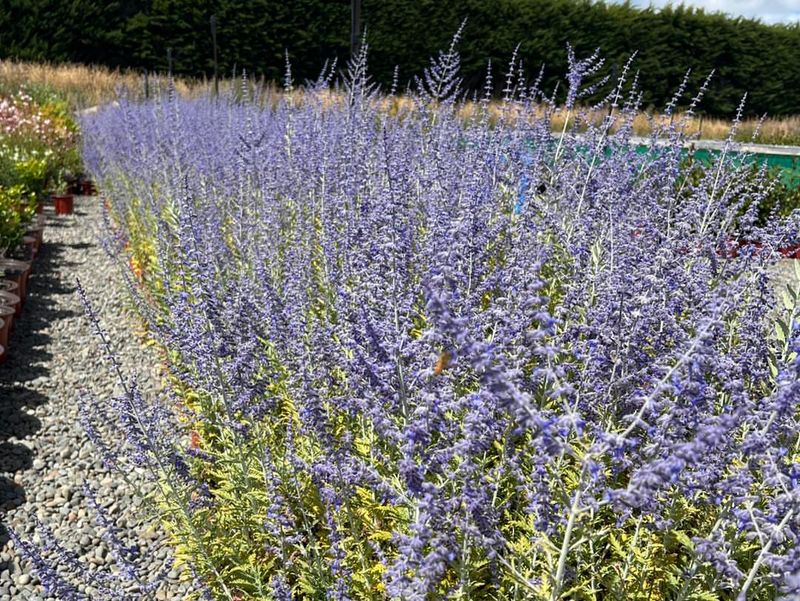
Russian Sage has a bit of a wild streak. Without a hard pruning before June, it sprawls outward in every direction, producing sparse, airy flower stalks on a plant that looks more like a tangle than a garden feature.
A bold cut in early spring changes everything about how this plant performs through summer and fall.
Wait until you see small green leaves beginning to sprout along the lower portions of the woody stems before you grab your pruners. In North Carolina, that usually happens sometime in March or early April.
At that point, cut the entire plant back to about 6 inches above the ground, removing all the old gray stems from the previous season.
Because Russian Sage stems are woody and tough, loppers or heavy-duty pruning shears work much better than regular hand pruners. Wear gloves during this task since the cut stems release a strong, slightly pungent scent that can irritate sensitive skin.
Dispose of the old stems rather than leaving them in the bed. After pruning, Russian Sage pushes out a mounded mass of new silvery-green foliage that stays compact and upright through the season.
The improved airflow around the plant also reduces the humidity-related problems that can affect it during North Carolina’s sticky summers.
Come July and August, expect a gorgeous display of lavender-blue flower spikes rising above that tidy mound.
4. Bearded Iris
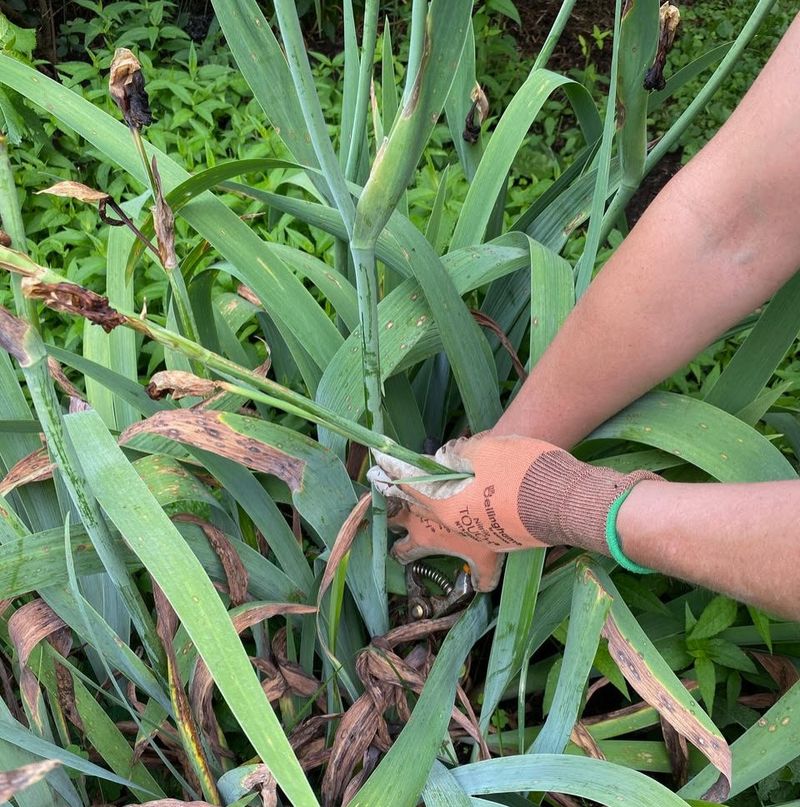
Bearded Iris looks spectacular when it blooms, but once those flowers fade, the foliage can quickly become a source of trouble if you ignore it.
Old, yellowing leaves trap moisture and create the perfect environment for fungal problems and iris borers, both of which are very real concerns for North Carolina gardeners.
Before June arrives, take a close look at your Bearded Iris clumps and remove any brown, spotted, or soft leaves by pulling them away from the base or cutting them cleanly with sanitized scissors.
For the remaining healthy green foliage, trim it into a neat fan shape, cutting it back to about 6 to 8 inches in height. This fan cut is classic Iris maintenance and keeps the plant looking intentional rather than neglected.
Bag and remove all the trimmed foliage from the garden rather than composting it. Iris leaves can harbor fungal spores and insect eggs that you do not want cycling back into your soil.
Keeping the area around the rhizomes clear and well-aired is one of the best things you can do for next year’s bloom performance.
The rhizomes themselves should remain partially exposed at the soil surface, as they need sunlight to cure properly over summer. Resist the urge to bury them with mulch.
Healthy, sun-exposed rhizomes store the energy needed to produce those stunning blooms again next spring, making this simple cleanup task genuinely worthwhile.
5. Daylilies
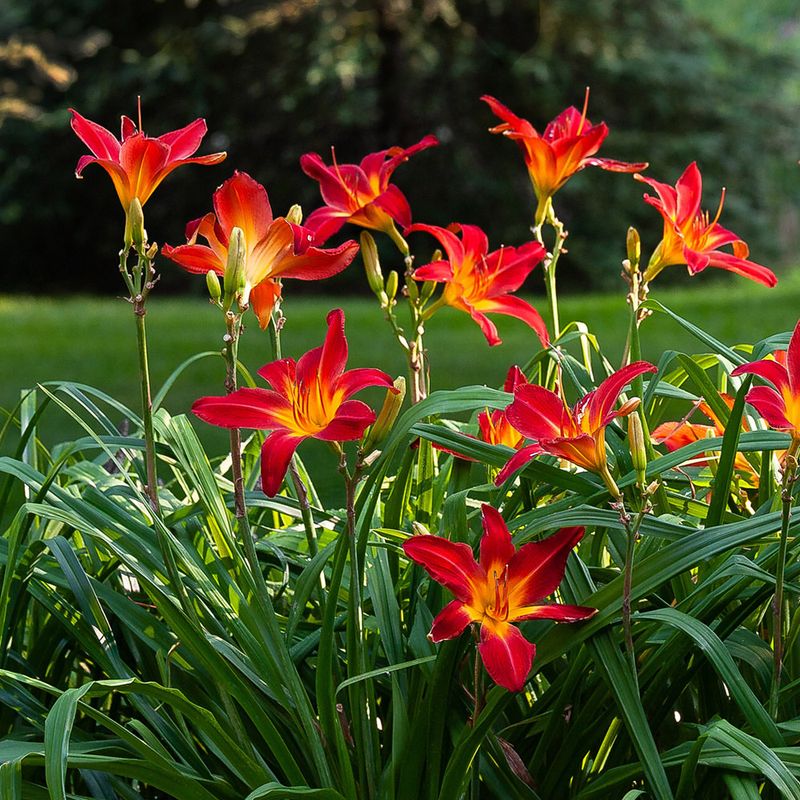
Daylilies are the workhorses of the North Carolina summer garden, blooming reliably even through heat and humidity. But like any hardworking plant, they benefit enormously from a little maintenance before their peak season kicks into full gear.
Tidying them up before June sets the stage for a longer, more impressive bloom show. Start by removing any flower stalks left over from the previous season.
These old stalks are purely cosmetic clutter at this point, and cutting them at the base keeps the plant looking clean and directs more energy toward producing new scapes.
While you are at it, comb through the foliage and remove any brown or damaged leaves by pulling them away gently or snipping them with clean shears.
If your Daylily clumps have grown very dense and crowded, late spring is also a reasonable time to divide them. Overcrowded clumps tend to produce fewer and smaller blooms, so dividing every three to four years keeps them performing at their best.
Replant divided sections at the same depth they were growing before, water them in well, and they will establish quickly.
After cleanup, a light layer of mulch around the base of the plant helps conserve moisture during North Carolina’s increasingly warm late-spring days.
Water deeply once or twice a week rather than lightly every day, encouraging the roots to grow deeper and making the plant more resilient through summer heat. The payoff is a Daylily patch that blooms generously and looks great all season long.
6. Catmint
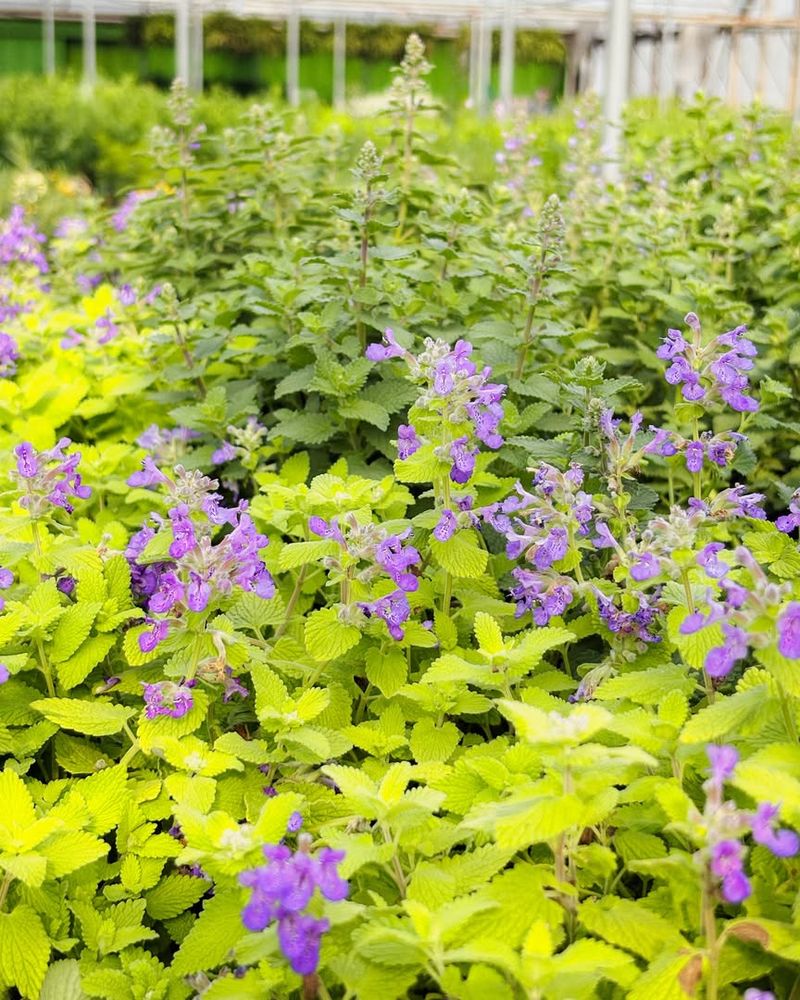
Catmint is one of the most cheerful plants in the spring garden, covered in soft purple-blue flowers that bees absolutely swarm over. The catch is that after that first flush of blooms fades, the plant often flops open at the center and starts to look messy.
A timely trim before June fixes that problem fast and keeps the party going.
Once the first wave of flowers begins to fade, cut the entire Catmint plant back by about one-half to two-thirds of its height. This feels aggressive, but Catmint responds to it with genuine enthusiasm.
Within a couple of weeks, the plant pushes out fresh new growth from the base, forming a tighter, more compact mound that looks intentional and well-kept in the garden.
Use bypass pruners rather than hedge shears for a cleaner result, though either will get the job done. After trimming, give the plant a good drink of water and consider a light top-dressing of compost around the base to encourage strong regrowth.
Remove the trimmed stems from the bed to keep things tidy. In North Carolina’s climate, a well-timed Catmint trim before June often results in a second full bloom cycle by late summer, which is a genuinely exciting bonus.
Some gardeners even manage a third round of flowers in early fall if they repeat the trim after the second flush fades. It is one of the most rewarding low-effort pruning tasks in the entire garden calendar.
7. Ornamental Grasses (Soft Varieties)
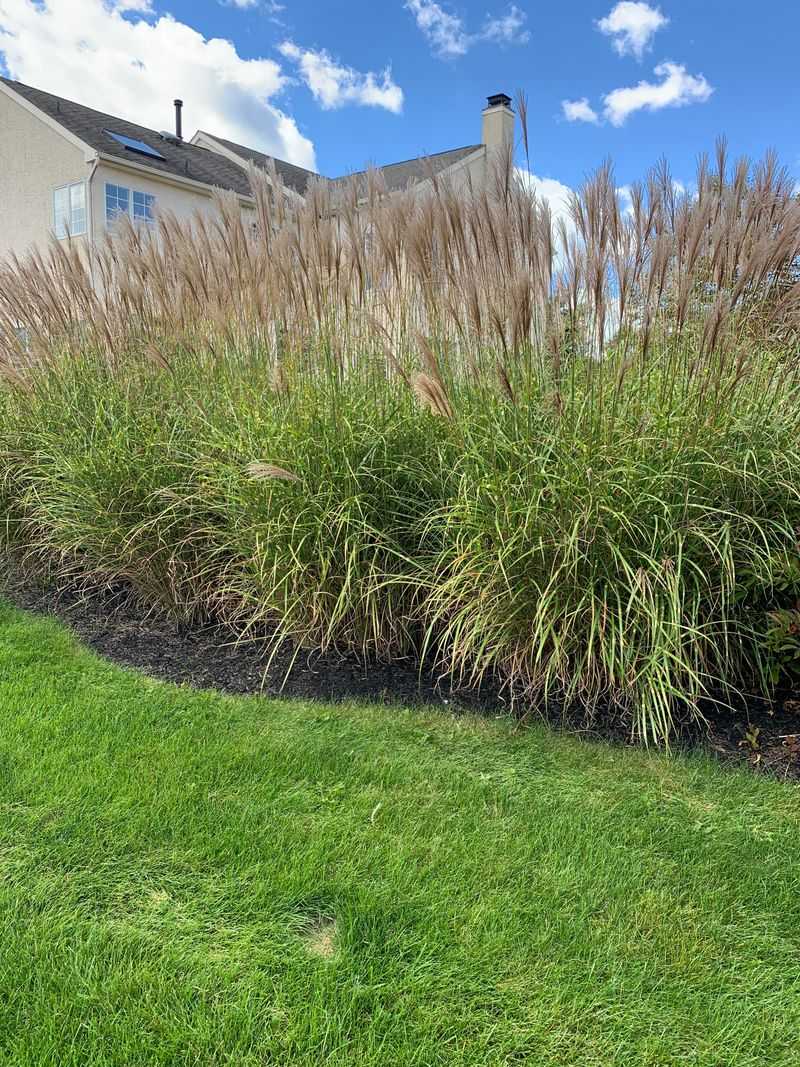
Soft ornamental grasses like dwarf Miscanthus sinensis are stunning in the garden from midsummer all the way through winter, when their feathery plumes catch the light and add movement to the landscape.
But by late winter and early spring, those same plumes look tired and matted, and leaving them in place too long creates real problems for the new growth trying to emerge underneath.
Before June, and ideally by late March in North Carolina, cut soft ornamental grasses back hard to about 4 to 6 inches above the ground. At that height, you are removing all the old material while leaving enough stem to protect the crown from any last cold snaps.
Hedge shears or even a reciprocating saw works well for large, dense clumps.
Bundle the old stems and remove them from the garden rather than leaving them as mulch around the crown. Old grass stems can harbor fungal spores and insect eggs, and they also physically block new shoots from emerging cleanly.
A clean cut and a clear crown give the plant the best possible start to the new growing season.
After trimming, the bare clump may look stark for a week or two, but fresh green blades emerge quickly in North Carolina’s warming spring soil. By June, the grass will already be well on its way to filling out beautifully.
By August, it will be lush, full, and ready to put on its signature late-season show all over again.
8. Azaleas
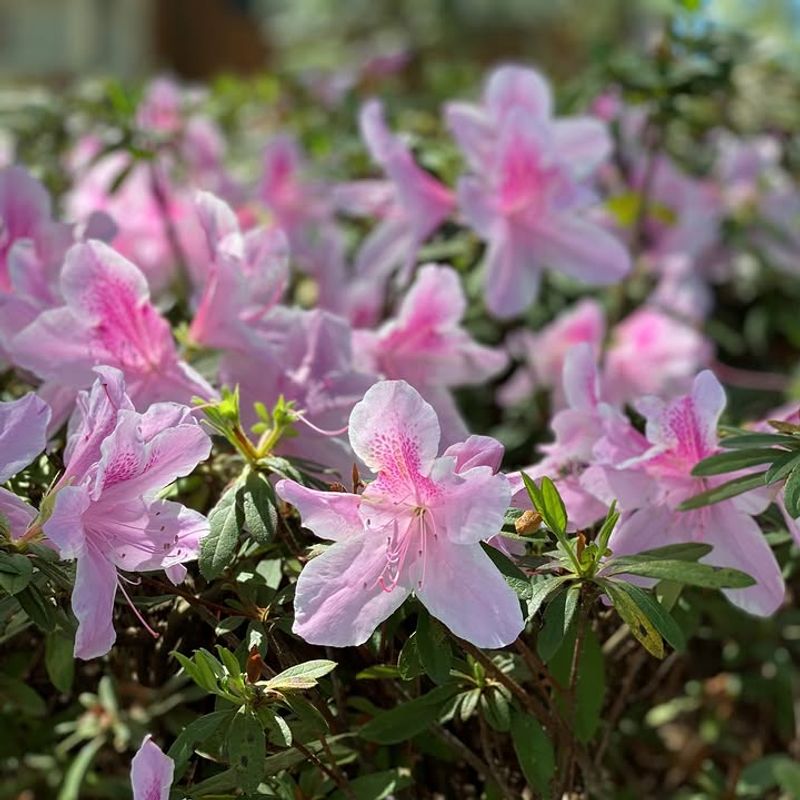
Azaleas are one of the most beloved flowering shrubs in North Carolina, and for good reason. Their spring bloom display is simply spectacular, lighting up gardens across the entire state from late March through May.
That is exactly why hard pruning before June is the one thing you absolutely should not do with these plants.
Azaleas set their flower buds in late summer and fall, which means the buds responsible for this spring’s flowers have been quietly waiting on the plant since last August or September.
Cut the plant back hard before it finishes blooming and you are removing those carefully stored buds along with the stems.
The result is a plant that looks bare and produces far fewer flowers, sometimes for an entire season or more depending on how severely it was cut.
If any light pruning is truly needed before June, limit yourself to removing dry wood, crossing branches, or a single wayward stem that is genuinely ruining the shape of the plant. Make those cuts right after the blooms fade, not before or during the bloom period.
This brief window immediately after flowering is the only safe time for any meaningful pruning work on Azaleas.
For most healthy, established Azaleas in North Carolina, the best approach is simply to stand back and enjoy the show.
Feed them with an acid-forming fertilizer after blooming, keep the soil consistently moist, and let the plant do what it does naturally. Restraint here pays off in a stunning display year after year.
9. Hydrangeas
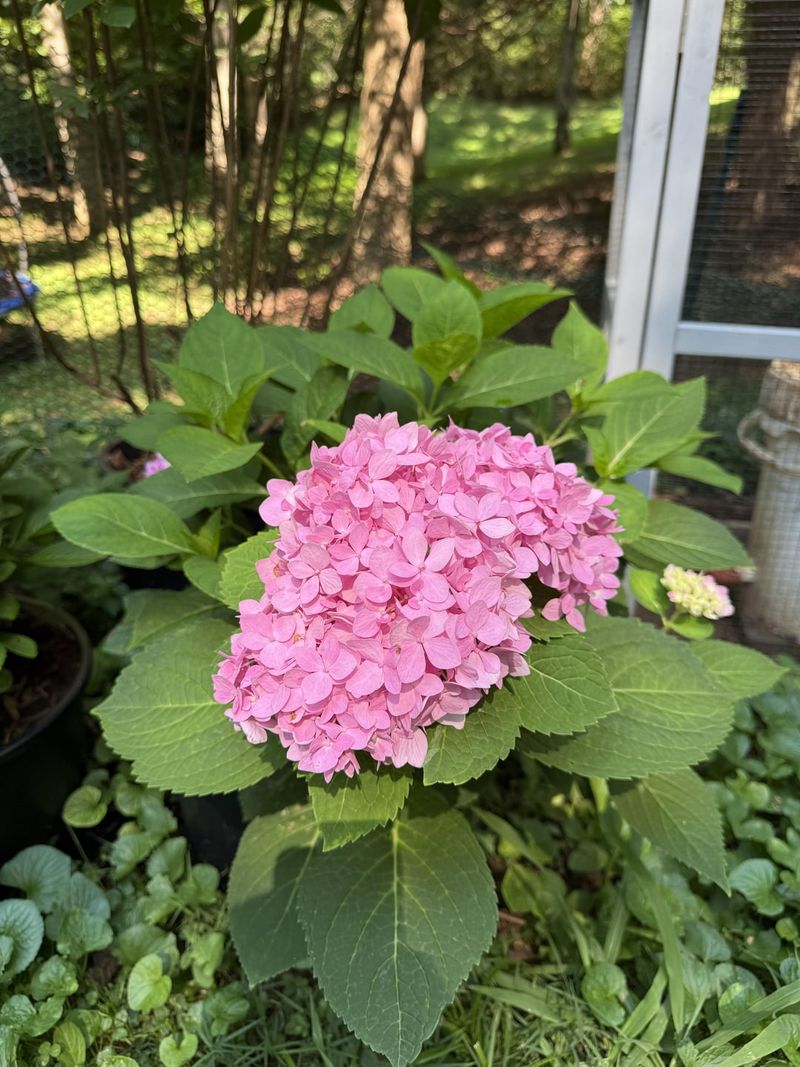
Hydrangeas are the crown jewel of the North Carolina summer garden, and yet they are also one of the most frequently over-pruned plants in the state.
Well-meaning gardeners grab their shears in spring, give the plant a heavy cut, and then spend the entire summer wondering why it never bloomed. The answer almost always comes down to timing and technique.
Bigleaf Hydrangeas (Hydrangea macrophylla), which include the popular mophead and lacecap varieties, bloom on old wood. That means the flower buds are already formed on last year’s stems by the time spring arrives.
Cut those stems before the plant blooms and those buds are simply gone for the season. Panicle Hydrangeas (H. paniculata) are more forgiving since they bloom on new wood, but even those benefit from waiting until after any threat of frost has completely passed.
Before June, the only pruning you should consider on any Hydrangea is the removal of stems that are clearly damaged from winter cold or are crossing and rubbing against each other. Make those cuts cleanly at the base using sharp, sanitized shears.
Leave everything else completely alone. Wait until after your Hydrangeas finish their summer bloom cycle before considering any major reshaping or size reduction.
That post-bloom window gives the plant time to enjoy its flowers and then recover with plenty of season left to set buds for next year. Patience with Hydrangeas is always, always rewarded with a better bloom show.