This One Native Tree Can Turn An Ohio Yard Into A Firefly Habitat From Spring Through Summer
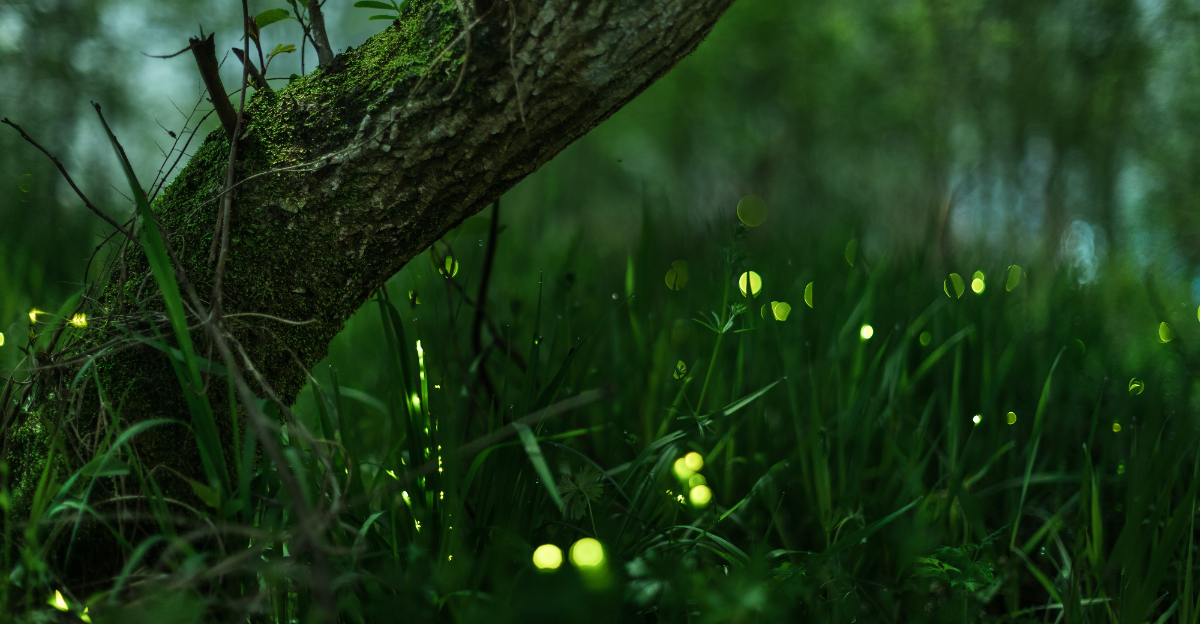
Fireflies don’t show up randomly. A yard that lights up on a June evening earned that.
The conditions that bring fireflies in numbers, real numbers, not just a handful drifting through, come down to habitat. Leaf litter, moisture, healthy soil biology, native plants that support the insects fireflies hunt as larvae.
Most Ohio yards are missing most of that, trimmed and tidied in ways that look appealing but leave fireflies with nothing to work with. What’s striking is how much one tree can shift that equation.
Not a collection of plants, and not a full garden overhaul. Just one well-chosen native tree can create the canopy, leaf layer, and ecosystem conditions that fireflies are actually drawn to.
Ohio has a tree that does all of that with a quiet kind of authority. It has been shaping this landscape for centuries and turns out to be exactly what a firefly habitat needs.
That tree is the swamp white oak.
1. Meet Swamp White Oak, The Native Tree Behind The Firefly Habitat
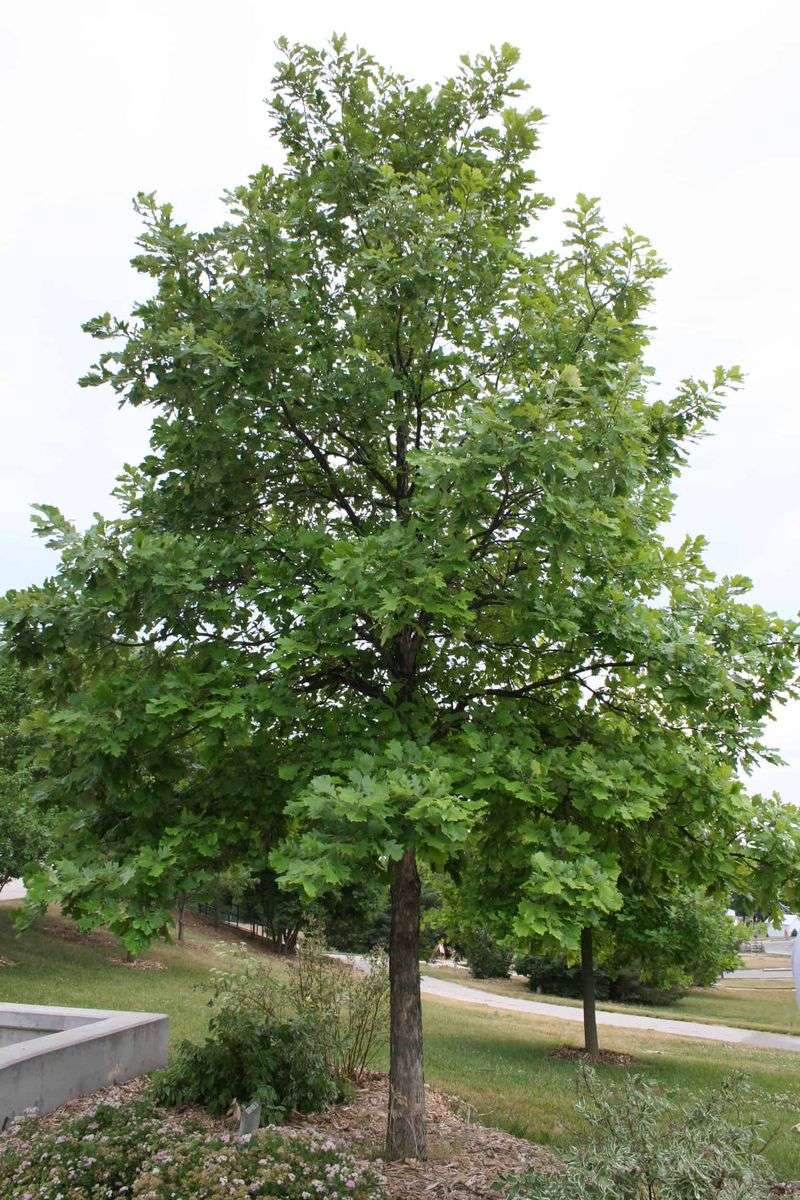
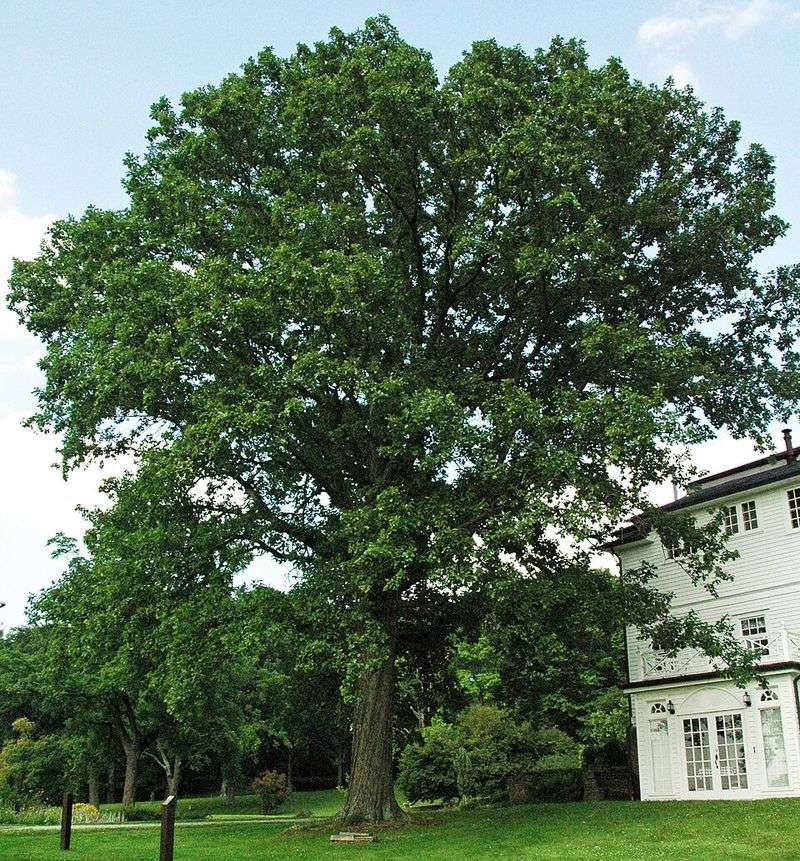
Few native trees in this region combine wildlife value, rugged beauty, and adaptability the way swamp white oak does. Quercus bicolor is native across much of the eastern United States, including a wide range of Ohio counties.
It naturally grows along stream edges, floodplain forests, and low-lying wooded areas. It handles moist, heavy, or seasonally wet soils better than most common yard trees, which makes it a practical choice for low spots many homeowners struggle to plant.
Mature swamp white oaks can reach 50 to 60 feet tall with a broad, rounded canopy, so site selection matters. Keep it well away from the house foundation, driveways, septic systems, and overhead power lines.
Given the right space, it becomes a long-lived anchor tree that supports an enormous variety of wildlife over decades.
As an oak, it carries serious ecological weight. Research by entomologist Doug Tallamy and others has highlighted that native oaks support hundreds of caterpillar species alone.
That makes them among the most wildlife-valuable trees a homeowner can plant. For fireflies, the tree matters less as a food source and more as a habitat builder.
It provides shade, leaf litter, and a quieter ground-level environment where firefly conditions can develop over time.
2. Its Shade Helps Keep Soil Cooler And Moist Longer
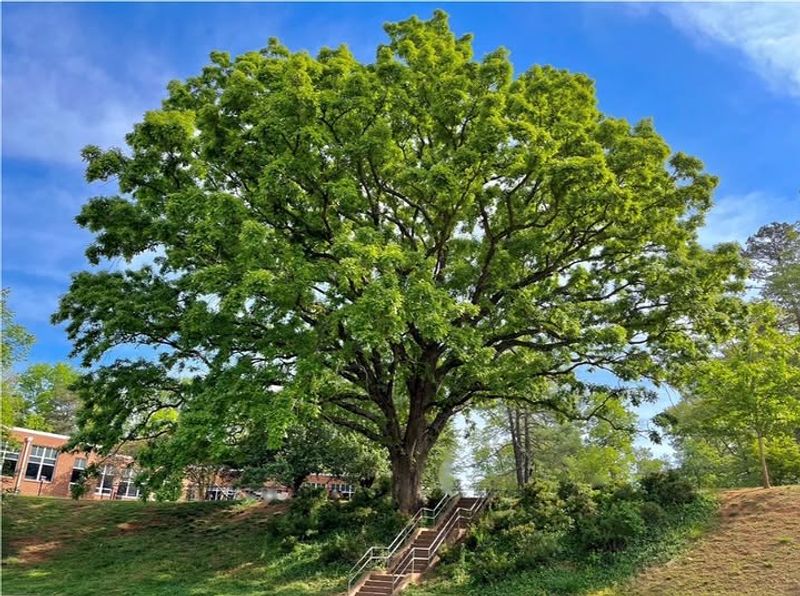
On a hot July afternoon, full sun and deep tree shade can create very different ground conditions. One can mean dry cracked soil, while the other keeps the ground noticeably cooler and more humid.
That microclimate matters for fireflies. Many firefly species prefer moist environments, and the shaded soil beneath a large canopy tree holds moisture longer than open lawn areas exposed to direct sun and wind.
Swamp white oak is particularly well-suited for yards that already have heavier clay soil, low-lying areas, rain garden edges, or spots that stay damp after a good rain. Its natural range includes floodplain margins and moist bottomlands, so it is genuinely adapted to handle those conditions without struggling.
That same moisture tolerance makes it useful precisely where firefly-friendly habitat is most likely to develop.
Your Ohio Garden Changes Every Week. Your Plan Should Too.
Gardening in Ohio changes quickly throughout the season. Every Friday you’ll receive a simple weekly plan showing exactly what to plant, prune, fertilize, harvest, and protect so you never miss the right timing.
Keep in mind that shade alone does not create firefly habitat. The soil still needs to support other conditions, including natural mulch, some leaf cover, and reduced foot traffic.
But a well-placed swamp white oak that shades a low, moist corner of the yard from spring through summer gives that area a real advantage. Over time, cooler shaded soil becomes a foundation for the layered ground-level habitat that fireflies use throughout their life cycle.
3. Fallen Leaves Create Shelter For Firefly Larvae
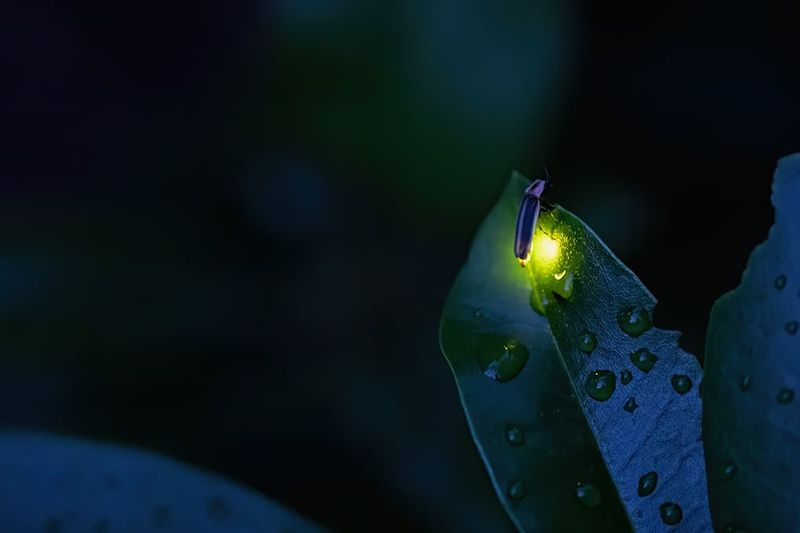
Most firefly species spend a surprisingly long time as larvae, often one to two years. They live close to the ground in leaf litter, loose soil, and the soft debris that builds up in undisturbed areas.
That ground-level layer is not just decoration. For firefly larvae, it is shelter, hunting ground, and overwintering cover all at once.
Swamp white oak produces large, leathery leaves that break down slowly compared to thinner leaves from some other trees. A natural layer of those leaves left in place under the tree can build a soft, protected ground layer.
This is especially useful in a naturalized or low-traffic area, where it benefits firefly larvae and the small invertebrates they feed on.
You do not need a thick, soggy pile to make this work. A loose, natural layer a few inches deep in a shaded, low-disturbance area is enough.
Avoid raking everything bare under the tree each fall. Instead, try leaving a ring of fallen leaves from the drip line inward.
Keep the area immediately around the trunk clear to prevent moisture buildup against the bark. This small shift in yard care habits can quietly improve habitat quality from one season to the next.
4. Moist Soil Around The Tree Supports Better Habitat
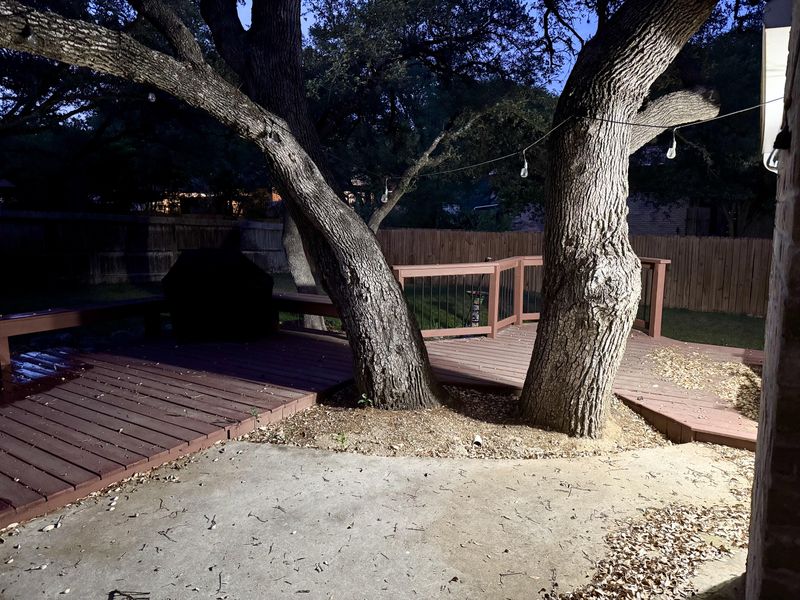
Swamp white oak earned its name for a reason. Unlike many popular landscape trees that struggle in wet feet or heavy clay, this species is genuinely adapted to soils that stay moist for parts of the growing season.
That tolerance makes it a smart choice for yards with low spots, areas near downspout drainage, or corners that tend to stay damp after spring rains.
Moist soil around the tree base supports small ground-level creatures and microbial activity. Natural mulch and shade help make the area more ecologically alive.
Fireflies, especially as larvae, benefit from that kind of layered, biologically rich soil environment. Moist shaded edges are simply more productive habitat than dry, compacted, sun-baked turf.
One important note: moist is not the same as waterlogged. Swamp white oak can handle seasonal flooding and heavy soils.
It should not be planted where roots sit in stagnant standing water throughout the entire growing season. Good drainage still matters for long-term tree health.
A spot that drains slowly but does eventually dry out between rain events is ideal. Getting the site right from the beginning protects both the tree and the habitat it is meant to support over the long run.
5. Native Underplanting Makes The Area Even More Useful
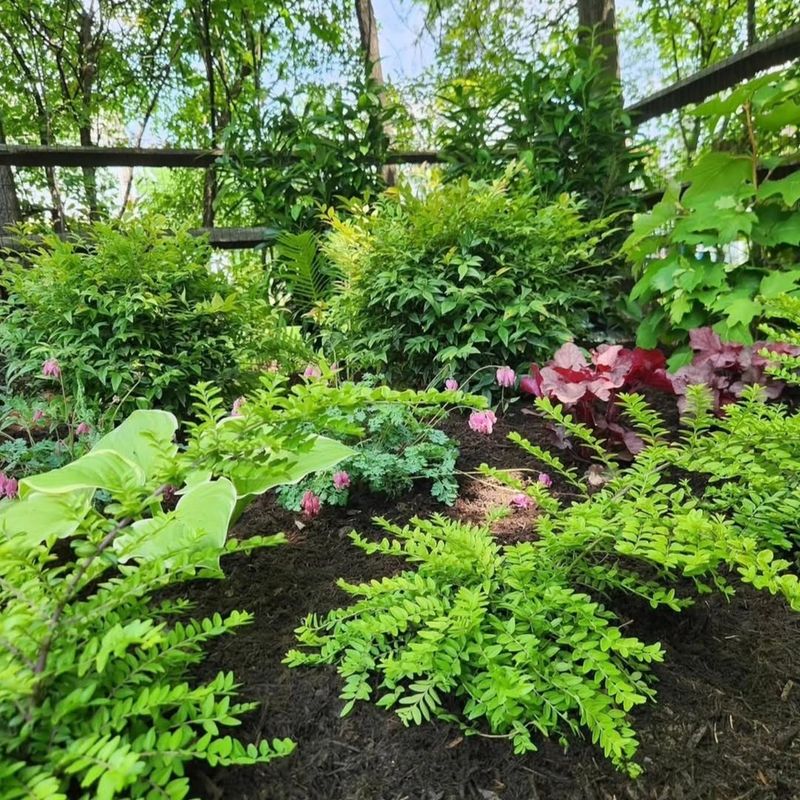
A plain lawn stretching right up to the trunk of a swamp white oak misses a big opportunity. The shaded, moist zone beneath and around a mature oak is one of the best places in a typical yard to build a genuinely layered habitat.
Adding native understory plants turns a single tree into a small functioning ecosystem.
For moist shaded areas in this region, good candidates include native sedges like Pennsylvania sedge, Carex pensylvanica, and broad-leaved sedge, Carex platyphylla. Native ferns such as cinnamon fern and sensitive fern thrive in moist, shaded spots.
Violets, wild ginger, and woodland phlox can fill in lower layers while supporting pollinators and other insects at the same time. These plants create the soft, multi-layered ground structure that firefly larvae and other beneficial insects use for shelter and hunting.
You do not need to transform the entire yard at once. Start by letting the leaf litter accumulate naturally under the tree, then add a few native plants along the outer edge of the drip line.
Over several seasons, that corner of the yard becomes noticeably richer with insect activity, including the fireflies you are hoping to attract. A layered planting under an oak is one of the most rewarding habitat projects a homeowner can take on.
6. Skipping Pesticides Protects The Insects Fireflies Depend On
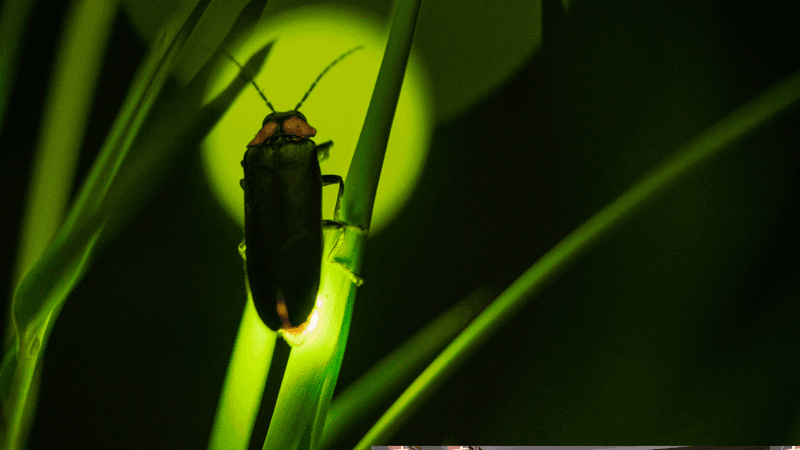
Routine pesticide use is one of the quietest ways a yard can become less welcoming to fireflies without the homeowner ever realizing it. Broad-spectrum insecticides do not just target the pest you are trying to manage.
They affect a wide range of insects in the treated area, including beetles and ground-dwelling invertebrates. They can also harm the small soft-bodied creatures that firefly larvae feed on in the soil and leaf litter.
Fireflies belong to the beetle family Lampyridae, and like many beetles, they are sensitive to chemical disruption at multiple life stages. Treating the ground around your swamp white oak habitat area with insecticides can reduce insect diversity.
That includes products marketed as natural or organic, which can still affect the habitat you are trying to build. The goal is to leave that shaded, moist corner of the yard as chemically undisturbed as possible.
If pest problems appear elsewhere in the yard or garden, use integrated pest management approaches. Identify the specific pest before treating, choose the most targeted option available, and keep treatments well away from the habitat area.
Many pest issues in home landscapes can be managed without broad-spectrum sprays at all. Protecting the insect community around your swamp white oak is one of the most direct ways to keep the habitat functional for fireflies season after season.
7. Less Mowing Beneath The Tree Keeps The Habitat Intact
Running a mower right up to the base of a swamp white oak every week does more than just trim grass. It compacts soil, shreds leaf litter, disrupts ground-level insects, and removes the soft low vegetation that creates usable shelter near the ground.
Frequent mowing under trees is one of the most common ways homeowners accidentally reduce the habitat value of an otherwise good yard space.
A practical solution is to create a natural ring beneath the tree, starting from the trunk and extending outward toward the drip line. Fill that ring with a thin layer of wood chip mulch, fallen leaves, and native low plants rather than maintaining tight turf right to the bark.
This approach also protects tree roots from mechanical damage and reduces the soil compaction that mower tires cause over time.
Keep the mulch a few inches away from the actual trunk to allow airflow and prevent bark moisture problems. The ring does not need to look wild or unkempt to be effective.
A tidy, defined border between the naturalized zone and the mowed lawn looks intentional and fits comfortably in most neighborhood settings. Reducing disturbance in that one shaded area gives firefly larvae and other ground-level insects a better chance.
Even a modest ring can help them complete their life cycle undisturbed.
8. Darker Nights Help Fireflies Glow And Find Each Other
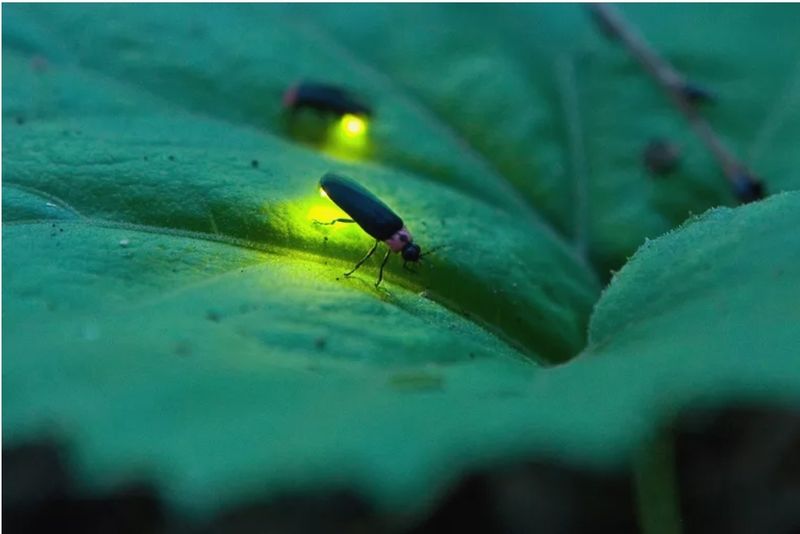
Fireflies communicate through light. Males flash specific patterns, females respond, and the whole remarkable system depends on being able to see those signals clearly against a dark background.
Bright outdoor lighting can drown out those flashes. That makes it harder for fireflies to find mates and can reduce reproductive success in yards that might otherwise have good habitat.
Light pollution is a real and growing concern for firefly populations across the country. Even a single bright floodlight aimed across the yard during peak firefly season can interfere with activity in the immediate area.
In many parts of this state, that season runs roughly from late May through July. The habitat you build under your swamp white oak works best when the surrounding nighttime environment supports firefly signaling rather than competing with it.
Some simple adjustments make a genuine difference. Turn off decorative string lights, porch floods, and landscape spotlights during firefly season when you are not actively using the outdoor space.
Switch to motion-activated lights so they are off most of the time. Close curtains on bright indoor rooms that face the yard at night.
Lower the brightness setting on any lights you do need to keep on. None of these changes require major investment, and together they give the fireflies in your yard a better chance to find each other on warm summer nights.