Native Ohio Shrubs To Grow Instead Of Forsythia Along Property Lines
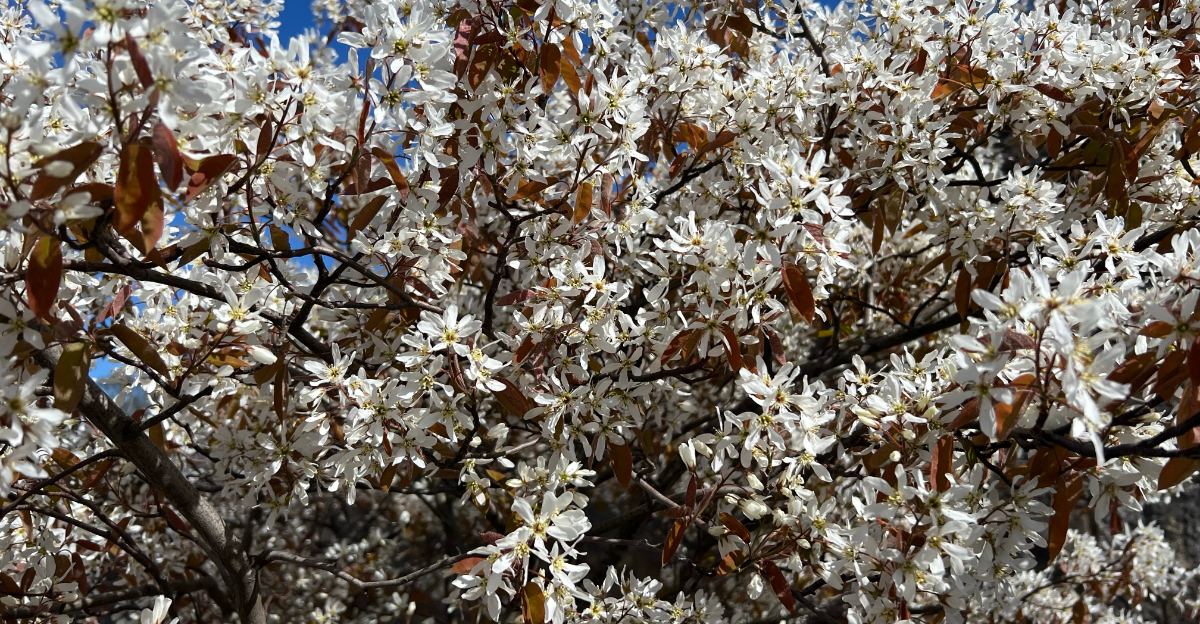
Forsythia has been the default property line shrub in Ohio for so long that most people stopped questioning it. Forsythia gives you two weeks of yellow blooms in early spring.
Then it offers eleven months of unremarkable green that does little for the wildlife passing through Ohio yards. It’s not a bad shrub.
It’s just a borrowed one, imported and widely planted without much consideration for what it doesn’t offer. Ohio has native shrubs that bloom with just as much impact, sometimes more, and then keep contributing to the yard long after the flowers are gone.
Berries for birds, habitat for native insects, fall color that forsythia never comes close to matching. Property lines don’t have to be a compromise between privacy and performance.
The right native shrub delivers both, and does it while actually belonging to this landscape.
1. Serviceberry Adds Spring Flowers And Early Summer Fruit
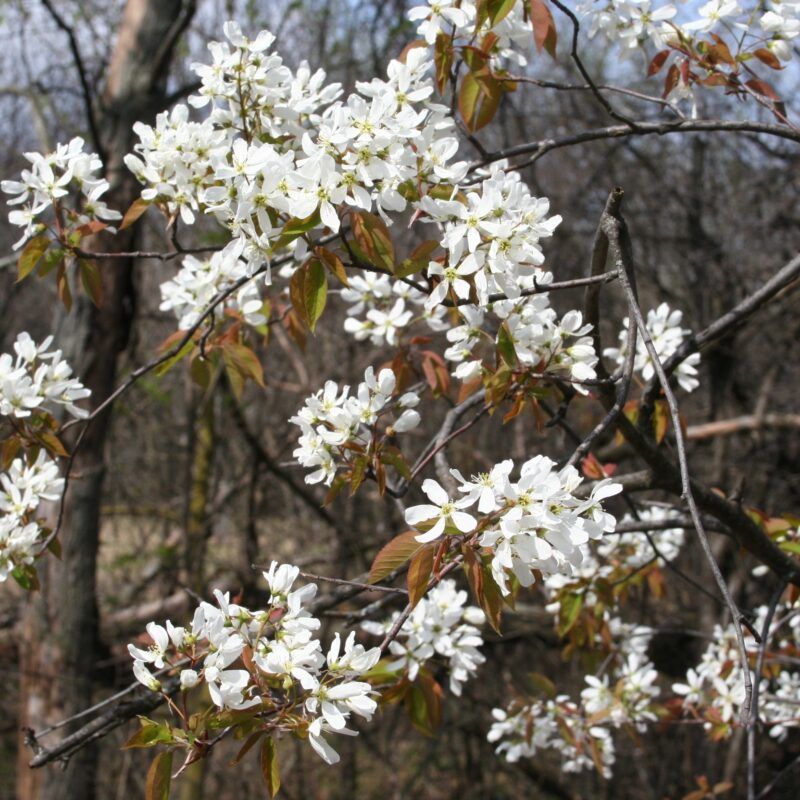
Few shrubs pack as much seasonal value into one plant as serviceberry. Known botanically as Amelanchier, this native shrub or small multi-stemmed tree opens clouds of white flowers in early spring.
It often blooms right around the same time as forsythia. The flowers are delicate and bright, and they show up before most other plants have even started leafing out.
By early summer, the flowers give way to small, round berries that ripen from red to deep purple. The fruit is genuinely tasty, with a mild, sweet flavor similar to a blueberry.
However, birds are very fast to find ripe serviceberries, so expect to share most of the harvest with robins, cedar waxwings, and other backyard visitors.
Fall color is another strong selling point. Serviceberry foliage turns shades of orange, red, and gold before dropping, giving the property line a warm seasonal finish.
Most species grow 8 to 15 feet tall at maturity, so give it enough room and avoid planting it directly under utility lines.
Serviceberry grows best in full sun to part shade and prefers well-drained, slightly acidic soil. It handles average moisture well and needs regular watering during its first two seasons.
Once established, it is a reliable, low-maintenance native shrub with year-round appeal that far outlasts a forsythia planting.
2. Ninebark Builds A Tough Native Screen With Seasonal Texture
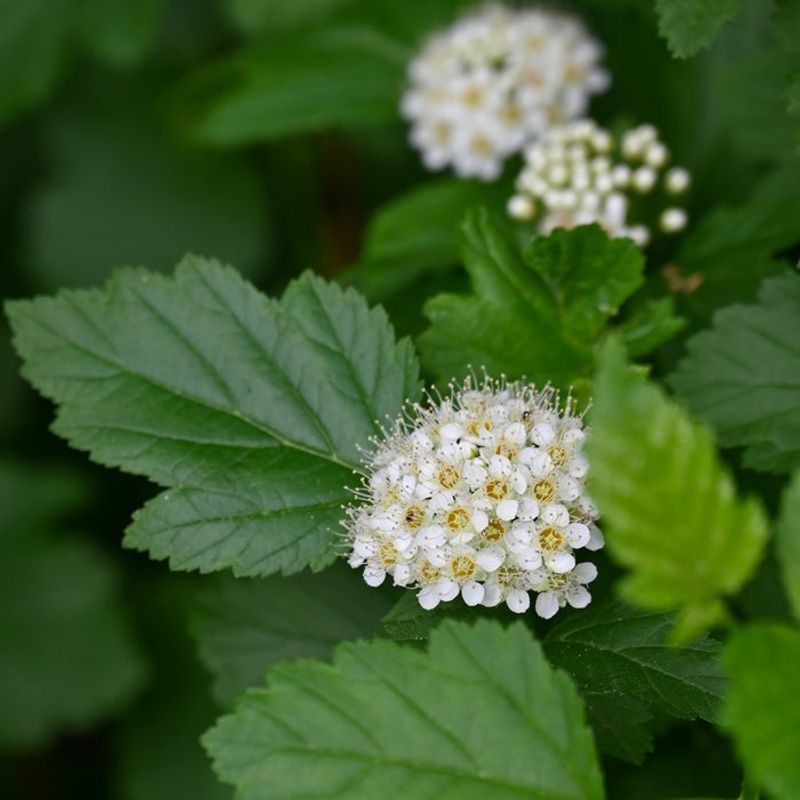
If you need a workhorse shrub that can fill a property line and handle tough conditions, ninebark deserves a close look. Physocarpus opulifolius is native to much of the eastern United States, including many parts of this state.
It earns its reputation as one of the most adaptable native shrubs available to home gardeners.
Spring brings clusters of small white to pale pink flowers that attract bees and other pollinators. After the blooms fade, inflated seed capsules appear and add interesting texture through summer and into fall.
The bark on older stems peels in thin strips, revealing cinnamon and tan layers underneath. That gives the plant visual interest even in winter when the garden is otherwise bare.
Ninebark grows well in full sun to part shade and tolerates a wide range of soils, including clay, once it gets established. Mature plants typically reach 5 to 10 feet tall and wide, depending on the cultivar and growing conditions.
Your Ohio Garden Changes Every Week. Your Plan Should Too.
Gardening in Ohio changes quickly throughout the season. Every Friday you’ll receive a simple weekly plan showing exactly what to plant, prune, fertilize, harvest, and protect so you never miss the right timing.
It can be pruned after flowering to maintain a more manageable size along a formal or semi-formal property line.
Many nurseries sell cultivars with burgundy, gold, or chartreuse foliage. These selections still offer the same structural value and wildlife benefits as the straight species.
Watering regularly during the first two growing seasons will help any new planting root in well and build the drought tolerance ninebark is known for.
3. Chokeberry Brings White Blooms, Dark Berries, And Fall Color
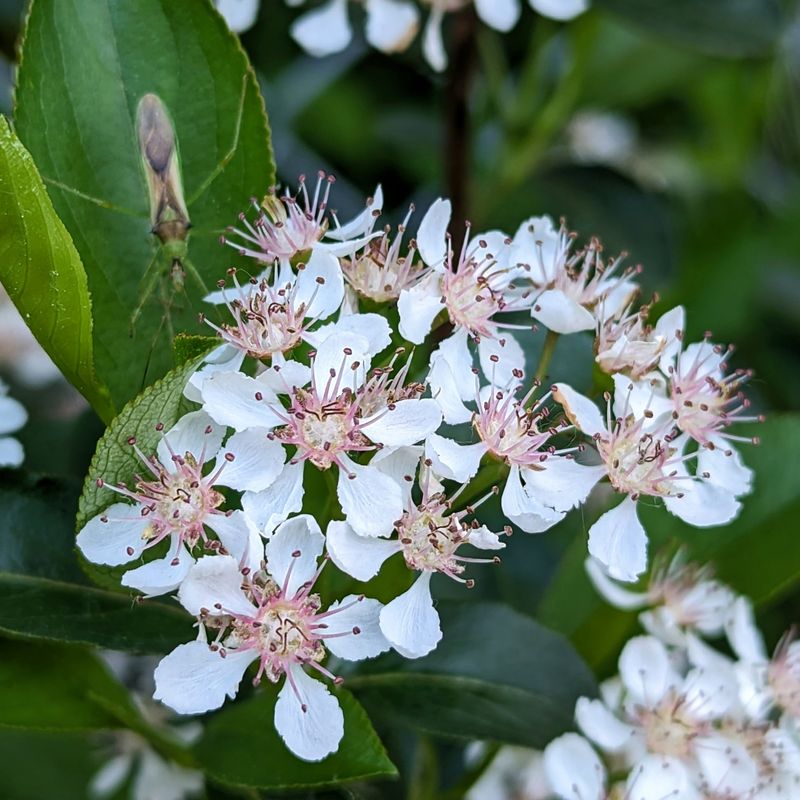
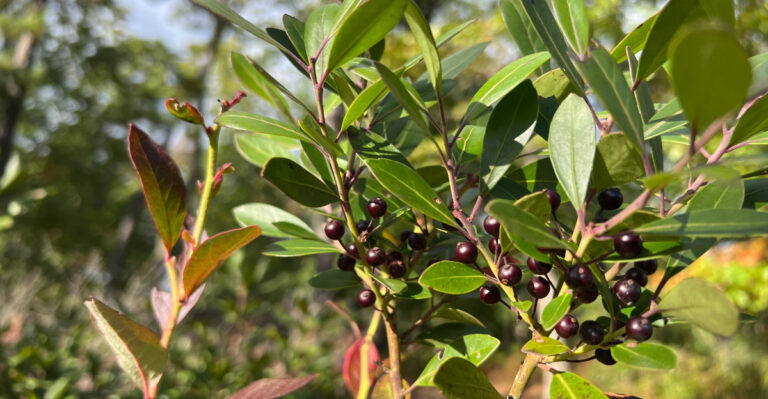
Chokeberry might not be the flashiest name in the native plant world, but Aronia is one of the most hardworking shrubs you can plant along a property line. It blooms in spring with clusters of small white flowers that attract early pollinators.
It also sets dark berries by late summer and puts on a genuinely impressive fall color show in shades of red and burgundy.
The berries are very astringent when eaten fresh off the shrub, which is where the common name comes from.
They are not pleasant for most people to eat raw, but birds find them valuable, and the fruit is sometimes used in jams, juices, and other processed foods.
Wildlife hedges benefit greatly from a few chokeberry plants mixed in with other native shrubs.
Two species are commonly available: red chokeberry (Aronia arbutifolia) and black chokeberry (Aronia melanocarpa). Both are native to the eastern United States and grow well across most of this state.
Black chokeberry tends to be more compact and is often the easier choice for a tidier property-line planting.
Chokeberry tolerates wet soil better than many shrubs, which makes it a good option for low areas or moist edges. It can sucker and slowly spread into a colony over time, which is useful for a natural hedge but worth monitoring in smaller spaces.
Established plants are quite drought-tolerant once their root systems are fully developed.
4. Elderberry Turns A Loose Boundary Into A Wildlife Hedge
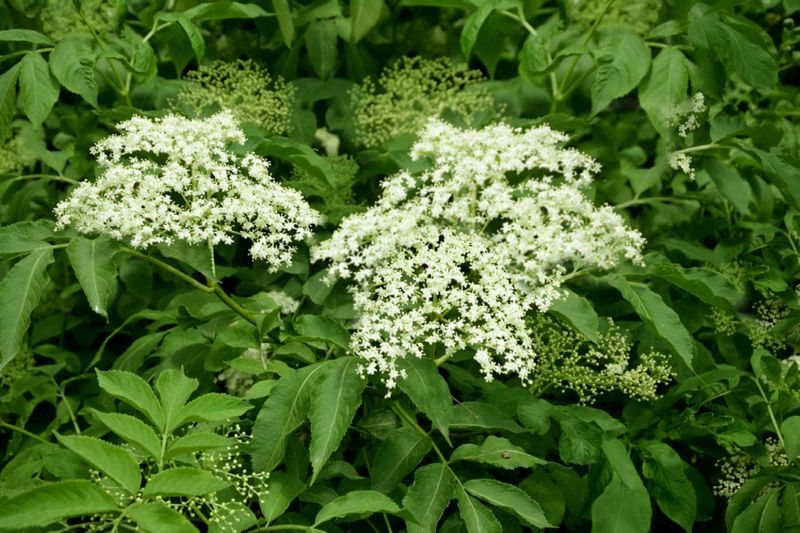
Along a sunny or partly sunny property line where there is plenty of room, elderberry brings a generous, loose presence that few other native shrubs can match.
Sambucus canadensis, the native American elderberry, grows quickly into a large, arching shrub that can reach 8 to 12 feet tall and wide in good conditions.
Its flat-topped clusters of creamy white flowers appear in early summer and are genuinely beautiful up close.
Dark purple-black berries follow in late summer and are highly attractive to birds, including mockingbirds, catbirds, and many others. Elderberries are also used by people in cooked preparations like elderberry syrup, jelly, and wine.
However, it is essential to know that the fruit must be properly cooked before eating. Leaves, stems, roots, and unripe berries contain compounds that can cause serious digestive distress and should not be consumed.
Elderberry grows best in moist, fertile soil with good sun exposure. It can handle some shade but tends to sprawl more and flower less in low-light conditions.
Because it spreads by root suckers and can form a wide colony, it is better suited to naturalized or informal property edges than to tight, clipped hedges.
Give elderberry plenty of space and some supplemental water during dry periods, especially in its first two growing seasons. Pruning older canes back periodically helps keep the plant vigorous and encourages fresh, productive growth each year.
5. Gray Dogwood Fills Property Lines With Flowers And Berries
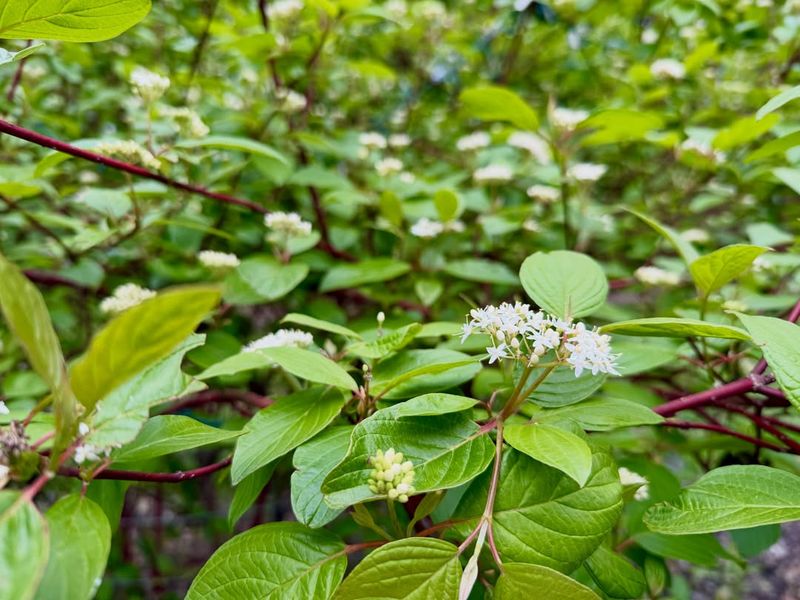
Gray dogwood is one of those native shrubs that earns its place on a property line by doing several things well at once.
Cornus racemosa produces flat-topped clusters of small white flowers in late spring and early summer that attract a wide range of native bees and other pollinators.
After the flowers fade, white berries form on bright red stems, creating a striking contrast that stands out clearly through late summer and into fall.
Birds are strongly attracted to the berries, and the dense, thicket-forming structure of gray dogwood provides excellent nesting cover and shelter.
For a wildlife-friendly property-line planting, it is hard to find a better native shrub that also offers this much visual interest across multiple seasons.
One thing to plan for is that gray dogwood spreads by root suckers and can gradually expand into a wide colony. For a naturalized border or informal wildlife hedge, that spreading habit is actually an asset.
For a more controlled or formal edge, it requires consistent monitoring and occasional removal of suckers to keep it in bounds.
Gray dogwood grows in full sun to part shade and tolerates a range of soils, including Ohio clay and dry sites once established. Mature plants typically reach 6 to 10 feet tall.
Fall foliage turns attractive shades of reddish-purple, adding one more season of interest before the leaves drop and the red stems carry the show through winter.
6. Buttonbush Works Where The Property Edge Stays Moist
Not every property line is dry and sunny. Low areas, drainage swales, rain garden edges, and spots near downspout runoff can stay consistently wet through much of the growing season.
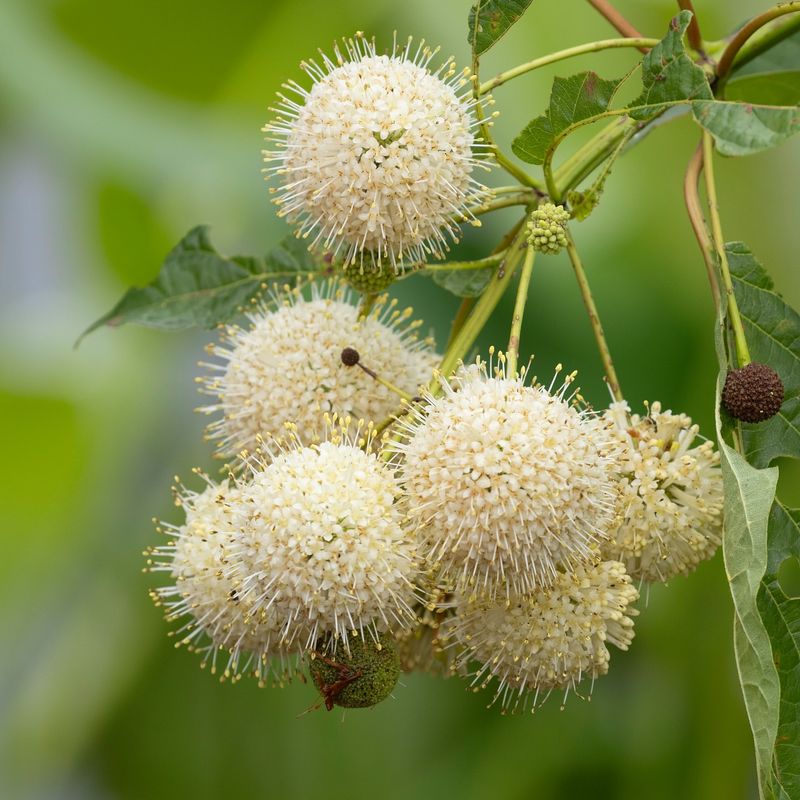
Most common shrubs struggle in those conditions. Buttonbush, Cephalanthus occidentalis, is one of the few native shrubs that genuinely thrives in wet or moisture-retentive soil and also brings real ornamental value.
The flowers are unlike almost anything else in the native plant world. Round, globe-shaped white flower heads appear in midsummer and look almost like something from a science fiction plant catalog.
They are highly attractive to butterflies, native bees, and hummingbirds, making buttonbush an excellent pollinator plant for a wet property edge.
Buttonbush is not the right choice for a dry, hot, exposed slope or a well-drained raised border. It needs consistent moisture to perform well, and planting it in dry conditions will lead to poor growth and stress.
In the right spot, though, it can become a large, rounded shrub reaching 6 to 12 feet tall and wide, so allow plenty of room.
Fall fruit clusters are small and round, and they provide food for waterfowl and other wildlife in low, wet areas.
Buttonbush grows in full sun to part shade and is native across much of the eastern United States, including wetland edges and stream banks throughout this state.
Water new plants regularly until they are fully established in their site.
7. Spicebush Lights Up Woodland Edges With Early Yellow Blooms
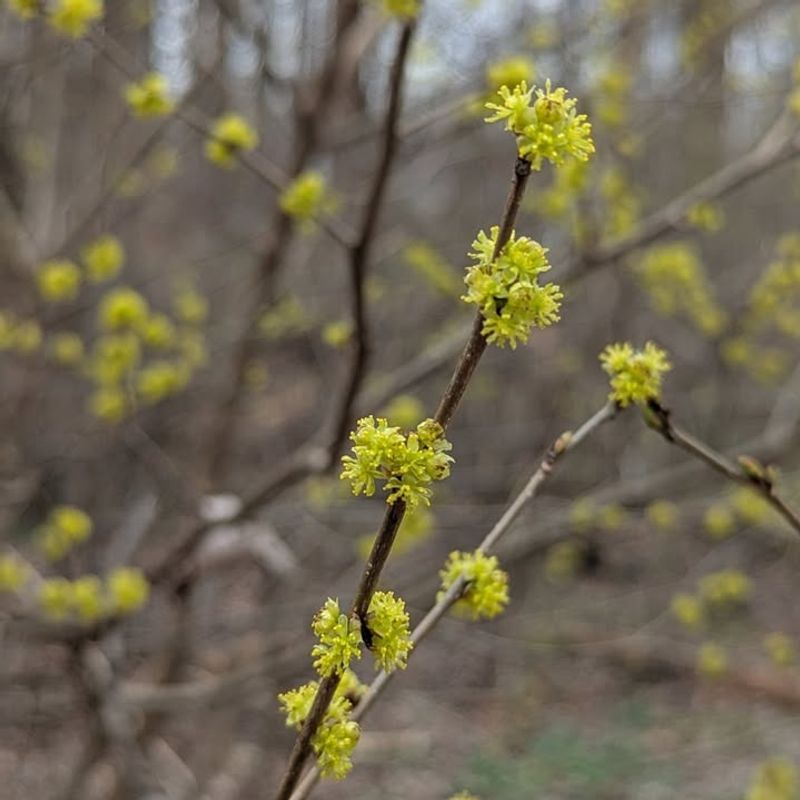
For gardeners who love forsythia specifically because of its early yellow spring flowers, spicebush is the native answer worth trying. Lindera benzoin blooms very early in spring, often before forsythia.
Its small clusters of bright yellow flowers appear directly on the bare stems before any leaves emerge. The effect is cheerful, delicate, and surprisingly similar in spirit to forsythia, even though the flowers themselves are much smaller.
Spicebush is at its best along woodland edges, in part shade, and in rich, moist soil. It does not perform as well in full sun with dry, compacted conditions, so it is not a straight swap for forsythia in every situation.
If your property line runs along a tree line, a wooded area, or a shaded fence, spicebush fits naturally into that setting.
Female plants produce small, oval, bright red berries in fall if a male plant is growing nearby. The berries are highly attractive to migrating birds, including wood thrushes and veeries.
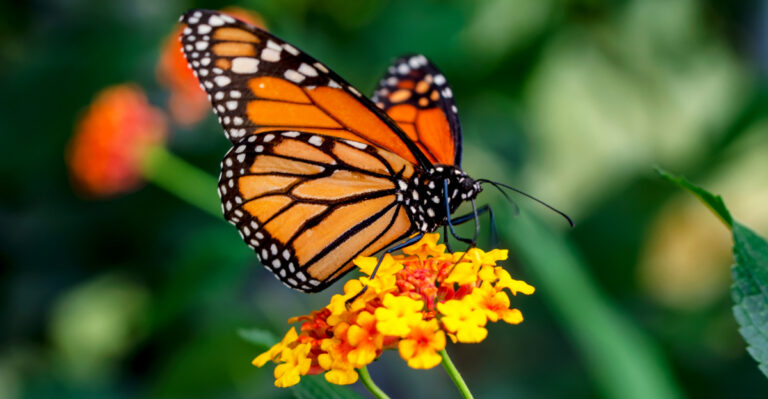
Spicebush is also the primary larval host plant for the spicebush swallowtail butterfly, which makes it an important addition to any pollinator-friendly property.
The foliage turns a clear, soft yellow in fall before dropping. All parts of the plant have a pleasant spicy-citrus fragrance when crushed, which is a fun detail to share with visitors.
Mature plants typically reach 6 to 12 feet tall and wide, so give them space to develop their natural rounded form without crowding.
8. American Hazelnut Creates A Natural Shrubby Border
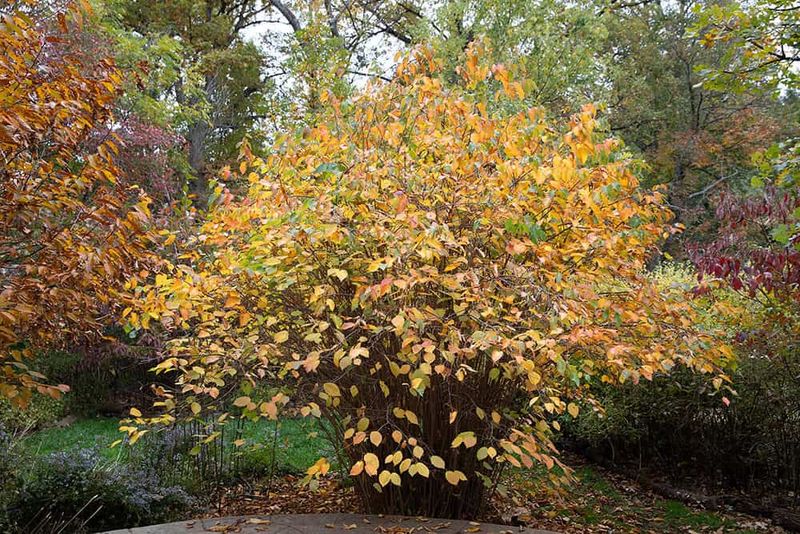
American hazelnut has a quiet, unpretentious personality that suits a natural property-line planting perfectly. Corylus americana is a multi-stemmed native shrub that can reach 8 to 16 feet tall over time.
It forms a dense, rounded thicket of stems that provides solid screening and excellent wildlife cover through every season.
One of its best early-season features is its catkins. Long, dangling male catkins appear in late winter or very early spring, well before most other plants show any sign of life.
They are subtle compared to forsythia’s yellow blaze, but they have a soft, graceful charm that feels genuinely native and seasonal. Small female flowers appear on the same plant at the same time.
By late summer, hazelnuts form in papery husks and ripen to a rich brown. Squirrels, deer, turkeys, and other wildlife find them quickly, so do not count on harvesting many for yourself unless you are very attentive.
Nut production tends to be better when more than one compatible plant is growing nearby. Planting two or three together is a practical approach for both wildlife value and potential harvest.
American hazelnut grows in full sun to part shade and adapts to a range of soil types, including clay. It spreads gradually by root suckers, which helps it fill a natural border over time but requires occasional management if space is limited.
This is a shrub built for informal, naturalized property lines rather than clipped formal hedges, and it looks best when allowed to grow in its natural layered form.