8 Minnesota Lawn Pests Most Homeowners Mistake For Drought Damage Every Summer
It’s a sweltering July afternoon, and I’m standing in my backyard with a hose in one hand and complete confusion in the other. My Minnesota lawn, which looked absolutely gorgeous just two months ago, now resembles a sad patchwork quilt of brown and green.
I watered faithfully. I waited patiently.
Nothing worked. Turns out, I was solving the wrong problem entirely.
Here’s what nobody tells you about Minnesota lawns in summer: drought and pest damage look almost identical. Brown patches, thinning grass, bare spots that just won’t recover.
Many homeowners spend entire summers watering like champions while sneaky insects quietly feast on roots underground. The lawn isn’t thirsty.
It’s under attack. Before you drag out the hose again, let’s talk about the most common culprits hiding beneath the surface.
Your lawn, your water bill, and your summer sanity will all thank you.
1. White Grubs
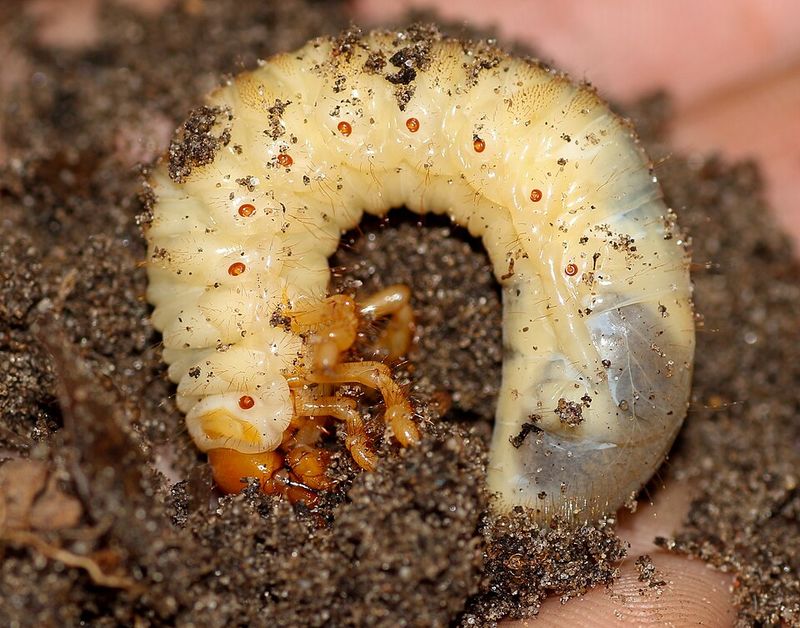
Pull back a patch of struggling grass and you might meet the real culprit. White grubs are the larvae of beetles like Japanese beetles and June bugs, and they spend the summer feeding on grass roots just below the soil surface.
By the time your lawn turns brown, they have already done serious damage.
Most homeowners assume the brown patches are from heat or lack of water. The telltale sign of grubs is that the dead grass lifts up like a loose carpet because the roots are completely gone.
You can also spot raccoons, skunks, or birds digging up your yard at night, since they are hunting the grubs underneath.
To check for grubs, cut a one-square-foot section of lawn about three inches deep and count the larvae. Finding five or more grubs per square foot means you have a problem worth treating.
Beneficial nematodes are a natural, soil-safe option that many Minnesota homeowners swear by.
Timing matters a lot with grub control. Apply treatments in late July through August when the young grubs are close to the surface and most vulnerable.
Waiting too long means the grubs burrow deeper and become nearly impossible to reach with surface treatments.
The good news is that catching grubs early gives your lawn a real shot at recovery. Overseeding damaged areas in early fall helps fill in the bare patches before winter sets in.
Healthy, thick turf is your best long-term defense against a repeat infestation.
2. Chinch Bugs
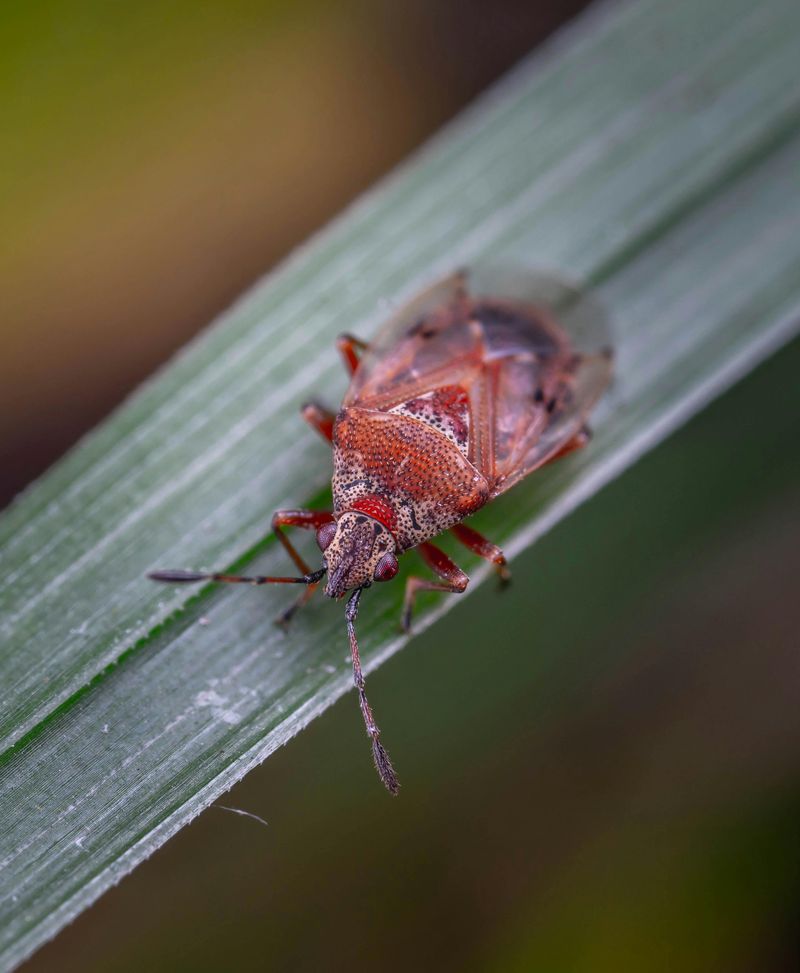
Tiny but ruthless, chinch bugs can quietly unravel a healthy Minnesota lawn in just a few weeks. These tiny insects measure about 1/6 to 1/5 of an inch long.
They are most active when temperatures climb above 80 degrees, which is exactly when homeowners assume drought is the problem.
What makes chinch bugs so deceptive is how they feed. They pierce grass stems and suck out the plant juices while injecting a toxin that blocks the grass from absorbing water.
The lawn literally cannot hydrate itself, so it looks and acts like it is drought-stressed even if you water every single day. The damage usually starts in sunny, open areas and expands outward in irregular rings.
Your Minnesota Garden Changes Every Week. Your Plan Should Too.
Gardening in Minnesota changes quickly throughout the season. Every Friday you’ll receive a simple weekly plan showing exactly what to plant, prune, fertilize, harvest, and protect so you never miss the right timing.
To check for chinch bugs, part the grass at the edge of a brown patch and look closely at the soil surface. You might need a magnifying glass, but you will see them moving quickly when disturbed.
The coffee can method also works: cut both ends off a can, push it into the soil, fill it with water, and watch for bugs floating to the top.
Keeping your lawn well-watered and avoiding over-fertilizing with nitrogen reduces chinch bug pressure significantly. Thick thatch layers create perfect hiding spots for these pests, so dethatching in spring makes a big difference.
Chinch bugs are especially common in Minnesota during hot, dry summers from June through August, with Kentucky bluegrass lawns being the most vulnerable.
Resistant grass varieties like endophyte-enhanced fescues are worth considering for lawns with a history of chinch bug trouble.
3. Sod Webworms
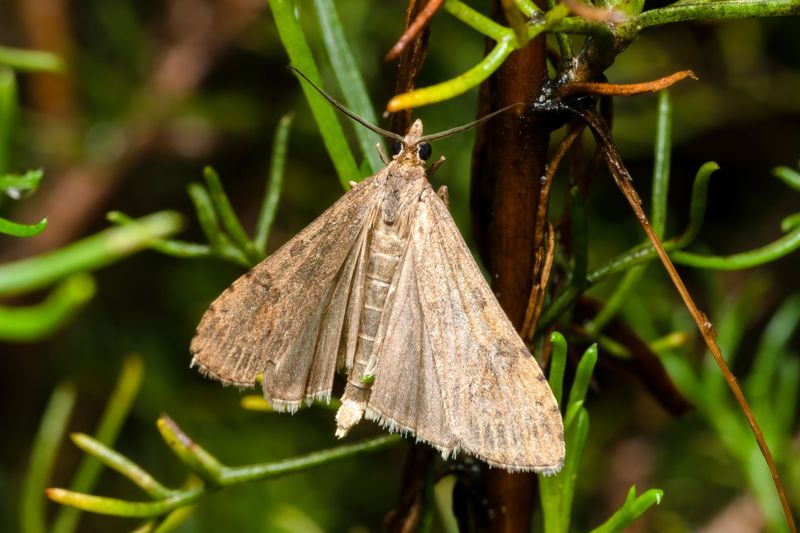
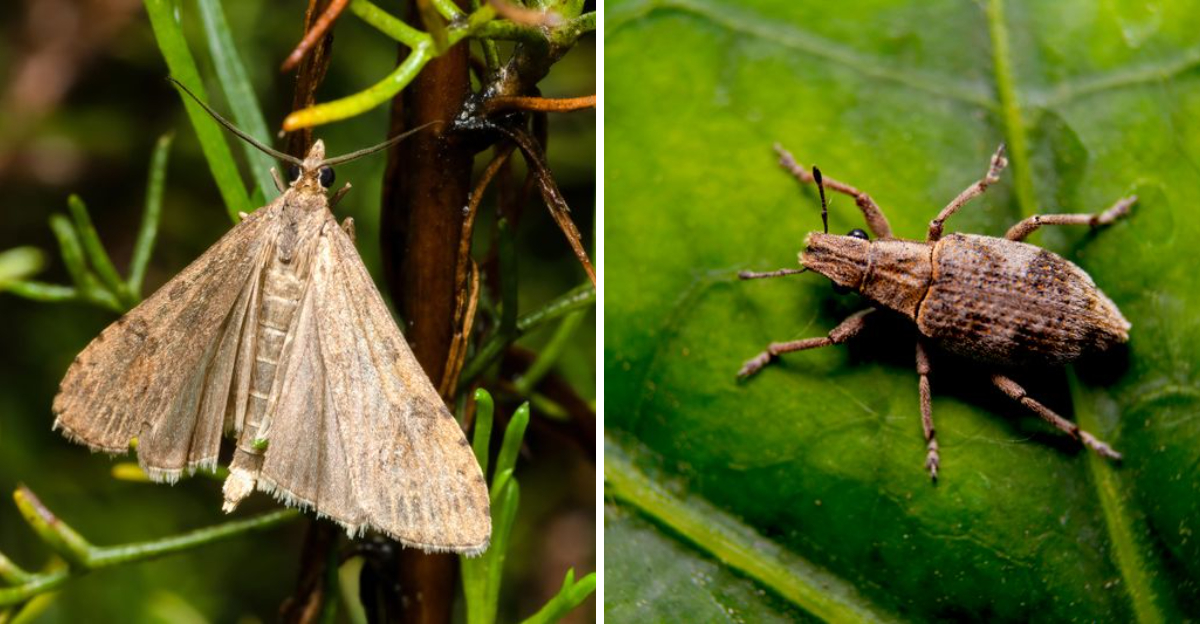
Tiny moths zigzagging across your lawn at dusk are not just harmless visitors. Those erratic fliers are sod webworm adults laying eggs that will soon hatch into hungry caterpillars ready to feed on your grass.
The moths themselves cause no damage, but their offspring are a different story entirely. Sod webworm larvae feed on grass blades at night, cutting them off near the soil surface.
Sod webworm larvae feed on grass blades at night, cutting them off near the soil surface and dragging pieces into their silk-lined tunnels in the thatch layer.
The result looks exactly like drought stress: irregular brown patches that spread fast during hot, dry stretches of summer.
Watering more does absolutely nothing to fix it.
One clever way to confirm sod webworms is the soap flush test. Mix two tablespoons of dish soap with a gallon of water and pour it over a suspicious patch.
Within a few minutes, the larvae will crawl to the surface where you can count them. More than fifteen per square yard signals a real infestation.
Birds pecking frantically at one section of your yard are another clue worth paying attention to. They are picking off the caterpillars below, which sounds helpful but also means the population is large enough to attract attention.
Bacillus thuringiensis, a natural bacterial treatment, works well against young larvae without harming pollinators.
Mowing at the right height keeps your lawn less attractive to egg-laying moths. Taller grass shades the soil and makes it harder for larvae to thrive.
A few simple lawn habits go a long way toward keeping these sneaky pests from ruining another summer.
4. Billbugs
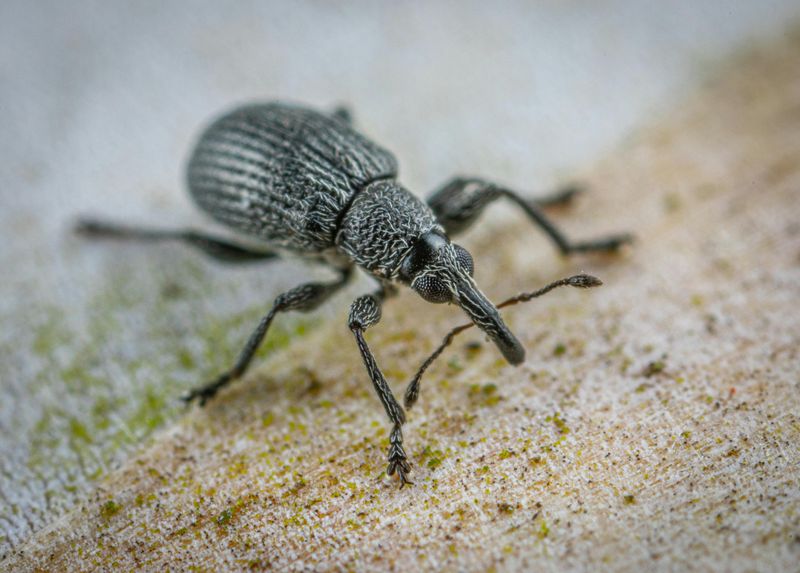
Billbugs do their worst work in silence, and most homeowners never even know they were there. Adult billbugs are stocky, dark-colored weevils that lay eggs in grass stems during late spring.
By the time summer heat arrives, their legless larvae are tunneling through the crown of the plant and into the root zone.
The damage pattern looks almost identical to drought: tan, straw-colored patches that start small and grow steadily through July and August. Pull on a handful of dead grass and the stems snap off cleanly at soil level, which is a classic billbug calling card.
Unlike grub damage, the turf does not pull up like a rug because the roots may still be partially intact.
A simple way to confirm billbug activity is to look for a sawdust-like frass near the base of grass stems in damaged areas. This powdery material is a byproduct of the larvae feeding inside the plant tissue.
You can also find the adults walking across driveways and sidewalks in late spring as they move to new feeding sites.
Billbugs are notoriously hard to treat once the larvae are established deep in the soil. Preventive insecticides applied in late spring when adults are actively moving give the best results.
Improving lawn health through proper watering, aeration, and overseeding creates a thicker stand of grass that is naturally more resilient against billbug pressure next season.
5. Armyworms
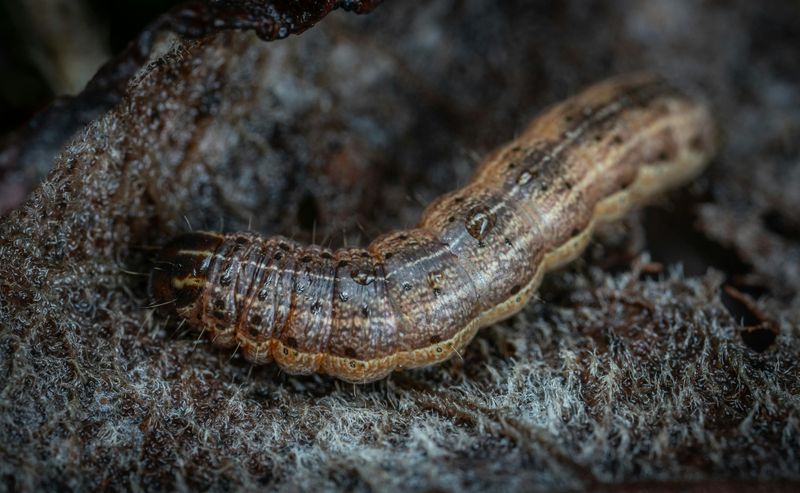
Armyworms earned their name for a reason: they move in massive groups, sweeping across lawns and consuming everything in their path rapidly. These striped caterpillars can devastate a full lawn in as little as three to seven days.
The speed of their damage is what catches most homeowners completely off guard.
Fall armyworms are the most common species causing problems in upper Midwest lawns during summer. They feed on grass blades from the tip downward, leaving a ragged, brownish appearance across wide sections of turf.
Unlike other pests that work slowly, during large outbreaks, armyworms can move the visible damage line several feet overnight.
Check for armyworms by inspecting your lawn early in the morning or after dusk when they are most active. During the heat of the day, they burrow into the thatch to hide, making them easy to miss.
The soap flush method works well here too: pour soapy water over a suspicious patch and watch the caterpillars emerge within minutes.
Birds swarming your lawn in unusual numbers are one of the earliest warning signs of an armyworm outbreak. Starlings and robins will work a lawn hard when the caterpillars are present in large numbers.
Treating with a product containing spinosad or Bacillus thuringiensis right when you notice feeding activity gives the best chance of stopping the spread before it gets out of hand.
6. Hairy Chinch Bugs
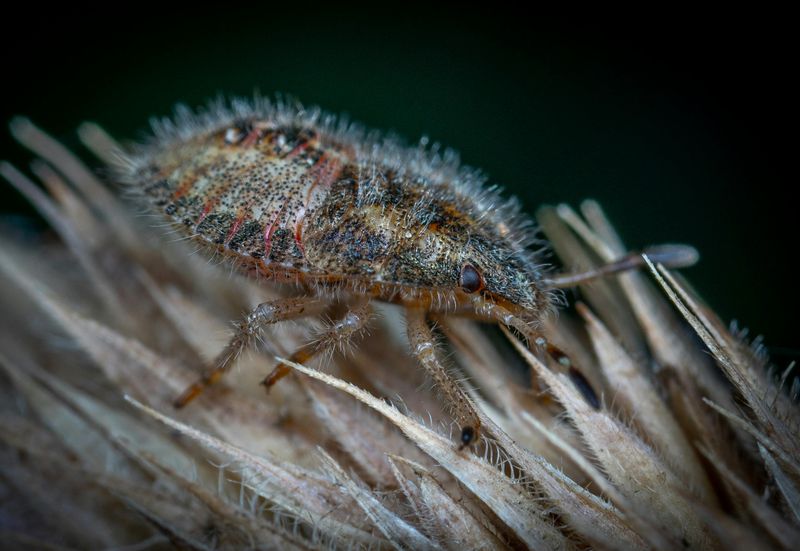
Meet the hairy chinch bug, the most common lawn pest in Minnesota and just as sneaky and damaging as its relative. The name comes from the fine hairs covering their bodies, which you would need a hand lens to appreciate.
What you will notice without any magnification is the spreading yellow and brown patches they leave behind in sunny lawn areas.
These bugs thrive in dense, thatchy turf where they can hide from predators and the elements. They prefer fine fescue and Kentucky bluegrass, which happen to be two of the most popular lawn grasses in the state.
Hot, dry conditions actually accelerate their feeding and reproduction, so drought-like weather creates the perfect storm for hairy chinch bug outbreaks. In Minnesota, that means June through August is peak danger season for affected lawns.
The toxic saliva they inject while feeding is what makes the damage so persistent. Even after you eliminate the bugs, the affected grass may not recover right away because the toxin continues to block water uptake for a short time.
This delayed recovery frustrates homeowners who treat the problem correctly but expect instant results.
Reducing thatch to less than half an inch is one of the most effective preventive steps you can take. Thatch acts as both a shelter and a breeding ground for these pests, so keeping it thin removes their comfort zone.
Watering deeply but infrequently also helps, since consistently moist soil at the surface actually discourages hairy chinch bug populations from exploding.
7. Annual Bluegrass Weevils
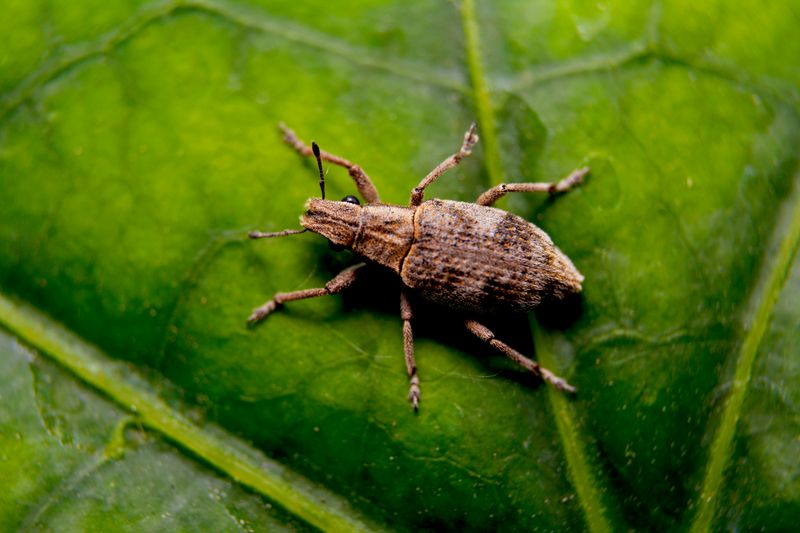
Annual bluegrass weevils have officially left the golf course. Adults overwinter in leaf litter along lawn edges and emerge in spring just as forsythia blooms, which gives you a surprisingly accurate window for spotting their activity.
By midsummer, their larvae have moved into the grass crowns and root zone, and the damage becomes hard to miss.
The larvae feed inside grass stems before moving to the roots, causing the turf to turn yellow and then brown in irregular patches. Because the damage progresses through the heat of summer, most homeowners assume the culprit is a lack of rain.
Pulling back affected turf reveals tiny, cream-colored larvae no bigger than a grain of rice working through the plant tissue.
Annual bluegrass weevils are most problematic in lawns with high amounts of annual bluegrass in the turf. If that bright-green, coarse-textured grass is part of your mix, overseeding with more resilient species over time is the best long-term fix.
Perimeter treatments in early spring when adults are migrating from leaf litter into the lawn can significantly reduce larval populations later in the season. Timing is everything with this pest, and acting before eggs are laid gives you a major advantage.
Consistent monitoring from April onward is the most practical way to stay ahead of these underestimated lawn pests.
8. Cutworms
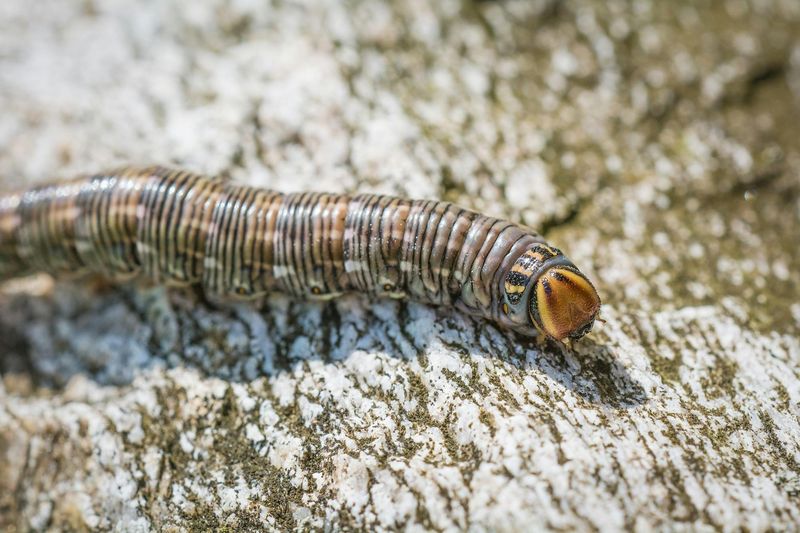
By the time you step outside with your coffee, cutworms have already done their damage. These plump, grayish-brown caterpillars hide just below the soil surface during the day and emerge at night to sever grass stems at or just below ground level.
The result is a lawn that looks like it has developed random bald spots overnight, which is exactly what happened.
The damage pattern from cutworms tends to appear as small, circular dead spots scattered across the lawn rather than one large continuous patch. Each dead circle is usually where one or more cutworms set up a feeding territory.
Because the spots are small and scattered at first, many homeowners dismiss them as dry areas or foot traffic damage and do not investigate further.
Black cutworms are an occasional concern for Minnesota lawns during summer months. They are the larvae of a moth that migrates north each spring, though heavy infestations are more common in golf course turf than in typical home lawns.
The moths lay eggs in leaf debris and low-cut turf, so keeping your lawn tidy and mowed at a healthy height reduces egg-laying opportunities.
Confirming cutworm activity is straightforward with the soap flush test, which brings the caterpillars wiggling to the surface within minutes. Treating at dusk with a product labeled for cutworms gives the best contact results since the larvae are actively moving then.
For Minnesota lawn pests that fly under the radar, cutworms consistently rank among the most underestimated threats to a healthy summer lawn.