10 Perennial Grasses That Stay Beautiful Year After Year In California
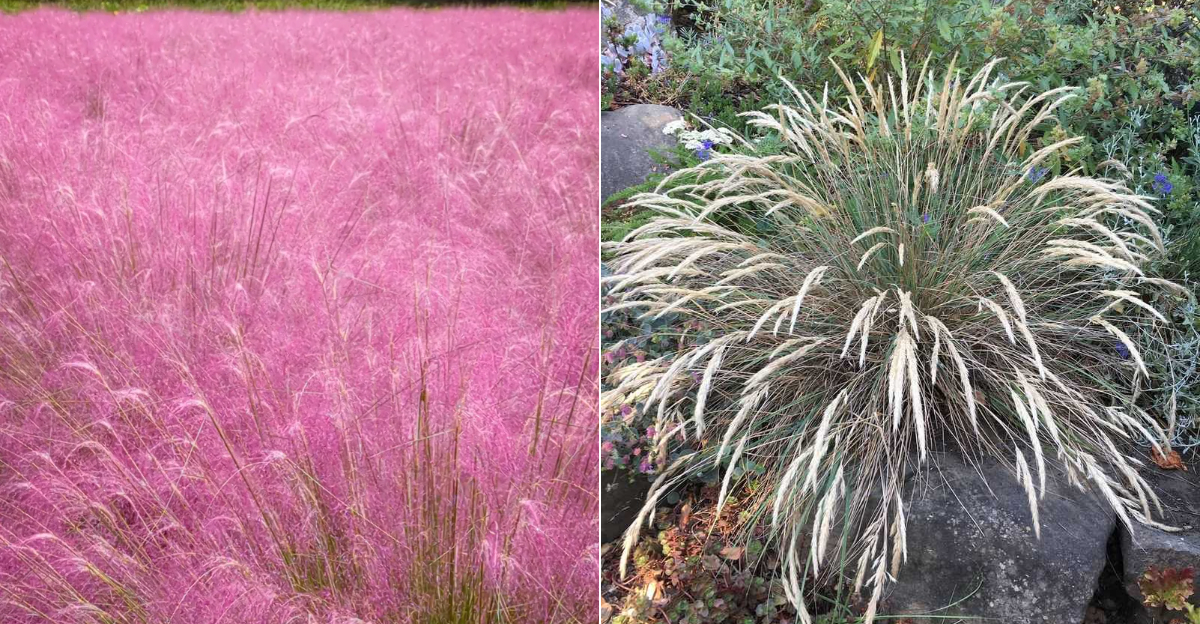
Ornamental grasses have a way of making a California garden feel finished without looking fussy.
They catch the light, soften hard edges, and keep moving even on the hottest, driest days of the year.
That kind of easy beauty is hard to beat, especially in a state where gardeners often want something striking that does not turn into a constant maintenance project.
The real appeal is how much these perennials keep giving back. Many hold their shape beautifully, return year after year, and bring texture during seasons when flowers are not doing all the work.
Some look airy and relaxed, while others add strong structure that makes the whole yard feel more polished.
In California, that staying power matters. A plant can look amazing for one season and still end up feeling like a bad investment if it struggles later.
The grasses worth planting are the ones that keep showing up, keep looking good, and make the landscape feel alive in a quiet, lasting way.
1. Deergrass
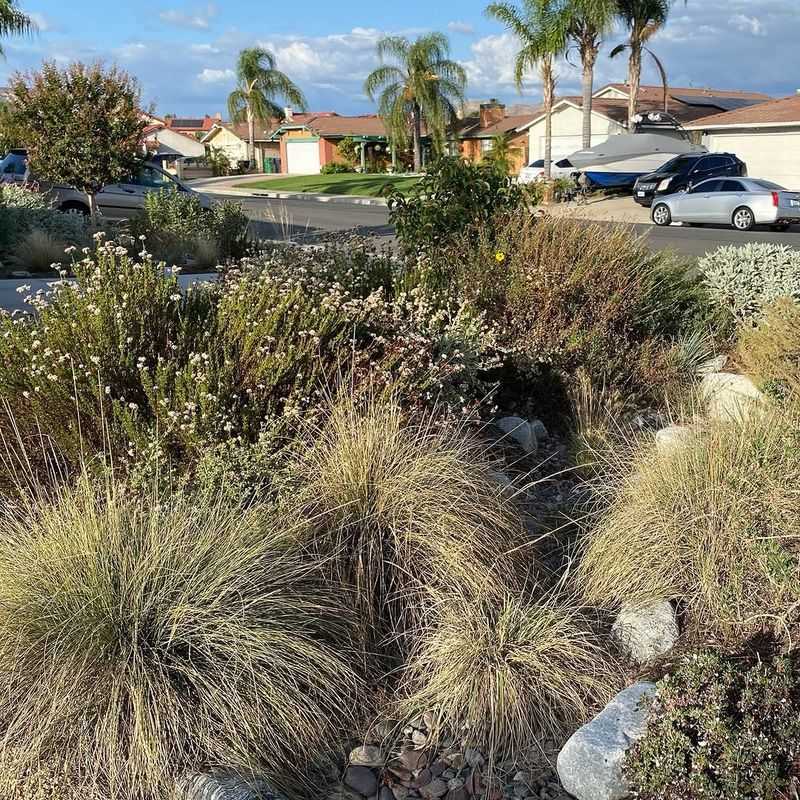
If you want a grass that looks like it belongs in California’s wild open spaces, Deergrass is calling your name.
Known scientifically as Muhlenbergia rigens, this tough native bunchgrass forms beautiful, dense clumps that can grow up to four feet tall. Its long, slender leaves arch gracefully, giving any garden a natural and relaxed look.
Deergrass loves full sun and well-drained soil, making it a perfect match for many parts of California.
In late summer, it sends up tall, feathery seed heads that sway gently in the breeze. Those seed heads add movement and texture that few other plants can match.
One of the best things about Deergrass is how little water it needs once it gets established. It handles California’s dry summers without much fuss. You can plant it along roadsides, in meadow gardens, or as a border plant around your yard.
Wildlife also loves it. Birds often visit to snack on the seeds. Deergrass rarely needs fertilizer and stays tidy with just an occasional trim.
It is truly one of California’s most reliable and rewarding perennial grasses for low-maintenance landscapes.
2. California Fescue
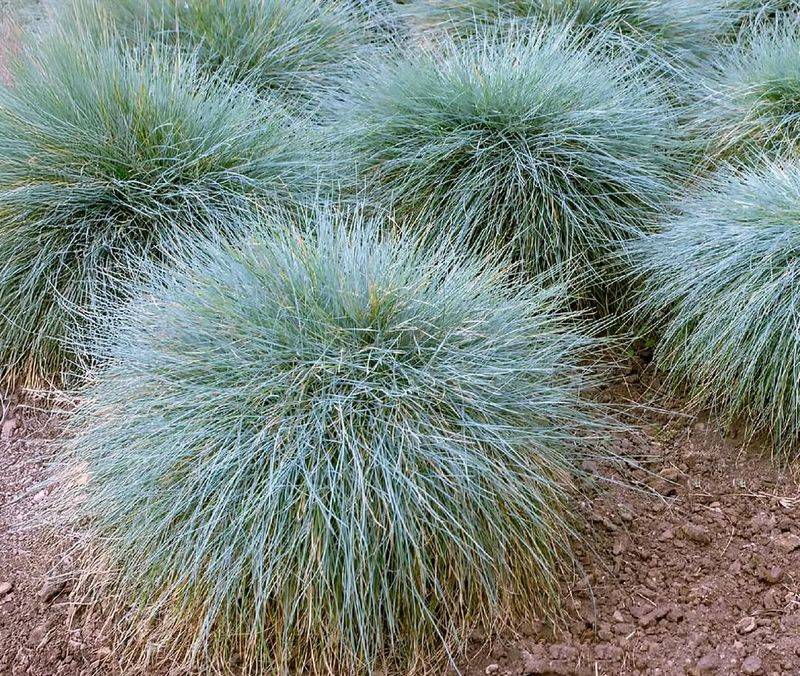
Not every beautiful grass needs full sun to shine. California Fescue, or Festuca californica, proves that point perfectly.
This native bunchgrass forms soft, greenish-gray tufts that look elegant whether planted in a shaded woodland corner or along a partly sunny path.
It typically grows between one and a half to three feet tall, making it a great mid-sized option for layered garden designs.
What makes California Fescue especially popular across California is its ability to handle drought once established.
It does not need constant watering, which fits right in with California’s water-smart gardening goals. It also stays attractive through multiple seasons, offering steady color and texture when other plants may look tired.
Planting California Fescue is straightforward. It grows well in a variety of soil types, as long as drainage is decent. It pairs beautifully with native wildflowers, oaks, and other shade-loving plants.
Your California Garden Changes Every Week. Your Plan Should Too.
Gardening in California changes quickly throughout the season. Every Friday you’ll receive a simple weekly plan showing exactly what to plant, prune, fertilize, harvest, and protect so you never miss the right timing.
In spring, it produces delicate flower spikes that add a soft, airy quality to the garden.
Fun fact: this grass is often used in habitat restoration projects throughout California because it supports native insects and birds. It is a quiet overachiever that rewards patient gardeners season after season.
3. Purple Needlegrass
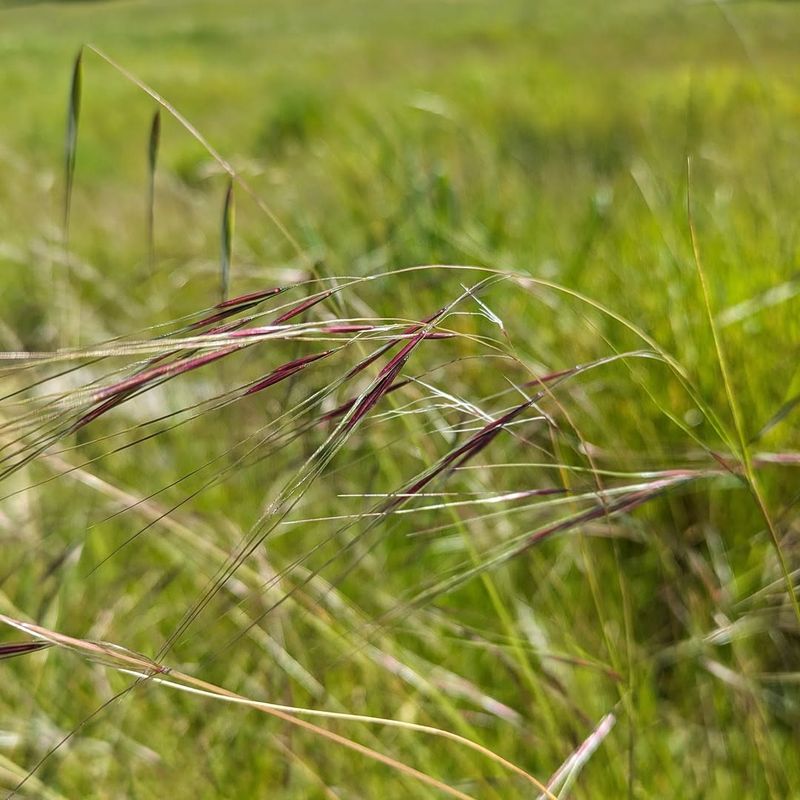
There is something special about growing California’s official state grass in your own backyard.
Purple Needlegrass, known scientifically as Stipa pulchra, earned that honor for good reason. Its slender, arching leaves and stunning purple-tinged seed heads make it one of the most visually striking native grasses in the entire state.
It typically grows two to three feet tall and spreads into graceful, fountain-like clumps over time.
This grass thrives in full sun and well-drained soil, which describes a huge portion of California’s terrain.
Once established, it handles dry spells with ease, making it a natural fit for water-conscious gardens. It grows actively in the cooler months of fall and spring, going semi-dormant during the hottest part of summer.
Purple Needlegrass has deep roots that help prevent soil erosion on slopes and hillsides, which is a real bonus in many parts of California.
It also creates habitat for butterflies, native bees, and small birds. Gardeners love using it in meadow-style plantings or as a naturalistic lawn alternative.
With minimal care and big visual payoff, Purple Needlegrass is a proud symbol of California’s native plant heritage worth celebrating in any outdoor space.
4. Blue Grama
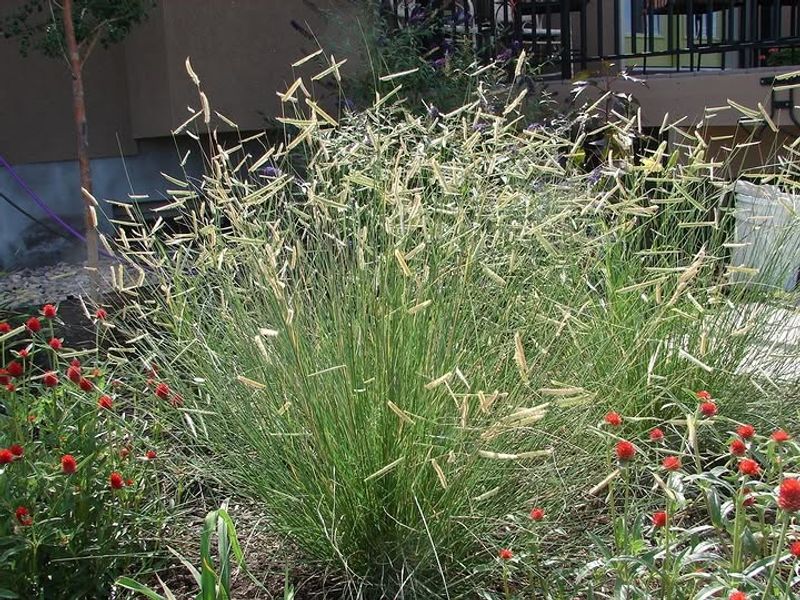
Few grasses have a more instantly recognizable look than Blue Grama. Its seed heads look almost exactly like tiny eyebrows or little combs hanging sideways from slender stems. That quirky detail makes it a conversation starter in any California garden.
Botanically known as Bouteloua gracilis, Blue Grama is a warm-season grass that stays relatively compact, reaching just ten to twenty inches tall.
It loves full sun and handles drought like a champion. In fact, it is one of the toughest grasses you can plant in dry, sunny spots across California.
The foliage takes on a lovely blue-green color during the growing season, and in fall it shifts to warm golden tones that look beautiful in low-angle afternoon light.
Blue Grama works wonderfully as a lawn substitute in low-traffic areas or as part of a xeriscape design.
It needs very little fertilizer and rarely requires much attention once it settles in. Pollinators appreciate it too, especially native bees that visit the seed heads.
Planting it alongside wildflowers like poppies or lupines creates a meadow-like scene that feels both wild and intentional. For California gardeners who want beauty without constant upkeep, Blue Grama is a genuinely smart and satisfying choice.
5. Canyon Prince Wildrye
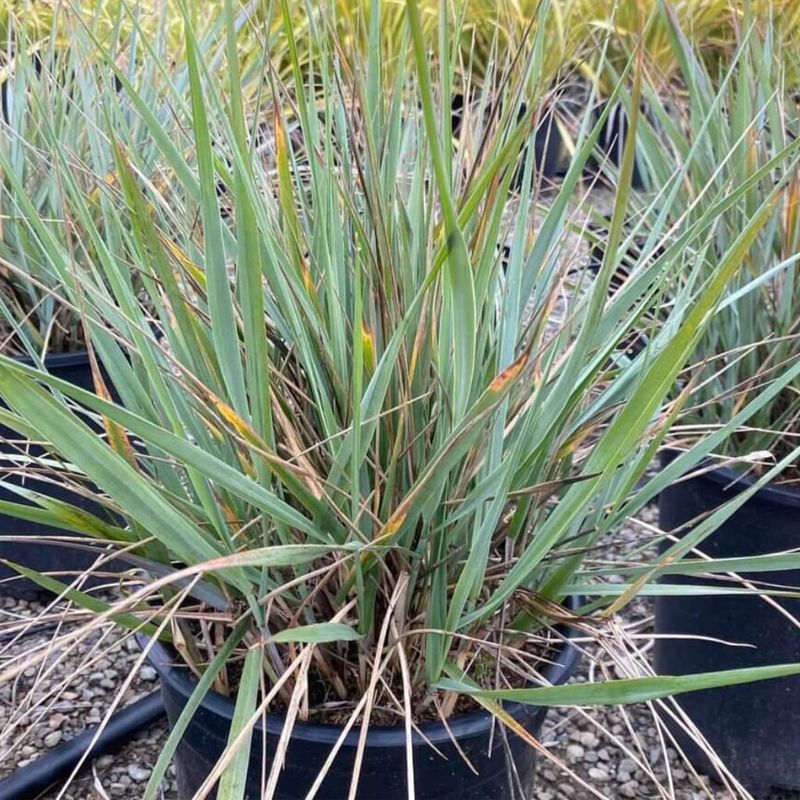
Imagine a grass so blue it looks almost metallic in the sunlight. Canyon Prince Wildrye delivers exactly that kind of visual drama.
It is a cultivar of Elymus condensatus, selected specifically for its striking blue-silver foliage that stands out in any California garden.
The leaves are broad, upright, and bold, growing into clumps that can reach three to four feet tall with an equally impressive spread.
This grass handles coastal conditions particularly well, making it a favorite in gardens near the California coast where salt air and sandy soil challenge many other plants.
It is also highly drought-tolerant once established, needing very little supplemental water after the first growing season. Full sun brings out the best color in its leaves, though it can handle some light shade.
Canyon Prince Wildrye spreads slowly by rhizomes, so it fills in gaps nicely over time without becoming invasive.
It looks stunning planted in large drifts or used as a bold accent near boulders or along fences. The seed heads it produces in summer add height and movement.
Birds enjoy the seeds as a food source in cooler months. For gardeners in California looking for something dramatic and dependable, this grass checks every box with confidence.
6. Cape Mendocino Reed Grass
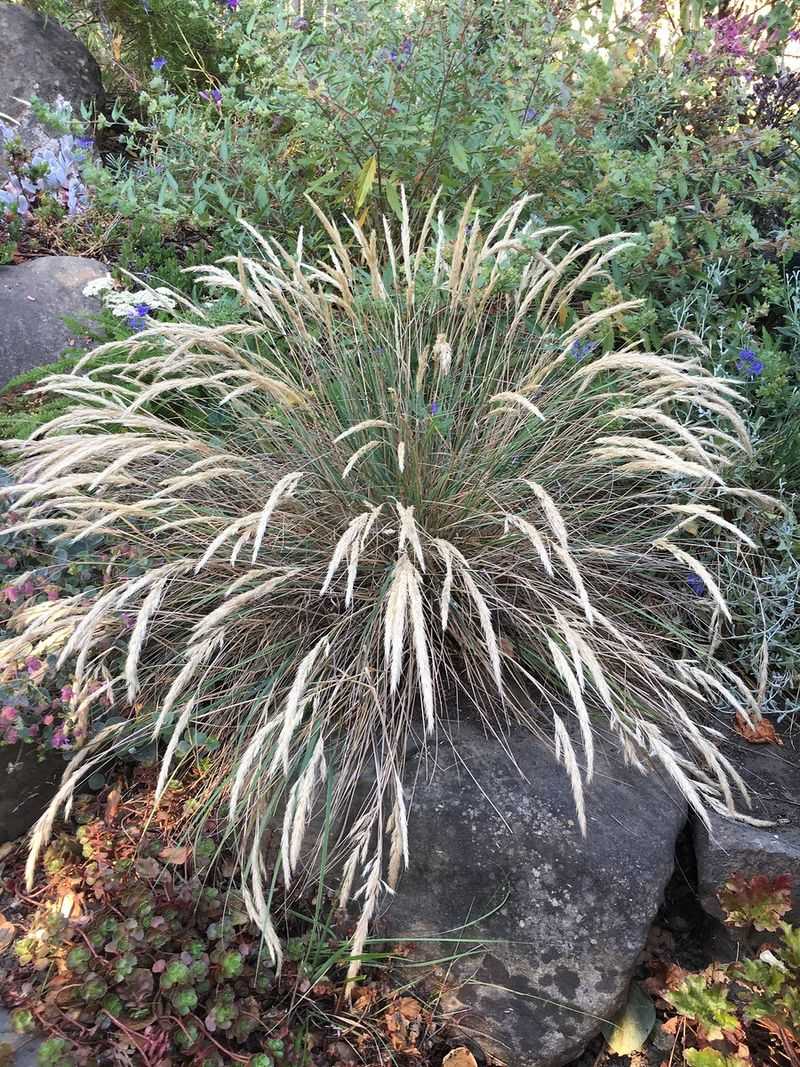
Named after the rugged Northern California coastline where it naturally grows, Cape Mendocino Reed Grass brings a coastal wildness to any garden it touches.
Scientifically called Calamagrostis foliosa, this compact grass forms low, arching mounds of rich green foliage. It typically stays under two feet tall, making it a great option for smaller spaces or front garden borders.
What sets this grass apart is its love for cool, foggy conditions. It thrives in the kind of climate that many other ornamental grasses find difficult.
Along the Northern California coast, it performs beautifully with little to no supplemental irrigation.
It also handles part shade with no complaints, which opens up planting spots that full-sun grasses simply cannot fill.
In late spring and early summer, Cape Mendocino Reed Grass sends up feathery plumes that catch the light and sway softly in coastal breezes.
The combination of texture, movement, and low maintenance makes it a garden favorite. It pairs well with other coastal natives like coyote brush, coffeeberry, and seaside daisy.
Even gardeners in inland California who can mimic cool, moist conditions have found success with this grass. It is a quiet gem that rewards those who match it to the right environment.
7. Purple Three Awn
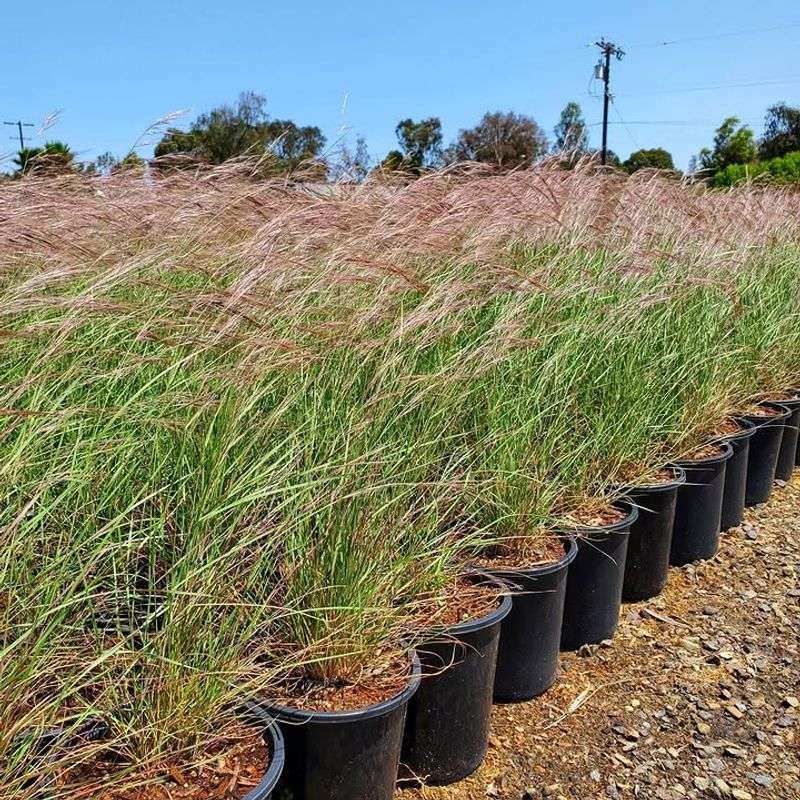
There is a certain wild, untamed beauty to Purple Three Awn that feels completely at home in California’s open landscapes.
Known scientifically as Aristida purpurea, this warm-season grass produces clouds of wispy, purple-tinged seed heads that shimmer and float in the breeze. When sunlight hits those delicate awns in the late afternoon, the effect is almost magical.
Purple Three Awn is a lean, tough plant that thrives in poor, dry, sandy soils where other grasses might struggle.
It grows to about one to two feet tall and spreads into loose, airy clumps. Full sun is where it performs best, and it handles California’s long dry summers without much help at all.
Water it occasionally during establishment, and after that it largely takes care of itself.
This grass works especially well in naturalistic or meadow-style gardens across California. It adds a soft, romantic texture that contrasts nicely with bold-leafed plants or chunky boulders. It also provides cover and seeds for small birds and native insects.
Because it stays relatively small, it fits into tight spaces without overwhelming neighboring plants.
Gardeners who appreciate wild-looking, effortless beauty often fall for Purple Three Awn quickly and never look back. It is genuinely one of a kind.
8. Giant Feather Grass
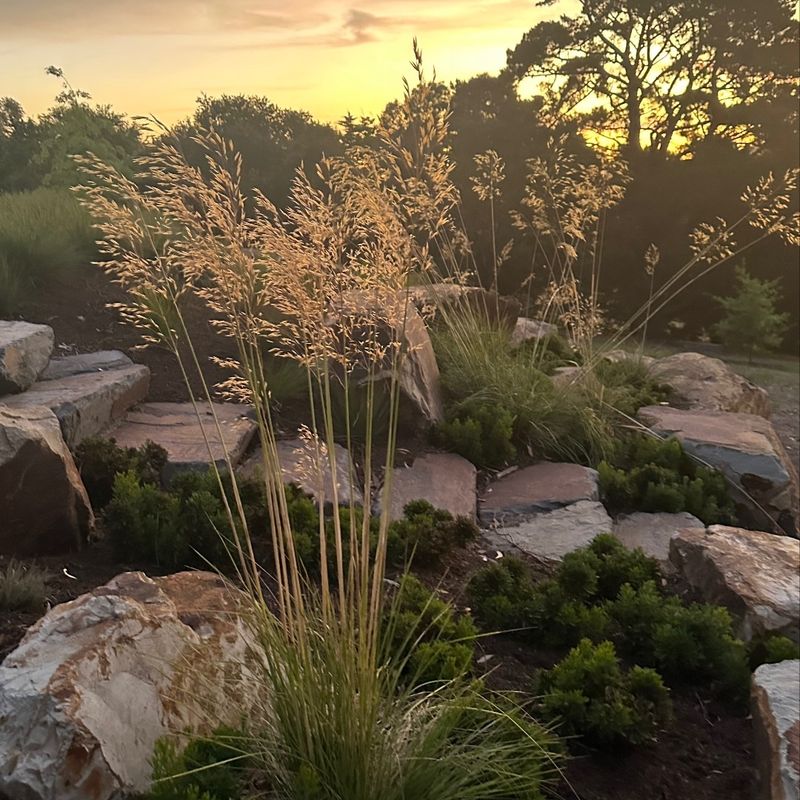
When you want a grass that makes a serious statement, Giant Feather Grass is the one to call.
Stipa gigantea is its botanical name, and it lives up to every part of that title. The plant forms a low base of narrow, arching leaves, but sends up towering flower stems that can reach six feet or more.
Those stems are topped with shimmering, oat-like seed heads that catch every passing breeze and glint golden in the sun.
Originally from Spain and Portugal, Giant Feather Grass has found a happy home in California’s Mediterranean-like climate.
It loves full sun and well-drained soil, and once established it handles dry summers with impressive composure. It is semi-evergreen, meaning it keeps some green color through winter, which is a bonus for year-round garden interest.
Plant it where the backlight can hit those feathery plumes in the morning or evening for maximum visual impact.
It pairs beautifully with lavender, rosemary, and other drought-tolerant Mediterranean plants that thrive across California. Because the base stays relatively compact, it does not crowd out neighbors.
This grass is often used in cutting gardens too, since the dried seed heads make gorgeous arrangements. For drama without the fuss, Giant Feather Grass truly delivers.
9. Pink Muhly Grass
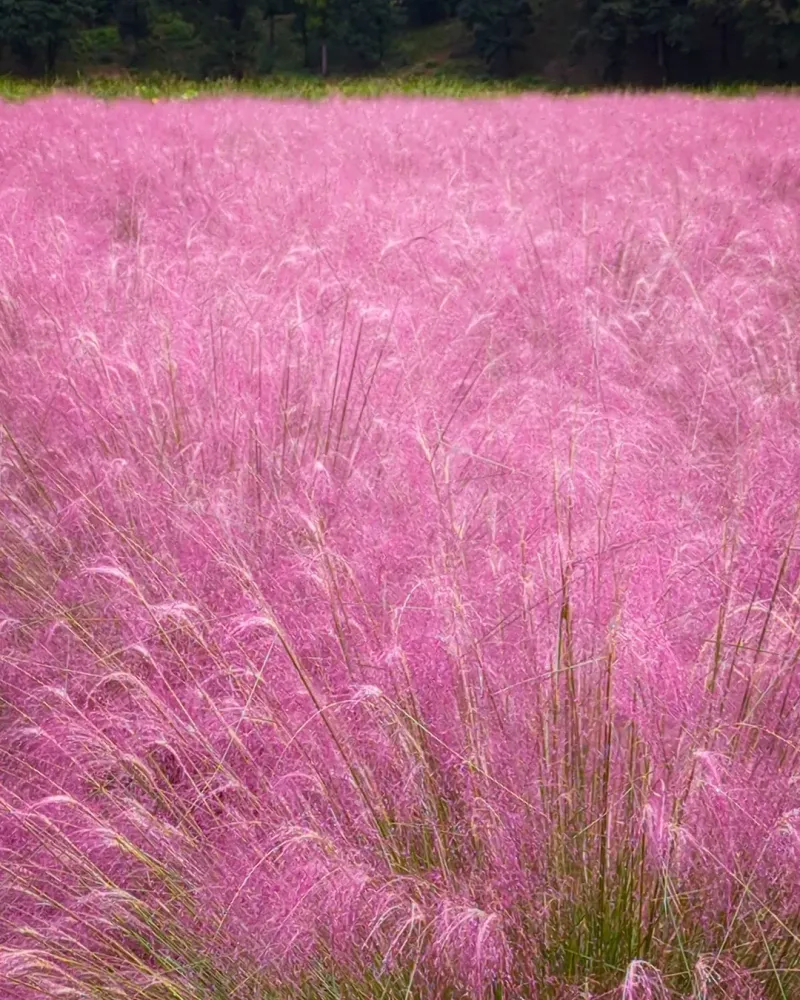
Every fall, Pink Muhly Grass puts on a show that stops people in their tracks. Muhlenbergia capillaris erupts into a breathtaking cloud of pink-purple, hair-like plumes that look almost unreal.
From a distance, the effect is like a soft pink mist hovering above the garden. It is one of the most photographed ornamental grasses in California for very good reason.
The base foliage is fine-textured and green through spring and summer, staying tidy and unassuming until fall arrives.
Then the magic happens. The plumes emerge in September and October, lasting well into winter before fading to a warm tan color that still looks attractive.
It grows about two to three feet tall and wide, fitting comfortably into most garden sizes.
Pink Muhly Grass thrives in full sun and well-drained soil across California. It is highly drought-tolerant and rarely needs fertilizer.
Planting several together in a mass creates the most dramatic effect, especially along pathways or near a fence where the color can really pop.
Hummingbirds and butterflies are drawn to it during bloom time. It also makes a wonderful container plant for patios or balconies.
For anyone wanting a reliable, show-stopping fall performer in California, Pink Muhly Grass is an absolute must-have.
10. Tufted Hairgrass
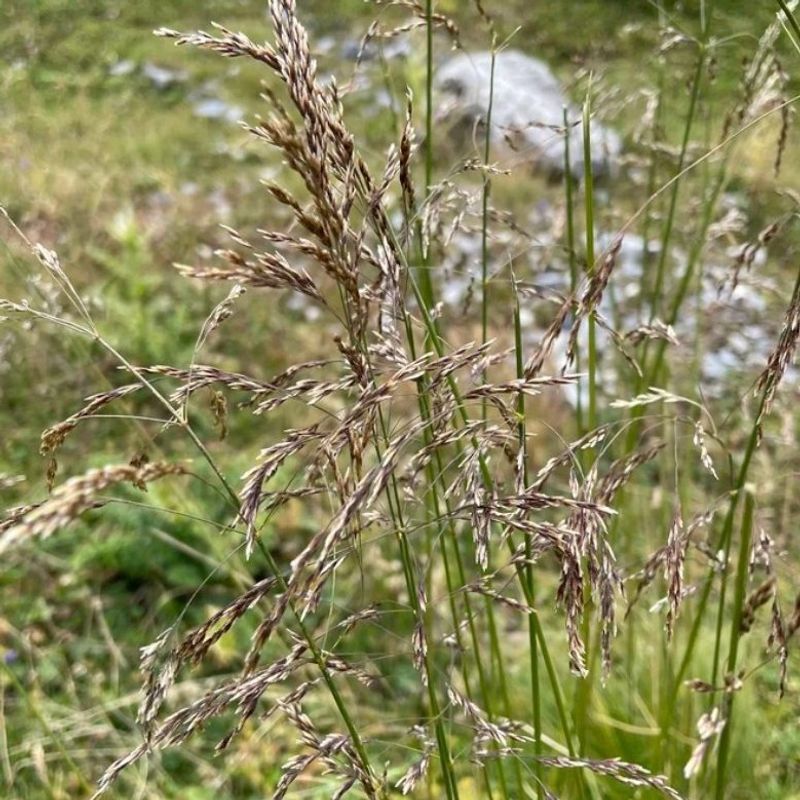
Cool, moist, and shaded spots in a California garden can be tricky to fill beautifully. Tufted Hairgrass, known scientifically as Deschampsia cespitosa, was practically made for those conditions.
It forms neat, dense tufts of fine, dark green leaves that stay attractive through most of the year.
In late spring and early summer, it sends up tall, airy clouds of delicate seed heads that seem to float above the foliage like a gentle mist.
Tufted Hairgrass is native to many parts of California, especially in mountain meadows and along stream banks in Northern California.
It prefers consistent moisture and does best in part shade to full shade, which makes it a rare and valuable plant for those tricky garden corners. It grows about two to three feet tall when in bloom and stays shorter and compact the rest of the year.
Because it tolerates wet soil better than most ornamental grasses, it works wonderfully near rain gardens, ponds, or areas with seasonal flooding.
It also pairs well with ferns, hostas, and other shade-loving plants for a lush, layered look. Wildlife benefits too, as the seeds attract finches and sparrows.
For California gardeners dealing with shade and moisture, Tufted Hairgrass is a genuinely reliable and rewarding solution.