How To Help Backyard Birds Survive California Heat Waves
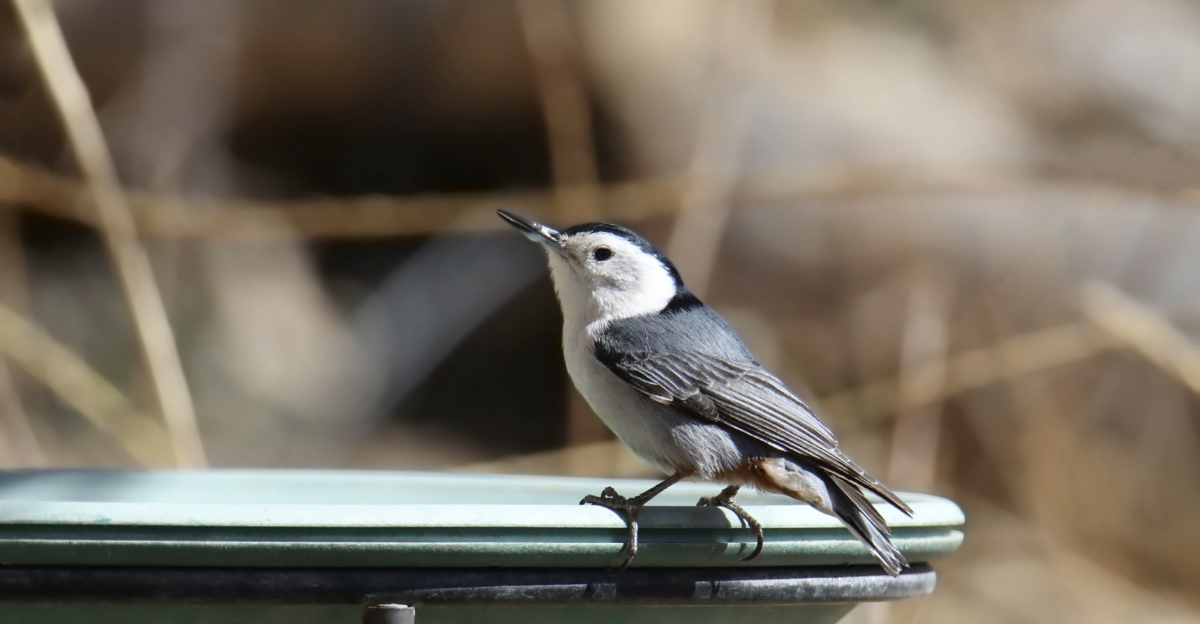
A California heat wave changes everything in the yard. The plants droop, the patio clears out, and even the birds start acting differently.
You might notice fewer songs, more open beaks, or quick visits to shady corners that usually go ignored. It is one of those summer moments that makes people stop and wonder what wildlife needs from us when temperatures keep climbing.
Backyard birds can struggle more than many gardeners realize, especially when heat arrives suddenly or hangs on for days.
Water matters, shade matters, and even the timing of small yard chores can make a difference during extreme weather.
The good news is that helping does not have to mean turning your yard into a wildlife center overnight. Small changes can make birds more likely to return, rest, and cool off.
Watch for the simple things that matter most when the hottest part of the day hits.
1. Put Out Fresh Water Daily
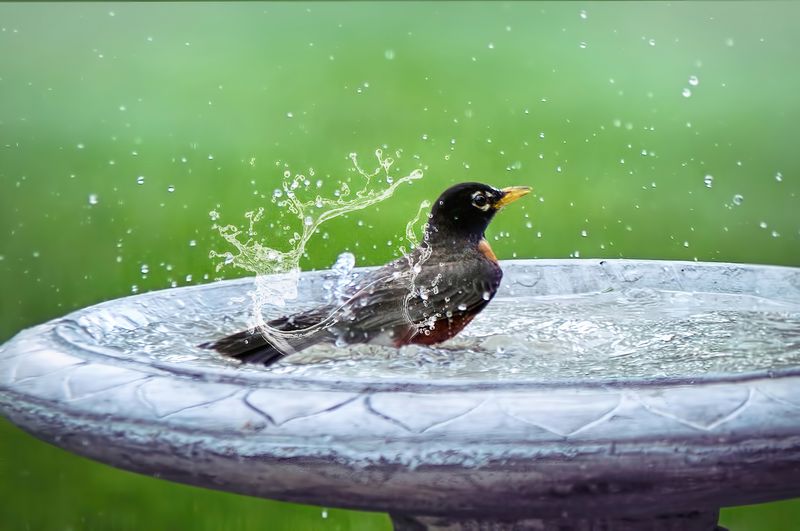
Nothing beats the feeling of a cool drink on a blazing hot California afternoon, and birds feel exactly the same way. When a heat wave rolls through, water becomes the single most important thing you can provide for your backyard visitors.
Birds need water not just for drinking but also for cooling their feathers and regulating their body temperature.
Make it a daily habit to empty out your birdbath and refill it with fresh, clean water every morning before temperatures start climbing. Stale water can grow bacteria quickly in the California heat, which can make birds sick.
A quick rinse and refill takes only a couple of minutes but makes a huge difference for the birds that depend on your yard.
Try to keep a consistent schedule so birds learn to trust your water source. Once local sparrows, finches, and robins figure out that your birdbath is reliable, they will return again and again.
Putting water out early in the morning gives birds a chance to drink and bathe before the hottest part of the day hits. Even a simple plastic dish or shallow container works well if you keep it clean and filled.
Your small daily effort can help dozens of birds stay healthy and comfortable throughout a California heat wave.
2. Keep Birdbath Water Shallow
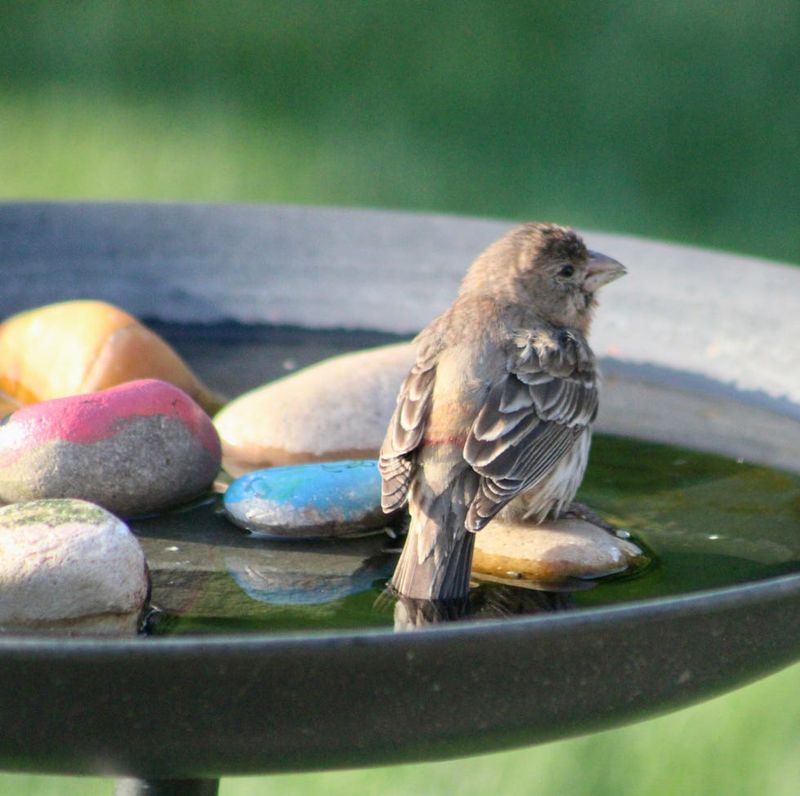
Most backyard birds are surprisingly small, and a deep birdbath can actually feel dangerous to them.
Birds like sparrows, warblers, and chickadees prefer water that is only about one to two inches deep, where they can stand comfortably and splash around without any risk.
A deep basin might look impressive, but it can discourage smaller birds from using it at all.
If your current birdbath is too deep, there is an easy fix. Place a flat rock or a few smooth river stones in the center of the basin to raise the floor level.
This gives smaller birds a safe place to perch and drink without feeling like they might slip into deeper water. It also adds a natural look to your backyard setup that can be really attractive.
Your California Garden Changes Every Week. Your Plan Should Too.
Gardening in California changes quickly throughout the season. Every Friday you’ll receive a simple weekly plan showing exactly what to plant, prune, fertilize, harvest, and protect so you never miss the right timing.
Shallow water heats up faster in the California sun, which is another reason daily refilling is so important. Cool, shallow water is far more inviting to birds than a warm, deep pool.
Birds are more likely to linger and bathe when the water feels refreshing rather than lukewarm.
Bathing helps birds cool down significantly during a heat wave because water evaporates from their feathers and lowers their body temperature.
Keeping your birdbath shallow is one of the simplest and most effective ways to make your California backyard bird-friendly during hot summer months.
3. Place Water In Partial Shade
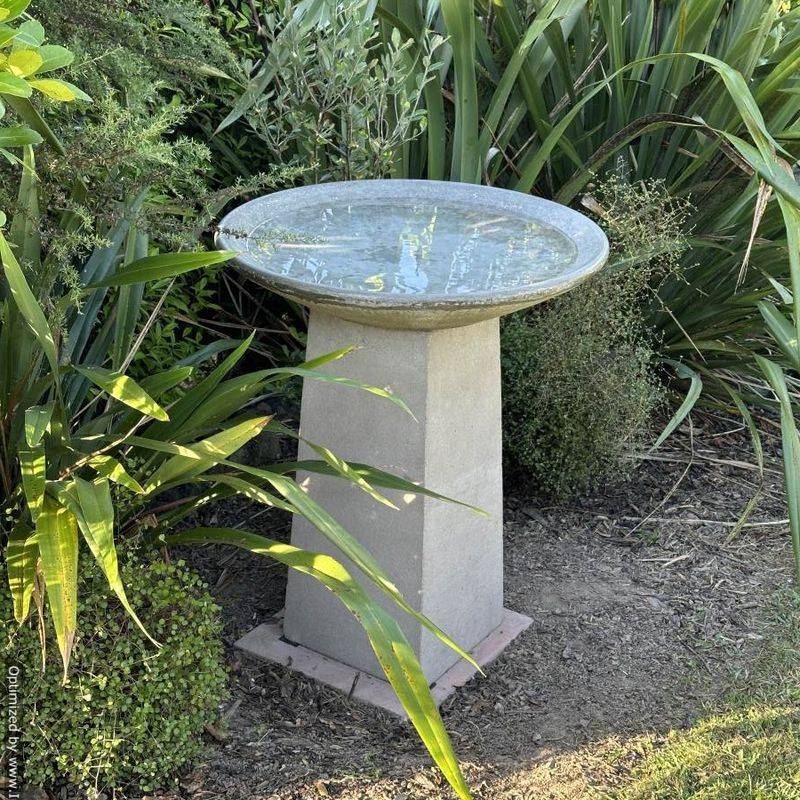
Location matters more than most people realize when it comes to setting up a birdbath. Placing your water source in a spot that gets sun all day means the water will heat up fast, sometimes reaching temperatures that are uncomfortable or unappealing to birds.
A partially shaded spot keeps the water cooler for longer stretches of the day, making it much more attractive to thirsty visitors.
Look for a spot in your California yard that gets morning sun but is shaded during the hottest afternoon hours, usually between noon and four in the afternoon. Under a tree canopy or near a large shrub works perfectly.
The shade slows down the rate at which the water heats up and also reduces evaporation, so you will not need to refill quite as frequently during the day.
There is another bonus to placing your birdbath near trees or shrubs. Birds feel safer when they have a quick escape route nearby.
If a predator shows up, a bird can dart into the branches in a split second. That sense of security encourages more birds to visit and spend time at your water station.
Try to position the birdbath about ten feet away from dense cover – close enough for birds to feel safe, but far enough that a lurking cat cannot easily sneak up on them.
Smart placement is one of the easiest upgrades you can make to your California backyard bird setup.
4. Keep Shrubs Or Trees Nearby For Cover
Think about the last time you stepped outside on a sweltering California afternoon and immediately looked for shade. Birds do the exact same thing.
During a heat wave, dense shrubs and trees are not just nice to have in your yard, they are genuinely essential for bird survival.
Leafy cover provides cool, shaded resting spots where birds can escape the direct sun during the hottest hours of the day.
Native California plants are especially valuable because they are already adapted to the local climate.
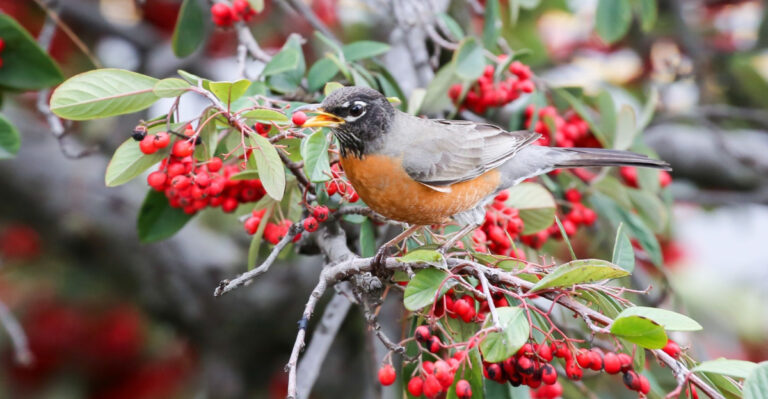
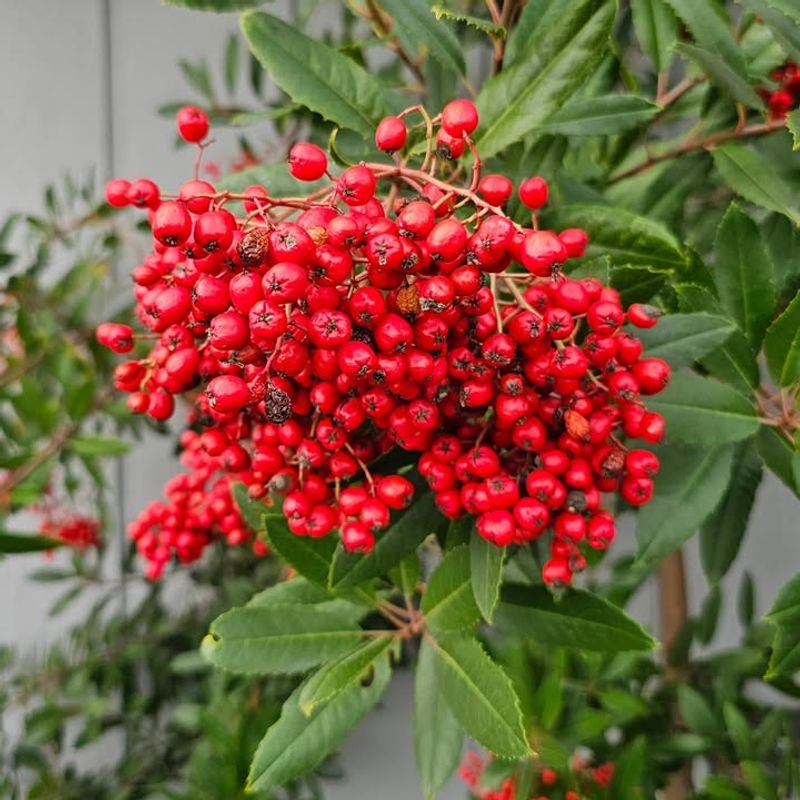
Shrubs like toyon, coffeeberry, and coyote brush offer thick foliage that creates natural shade and also produces berries that birds love to eat.
Larger trees like coast live oak and California sycamore provide deep canopy shade that can lower the temperature underneath by ten degrees or more compared to open sunny areas.
Having shrubs and trees near your water and feeding stations also makes birds feel safe enough to linger. Birds are always on alert for predators, and open spaces with no cover make them nervous.
A yard that combines water, food, and natural cover becomes a complete habitat that birds will return to every day. Even if you only have a small outdoor space, planting a few fast-growing native shrubs can make a big impact.
Over time, your California garden can become a genuine refuge for local bird populations struggling through intense summer heat waves.
5. Clean Birdbaths Often
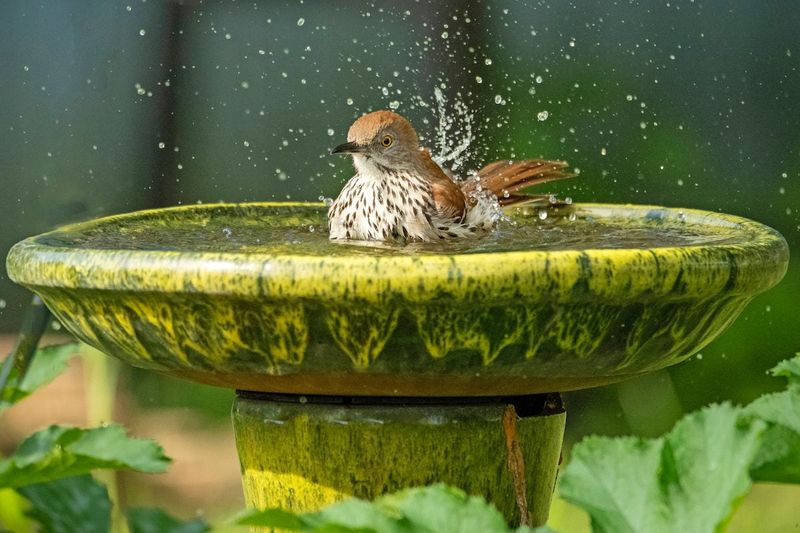
A birdbath that looks green and slimy is doing more harm than good. During California heat waves, warm temperatures cause algae and bacteria to grow inside birdbaths at a much faster rate than usual.
Birds that drink from dirty water can develop infections and respiratory problems that leave them weak and vulnerable. Keeping your birdbath clean is just as important as keeping it full.
Aim to scrub your birdbath at least every two to three days during a heat wave, and once a week during milder weather.
Use a stiff brush and a mild solution of nine parts water to one part white vinegar to scrub away algae and grime.
Avoid harsh chemical cleaners like bleach in strong concentrations because residue can be harmful to birds. Rinse the basin thoroughly after scrubbing to make sure no cleaning solution remains before you refill it with fresh water.
You will notice that birds quickly learn which birdbaths are clean and trustworthy. Once word gets out among the local flock, a clean birdbath in a California yard can attract a surprising variety of species, from tiny hummingbirds to larger mockingbirds and jays.
Regular cleaning also prevents mosquitoes from breeding in standing water, which is an added bonus for you and your family. A little consistent effort goes a long way toward making your backyard a healthy and welcoming space for birds year-round, especially during brutal California summers.
6. Add Moving Water If You Can
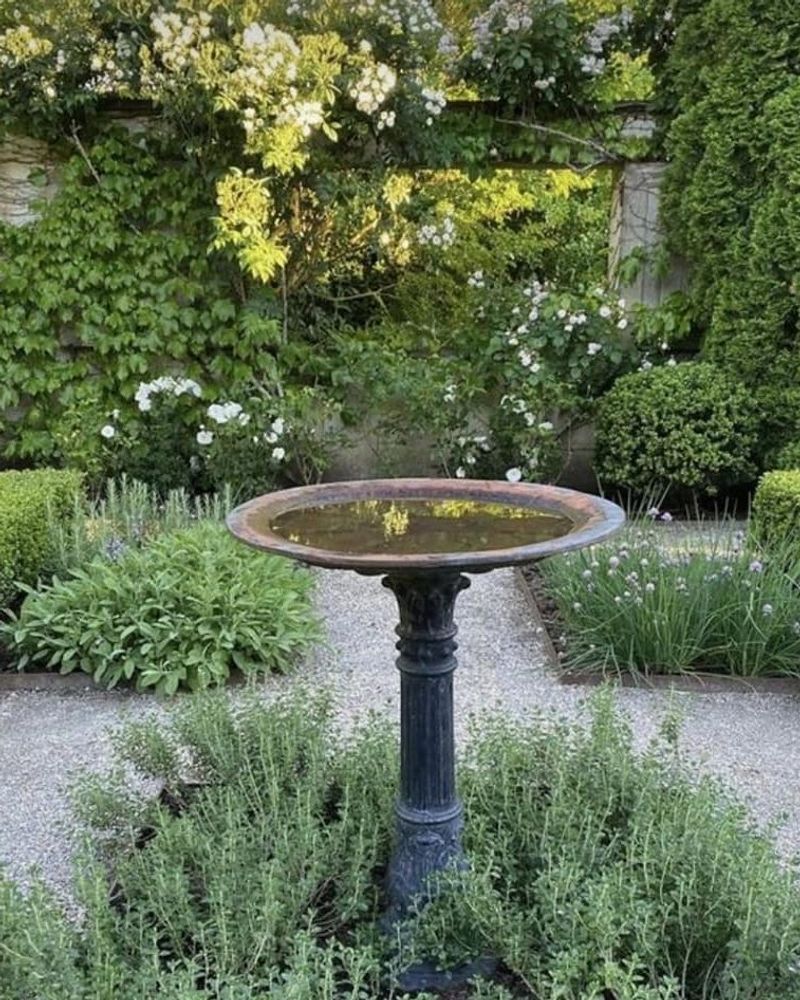
Birds are hardwired to notice the sound and movement of water. In the wild, they find streams and rivers by listening for the sound of running water from a distance.
Adding a small dripper, mister, or solar-powered fountain to your birdbath can dramatically increase the number of birds that visit your California yard during a heat wave. The gentle sound and movement signals to passing birds that fresh water is available.
Misters are especially popular with hummingbirds, which love to fly through a fine spray to cool off during hot California afternoons. You can attach a simple garden mister to a nearby branch or shrub and aim it toward your birdbath area.
Drippers work well too, slowly releasing drops of water into the basin and creating ripples that catch the light and attract attention from birds flying overhead.
Solar-powered fountains are a fantastic low-cost option for California backyards because they run on the same sun that is making life hard for the birds.
No electrical wiring needed, and they work best on the sunniest days, which happen to be the days birds need the most help.
Moving water also stays cleaner longer because it does not become stagnant as quickly as still water.
Even a modest investment in a water feature can turn your backyard into one of the most popular bird spots in the neighborhood during the peak of California heat wave season.
7. Refill Water More Than Once On Very Hot Days
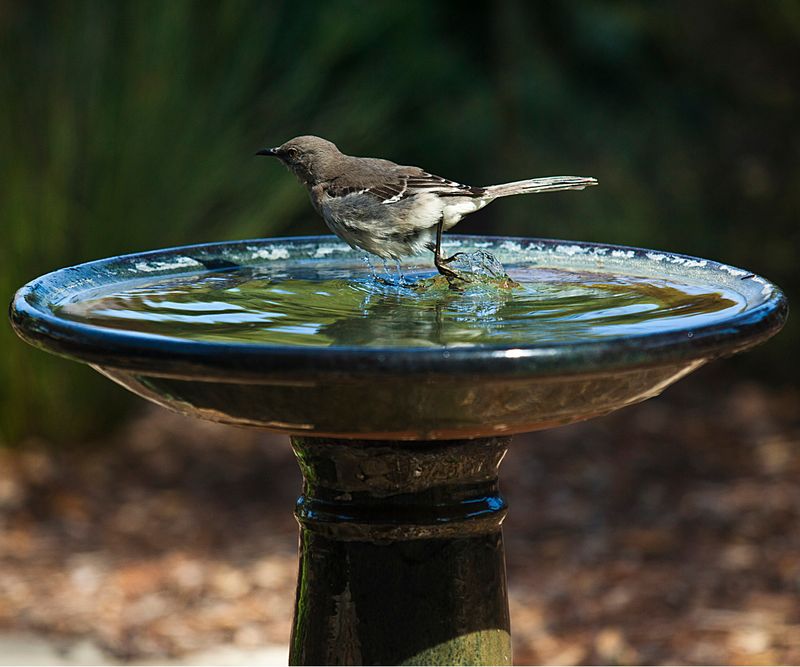
On the kind of scorching California days when the thermometer pushes past 100 degrees, a single morning refill simply is not enough.
Water evaporates quickly in extreme heat, and birds visiting throughout the day can drain a birdbath faster than you might expect.
Checking your water stations at least two or three times on the hottest days keeps a steady supply available for birds during their most vulnerable hours.
Try setting a simple reminder on your phone for midday and late afternoon, the two times when temperatures peak and birds are most desperate for relief.
A quick trip outside to top off the birdbath takes less than a minute and can make an enormous difference.
If you know a heat wave is coming, you might also consider adding a second birdbath or a shallow dish in a different part of your California yard to increase the total water supply available to local birds.
Larger birds like can splash a lot of water out of a birdbath in a short amount of time, which means smaller birds might arrive to find an empty basin.
Multiple water sources spread around your yard help make sure every visitor gets a turn.
Think of it as running a little neighborhood water station during an emergency. Your consistency and attentiveness during the worst heat waves in California can genuinely help entire local bird populations stay strong and healthy through the summer.
8. Grow Native Shrubs And Trees For Cooler Shelter
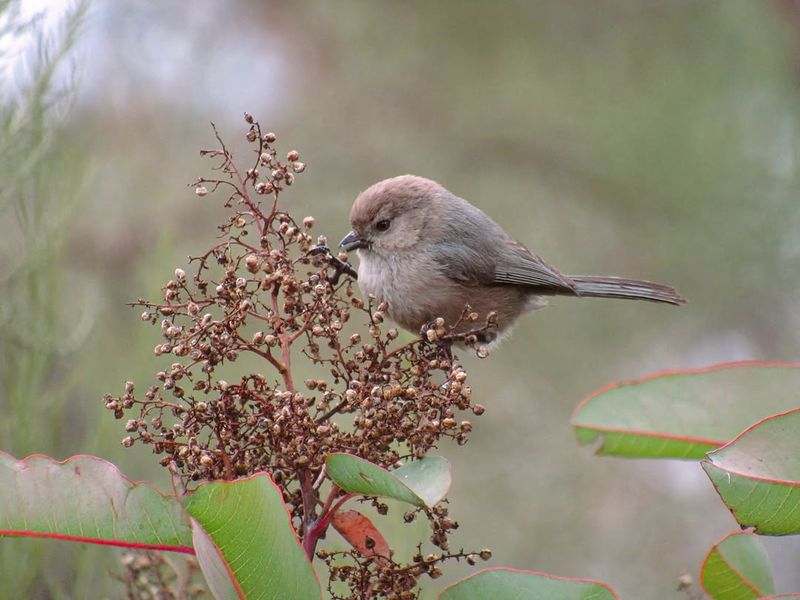
Planting native shrubs and trees is one of the most rewarding long-term investments you can make for the birds in your California neighborhood.
Native plants have evolved alongside local bird species for thousands of years, and they provide exactly the kind of shelter, food, and nesting habitat that birds need to thrive.
During a heat wave, a yard full of native plants can feel like a completely different world compared to a bare, sunny lawn.
California has a rich selection of native plants that work beautifully in backyard gardens. Toyon, also called California holly, produces clusters of red berries that birds adore and grows into a dense shrub that offers excellent shade.
Coffeeberry and native oaks support hundreds of insect species, which in turn feed insectivorous birds like warblers and wrens.
Even a few well-placed native plantings can noticeably lower the temperature in your yard and give birds shaded corridors to move through safely.
Beyond the immediate benefits during a California heat wave, native plants require far less water than exotic ornamentals once they are established. That makes them a smart choice for water-conscious gardeners throughout the state.
They also need less fertilizer and fewer pesticides, which keeps your yard safer for birds and other wildlife.
Starting small with just one or two native shrubs can set off a chain reaction, attracting more birds, more insects, and more natural balance to your outdoor space.