8 Early Spring Steps That Set Tennessee Hydrangeas Up For Success
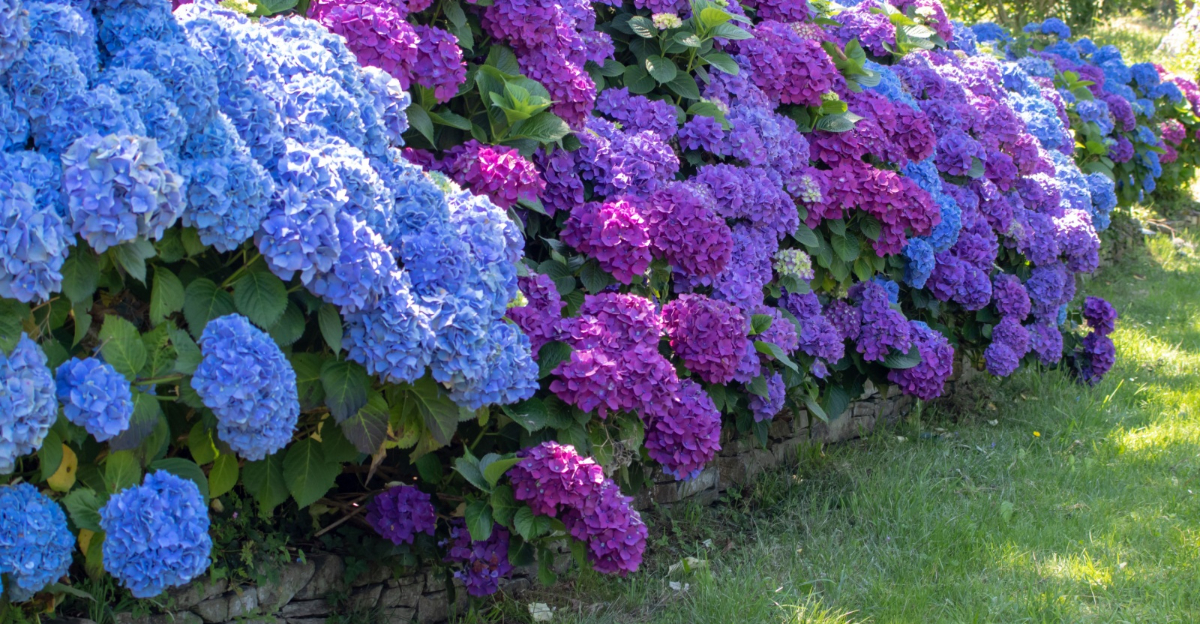
Tennessee spring doesn’t ease in gently. It shows up unannounced, skips the small talk, and suddenly your hydrangeas are already pushing out new growth while you’re still mentally in February.
That narrow window between the last frost and the first real heat is where the whole season gets decided. Most gardeners either miss it or don’t know what to do with it.
What you do in those first weeks shapes the entire season, and it’s far simpler than most people expect. A little attention now saves a lot of frustration later.
Just the right moves at the right time. If your hydrangeas have ever disappointed you mid-summer, chances are spring is where things went sideways.
This is how you make sure that doesn’t happen again.
1. Check For Winter Damage Before You Do Anything Else
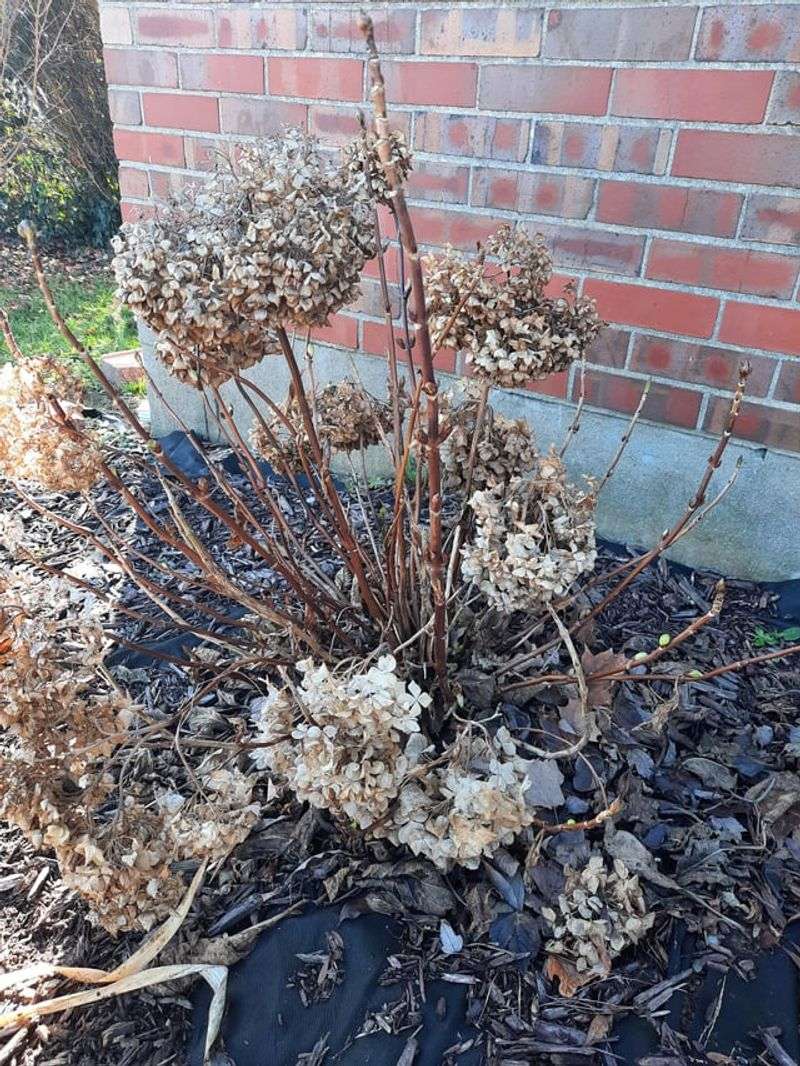
Grab your pruning shears and head outside before you do a single other thing. Tennessee winters can be sneaky, and your hydrangeas may look rough after everything they just went through.
Walk around each plant slowly and look for stems that are brown, mushy, or hollow. Healthy stems snap crisply and show green or white tissue when you scratch the bark.
Old ones crumble or feel spongy.
Start at the tips and work downward, because damage rarely goes all the way to the base. You might find that only the top third suffered while the lower stems stayed strong.
That is actually good news for your bloom potential this year.
Pay special attention to plants exposed to harsh north winds or sitting in low spots where cold air pooled overnight. Those microclimates can mean the difference between a plant that bounces back fast and one that struggles for weeks.
Knowing your vulnerable spots helps you plan smarter next winter too.
Don’t panic if you see a lot of damage at first glance. Hydrangeas are tougher than they look, and most of them will surprise you once warmer temperatures settle in.
A thorough inspection now gives you the clearest picture of what each plant actually needs.
2. Prune At The Right Time And The Right Way For Your Variety
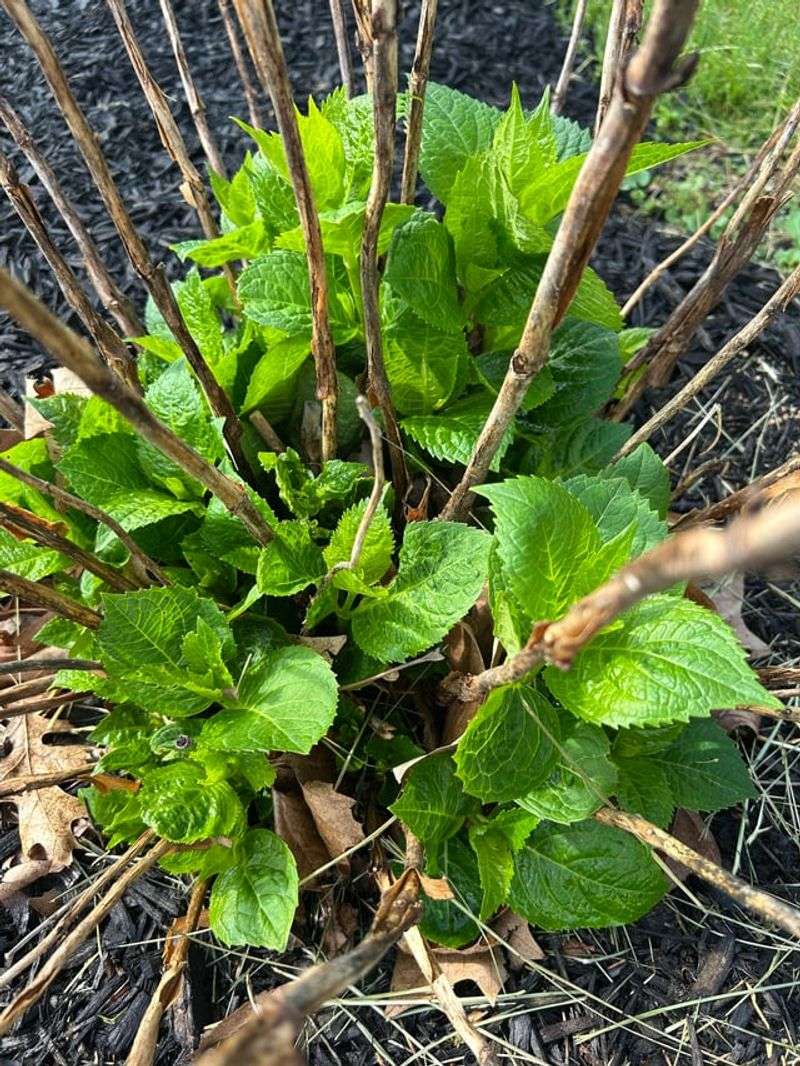
Pruning hydrangeas at the wrong time is one of the most common mistakes home gardeners make. Cut at the wrong moment and you accidentally remove the flower buds you have been waiting all year to see.
Smooth and panicle hydrangeas bloom on new wood, meaning they grow fresh stems each spring and flower on those. You can cut these back pretty hard in late winter or early spring without losing a single bloom.
Bigleaf and oakleaf varieties bloom on old wood. Those flower buds formed last summer and have been sitting on the stems all winter.
Cutting them now means cutting off your blooms, so hold off unless you are removing clearly damaged or hollow stems.
Use sharp, clean pruners every single time. Dull blades crush stems instead of cutting cleanly, which opens the door for disease.
Wipe your blades with 70% isopropyl alcohol between plants to avoid spreading anything from one shrub to another.
Your Tennessee Garden Changes Every Week. Your Plan Should Too.
Gardening in Tennessee changes quickly throughout the season. Every Friday you’ll receive a simple weekly plan showing exactly what to plant, prune, fertilize, harvest, and protect so you never miss the right timing.
When you are unsure which variety you have, wait until small green leaves start to emerge. Then remove only what is clearly damaged.
That cautious approach protects your blooms while still tidying up the plant. Patience here pays off in a big way come June and July.
3. Feed The Soil, Not Just The Plant
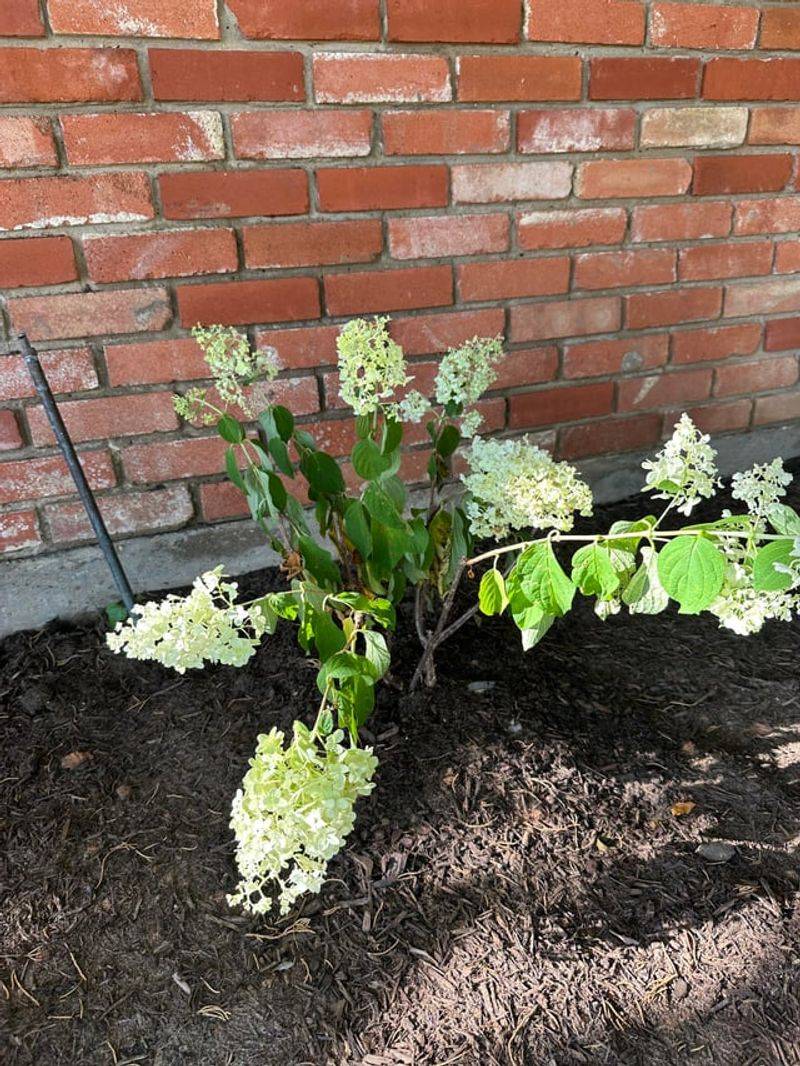
Healthy soil is the secret weapon behind every stunning hydrangea display. Most gardeners reach straight for a bag of fertilizer and miss the bigger picture entirely.
Start by working a few inches of compost into the top layer of soil around each plant. Compost improves drainage, feeds beneficial microbes, and slowly releases nutrients that roots can actually absorb.
Choose a balanced slow-release formula designed for flowering shrubs if you want to use granular fertilizer. Apply it lightly in early spring just as new growth begins, and go easy, too much nitrogen pushes leafy growth at the expense of flowers.
Avoid fertilizing too late in the season. Late feeding encourages soft new growth that cannot harden off before cold weather arrives, and that tender growth is always the first to suffer.
Getting a simple soil test through your local extension office costs almost nothing. Your pH might be off, and fixing that can be more effective than any fertilizer you could buy.
4. Mulch Before The Heat Kicks In
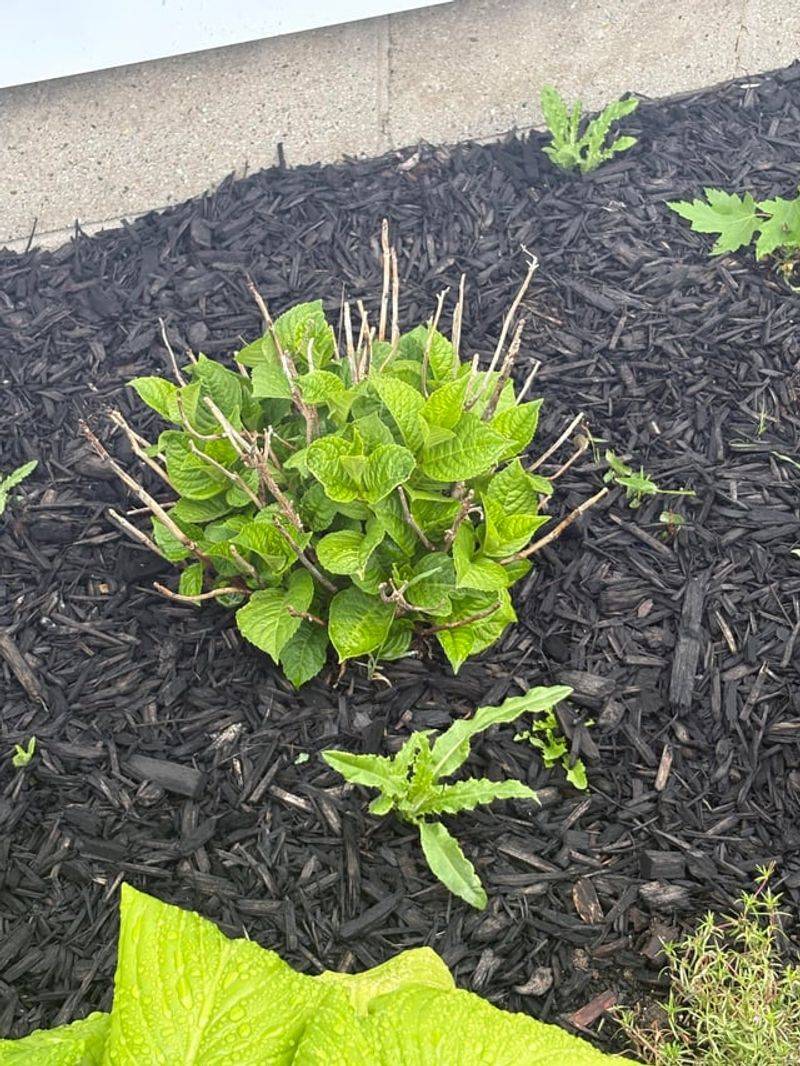
Mulch is one of the most underrated tools in a hydrangea gardener’s kit. A good layer of it does three jobs at once, and all three matter enormously once summer temperatures start climbing.
Get it down before the heat arrives and you will thank yourself every single week through August. Spread two to three inches of shredded hardwood mulch, pine bark, or pine straw around each plant, keeping it a few inches away from the base of the stems.
Mulch piled directly against the trunk can trap moisture and invite rot, which is the opposite of what you want. A clean ring around the base is the right approach.
Moisture retention is the biggest benefit in a hot, dry Tennessee summer.
Mulch acts like a blanket that slows evaporation from the soil surface. You water less often and your plants stay more consistently hydrated.
Hydrangeas wilt dramatically without enough moisture, so anything that helps hold water in the ground is worth doing. Getting this right in spring makes a visible difference by midsummer.
Mulch also moderates soil temperature, keeping roots cooler during heat waves and warmer during unexpected late frosts. That temperature stability encourages steady root growth and helps plants establish more quickly after winter stress.
Roots that stay comfortable grow deeper and stronger.
Weed suppression is the bonus benefit most people forget. A thick mulch layer blocks sunlight from reaching weed seeds in the soil, cutting your weeding time down significantly.
Less time pulling weeds means more time actually enjoying your garden.
5. Water Wisely As Temperatures Start To Swing
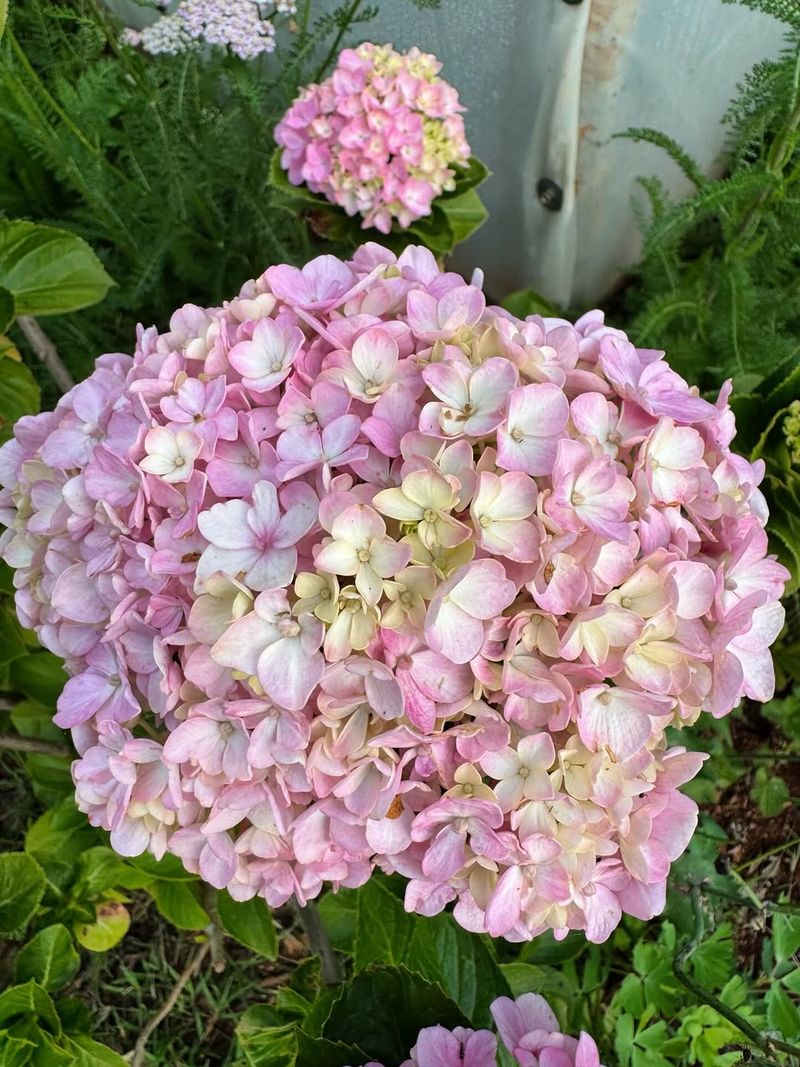
Spring watering is trickier than it looks because the weather refuses to cooperate. One day you get an inch of rain, and the next week is bone dry and breezy.
Your hydrangeas notice every single shift, and their leaves will tell you when things are going wrong. Early spring is not usually the time for heavy irrigation, but you do need to pay attention.
If you have a dry stretch of a week or more without rain, give your plants a deep, slow soak rather than a quick sprinkle. Shallow watering encourages roots to stay near the surface where they are most vulnerable to heat and drought later on.
Soaker hoses or drip irrigation are ideal because they deliver water directly to the root zone without wetting the foliage. Wet leaves can increase the risk of fungal diseases like powdery mildew, which is already common in humid Southern climates.
Keeping moisture off the leaves is a simple habit that prevents a lot of headaches. Water in the morning whenever possible so any accidental leaf splash has time to dry before evening.
Evening watering leaves plants damp overnight, which is prime time for fungal spores to take hold. That small timing shift makes a measurable difference in plant health.
Watch your plants closely rather than following a rigid schedule. Wilting in the morning is a sign of real drought stress and your plant is telling you something.
Wilting only in the afternoon heat is usually just a normal response to high temperatures. Most plants recover completely on their own by evening, so don’t reach for the hose just yet.
6. Watch For Early Pest And Disease Signs
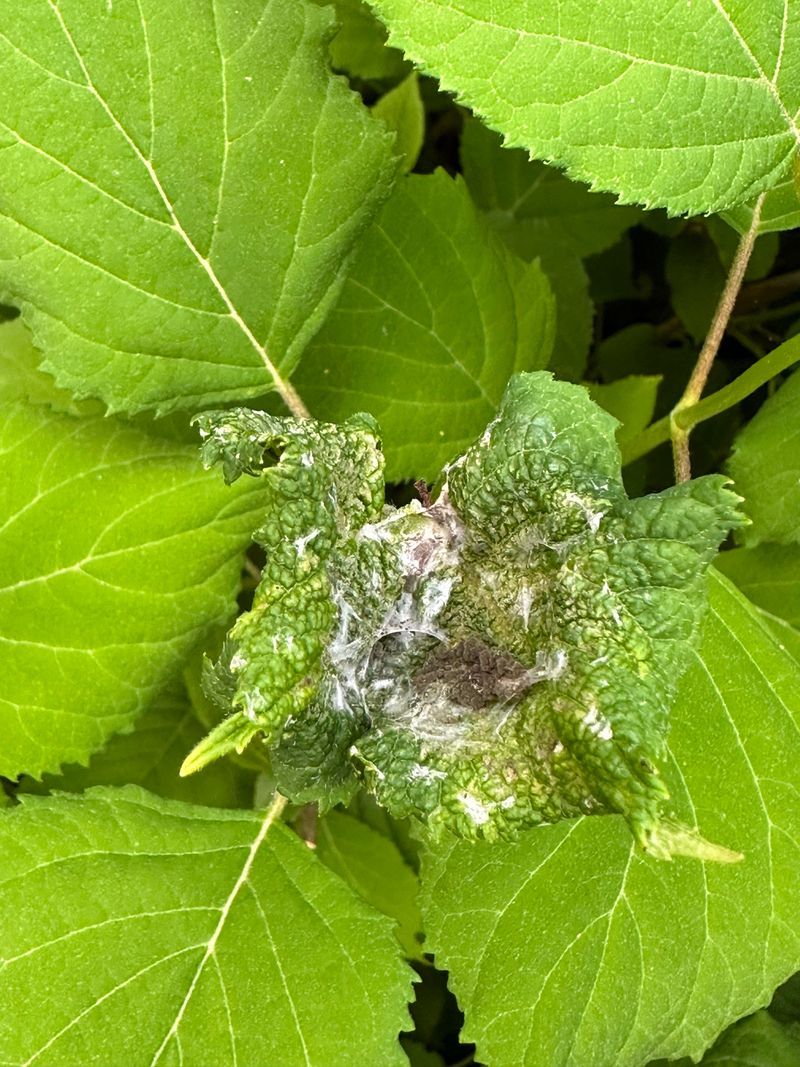
Spring brings new growth, and new growth attracts hungry insects like a dinner bell. Catching pest problems early means a quick fix rather than a full-blown infestation that takes weeks to manage.
Make a habit of checking your plants every few days once temperatures warm up. Aphids are among the first pests to show up in spring, clustering on tender new stems and the undersides of young leaves.
They are tiny, soft-bodied, and usually green or black. A strong blast of water knocks most of them off quickly, and natural predators like ladybugs can help manage the rest.
Powdery mildew thrives in warm days paired with cool nights, which describes Tennessee spring almost perfectly. Trimming nearby overgrowth improves air circulation and reduces the humidity that mildew loves.
Avoid overhead watering and space plants generously when you first install them.
Cercospora leaf spot is another fungal issue common in humid climates, showing up as purple or brown spots on lower leaves. It rarely threatens the life of an established plant but looks unsightly and can spread if conditions stay wet.
Removing affected leaves and disposing of them away from the garden bed slows the spread considerably. Staying observant is your best defense.
Most pest and disease problems are far easier to handle when caught in the first few days. A few minutes of inspection each week protects months of growth.
7. Know Which Hydrangea You Have Because It Changes Everything
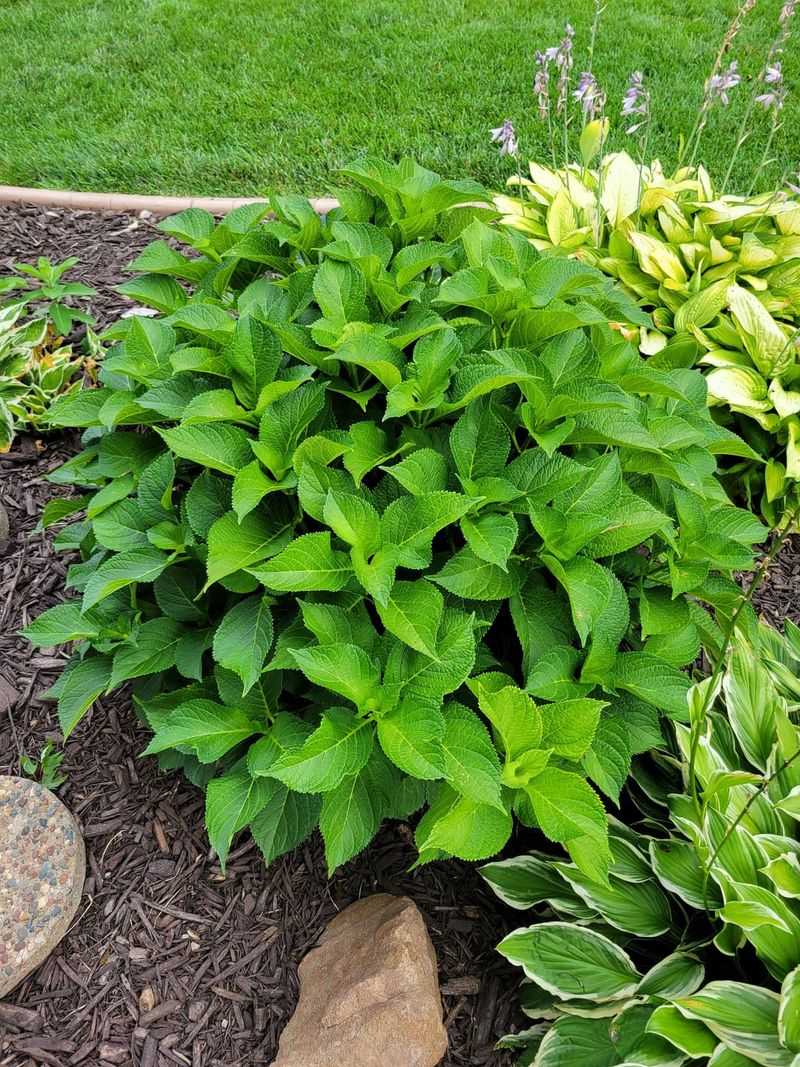
Not all hydrangeas play by the same rules, and treating them all the same way is a recipe for frustration. The variety you have in your yard determines when you prune, how you water, and even which blooms you can expect.
Getting this right is foundational to everything else on this list.
Bigleaf hydrangeas, often called mopheads or lacecaps, are the classic round-bloomed type most people picture first. They bloom on old wood, meaning last year’s stems carry this year’s flowers.
These are the most cold-sensitive variety. They are also the most common cause of confusion when plants fail to bloom after a harsh winter.
Panicle hydrangeas are the toughest of the group and thrive across a wide range of conditions. Their cone-shaped flower heads emerge in mid to late summer on new wood, so even if you prune them hard in early spring, you will still get flowers.
These are often the easiest choice for gardeners who want reliability.
Smooth hydrangeas, like the beloved Annabelle, also bloom on new wood and tolerate heavy spring pruning without complaint. They produce enormous white flower heads and are incredibly forgiving of both cold and heat.
Many gardeners in the South swear by them for consistent summer color. Oakleaf hydrangeas are native to the Southeast and bring peeling bark, fall color, and long-lasting flower heads.
Knowing which type you have changes everything. Every care decision you make from this point forward is grounded in what actually works for that specific plant.
8. Support Leggy Or Floppy Stems Before Growth Explodes
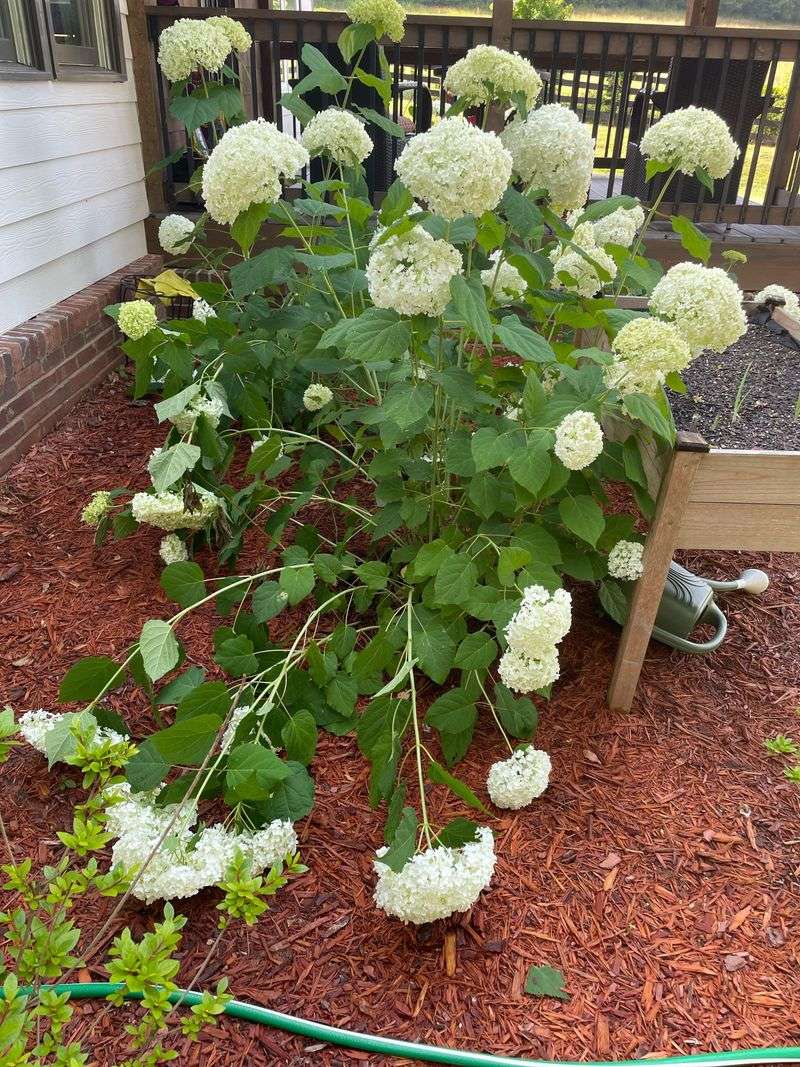
Some hydrangeas are drama queens when it comes to holding themselves upright, and the bigger the flower head, the worse the flop.
Getting supports in place before stems are fully loaded with growth is a hundred times easier than trying to prop up a mature plant mid-summer. Early spring is your window.
Wire tomato cages work surprisingly well for compact varieties, slipped over the plant while stems are still short enough to fit through easily. As the plant grows, stems fill in naturally around the cage and the support becomes nearly invisible.
It is one of the tidiest solutions available without spending much money. For larger, more sprawling plants, wooden or metal stakes placed around the perimeter of the clump with twine tied loosely between them create a simple corral effect.
The key word is loosely. Ties that cut into stems restrict growth and can cause damage as the plant expands through the season.
Peony rings, which are low circular wire supports on legs, are another elegant option that works beautifully for smooth hydrangeas like Annabelle, which are notorious for bending to the ground under the weight of their enormous blooms.
These rings are reusable year after year, making them a worthwhile purchase.
Choosing a naturally compact variety at the nursery is the long-term solution for anyone tired of staking. Newer breeding has produced many hydrangea cultivars with stronger stems that hold their own even after heavy rain.
Your future self will be grateful for that decision every single summer going forward.