The Humidity-Proof Perennial Every Tennessee Garden Needs
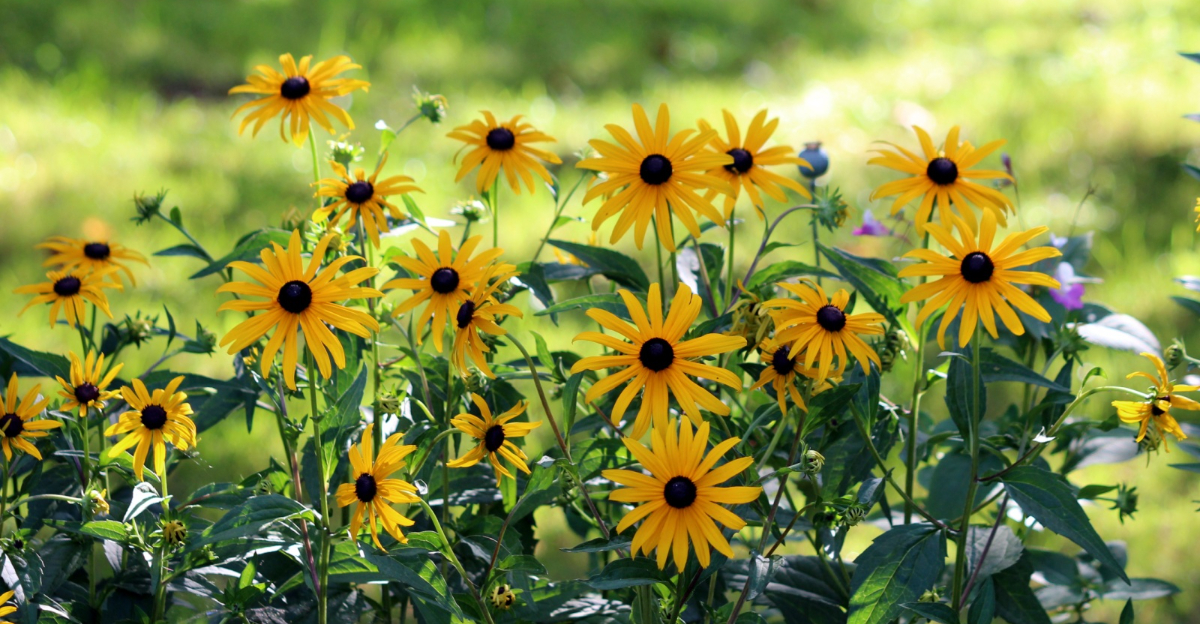
Tennessee summers don’t ease up. Heat presses down for weeks straight, the humidity clings like a wet blanket, and by mid-July most flower beds start looking worn out and half-hearted.
Petals wilt, leaves droop, and gardeners start wondering if anything can hold its own through the long stretch between June and September.
Yet somewhere in the middle of a sweltering Tennessee backyard, one plant just keeps going.
It shrugs off drought, laughs at poor soil, and keeps pushing out color when everything else has slowed to a crawl.
No babying required, no constant watering schedule, no fussy fertilizer routine. Just a plant that shows up, does its job, and comes back stronger the following year.
Gardeners who’ve come across this one rarely go back to high maintenance blooms that can’t take the heat. This is the flower that turns a wilting summer garden into one that actually thrives.
This Perennial Handles Tennessee’s Toughest Summers
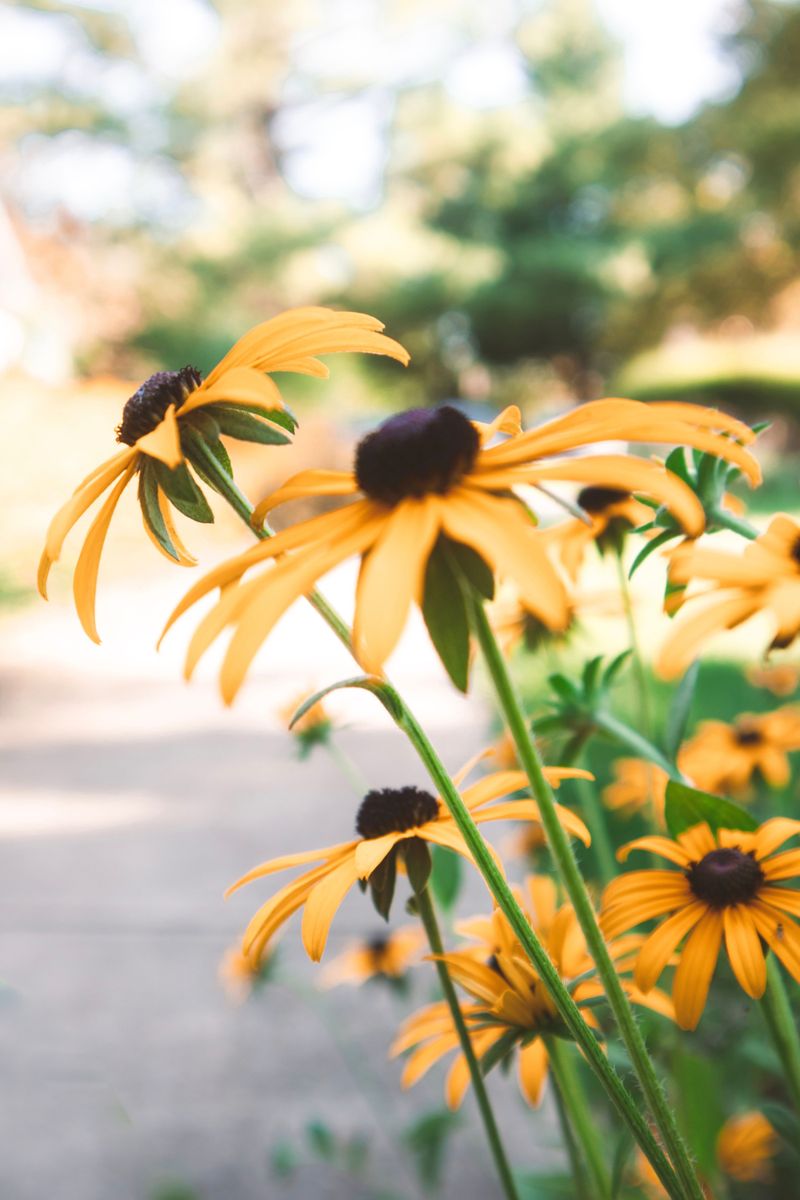
Golden petals everywhere, and the heat cannot stop them. Black-eyed Susan laughs at the kind of summer that sends other flowers straight to the compost bin.
This tough perennial is built for the intense combination of blazing sun and soaking humidity that rolls through the South every single year.
Native to North America, this plant evolved to handle exactly what Tennessee summers dish out. Its dense network of shallow roots spreads wide and pulls in every bit of available moisture.
That means even during a dry stretch, those bright blooms keep on coming without any help from you. Gardeners across the region have noticed something special about this flower.
While neighboring plants wilt by noon, Black-eyed Susan stands tall and cheerful. It almost seems to enjoy the pressure. The secret is in its biology. Thick stems and waxy leaves help the plant hold onto moisture.
Those features act like a built-in defense system against heat stress and fungal issues caused by high humidity.
Planting it along a sunny border or in a raised bed gives it exactly what it craves. Full sun exposure fuels stronger blooms and healthier stems all season. You get maximum color with minimum worry, a rare combination in any garden.
Once established, this plant fills out more generously each year, often through steady self-seeding rather than a single root simply expanding.
It naturally fills gaps in the garden, especially when a few spent blooms are left standing through the season.
For anyone tired of replacing plants every season, this golden bloomer earns its keep year after year.
Why Humidity Causes So Many Perennials To Struggle
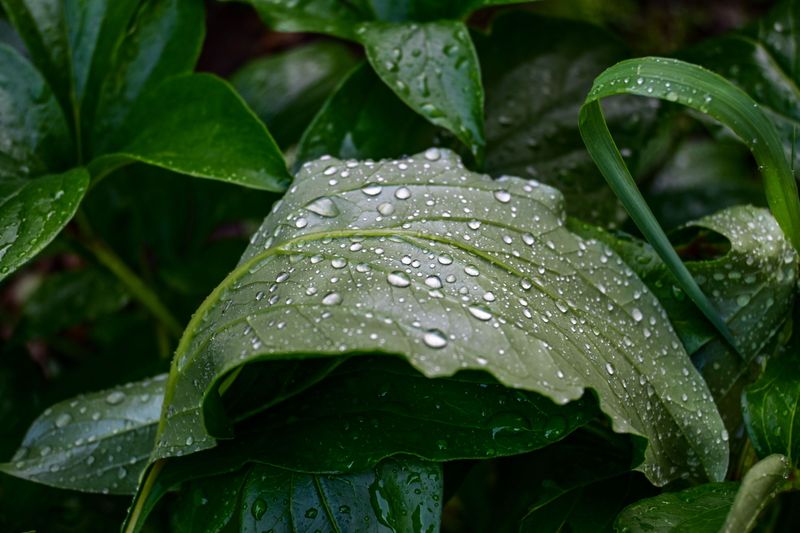
Sticky air is a silent plant destroyer. High humidity creates the perfect environment for fungal diseases, root rot, and powdery mildew to take hold fast.
Most perennials simply cannot fight back once those problems start spreading through their leaves and stems.
When moisture sits on leaves for hours, it breaks down the plant’s natural defenses. Spores travel easily in humid air and latch onto soft foliage.
Your Tennessee Garden Changes Every Week. Your Plan Should Too.
Gardening in Tennessee changes quickly throughout the season. Every Friday you’ll receive a simple weekly plan showing exactly what to plant, prune, fertilize, harvest, and protect so you never miss the right timing.
Before long, a beautiful plant looks spotted, brown, and completely spent. Poor air circulation makes everything worse. Gardens packed tightly together trap humidity right at the plant level.
That warm, wet pocket around the stems is basically an open invitation for disease to move in and take over.
Humidity also messes with how plants absorb nutrients. Waterlogged soil suffocates roots and blocks the uptake of key minerals.
Without those minerals, plants lose their color, their strength, and eventually their ability to bloom at all.
Shallow-rooted perennials are especially vulnerable in these conditions. They cannot reach deeper, cooler soil layers when the surface gets oversaturated.
A few days of heavy rain followed by intense heat can wipe out an entire planting bed in no time.
Understanding this struggle helps explain why plant selection matters so much in humid climates. Choosing the wrong perennial means starting the summer at a disadvantage.
Picking the right one, like the humidity-proof perennial this article celebrates, means spending more time enjoying your garden and less time rescuing it.
What Helps Black-Eyed Susan Stay Strong All Summer Long
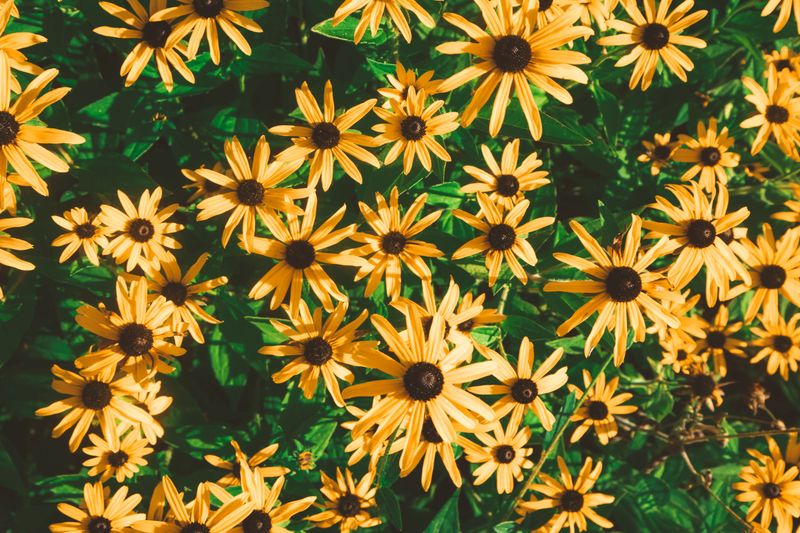
Toughness is baked right into this plant’s DNA. Black-eyed Susan belongs to the Rudbeckia family, a group known for resilience and adaptability across North America.
That heritage gives it a serious edge over more delicate flowering perennials. Its coarse, hairy leaves are not just for looks.
That texture actually repels excess moisture and makes it harder for fungal spores to stick around. While other plants collect humidity like a sponge, this one sheds it like a raincoat.
Strong, sturdy stems keep the plant upright even during heavy summer storms. When wind and rain knock other flowers sideways, Black-eyed Susan bounces back quickly.
That structural strength means fewer staking jobs and less cleanup after rough weather rolls through.
A dense, wide-spreading root system is another major advantage. Rather than digging deep, it fans out just below the surface, soaking up every drop of available moisture.
During dry spells, this network keeps the blooms fed and hydrated without any extra watering from you.
The plant also has a smart response to heat stress. It slows its growth slightly during extreme temperatures rather than pushing too hard.
That built-in conservation mode helps it survive heat waves that would exhaust less adaptable species.
Self-seeding is another clever survival trick. As the season ends, seed heads form and drop naturally into the soil below.
New plants sprout the following spring, ensuring the colony grows stronger and more established with each passing year. The humidity-proof perennial just keeps going, season after season, without missing a beat.
Ideal Growing Conditions For Healthy Blooms
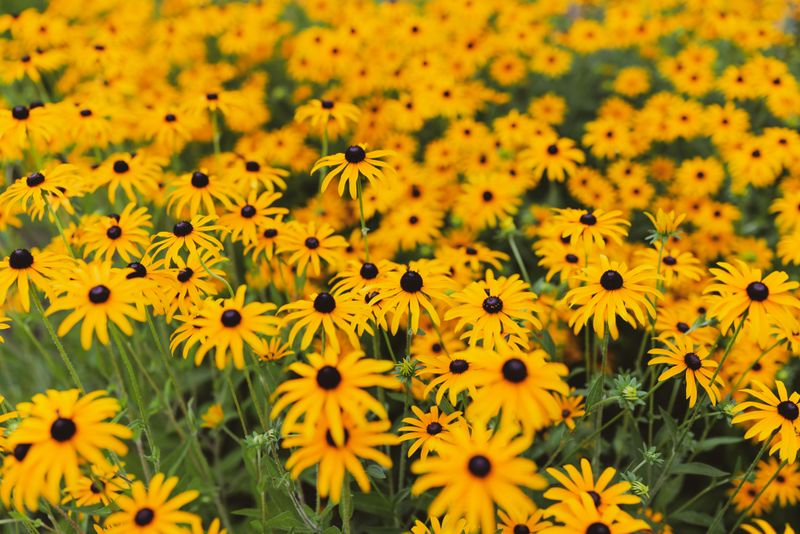
Sun is non-negotiable for this plant. Black-eyed Susan performs best with at least six hours of direct sunlight each day.
Less than that and you will notice fewer blooms, weaker stems, and a plant that just looks a little sad.
Well-draining soil is equally important. Standing water around the roots is one of the few things that can genuinely stress this tough plant.
Raised beds, sloped borders, or amended garden beds with added compost all help ensure proper drainage.
Soil quality does not need to be perfect. In fact, overly rich soil can push the plant to produce too much foliage at the expense of flowers.
A moderately fertile, slightly sandy or loamy soil gives you the best bloom-to-leaf ratio possible.
Watering needs are low once the plant is established. During its first season, regular watering helps the root system develop properly.
After that first year, rainfall alone is usually enough to keep it healthy and blooming. Mulching around the base of the plant helps in two important ways.
It retains just enough moisture during dry periods and also regulates soil temperature during heat spikes. A two-inch layer of organic mulch works perfectly without smothering the crown.
Spacing matters more than most gardeners realize. Planting Black-eyed Susans about eighteen inches apart allows air to move freely between them.
Good airflow reduces humidity buildup at the base and keeps fungal issues from ever becoming a real problem in your garden.
How Long Black-Eyed Susan Blooms Through The Season
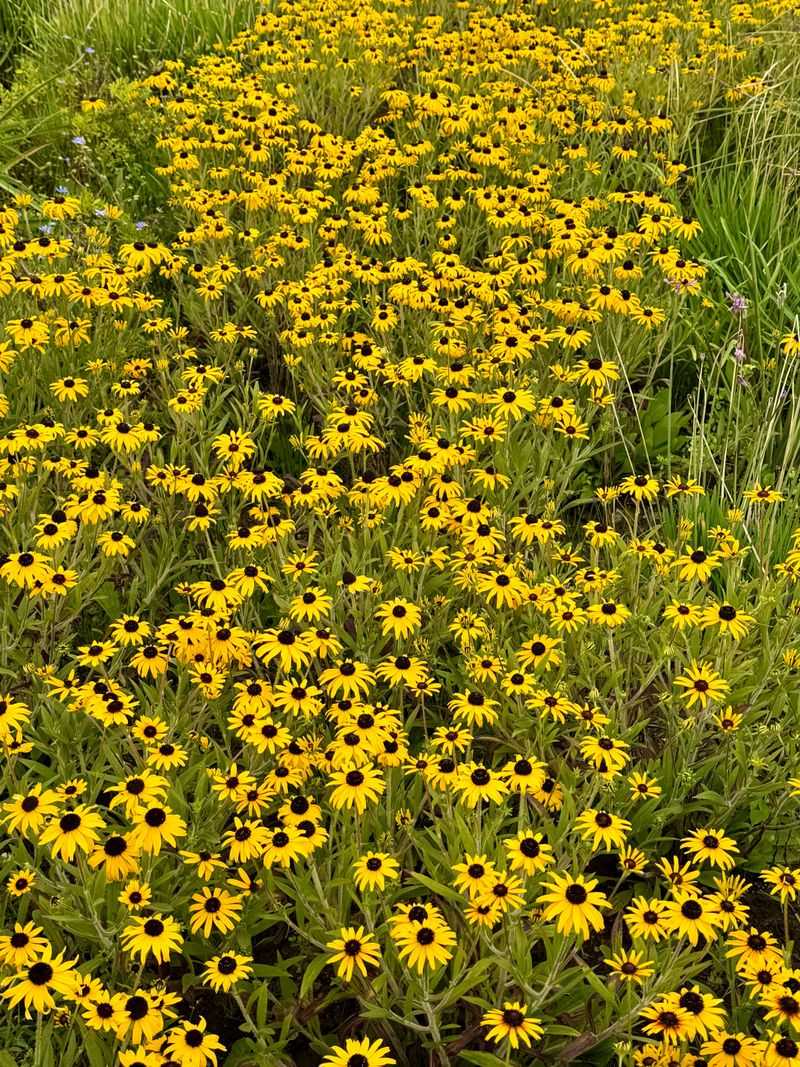
Few perennials put on a show this long. Black-eyed Susan typically begins blooming in late June and keeps going strong well into October.
That stretch of color covers the hottest, most demanding part of the gardening season without a single break.
The garden can feel bare and sad during those months if you have not planned carefully. This flower fills that gap beautifully and reliably every single year.
Removing spent blooms encourages the plant to push out new flowers faster. Snipping off faded heads redirects the plant’s energy toward fresh bud production.
You do not have to trim, but doing so extends the bloom period noticeably. As summer shifts into fall, the blooms begin to slow and seed heads take over.
Those dark, spiky centers become a food source for goldfinches and other seed-eating birds.
Leaving them standing through winter adds visual interest and supports local wildlife at the same time.
Some gardeners cut the plant back by one-third in late spring to encourage bushier growth and more blooms. This technique, sometimes called the Chelsea Chop, delays the first flush of flowers slightly.
The payoff is a fuller, more dramatic display that lasts even longer into autumn. The humidity-proof perennial just keeps going, season after season, growing steadier with time.
Companion Plants That Pair Well In Humid Gardens
Pairing plants well is half the fun of gardening. Black-eyed Susan plays nicely with a wide range of companions, especially those that share its love of sun and its tolerance for sticky summer air.
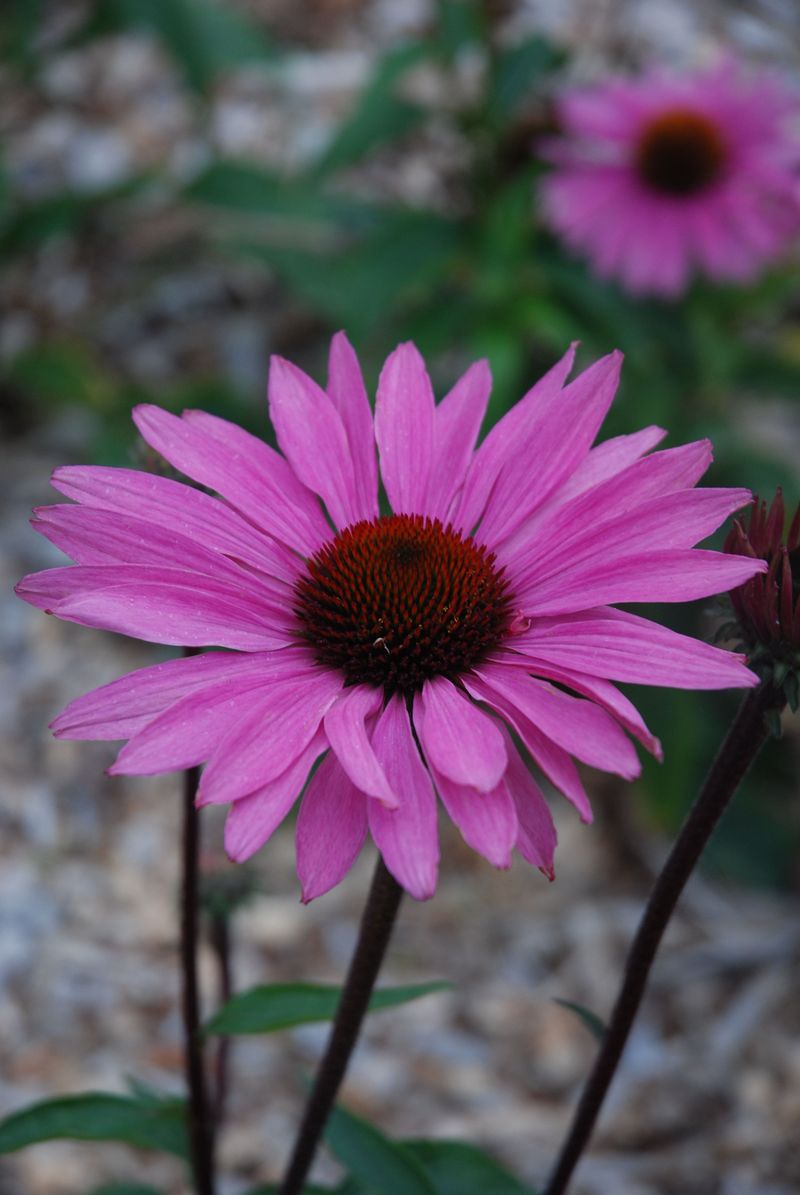
Choosing the right neighbors makes the whole bed look intentional and gorgeous. Purple coneflower, also known as echinacea, is one of the best partners you can plant nearby.
Both thrive in full sun and handle humidity without complaint. The contrast between golden yellow and deep purple creates a color combination that instantly draws the eye.
Ornamental grasses add texture and movement to a planting bed anchored by Black-eyed Susans. Varieties like Little Bluestem or Karl Foerster feather reed grass hold up well in hot, humid conditions.
Their airy structure also improves airflow around lower-growing plants. Salvia is another smart choice for humid-climate gardens.
Its upright spikes of blue or purple flowers complement the rounded shape of Black-eyed Susan perfectly. Salvia also tends to repel certain insects, which benefits everything growing nearby.
Lantana brings bold tropical color and shares the same love of heat and sun. It blooms from spring through frost and fills in spaces between taller plants beautifully.
The combination of lantana and Black-eyed Susan creates a layered, full-looking garden bed with almost no maintenance required. Planting with intention transforms a garden from random to remarkable.
The humidity-proof perennial anchors every combination it joins, making the whole bed stronger, bolder, and more beautiful from June straight through to the first frost.