Heat-Loving Vegetables Worth Growing In Texas Gardens This Summer
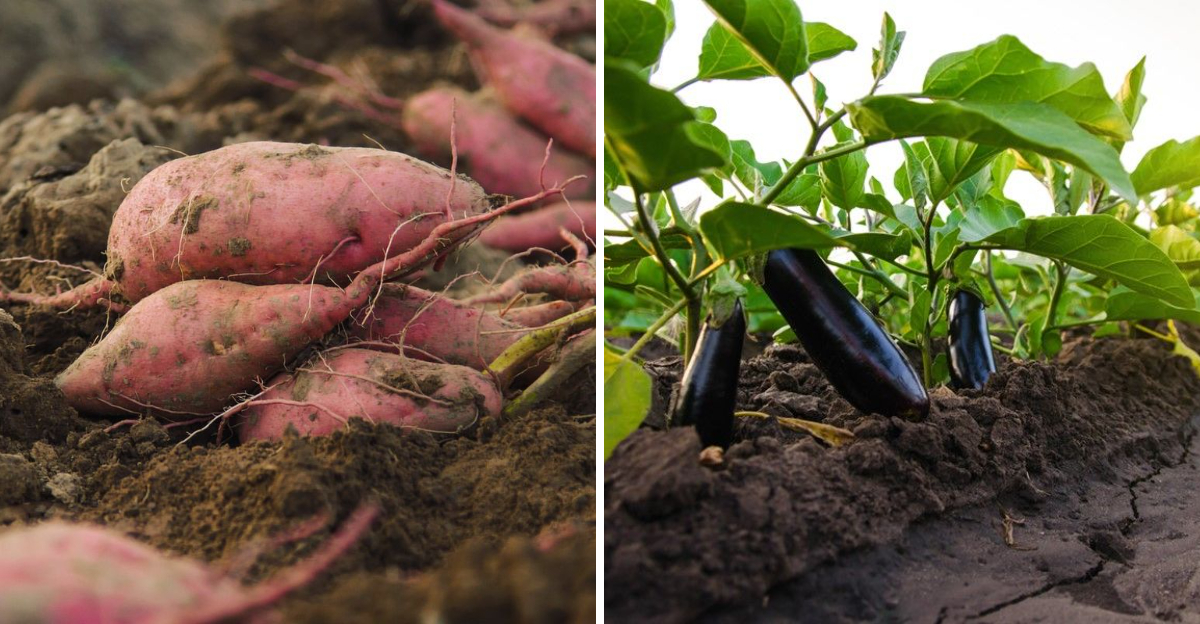
Texas summers are not the end of the vegetable garden. For the right crops, they are actually the beginning of something really productive.
Most gardening advice is written for climates where summer is mild and pleasant, which leads a lot of Texas gardeners to assume the hot months are just a waiting period between spring and fall planting. That assumption leaves a lot of growing potential untapped.
There are vegetables that are genuinely built for heat, plants that respond to high temperatures by producing more, developing better flavor, and growing faster than they ever would in a cooler climate.
Texas summers can be brutal, but brutal for one plant is ideal for another, and knowing which vegetables belong in that category changes how you think about the garden from June through September.
If you have been letting your beds sit empty through the hottest months, this list gives you a good reason to rethink that habit.
1. Okra
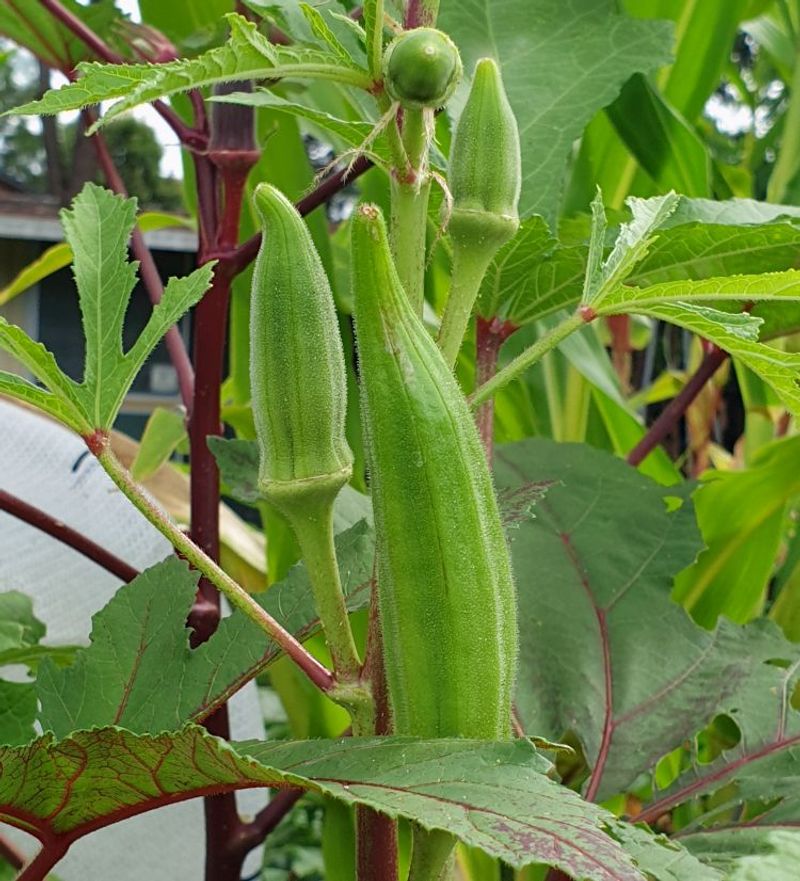
Few vegetables are as perfectly matched to Texas summers as okra. When the thermometer pushes past 90 degrees and most other plants start to struggle, okra just gets going.
It is one of those plants that seems to wake up in the heat and produce more pods the hotter things get.
Okra originally comes from Africa, which explains why it handles brutal conditions so well. It was brought to the American South centuries ago and quickly became a garden staple.
Today, it is still one of the most reliable summer crops a Texas gardener can grow. Plant it once the soil is warm, around 65 degrees or higher, and it will take off fast.
Expect plants to reach six feet tall or more by midsummer. They produce bright yellow flowers that look almost tropical before turning into pods.
Pick the pods when they are two to four inches long for the best texture. If you leave them too long, they get tough and fibrous.
Okra works well in gumbo, soups, stews, and even roasted in the oven with a little olive oil and seasoning. Some people love it fried, and that is hard to argue with. It is also packed with fiber, vitamin C, and folate, making it as nutritious as it is productive.
Give your okra full sun, well-drained soil, and a good deep watering once or twice a week. You will not need much else. This plant is as low-maintenance as it gets during a Texas summer.
2. Southern Pea
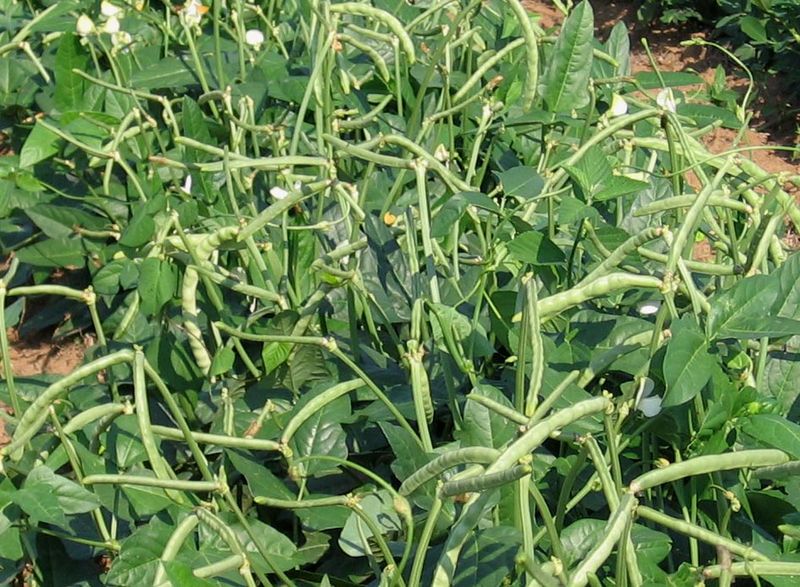
Also called cowpeas, Southern peas have been feeding families across the South for generations. Black-eyed peas, purple hull peas, and crowder peas all fall under this category.
These are not the delicate garden peas you grow in spring. Southern peas are tough, reliable, and made for the heat.
What makes them stand out is their ability to handle both drought and intense heat without skipping a beat. During a dry Texas summer, when water is precious and the sun beats down hard, Southern peas keep right on growing.
Your Texas Garden Changes Every Week. Your Plan Should Too.
Gardening in Texas changes quickly throughout the season. Every Friday you’ll receive a simple weekly plan showing exactly what to plant, prune, fertilize, harvest, and protect so you never miss the right timing.
Their deep root systems help them pull moisture from the soil even when the surface looks completely dry.
Plant them after the last frost when the soil is good and warm. They grow quickly and start producing pods in about 60 to 70 days.
You can harvest them fresh for shelling or let the pods dry on the vine for dried beans to use later in the year.
One cool bonus: Southern peas actually improve your soil as they grow. Like other legumes, they fix nitrogen from the air and deposit it into the ground.
That means the area where you plant them this summer will be richer and more productive next season.
They do not need much fertilizer and actually prefer lean soil. Too much nitrogen can push leafy growth at the expense of pods.
Give them full sun, space to spread a little, and consistent moisture during flowering. A handful of seeds can turn into a surprisingly large harvest by late summer.
3. Sweet Potato
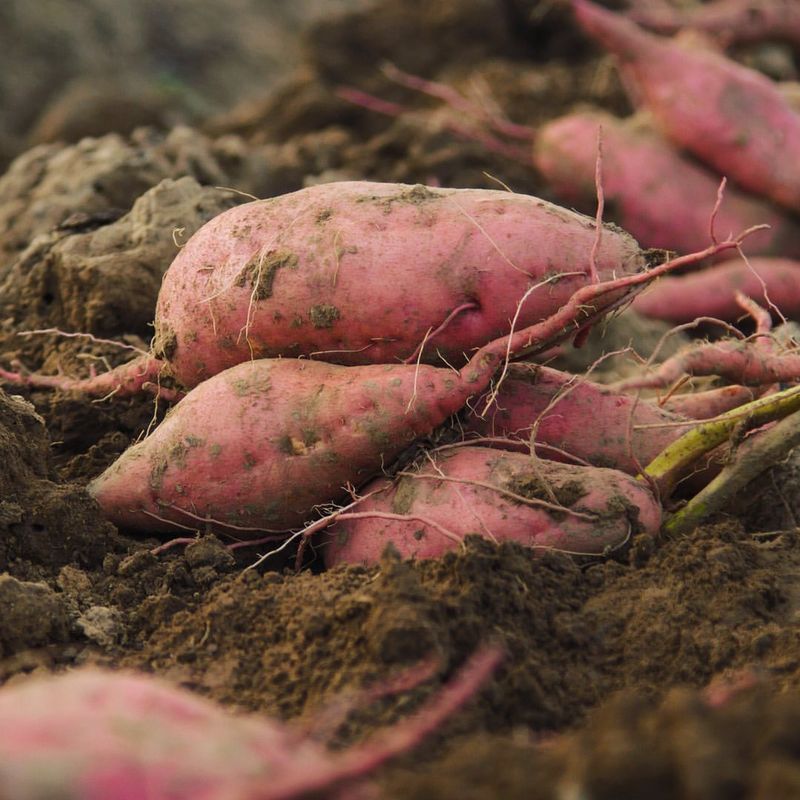
Sweet potatoes are one of the most satisfying crops you can grow in a Texas summer garden. Plant them once, give them space, and they will spread out vigorously across your garden bed like a living green carpet.
They love long, hot summers, and Texas delivers exactly that. You start sweet potatoes from slips, which are small rooted cuttings taken from a mature sweet potato. You can buy slips from a local nursery or order them online in early spring.
Plant them after the last frost when the soil has warmed up, usually in late April or May in most parts of Texas.
Once planted, sweet potato vines grow fast. They spread along the ground and help shade the soil, which actually keeps moisture in and weeds down.
That is a big win during a dry Texas summer. The vines themselves are edible too. Young leaves and tender shoots can be cooked like spinach or added to stir-fries.
The real reward comes at the end of the season, usually around 90 to 120 days after planting. When the vines start to yellow a little, it is time to dig up your harvest.
You might be surprised at how many sweet potatoes are hiding underground. A single plant can produce several pounds of roots.
Sweet potatoes store well in a cool, dry place for months. They are loaded with vitamin A, potassium, and fiber.
Roasted, mashed, or baked, they are one of the most versatile and delicious vegetables you can grow right in your own backyard.
4. Malabar Spinach
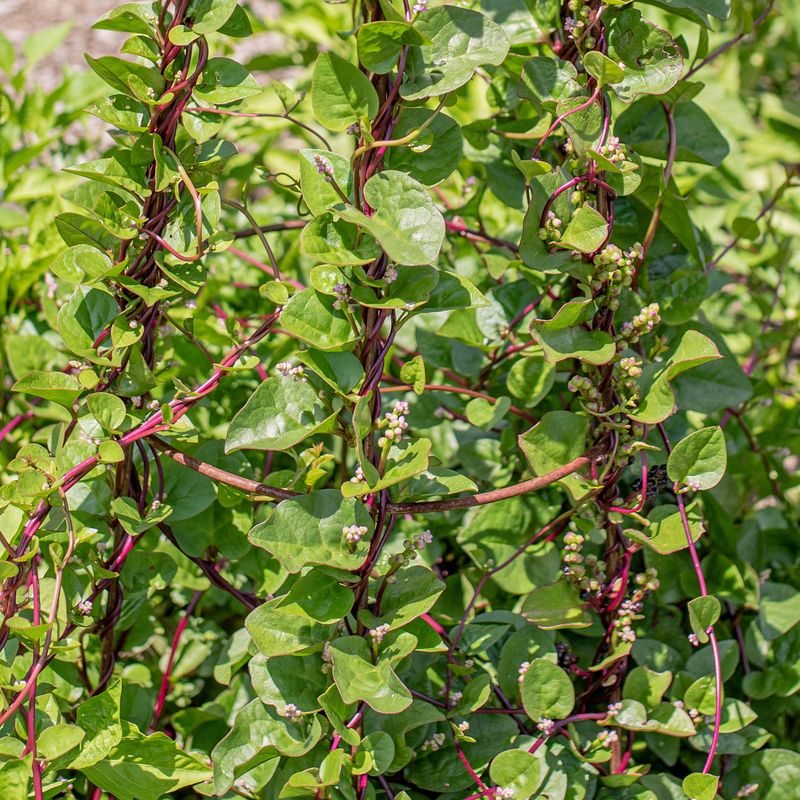
Regular spinach wilts and bolts the moment summer arrives in Texas. Malabar spinach, on the other hand, practically cheers when the heat turns up.
It is not actually related to true spinach at all. It is a tropical vine native to South Asia and Africa, and it thrives in exactly the kind of hot, humid conditions that shut down most cool-season greens.
Malabar spinach grows as a fast-climbing vine that can reach ten feet or more when given a trellis or fence to climb. The leaves are thick, glossy, and deep green, with a slightly succulent texture.
The stems are often a rich, deep purple or green depending on the variety. It is honestly one of the most beautiful plants you can grow in a summer garden.
The flavor is mild with a very slight mucilaginous quality, similar to okra. That makes it perfect for soups, stews, curries, and stir-fries.
Young leaves are tender enough to use fresh in salads. The more you harvest, the more it produces, so do not be shy about picking.
Plant Malabar spinach in full sun after the last frost. It loves warm soil and will grow slowly at first, then take off once temperatures climb.
Water it regularly but do not let it sit in soggy ground. A simple trellis or garden fence is all it needs to climb.
Nutritionally, it is impressive. Malabar spinach is rich in iron, calcium, and vitamins A and C. For Texas gardeners craving fresh greens all summer long, this vine is a genuine game changer.
5. Hot Pepper
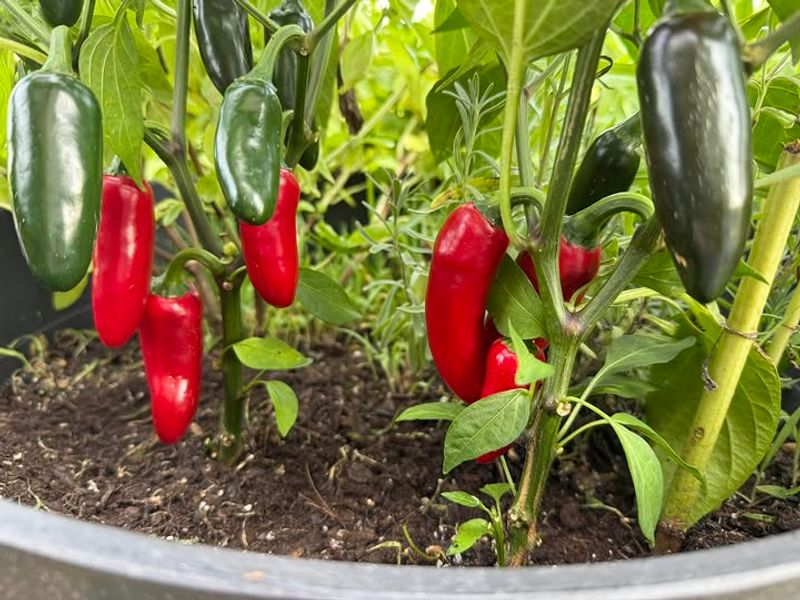
Texas and hot peppers just make sense together. The climate, the culture, and the cuisine all point in the same direction.
Peppers love long stretches of heat, and in Texas, they get plenty of it. Whether you are growing jalapenos, serranos, cayennes, or habaneros, summer is prime time for a big pepper harvest.
Peppers are actually perennial plants in frost-free climates, but most Texas gardeners grow them as annuals. They perform best when daytime temperatures stay between 70 and 90 degrees, but they handle hotter conditions surprisingly well.
Extremely high temperatures above 95 degrees can cause blossoms to drop, but once things cool slightly in late summer, the plants bounce right back and produce heavily.
Start pepper seeds indoors about eight weeks before the last frost date. Transplant seedlings outside once nights stay consistently warm.
They like full sun and well-drained soil with regular watering. Do not overwater, though. Peppers actually develop more intense heat when they experience mild water stress.
One thing many gardeners do not realize is that hot peppers are incredibly productive. A single plant can produce dozens of peppers over the course of a season.
Pick them regularly to encourage more production. You can use them fresh, roast them, dry them, or turn them into hot sauce.
Peppers are also rich in vitamin C and capsaicin, which has been studied for its potential health benefits. Growing your own means you always have fresh heat on hand.
For Texas gardeners who love bold flavors, a few pepper plants are absolutely worth the space.
6. Eggplant
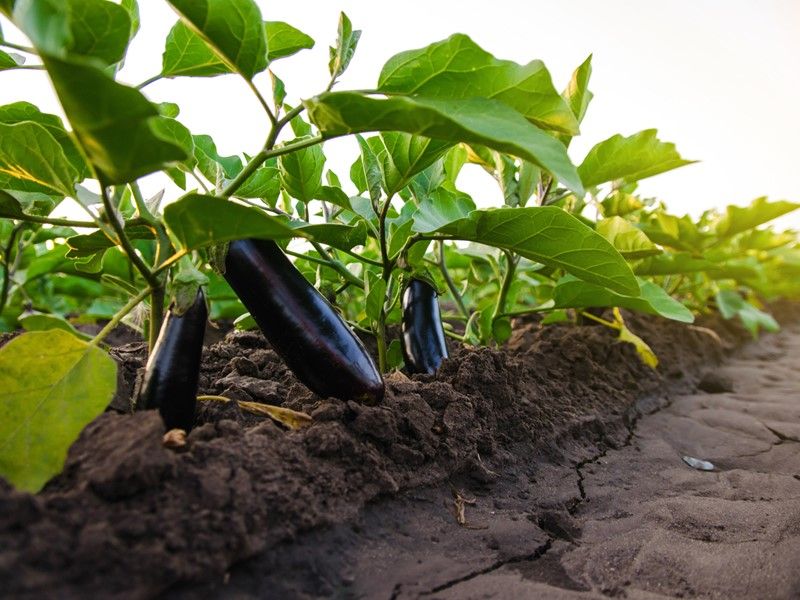
Eggplant is one of those vegetables that genuinely thrives when Texas turns up the heat. Warm nights, long sunny days, and hot soil are exactly what this plant needs to produce its best fruit.
While tomatoes start to struggle when temperatures soar, eggplant just keeps going and often picks up production in mid-to-late summer.
Originally from South Asia, eggplant has been cultivated for thousands of years. It was introduced to the American South through trade routes and has been a warm-weather garden favorite ever since.
There are dozens of varieties to choose from, including classic dark purple types, long slender Japanese varieties, and small round Italian kinds. All of them love Texas summers.
Plant eggplant transplants outside after the last frost when the soil is reliably warm. They need full sun and rich, well-drained soil.
Feed them with a balanced fertilizer every few weeks during the growing season. Consistent watering is important, especially when plants are flowering and setting fruit. Uneven moisture can lead to bitter-tasting fruit.
Harvest eggplant when the skin is shiny and firm. Once the skin starts to look dull or wrinkled, the fruit is past its best.
Regular harvesting encourages the plant to keep producing through the season. Eggplant is incredibly versatile in the kitchen. Grill it, roast it, bake it into casseroles, or use it in pasta dishes and dips.
It absorbs flavors beautifully and has a creamy, rich texture when cooked properly. For any Texas gardener with a love of cooking, eggplant earns its spot in the summer garden every single year.
7. Armenian Cucumber
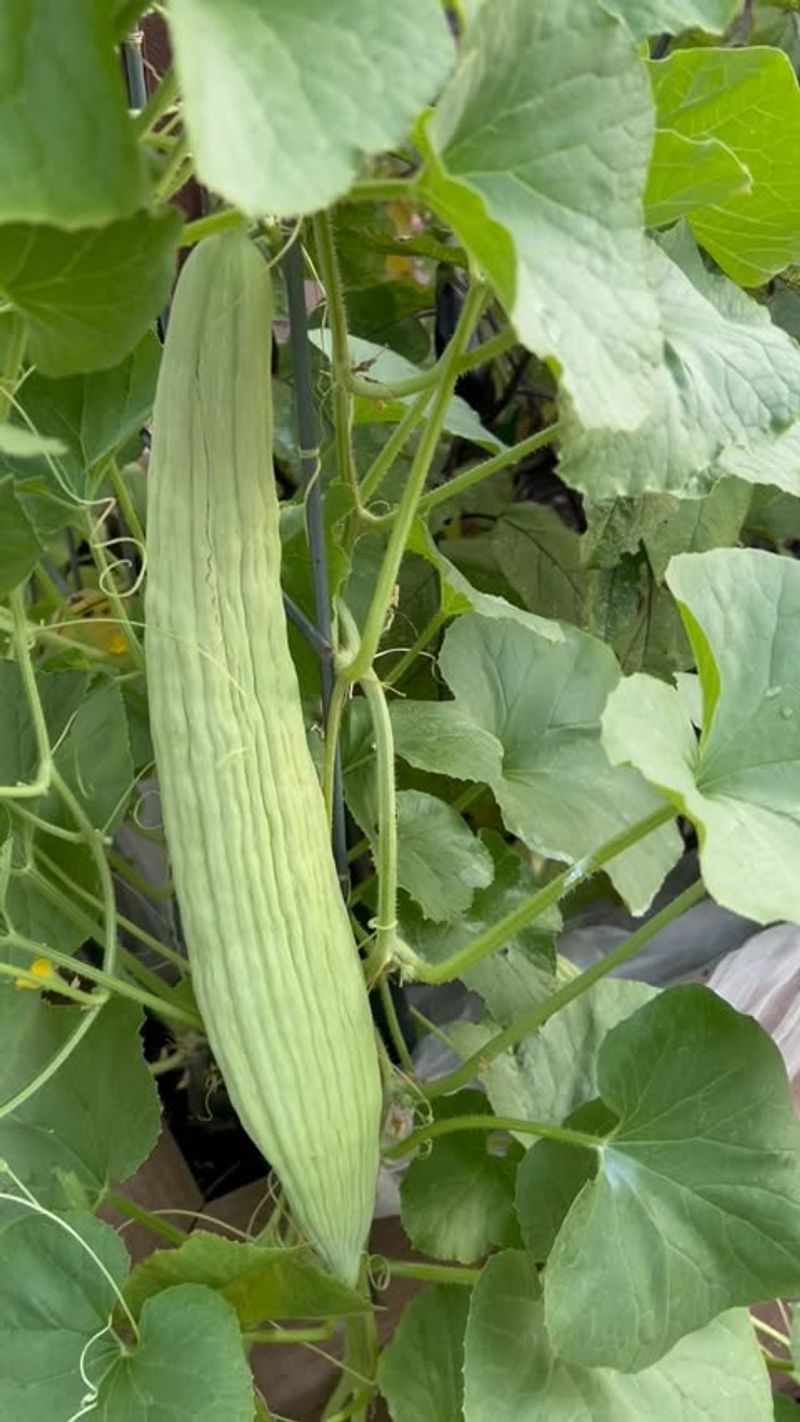
Standard cucumbers can be tricky in a Texas summer. The heat stresses them out, powdery mildew moves in, and production drops off just when you want it most.
Armenian cucumber is a completely different story. Despite its name, it is technically a type of muskmelon, and it handles Texas heat far better than any regular cucumber variety ever could.
Armenian cucumbers are long, slender, and pale green with a slightly ribbed skin. They have a mild, refreshing flavor with almost no bitterness.
The flesh is crisp and cool, which makes them incredibly satisfying to eat during a hot Texas summer. You can slice them fresh, add them to salads, or use them just like you would a regular cucumber in any recipe.
Plant Armenian cucumbers after the last frost in a sunny spot with well-drained soil. Give them a sturdy trellis to climb.
Growing vertically saves space, improves air circulation, and keeps the fruit clean and easy to spot at harvest time. They grow quickly once the heat sets in and can produce fruit in as little as 50 to 65 days from planting.
Pick the fruit when it is about 12 to 18 inches long for the best texture and flavor. Left on the vine too long, it can get seedy and slightly bitter. Regular harvesting keeps the plant productive throughout the summer season.
Armenian cucumber is also low in calories and high in water content, making it a hydrating snack during hot weather. For Texas gardeners frustrated with regular cucumbers fading in the heat, this is the variety that finally delivers a reliable summer harvest.