This Is What Texas Esperanza Needs Before The Heat Gets Brutal
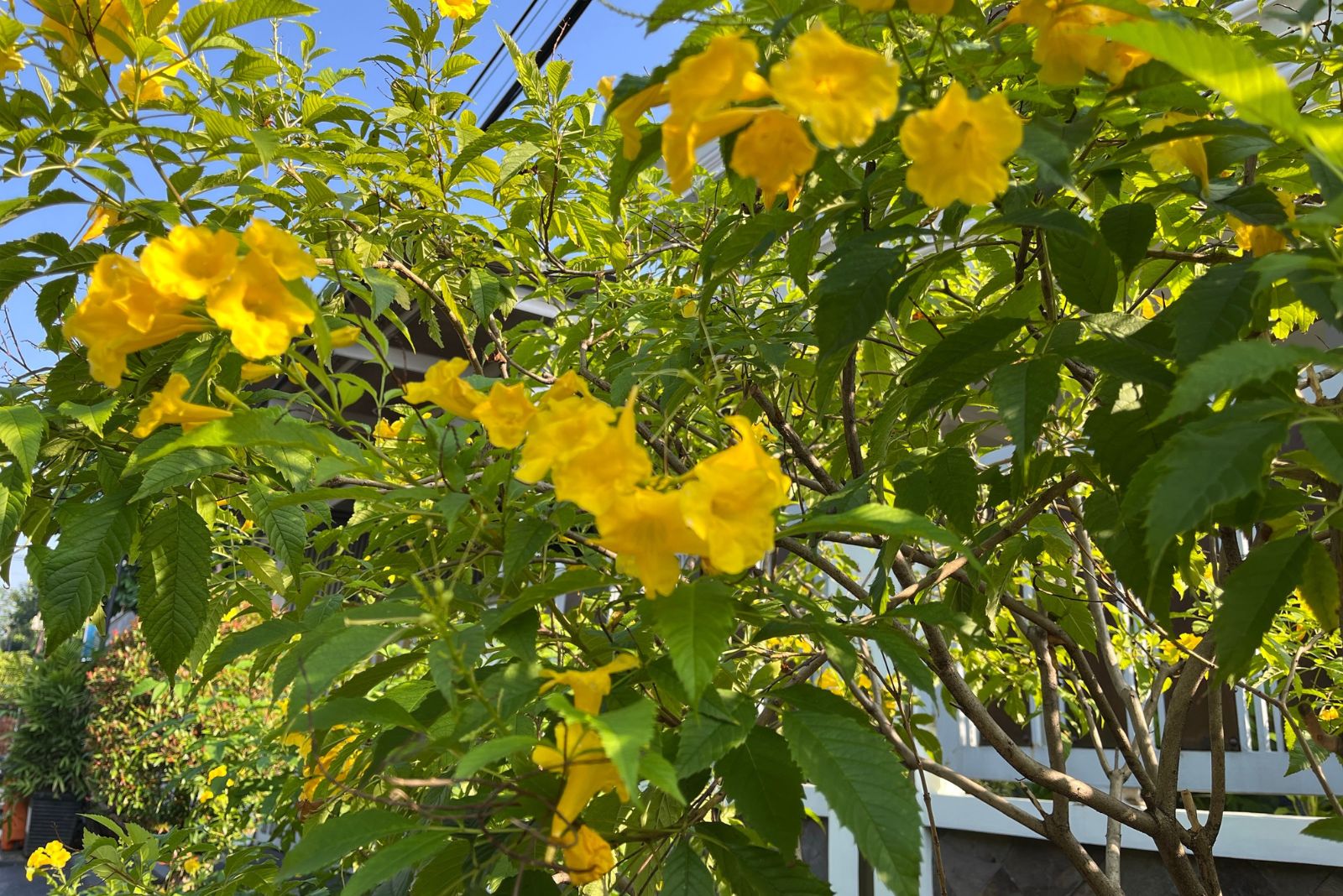
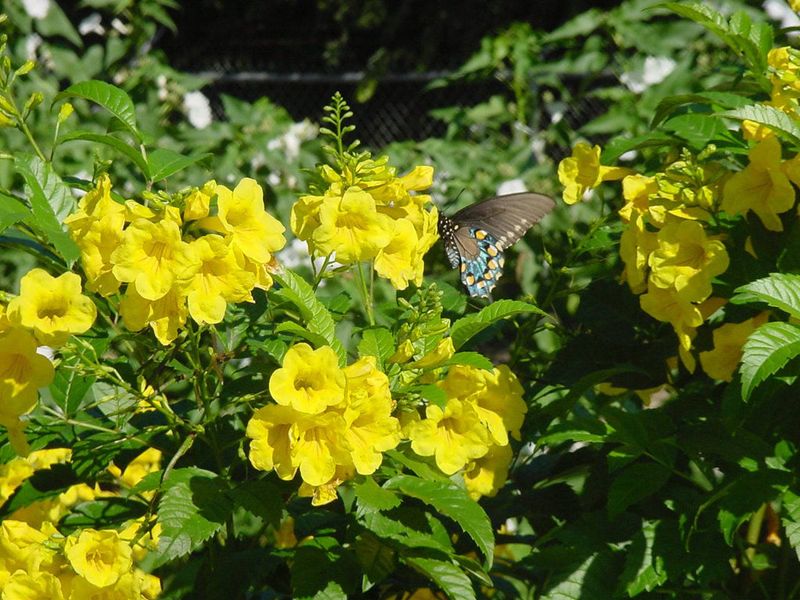
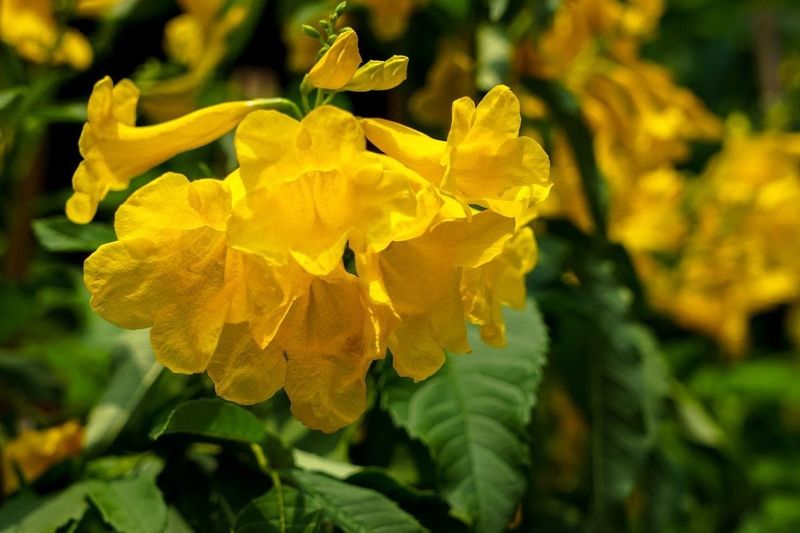
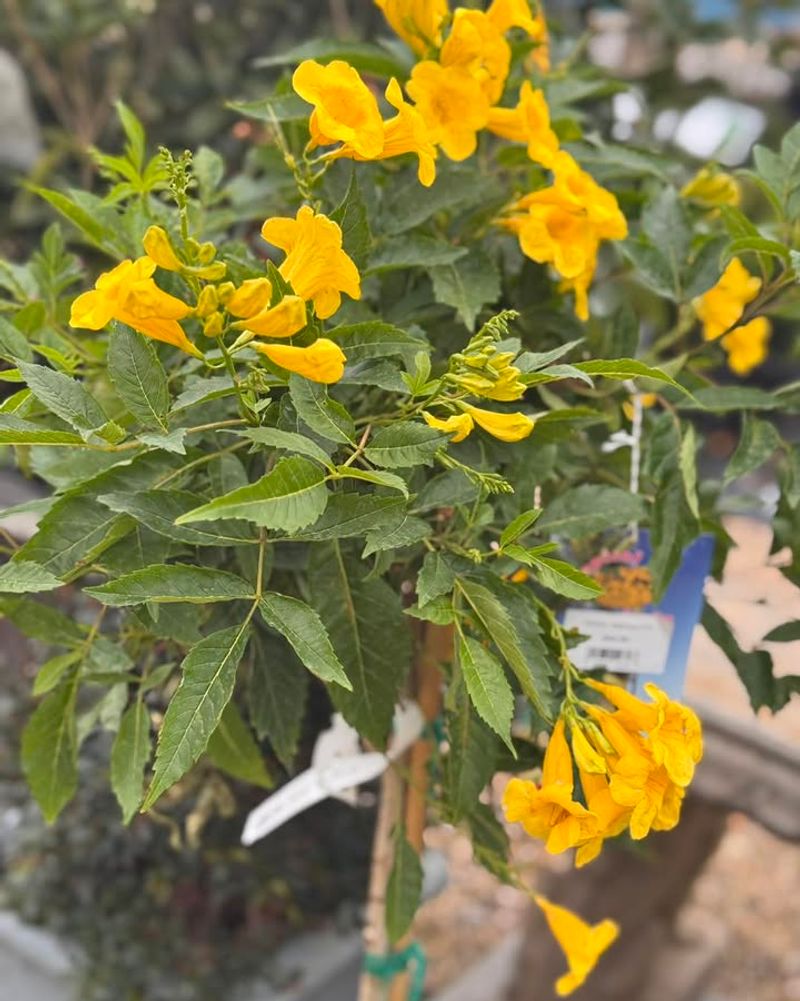
Esperanza is one of those plants that seems almost custom built for Texas summers, pushing out waves of bright yellow blooms right through the kind of heat that shuts down most of the garden.
But even a plant this well adapted to Texas conditions performs better with a little preparation before the most brutal stretch of summer arrives.
The window before peak heat is when esperanza builds the root strength and energy reserves it needs to bloom consistently rather than just sporadically.
Miss that window and you often end up with a plant that looks fine but never quite delivers the kind of nonstop color it is actually capable of.
A few focused steps right now, covering everything from pruning and feeding to soil and watering habits, can make a noticeable difference in how your esperanza performs from midsummer all the way through fall.
The effort is minimal, but the payoff shows up clearly once the heat is fully on.
1. Full Sun Exposure
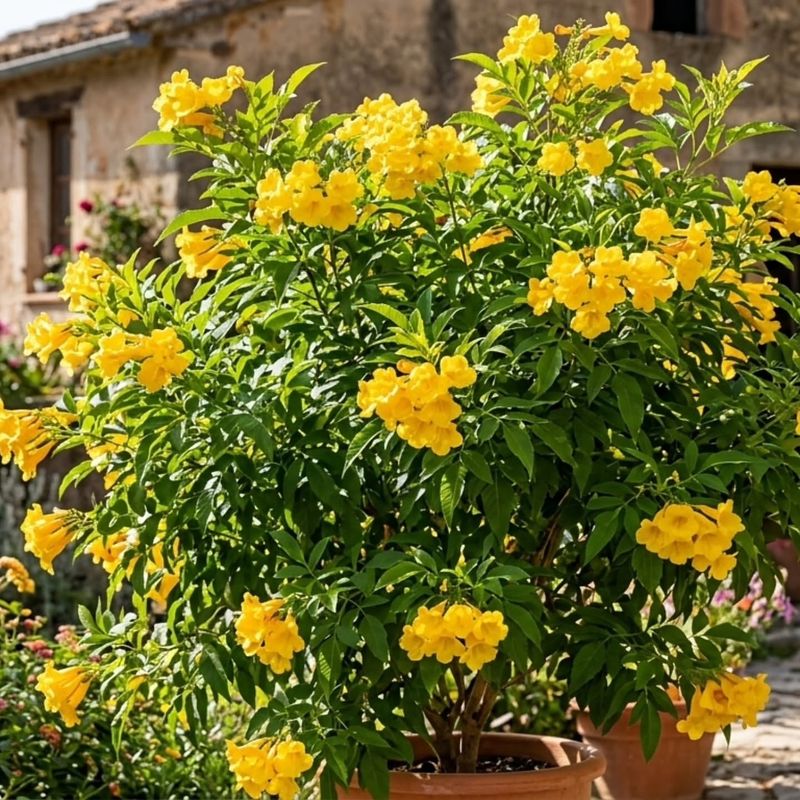
Few plants love the sun as fiercely as Esperanza does. Known by its scientific name Tecoma stans, this native-friendly shrub thrives when it gets at least six to eight hours of direct sunlight every single day.
In Texas, where the sun is generous almost year-round, Esperanza is right at home. Planting your Esperanza in a spot that gets full sun exposure from morning through afternoon is one of the best things you can do for it.
Shaded spots might seem like a kindness during hot months, but too much shade actually slows down blooming and weakens the plant over time. Bright, direct light is what fuels those bold yellow flowers.
If your Esperanza is already planted but seems to be producing fewer flowers than expected, check how much sun it actually receives throughout the day.
Trees, fences, or nearby buildings might be blocking more light than you realize. Sometimes simply relocating a container plant to a sunnier spot makes a huge difference.
Sun exposure also plays a role in keeping the plant healthy by drying out moisture on the leaves and stems.
Wet foliage sitting in shade can invite fungal problems, especially when humidity creeps up during summer storms. Full sun helps prevent that.
Before the brutal heat of July and August arrives, make sure your Esperanza is positioned for maximum light. A little planning now saves you a lot of frustration later.
Give this plant the sunshine it craves, and it will absolutely deliver a show-stopping display all summer long.
2. Deep Watering Before Extreme Heat Arrives
Most people water their plants a little bit every day without thinking twice about it. With Esperanza, though, that habit can actually work against you.
Shallow, frequent watering encourages roots to stay near the surface, where they are most vulnerable when the soil heats up fast in Texas summers.
Deep watering done less often is the smarter approach. When you water slowly and thoroughly, moisture soaks down several inches into the soil.
The roots follow that moisture downward, growing deeper and stronger over time. Deep roots are far better equipped to handle drought conditions and extreme heat.
Your Texas Garden Changes Every Week. Your Plan Should Too.
Gardening in Texas changes quickly throughout the season. Every Friday you’ll receive a simple weekly plan showing exactly what to plant, prune, fertilize, harvest, and protect so you never miss the right timing.
A good rule of thumb is to water deeply once or twice a week rather than lightly every day. Let the top inch or two of soil dry out between waterings.
This cycle trains the roots to reach down rather than stay shallow. It also helps the plant build the kind of drought tolerance that Texas summers demand.
Before temperatures start regularly hitting triple digits, give your Esperanza a few rounds of deep watering to help it establish a strong root system.
Early preparation makes a real difference when the heat ramps up fast, which it often does in Texas with very little warning.
Soaker hoses or drip irrigation work especially well for deep watering because they deliver moisture slowly right at the base of the plant.
This method also keeps water off the foliage, which reduces the chance of disease. A little extra effort in spring sets up your Esperanza for a long and healthy summer season.
3. Fast-Draining Soil
Soggy roots are one of the fastest ways to stress out an Esperanza plant. Even though Texas summers are brutally hot, that does not mean Esperanza wants to sit in wet soil.
Quite the opposite, actually. Poor drainage is one of the most common reasons this plant struggles, even in warm climates where it should be thriving.
Esperanza naturally grows in rocky, well-drained soils across Texas, Mexico, and parts of South America. It evolved to handle dry spells, not standing water.
When roots stay constantly wet, they can rot, and a rotting root system cannot support healthy growth or blooming no matter how much sun the plant gets.
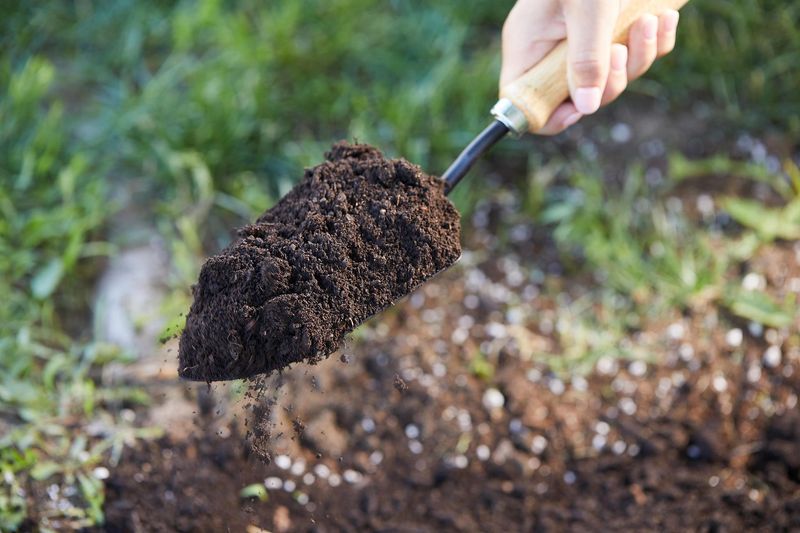
If your garden soil tends to stay wet after rain or watering, consider amending it before peak summer arrives. Mixing in coarse sand, perlite, or decomposed granite can significantly improve drainage.
Raised beds are another excellent option for gardeners dealing with heavy clay soil that holds moisture too long.
Container-grown Esperanza plants need pots with drainage holes at the bottom. Never let a potted Esperanza sit in a saucer full of standing water.
Empty those saucers after heavy rain or watering sessions to prevent moisture buildup around the roots.
Checking your soil drainage now, before the heat gets intense, gives you time to make adjustments without stressing the plant.
Healthy, fast-draining soil is one of the simplest and most effective ways to keep Esperanza looking great all season. Get the soil right, and everything else about caring for this plant becomes much easier.
4. Light Pruning In Late Spring
Grab your pruning shears and take a close look at your Esperanza once late spring rolls around. After winter, many plants come back looking a bit leggy and uneven, with long straggly stems that do not have much foliage.
A light trim at this stage does wonders for shaping the plant and encouraging healthier, fuller growth heading into summer.
Light pruning stimulates branching. When you cut back a long stem, the plant responds by pushing out new growth from lower on the branch.
More branches mean more flower buds, and more flower buds mean a much showier display when those golden blooms open up in summer. It is a small effort with a big payoff. The key word here is light. You are not trying to cut the plant back drastically.
Just remove overly long or crossed stems, snip off any dry wood from winter, and shape the overall plant so it looks tidy and balanced. Avoid taking off more than about one-third of the plant at one time.
Late spring is the sweet spot for this task because the plant is actively growing but has not yet started pushing out its summer flower buds. Pruning too late in the season risks cutting off buds that are already forming, which would delay or reduce blooming.
Always use clean, sharp pruning shears when trimming Esperanza. Dull blades crush stems instead of cutting cleanly, which can invite disease and slow the healing process.
Wipe your blades with rubbing alcohol between plants to avoid spreading any potential problems from one area of your garden to another.
5. Mulch Around The Root Zone
There is a simple trick that experienced Texas gardeners swear by every single summer, and it costs very little time or money.
Spreading a two to three inch layer of mulch around the base of your Esperanza plant can make a surprisingly big difference in how well it handles the brutal heat ahead.
Mulch works like an insulating blanket for the soil. During peak summer, soil temperatures in Texas can climb high enough to stress plant roots that sit too close to the surface.
A good layer of mulch keeps the soil underneath significantly cooler, protecting those roots from heat stress during the hottest parts of the day.
Beyond temperature regulation, mulch also slows down water evaporation from the soil. That means your deep-watering sessions last longer, and the roots have access to moisture even between waterings.
In a state where summer droughts can stretch on for weeks, that extra moisture retention is genuinely valuable.
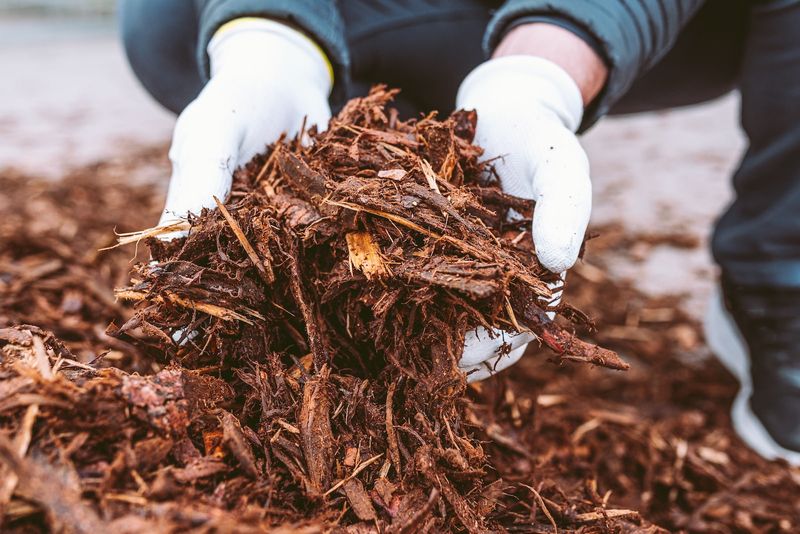
Organic mulches like shredded cedar, hardwood chips, or pine bark work really well around Esperanza.
As they break down over time, they also add small amounts of organic matter to the soil, which gradually improves soil structure and drainage. That is a bonus that keeps giving season after season.
When applying mulch, keep it a few inches away from the main stem of the plant. Mulch piled directly against the stem can trap moisture and encourage rot at the base.
Pull it back slightly to allow airflow around the lower stem. A properly mulched Esperanza is a much happier and more heat-resistant plant all summer long.
6. Early Checks For Spider Mites
Hot and dry weather is basically a welcome mat for spider mites, and Esperanza is not immune to these tiny troublemakers. Spider mites are so small you can barely see them without a magnifying glass, but the damage they cause is easy to spot.
Leaves start looking dusty, faded, or stippled with tiny yellow dots, and fine webbing often appears on the undersides of leaves.
The reason early checks matter so much is that spider mite populations can explode almost overnight when temperatures rise and humidity drops.
A small infestation that is easy to manage in May can turn into a serious problem by July if you are not paying attention. Catching them early gives you the upper hand before they spread across the entire plant.
Make it a habit to flip over a few leaves every week or two and look closely at the undersides. That is where spider mites prefer to hang out and feed.
You might also try tapping a branch over a white sheet of paper. If tiny moving specks fall onto the paper, you have mites.
A strong spray of water from a garden hose can knock mite populations down significantly without using any chemicals.
For more stubborn infestations, insecticidal soap or neem oil sprays work well and are safe for most beneficial insects when applied correctly. Always spray in the early morning or evening to avoid burning leaves in the heat.
Keeping your Esperanza well-watered and healthy also makes it more resistant to pest pressure overall. Stressed plants attract more pests, so good basic care is genuinely your first line of defense going into summer.