Texas Native Plants That Practically Take Care Of Themselves All Summer
Let’s just say it out loud: Texas summers are brutal. The kind of heat that makes you question why you ever thought outdoor hobbies were a good idea.
Weeks without rain, blazing sun that shows up early and stays late, and temperatures that just keep climbing. Your garden feels every bit of it.
Here’s the exciting part though: Texas is home to some genuinely remarkable native plants that treat all of that as perfectly normal growing conditions. No drama, no wilting, no emergency watering situations at 7am.
More and more gardeners are catching on to just how good these natives can be through the hottest months of the year. They need less water, less fuss, and a lot less worrying on your part.
Once they get settled in, these plants just get on with the job of looking great all summer long.
1. Texas Lantana Brings Color Through The Hottest Months
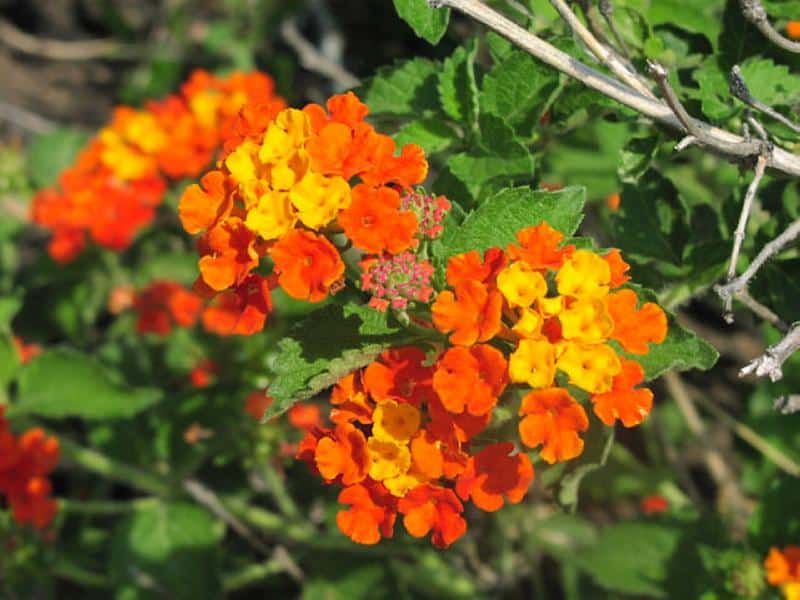
Few flowering plants put on a show in scorching summer heat quite like Texas Lantana.
This tough native shrub starts blooming in late spring and keeps pushing out clusters of bright yellow, orange, and red flowers well into fall, even when rainfall is scarce and temperatures are climbing past 100 degrees.
Texas Lantana thrives in full sun and well-drained soil, making it a reliable choice for curbside beds, entry plantings, and hot south-facing borders where other plants tend to struggle.
Once established, it handles dry stretches well and rarely needs much supplemental watering during summer.
Gardeners often find that overwatering or planting in heavy clay without good drainage causes more problems than the heat ever does.
Butterflies and bees visit the flowers constantly, so placing Texas Lantana near a patio or walkway gives you a front-row seat to pollinator activity all season long.
Trimming it back lightly in early summer can encourage a fresh flush of blooms and help keep the plant from getting too sprawling.
In colder parts of Texas, it may go dormant to the roots in winter but typically comes back strong in spring. Giving it space, sun, and decent drainage is really the key to getting the most out of this summer standout.
2. Blackfoot Daisy Blooms In Tough Dry Spots
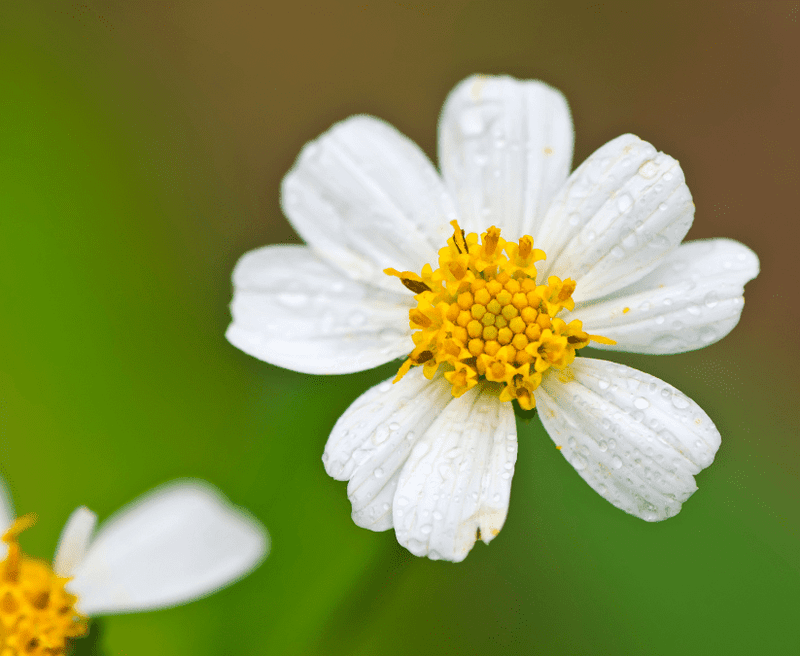
Gardeners who have struggled to find something that blooms cheerfully in a hot, rocky, bone-dry corner of the yard often discover Blackfoot Daisy and never look back.
This compact native perennial produces small white flowers with bright yellow centers, and it blooms heavily in spring and fall with a lighter show continuing through the summer months even in dry conditions.
Blackfoot Daisy is native to the Edwards Plateau and other rocky regions of Texas, which tells you a lot about what it prefers. It wants full sun, excellent drainage, and lean soil.
Rich, moist soil actually works against it, encouraging floppy growth and reducing bloom performance. Raised beds, rock gardens, and gravelly slopes are all great homes for this plant in a Texas landscape.
One thing gardeners appreciate about Blackfoot Daisy is its tidy mounding habit, which makes it easy to tuck into borders, patio edges, and foundation plantings without a lot of pruning.
Your Texas Garden Changes Every Week. Your Plan Should Too.
Gardening in Texas changes quickly throughout the season. Every Friday you’ll receive a simple weekly plan showing exactly what to plant, prune, fertilize, harvest, and protect so you never miss the right timing.
Shearing it back after the spring bloom flush helps keep it compact and encourages more flowers later in the season.
It tends to be relatively short-lived compared to some natives, but it often self-seeds lightly in the right conditions. Pairing it with other low-water natives like Damianita or Mealy Blue Sage creates a low-maintenance planting that looks great all summer long.
3. Flame Acanthus Lights Up Summer With Less Fuss
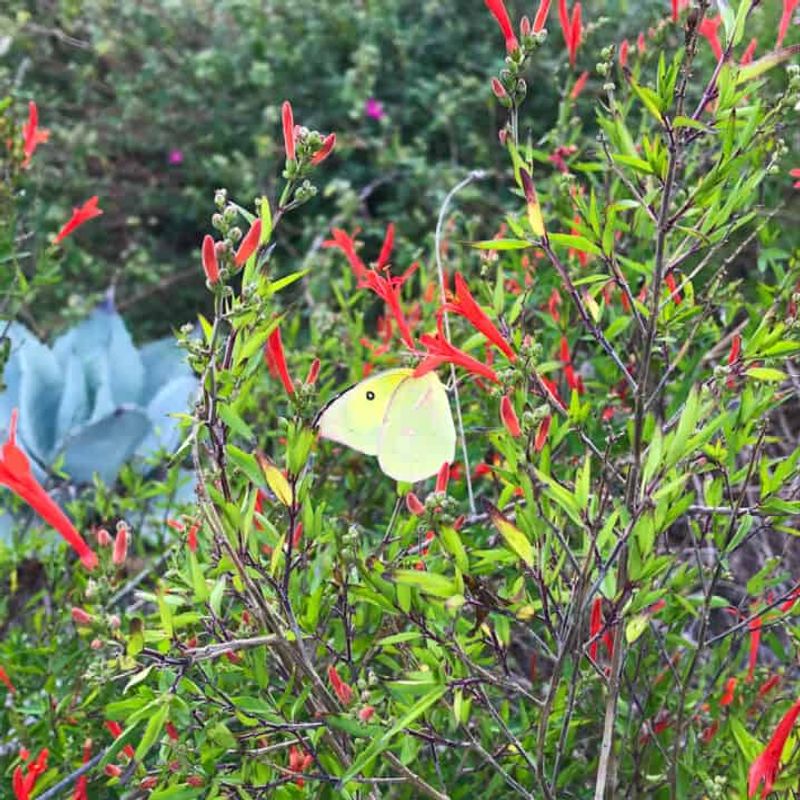
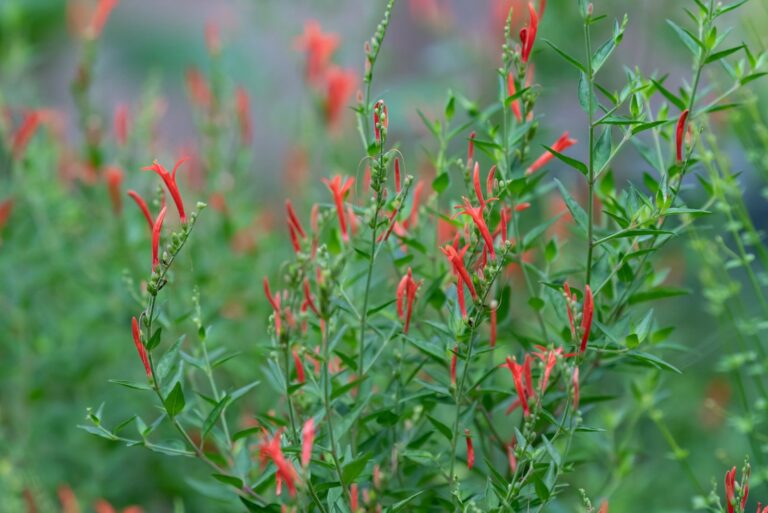
Bright tubular flowers in shades of red and orange cover Flame Acanthus from midsummer straight through fall, and the plant does all of this with surprisingly little help from the gardener.
Native to the rocky hills and dry canyons of central and west Texas, this shrubby perennial is built for heat, drought, and tough soil conditions that would exhaust most ornamental plants.
Hummingbirds are drawn to the flowers with real enthusiasm, which makes Flame Acanthus a natural fit for patio-adjacent plantings and pollinator gardens where you want to see wildlife up close.
It grows fairly large, reaching four to five feet tall and wide in good conditions, so giving it enough room from the start saves a lot of cutting back later.
Full sun brings out the best bloom performance, though it can handle some afternoon shade in the hottest parts of Texas without losing too much flower power.
Established plants handle dry spells well and rarely need watering once they are rooted in. In the Hill Country and surrounding regions, it often grows in caliche or rocky soil with no amendments at all.
Cutting it back hard in late winter encourages fresh, vigorous growth and a stronger bloom season ahead. For gardeners who want bold summer color without constant maintenance, Flame Acanthus earns its spot in the landscape season after season.
4. Gulf Muhly Adds Easy Texture And Soft Color
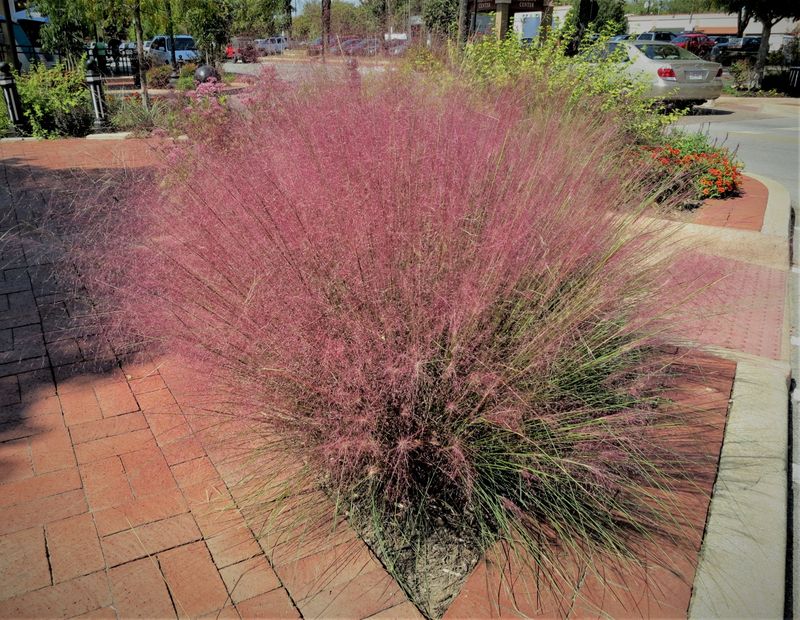
Walk past a planting of Gulf Muhly in late summer or early fall and you might stop in your tracks.
The plant spends most of the growing season as a neat, arching mound of fine green foliage, and then in September and October it erupts into a cloud of soft pink and purple seed heads that catch the light in a way that is genuinely stunning.
Gulf Muhly is native to Texas and the Gulf Coast region, and it handles the heat and humidity of a Texas summer without complaint.
It grows in full sun to part shade and tolerates a range of soil types, though it looks its best in well-drained beds where water does not sit after rain.
Once established, it is quite drought tolerant, though a deep watering during extended dry spells helps maintain healthy foliage through the hottest months.
In home landscapes, Gulf Muhly works beautifully along borders, at the base of mailbox plantings, or in mass groupings along a fence line or driveway edge where the fall color display becomes a real focal point.
Cutting it back to a few inches in late winter or early spring clears out the old growth and lets fresh new blades emerge cleanly.
It pairs naturally with fall-blooming natives like Autumn Sage and Mealy Blue Sage for a low-water planting that earns its keep from spring through late fall.
5. Turk’s Cap Keeps Blooming Even When Heat Builds
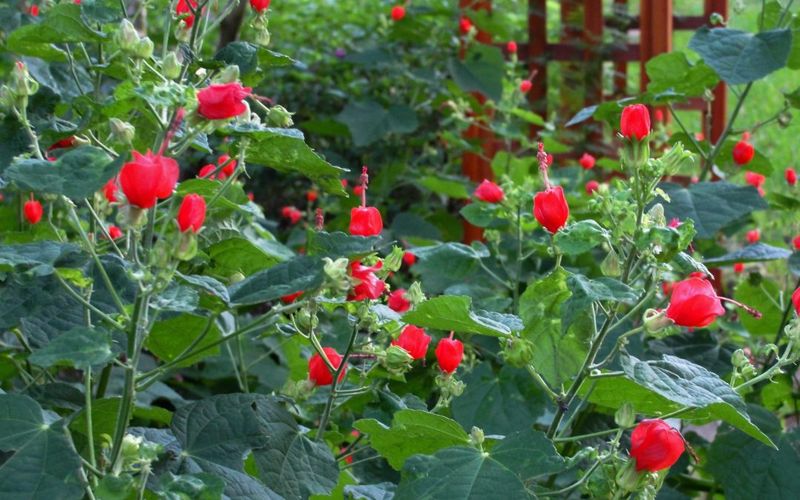
Most flowering plants slow down or stop blooming when Texas summer heat gets serious, but Turk’s Cap seems almost unbothered by the whole thing.
The twisted red blooms keep appearing on this native perennial through the hottest and driest stretches of summer, which is part of why gardeners with shady or partly shaded spots rely on it so heavily.
Unlike many of the other plants on this list, Turk’s Cap actually prefers some shade, particularly afternoon shade in the hotter parts of Texas.
This makes it a rare and valuable option for spots under trees, along north-facing fences, or beside structures where full-sun plants would not thrive.
It grows vigorously in these conditions, reaching four to six feet or more in a single season, so giving it room to spread is important from the start.
Hummingbirds visit the flowers regularly, and the small red fruits that follow attract other wildlife as well.
Turk’s Cap spreads over time through underground stems and can fill in an area fairly quickly, which is a plus if you want to cover ground under a tree canopy without a lot of replanting.
Cutting it back to the ground in late winter keeps growth tidy and encourages strong new stems each season. For shady Texas beds that need reliable summer color, it is genuinely hard to beat.
6. Autumn Sage Brings Color With Very Little Fuss
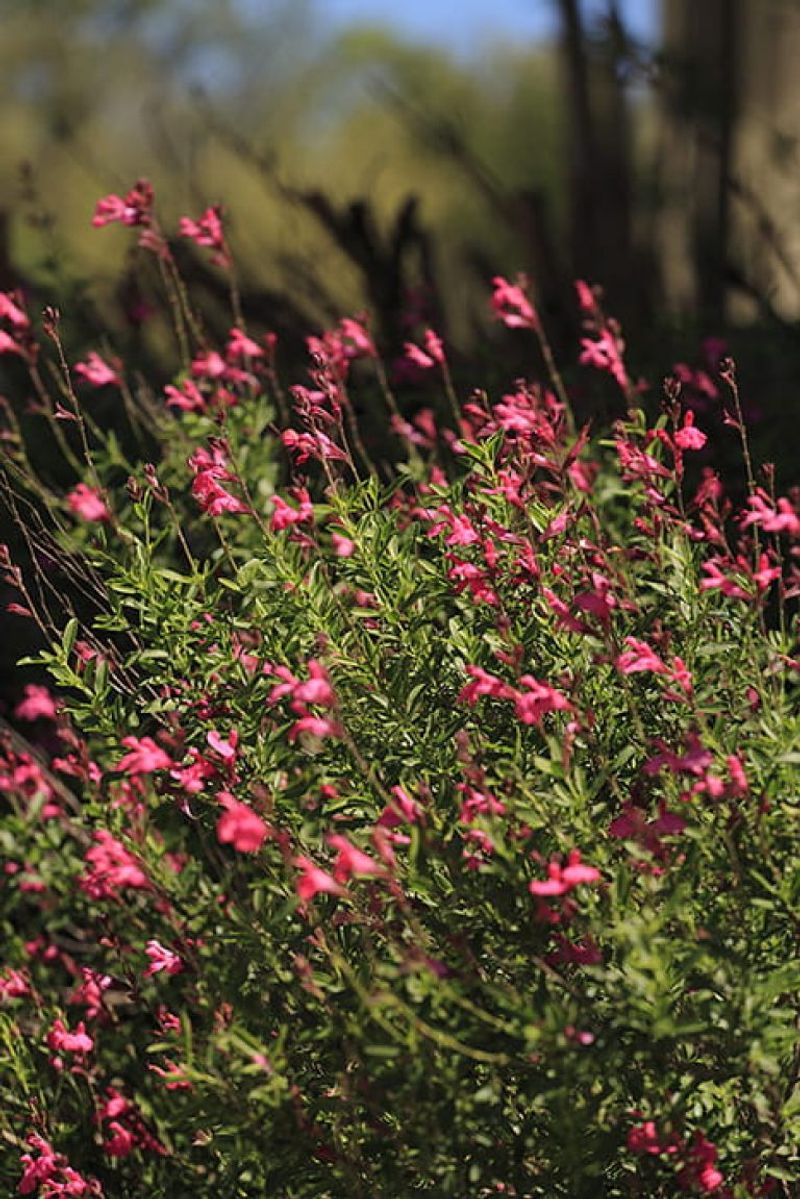
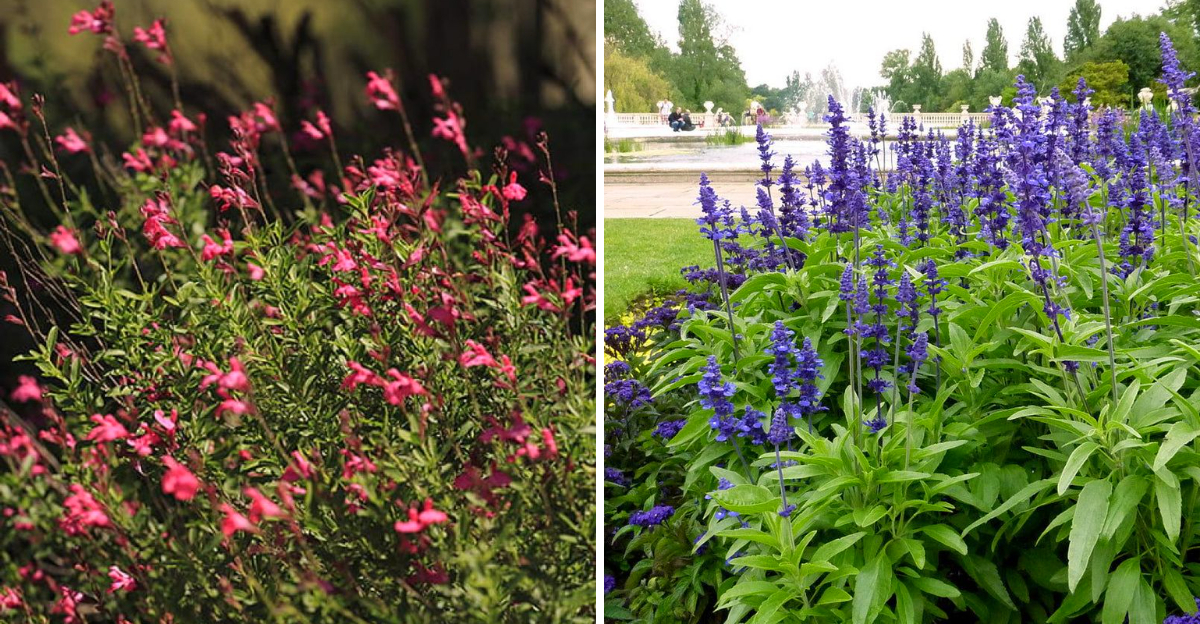
Red, pink, and coral flowers dot Autumn Sage from spring all the way through fall, and the plant earns every bit of its loyal following among gardeners. Despite the name, it does not wait until autumn to perform.
It blooms reliably through summer heat and tends to rebound quickly after a dry spell once temperatures moderate slightly or a good rain comes through.
Autumn Sage is native to the rocky soils of the Chihuahuan Desert region and the Texas Hill Country, so it is naturally suited to lean, well-drained conditions.
It performs best in full sun and soil that does not stay wet, and it tends to struggle in heavy clay without some amendment or raised planting.
In the right spot, though, it is a low-fuss plant that rewards basic care with a long and colorful season.
Hummingbirds are particularly fond of Autumn Sage, and planting it near a seating area or window gives you a great view of their visits throughout the warm months.
Shearing the plant back by about one-third after each heavy bloom cycle encourages fresh growth and more flowers rather than a tangle of woody stems.
It stays relatively compact at two to three feet, making it easy to fit into borders, foundation beds, and pollinator garden designs. For gardeners who want reliable color without constant effort, Autumn Sage is a strong and proven choice.
7. Damianita Shines In Hot Dry Texas Beds
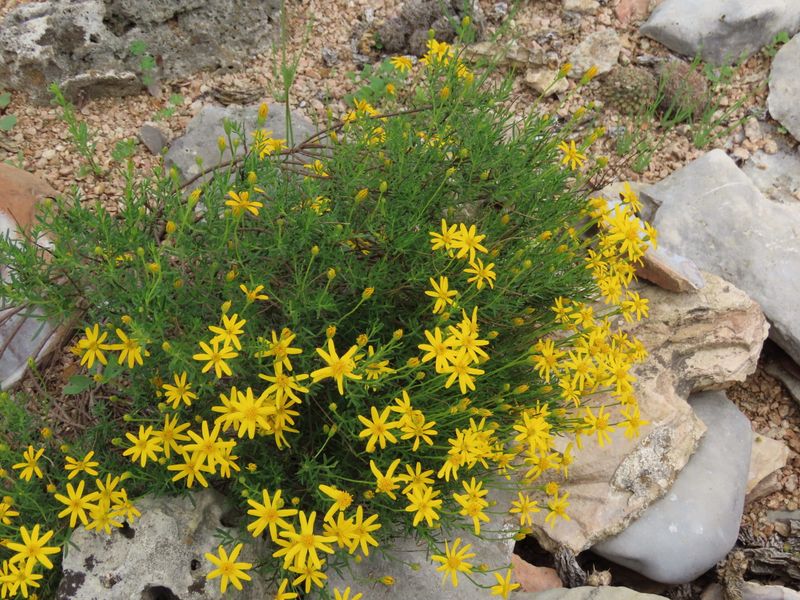
Sunny, dry, and rocky is not a description most gardeners would use to sell a planting spot, but for Damianita it is basically a dream home.
This small evergreen shrub is native to the Chihuahuan Desert and the Trans-Pecos region of Texas, and it brings cheerful yellow daisy-like flowers to landscapes where moisture is limited and heat is relentless.
Damianita blooms most heavily in spring, but scattered flowers continue through summer and often pick up again in fall, giving the plant a long season of visual interest.
The fine, needle-like foliage has a pleasant aromatic quality when brushed, and the dark green mounding form stays attractive even when it is not in bloom.
It tends to stay compact, usually reaching one to two feet tall, which makes it easy to use along borders, in rock gardens, and at the edges of xeriscape beds.
Drainage is the single most important factor for growing Damianita well in Texas. Plants placed in heavy soil that holds moisture tend to decline, while those in sandy, gravelly, or rocky ground stay healthy and bloom freely for years.
It pairs naturally with Blackfoot Daisy and other dry-adapted natives in low-water planting designs. Minimal pruning after the spring bloom keeps it tidy without stressing the plant.
For hot, exposed beds in central and west Texas where other plants hesitate, Damianita holds its own with ease.
8. Mealy Blue Sage Keeps The Garden Colorful And Busy
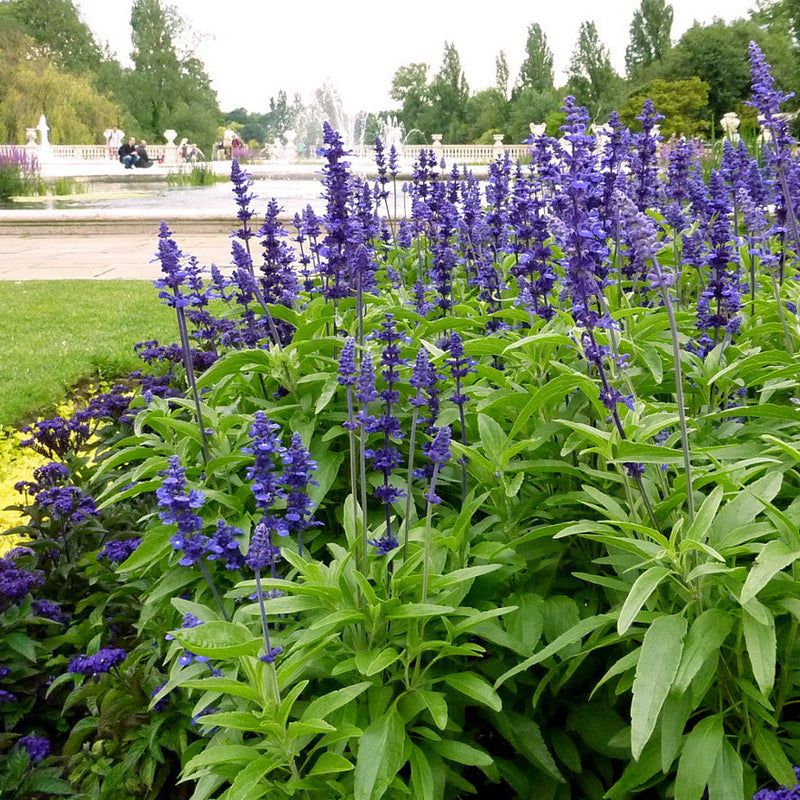
Pollinators seem to find Mealy Blue Sage before gardeners even finish planting it.
The tall spikes of soft blue to violet flowers are a magnet for bees, butterflies, and other beneficial insects from the moment they open in spring, and the blooming continues in waves through summer and into fall with very little encouragement needed.
Mealy Blue Sage is native to Texas and grows naturally in open fields, roadsides, and rocky hillsides across the state, which gives you a good sense of how adaptable it is.
It handles full sun and well-drained soil best, though it shows reasonable tolerance for part shade in the hotter regions of Texas where afternoon sun is especially intense.
Plants established in the right spot tend to come back reliably each year and often spread gently by seed, filling in gaps in a border naturally over time.
One of its most useful qualities is how well it combines with other natives in a mixed planting.
The cool blue flower color pairs naturally with the warm tones of Texas Lantana, Flame Acanthus, and Autumn Sage, creating a pollinator-friendly border that covers a long season of bloom.
Cutting spent flower spikes back encourages fresh ones to follow. It stays in the two to three foot range in most garden settings, making it easy to place without overcrowding neighbors.
For gardeners building a low-water pollinator garden, Mealy Blue Sage is a foundational plant worth including from the start.