Pine Straw Or Mulch For North Carolina Vegetable Gardens? Here’s What Actually Works Better
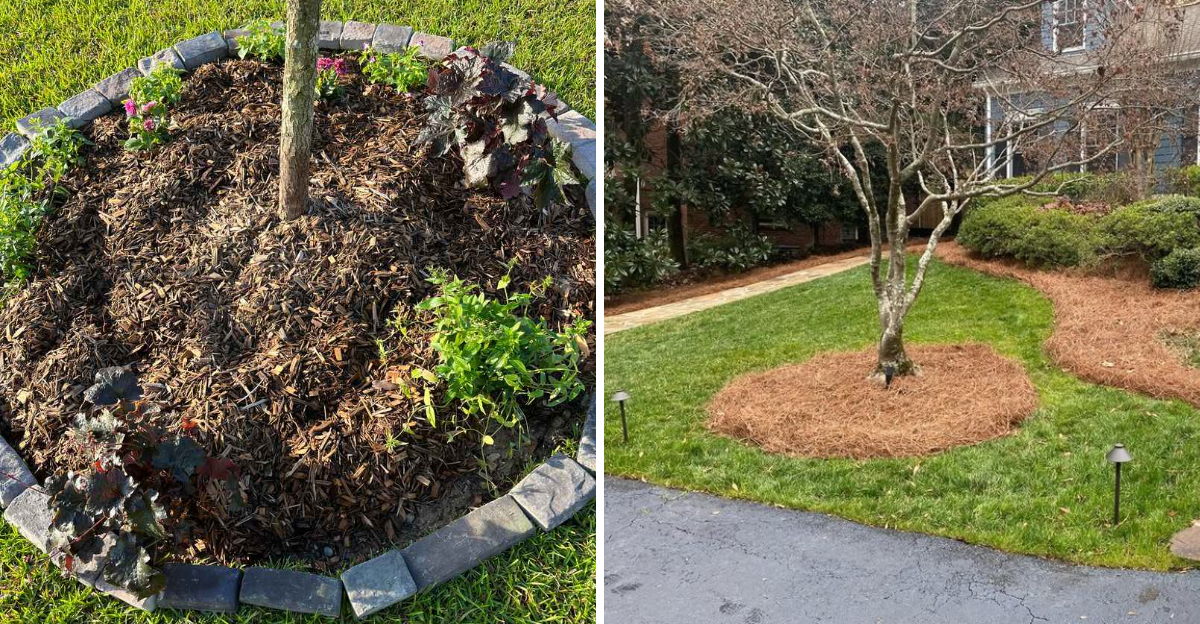
The pine straw versus mulch debate comes up every season in North Carolina vegetable gardens, and the answer is rarely the same for every situation. Both materials do real work in a garden bed.
Both have drawbacks that the other does not. Pine straw is everywhere in this state and easy to source, but what it does to soil over time matters more than most gardeners realize when it is used around vegetables season after season.
Mulch holds moisture well but breaks down at different rates depending on the source and the summer heat it sits through. The right choice depends on what is growing, what the soil is already doing, and how long the bed has been in use.
One of them consistently outperforms the other in North Carolina vegetable gardens, and the reasoning is worth understanding.
1. Pine Straw Helps Regulate Soil Temperature
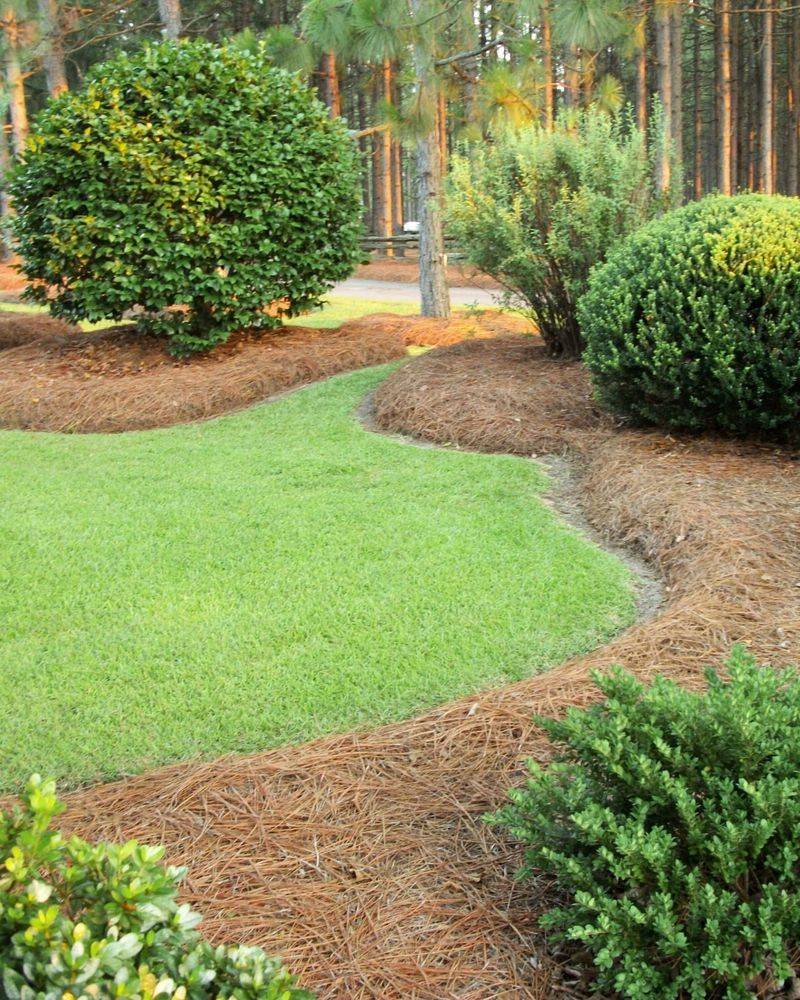
Few things stress out vegetable plants more than wild swings in soil temperature, and North Carolina summers can get brutal. Pine straw acts like a natural insulating blanket, keeping the soil several degrees cooler during those scorching July and August afternoons.
That cooler root zone helps plants focus their energy on producing fruit rather than just surviving the heat.
In early spring, that same insulating quality works in reverse. Pine straw holds warmth in the soil overnight, giving cool-season crops like lettuce, spinach, and kale a more stable environment during those unpredictable March nights.
A layer of about 3 to 4 inches is usually enough to see real results without piling it too thick.
One helpful tip is to pull the pine straw slightly away from plant stems to avoid trapping too much moisture right at the base. Spread it out evenly across the entire bed surface for the best temperature-regulating effect.
Reapply fresh pine straw once or twice a year since it breaks down gradually. Over time, those decomposing needles actually add a bit of organic matter back into the soil, which is a bonus most gardeners appreciate without even planning for it.
2. Mulch Conserves Soil Moisture
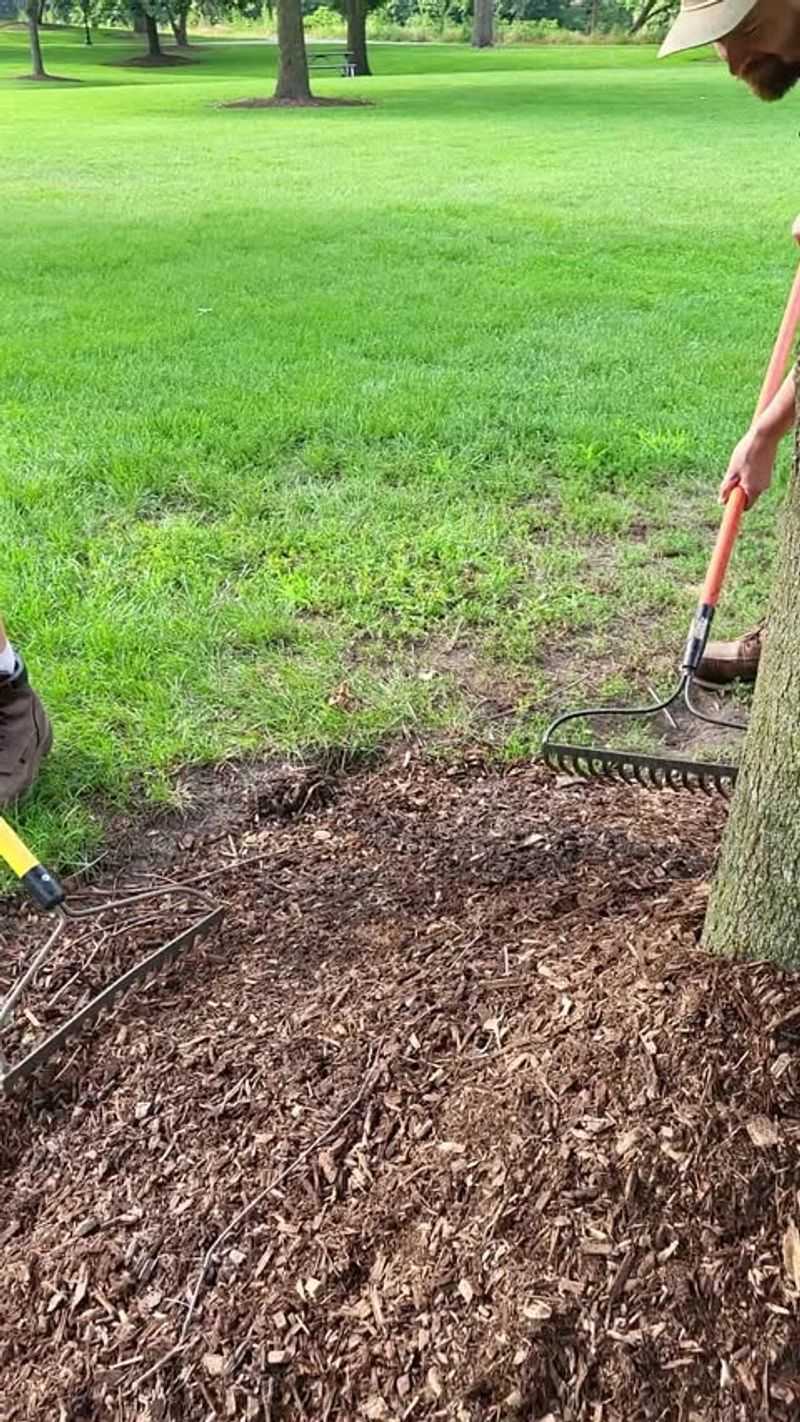
Water management is one of the biggest challenges North Carolina vegetable gardeners face, especially during the dry spells that often hit in midsummer.
Shredded hardwood or bark mulch creates a dense surface layer that significantly slows down evaporation from the soil below.
Studies from university extension programs consistently show that a good mulch layer can reduce water loss by up to 70 percent compared to bare soil.
That moisture retention translates directly into healthier vegetables. Consistent soil moisture supports stronger root development, reduces blossom drop in tomatoes, and helps squash and cucumbers produce more evenly.
Uneven watering is one of the top causes of blossom end rot and cracked fruit, so keeping moisture levels steady pays off in a big way.
For best results, apply shredded hardwood mulch at a depth of 2 to 3 inches across your entire garden bed. Avoid piling it right against plant stems since that can encourage rot and pest problems at the base.
Check moisture levels regularly during dry stretches and water deeply when needed rather than giving plants shallow, frequent drinks.
Your North Carolina Garden Changes Every Week. Your Plan Should Too.
Gardening in North Carolina changes quickly throughout the season. Every Friday you’ll receive a simple weekly plan showing exactly what to plant, prune, fertilize, harvest, and protect so you never miss the right timing.
Reapply mulch in midsummer if the layer thins out from decomposition or foot traffic, keeping that moisture-saving barrier intact all season long.
3. Pine Straw Improves Soil Aeration Over Time

Most gardeners think of mulch as something that just sits on top of the soil, but pine straw actually does something pretty interesting underneath the surface over time.
As the needles slowly break down, they work their way into the top layer of soil, loosening it up and creating tiny air pockets that roots absolutely love.
Better aeration means water moves through the soil more efficiently and roots can spread out without fighting through compacted ground.
North Carolina clay soils especially benefit from this gradual improvement. Clay tends to compact quickly under rain and foot traffic, and that compaction suffocates the beneficial microorganisms that help plants absorb nutrients.
Pine straw decomposition feeds those microbes and encourages a more active, living soil ecosystem right in your garden beds.
To get the most out of this benefit, layer about 3 inches of pine straw across your beds each season and let it break down naturally rather than removing it entirely.
You can mix in a light application of compost beneath the pine straw layer to speed up microbial activity and improve soil structure even faster.
Over two or three seasons of consistent use, many North Carolina gardeners notice noticeably softer, more workable soil that drains better and supports stronger plant growth throughout the entire growing season.
4. Mulch Reduces Weed Pressure
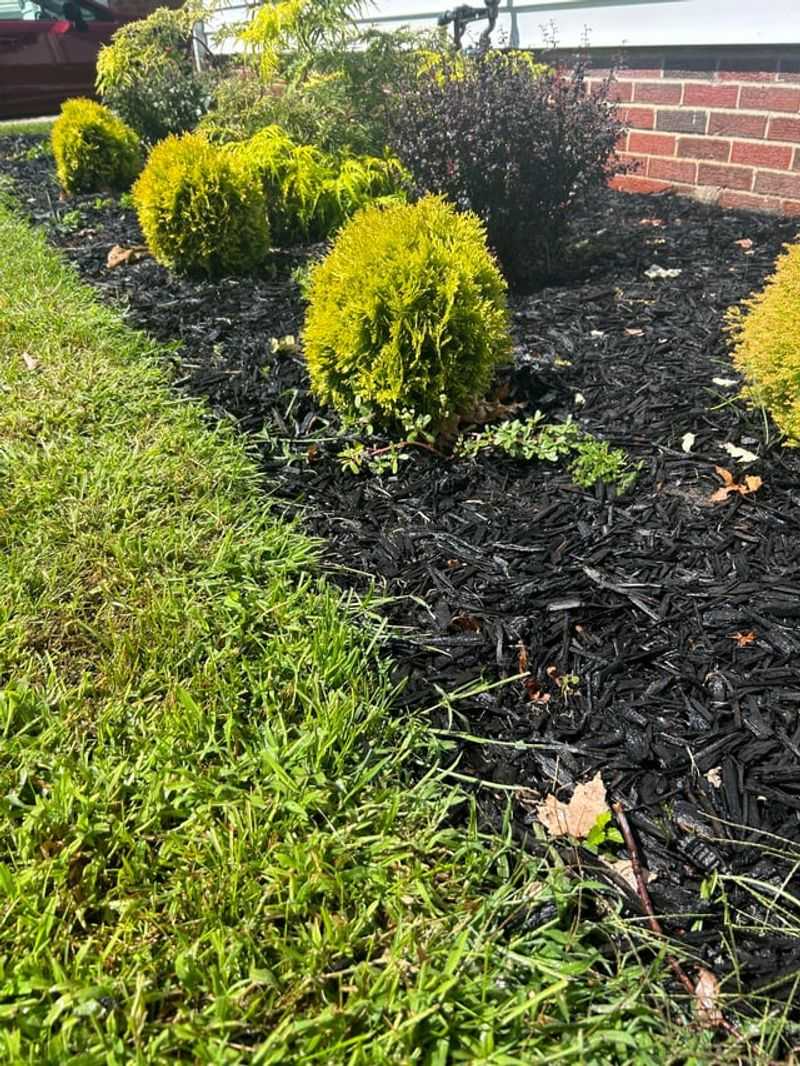
Weeding is nobody’s favorite part of gardening, but the right mulch can make it far less of a weekly chore. Traditional shredded hardwood or bark mulch forms a dense, compact layer that blocks sunlight from reaching weed seeds sitting in the soil below.
Without light, most weed seeds simply never sprout, which means far fewer unwanted plants competing with your vegetables for water and nutrients.
Pine straw does provide some weed suppression, but because it sits in a looser, more open arrangement, light still filters through more easily.
That gives determined weeds like nutsedge and crabgrass a better chance of pushing through, especially in North Carolina where warm soil temperatures encourage fast germination.
A 3-inch layer of bark or hardwood mulch consistently outperforms pine straw in weed blocking under most garden conditions.
One thing to keep in mind when using mulch around seedlings is to leave a small clear zone of about an inch or two around each young plant. Piling mulch directly against seedlings can smother them or make it harder for their stems to strengthen properly.
For transplants that are already a few inches tall, mulch can be applied closer without risk. Reapplying mulch mid-season keeps the barrier thick enough to stay effective as the original layer settles and breaks down through summer.
5. Pine Straw Is Easier To Apply Around Small Plants
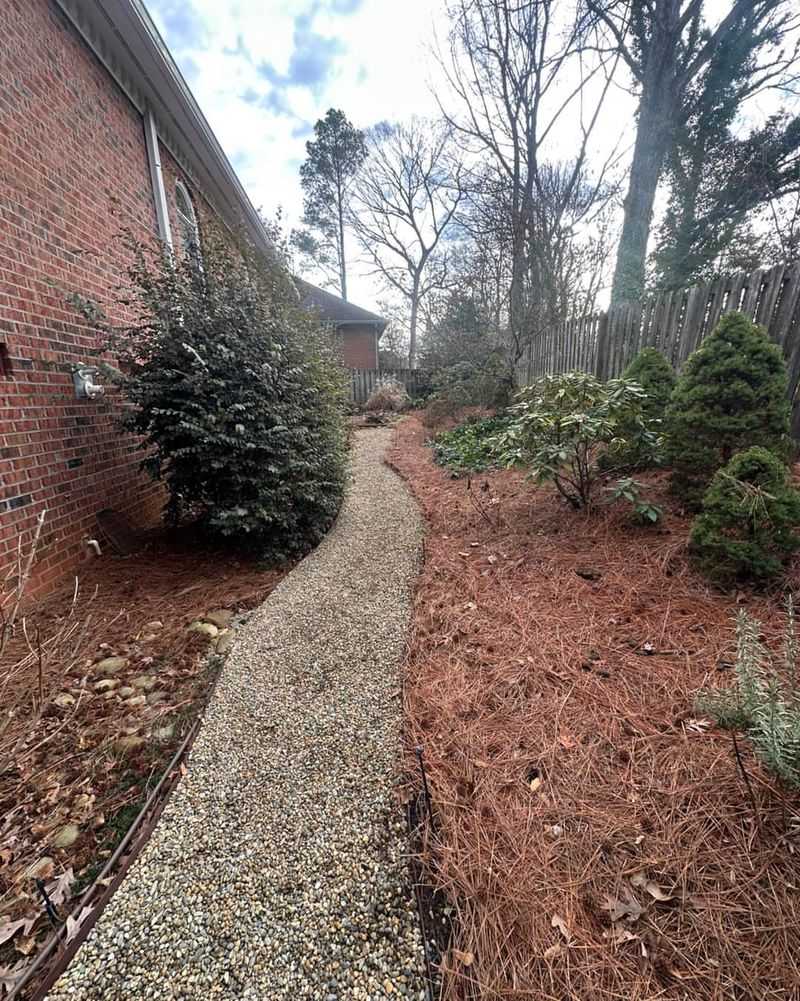
Anybody who has tried to tuck heavy wood chip mulch around a tiny basil seedling or a freshly transplanted pepper plant knows how easily those small plants can get damaged in the process.
Pine straw has a real advantage here because of its light, flexible texture that makes it easy to tuck around delicate stems without crushing or bending them.
You can literally place individual handfuls right up against a seedling with minimal risk of harm.
Bark mulch and wood chips, while excellent in many ways, can be clunky and heavy around young or fragile plants. Their weight and bulk make it harder to get close to stems without accidentally burying or toppling small transplants.
For gardeners starting a lot of seeds directly in the ground or working with young seedlings, pine straw is genuinely the more forgiving and practical choice.
When applying pine straw around small plants, aim for a thickness of about 2 inches and keep it at least an inch away from each stem to allow airflow. As plants grow taller and stronger over the following weeks, you can add a bit more pine straw to thicken the layer.
Fluff the needles occasionally with your hands or a rake to prevent matting, which can reduce airflow and create conditions that invite fungal issues in North Carolina’s humid climate.
6. Mulch Enhances Soil Fertility Gradually
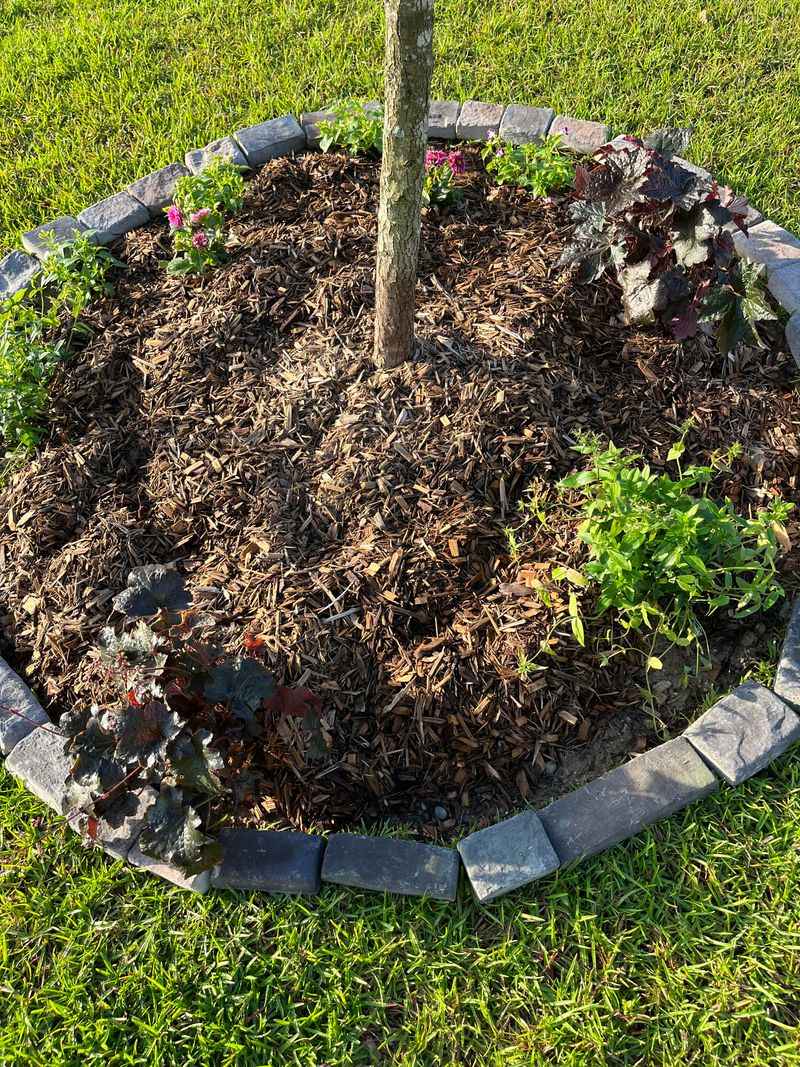
One of the quieter benefits of using organic mulch in a vegetable garden is what happens after it starts breaking down.
Shredded hardwood and bark mulch slowly decompose over months, releasing small amounts of nutrients and building up the organic matter content of your soil with every passing season.
Heavy feeders like corn, squash, and tomatoes especially appreciate that gradual nutrient release because it keeps fertility levels more consistent between applications of fertilizer.
North Carolina soils vary widely across the state, but many garden soils in the Piedmont and coastal plain benefit enormously from increased organic matter.
Higher organic matter improves nutrient retention, supports beneficial soil microbes, and helps the soil hold moisture more efficiently.
Mulch that breaks down year after year essentially functions as a slow-release soil amendment that keeps improving your garden without extra effort from you.
Shredded hardwood mulch typically takes about one to two years to fully decompose under North Carolina conditions, depending on moisture and temperature.
Plan to reapply a fresh 2-inch layer each spring to maintain both the weed suppression and the fertility benefits.
You can also mix in a layer of compost beneath the mulch each year to accelerate microbial activity and give your soil an extra nutritional boost right at the start of the growing season when plants need it most.
7. Pine Straw Reduces Risk Of Soil-Borne Diseases
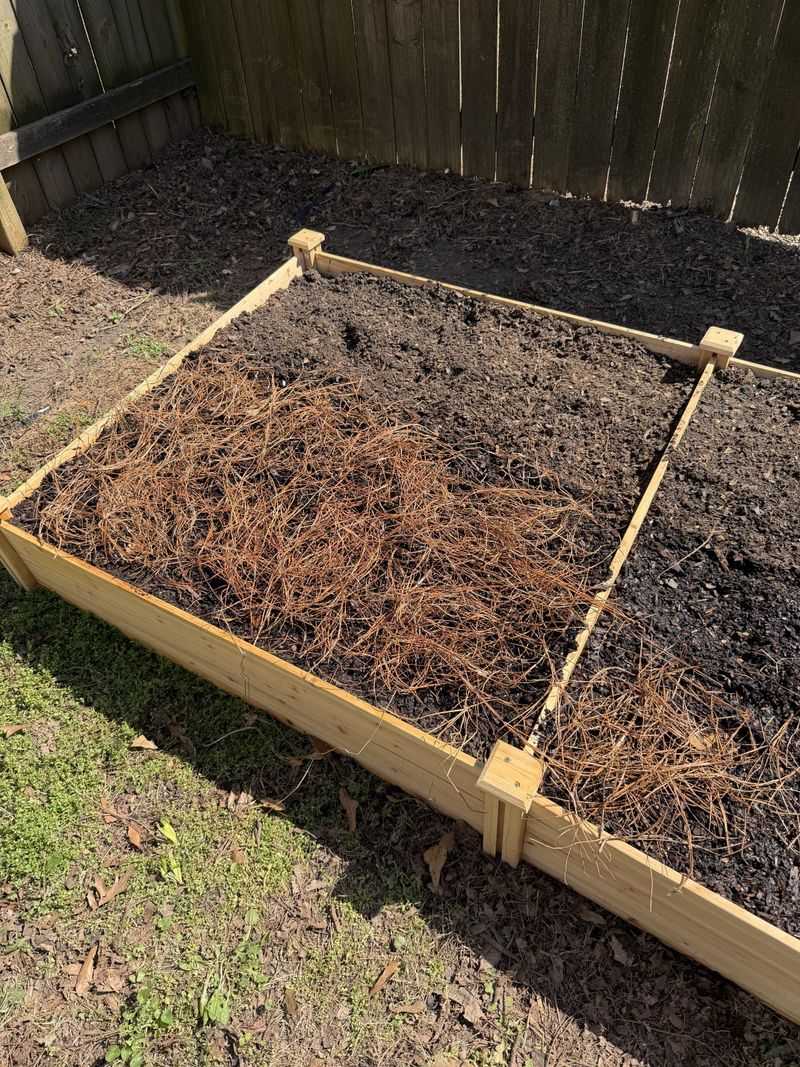
Rainy weather and humid summers make North Carolina gardens especially vulnerable to soil-borne diseases like early blight, Septoria leaf spot, and bacterial speck on tomatoes and peppers.
One of the most common ways these pathogens spread is through soil splash during rain or overhead irrigation, where contaminated soil droplets fly up and land on lower leaves.
Pine straw creates an excellent physical barrier that dramatically reduces that splash effect.
Because pine needles interlock loosely rather than packing into a solid mat, rainwater filters through them gently rather than bouncing off and carrying soil particles upward.
That gentler water movement keeps pathogens where they belong, which is down in the soil rather than traveling onto your vegetable plants.
Many experienced North Carolina tomato growers specifically prefer pine straw for this reason, especially in raised beds where disease management is a top priority.
Apply pine straw at a 3 to 4 inch depth around susceptible crops like tomatoes, peppers, and squash to maximize the splash reduction benefit. Keep the layer evenly spread so there are no bare patches where soil can still be exposed during heavy rain events.
Pair this strategy with proper plant spacing and good airflow between plants to give yourself a really strong defense against the fungal and bacterial diseases that tend to flare up during North Carolina’s warm, wet growing season.
8. Combining Pine Straw And Mulch Can Be Effective
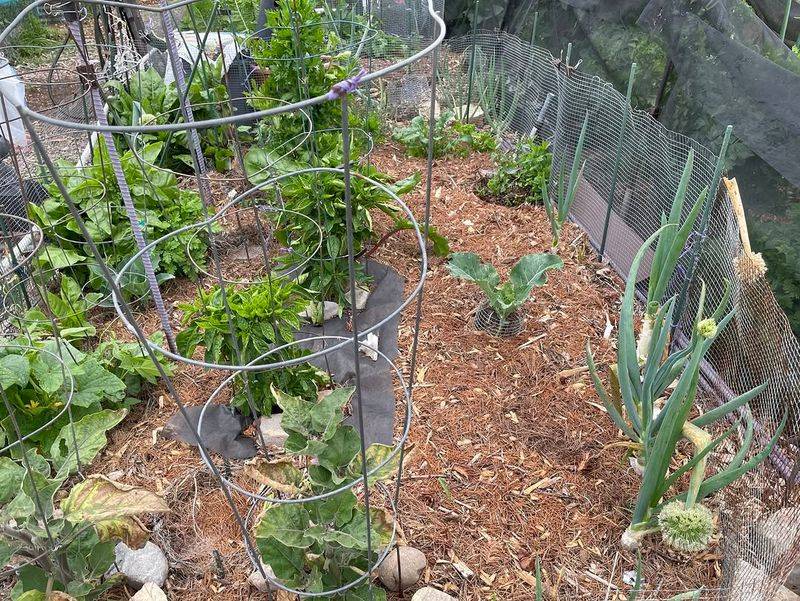
Smart gardeners often find that using two materials together gets better results than sticking with just one.
A popular approach in North Carolina is to lay down a base layer of shredded hardwood mulch for weed suppression and moisture retention, then top it with a thin layer of pine straw for easier maintenance and improved drainage.
That combination plays to the strengths of both materials while minimizing their individual weaknesses.
The hardwood mulch layer, about 2 inches thick, handles the heavy lifting of blocking weeds and holding moisture close to plant roots.
The pine straw layer on top, about 1 to 2 inches, adds a breathable surface that reduces soil splash, makes it easy to adjust around plants during the season, and improves the overall appearance of the garden.
Gardeners who grow a mix of crops with different spacing and growth habits find this layered approach especially flexible.
Seasonally, you can refresh just the pine straw top layer without disturbing the mulch below, which saves time and money over replacing everything at once.
In fall, rake the pine straw aside to let the soil warm up faster in spring, then reapply it once transplants are established.
For wide-row plantings of beans or squash, apply the layers more generously between rows where foot traffic occurs most, helping protect soil structure throughout the entire growing season.
9. Cost And Availability Considerations
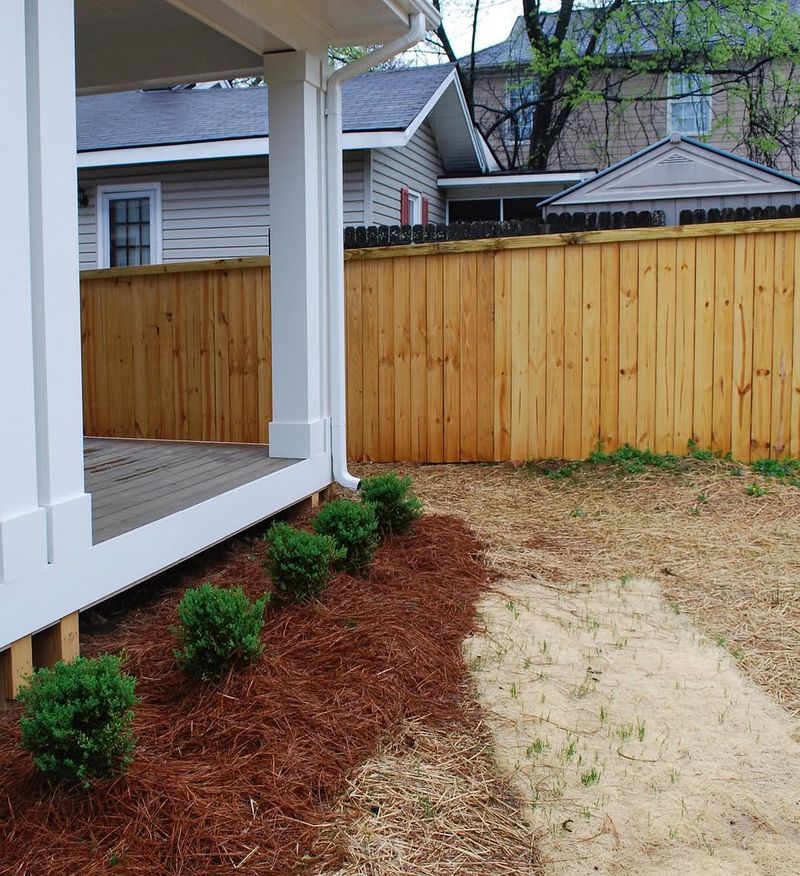
Budget matters in any garden, and the good news is that both pine straw and mulch are widely available across North Carolina at reasonable prices.
Pine straw is sold in bales at most garden centers, farm supply stores, and even roadside stands throughout the Piedmont and eastern parts of the state.
A single bale typically covers about 35 to 40 square feet at a 3-inch depth, and prices usually range from $4 to $7 per bale depending on location and season.
Shredded hardwood mulch is available bagged at garden centers or in bulk from landscaping suppliers, which can be significantly cheaper per cubic yard when buying larger quantities.
Bulk mulch delivery makes sense for gardeners with larger plots, while bagged mulch offers more convenience for small raised beds.
Some municipalities in North Carolina also offer free or low-cost mulch made from recycled yard waste, which is worth checking into before spending money on store-bought options.
Longevity is another factor worth considering. Pine straw breaks down faster than hardwood mulch, generally needing replacement twice a year in North Carolina’s warm, humid conditions.
Hardwood mulch can last one to two full seasons before needing significant reapplication.
Over time, the slower decomposition of hardwood mulch can make it more cost-effective per season even if the upfront price per bag is slightly higher than an equivalent coverage area of pine straw bales.
10. Which Works Better Depends On Your Goal
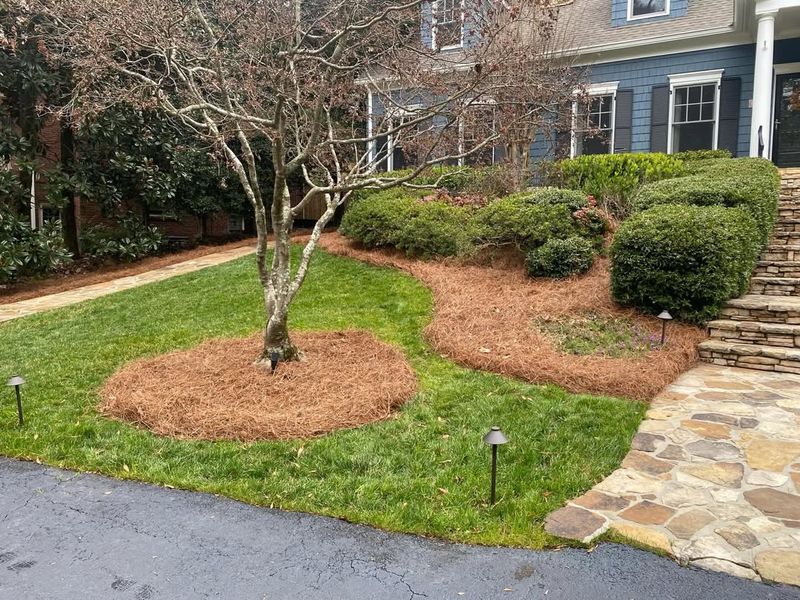
Honestly, there is no single winner in the pine straw versus mulch debate because the best choice really comes down to what your garden needs most right now. If drainage, disease prevention, and airflow around your plants are the top priorities, pine straw is hard to beat.
Its loose structure, lightweight texture, and excellent water permeability make it a natural fit for humid North Carolina summers when fungal diseases are always lurking.
On the other hand, if your biggest challenges are weed pressure, inconsistent moisture, or building up depleted soil over time, shredded hardwood or bark mulch is likely the smarter investment.
Heavy clay soils in the Piedmont region especially benefit from the organic matter that mulch adds as it breaks down, gradually improving both drainage and nutrient availability with each passing season.
Crop type also plays a real role in the decision. Tomatoes, peppers, and eggplant tend to do well with pine straw because of the splash reduction benefit, while heavy feeders like corn and squash may respond better to the fertility boost from decomposing hardwood mulch.
Many experienced North Carolina gardeners end up using both materials strategically across different parts of their garden rather than committing to just one.
Matching your mulch choice to your soil type, your crops, and your local climate gives you the strongest possible foundation for a productive and healthy vegetable garden all season long.