This Is How Florida Gardeners Keep Gardenias Fragrant And Blooming Through August
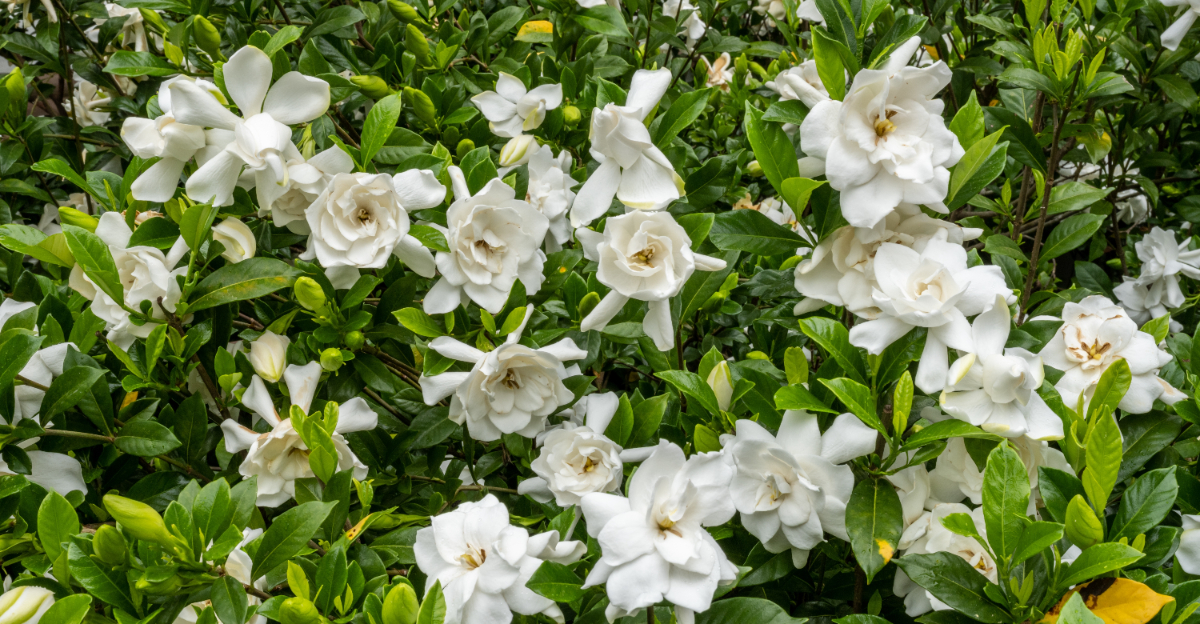
Gardenias are worth the effort. That’s the first thing Florida gardeners who actually get them blooming through August will tell you.
The fragrance alone justifies a spot in any yard. A gardenia that stays in peak condition through summer earns a kind of loyalty that low-maintenance plants rarely do.
Getting there is where most people hit a wall. Gardenias in Florida have strong opinions about their conditions, and summer pushes every one of those opinions to the surface at once.
Soil pH, watering consistency, feeding schedule, pest pressure, the plant responds visibly and quickly when any of these fall out of range. Most gardeners who struggle with gardenias aren’t doing everything wrong.
They’re usually off on one or two things that create a cascade of problems. Fix those, and the plant shifts fast.
August blooms with that signature fragrance drifting across a yard in summer heat is not as far out of reach as it tends to feel in June.
1. Give Gardenias Morning Sun And Afternoon Relief
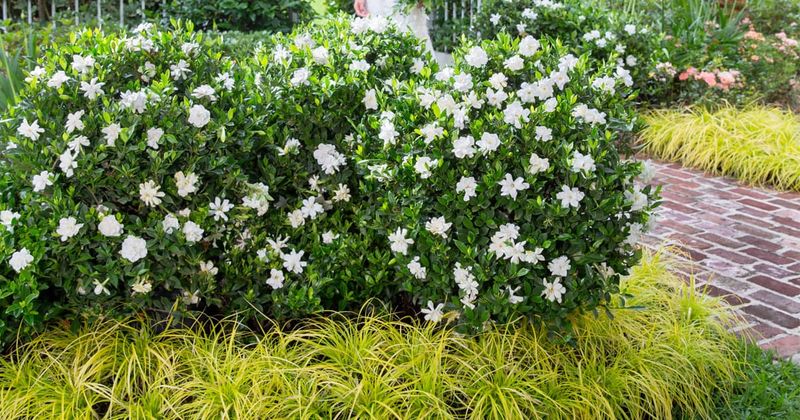
Light sets the stage for fragrance, and where you plant a gardenia matters more than most gardeners expect. Gardenias can handle full sun or partial shade.
In warm, humid regions, strong morning light with some afternoon protection often supports better bloom quality and less heat stress.
A site that gets direct sun from sunrise through late morning gives the plant the energy it needs to push flowers and develop that rich scent.
When a gardenia bakes under harsh afternoon exposure with no relief, the plant spends more energy managing moisture stress than producing buds. That stress shows up as wilting, bud drop, and flowers that open and fade quickly.
Moving air and filtered light in the afternoon can reduce that pressure considerably.
Deep shade creates a different problem. Gardenias planted under heavy tree canopies or along shaded north-facing walls often produce fewer flowers, even when the rest of the care is solid.
The plant needs real light to bloom well. If fragrance and summer flowering are the goal, look at the light pattern across the planting site before adjusting anything else.
A site with good morning sun and some afternoon relief gives gardenias the balance they need to stay productive through the hottest months.
2. Keep The Root Zone Evenly Moist
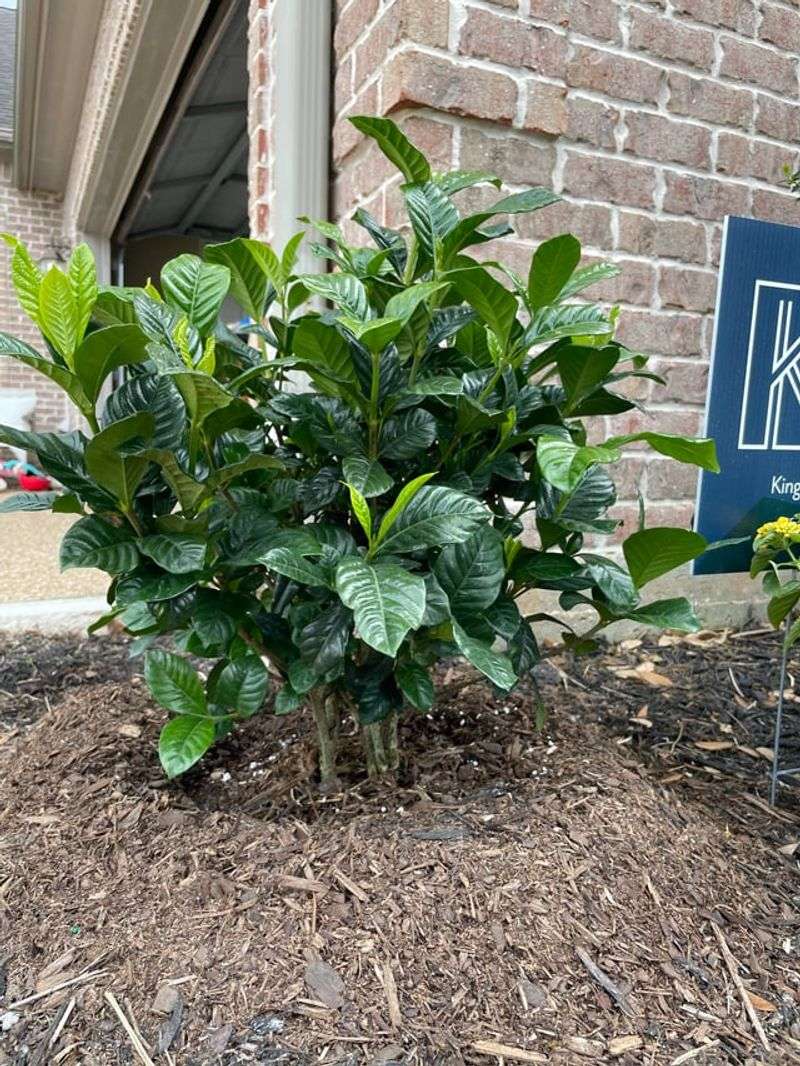
Moisture needs to stay steady, not extreme, and gardenias are quick to show when that balance tips either way. These shrubs prefer regular moisture in well-drained soil, and the root zone should feel consistently damp without staying waterlogged.
Checking the soil before watering is a habit worth building, especially during stretches of unpredictable summer rain.
Long dry spells between waterings can stress the plant right when it is trying to hold buds and push new growth. Bud drop is one of the first signs of uneven moisture, and once buds fall, they do not come back on that cycle.
Letting the soil dry out too deeply between waterings forces the plant to recover instead of bloom.
Your Florida Garden Changes Every Week. Your Plan Should Too.
Gardening in Florida changes quickly throughout the season. Every Friday you’ll receive a simple weekly plan showing exactly what to plant, prune, fertilize, harvest, and protect so you never miss the right timing.
Soggy soil creates its own set of problems. Gardenias are not swamp plants, and roots sitting in standing water can struggle to take up nutrients, which shows up as general decline rather than one clear symptom.
Well-drained soil that holds some moisture without becoming saturated is the goal. Raised beds, amended planting areas, or sites with natural drainage often work better than low spots where water pools after rain.
Checking the root zone before and after watering helps build a reliable routine through the summer growing window.
3. Protect Acidic Soil From Alkaline Runoff
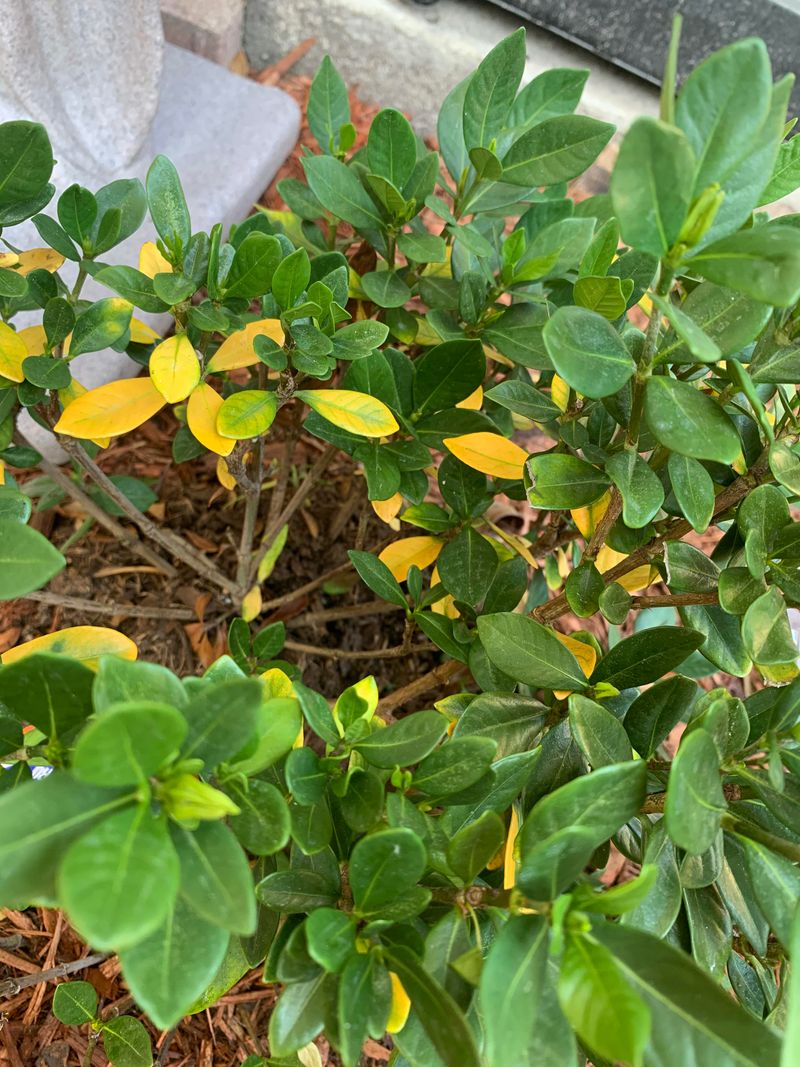
The soil around the roots can quietly limit blooms long before the plant looks obviously stressed. Gardenias prefer acidic soil, and when the pH creeps up, the plant struggles to absorb the nutrients it needs even if those nutrients are present.
Yellow leaves on new growth are often one of the first clues that soil pH is working against the plant.
Alkaline runoff is a common and overlooked problem in local gardens. Concrete driveways, stucco walls, shell mulch, lime rock edging, and similar materials can leach alkalinity into nearby soil over time.
A gardenia planted next to a concrete walkway or foundation may perform poorly even when watering and feeding are correct. The planting site itself may be pulling the pH in the wrong direction.
When a gardenia looks off and the obvious care factors seem fine, look at the site before assuming the plant is the problem. A simple soil pH test can confirm whether alkalinity is contributing to weak growth and fewer blooms.
Adjusting pH takes time and consistency, and some sites may never hold a reliably acidic reading. In cases where the site is persistently alkaline and difficult to correct, a different plant may be a better long-term fit than a struggling gardenia.
4. Feed Carefully During The Summer Window
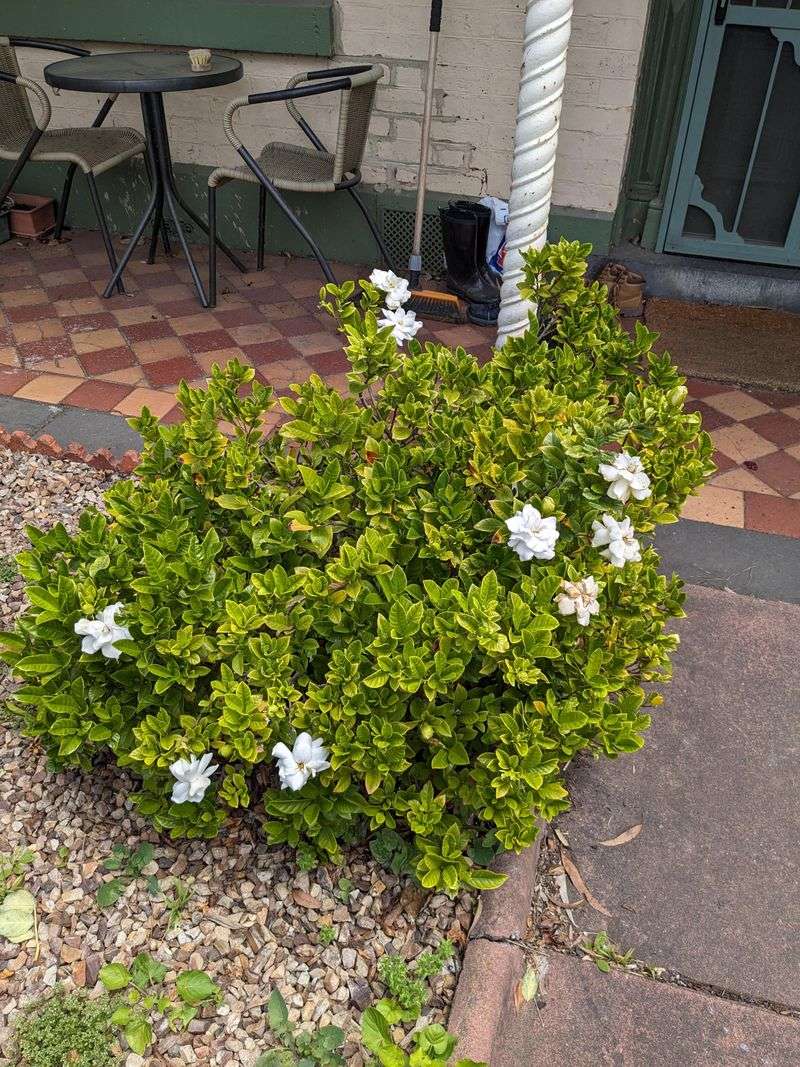
Summer feeding should support the shrub, not push it into overdrive. Gardenias are actively growing during the warm season in Florida.
A fertilizer formulated for acid-loving plants can help maintain healthy foliage and support continued flowering when used at the right time and in the right amount. The label on the product is the most reliable guide for application rates and timing.
Overfeeding is a real risk, especially with high-nitrogen products that push leafy growth at the expense of blooms. Too much fertilizer applied at the wrong time can stress the plant rather than help it.
Roots sitting in fertilizer-heavy soil can also show symptoms similar to drought stress, which makes the problem harder to diagnose.
Feeding during active growth, typically in spring through midsummer in warm regions, gives the plant the best chance to use the nutrients productively. Feeding late in the season can push tender new growth that may not harden off well before cooler weather arrives.
If the plant is already stressed from poor drainage, pest pressure, or pH problems, feeding alone will not fix the underlying issue. Address the root cause first, then support recovery with careful, label-guided fertilization.
A slow-release product designed for acid-loving plants is often a practical starting point for summer care.
5. Prune Only After A Bloom Cycle Ends
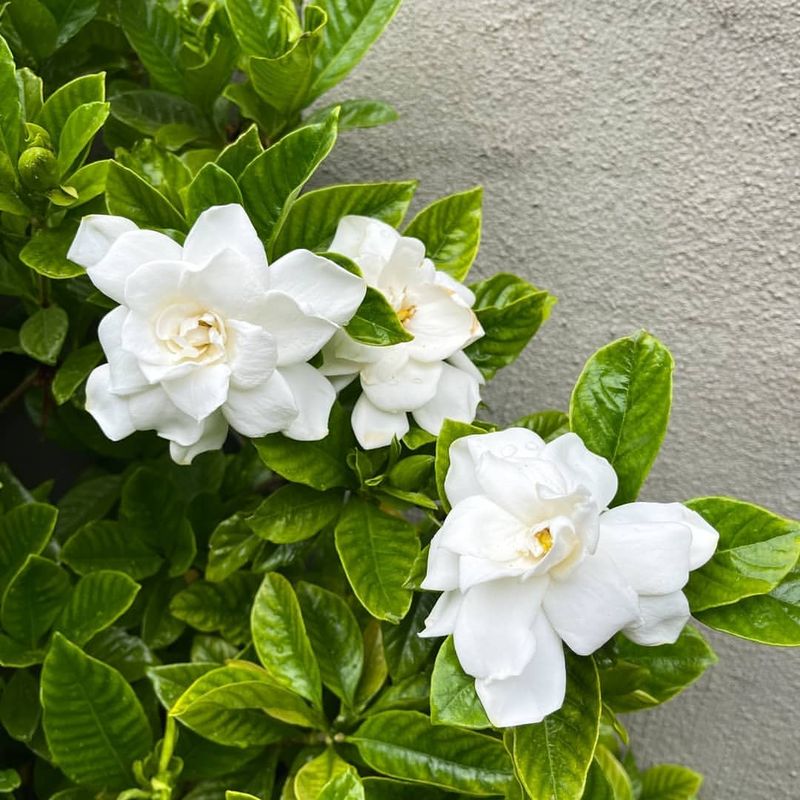
A quick trim can cost more flowers than expected if the timing is off. Gardenias set their flower buds on mature wood.
Cutting branches at the wrong point in the season removes the growth that would have produced the next round of blooms. Many gardeners prune too early or too randomly and then wonder why flowering slows down before August even arrives.
The practical rule is to prune after a bloom cycle ends, not before. If shaping or size control is needed, wait until flowers have finished on a given flush.
That gives the plant time to push new growth that can mature and set buds for the next cycle. Light shaping right after flowering is far less damaging than heavy cuts made mid-summer with no attention to what the plant is preparing to do.
Pruning late in the season, particularly after late summer, can reduce the following year’s bloom set as well. The plant needs time to develop mature wood before flowering begins again.
Gardeners trying to extend fragrance into August are better served by leaving the plant mostly alone during active bloom periods. Save any necessary shaping for right after a flush finishes.
Heavy renovation pruning is best handled at a time when losing some bloom potential is an acceptable trade-off.
6. Watch Yellow Leaves Before Blooms Slow Down
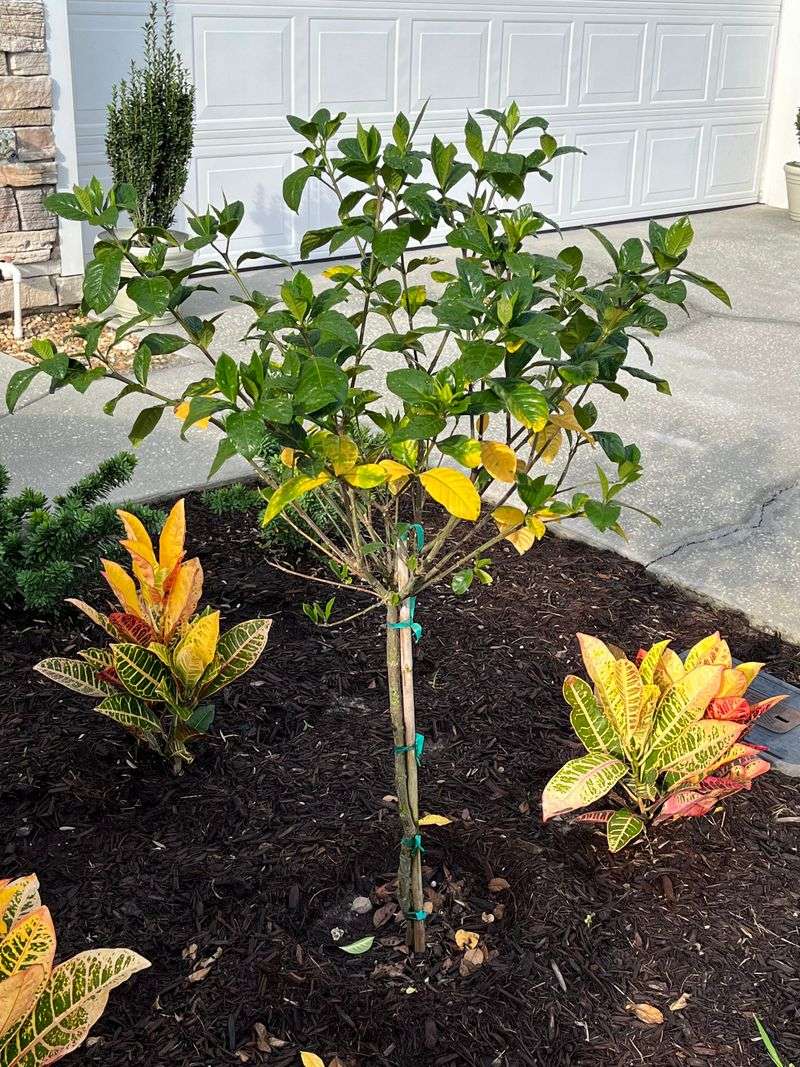
Yellow leaves are a clue, not a final answer, and reading them correctly can save a lot of guesswork. The location of yellowing on the plant often points toward different causes.
New growth turning yellow while older leaves stay green can suggest a soil pH or nutrient uptake issue. Older leaves yellowing uniformly while new growth looks healthy may be a normal part of the plant cycling out older foliage.
Moisture problems show up in yellowing too. Both too much water and too little can produce yellow leaves, which is why checking the actual soil condition matters before changing the watering routine.
Poor drainage that keeps roots wet for extended periods can mimic drought stress on the plant above ground.
Pest activity is another cause worth checking before assuming a nutrient or watering problem. Aphids, scale, and whiteflies can stress gardenias enough to trigger yellowing and reduced flowering, especially on tender new growth.
Checking the undersides of leaves, stems, and bud areas gives a clearer picture of what is actually happening. Run through the most common causes systematically: light, moisture, drainage, pH, pests, and general plant age.
That is more useful than treating one possibility without ruling out the others. Catching the issue early gives the plant the best chance to recover before blooming slows significantly.
7. Control Aphids, Scale, Whiteflies, And Sooty Mold
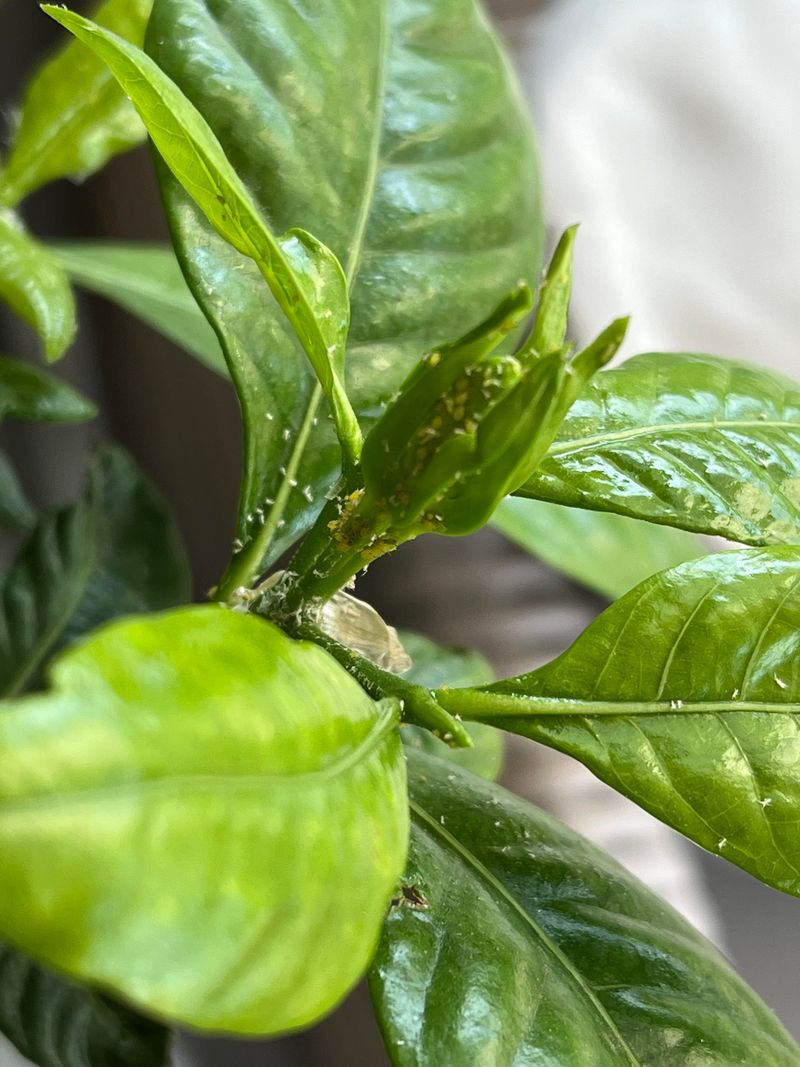
Sticky leaves usually mean it is time to inspect closer. Aphids, scale, whiteflies, and mealybugs are among the pests that commonly target gardenias in warm, humid conditions.
These insects feed on plant sap and can weaken the shrub enough to reduce flowering and slow new growth. They can also make the plant more vulnerable to other stressors during the summer months.
The sticky residue left by these pests, called honeydew, creates the conditions for sooty mold to develop. Sooty mold is a dark, powdery coating that forms on leaves and stems where honeydew has accumulated.
It does not directly infect the plant tissue, but it can block light from reaching leaf surfaces and signals that pest pressure is high enough to need attention.
Inspecting the undersides of leaves, along stems, and around tender new growth and buds gives the clearest picture of what is present and how heavy the infestation is. Catching pest activity early makes management more straightforward.
Control options range from physical removal for light infestations to insecticidal products labeled for the specific pest and plant type. Always read and follow the product label for application rates, timing, and safety precautions.
Treating the pest source is more effective than trying to scrub off sooty mold without addressing what caused it.
8. Mulch Shallow Roots Before August Heat Builds
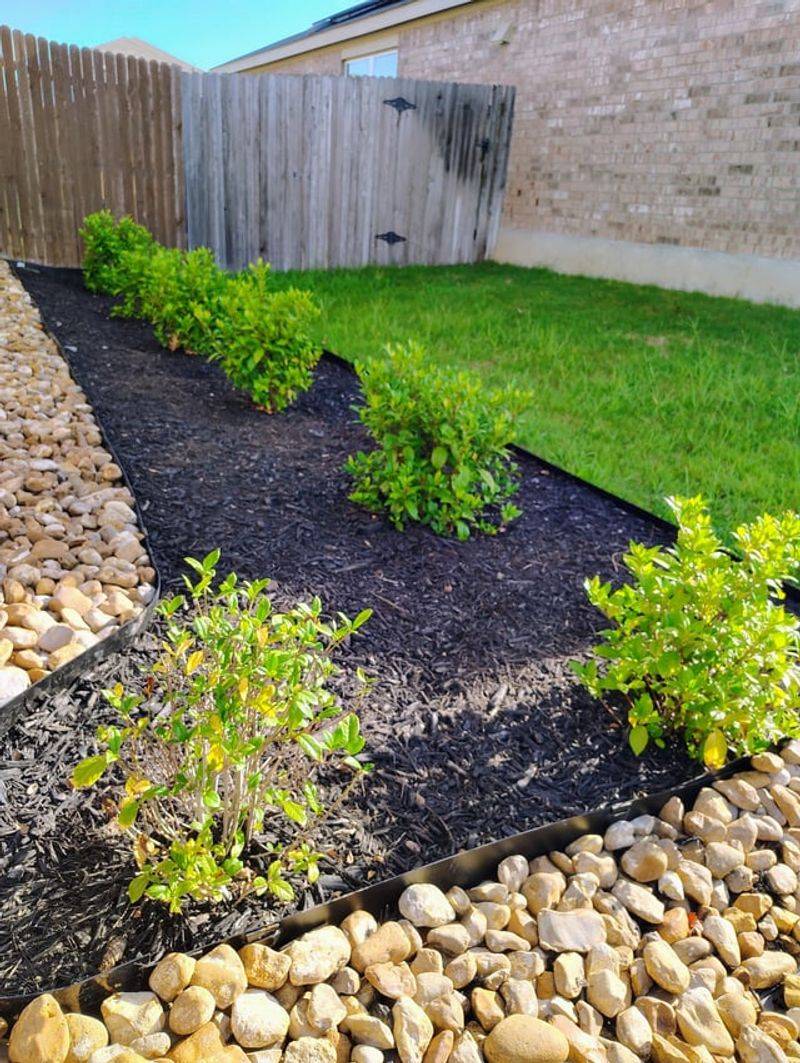
Mulch can make August easier on shallow roots, and gardenias genuinely benefit from that layer of protection. These shrubs have a relatively shallow root system that sits close to the soil surface.
That makes them more sensitive to temperature swings, moisture loss, and weed competition during the hottest part of the year. A consistent mulch layer helps buffer those pressures without requiring much effort once it is in place.
Organic mulch materials like pine bark, pine straw, or wood chips work well around gardenias. They break down gradually and can contribute to the slightly acidic soil conditions these plants prefer.
Keep the mulch layer at a reasonable depth, generally around two to three inches. This provides good coverage without creating conditions that hold too much moisture against the trunk or roots.
Pulling mulch back from the base of the trunk is an important detail. Mulch piled directly against the trunk can create a consistently moist environment that encourages rot and pest activity at the base of the plant.
Spreading mulch out to cover the root zone while keeping a clear gap around the trunk gives the best results. Refresh the mulch layer before the peak of August heat.
This helps gardenias hold onto soil moisture through the dry stretches that often follow summer rain patterns in warm regions.