Texas Native Plants To Replace Your Crape Myrtles Along Fence Lines And Driveways
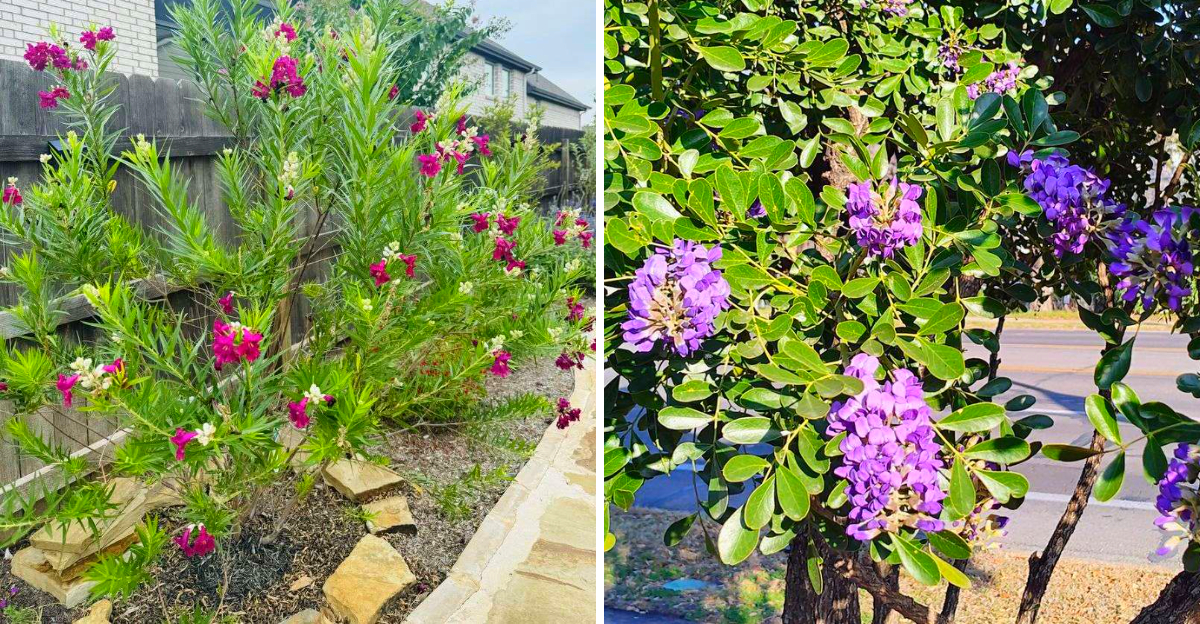
Crape myrtles are basically the default answer to every Texas landscaping question, and look, they’ve earned a lot of that reputation.
But here’s a conversation worth having: are they actually the best choice for every single spot in your yard?
Because fence lines and driveway edges are a whole different situation. We’re talking reflected heat bouncing off pavement, compacted soil that hasn’t been shown much love, narrow planting strips, and dry spells that just keep going.
And then there’s the size surprise that catches so many homeowners off guard, followed by that aggressive pruning habit that landscape professionals quietly cringe at every spring.
The good news is that Texas has a genuinely impressive lineup of native shrubs and small trees that were practically made for these tough spots, no guesswork or heavy pruning required.
1. Desert Willow Brings Color And Light Shade
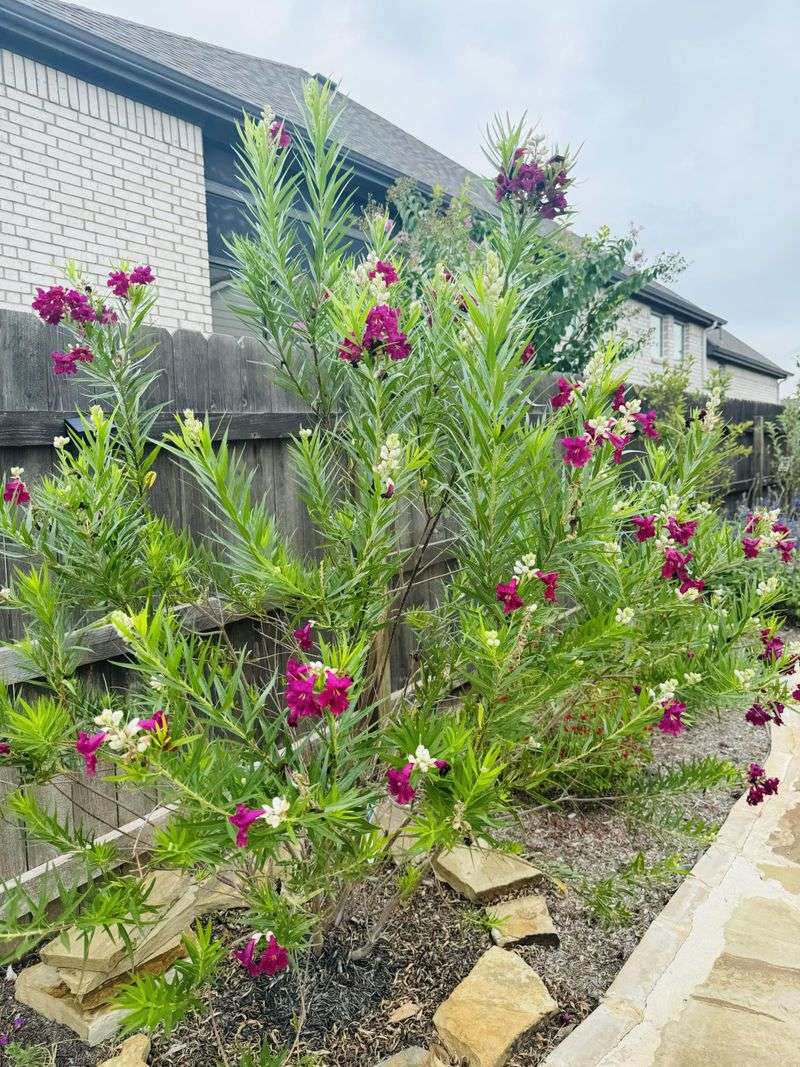
Few flowering plants stop people in their tracks quite like a desert willow in full bloom along a hot Texas driveway. The trumpet-shaped flowers come in shades of pink, lavender, white, and deep burgundy, and they keep showing up from late spring well into fall.
That kind of long bloom season is hard to find in a plant that also handles reflected heat off pavement without much complaint.
Desert willow is native to the Trans-Pecos region and dry creek beds across Texas, which tells you a lot about what kind of conditions it can handle.
Once established, it is highly drought tolerant and does well in the sandy, rocky, or poor soils that often show up along fence lines and driveways.
It typically grows as a large multi-trunk shrub or small tree, reaching around 15 to 25 feet tall, so it offers light canopy and vertical interest without becoming overwhelming in a residential yard.
One thing worth knowing is that desert willow is deciduous, so it drops its narrow leaves in winter. For homeowners who want year-round screening, pairing it with an evergreen companion along the fence line can fill in that gap.
It does need good drainage and open sun to perform well. Spacing plants about 10 to 15 feet apart gives each one room to develop its natural arching form, which is part of what makes this plant so visually striking along a driveway edge.
2. Texas Mountain Laurel Adds Evergreen Beauty
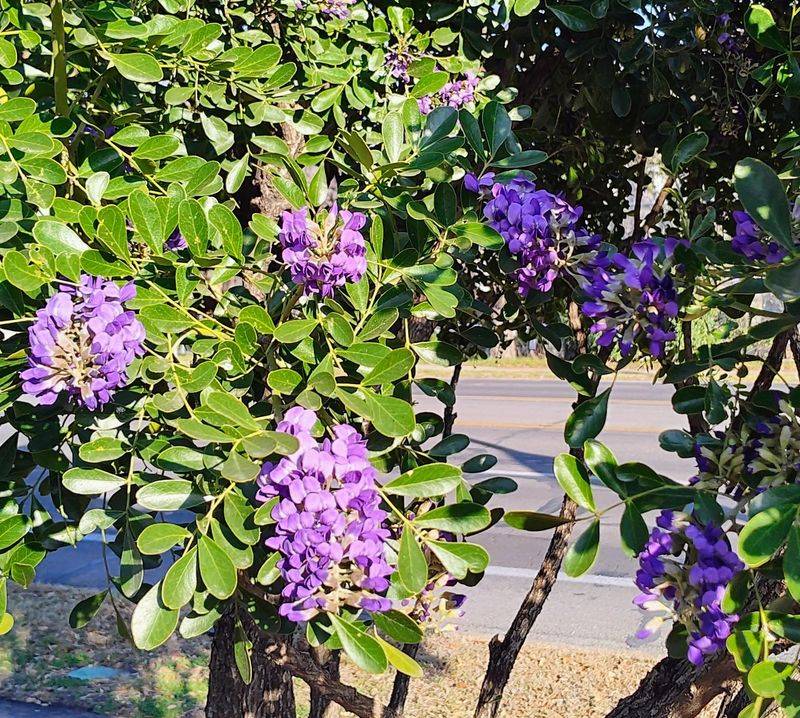
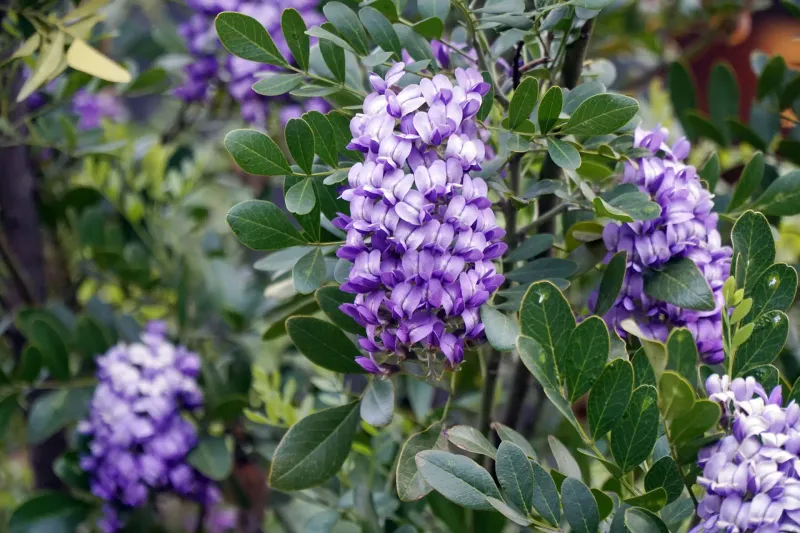
Walking past a Texas mountain laurel in early spring is a sensory experience that is hard to forget. The clusters of deep purple flowers smell strongly of grape bubble gum, which surprises most people the first time they catch a whiff drifting across a front yard.
That fragrance alone has made this plant a favorite among gardeners who want something memorable near an entryway or driveway.
Beyond the blooms, Texas mountain laurel is a slow-growing evergreen shrub or small tree that keeps its glossy dark green leaves all year long. That makes it especially useful along fence lines where screening matters even in winter.
It typically reaches 10 to 15 feet at maturity, though it takes its time getting there, so patience is part of the deal with this plant.
Your Texas Garden Changes Every Week. Your Plan Should Too.
Gardening in Texas changes quickly throughout the season. Every Friday you’ll receive a simple weekly plan showing exactly what to plant, prune, fertilize, harvest, and protect so you never miss the right timing.
In narrow planting strips along driveways, its upright and tidy growth habit is genuinely useful.
Texas mountain laurel is native to the Edwards Plateau and limestone-rich soils of central and south Texas, and it strongly prefers well-drained conditions.
Planting it in heavy clay or areas with poor drainage can cause it to struggle, so raised beds or amended soil may help in those situations.
It handles full sun and reflected heat well once it gets established, which can take a season or two. The bright red seeds that follow the flowers are eye-catching but should be kept away from children and pets, as they are considered toxic if ingested.
3. Yaupon Holly Fits Small Spaces Well
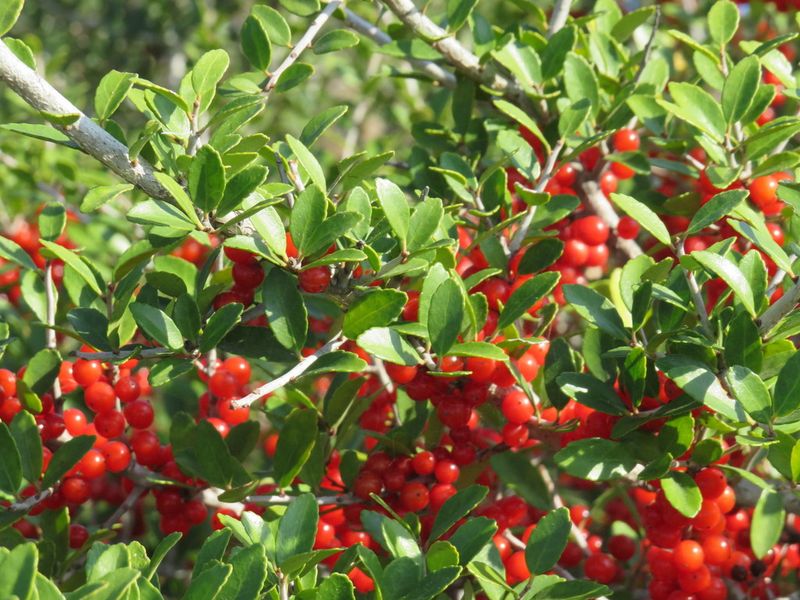
Tight spaces along driveways and fence lines are where yaupon holly really earns its reputation as one of the most dependable native plants in Texas.
Unlike some shrubs that quickly outgrow a narrow bed, yaupon holly comes in a wide range of cultivated forms, from compact rounded shrubs under four feet to upright selections that can be trained into small multi-trunk trees.
That kind of flexibility makes it easy to match the plant to the actual space rather than the other way around.
Yaupon holly is native across much of eastern and central Texas, and it is one of the toughest plants in the state when it comes to heat, drought, and poor soil.
It handles the reflected heat off driveways and sidewalks better than most plants, and it stays evergreen all year, which means it provides consistent screening and structure in all seasons.
The small red berries that appear on female plants in fall and winter add a seasonal pop of color that many homeowners find genuinely charming.
One practical note is that yaupon holly does spread by root sprouts, so some light maintenance may be needed to keep it tidy in a formal landscape setting. It responds well to pruning and can be shaped into hedges or left to grow in a more natural form.
For a low-water, low-maintenance evergreen along a fence line, it is one of the most reliable choices available to residential gardeners in the state.
4. Wax Myrtle Creates Fast Privacy
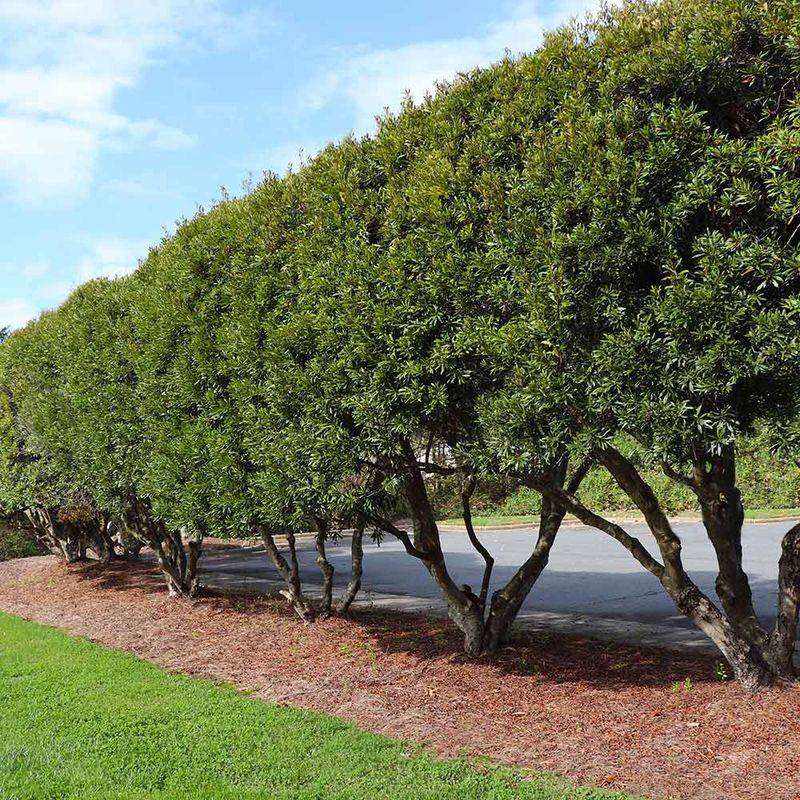
Homeowners who need screening along a fence line and do not want to wait years to get it often find wax myrtle to be one of the most satisfying choices in the Texas native plant world.
It grows quickly compared to many native shrubs, and it can reach 10 to 15 feet tall with a similar spread, forming a full and dense privacy screen that works well in both formal and naturalistic landscapes.
The aromatic gray-green foliage has a pleasant scent when brushed against, which is a small but enjoyable bonus near a driveway or walkway.
Wax myrtle is native to eastern and coastal Texas, where it naturally grows along stream banks, forest edges, and open areas with varying soil conditions.
It handles both wet and dry periods reasonably well once established, though it does best with some supplemental water during extended droughts, especially in the hotter interior regions of Texas.
Full sun to part shade works fine for this plant, and it tends to fill in quickly enough that gaps in a fence line screen become less of an issue within a few growing seasons.
Because wax myrtle can get large, spacing matters. Planting individual shrubs about eight to ten feet apart gives them room to fill in without overcrowding.
It can also be trained as a multi-trunk small tree for a more open, airy look along a driveway. Some light pruning helps maintain a tidy shape, and the plant responds well to being cut back if it outgrows its space over time.
5. Evergreen Sumac Handles Heat And Dry Soil
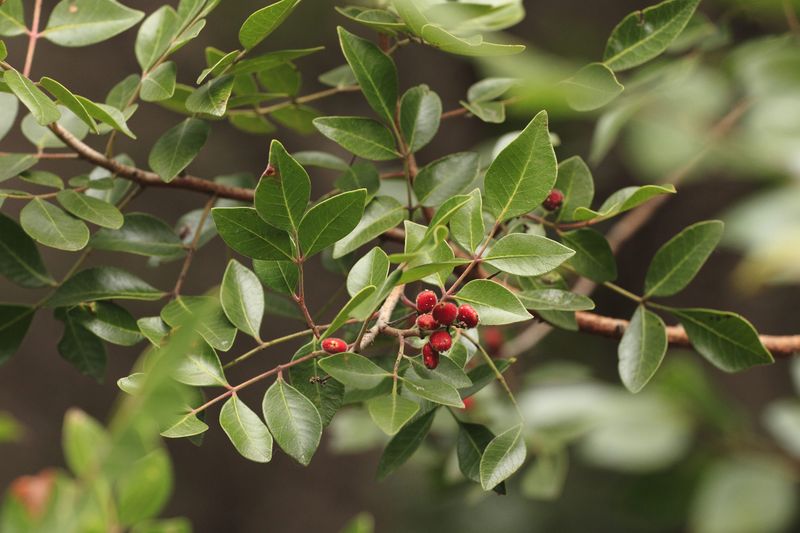
Reflected heat bouncing off a concrete driveway in a Texas summer can be brutal, and not every plant handles that kind of punishment without showing stress.
Evergreen sumac is one of the few native shrubs that seems almost indifferent to those conditions, holding its glossy dark green leaves through the heat and keeping a full, attractive form even in the toughest stretches of summer.
That resilience is one of the main reasons it deserves more attention in residential landscapes.
Native to the limestone hills and rocky slopes of the Edwards Plateau and surrounding regions of Texas, evergreen sumac is well adapted to thin, dry, alkaline soils that challenge many other plants.
It typically grows eight to twelve feet tall and wide, making it a solid choice for screening along a fence line without getting completely out of hand.
The clusters of small red berries that ripen in fall attract birds and add seasonal interest that many homeowners appreciate.
Evergreen sumac does hold most of its leaves through winter in the milder parts of Texas, though it may drop some foliage during an unusually cold stretch.
That semi-evergreen quality still provides more year-round structure than many deciduous alternatives.
It spreads slowly by root suckers, so occasional maintenance keeps it from expanding beyond the intended planting area.
For a driveway or fence line that gets full sun, poor soil, and minimal irrigation, evergreen sumac is a genuinely tough and attractive native option worth considering.
6. Possumhaw Holly Adds Seasonal Color
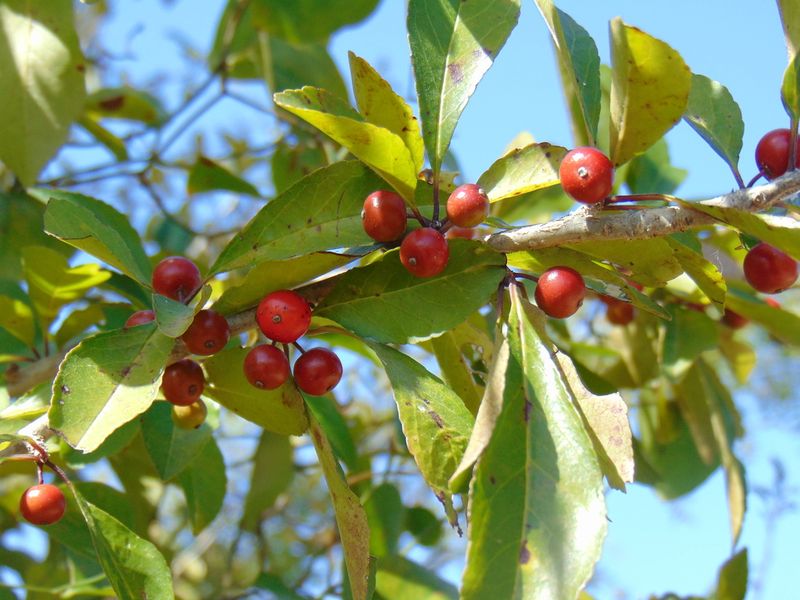
There is something almost theatrical about a possumhaw holly in winter, when its bare gray branches are loaded with clusters of bright red or orange berries that glow against a pale Texas sky.
Most plants look their least interesting in the cold months, but possumhaw holly flips that idea on its head, delivering some of its most striking color right when the rest of the landscape has gone quiet.
That seasonal drama makes it a standout choice for fence lines and driveway edges where winter curb appeal matters.
Possumhaw holly is a native deciduous large shrub or small tree found across much of central and east Texas, often growing along creek banks and woodland edges.
In a home landscape, it typically reaches eight to fifteen feet tall depending on conditions and how it is pruned or trained.
Female plants are the ones that produce the showy berries, and having a male plant nearby helps with fruit set, so it is worth asking about that when purchasing from a nursery.
During the growing season, possumhaw holly has clean, medium green foliage that provides a decent privacy screen along a fence line before the leaves drop in fall.
It handles a range of soil types, including clay and sandy soils, and tolerates both wet and dry periods better than many native shrubs.
Supplemental water during establishment and dry spells helps it develop a strong root system. Birds are drawn to the berries throughout winter, which adds a lively and natural element to the Texas yard.
7. Choosing The Right Native Plant For Your Space
Picking a plant off this list is just the first step. Getting it to thrive along a Texas fence line or driveway edge depends on matching the right plant to the actual conditions of that specific spot, including sun exposure, soil type, drainage, and available space.
A plant that does beautifully in a wide open bed with deep soil may struggle in a narrow strip with compacted caliche just below the surface.
Spacing is one of the most overlooked parts of planting along fence lines and driveways. It can be tempting to plant close together for faster screening, but crowded plants compete for water and air circulation, which can lead to weaker growth over time.
Giving each plant enough room to reach its natural mature size makes for a healthier and better-looking landscape in the long run.
Even native Texas plants need consistent watering during their first one to two growing seasons while their root systems get established.
After that, most of the plants on this list can get by with much less supplemental water than a crape myrtle in a tough exposed spot.
Mulching around the base of each plant helps retain soil moisture and moderate soil temperature, which is especially helpful along hot pavement edges.
Taking a little extra care at planting time sets these native shrubs up for years of reliable performance in the Texas landscape, with far less ongoing maintenance than many non-native alternatives require.