The Right Ways To Prune Lilac In Texas For More Blooms Every Year
Lilacs in Texas are a labor of love. They don’t have it easy in this climate, and anyone growing them here already knows the extra effort involved.
But when a Texas lilac blooms, even modestly, it feels like a genuine reward for all that patience and attention. The fragrance alone makes it worth it.
The problem is that a lot of Texas lilac growers are accidentally working against themselves when it comes to pruning. Pruning lilacs the wrong way, or at the wrong time, can cost you an entire season of blooms without you even realizing what happened.
Lilacs bloom on old wood, which means the timing and technique of every cut matters far more than most gardeners expect. One well intentioned trim at the wrong moment and you’ve removed the very growth that would have flowered.
The good news is that once you understand how lilacs actually grow and bloom, pruning them correctly becomes straightforward.
1. Prune After Blooming
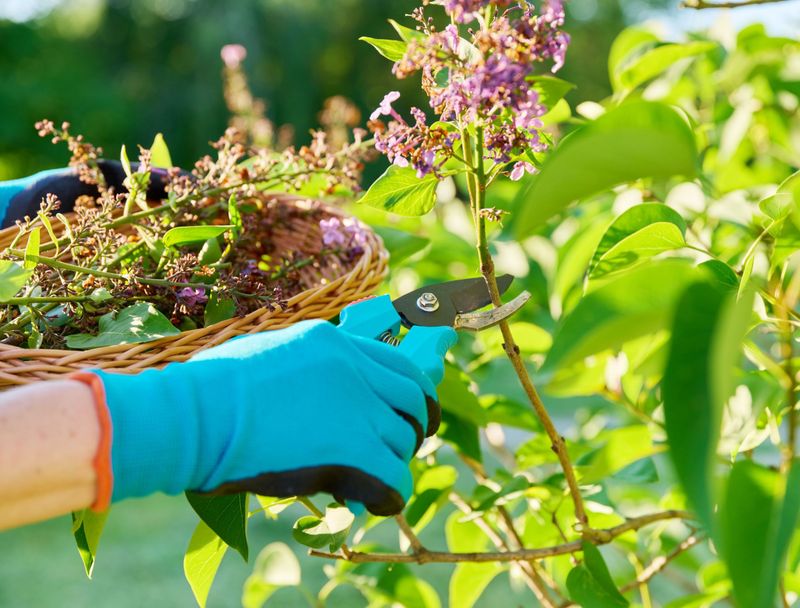
Timing is everything when it comes to lilacs. Most gardeners do not realize that pruning at the wrong time of year is the number one reason their shrubs stop producing flowers.
Lilacs bloom on old wood, which means the flower buds for next spring are already forming shortly after this year’s blooms fade.
In Texas, lilacs typically flower in late winter or early spring, depending on the variety. Once those blooms start to fade and drop, that is your window.
You want to get your pruning done within two to four weeks after flowering ends. Waiting longer than that puts you at risk of cutting off the buds that are quietly forming for next year.
Think of it like a relay race. The shrub passes the baton from this year’s bloom to next year’s bud almost immediately.
If you step in and cut too late, you interrupt that handoff and end up with a bare shrub the following spring. Many Texas gardeners have experienced this frustration without knowing the cause.
Pruning right after blooming also gives the shrub the entire growing season to recover, strengthen new growth, and set those buds properly. The plant has months of warm weather ahead to build energy reserves before cooler temperatures arrive.
That long recovery window is one advantage Texas gardeners actually have over growers in colder climates.
Use it wisely and your lilac will reward you with a fuller, more colorful display each year. Early action after flowering is the single most powerful pruning habit you can build.
2. Remove Spent Flowers
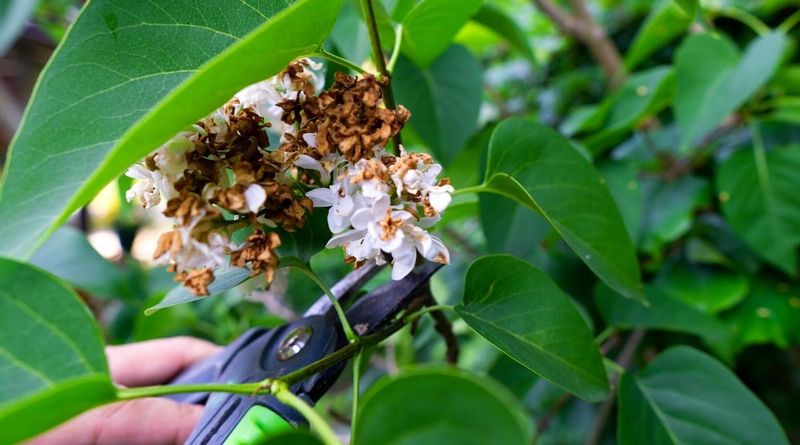
Once lilac flowers start turning brown and droopy, it is time to clean them up. Those faded clusters are called spent blooms, and removing them is a simple step that makes a surprisingly big difference.
Left on the shrub, they signal the plant to put energy into making seeds instead of building strong new growth.
Deadheading, which is the gardening term for removing spent flowers, keeps your shrub looking neat and tidy. More importantly, it redirects the plant’s resources.
Your Texas Garden Changes Every Week. Your Plan Should Too.
Gardening in Texas changes quickly throughout the season. Every Friday you’ll receive a simple weekly plan showing exactly what to plant, prune, fertilize, harvest, and protect so you never miss the right timing.
Instead of working hard to produce seeds nobody asked for, the lilac can focus on pushing out healthy stems and setting next season’s flower buds. That energy shift is exactly what you want.
When removing spent flowers, cut just above the first set of leaves below the old flower cluster. Do not cut deep into the branch or remove large sections of stem at this stage.
You are only targeting the old bloom head, not doing a full structural pruning session. Keep your cuts clean and precise.
For Texas gardeners, this step feels especially satisfying because it gives you something proactive to do right after bloom time. You are not waiting around or guessing.
You are taking a clear, easy action that directly supports next year’s flower show. It only takes a few minutes on a small shrub, and even on larger plants the job goes quickly with a sharp pair of hand pruners.
Sharp tools matter too since clean cuts heal faster and lower the chance of any disease sneaking into the wound. Make deadheading a regular post-bloom habit and your lilac will thank you generously come spring.
3. Cut Dry Wood First
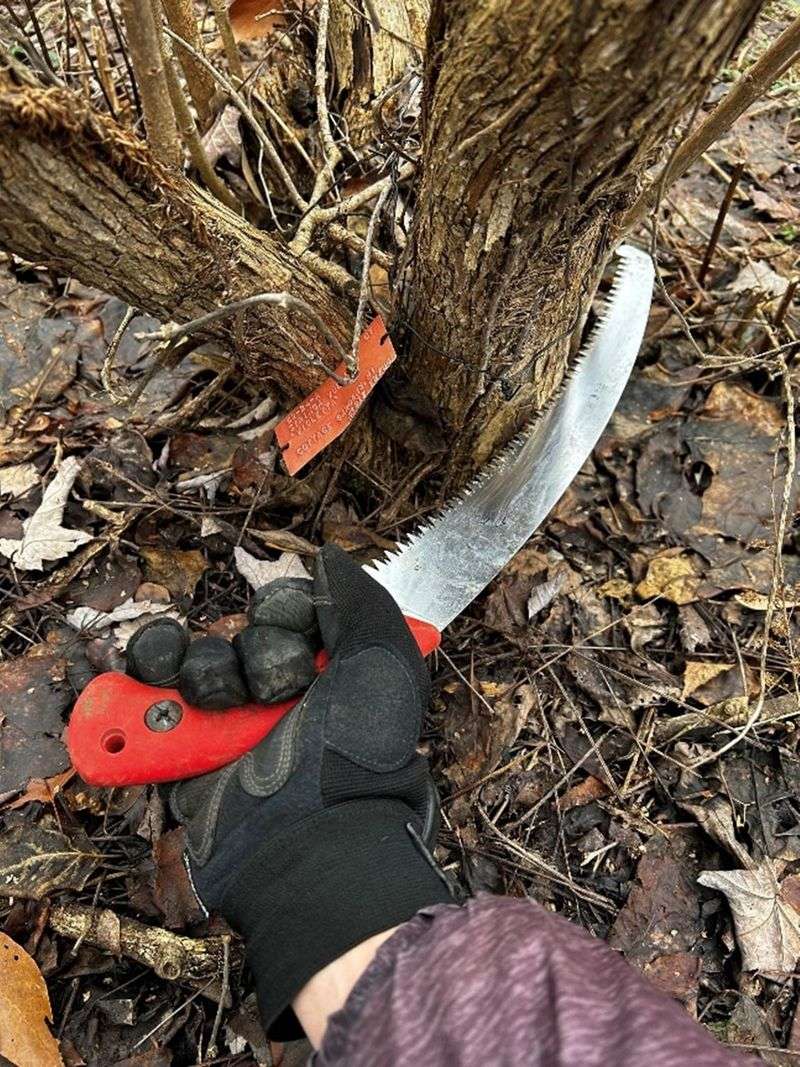
Before anything else, look for the wood that is already struggling. Branches that are dry, grey, brittle, or snapping easily are not contributing to the health of your lilac.
Removing them first is the smartest way to start any pruning session because it gives you a clearer picture of what you are actually working with.
Dry or damaged branches block airflow through the center of the shrub. Poor airflow creates humid pockets where fungal problems love to settle in.
In Texas, where summers get hot and humid in many regions, that kind of environment can cause real trouble for a lilac shrub. Thinning out the bad wood early helps the plant breathe better all season long.
Look also for branches that are rubbing against each other. Constant friction wears away the bark and creates open wounds that attract pests and disease.
When two branches cross and rub, remove the weaker or more awkwardly positioned one. Your goal is a shrub with branches that have room to grow without bumping into their neighbors.
Diseased wood should be cut back to healthy tissue, and your pruning tools should be wiped down with a disinfectant between cuts if you suspect any infection is present. This small habit prevents spreading problems from one part of the plant to another.
Once all the bad wood is gone, stand back and assess the remaining structure. You may find that removing the damaged material alone already opened up the shrub significantly.
Sometimes the cleanup work does most of the pruning for you, leaving only minor shaping left to handle. Starting with dry wood is efficient, smart, and always worth doing first.
4. Thin Old Stems
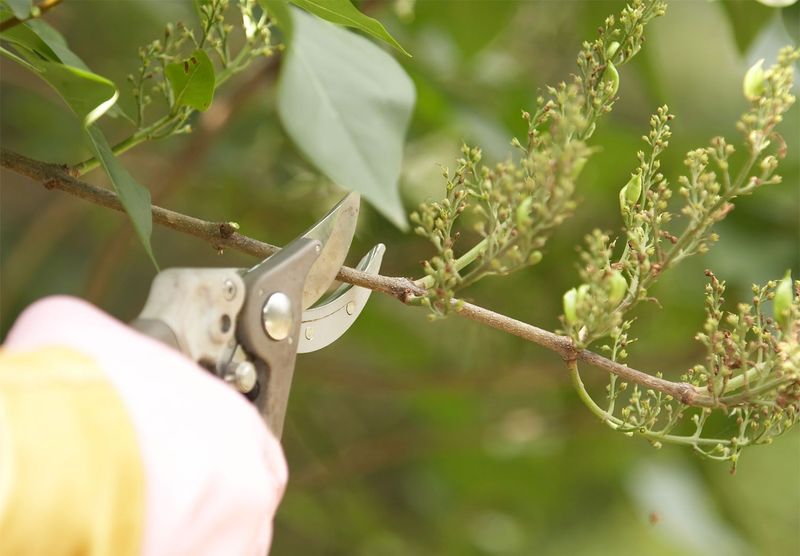
Here is a pruning move that many beginners skip, but experienced growers swear by. Every year, removing a few of the oldest and thickest stems at ground level keeps a lilac shrub from turning into a crowded, woody tangle.
Old stems gradually stop producing flowers and mostly just take up space. Getting rid of them makes room for the younger, more productive shoots to shine.
Look for stems that are thick, gnarled, and dark in color. These are usually the oldest canes in the shrub.
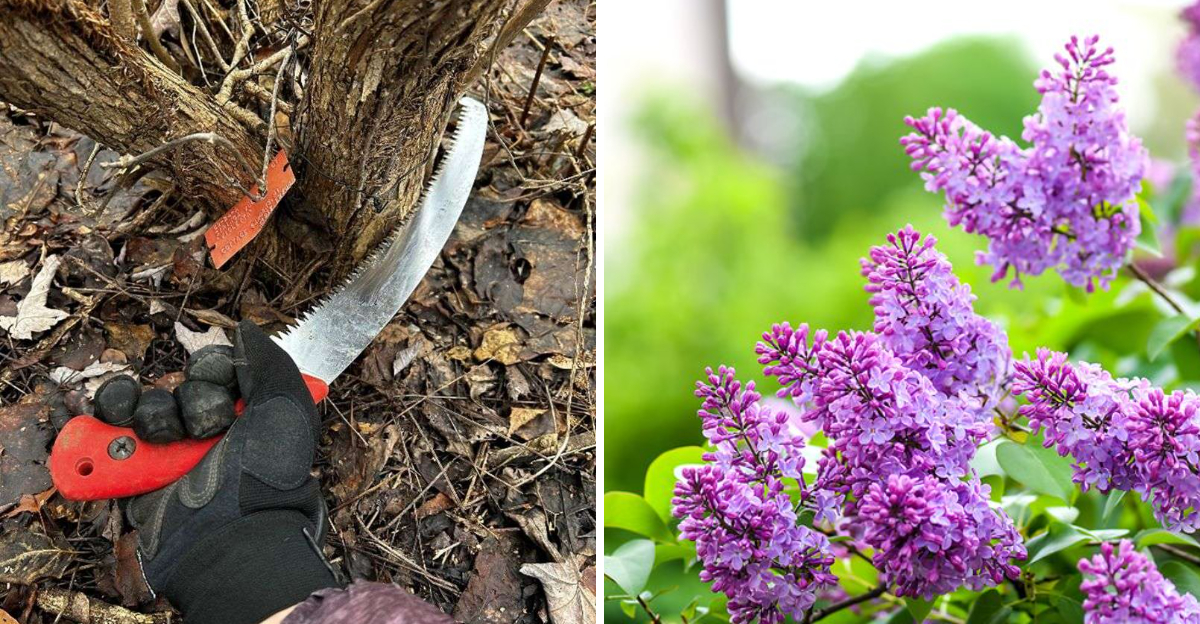
Using loppers or a pruning saw, cut them off as close to the ground as possible. You do not need to remove all of them at once.
Taking out two or three old stems per year is plenty to keep the renewal process moving without shocking the plant.
As old stems are removed, the shrub responds by pushing up new shoots from the base. These young shoots are vigorous and full of potential.
Within a couple of years, they will mature into strong flowering canes that produce far more blooms than the old wood ever could. It is a slow and steady process, but the payoff is real.
In Texas, lilacs can get leggy and sparse if left unpruned for several years in a row. Thinning old stems is your best tool for fighting that problem.
Think of it as making regular small investments that build up into a much bigger reward over time.
A shrub that gets this kind of annual attention stays youthful, compact, and loaded with blooms. Skip it for too many seasons and the rejuvenation job becomes much harder to manage.
5. Keep The Shape Open
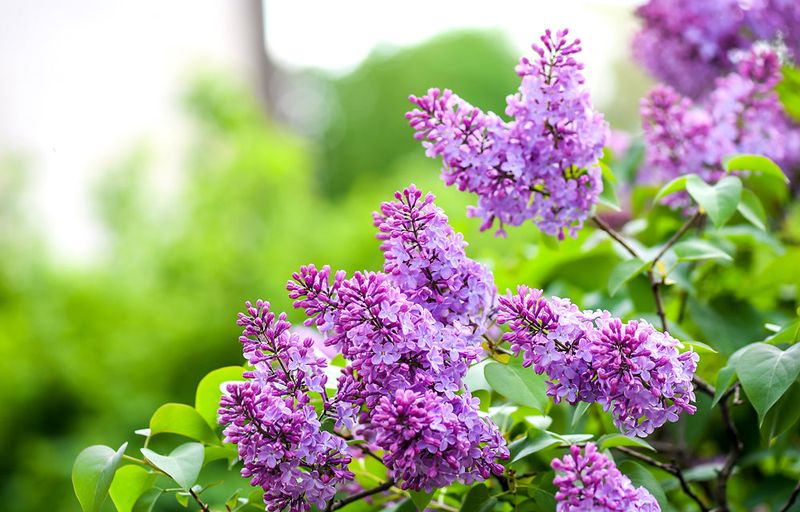
Lilacs are not meant to look like perfectly round green balls. Shearing them into tight, uniform shapes might seem tidy, but it actually works against the plant.
Heavy shearing removes the tips of branches where new growth and flower buds develop, which means fewer blooms and a weaker overall structure over time.
Instead of shearing, think about selective pruning. Step back from the shrub every few cuts and look at its natural form.
You want an open, vase-like shape where the center is not crowded. Sunlight needs to reach the inner branches, and air needs to circulate freely from the base to the top. A dense, packed center is a recipe for poor flowering and potential disease problems.
When shaping, use hand pruners to remove individual stems that are growing inward, crossing awkwardly, or pushing the shrub out of its natural outline. Work slowly and deliberately.
There is no rush. The goal is to guide the plant, not force it into an unnatural silhouette. Each cut should have a clear purpose.
Texas gardeners sometimes feel pressure to keep landscapes looking manicured and formal, especially in suburban neighborhoods. But lilacs actually look their best when allowed to grow in a relaxed, natural form with a little light shaping each year.
A loosely shaped shrub with an open center will produce far more flowers than one that has been clipped into a tight hedge.
Neighbors may not notice the difference in shape, but they will definitely notice when your lilac is absolutely covered in blooms while others on the street are barely producing. An open shape is the secret behind that result.
6. Avoid Fall Pruning
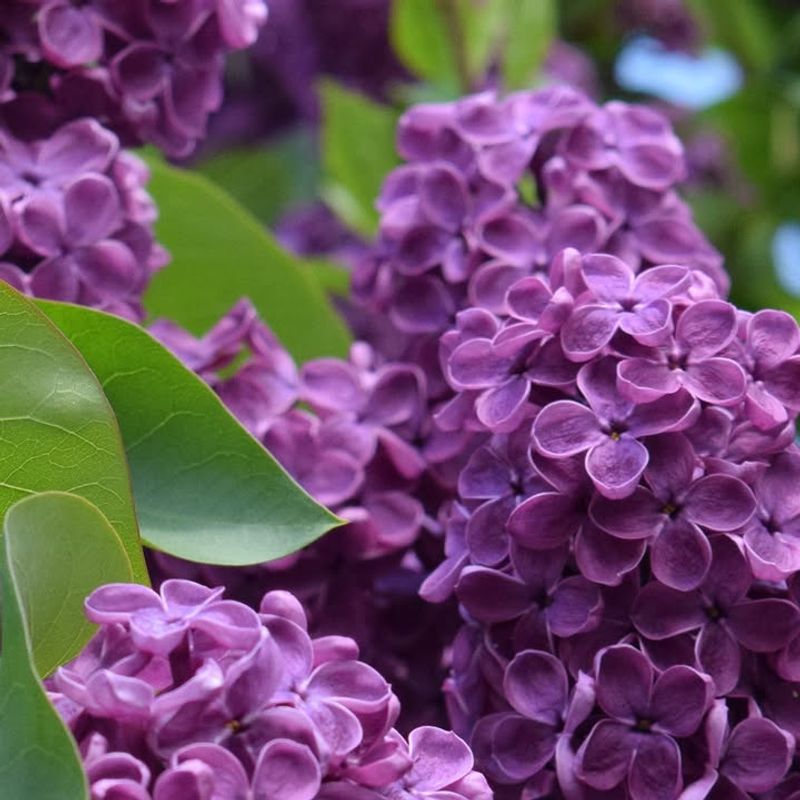
Fall pruning might feel productive, especially when the garden starts looking messy as temperatures drop. For most shrubs, a little autumn cleanup is perfectly fine.
But lilacs play by different rules, and cutting them back in fall is one of the fastest ways to guarantee a flowerless spring.
By late summer and early fall, lilacs have already begun forming the buds that will open into flowers the following spring. Those buds are sitting quietly on the branches, ready to wait out the cooler months and burst open when warmth returns.
Any significant pruning done after midsummer has a strong chance of removing those buds before they ever get their chance.
Winter pruning carries the same risk. Even though the shrub looks dormant and bare, the flower buds are still there, tucked into the branch tips, waiting.
Cutting into the plant during that window feels harmless but causes real damage to next year’s bloom potential. Many Texas gardeners have made this mistake and spent the following spring wondering why their lilac stayed silent.
The safest rule is simple. Once your lilac has been pruned in the weeks right after it blooms in spring, leave it alone for the rest of the year.
Resist the urge to tidy it up in September or give it a haircut in January. The shrub does not need your help during those months.
It is doing important work on its own, setting buds and storing energy for the next bloom cycle.
Your job during fall and winter is simply to walk past it, appreciate it, and let it do what it does naturally. Patience in the off-season is what makes spring spectacular.