Pennsylvania Plants That Attract Dragonflies And Reduce Mosquito Activity
Pennsylvania summers bring enough humidity and standing water to keep mosquito populations well fed from June through September, and most of the common solutions require constant effort to maintain.
What a lot of Pennsylvania gardeners overlook is that one of the most effective natural mosquito controls is already present in the region and just needs the right environment to show up consistently.
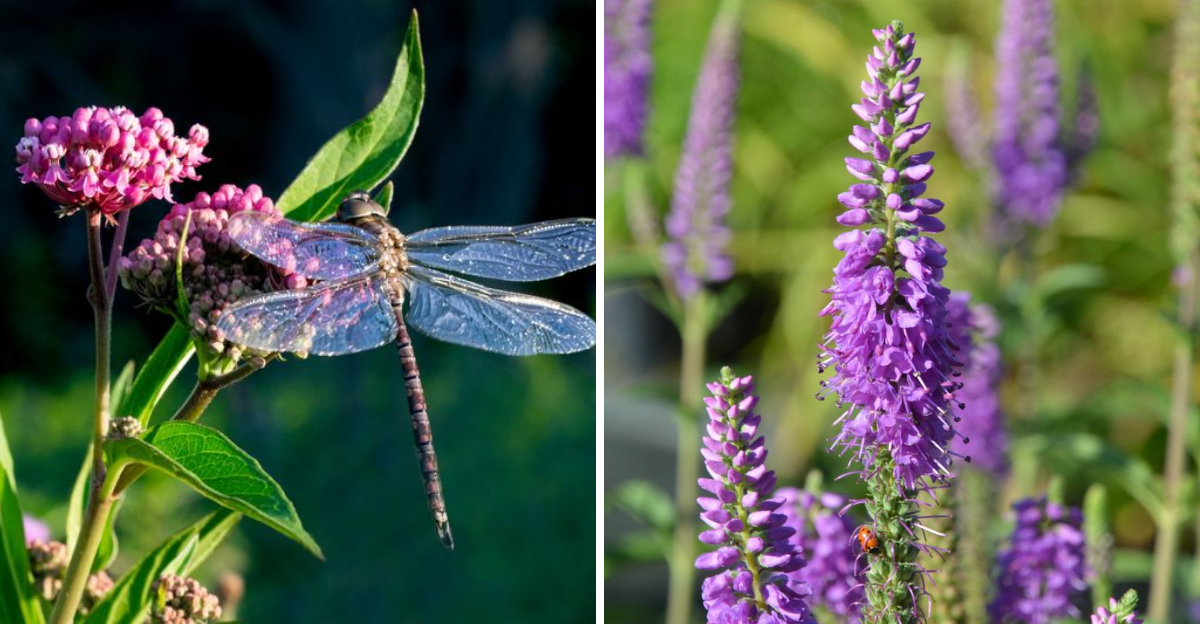
Dragonflies are relentless hunters, consuming large numbers of mosquitoes every single day, and they are drawn to specific plants and habitat conditions that most standard yards simply do not provide.
Creating that environment is more achievable than it sounds, and the plants that attract dragonflies tend to make a yard more visually interesting at the same time.
Pennsylvania’s growing season and natural moisture levels are actually well suited for establishing these plants quickly. The result is a yard that works against mosquitoes around the clock without any ongoing effort from the gardener.
1. Joe-Pye Weed
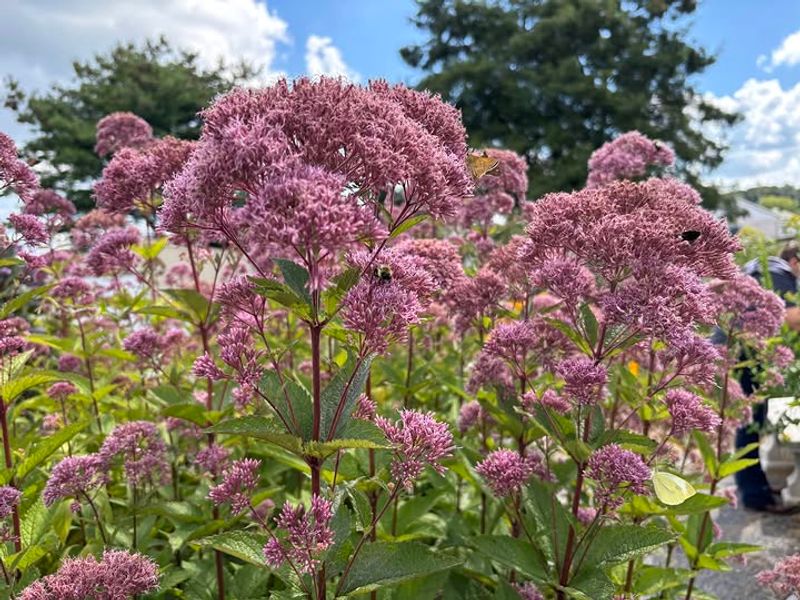
Few plants in the native Pennsylvania landscape command attention quite like Joe-Pye weed. Standing anywhere from four to seven feet tall, this bold beauty produces large clusters of dusty pink-purple flowers that bloom from late summer into early fall.
That long bloom season makes it a magnet for pollinators and beneficial insects, including dragonflies that patrol nearby moist areas.
Dragonflies do not actually feed on flowers, but they are strongly drawn to the moist, sheltered environments that Joe-Pye weed tends to grow in.
Plant it near a rain garden, a backyard pond, or a low-lying wet area, and you will create the kind of habitat dragonflies actively seek out for hunting and resting.
Mosquitoes also favor these same damp spots, so having dragonflies nearby makes a real difference.
Joe-Pye weed is easy to grow and thrives in full sun to partial shade. It prefers consistently moist soil, which makes it a perfect fit for Pennsylvania’s wetter garden spots.
You do not need to fuss over it much once it is established. It spreads gradually over time and can form impressive clumps that look stunning in naturalistic or wildlife gardens.
Native bees, butterflies, and beetles all love the nectar-rich blooms, making Joe-Pye weed a genuine ecosystem builder.
If you want a low-maintenance plant that pulls serious ecological weight while helping reduce mosquito pressure, this towering native wildflower deserves a prime spot in your Pennsylvania garden.
2. Swamp Milkweed
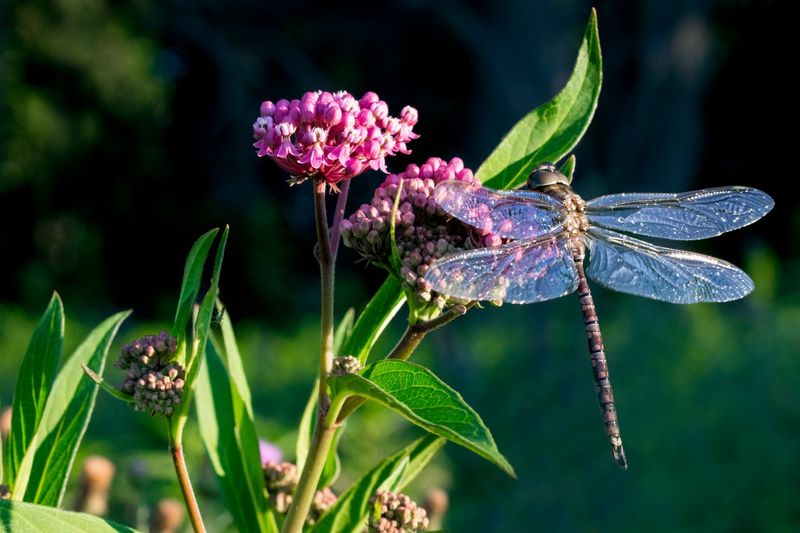
Swamp milkweed is one of those plants that quietly does a whole lot of good. Most people know milkweed as the plant that monarchs need to survive, but swamp milkweed goes way beyond supporting butterflies.
Growing naturally along stream banks and in wet meadows across Pennsylvania, it thrives in exactly the moist conditions that dragonflies prefer for hunting mosquitoes.
The bright pink flower clusters appear in midsummer and last for several weeks, filling the air with a light, sweet fragrance. These blooms attract a wide range of pollinators and beneficial insects.
Dragonflies are often spotted patrolling the airspace just above and around swamp milkweed patches, especially when the plants are situated near standing or slow-moving water.
Your Pennsylvania Garden Changes Every Week. Your Plan Should Too.
Gardening in Pennsylvania changes quickly throughout the season. Every Friday you’ll receive a simple weekly plan showing exactly what to plant, prune, fertilize, harvest, and protect so you never miss the right timing.
Rain gardens are one of the best places to grow swamp milkweed in a Pennsylvania yard. It handles occasional flooding followed by dry spells much better than many other plants, which makes it very practical for managing stormwater while supporting wildlife at the same time.
Full sun to partial shade works well, and the plant reaches about three to four feet in height.
Swamp milkweed spreads through rhizomes underground, slowly expanding into a fuller clump each year. Once established, it needs very little care.
Cutting back the old stems in early spring encourages fresh, healthy growth. If you want a hardworking native plant that supports monarchs, attracts dragonflies, and helps keep mosquito numbers down, swamp milkweed earns every inch of garden space you give it.
3. Pickerelweed
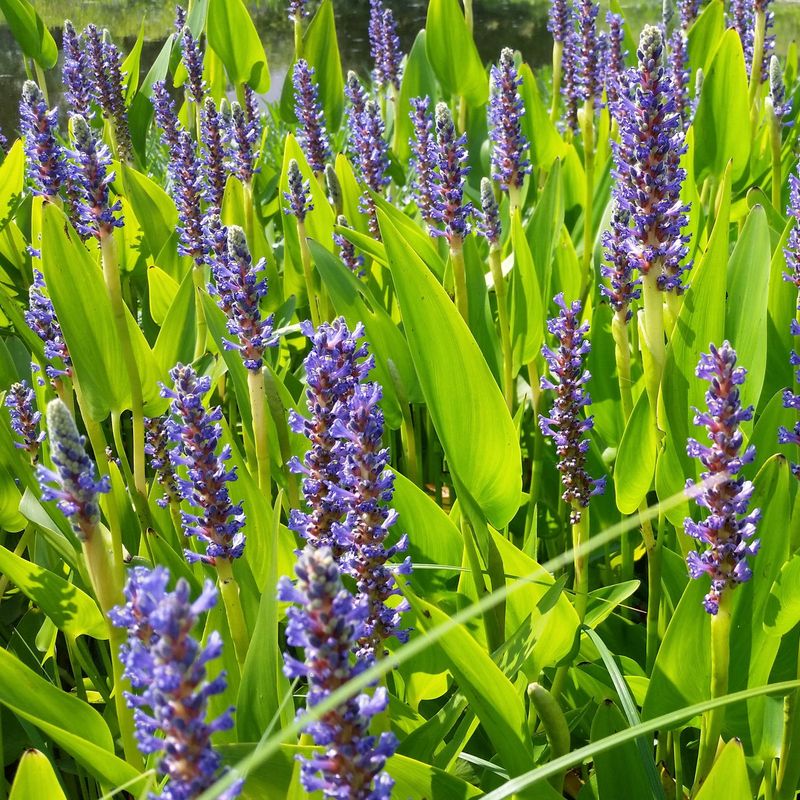
Walk up to almost any healthy Pennsylvania pond in summer and you will likely spot pickerelweed standing proudly at the water’s edge. Its tall spikes of violet-blue flowers rise above broad, glossy leaves from June all the way through October.
That long bloom window makes it one of the most valuable aquatic plants you can add to a backyard water garden or naturalized pond.
Pickerelweed is practically custom-made for dragonfly habitat. It grows right in shallow water, providing the emergent stems that dragonfly nymphs climb when they are ready to transform into adults.
Adult dragonflies also use the sturdy stems as perching spots while they scan the water surface for prey, including mosquito larvae and adults that venture too close.
Installing pickerelweed in a backyard pond or water garden is straightforward. Plant it in containers submerged in about six inches of water, or simply place it in the shallow muddy margins of a natural pond.
It spreads at a moderate pace and rarely becomes a nuisance. Full sun produces the best flowering, though it tolerates a bit of shade.
Beyond dragonflies, pickerelweed supports native bees, hummingbirds, and even muskrats and ducks that eat the seeds and foliage. The seeds are also edible for humans and have been used as a grain by indigenous peoples.
If your yard has any kind of water feature, pickerelweed is one of the most impactful plants you can add to naturally reduce mosquito pressure while building a richer ecosystem.
4. Blue Flag Iris
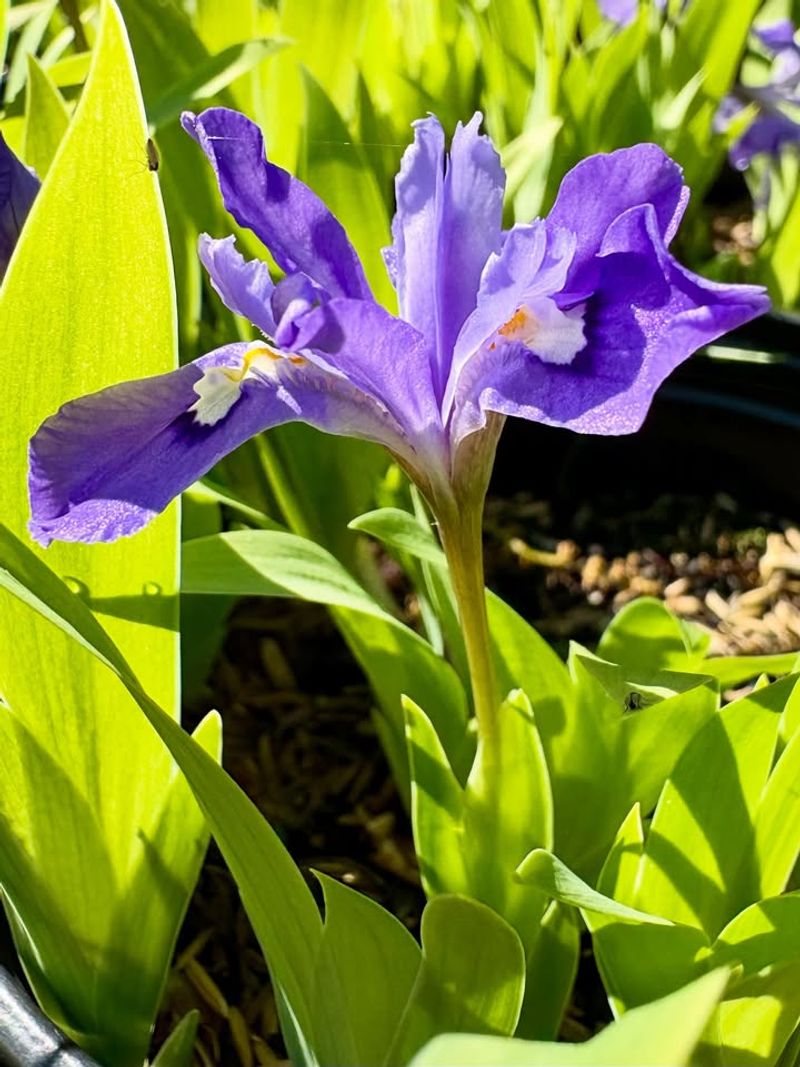
There is something almost magical about seeing blue flag iris in full bloom. The flowers are a rich violet-blue with intricate yellow and white markings, and they appear in late spring just as many dragonflies are beginning their season.
Native to wetlands and stream edges across Pennsylvania, blue flag iris is one of the most visually stunning plants you can add to a rain garden or pond margin.
Dragonflies are strongly attracted to the moist, sheltered microhabitats that blue flag iris creates. The dense clumps of upright, sword-shaped leaves provide cover and perching spots for hunting dragonflies.
Planting blue flag iris alongside other water-loving natives creates layered habitat that supports dragonflies through multiple stages of their life cycle, which is exactly what you want if reducing mosquito activity is your goal.
Growing blue flag iris is not complicated. It thrives in full sun to partial shade and prefers consistently wet or moist soil.
It handles standing water for short periods, making it an excellent choice for rain gardens that flood and drain with each storm. Established clumps grow slowly but steadily, eventually forming impressive masses of foliage and flowers.
One thing worth knowing is that blue flag iris is toxic if eaten, so keep it away from areas where pets or small children might chew on the leaves or roots. That said, it poses no risk simply from being in the garden.
For a classically beautiful native plant that pulls double duty as a dragonfly habitat builder and a rain garden workhorse, blue flag iris is hard to beat.
5. Cardinal Flower
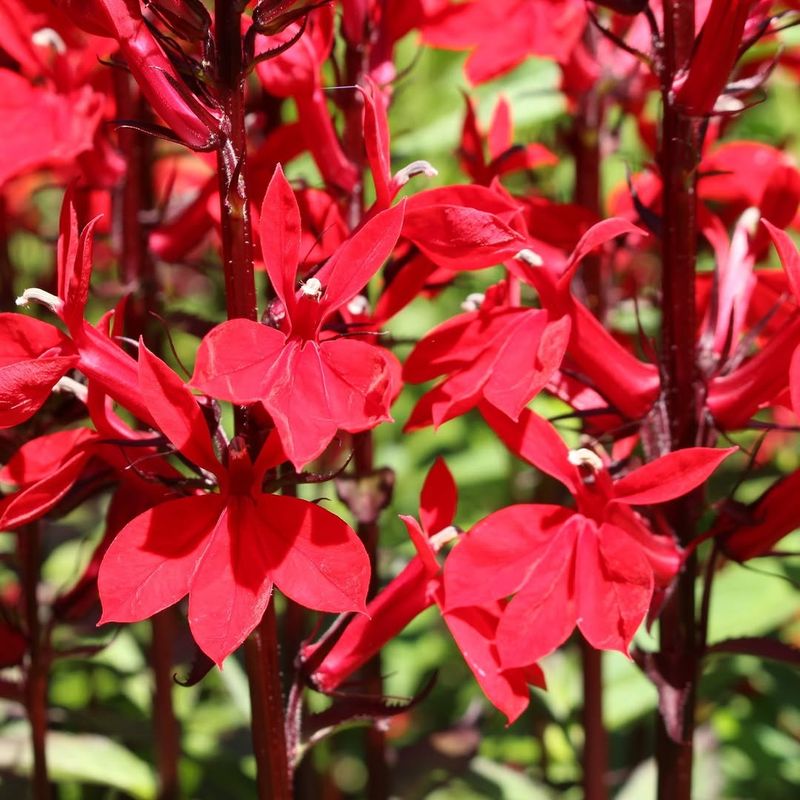
Imagine a flash of pure red cutting through a shaded garden corner in late summer. That is the cardinal flower at its best.
One of the most eye-catching native plants in Pennsylvania, cardinal flower produces tall spikes of brilliant scarlet blooms from July through September, drawing hummingbirds like a magnet. But hummingbirds are not the only visitors that benefit from this plant.
Cardinal flower grows naturally along stream banks and in moist forest clearings, which are exactly the kinds of environments dragonflies prefer for hunting.
When you plant cardinal flower in a moist backyard spot, you are essentially recreating a small piece of that natural habitat.
Dragonflies patrol these areas actively, picking off mosquitoes and other flying insects with remarkable precision.
Getting cardinal flower established takes a little patience, but it is worth it. It prefers moist to wet soil and does best in partial shade, though it can handle full sun if the soil stays consistently damp.
Once it flowers, it self-seeds readily, meaning you will often find new seedlings popping up nearby the following spring. Over time, a single plant can expand into a lovely naturalized patch.
Cardinal flower pairs beautifully with other moisture-loving natives like blue flag iris and swamp milkweed, creating a layered planting that supports a wide range of wildlife. The vivid red color adds real drama to shaded garden spots that can sometimes feel dull.
If you want a plant that feeds hummingbirds, supports dragonflies, and brings serious visual impact to a moist Pennsylvania garden, cardinal flower delivers on every front.
6. Soft Rush
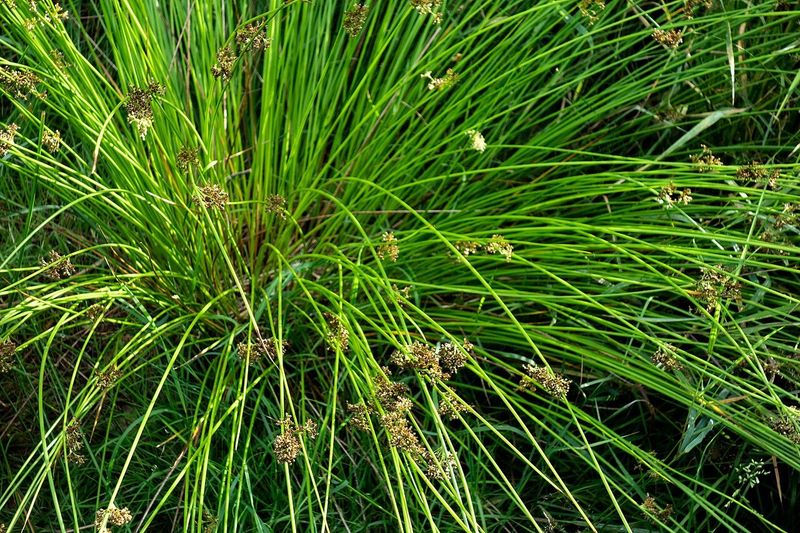
Soft rush might not have the showy flowers of cardinal flower or the bold height of Joe-Pye weed, but do not let that fool you. This modest, grass-like plant plays a quietly critical role in dragonfly habitat.
Native to wetlands and pond edges across Pennsylvania, soft rush forms dense clumps of smooth, cylindrical green stems that provide exactly the kind of structure dragonflies need to complete their life cycle.
When dragonfly nymphs are ready to emerge from the water as adults, they need firm vertical stems to climb. Soft rush provides this perfectly.
The stems are strong enough to support a transforming dragonfly and positioned right at the water’s edge where nymphs naturally travel. More adult dragonflies emerging from your pond means more mosquito hunters patrolling your yard throughout the summer.
Soft rush thrives in full sun and wet to moist soil. It handles standing water well and is one of the toughest plants you can choose for a rain garden or pond margin.
It grows to about two to four feet tall and spreads slowly through rhizomes, forming wider clumps over time without becoming invasive. It stays green through much of the year, giving your water garden a clean, structured look even when other plants have faded.
Birds also appreciate soft rush, using the stems and seeds for nesting material and food. Pairing it with flowering natives like pickerelweed or swamp milkweed creates a more complete habitat.
For anyone serious about building a genuine dragonfly-friendly pond environment in Pennsylvania, soft rush is a foundational plant you simply should not skip.
7. Blue Vervain
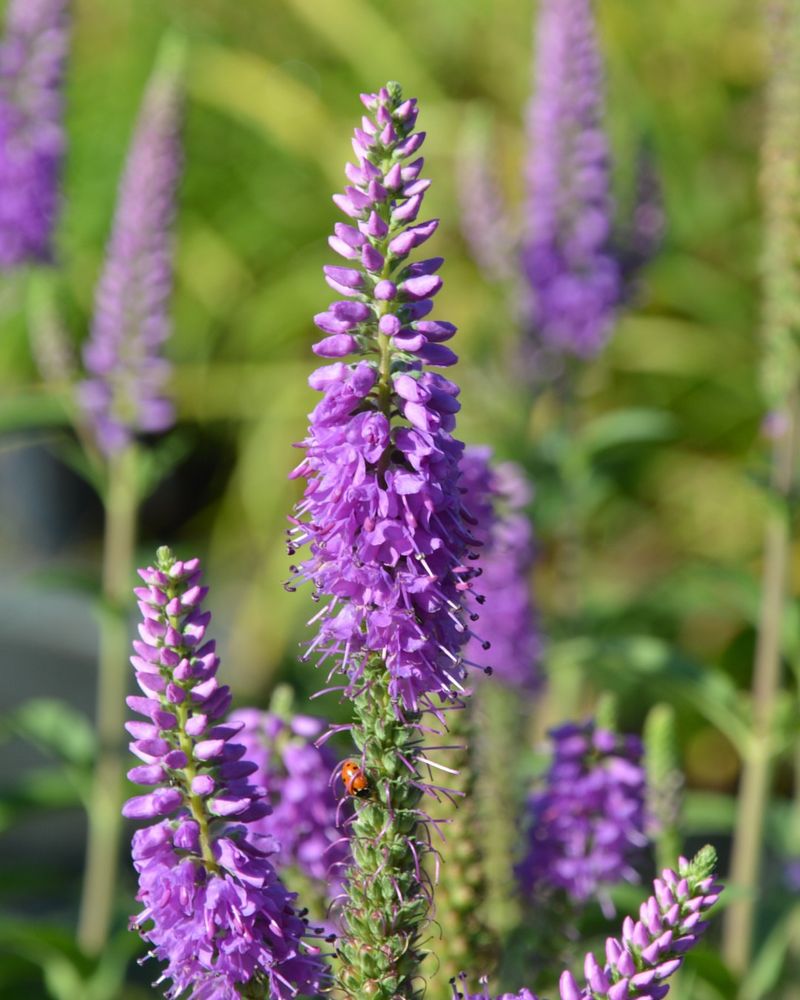
Blue vervain has a certain wild energy about it that feels perfectly at home in a naturalistic Pennsylvania garden. Its slender spikes of tiny violet-blue flowers open progressively from the bottom up, creating a long-lasting display that stretches from midsummer well into fall.
That extended bloom season makes it a consistent draw for pollinators, and the moist habitats it favors are prime real estate for hunting dragonflies.
Found naturally along stream banks, wet meadows, and roadside ditches across Pennsylvania, blue vervain is fully adapted to the state’s climate and soil conditions.
It grows best in full sun with consistently moist soil, making it an excellent choice for rain gardens, pond edges, or any low-lying spot in your yard that tends to stay wet after rain. Once established, it is remarkably tough and needs very little attention.
Dragonflies are frequently spotted patrolling the airspace above blue vervain patches, especially when the plants grow near open water. The dense, upright stems also provide perching spots where dragonflies can rest between hunting runs.
More resting and patrolling dragonflies in your garden translates directly into fewer mosquitoes buzzing around during your outdoor time.
Blue vervain self-seeds freely, which means you often get new plants each year without any extra effort. Birds, especially swamp sparrows and cardinals, love eating the seeds in late fall and winter, adding another layer of wildlife value.
If you want a tough, beautiful, and ecologically generous plant that thrives in sunny wet Pennsylvania gardens and actively supports natural mosquito control, blue vervain is a fantastic choice that rarely disappoints.