This Is The Best Way To Grow Okra In Florida Gardens
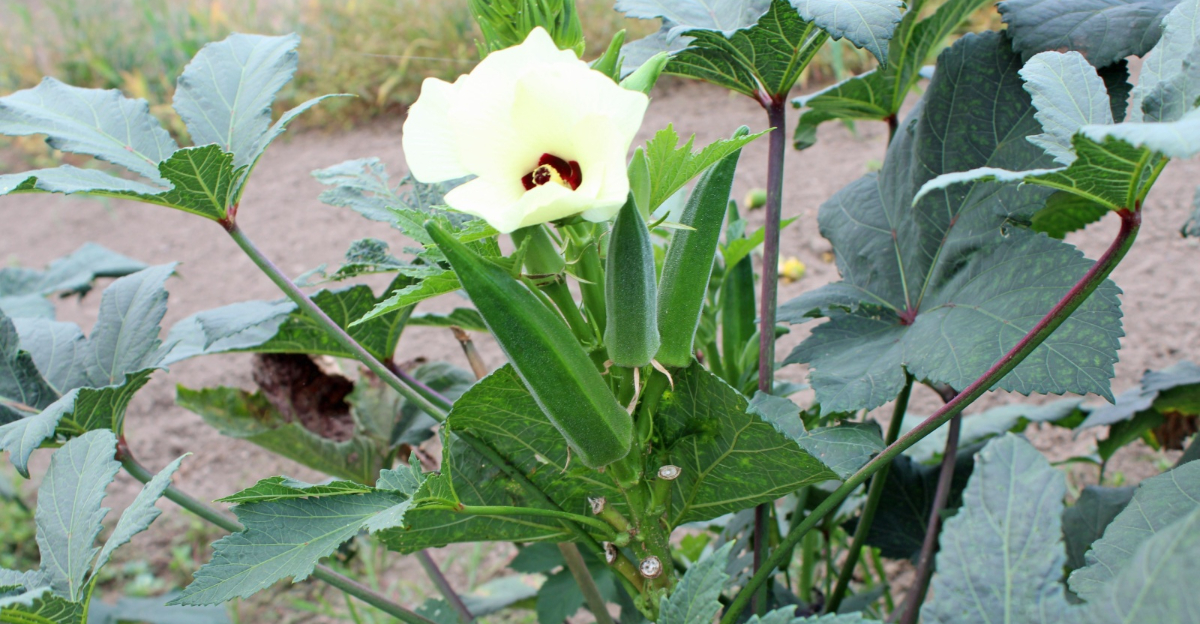
Okra loves Florida heat, but plenty of gardens still end up with tall plants and barely any pods. That usually comes down to a few small choices made early on.
Get those right and okra can grow fast, branch out, and keep producing through the long, warm stretch that Florida is known for. Get them wrong and the plants look healthy but stay frustratingly unproductive.
Great okra starts long before the first flower shows up. Soil texture, planting time, and spacing all play a bigger role than most people expect.
Even watering habits can shift the entire outcome. Florida offers one of the best environments for this crop, yet success depends on using that heat and sun the right way.
A few smart adjustments can turn a slow, uneven patch into a steady supply of tender, flavorful pods that keep coming week after week.
1. Select Heat-Loving Varieties Built For Florida
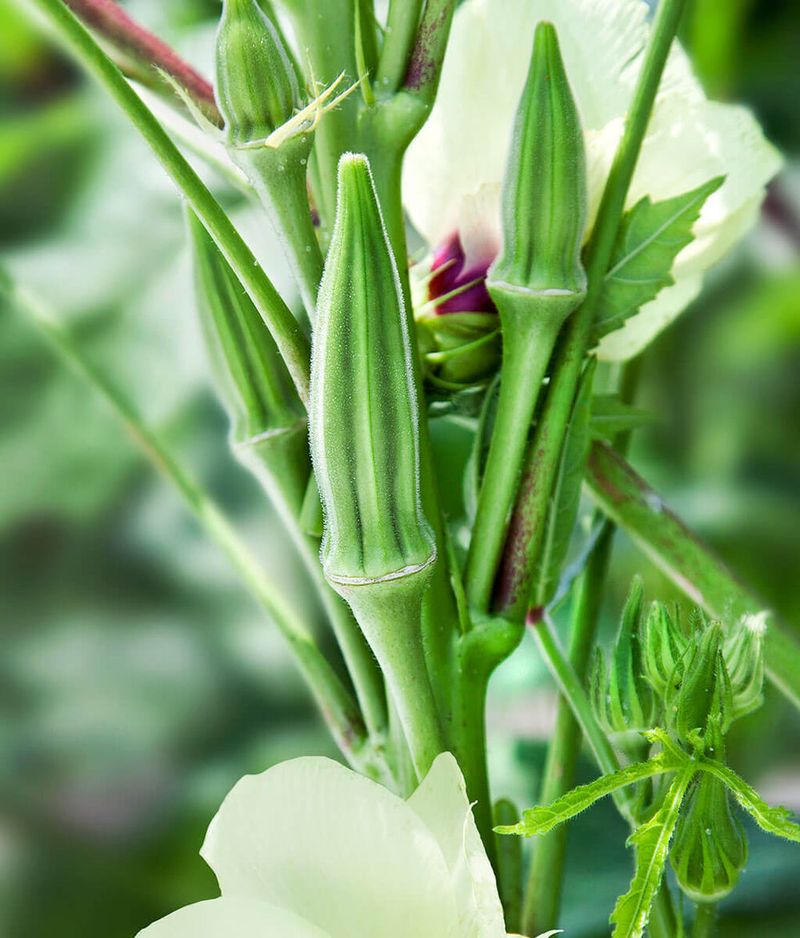
Picking the right variety is where every successful Florida okra garden begins.
Not all okra is created equal, and choosing a variety that was specifically bred for hot, humid, southeastern conditions gives you a massive head start over gardeners who just grab whatever seed packet looks good at the store.
Clemson Spineless is the gold standard for Florida growers. Developed by Clemson University specifically for the Southeast, this variety produces smooth, tender pods and resists the kind of heat stress that makes other plants stall out.
It consistently ranks as a top performer in University of Florida IFAS Extension vegetable trials across the state.
Emerald is another fantastic choice, especially if you want straighter, darker pods that hold their tenderness a little longer on the plant. For gardeners with limited space, Annie Oakley II offers a compact growth habit without sacrificing yield.
Alabama Red adds visual flair with deep burgundy pods and a slightly nutty flavor that stands out at the farmers market.
Matching your variety to Florida’s unique conditions is not just a suggestion from extension agents, it is genuinely the smartest first move you can make before a single seed hits the ground.
2. Wait For The Soil To Warm Up Completely
Florida gardeners are no strangers to the temptation of a warm February afternoon that feels absolutely perfect for planting.
That stretch of mild weather locals call a “False Spring” can fool even experienced growers into putting okra seeds in the ground weeks too early, only to watch them sit dormant or stunt before they ever get going.
Okra needs consistent soil temperatures of at least 65 degrees Fahrenheit, and it truly thrives when overnight air temperatures hold steady at 70 degrees or above.
According to UF/IFAS planting calendars, North Florida growers should wait until March, while Central Florida gardeners can start as early as February.
South Florida gardeners enjoy the longest window, planting from January through early spring and again in late summer.
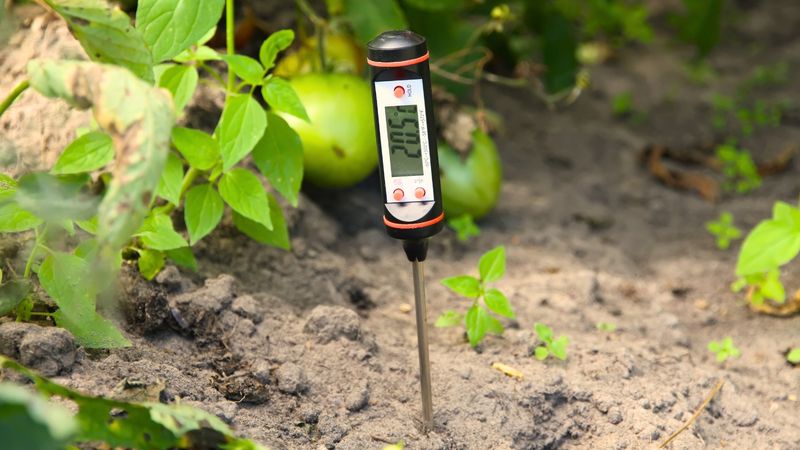
A cheap soil thermometer is one of the best investments a Florida vegetable gardener can make. Stick it about three inches deep in your bed first thing in the morning, which is when soil is at its coolest.
Your Florida Garden Changes Every Week. Your Plan Should Too.
Gardening in Florida changes quickly throughout the season. Every Friday you’ll receive a simple weekly plan showing exactly what to plant, prune, fertilize, harvest, and protect so you never miss the right timing.
Once that reading stays comfortably above 65 degrees for several days in a row, your soil is genuinely ready. Rushing this step almost always leads to slow germination, weak seedlings, and a harvest that never quite reaches its potential for the season.
3. Choose A Spot With Maximum Sun Exposure
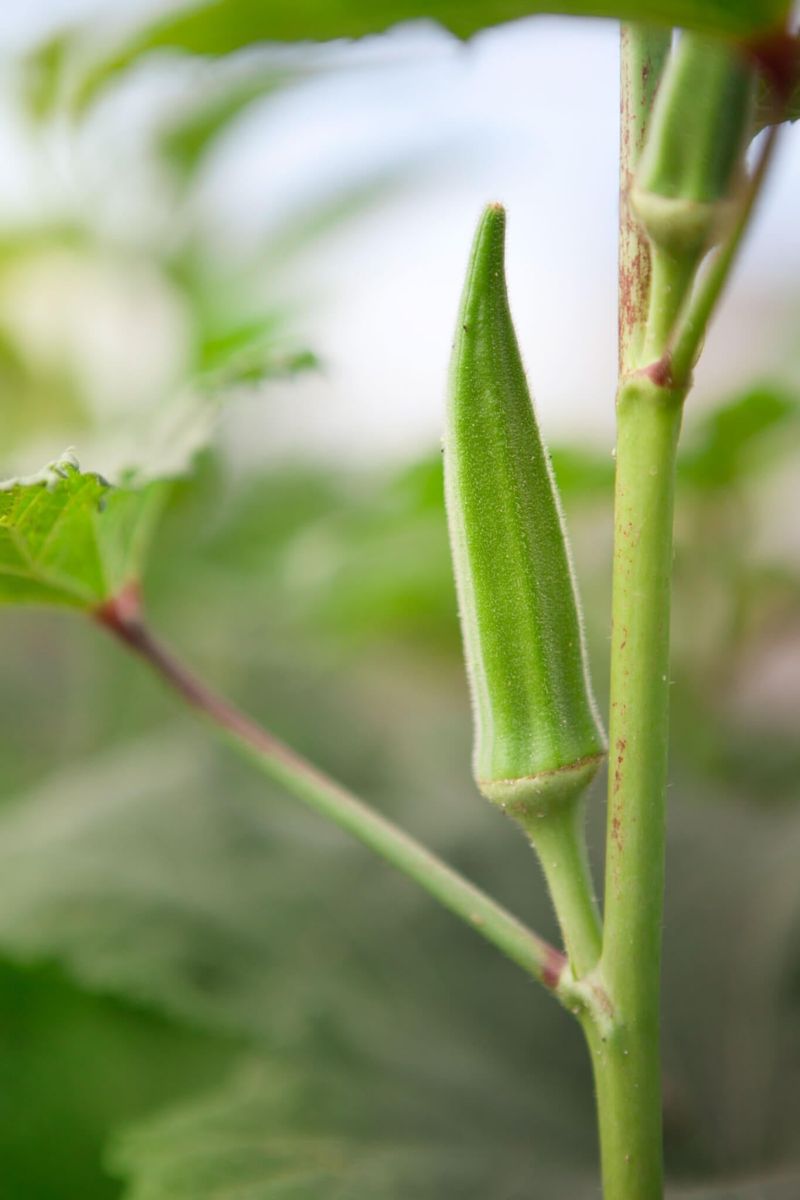
Okra is a member of the hibiscus family, and like its ornamental cousin, it was engineered by nature to soak up every ray of light the sun throws at it.
Those gorgeous yellow blooms that appear before each pod forms are powered almost entirely by intense, direct solar energy.
Shade is simply not an option for this crop.
Plan on giving your okra bed a minimum of eight full hours of direct Florida sun every single day. South or southwest-facing spots in your yard typically deliver the strongest afternoon light, which is exactly what the plant craves during its peak production phase.
Avoid planting near fences, tall trees, or structures that cast afternoon shadows, because even two or three hours of shade can noticeably reduce your pod count.
One practical trick seasoned Florida gardeners use is to observe a potential planting spot throughout an entire day before committing to it. Walk out at 9 a.m., noon, and 3 p.m. to check for shadows.
The Florida sun shifts angle between seasons, so a spot that looks wide open in winter may actually get partially shaded by a nearby tree once summer foliage fills in.
Spending one afternoon doing this simple observation can save an entire growing season from underperforming.
4. Provide Deep Watering Sessions During The Dry Season
Florida’s dry season, which typically runs from November through May, creates a watering challenge that catches newcomers off guard.
The state looks green and lush, but the lack of afternoon thunderstorms means your okra roots are working hard in soil that can dry out surprisingly fast, especially in the sandy conditions found across much of the peninsula.
Deep, infrequent watering beats shallow, frequent watering every single time with okra. Aim to water slowly and thoroughly at the base of each plant, allowing moisture to penetrate at least six to eight inches down into the soil.
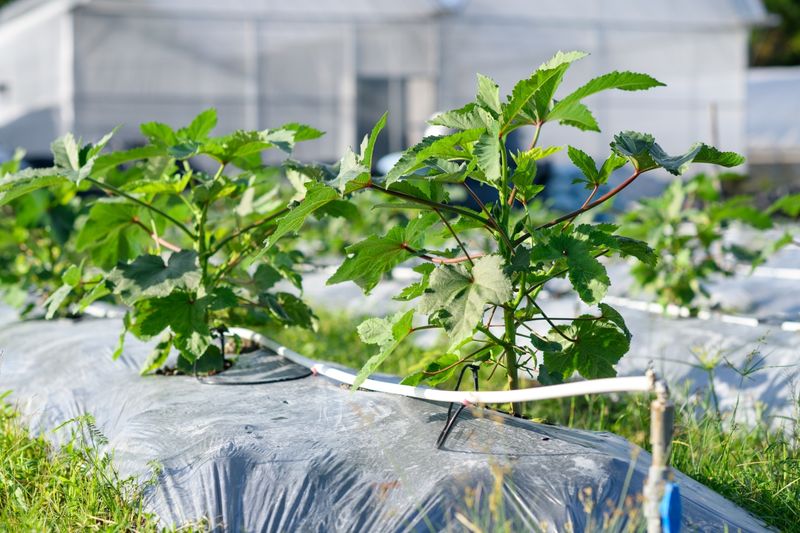
This encourages roots to grow deep and strong, making the plant far more resilient during any unexpected dry stretch. A soaker hose or drip irrigation system is ideal because it delivers water right where it is needed without splashing onto the leaves.
Overhead watering is the approach to avoid in Florida’s already-humid environment. Wet foliage sitting in warm, stagnant air creates the perfect breeding ground for fungal leaf diseases that can weaken your plants quickly.
Water early in the morning if hand-watering is your only option, so any accidental splash on leaves has time to evaporate before evening. Keeping moisture at root level is the smartest strategy for a long, productive okra season in Florida.
5. Space Your Plants To Ensure Proper Airflow
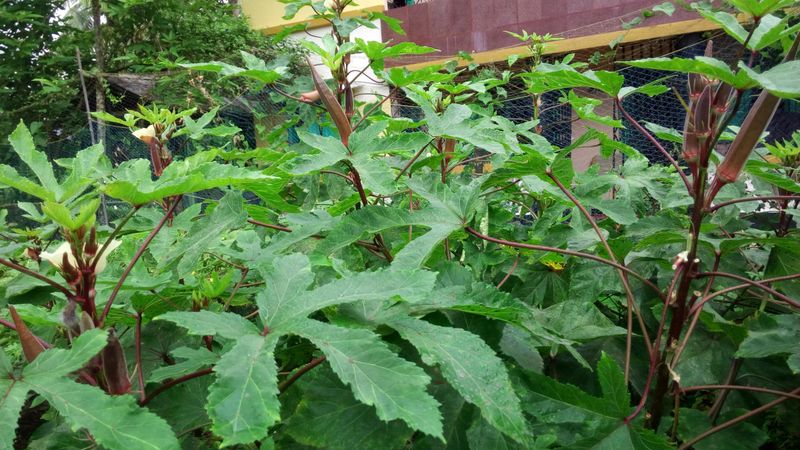
Humidity in Florida during summer is not just uncomfortable for people. It creates a slow, creeping threat for vegetable gardens that are planted too close together.
Stagnant, moisture-laden air trapped between dense plant foliage is one of the primary reasons powdery mildew and other fungal issues take hold and spread through an okra planting before gardeners even realize what is happening.
UF/IFAS Extension recommends spacing okra plants at least 12 to 18 inches apart within rows, with rows set at least three feet apart from each other.
In Florida’s steamy summer conditions, leaning toward the wider end of that spacing range is the smarter play.
More space between plants means better air circulation, faster drying of leaf surfaces after rain, and less opportunity for disease spores to jump from one plant to the next.
Thinning seedlings is a step that feels wasteful but is absolutely worth doing. Many gardeners plant multiple seeds per hole to ensure germination, then hesitate to remove the extras once they sprout.
Leaving three or four seedlings crowded together in one spot undermines all your other efforts. Pull the weaker seedlings early and give each remaining plant the full space it needs.
That small act of discipline early in the season pays off enormously by midsummer when your plants are tall, healthy, and wide open to the breeze.
6. Use Heavy Mulch To Regulate Root Temperature
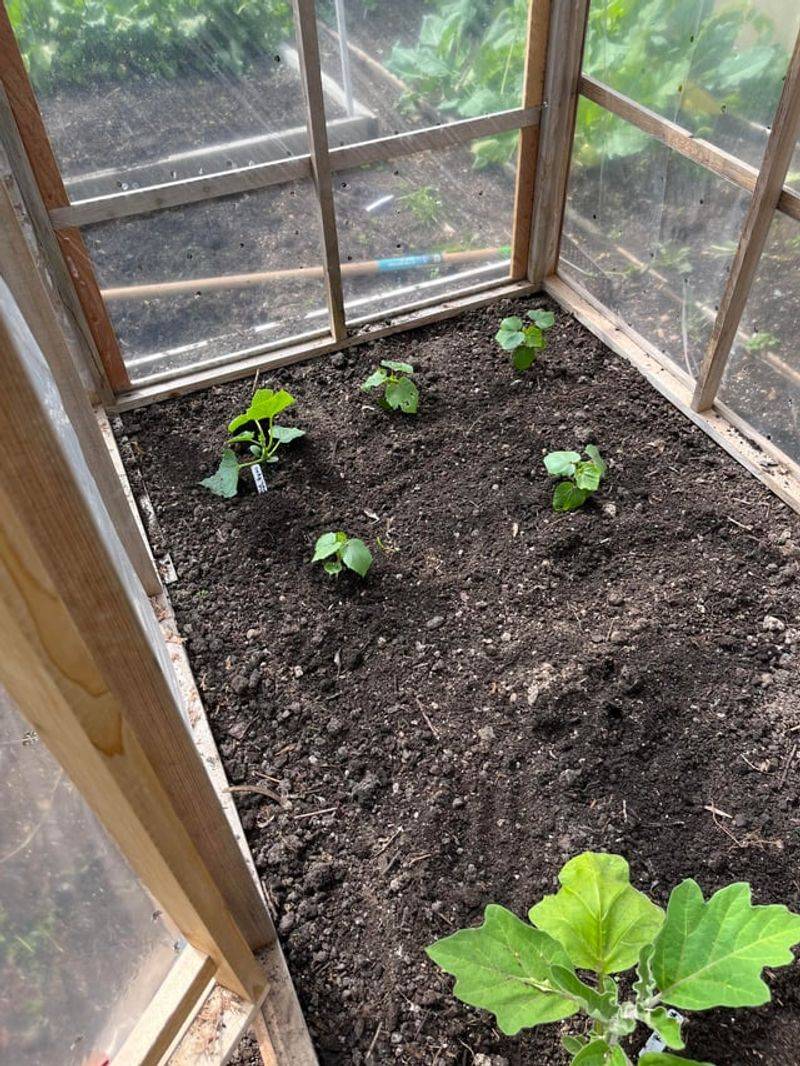
Sandy soil is one of Florida’s most defining gardening challenges. While it drains beautifully after heavy rain, it also heats up to extreme temperatures under the summer sun.
Walk barefoot across a sandy Florida yard at noon in July and you will understand immediately why the roots of any plant sitting in that same soil without protection are under serious stress.
A thick layer of organic mulch, at least three to four inches deep, acts like a thermal blanket around your okra’s root zone.
It keeps soil temperatures noticeably cooler on scorching afternoons, reduces moisture evaporation between watering sessions, and slowly breaks down to improve the structure of Florida’s notoriously nutrient-poor sandy soil.
Pine straw, shredded leaves, and wood chips are all excellent choices widely available throughout the state.
Pull the mulch back slightly from the main stem of each plant to prevent rot right at the soil line, then spread it generously in all directions out to the plant’s drip line.
Refreshing your mulch layer midseason is a smart habit because it compresses and decomposes faster in Florida’s heat and rain.
Gardeners who mulch heavily consistently report stronger plants, better moisture retention, and fewer weeds competing for nutrients, making it one of the highest-return low-effort practices in a Florida vegetable garden.
7. Harvest The Pods Early And Often
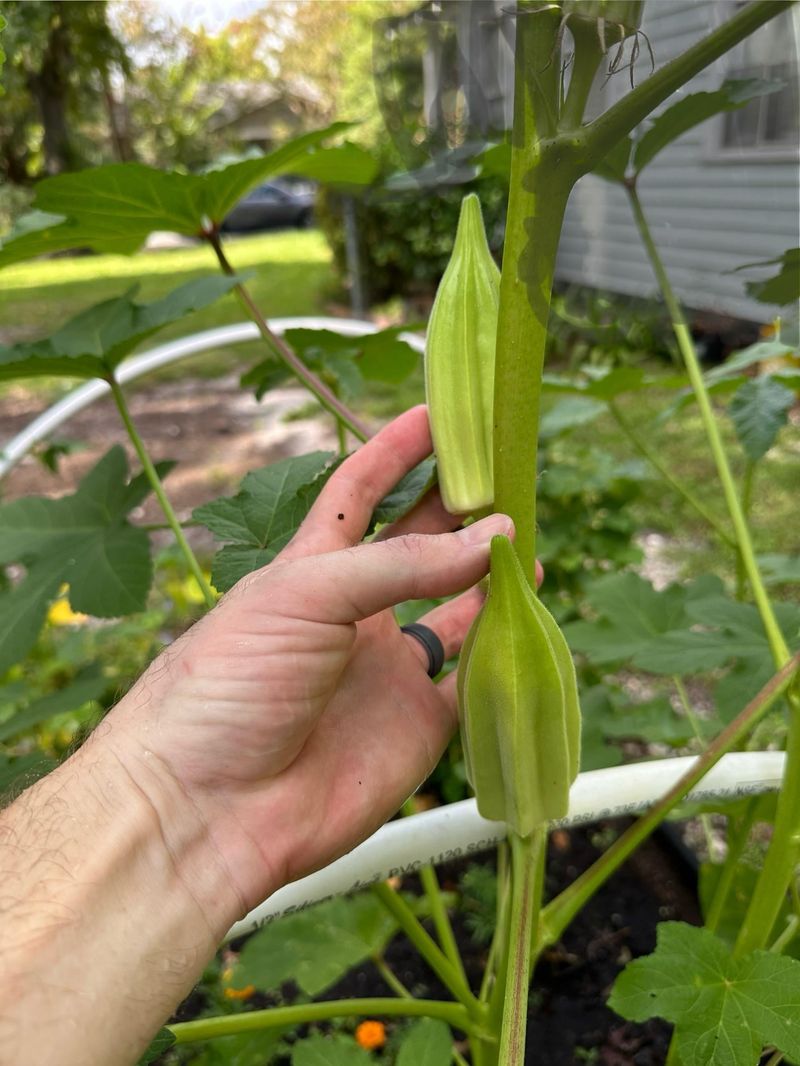
Ask any longtime Florida okra grower what single habit separates a productive plant from a disappointing one, and the answer comes back the same way every time: harvest early and harvest often.
Okra pods go from perfectly tender to tough and woody faster than almost any other vegetable in the garden, and the window for peak quality is surprisingly short in Florida’s accelerated growing conditions.
Pods should be picked when they reach two to three inches long. At that size they are tender, flavorful, and easy to cut cleanly from the plant.
Once a pod stretches past four inches, the seeds inside begin to harden, the outer skin toughens, and the eating quality drops off sharply.
A pod left on the plant too long does more than just go to waste, it actually signals the plant to slow down production, which is the opposite of what any gardener wants.
Check your okra plants every single day during peak season. In Florida’s summer heat, pods can grow an inch overnight with no exaggeration.
Wear gloves and long sleeves when harvesting because the fine hairs on okra leaves and pods can irritate sensitive skin. Use a sharp pair of garden scissors or pruning shears to cut the stem cleanly just above the cap of each pod.
Consistent daily harvesting keeps the plant energized, flowering continuously, and producing right through the long Florida growing season.
8. Watch Out For Nematodes In Sandy Florida Soils
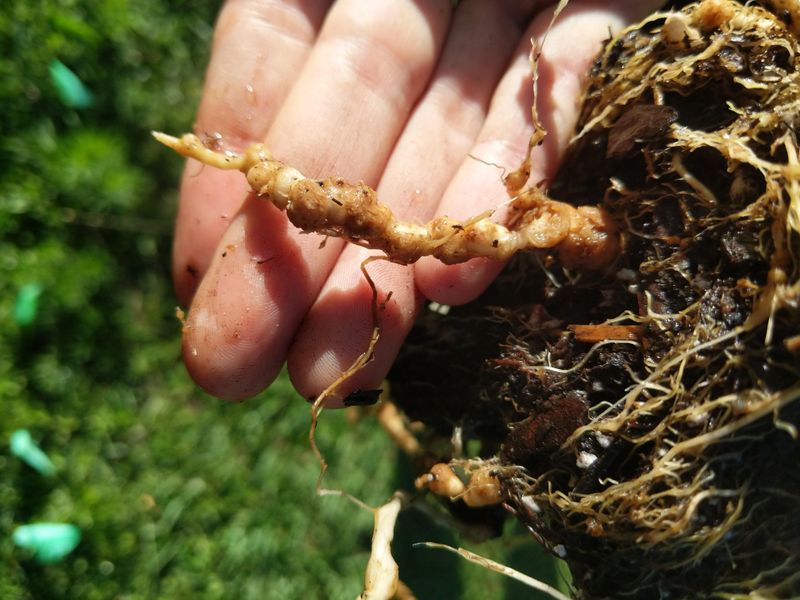
Beneath the surface of Florida’s sandy soil lives one of the most frustrating invisible threats a vegetable gardener faces: root-knot nematodes.
These microscopic roundworms burrow into plant roots, forming distinctive knotty galls that block the flow of water and nutrients up through the plant.
An okra plant battling a heavy nematode infestation will stunt, yellow, and slowly decline even when watering and fertilizing seem perfectly on track.
Sandy soils are especially hospitable to nematodes because the loose particles allow them to move freely through the ground in search of new roots to invade.
UF/IFAS Extension research consistently identifies root-knot nematodes as one of the top soil-borne challenges for Florida vegetable gardeners.
The good news is that building up your soil’s organic matter content creates a measurable level of resilience. Compost introduces beneficial microorganisms that naturally suppress nematode populations over time.
Rotating your okra bed to a different location each season is one of the most effective long-term management strategies available to home gardeners.
Planting a cover crop of marigolds, particularly the French variety, between growing seasons has also shown real nematode-suppressing results in Florida trials.
If you notice stunted growth despite good care, pull one plant and inspect the roots for small, bead-like swellings. Catching a nematode problem early and amending with compost aggressively can turn a struggling bed around before the season is lost.